Senegal
África
Senegal occupies the western tip of Africa and brings together Sahelian aridity in the north, Sudanian savannah in the southeast and the mangroves and moist forests of Casamance, along with an Atlantic coast enriched by the upwelling of cold water. The Senegal river and its delta form wetlands of global importance, and the Saloum delta, with its channels between mangroves, shell islands and sandbanks, combines biodiversity with a fishing tradition thousands of years old. In the southeast, Niokolo-Koba park protects wooded savannah and gallery forest where Senegal's last populations of lion, elephant and the largest antelope in the world, the giant eland, survive. Baobabs, pelicans and flamingos are part of the country's natural imagery.
The nature of Senegal
National animal: The African lion, on the national coat of arms and the symbol of the country's sports teams
Did you know?
Djoudj park, in the Senegal river delta, is the first great expanse of fresh water that millions of European birds meet after crossing the Sahara. For many it is literally the point where the desert ends, and they arrive exhausted after several days of continuous flight. Wildfowl, waders and one of Africa's largest breeding colonies of great white pelican gather there.
Biodiversity profile
Climate
- •Tropical con estacion seca (Aw/BSh), sahelo-sudanes, con gradiente de aridez creciente hacia el norte
Main biomes
- •Manglares del delta del Saloum y la Casamance
- •Sabana sudanesa y saheliana
- •Bosque de galeria a lo largo del rio Senegal
- •Delta fluvial
- •Manglar atlántico
- •Sabana sudanesa arbolada
- •Estepa saheliana
- •Bosque de galería
- •Litoral de afloramiento
- •Isla de conchas
Marine and coastal ecosystems
- •Delta del Saloum (Patrimonio Mundial, manglares y sitio Ramsar)
- •Parque Nacional de las Aves de Djoudj (delta del rio Senegal, uno de los mayores santuarios de aves acuaticas del mundo)
Flagship wildlife
- •Manati de Africa Occidental
- •Cocodrilo enano de Africa Occidental
- •Delfin jorobado del Atlantico
- •Aves acuaticas migratorias (Djoudj, millones de individuos estacionales)
- •León africano
- •Pelícano común
- •Flamenco común
- •Elán de Derby
- •Elefante africano de sabana
- •Manatí africano
- •Hipopótamo
- •Chimpancé occidental
- •Cocodrilo del Nilo
- •Espátula africana
Notable endemic species
- •33 especies vegetales endemicas registradas en el ecosistema del rio Senegal (cuenca del Lac de Guiers y bajo Senegal), entre mas de 800 especies de plantas identificadas en la zona
Notable threatened species
- •Manati de Africa Occidental (Vulnerable, limite norte de su distribucion en el rio Senegal)
- •Cocodrilo enano de Africa Occidental (Vulnerable)
- •Perdida documentada de manglares por avance de la agricultura arrocera, expansion urbana y camaronicultura
Notable protected areas
- •Parque Nacional de las Aves de Djoudj (Patrimonio Mundial)
- •Delta del Saloum (Patrimonio Mundial)
- •Parque Nacional Niokolo-Koba (Patrimonio Mundial, sabana y grandes mamiferos)
- •Parque Nacional de Aves de Djoudj
- •Parque Nacional del Delta del Saloum
- •Parque Nacional de Niokolo-Koba
- •Parque Nacional de la Lengua de Barbarie
- •Reserva de Bandia
- •Parque Nacional de Basse Casamance
Main conservation threats
- •Perdida de manglares por agricultura de arroz, expansion urbana y camaronicultura
- •Menor precipitacion regional en las ultimas decadas, que reduce la extension de habitat de manglar
- •Sobrepesca de ostras y otros recursos costeros
Notable natural phenomena
- •Esfuerzos activos de replantacion de manglares en el sur del pais (Casamance)
Conservation
Djoudj and the Saloum are World Heritage Sites and first-order Ramsar sites. Niokolo-Koba was on the List of World Heritage in Danger through poaching and grazing pressure, from which it came off after a recovery plan.
Where and when to watch wildlife
Djoudj between November and March for migratory birds and pelicans. The Saloum year-round by pirogue through the mangrove channels. Niokolo-Koba between February and May for large mammals.
Sources: One Earth - Guinean Mangroves | EBSCO Research Starters - Senegal River ecosystem | Wikipedia - Guinean mangroves
Parks and reserves
Niokolo-Koba
Senegal's largest national park; on the List of World Heritage in Danger since 2007 for the decline of its large mammals
View parkNational ParkDjoudj
The first water migrating birds find after crossing the Sahara, with three million individuals a year.
View parkNational ParkDjoudj Bird Sanctuary
The third largest bird sanctuary in the world; as many as three million migratory birds visit each year between Europe and Africa
View parkNational ParkBaja Casamance
Closed for more than two decades by the Casamance separatist conflict, one of the longest-running in West Africa
View parkPaíses similares
¿A dónde más podría interesarme viajar?
Misma región: África Occidental
Misma región: África Occidental
Misma región: África Occidental
Misma región: África Occidental
Especies documentadas en Senegal
359 species found
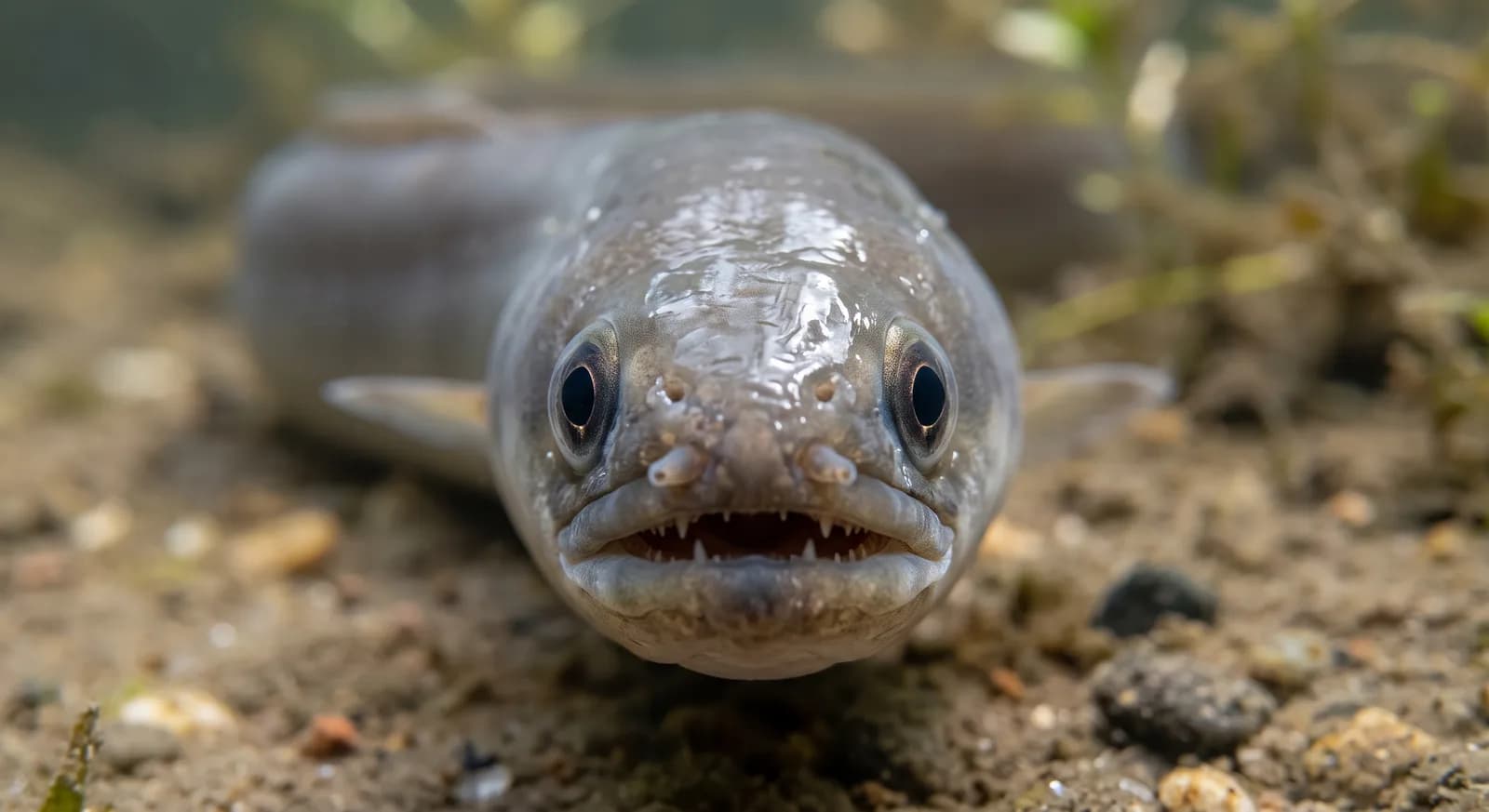 Critically Endangered
European Eel
Anguilla anguilla
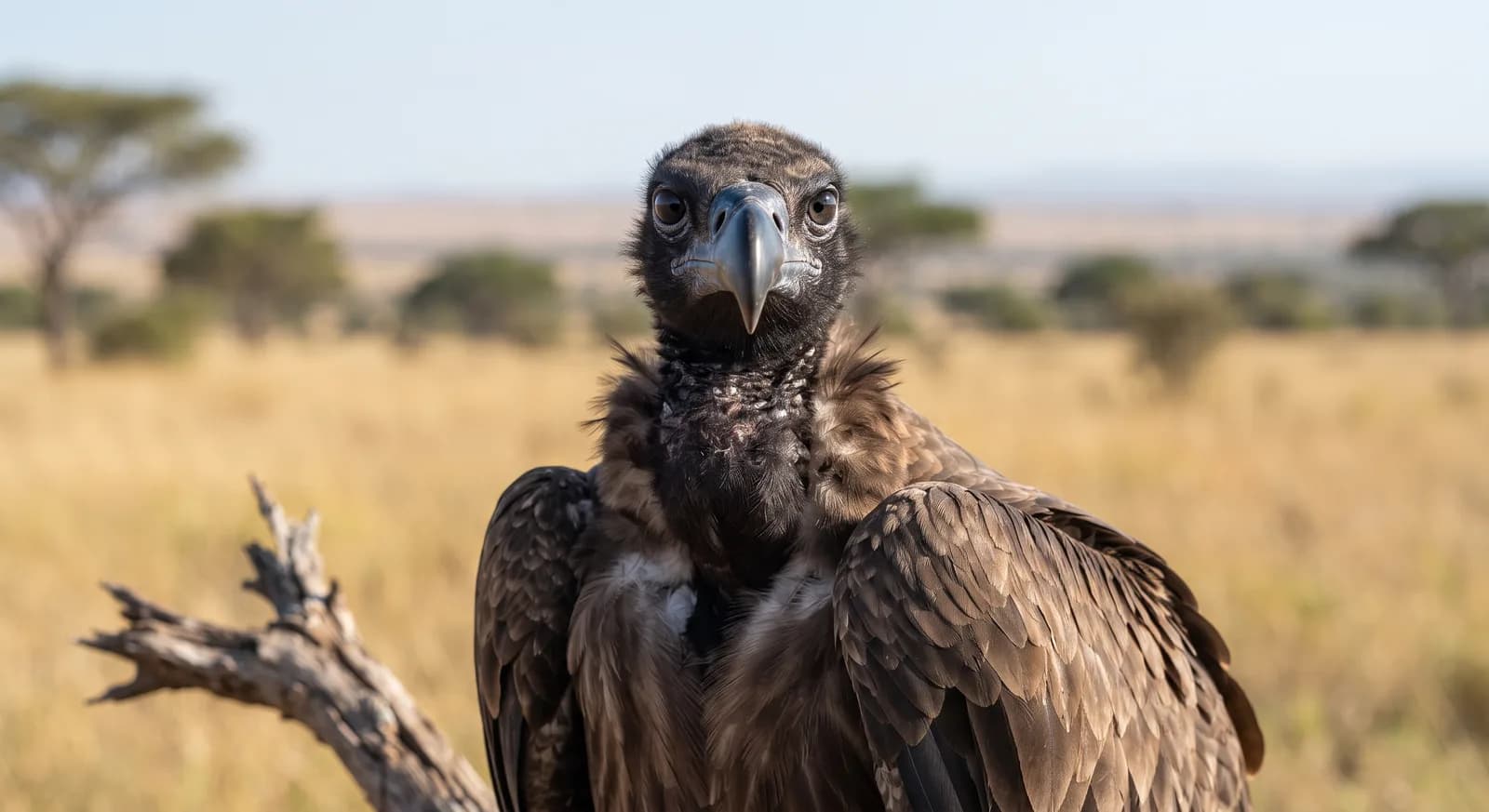 Critically Endangered
White-backed Vulture
Gyps africanus
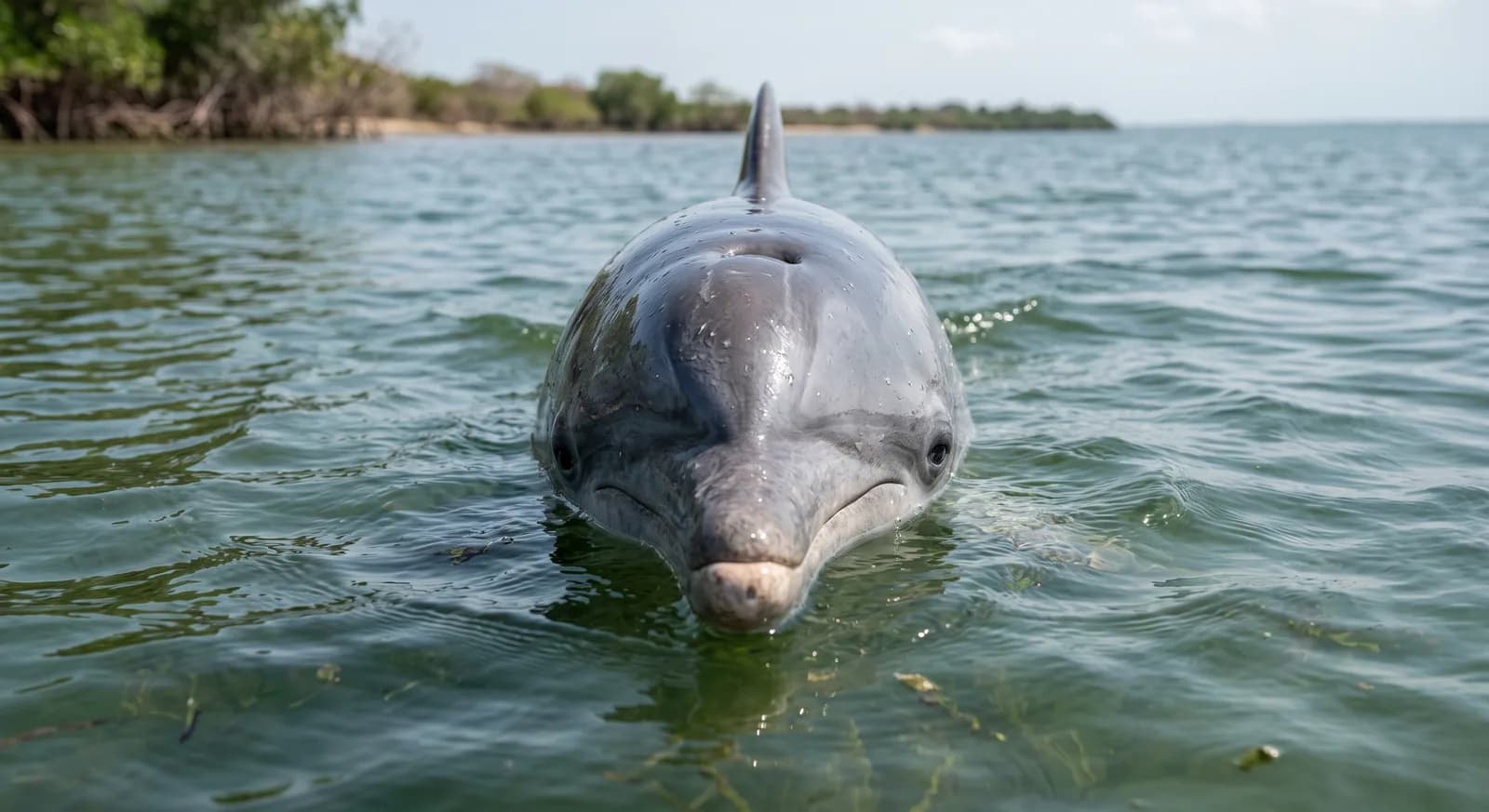 Critically Endangered
Atlantic Humpback Dolphin
Sousa teuszii
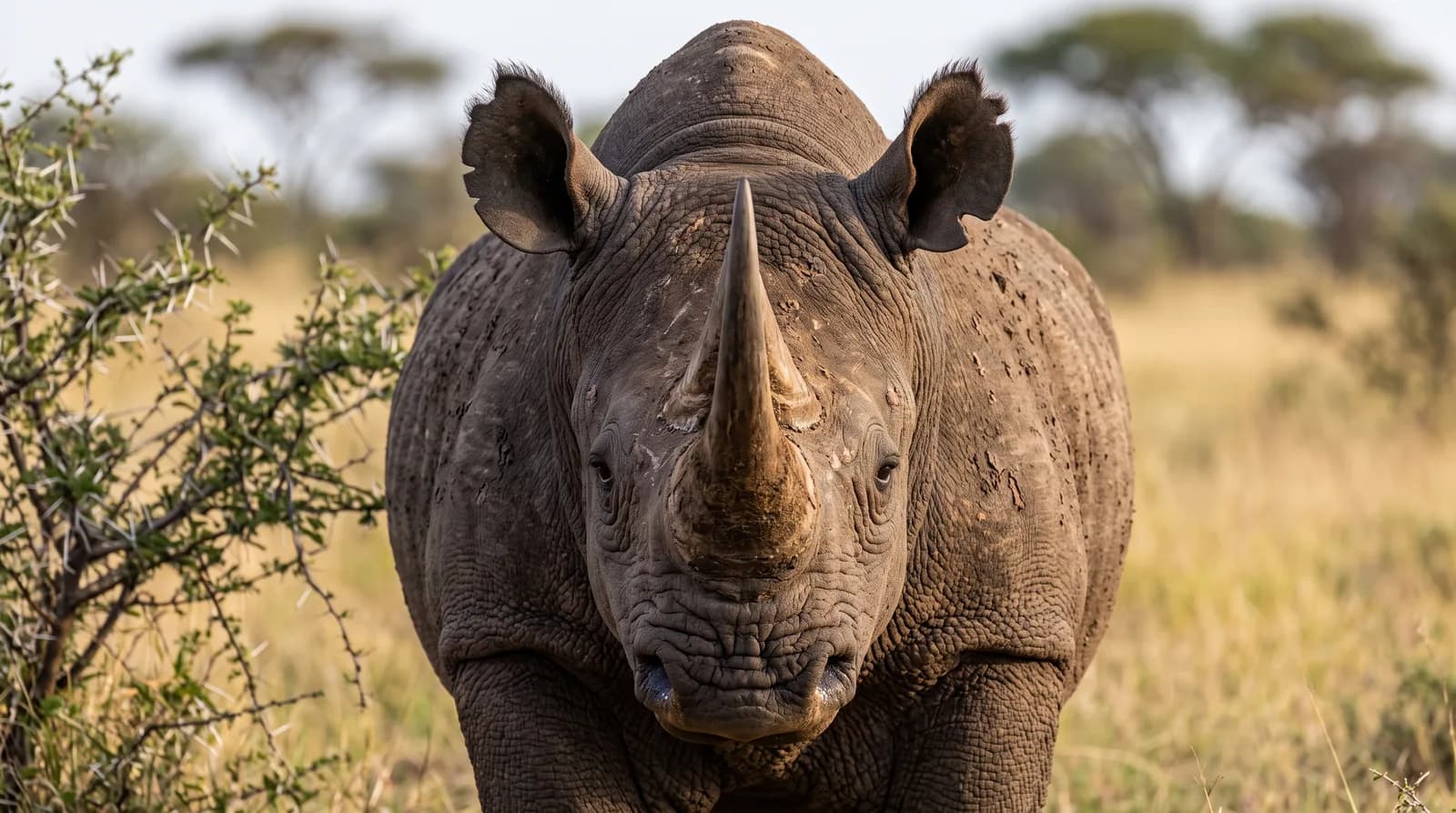 Critically Endangered
Black Rhinoceros
Diceros bicornis
 Critically Endangered
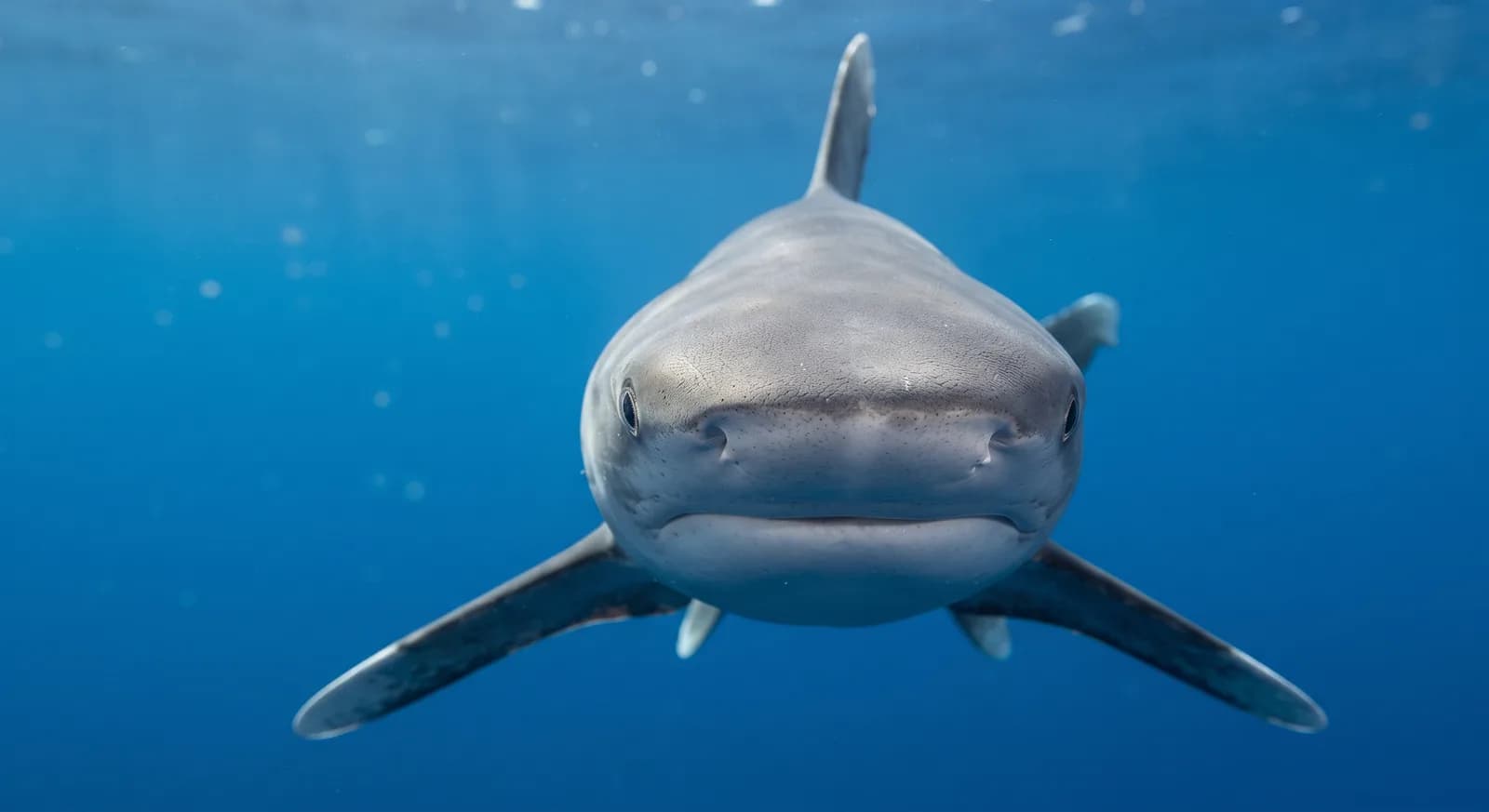
Oceanic Whitetip Shark
Carcharhinus longimanus
 Critically Endangered
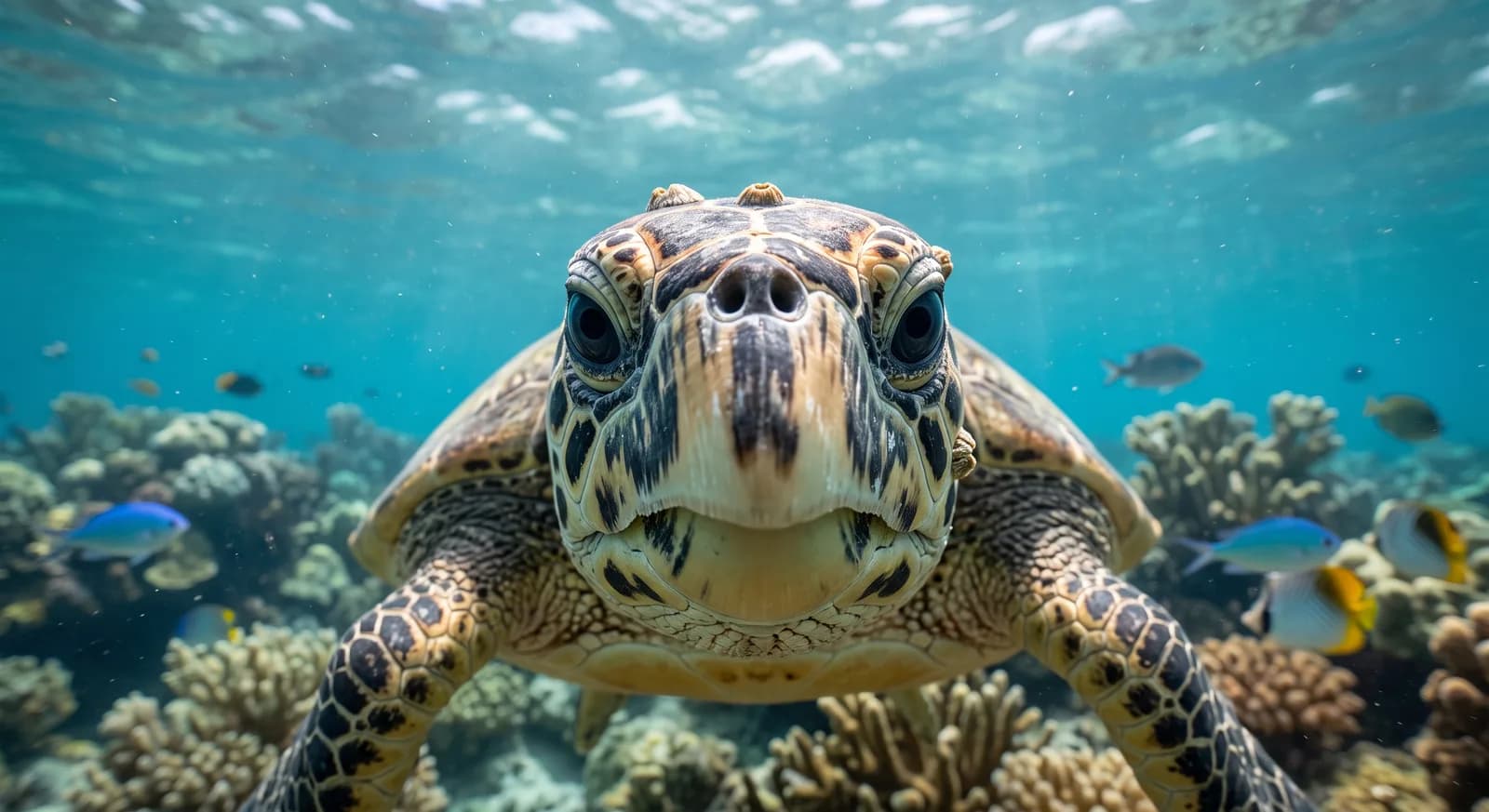
Hawksbill Turtle
Eretmochelys imbricata
 Endangered
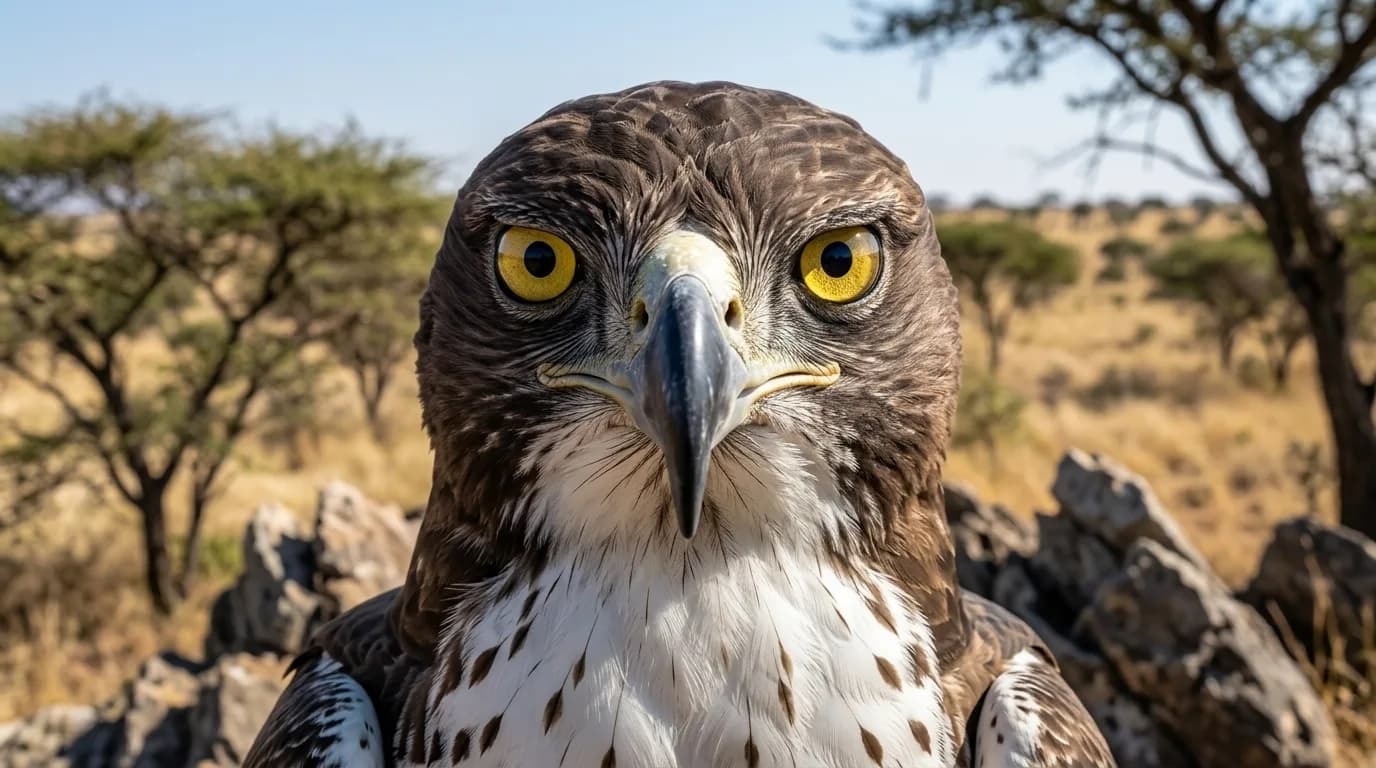
Martial Eagle
Polemaetus bellicosus
 Endangered
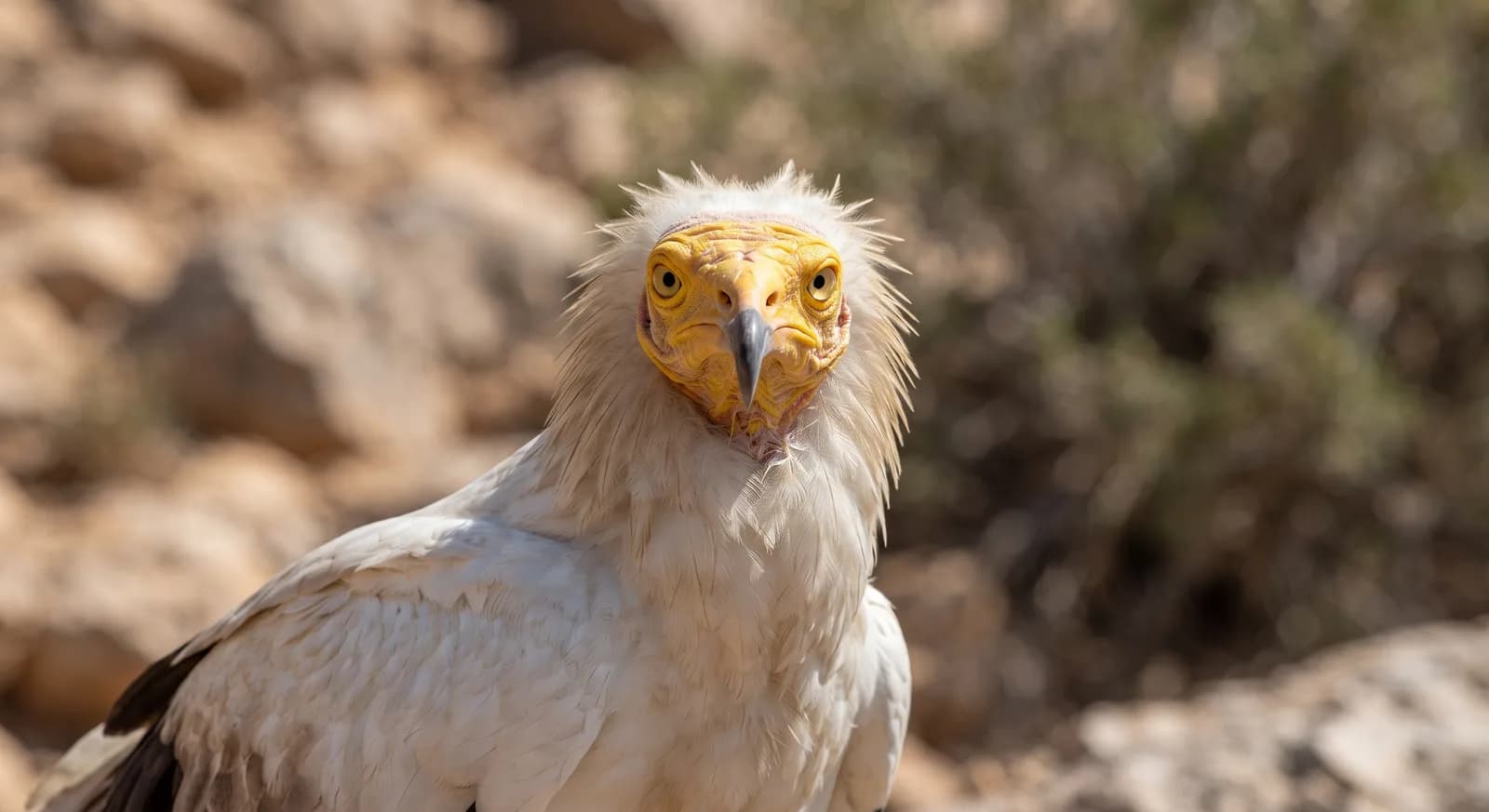
Egyptian Vulture
Neophron percnopterus
 Endangered
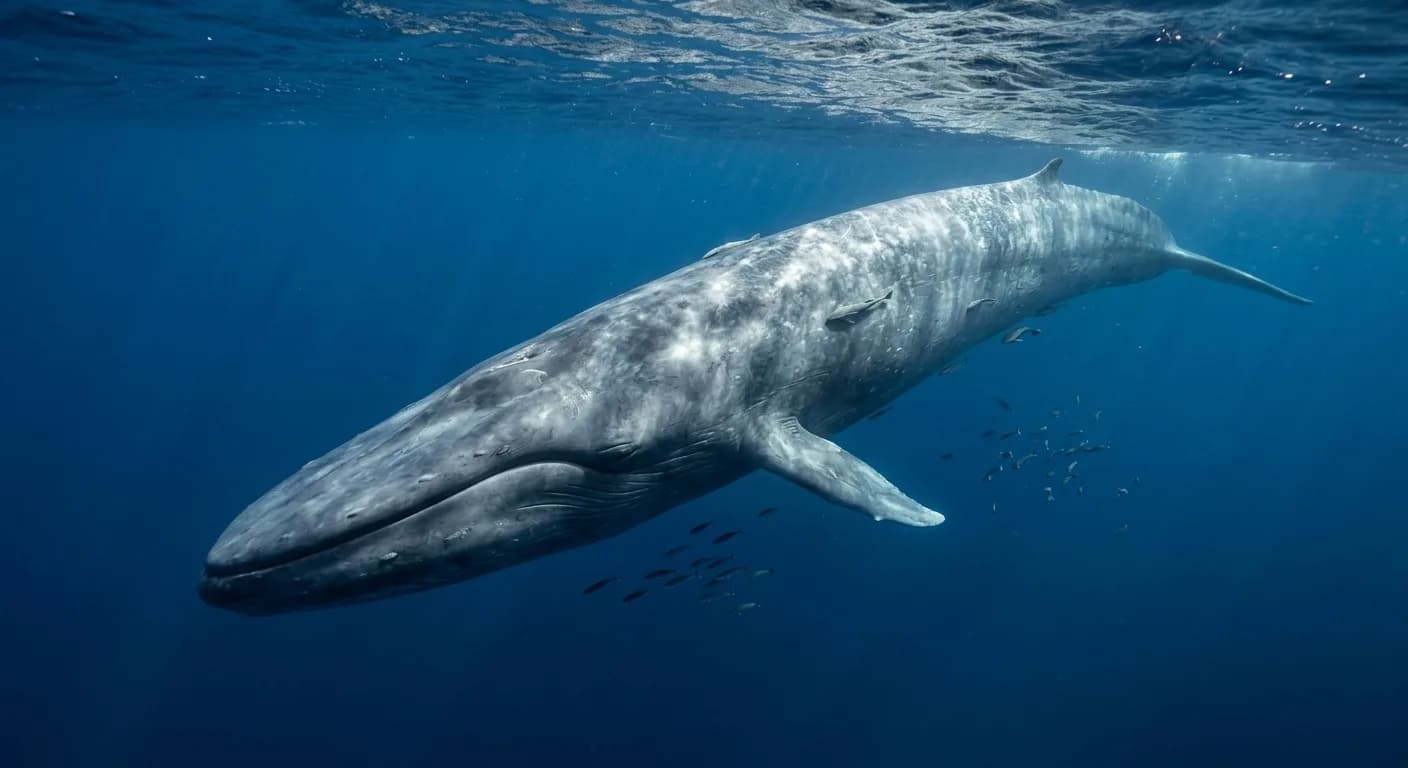
Blue Whale
Balaenoptera musculus
 Endangered
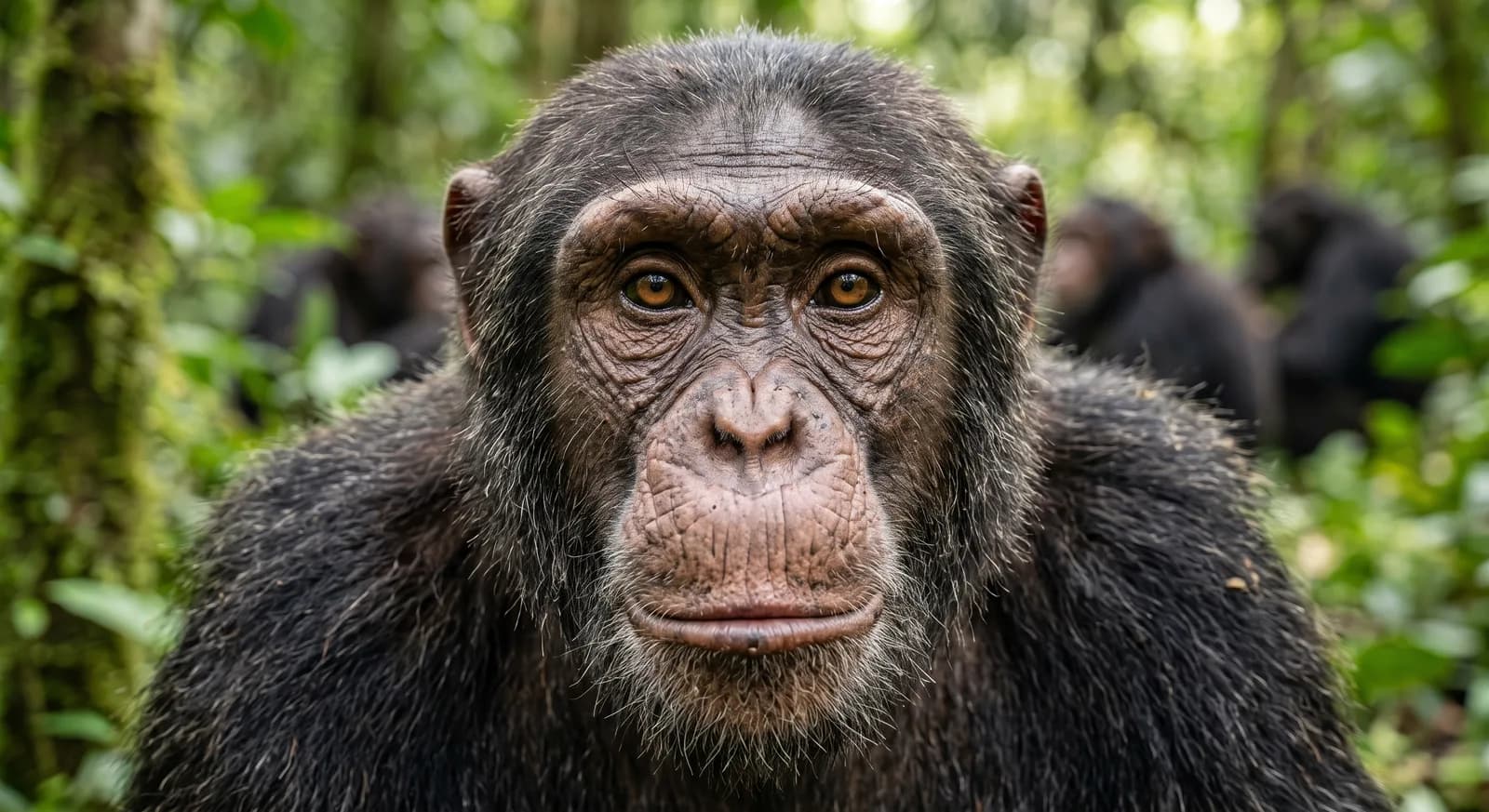
Chimpanzee
Pan troglodytes
 Endangered
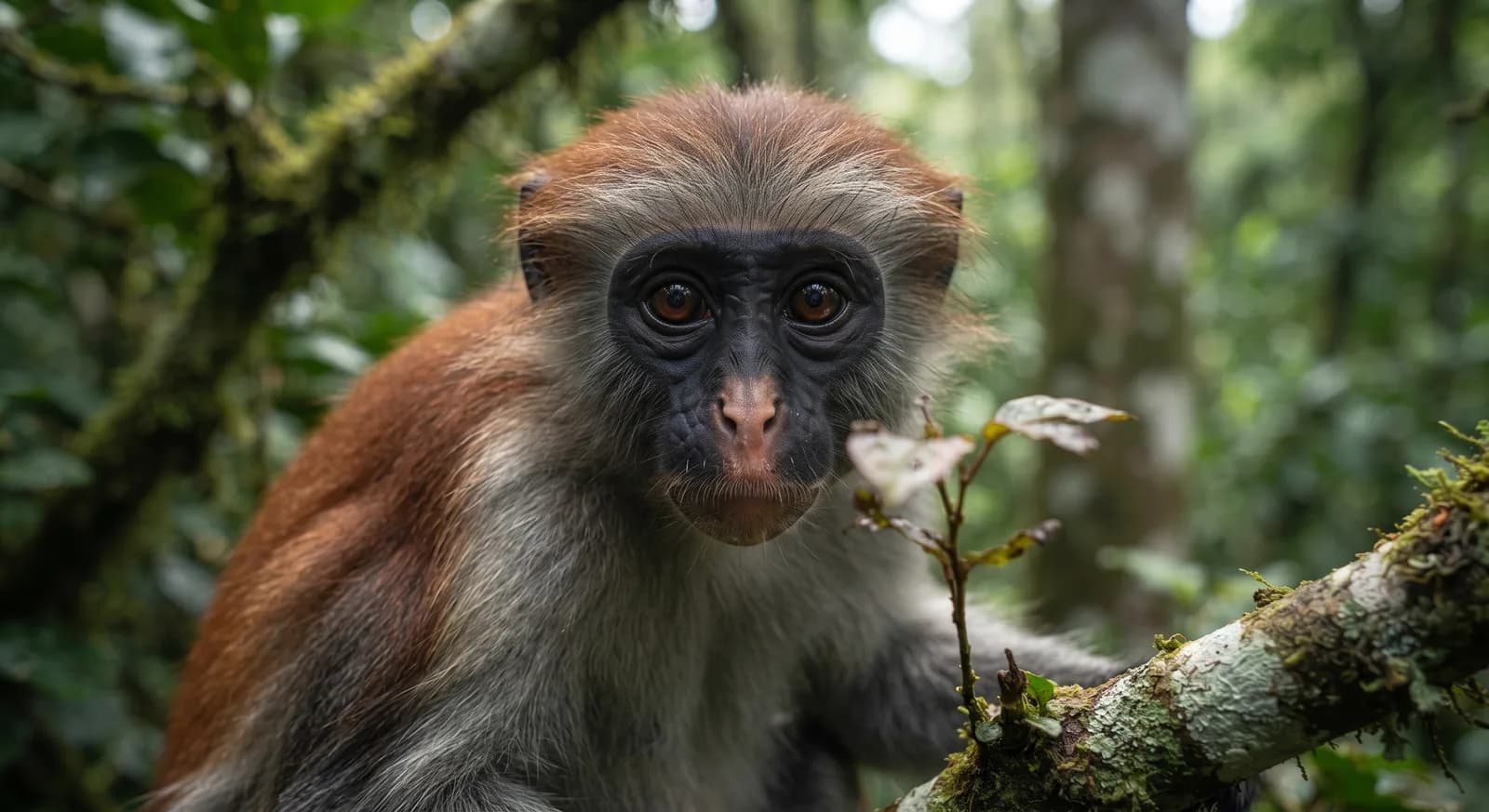
Western Red Colobus
Piliocolobus badius
 Endangered
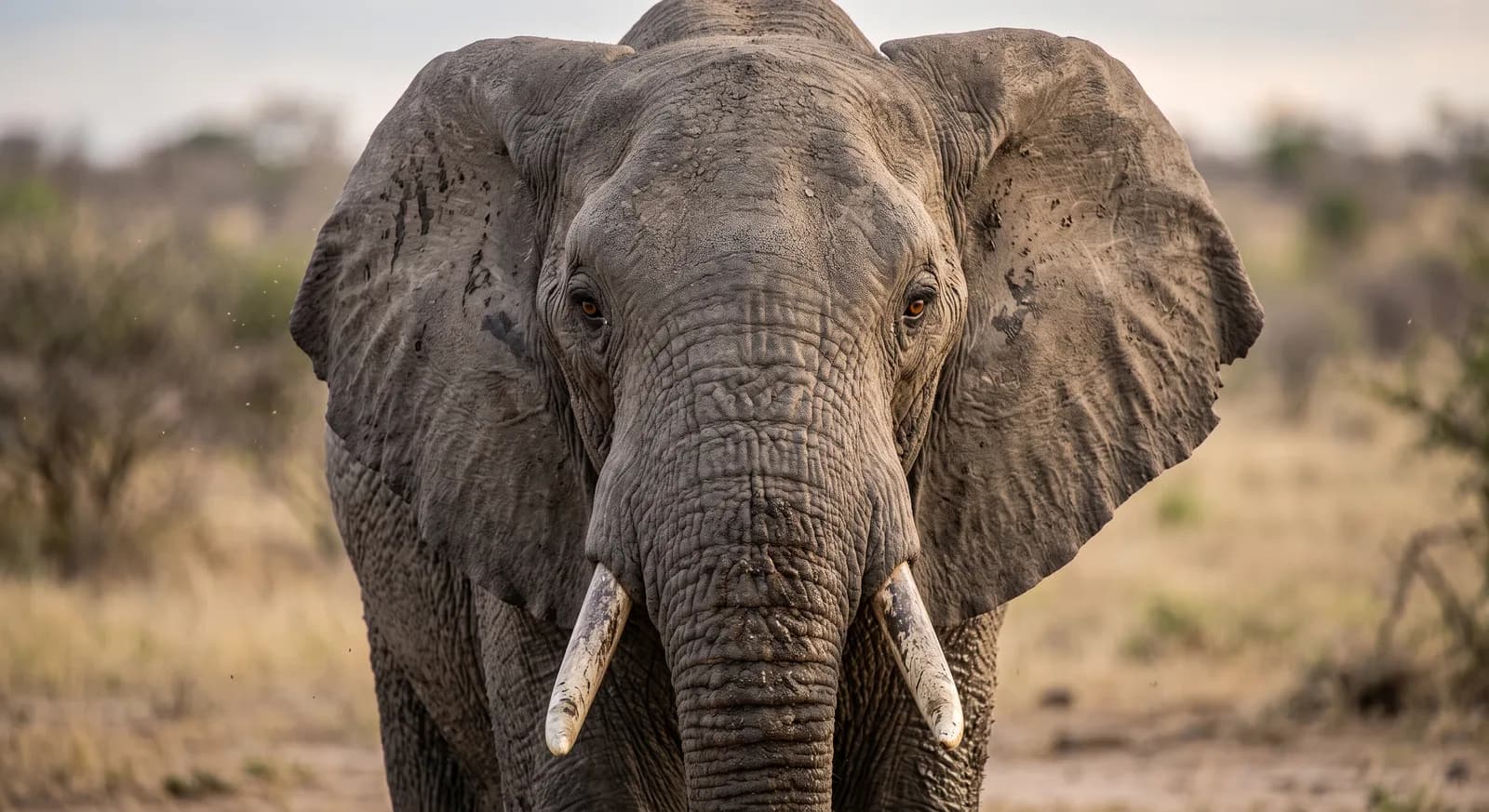
African Savanna Elephant
Loxodonta africana
Keep exploring
Based on what we already know about Senegal.