One of the 26 sharks on WAnimals
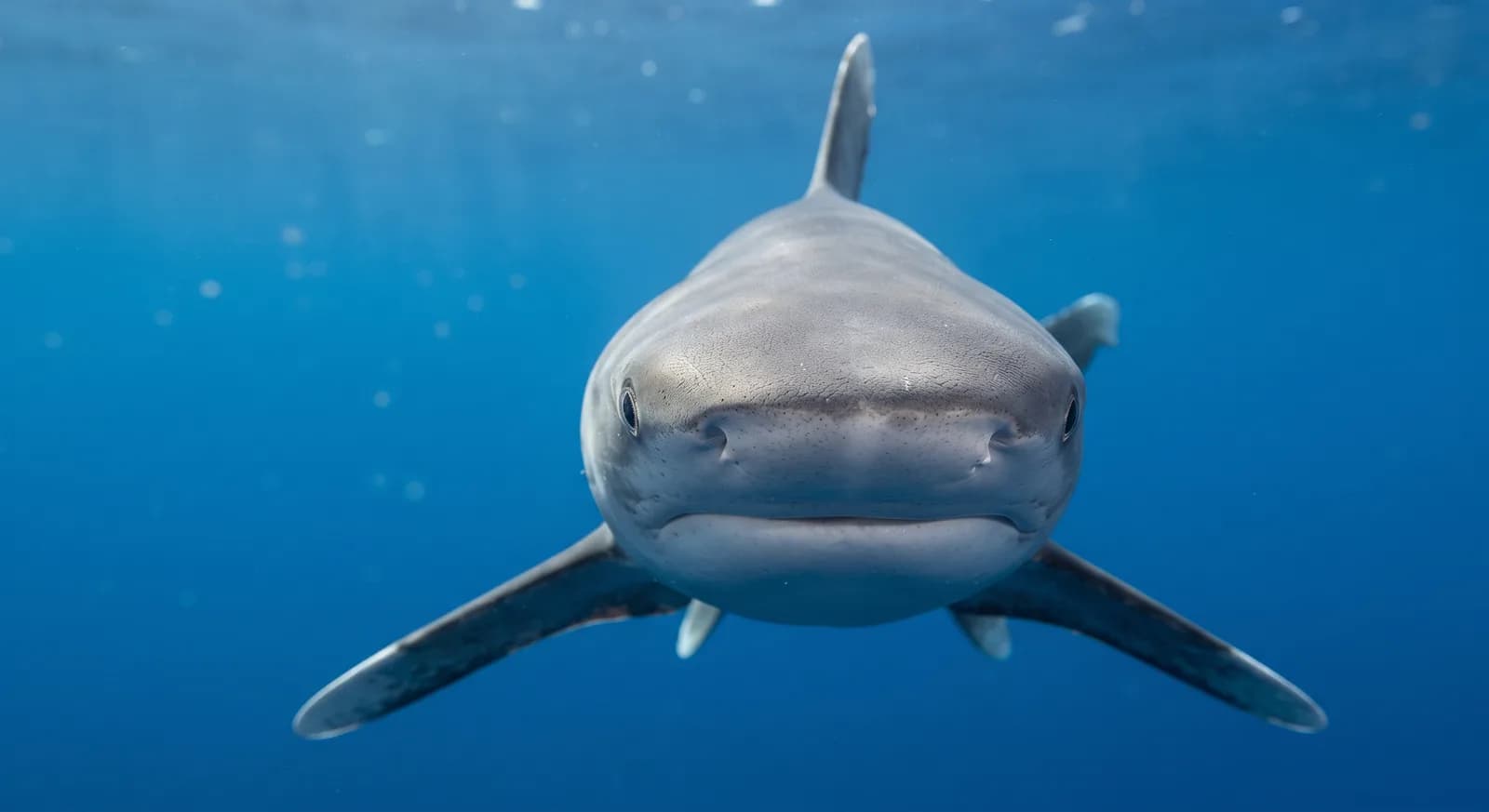
Cartilaginous fish · Carcharhiniformes · Carcharhinidae
Oceanic Whitetip Shark
Carcharhinus longimanus
It faces an extremely high risk of imminent extinction in the wild. See full glossary
It was once one of the most abundant open-ocean sharks on the planet. Sustained overfishing worldwide has cut its populations by more than 90%.
Weight
100 kg – 167 kg
Size
3 m – 4 m
Lifespan
23 years
Diet
Carnivore
Feeds mainly on other animals.
Activity
Irregular activity
Active at irregular times, by day or night depending on circumstances.
Social structure
Solitary
Lives and hunts alone, joining others only to breed.
Sighting difficulty
Very hard
Fun facts
- It was once one of the most abundant open-ocean sharks on the planet.
- Its populations have fallen by more than 90% through sustained overfishing.
- It feeds on tuna, squid and occasionally on the carcasses of marine mammals.
Life cycle & biology
- Skeleton type
- Vertebrate - cartilaginous skeleton (chondrichthyan fish)
- Habitat & environment
- Tropical and subtropical open ocean worldwide, generally far from the coast
- Birth weight
- 60 - 65 cm long at birth
- Size at birth
- 60 - 65 cm long at birth
- Sexual maturity
- Female: 6-9 years (depending on where it lives) | Male: 4-7 years
- Gestation / incubation
- 9-12 months
- Litter / clutch size
- 1 to 15 pups per litter (most commonly 6), breeding every other year
Sources consulted: ResearchGate (biology ecology review); Marine Biology Research (Western North Pacific life history study); Shark Angels; Save Our Seas Foundation; NOAA Fisheries; AnAge (genomics.senescence.info); Animal Diversity Web; FishBase; Frontiers in Marine Science (bomb radiocarbon study)
Where to find it
See its range on the interactive mapWhere to watch it
Parques y spots de buceo donde se ha documentado esta especie — se muestran 20 de 26 documentados.
Related species
Other species in the catalogue with the most in common with Oceanic Whitetip Shark — same habitat, park, country, tags or family.
Blacktip Reef Shark
Carcharhinus melanopterus
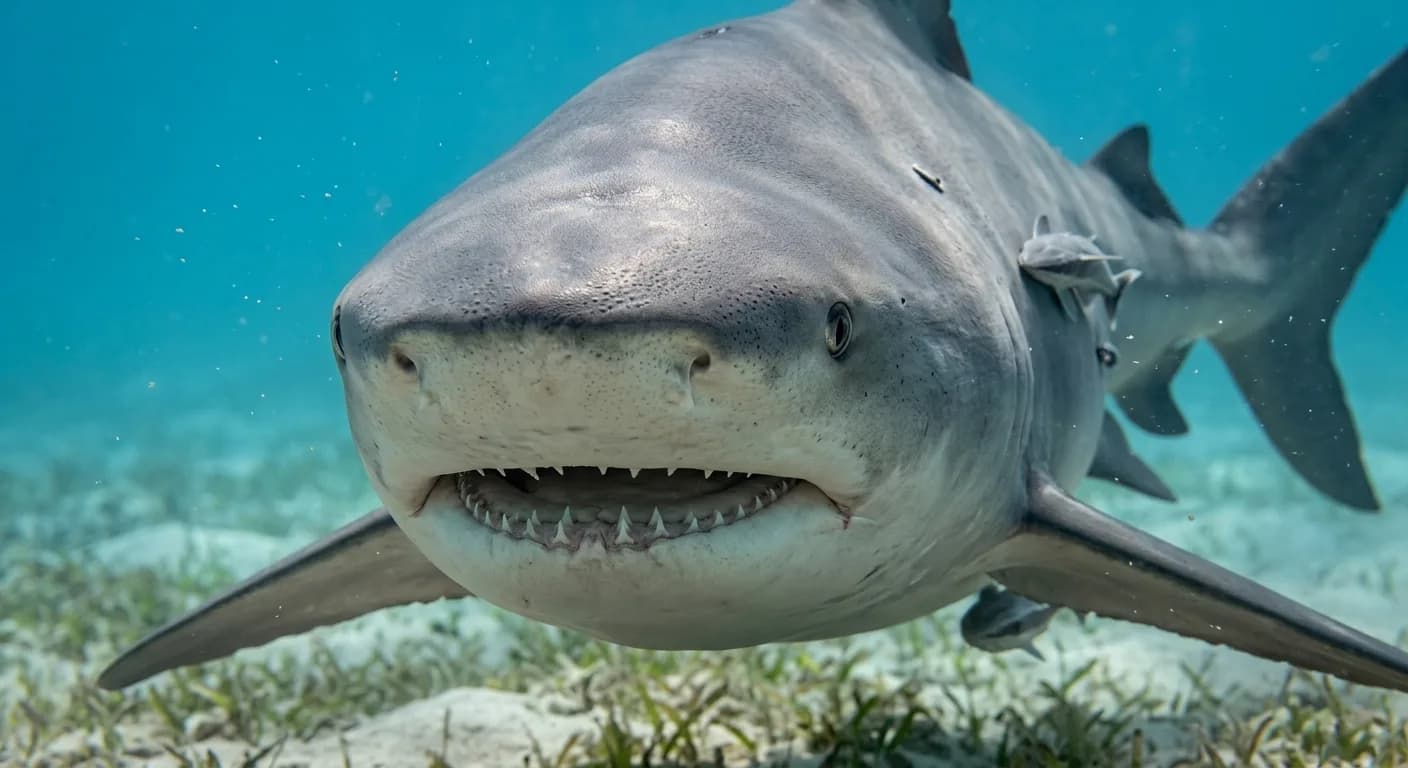 Near Threatened
Bull Shark
Carcharhinus leucas
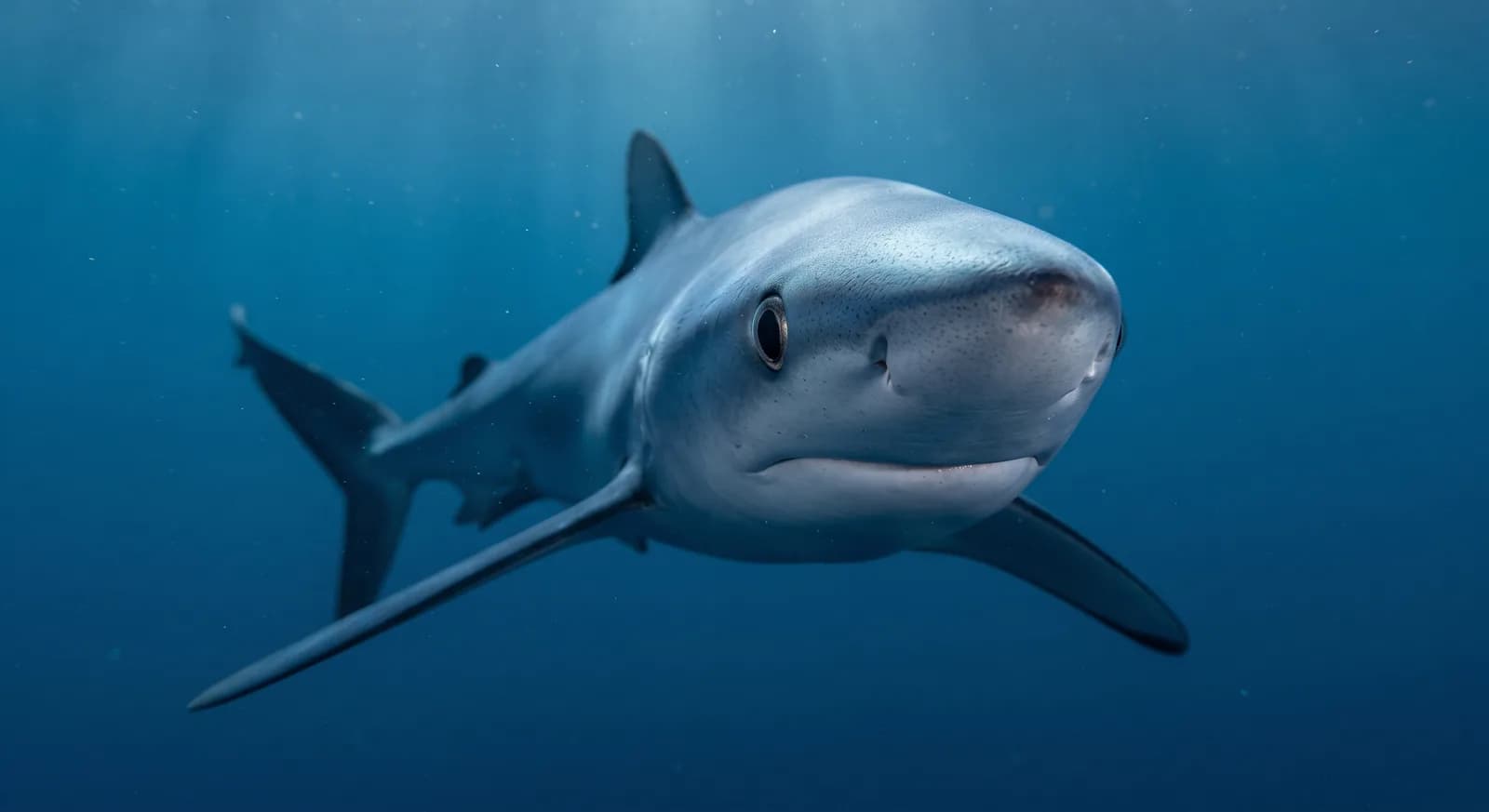 Near Threatened
Blue Shark
Prionace glauca
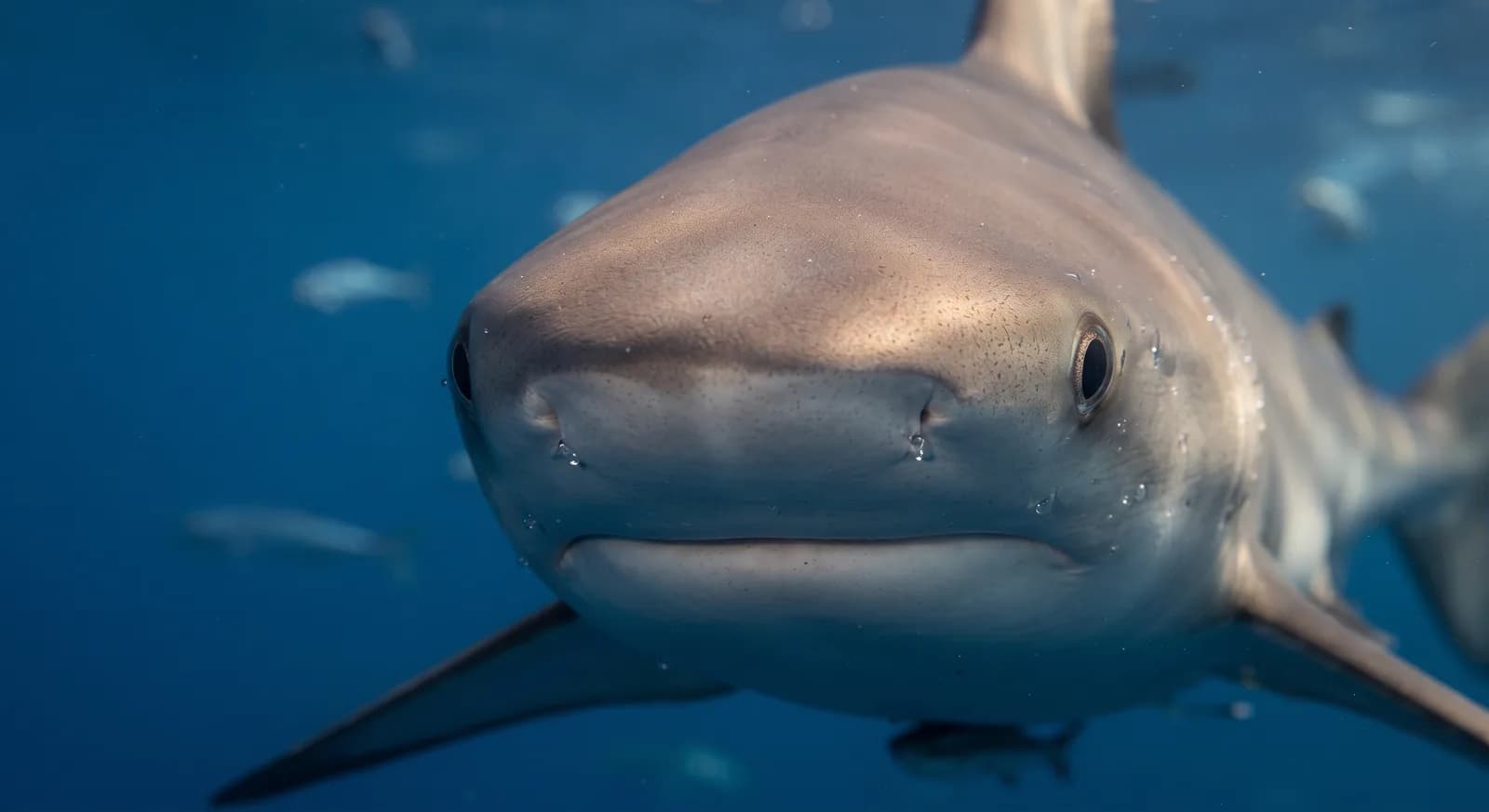 Vulnerable
Silky Shark
Carcharhinus falciformis
 Near Threatened
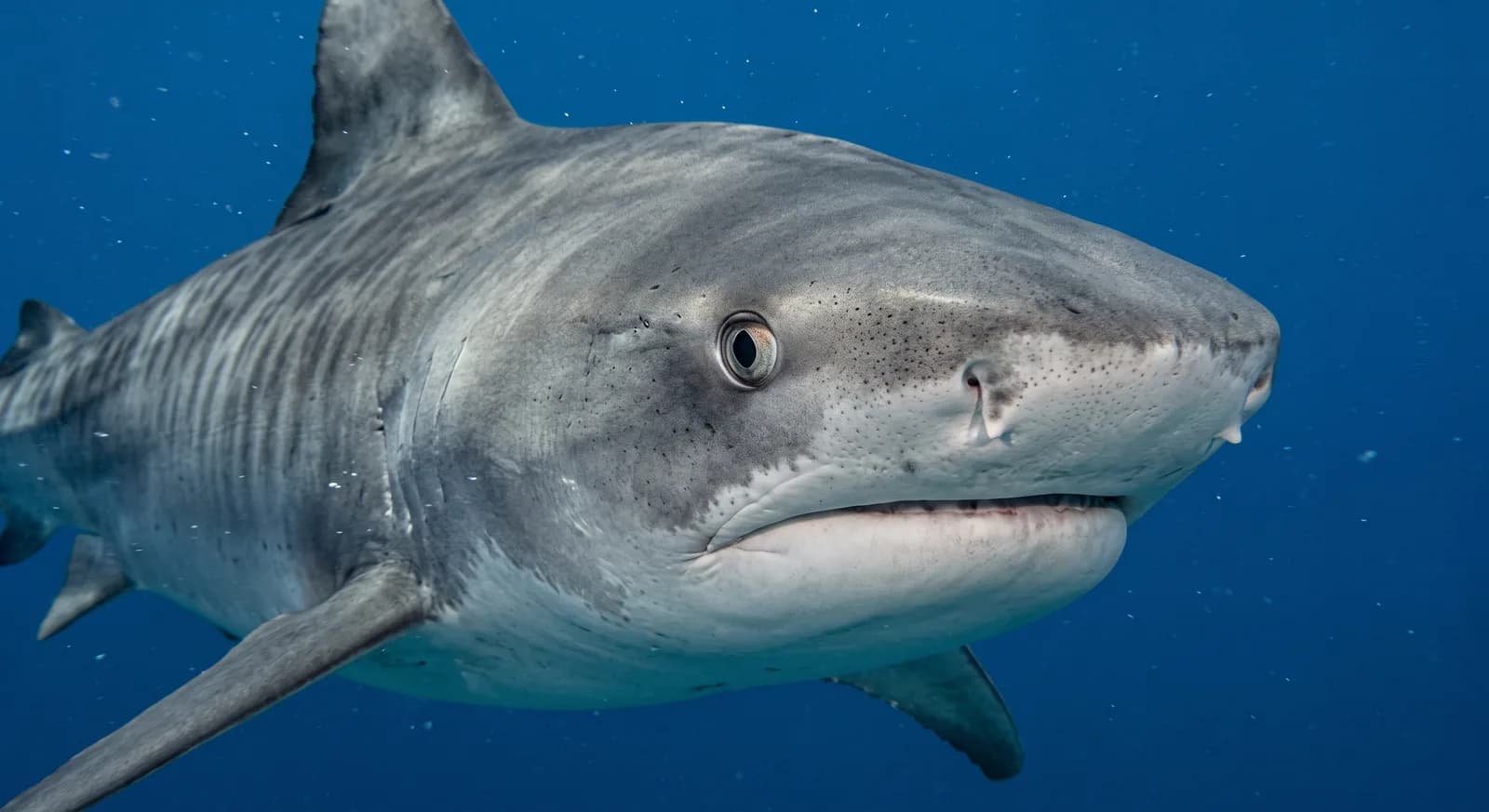
Tiger Shark
Galeocerdo cuvier
 Endangered
Caribbean Reef Shark
Carcharhinus perezi
How to help
The oceanic whitetip shark is classified as critically endangered. Organizations such as UICN, WWF y Wildlife Conservation Society work specifically on its conservation and that of its habitat; looking into their programs is a good starting point if you want to get involved.
It's documented in 17 real protected areas — part of why protecting these places matters for its conservation.
Keep exploring
Based on what we already know about oceanic whitetip shark.
Comments
Share an experience, a fun fact or a tip for seeing the oceanic whitetip shark.
Be the first to comment.