Species group · Cartilaginous fish
Sharks
WAnimals has 26 species of shark, spread across 16 families (Alopiidae, Carcharhinidae, Cetorhinidae, Chlamydoselachidae, Dalatiidae, Etmopteridae, Ginglymostomatidae, Heterodontidae, Hexanchidae, Megachasmidae, Mitsukurinidae, Orectolobidae, Oxynotidae, Rhincodontidae, Somniosidae, Sphyrnidae).
- 26 species
- 16 families
- 173 countries
- 181 parks
- Weight
- 300 g – 20 t
- Length
- 30 cm – 12.2 m
- Lifespan
- 16 – 272 years
Ranges calculated from the entries that record the figure, not from all 26.
All 26 species of sharks on WAnimals
Each one has its own full entry. This group does not replace them: it brings them together.
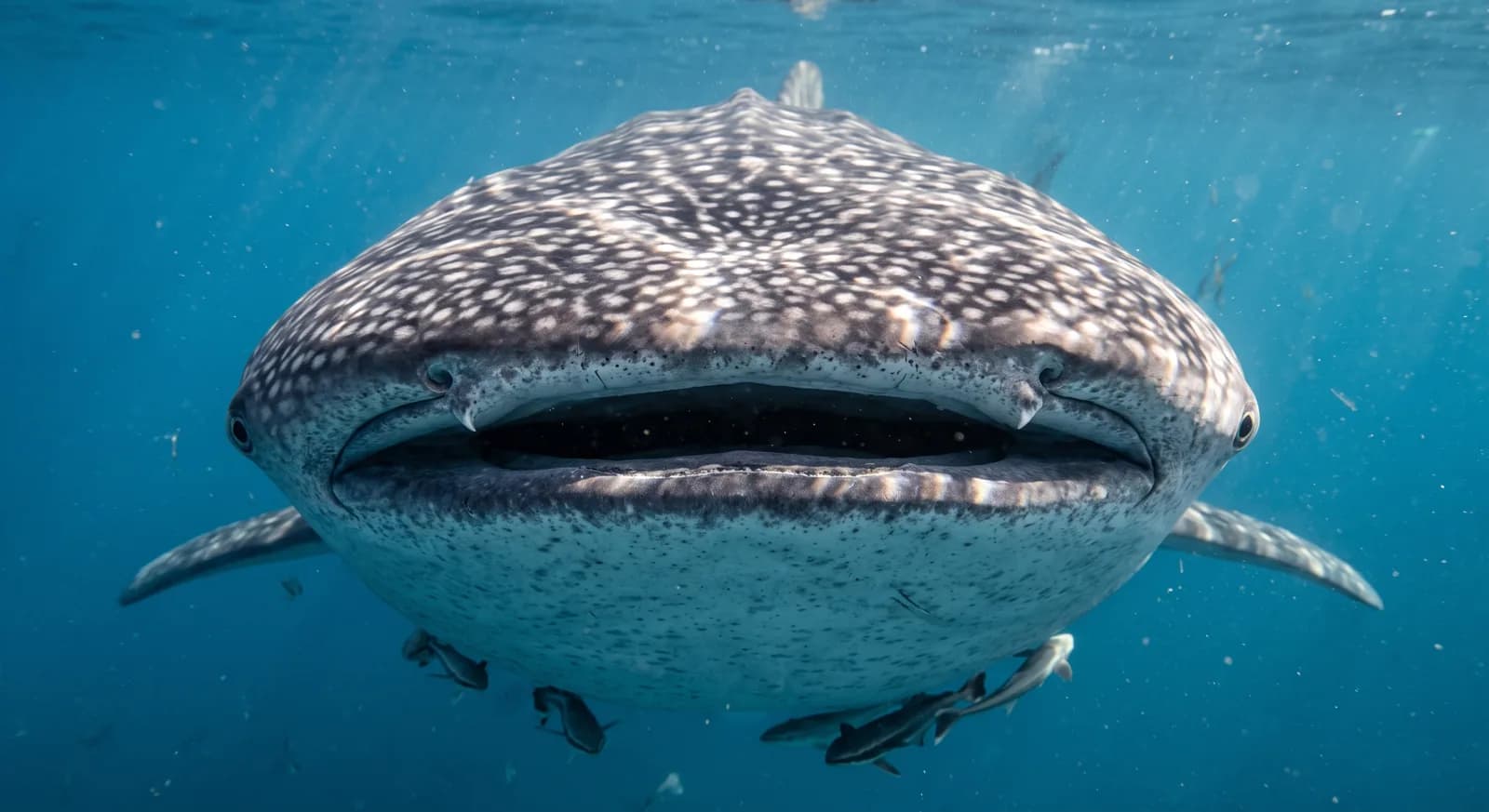 Endangered
Whale Shark
Rhincodon typus
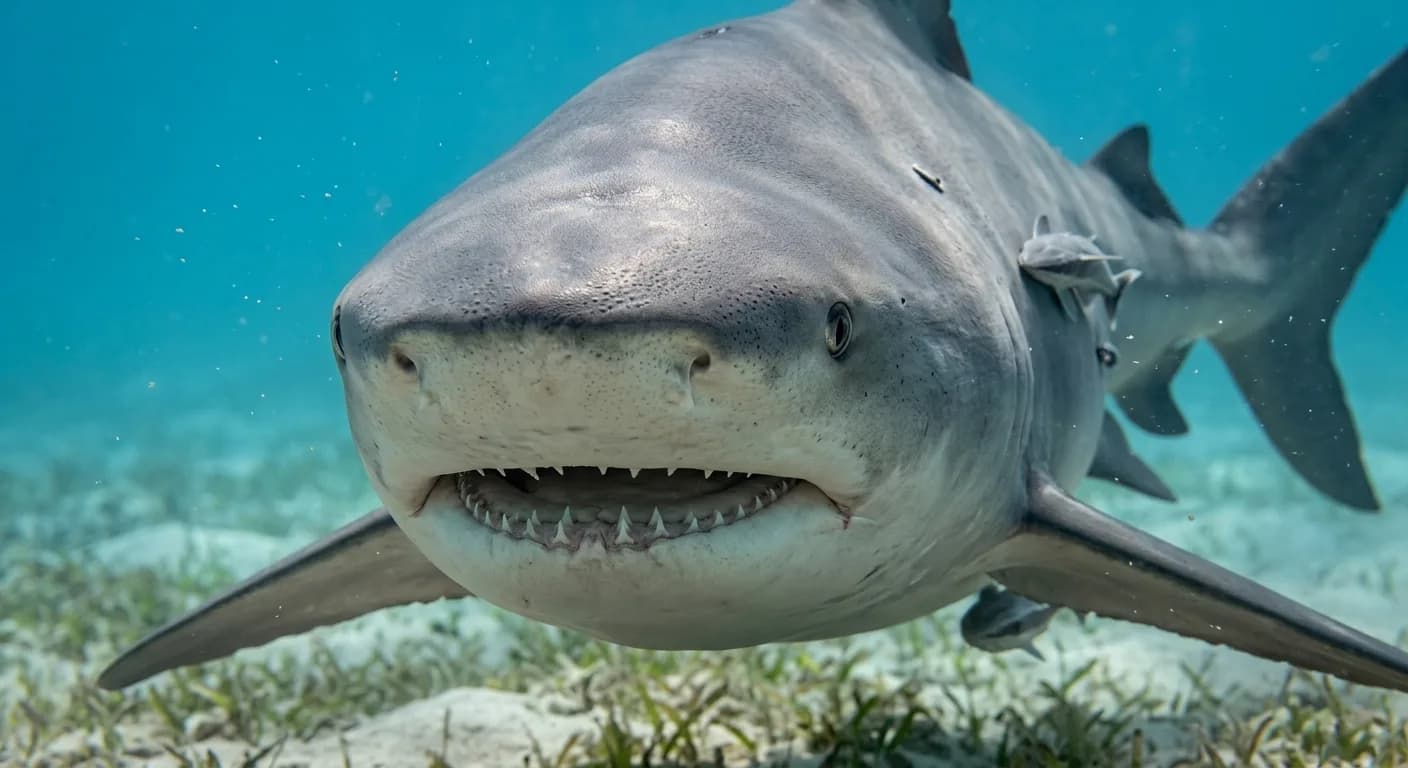 Near Threatened
Bull Shark
Carcharhinus leucas
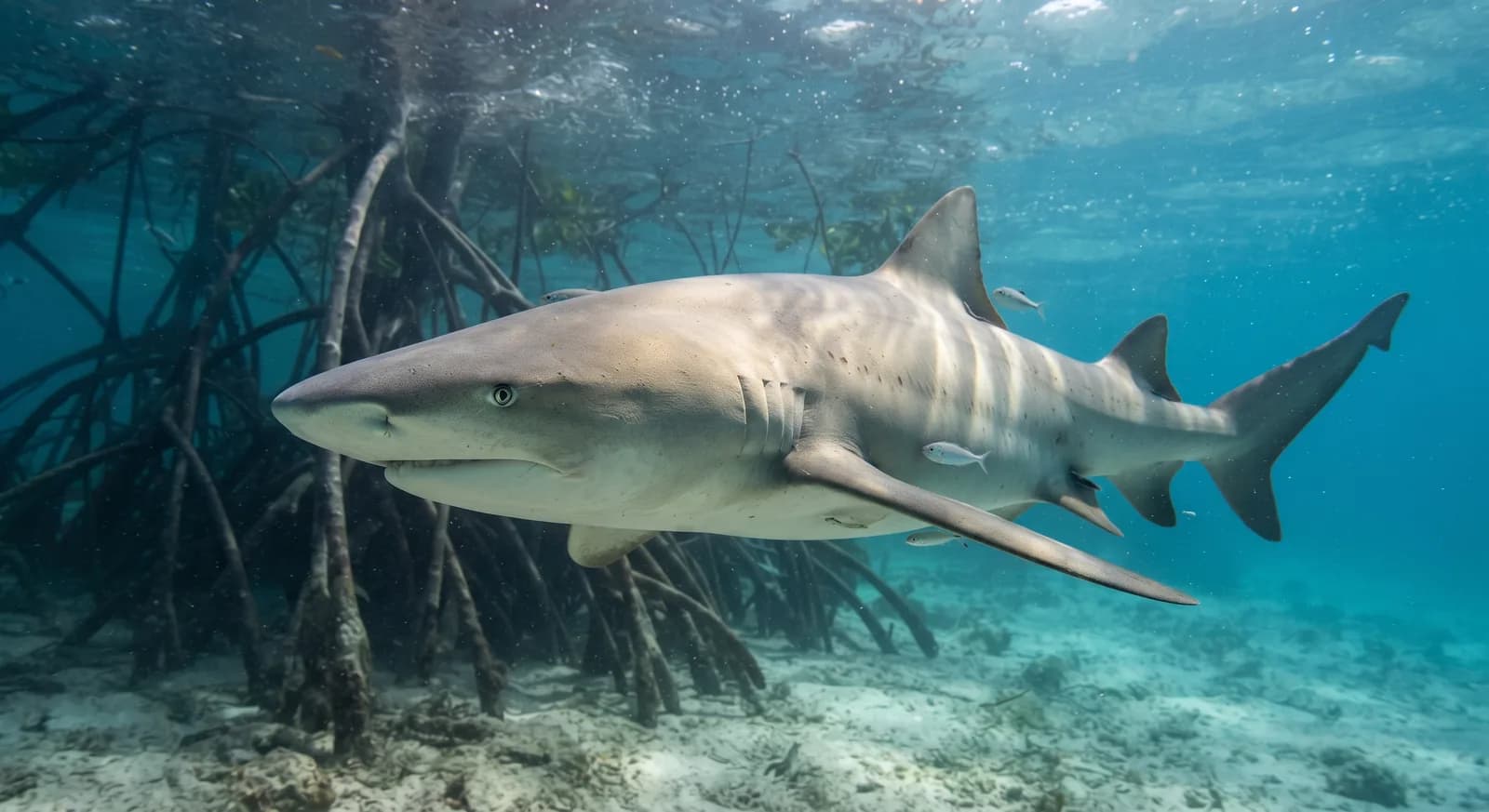 Vulnerable
Lemon Shark
Negaprion brevirostris
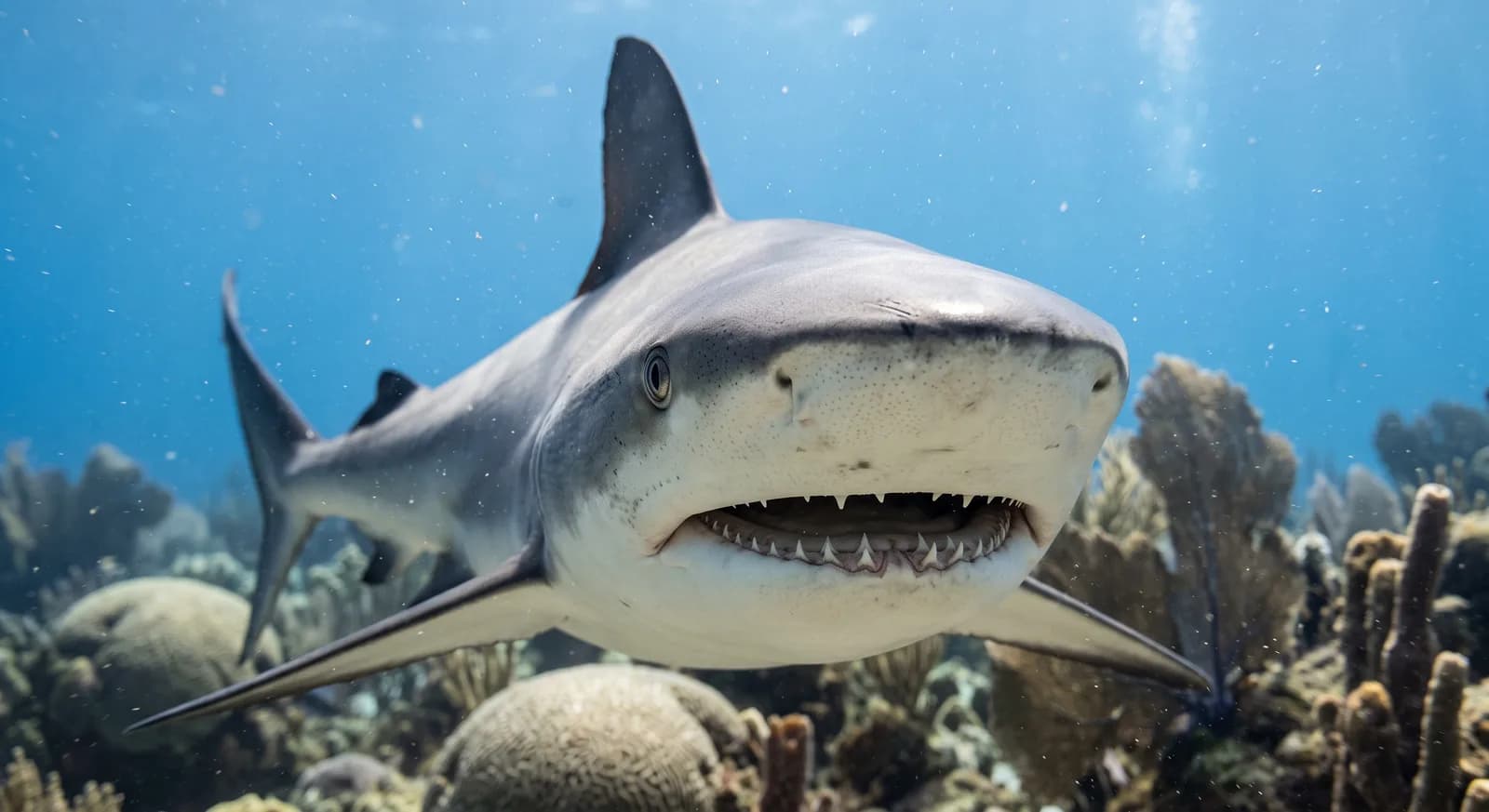 Endangered
Grey Reef Shark
Carcharhinus amblyrhynchos
 Vulnerable
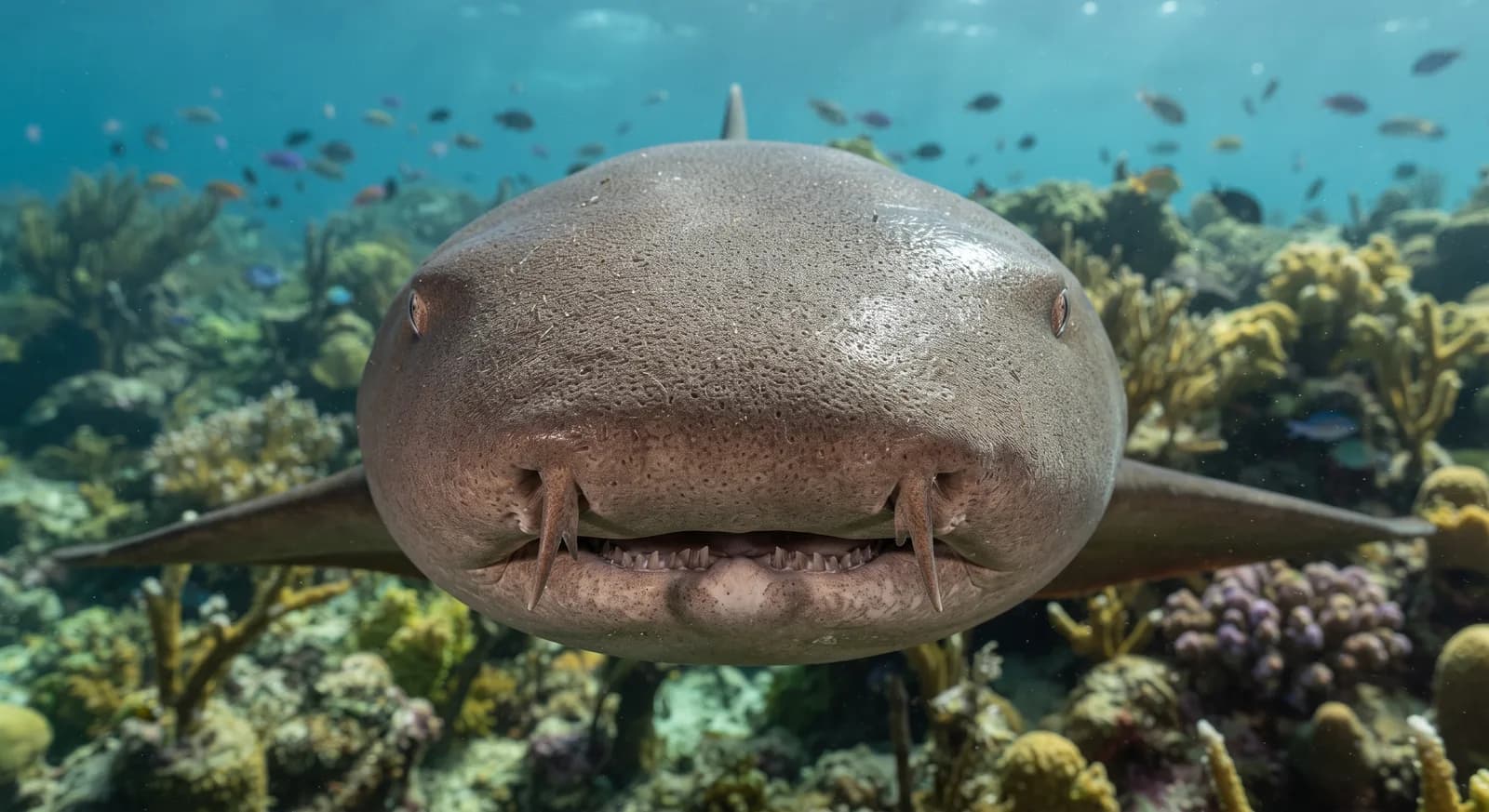
Nurse Shark
Ginglymostoma cirratum
 Least Concern
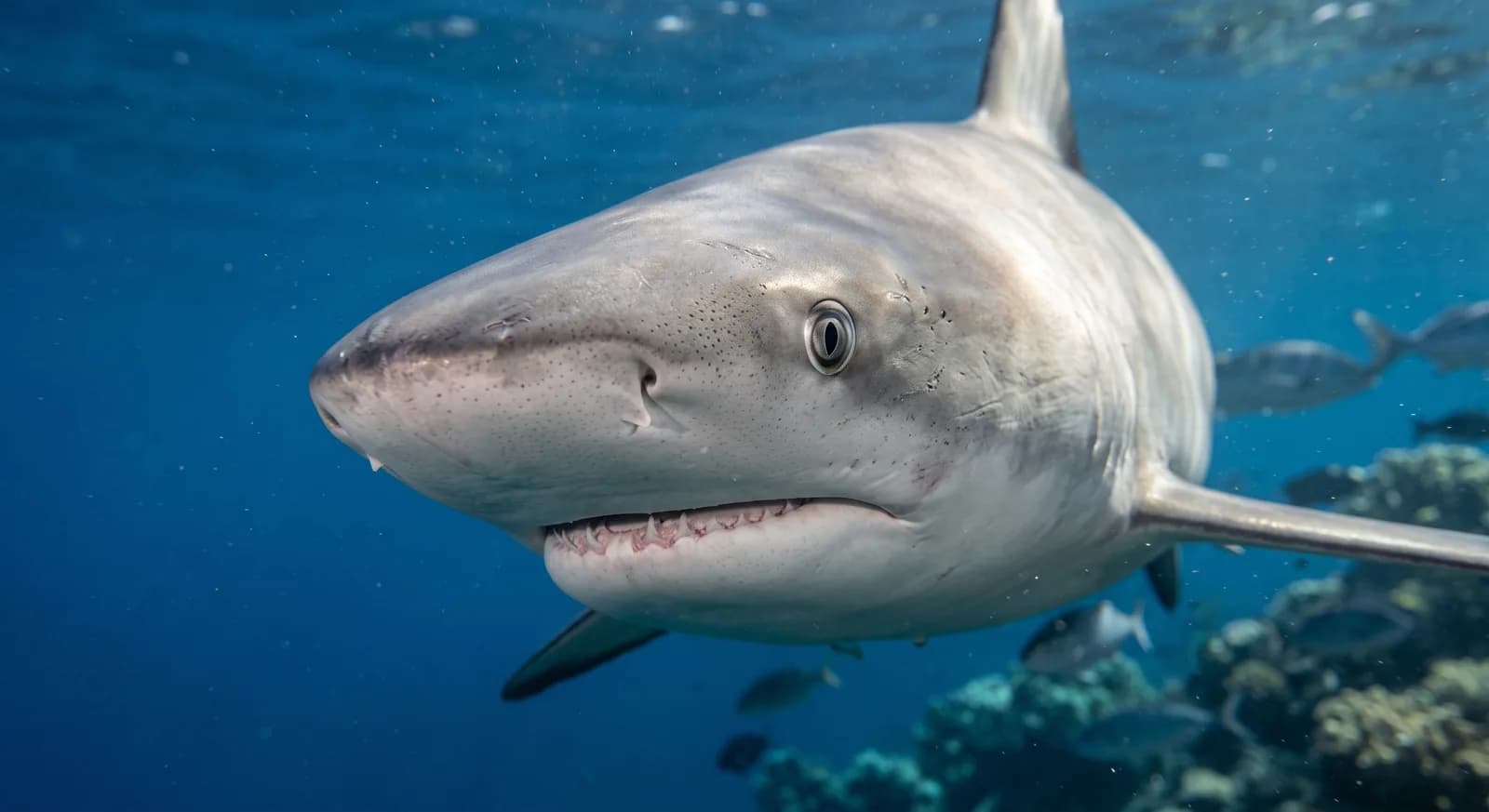
Galapagos Shark
Carcharhinus galapagensis
 Vulnerable
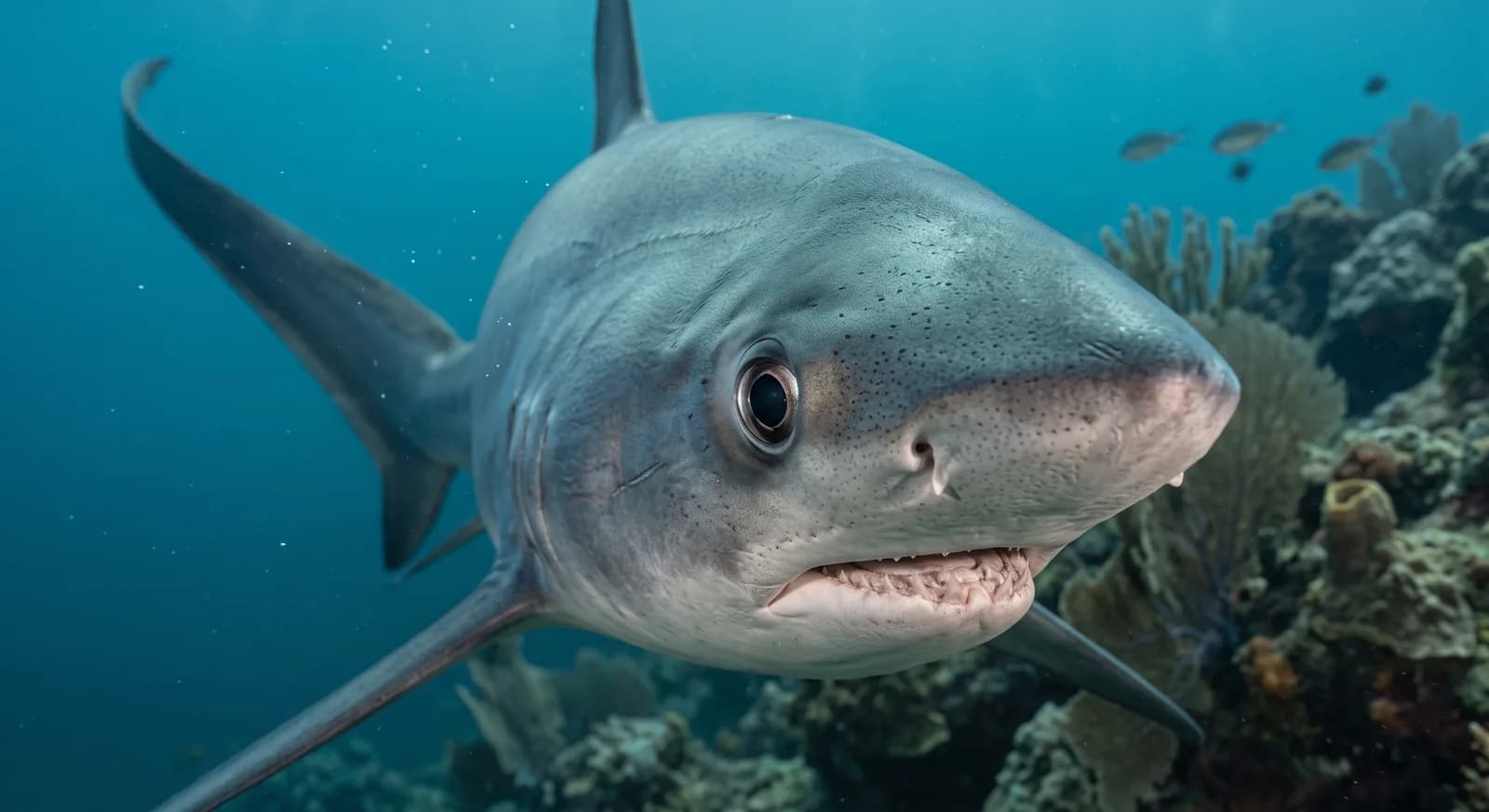
Grayfish
Alopias vulpinus
 Critically Endangered
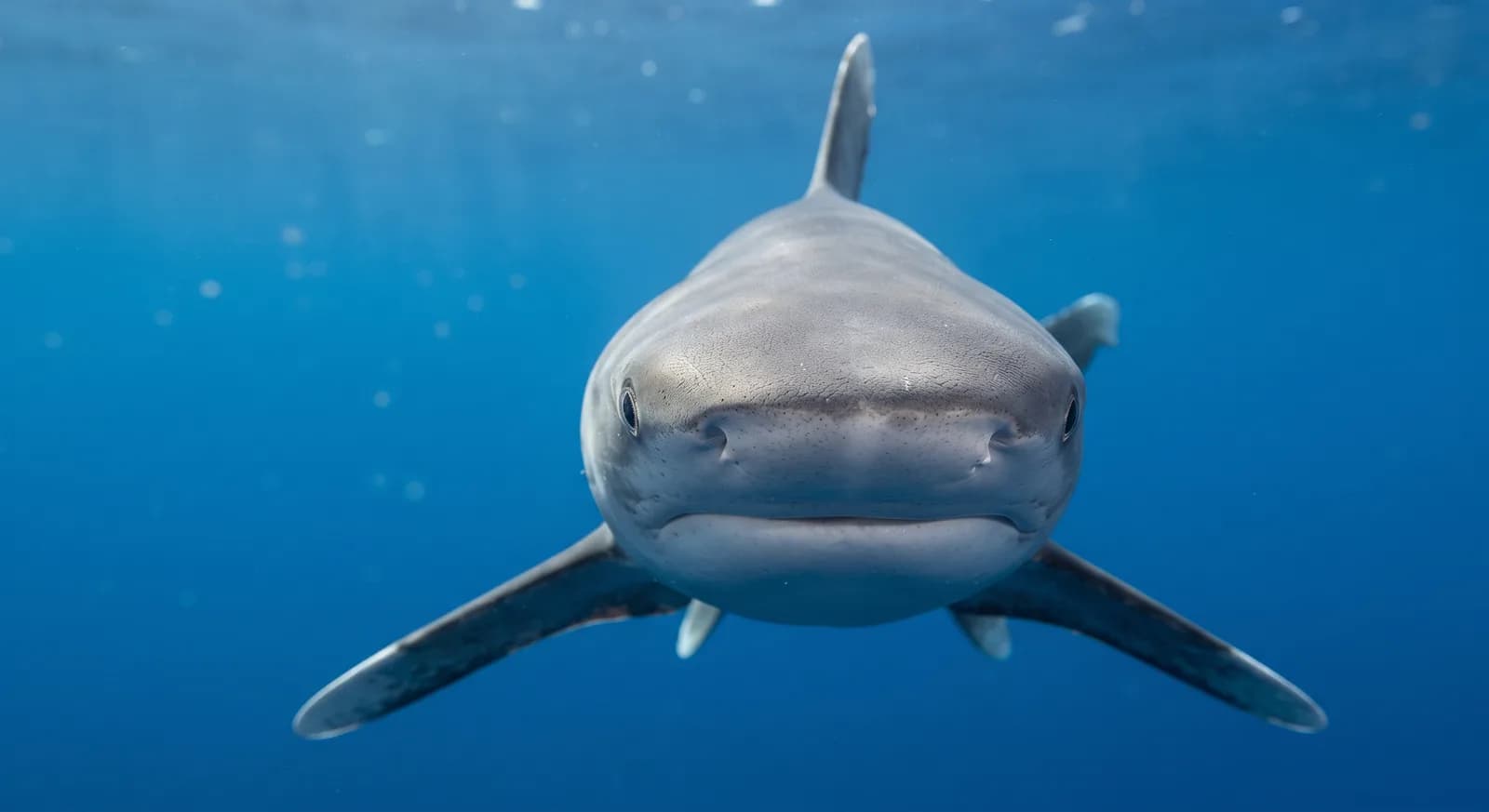
Oceanic Whitetip Shark
Carcharhinus longimanus
 Critically Endangered
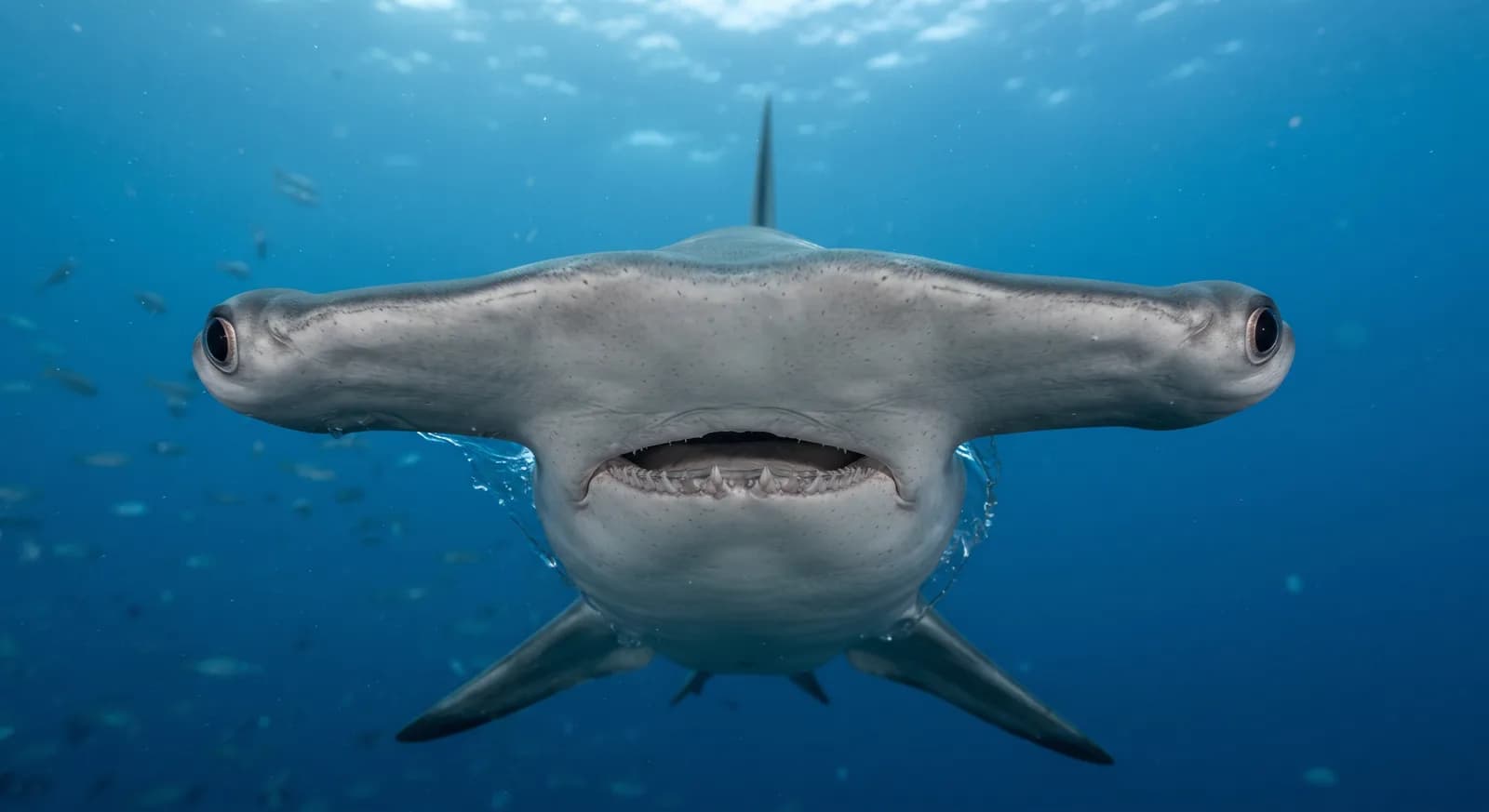
Great Hammerhead
Sphyrna mokarran
 Endangered
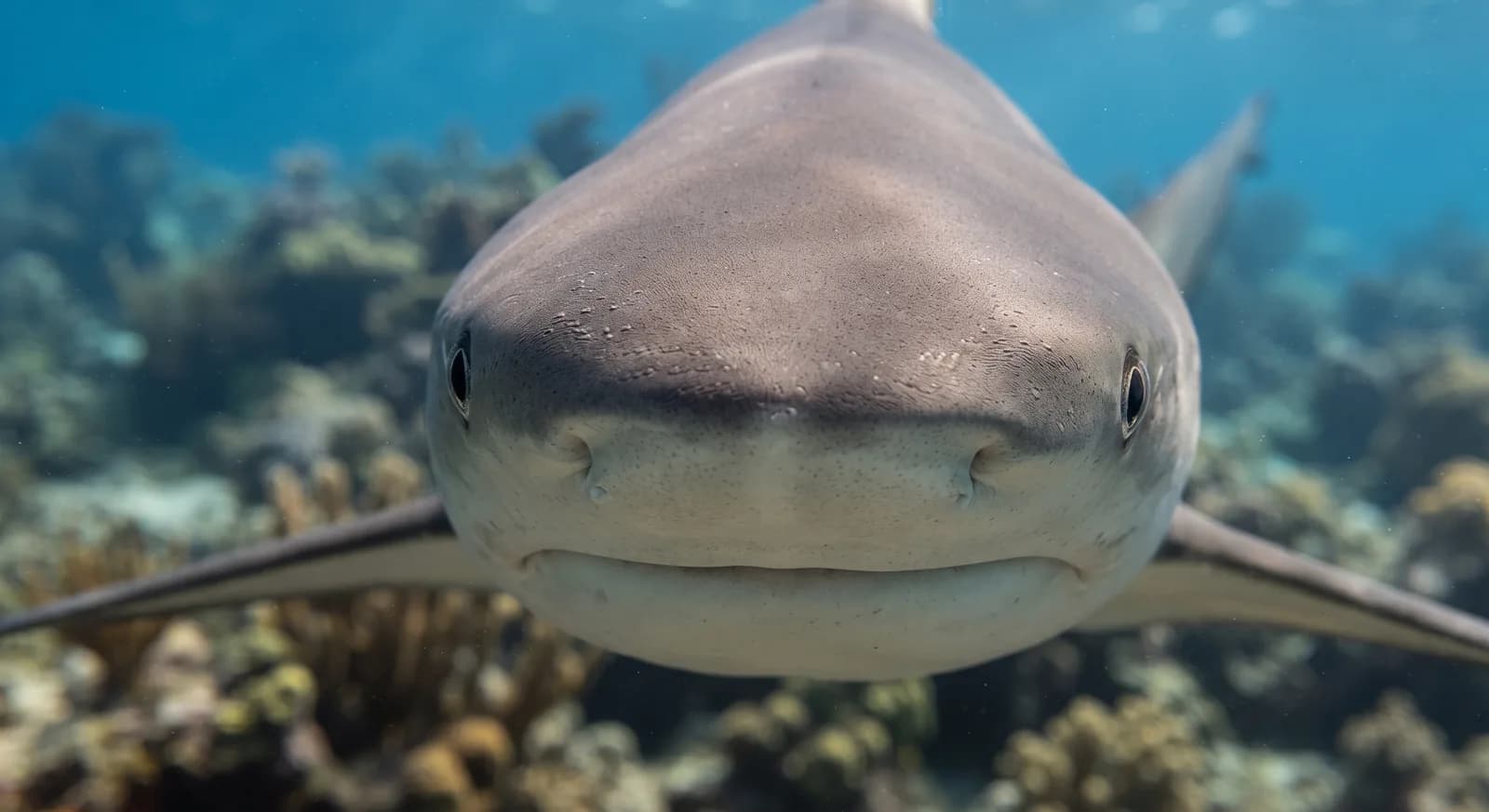
Caribbean Reef Shark
Carcharhinus perezi
 Vulnerable
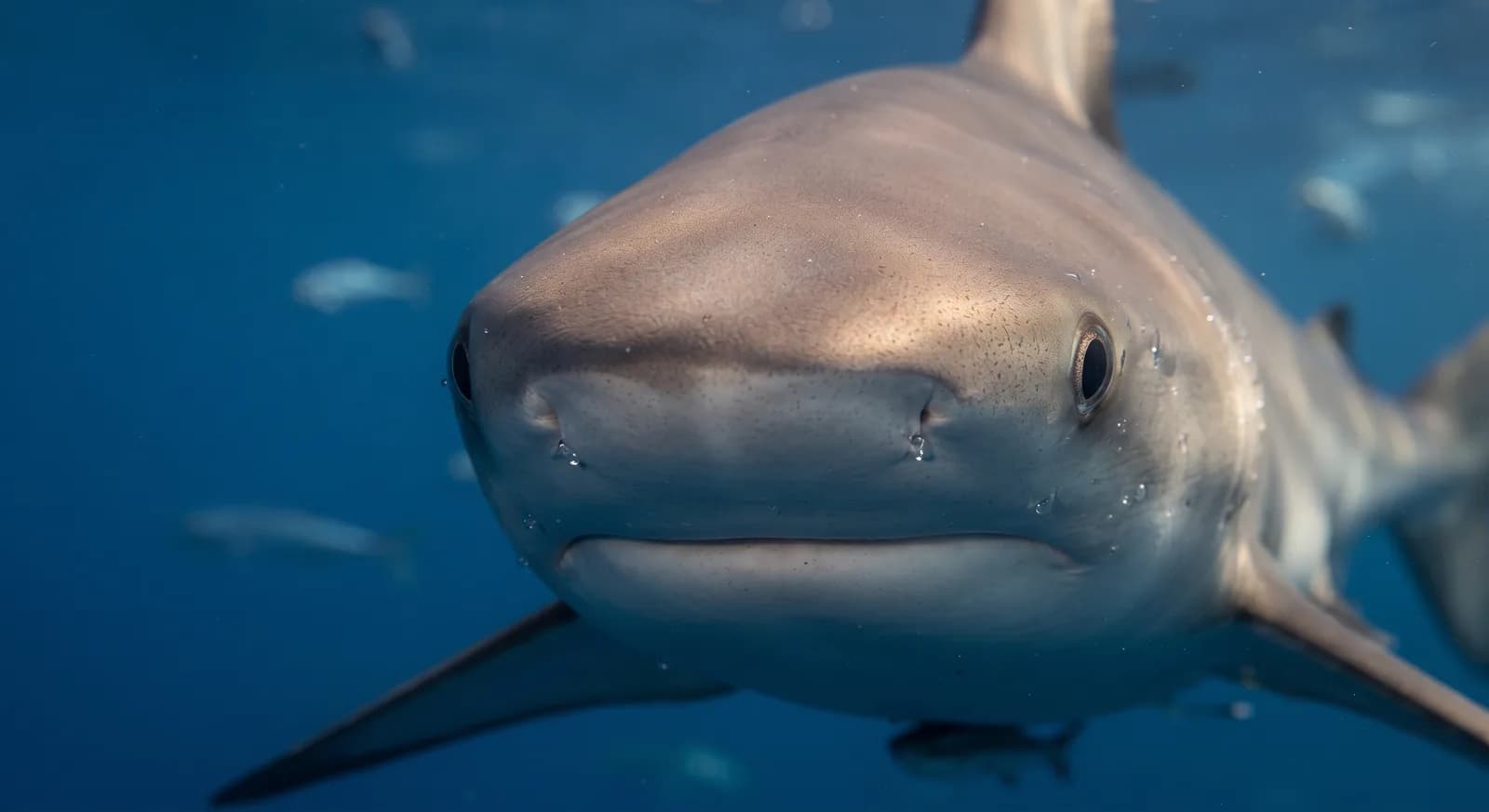
Silky Shark
Carcharhinus falciformis
 Endangered
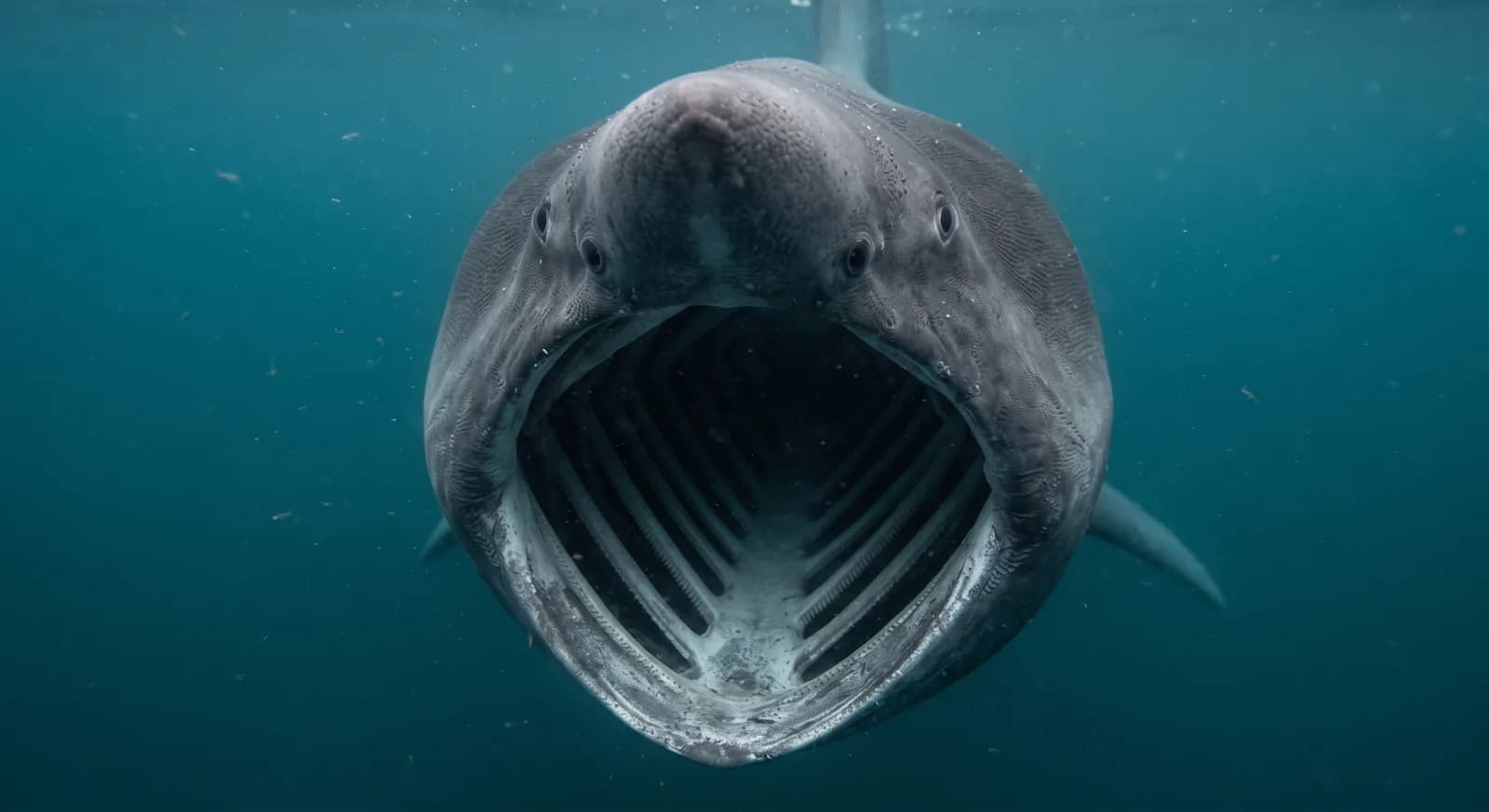
Basking Shark
Cetorhinus maximus
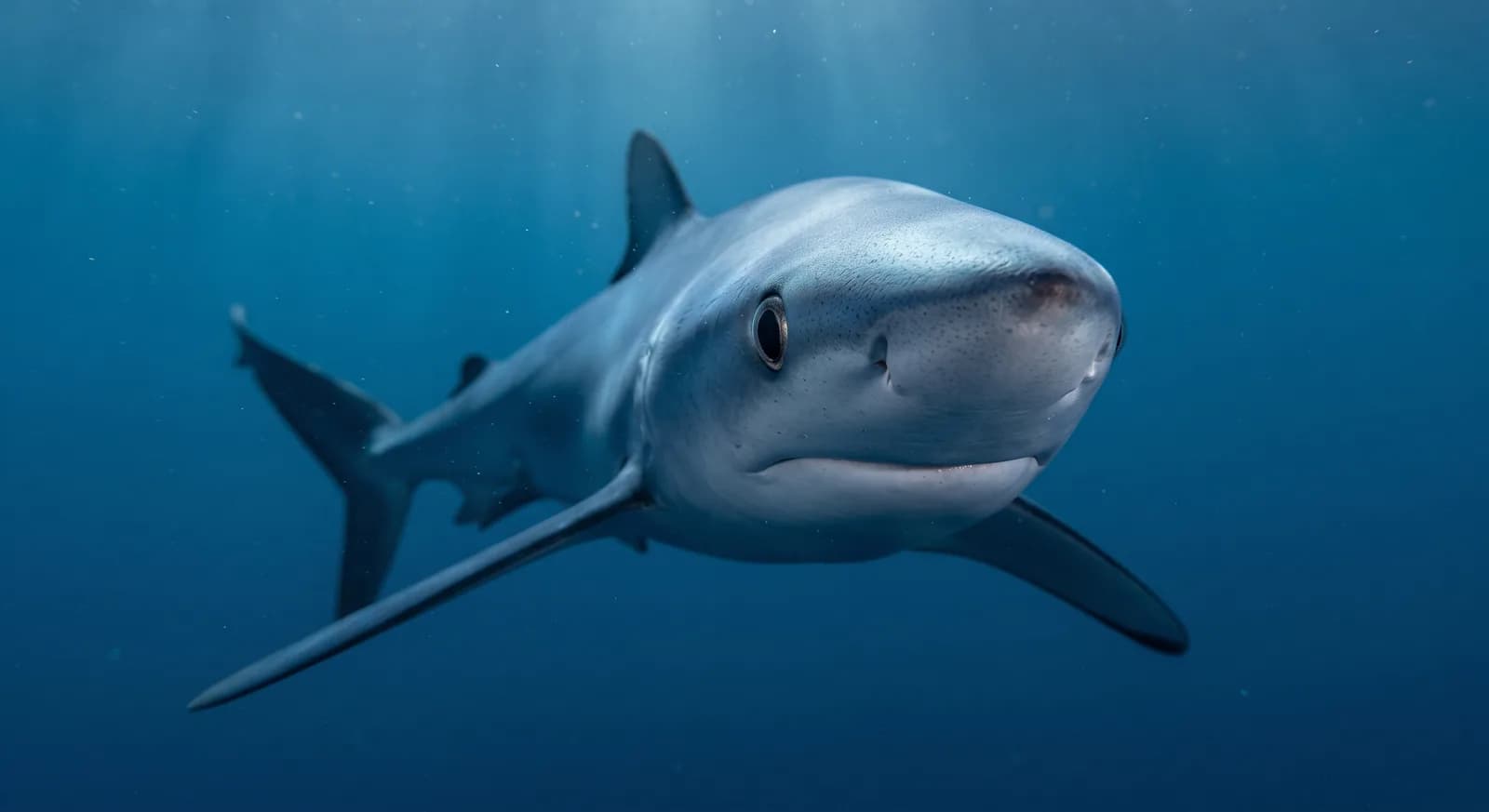 Near Threatened
Blue Shark
Prionace glauca
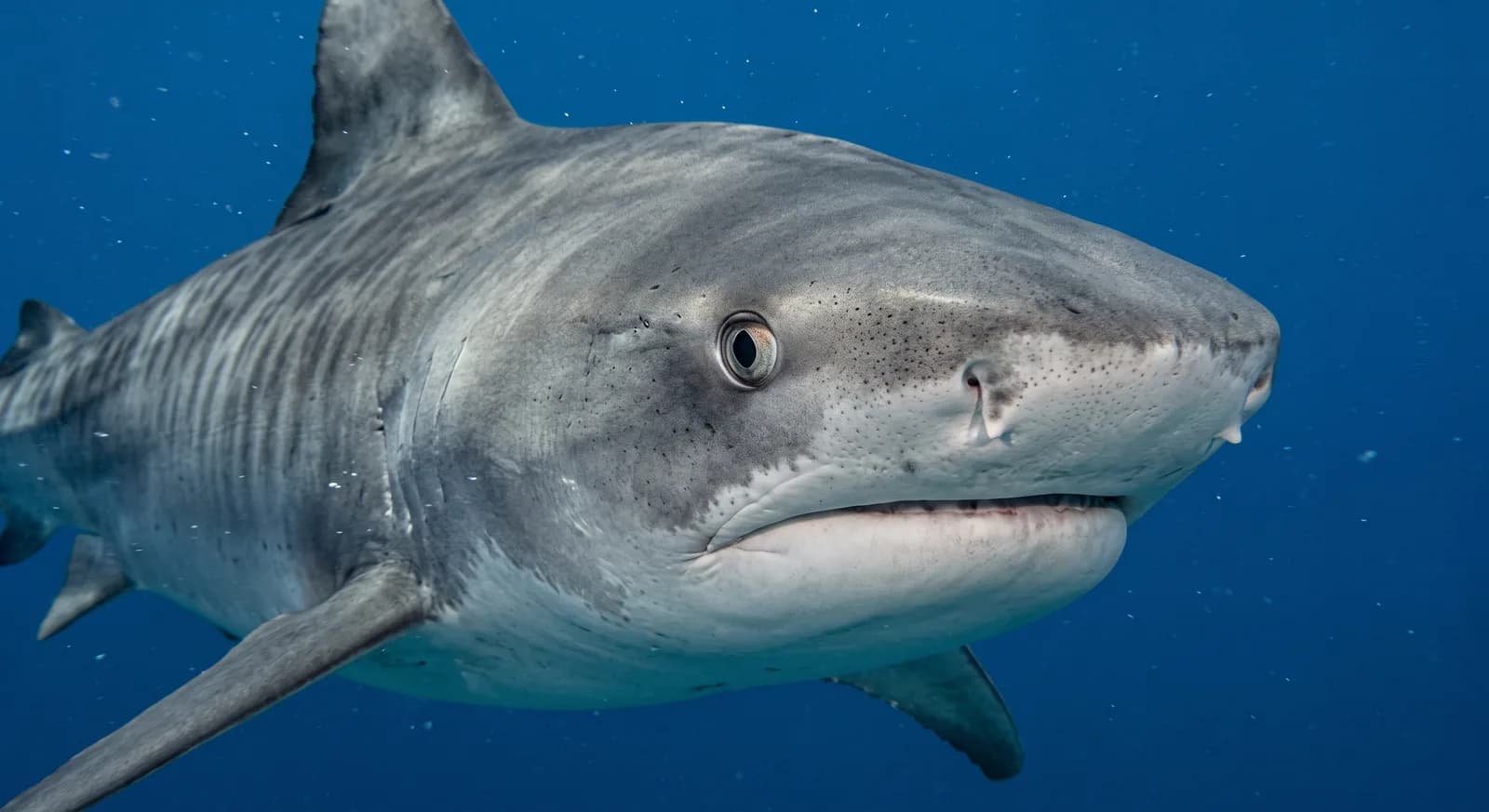 Near Threatened
Tiger Shark
Galeocerdo cuvier
Bluntnose Sixgill Shark
Hexanchus griseus
Cookie Cutter Shark
Isistius brasiliensis
Blacktip Reef Shark
Carcharhinus melanopterus
Scalloped Hammerhead
Sphyrna lewini
Greenland Shark
Somniosus microcephalus
Horn Shark
Heterodontus francisci
Spotted Wobbegong
Orectolobus maculatus
Angular Roughshark
Oxynotus centrina
Frilled Shark
Chlamydoselachus anguineus
Megamouth Shark
Megachasma pelagios
Velvet-belly
Etmopterus spinax
Goblin Shark
Mitsukurina owstoni
Conservation status
14 especies in this group están en alguna categoría de riesgo real según la UICN.
See the global conservation statusWhere they live
Recorded in 173 countries. The ones with the most species in the group:
Where to see them
- Fernando de Noronha11 species
- Gran Barrera de Coral10 species
- Isla del Coco9 species
- Ningaloo9 species
- Parque Nacional Galápagos8 species
- Archipielago de Bazaruto7 species
- Archipielago de Revillagigedo7 species
- Biscayne7 species
- Dry Tortugas7 species
- Arrecifes de Tubbataha6 species
- Bunaken6 species
- Cabo Pulmo6 species
- Cabo Verde (Isla de Sal)diving
- Islas Revillagigedo (Socorro)diving
- Isla del Cocodiving
- Jupiter (drift diving con tiburones)diving
- Tiger Beachdiving
- Elphinstone Reefdiving
Did you know…
It can measure up to 18 metres long.
From Whale Shark
Every shark has a unique pattern of spots.
From Whale Shark
Despite its size, it feeds mainly on plankton.
From Whale Shark
It can survive and breed in entirely fresh water.
From Bull Shark
It has been recorded more than 4,000 km up the Amazon.
From Bull Shark
It accounts for a significant number of attacks on people, because it frequents murky inshore water.
From Bull Shark
Its pups grow up sheltered among mangrove roots for years.
From Lemon Shark
It is one of the few large sharks that lives in groups, and that social life brings it real advantages: better communication, courtship, hunting and protection.
From Lemon Shark