One of the 26 sharks on WAnimals
Cartilaginous fish · Orectolobiformes · Ginglymostomatidae
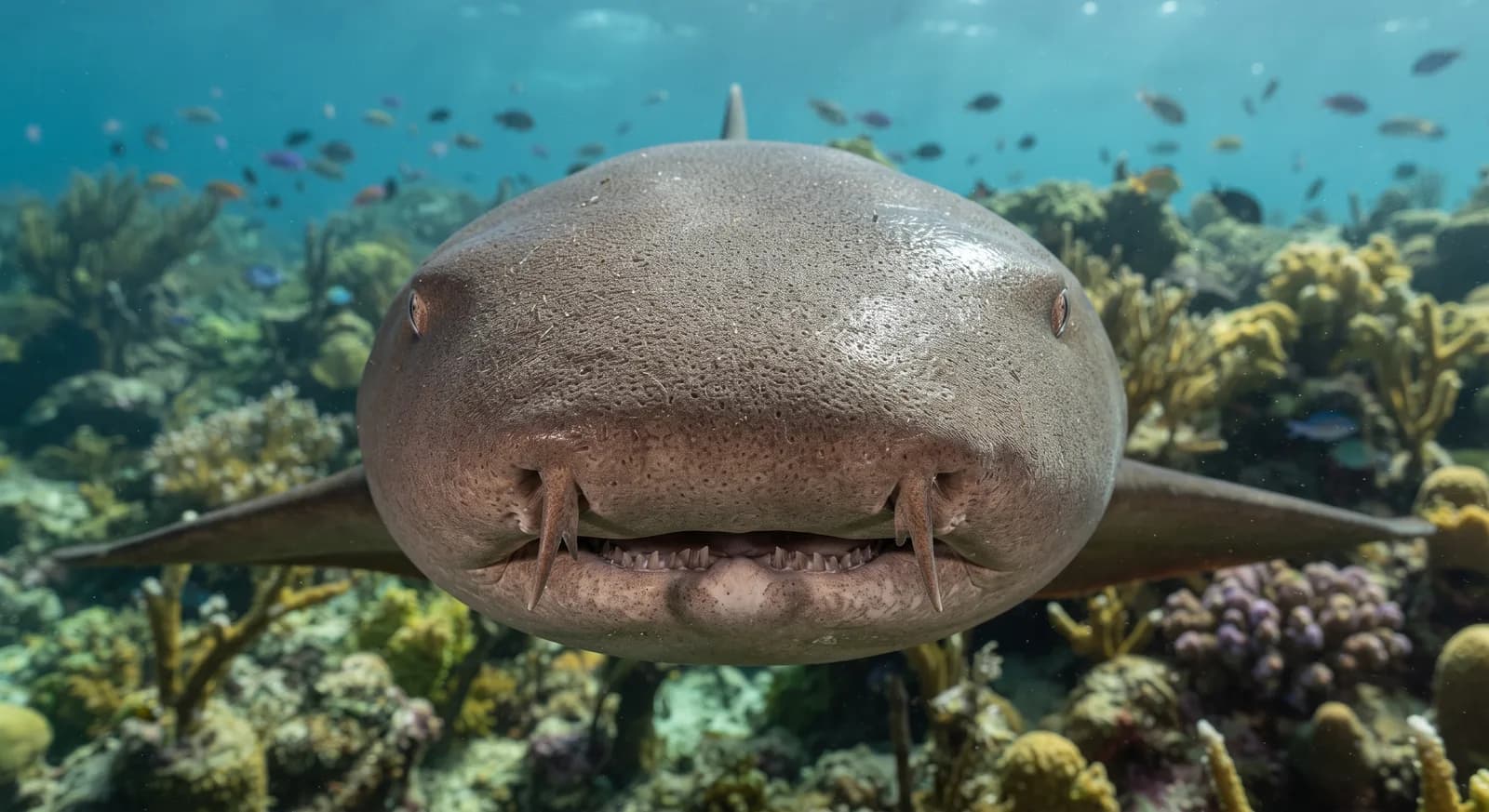
Nurse Shark
Ginglymostoma cirratum
It faces a high risk of extinction in the wild over the medium term. See full glossary
The nurse shark or cat shark is a shark that lives on the sea floor, grows to as much as 4 m long and can be found in tropical seas such as those of Central America. Although they are generally known as cat sharks, many species are commonly called cazón. Cat sharks are found in tropical and temperate seas all over the world, ranging from very shallow inshore waters to depths of 2,000 metres or more, depending on the species.
Weight
60.3 kg on average
Size
up to 3.1 m
Lifespan
25 years
Diet
Carnivore
Feeds mainly on other animals.
Activity
Nocturnal
Active mainly at night.
Social structure
Colony
Lives in large concentrations, often for breeding reasons.
Sighting difficulty
Moderate
Fun facts
- It feeds by suction. With its small mouth and a pharynx that works like a bellows, it sucks in prey at great speed, and that is how it pulls snails from their shells and crustaceans from crevices.
- It flips large thick-shelled snails over and extracts the animal by suction.
- It is one of the few sharks that does not need to swim in order to breathe: it pumps water over its gills with its spiracles, which lets it spend the day motionless on the bottom.
- It locates food by touch and smell with two nasal barbels, which is why it hunts well at night and in murky water.
- It is placid and tolerates divers approaching, but it bites with great tenacity if grabbed by the tail or fins, and it is hard to make it let go.
- The quoted maximums of 4.3 m are now considered exaggerated; the reliable record is around 3 m.
Life cycle & biology
- Skeleton type
- Vertebrate - cartilaginous skeleton (chondrichthyan fish)
- Habitat & environment
- Reef bottoms and seagrass beds of the tropical and subtropical Atlantic, from 0 to 130 m and usually between 1 and 35; by day it rests motionless in caves and under ledges, often piled up with others
- Gestation / incubation
- About 6 months
- Litter / clutch size
- From 21 to 28 young per birth
Sources consulted: https://es.wikipedia.org/wiki/Ginglymostoma_cirratum
Where to find it
See its range on the interactive mapWhere to watch it
Parques y spots de buceo donde se ha documentado esta especie — se muestran 17 de 116 documentados.
Related species
Other species in the catalogue with the most in common with Nurse Shark — same habitat, park, country, tags or family.
 Vulnerable
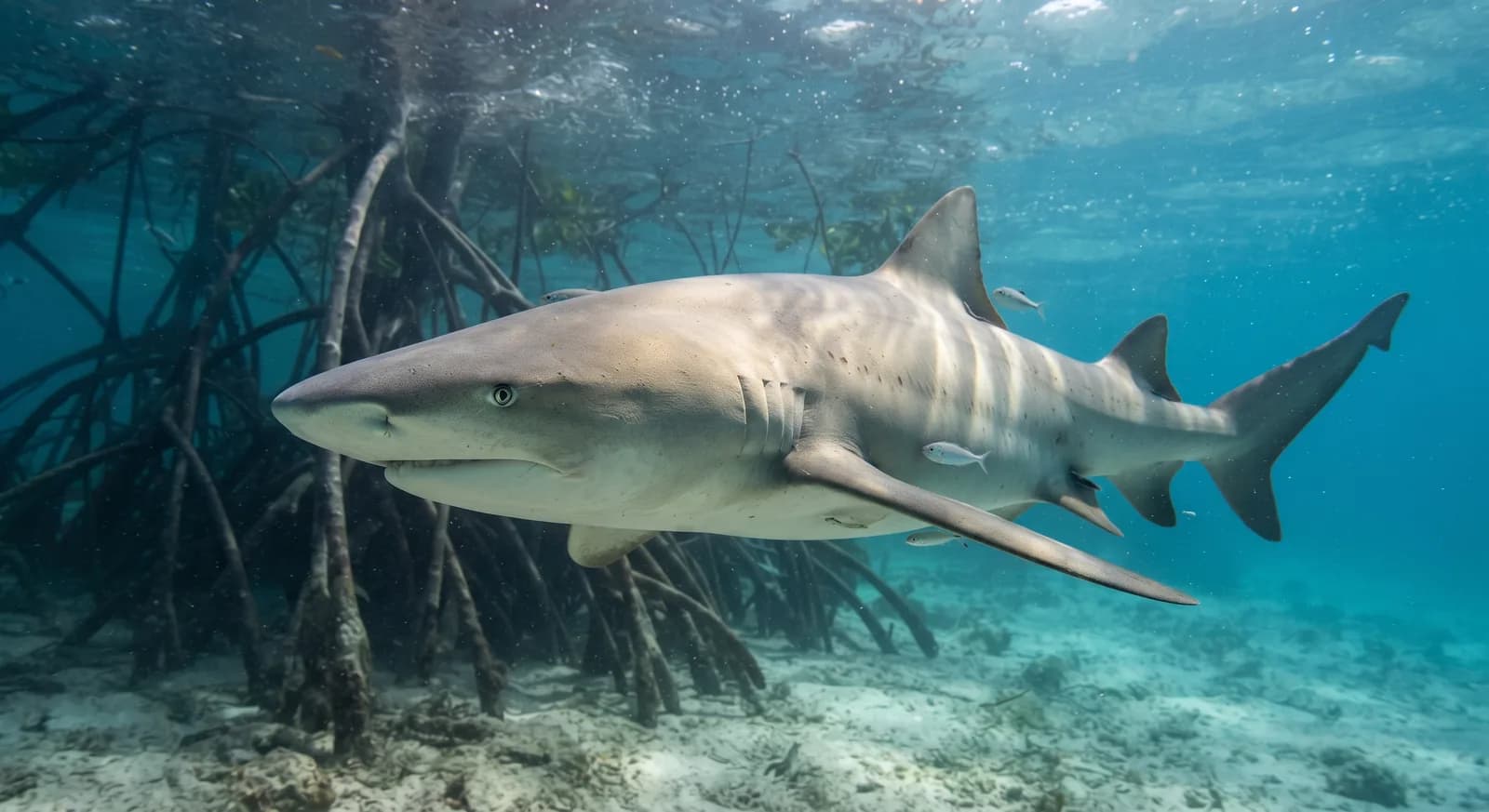
Lemon Shark
Negaprion brevirostris
 Vulnerable
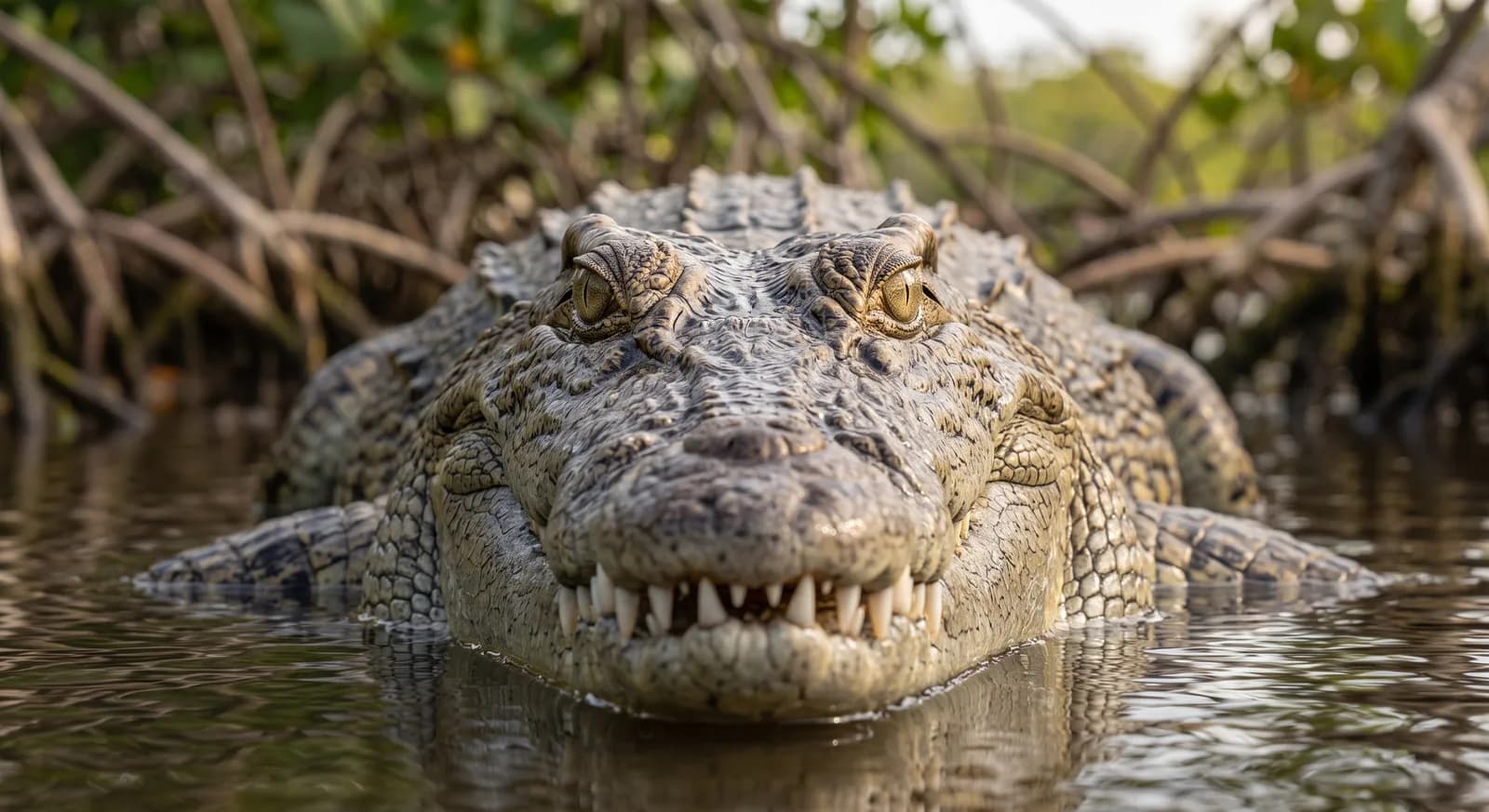
American Crocodile
Crocodylus acutus
Atlantic Goliath Grouper
Epinephelus itajara
Blue Marlin
Makaira nigricans
Grey Snapper
Lutjanus griseus
Bluefish
Pomatomus saltatrix
How to help
The nurse shark is classified as vulnerable. Organizations such as UICN, WWF y Wildlife Conservation Society work specifically on its conservation and that of its habitat; looking into their programs is a good starting point if you want to get involved.
It's documented in 15 real protected areas — part of why protecting these places matters for its conservation.
Keep exploring
Based on what we already know about nurse shark.
Comments
Share an experience, a fun fact or a tip for seeing the nurse shark.
Be the first to comment.