One of the 2 groupers on WAnimals
Bony fish · Perciformes · Serranidae
Atlantic Goliath Grouper
Epinephelus itajara
It faces a high risk of extinction in the wild over the medium term. See full glossary
Weight
up to 455 kg
Size
up to 2.5 m
Lifespan
37 years
Diet
Carnivore
Feeds mainly on other animals.
Sighting difficulty
Moderate
Fun facts
- comunicaciónIt is one of the largest bony fish on Caribbean reefs, and can make an audible boom underwater by contracting its swim bladder, as a signal or a warning.
- It is one of the largest bony fish on the reef: there are records of 250 cm and some 455 kg.
- It forms predictable spawning aggregations and does not flee from divers, a combination that made it highly vulnerable to fishing and led to a complete ban in United States waters.
Life cycle & biology
- Skeleton type
- Vertebrate - internal bony skeleton (bony fish)
- Habitat & environment
- Rocky reefs, wrecks and mangroves of the western Atlantic, between 0 and 100 m and usually above 46 m; the juveniles grow up in mangroves and estuaries
- Sexual maturity
- Length at first maturity 128 cm
Sources consulted: https://es.wikipedia.org/wiki/Epinephelus_itajara
Where to find it
See its range on the interactive mapWhere to watch it
Parques y spots de buceo donde se ha documentado esta especie — se muestran 20 de 60 documentados.
Related species
Other species in the catalogue with the most in common with Atlantic Goliath Grouper — same habitat, park, country, tags or family.
Blue Marlin
Makaira nigricans
Red Snapper
Lutjanus campechanus
Bluefish
Pomatomus saltatrix
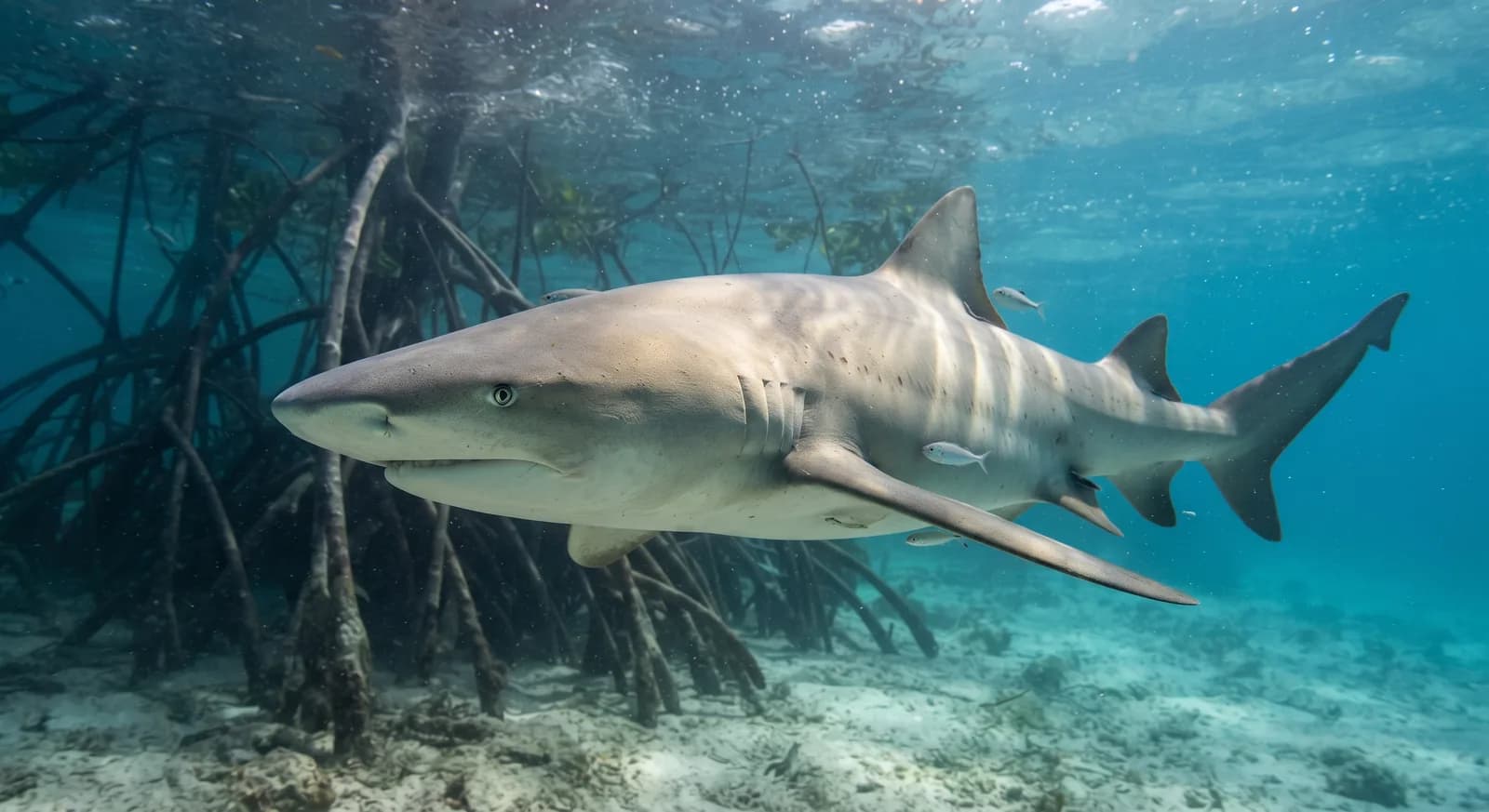 Vulnerable
Lemon Shark
Negaprion brevirostris
Tarpon
Megalops atlanticus
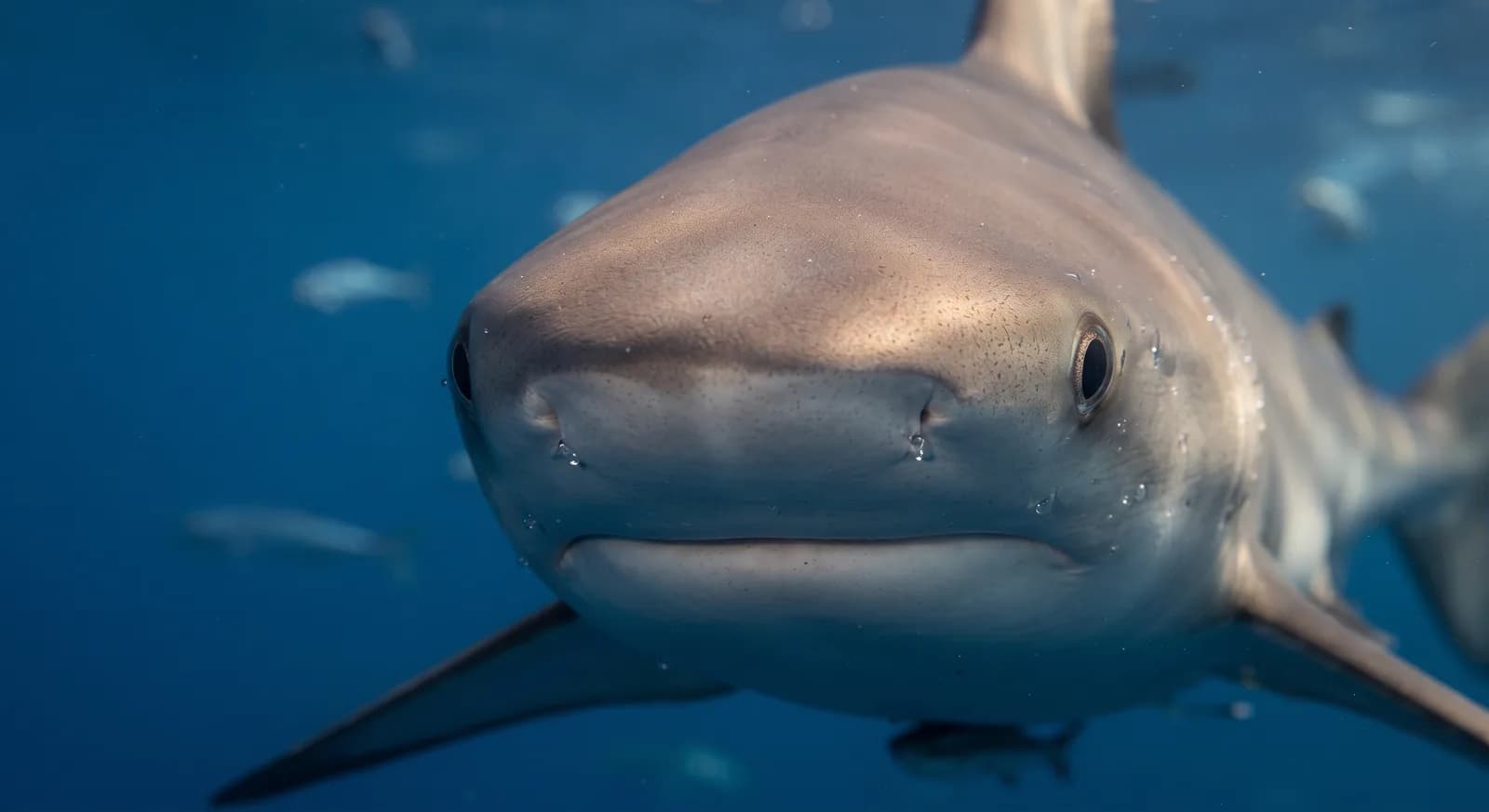 Vulnerable
Silky Shark
Carcharhinus falciformis
How to help
The atlantic goliath grouper is classified as vulnerable. Organizations such as UICN, WWF y Wildlife Conservation Society work specifically on its conservation and that of its habitat; looking into their programs is a good starting point if you want to get involved.
It's documented in 13 real protected areas — part of why protecting these places matters for its conservation.
Keep exploring
Based on what we already know about atlantic goliath grouper.
Comments
Share an experience, a fun fact or a tip for seeing the atlantic goliath grouper.
Be the first to comment.