Bony fish · Elopiformes · Megalopidae
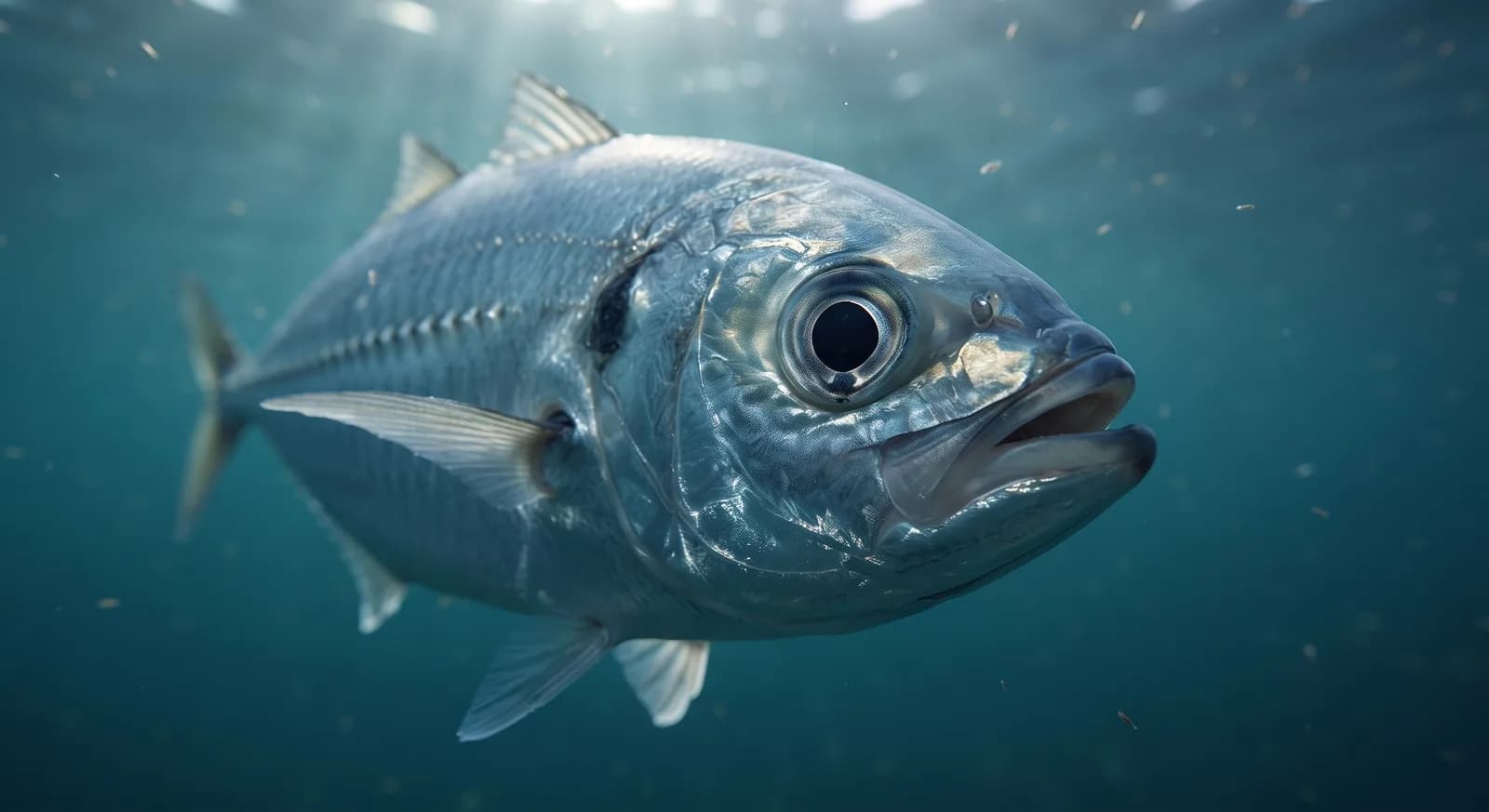
Tarpon
Megalops atlanticus
It faces a high risk of extinction in the wild over the medium term. See full glossary
The tarpon — known in Spanish as sábalo real or tarpón — is an elopiform bony fish of the family Megalopidae.
Weight
88.6 kg on average
Size
up to 2.5 m
Lifespan
78 years
Diet
Carnivore
Feeds mainly on other animals.
Sighting difficulty
Moderate
Fun facts
- GeneralIt leaps several metres clear of the water when hooked, and can breathe air with its swim bladder.
- It fills its swim bladder with air as if it were a primitive lung, which lets it live in oxygen-poor water and gives it an edge as a predator.
- Its larva is a transparent, ribbon-like leptocephalus, like that of eels, which drifts with the plankton before transforming.
- Its scales, more than 7 cm across, have been used in ornamental work and in making artificial pearls.
Life cycle & biology
- Skeleton type
- Vertebrate - internal bony skeleton (bony fish)
- Habitat & environment
- Estuaries, mangroves and shallow coastal waters
- Sexual maturity
- 8.5 years
Sources consulted: https://es.wikipedia.org/wiki/Megalops_atlanticus
Where to find it
See its range on the interactive mapWhere to watch it
Parques y spots de buceo donde se ha documentado esta especie — se muestran 20 de 53 documentados.
Related species
Other species in the catalogue with the most in common with Tarpon — same habitat, park, country, tags or family.
Diamondback Terrapin
Malaclemys terrapin
 Vulnerable
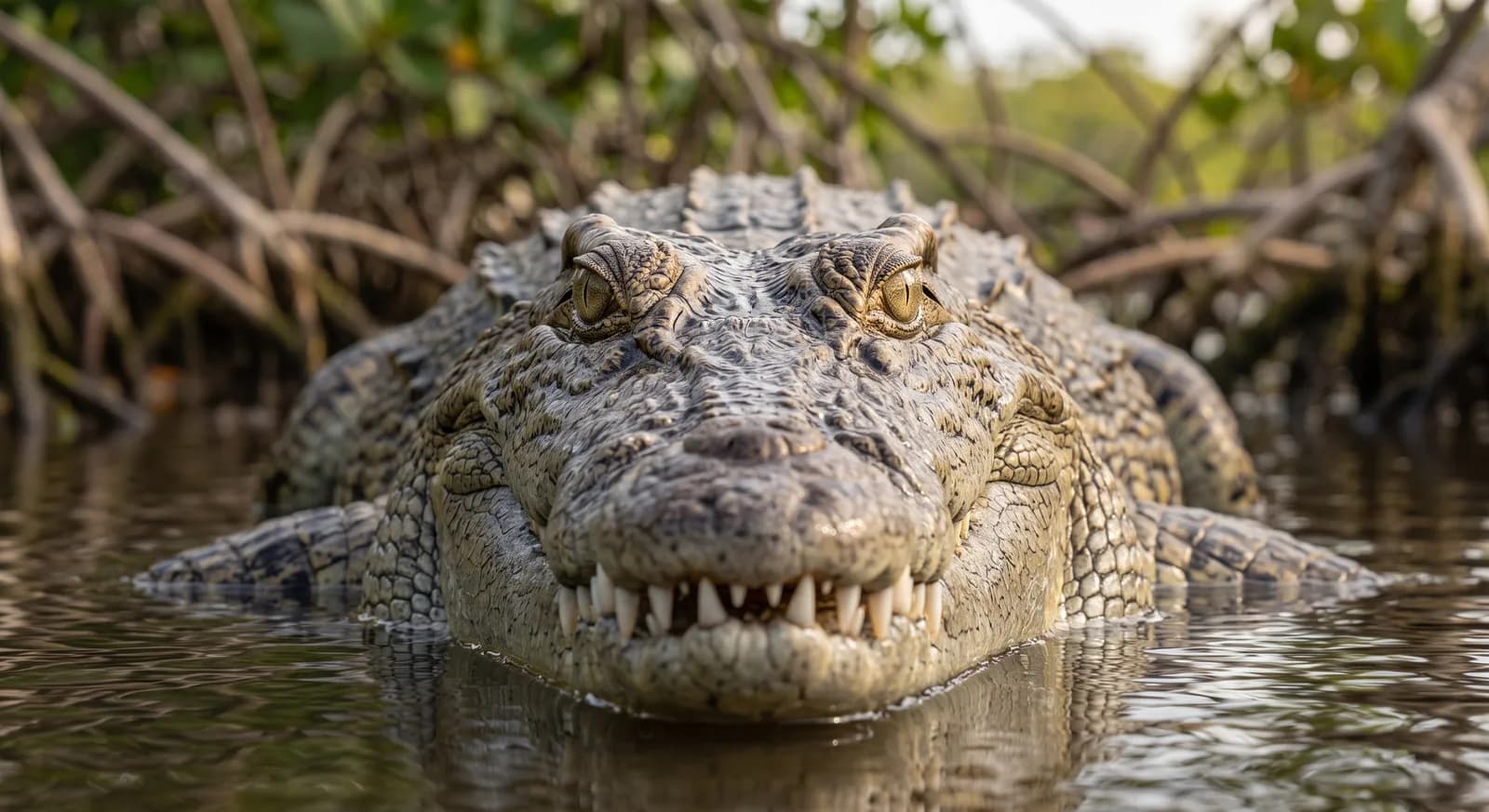
American Crocodile
Crocodylus acutus
Atlantic Goliath Grouper
Epinephelus itajara
 Vulnerable
Horse Mackerel
Trachurus trachurus
Blue Marlin
Makaira nigricans
Red Snapper
Lutjanus campechanus
How to help
The tarpon is classified as vulnerable. Organizations such as UICN, WWF y Wildlife Conservation Society work specifically on its conservation and that of its habitat; looking into their programs is a good starting point if you want to get involved.
It's documented in 11 real protected areas — part of why protecting these places matters for its conservation.
Keep exploring
Based on what we already know about tarpon.
Comments
Share an experience, a fun fact or a tip for seeing the tarpon.
Be the first to comment.