Jamaica
América del Norte
Jamaica is a mountainous island with a spine of ranges culminating in the Blue Mountains, covered in cloud forest and high-altitude coffee plantations. Across the centre and west stretches the Cockpit Country, a karst of cones and sinkholes almost impossible to enter that served as a refuge for the Maroons and that today protects the island's largest block of native forest. That isolation has produced an extremely high level of endemism: most Jamaican amphibians and reptiles and a large share of its birds exist only here. The coast contributes mangroves, reefs badly hit by tourism and hurricanes, and wetlands such as those of Black River, where American crocodiles and manatees survive.
The nature of Jamaica
National animal: The red-billed streamertail, or doctor bird, the national bird, endemic to the island
Did you know?
The Jamaican iguana was declared extinct in 1948 after decades without records, until in 1990 the dog of a hunter of feral pigs caught one in the Hellshire hills. The find triggered a programme of captive breeding, mongoose control and nest guarding that has allowed the species, reduced to a few dozen adults, to breed in the wild again.
Biodiversity profile
Climate
- •Tropical con estacion seca (Aw) en tierras bajas y costa
- •Templado de montaña en las Blue Mountains (hasta 2.290 m)
Main biomes
- •Bosque humedo montano (Blue and John Crow Mountains, 85% del territorio insular en bosque humedo tipo)
- •Karst de piedra caliza (Cockpit Country)
- •Bosque seco en zonas costeras
- •Bosque nuboso de montaña
- •Karst de conos y dolinas
- •Manglar y humedal fluvial
- •Arrecife de coral
- •Bosque seco de tierras bajas
- •Cueva caliza
- •Litoral rocoso
Marine and coastal ecosystems
- •Arrecifes de coral, praderas marinas y manglares costeros
Flagship wildlife
- •Cotorra jamaicana
- •Jutia jamaicana (unico mamifero terrestre endemico superviviente)
- •Boa jamaicana
- •Colibri doctorbird (ave nacional)
- •Mariposa cola de golondrina gigante (mariposa mas grande del hemisferio occidental, endemica)
- •Iguana de Jamaica
- •Colibrí portacintas
- •Mariposa cometa gigante
- •Manatí del Caribe
- •Cocodrilo americano
- •Amazona jamaicana
- •Tortuga carey
- •Boa de Jamaica
- •Jutía de Jamaica
- •Rana de Jamaica
Notable endemic species
- •Jamaica ocupa el puesto numero 5 mundial en porcentaje de flora endemica entre islas
- •28% de las 3.003 especies de plantas con flor y 14% de las 579 especies de vertebrados son endemicos
- •400 de 1.500 especies vegetales de Cockpit Country son endemicas de Jamaica
- •28 especies de aves endemicas (la mayor cifra de cualquier isla caribeña)
- •~50% de las plantas con flor de las Blue Mountains son endemicas de Jamaica (30-40% de estas exclusivas del area)
- •Iguana de Jamaica
- •Colibrí portacintas
- •Mariposa cometa gigante
- •Jutía de Jamaica
- •Boa de Jamaica
Notable threatened species
- •Jutia jamaicana (En Peligro, unico mamifero terrestre nativo superviviente)
- •Mariposa cola de golondrina gigante (En Peligro, restringida a Cockpit Country y Blue/John Crow Mountains)
- •Cotorra jamaicana (Vulnerable)
Notable protected areas
- •Parque Nacional Blue and John Crow Mountains (Patrimonio Mundial)
- •Cockpit Country Forest Reserve
- •Parque Nacional de las Montañas Azules y John Crow
- •Cockpit Country
- •Humedales de Black River
- •Colinas de Hellshire
- •Parque Marino de Montego Bay
- •Cuevas de Green Grotto
Main conservation threats
- •Perdida de habitat por expansion agricola alrededor de zonas karsticas aisladas (ej. Dolphin Head)
- •Especies invasoras (mangosta, ratas, gatos ferales)
- •Cambio climatico sobre bosques de neblina de alta montaña
Notable natural phenomena
- •Jamaica nunca ha estado conectada a otra masa continental, lo que ha favorecido altisimas tasas de radiacion evolutiva y endemismo insular
Conservation
The mongoose, introduced in the nineteenth century to control rats in the cane fields, wiped out the island's native land fauna and remains the main obstacle to recovering reptiles and ground-nesting birds. The giant swallowtail, the largest butterfly in the Americas, depends on a few forests in the east.
Where and when to watch wildlife
The Blue Mountains at dawn for endemic birds. Black River year-round by boat for crocodiles and waterbirds. The Cockpit Country in the dry season for parrots and butterflies.
Sources: One Earth - Jamaican Moist Forests | Jamaica Conservation and Development Trust - Blue and John Crow Mountains | Forestry Department Jamaica | World Heritage Datasheet - Blue and John Crow Mountains
Diving and snorkelling
Alligator Head (Ocean Ridge)
A community marine reserve on the north-east coast of Jamaica with reefs recovering after years of overfishing.
View dive siteCoral reefMontego Bay Marine Park
Jamaica's first protected marine park, with easily reached reefs off the popular tourist strip.
View dive siteWreck/ReefNegril (aircraft wreck)
A reef on the west coast of Jamaica with an aircraft deliberately sunk as a diving attraction.
View dive siteRemote coral bankPedro Bank
A remote coral bank south of Jamaica, with reefs all but unexplored by dive tourism.
View dive sitePaíses similares
¿A dónde más podría interesarme viajar?
Misma región: Centroamérica y Caribe
Misma región: Centroamérica y Caribe
Misma región: Centroamérica y Caribe
Misma región: Centroamérica y Caribe
Especies documentadas en Jamaica
142 species found
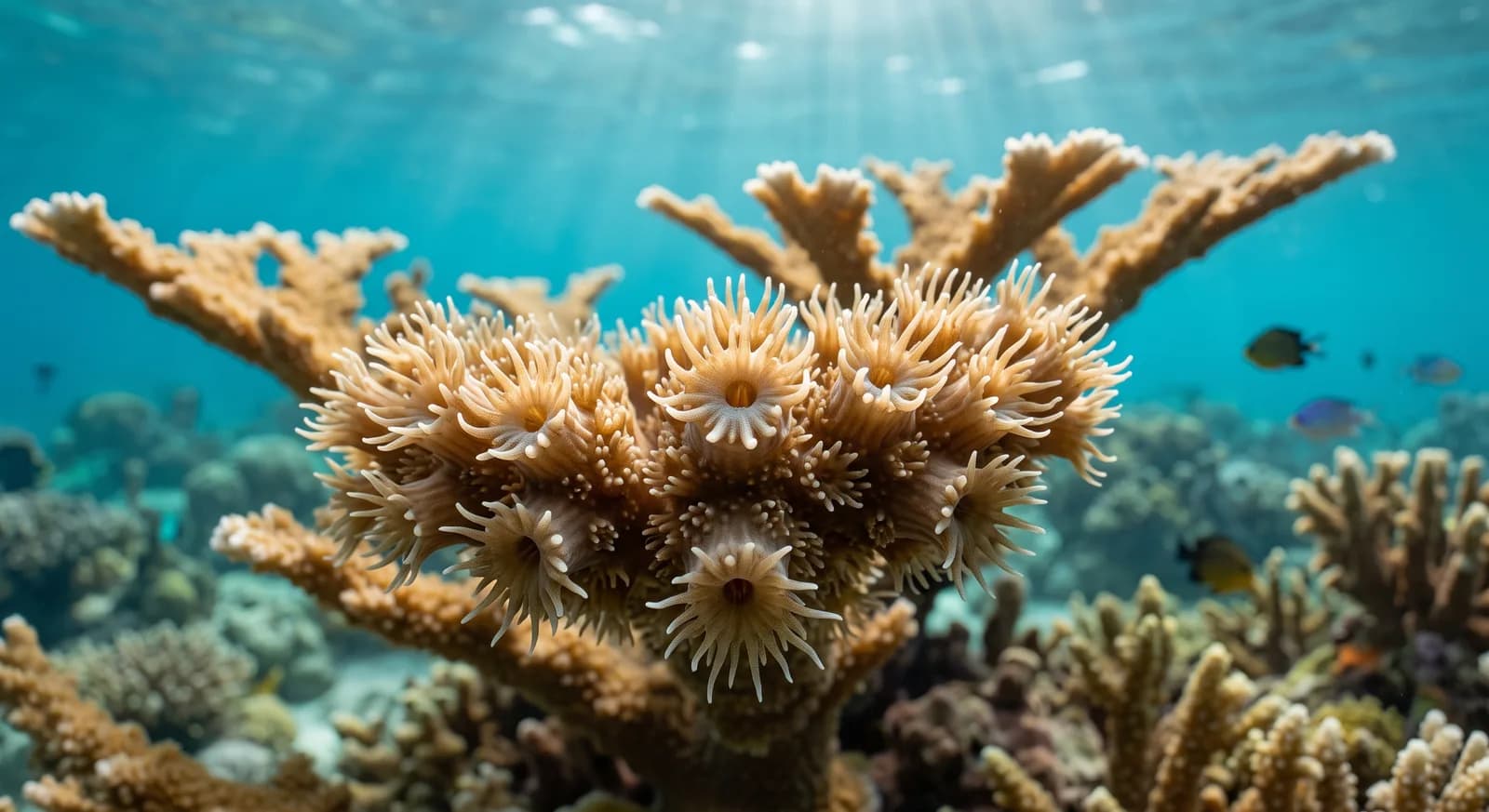 Critically Endangered
Elkhorn Coral
Acropora palmata
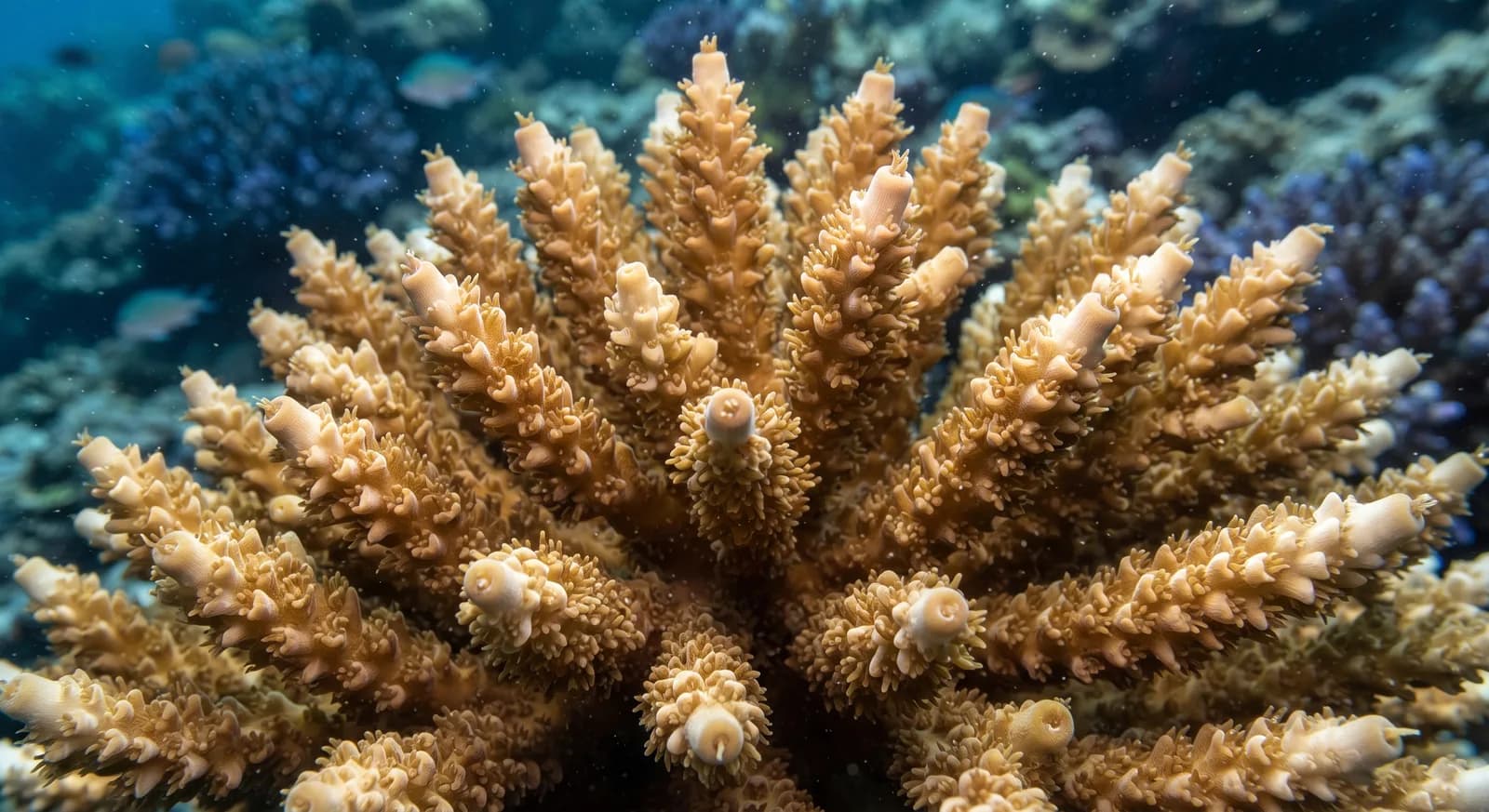 Critically Endangered
Staghorn Coral
Acropora cervicornis
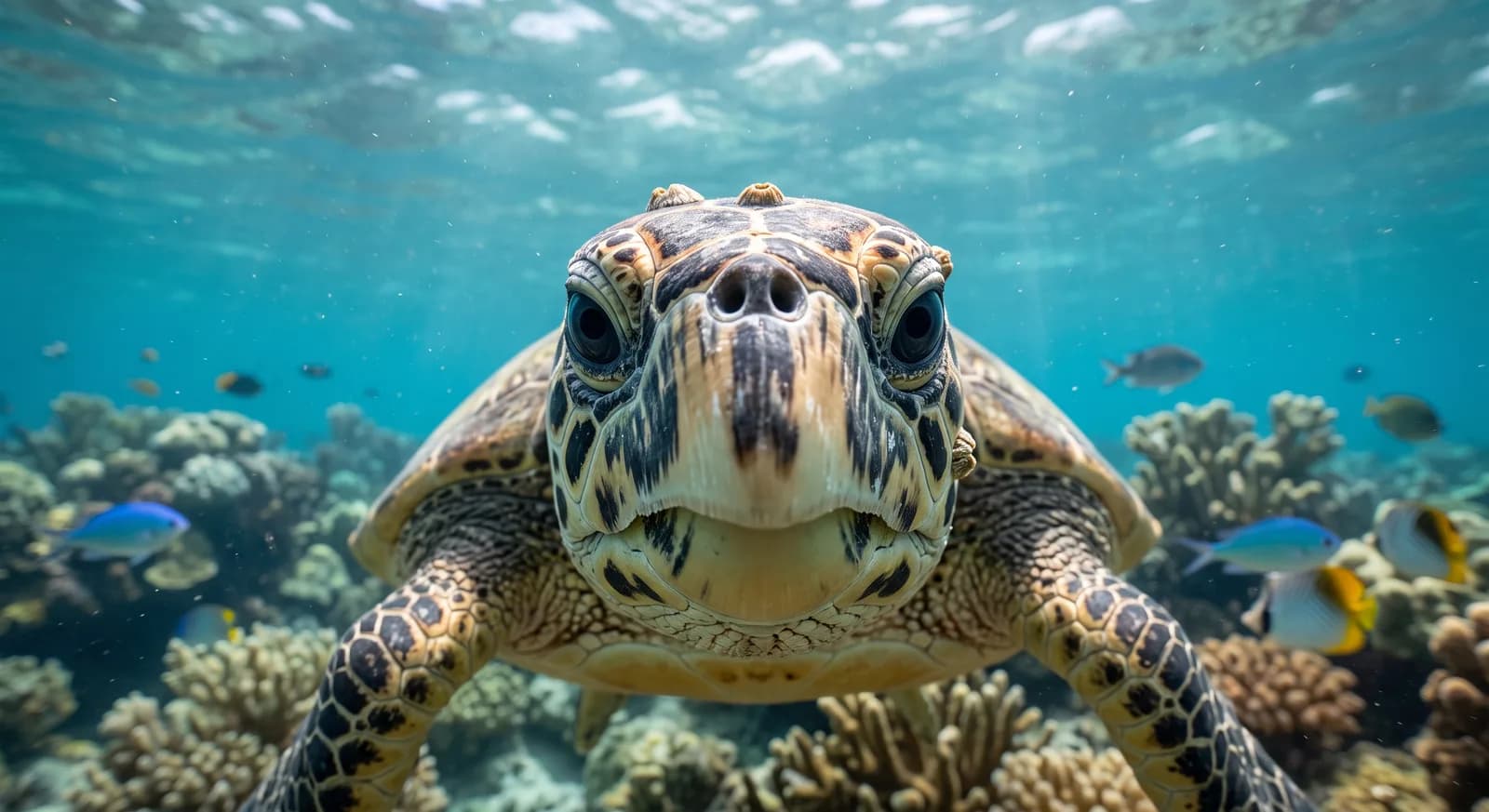 Critically Endangered
Hawksbill Turtle
Eretmochelys imbricata
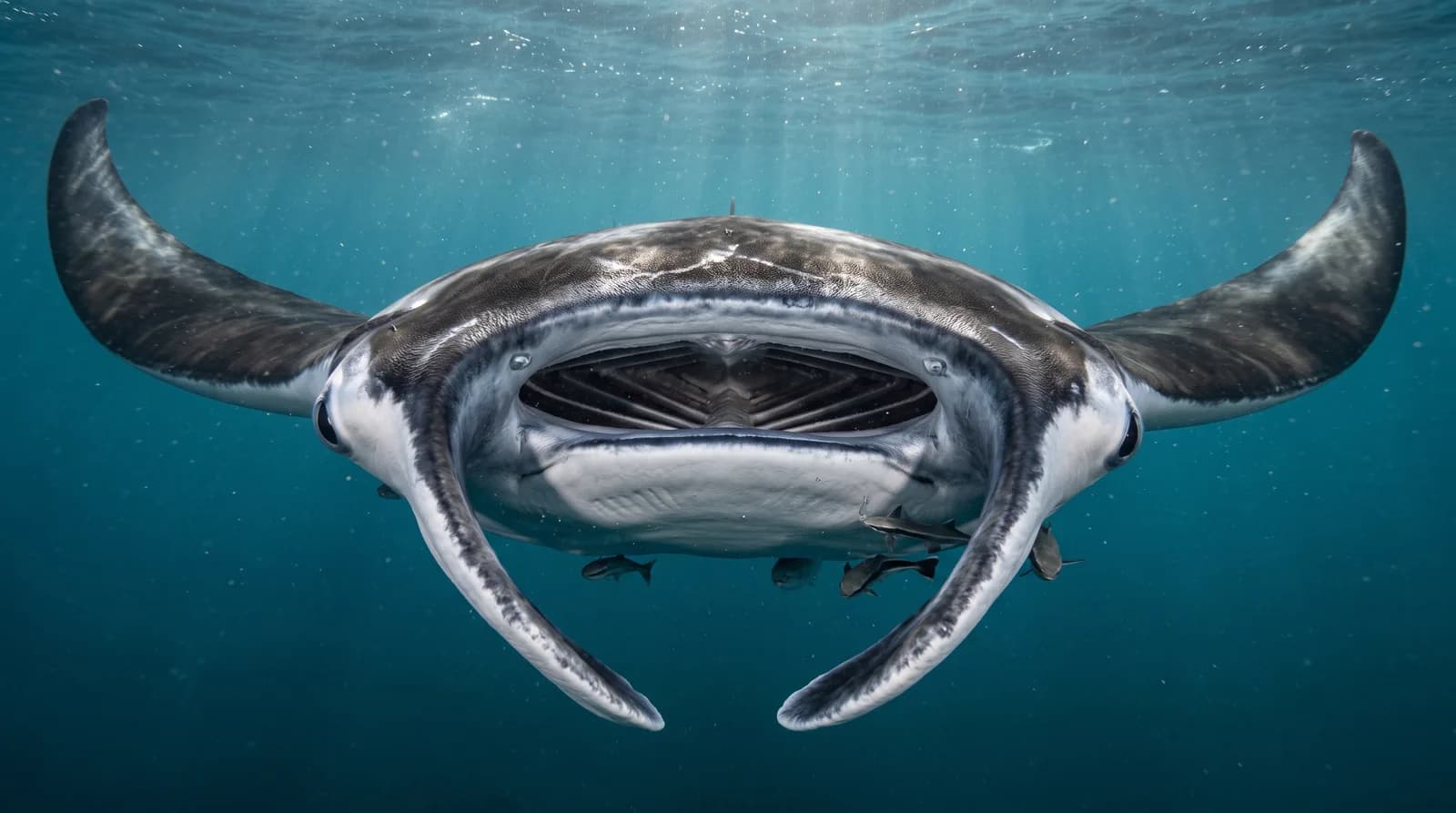 Endangered
Giant Manta
Mobula birostris
 Endangered
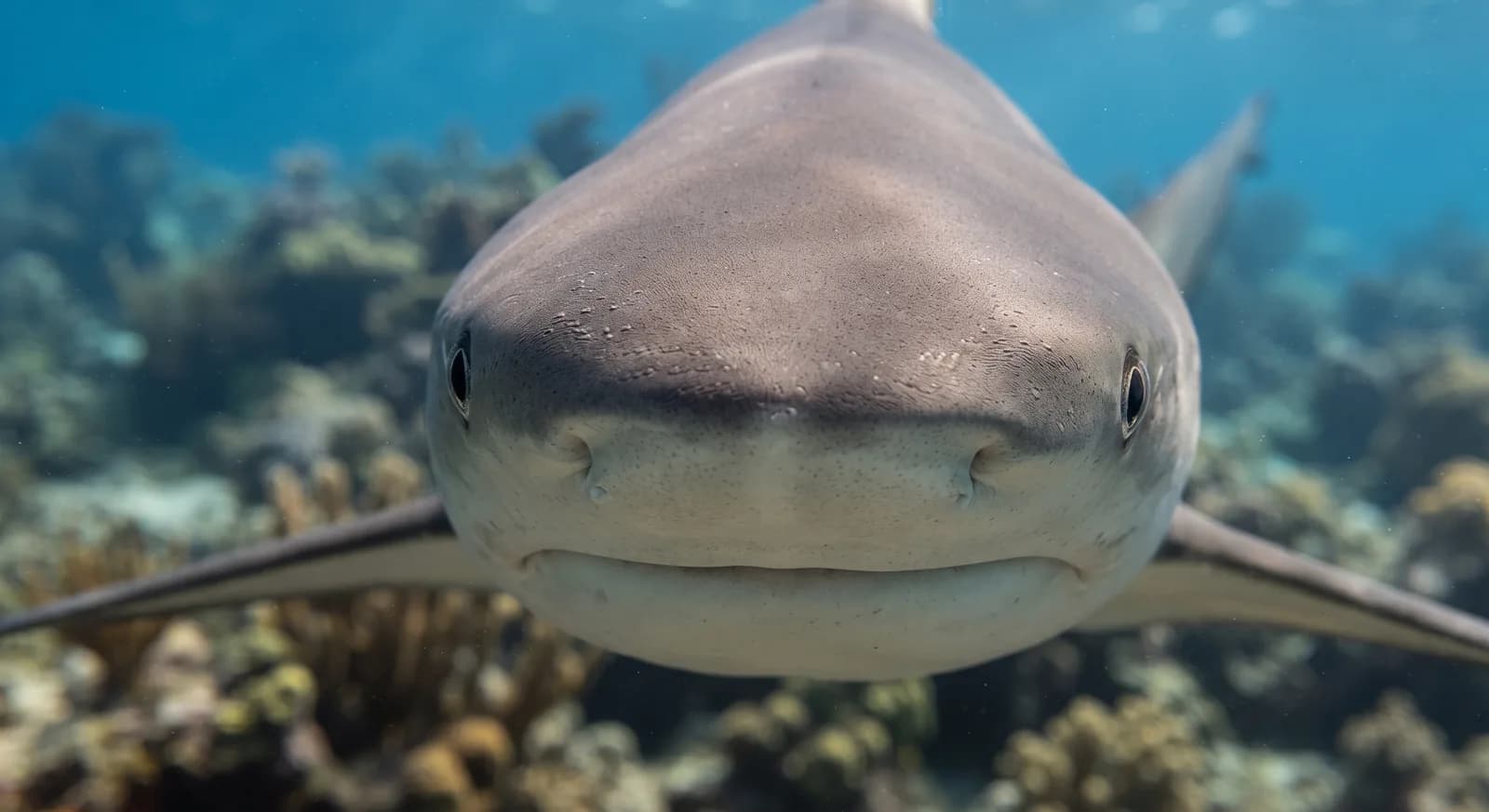
Caribbean Reef Shark
Carcharhinus perezi
 Endangered
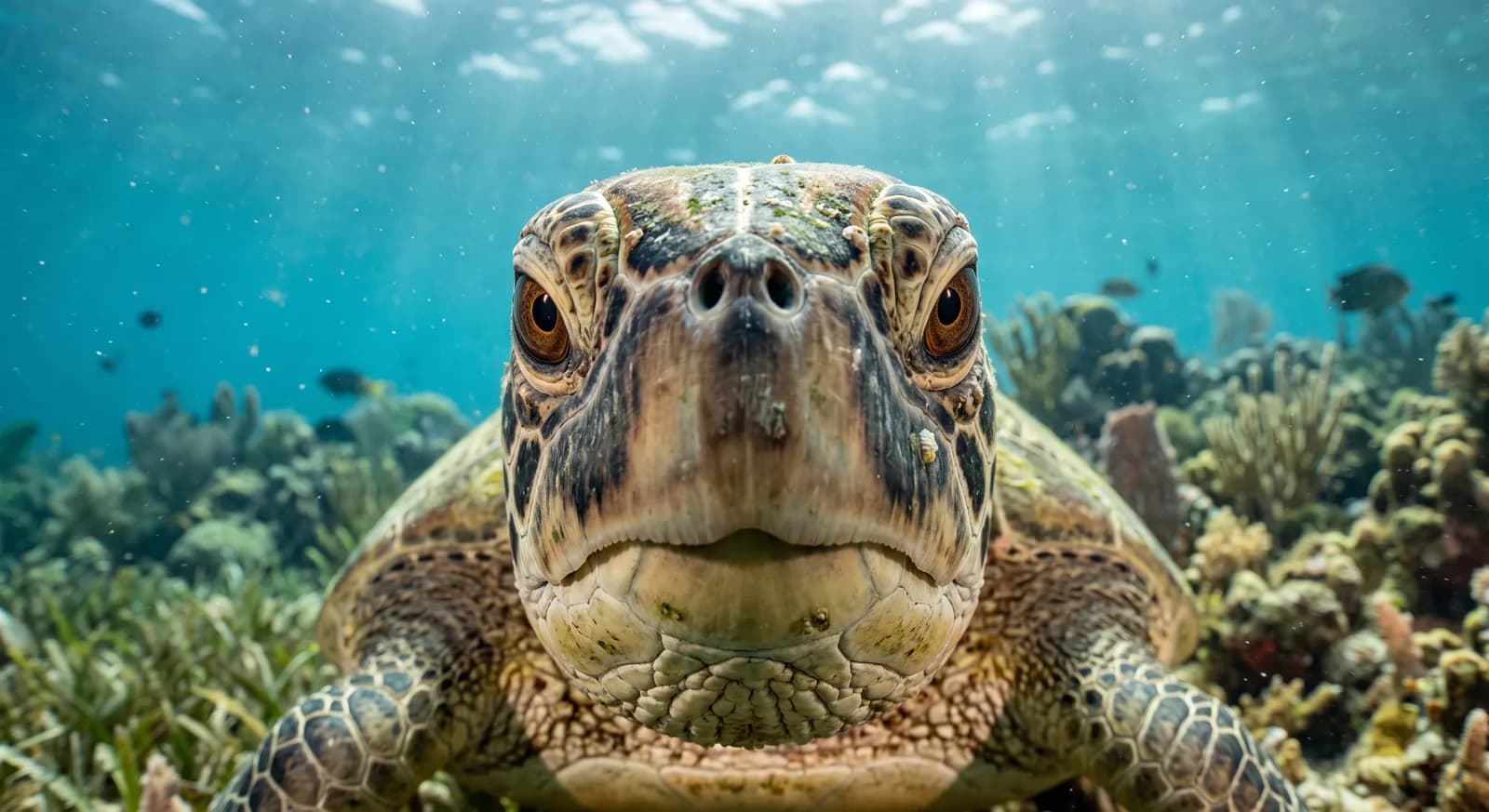
Green Turtle
Chelonia mydas
 Vulnerable
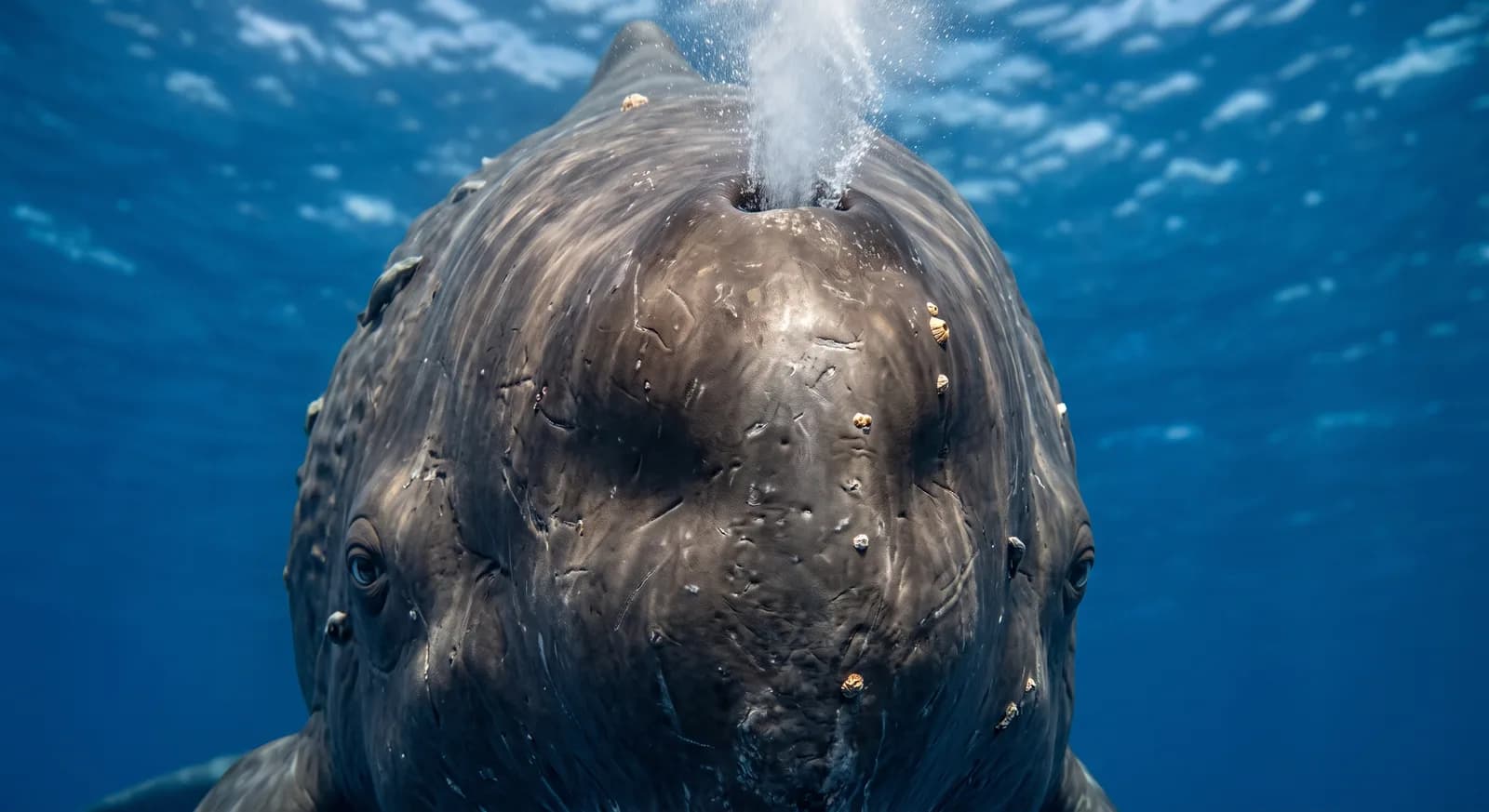
Sperm Whale
Physeter macrocephalus
 Vulnerable
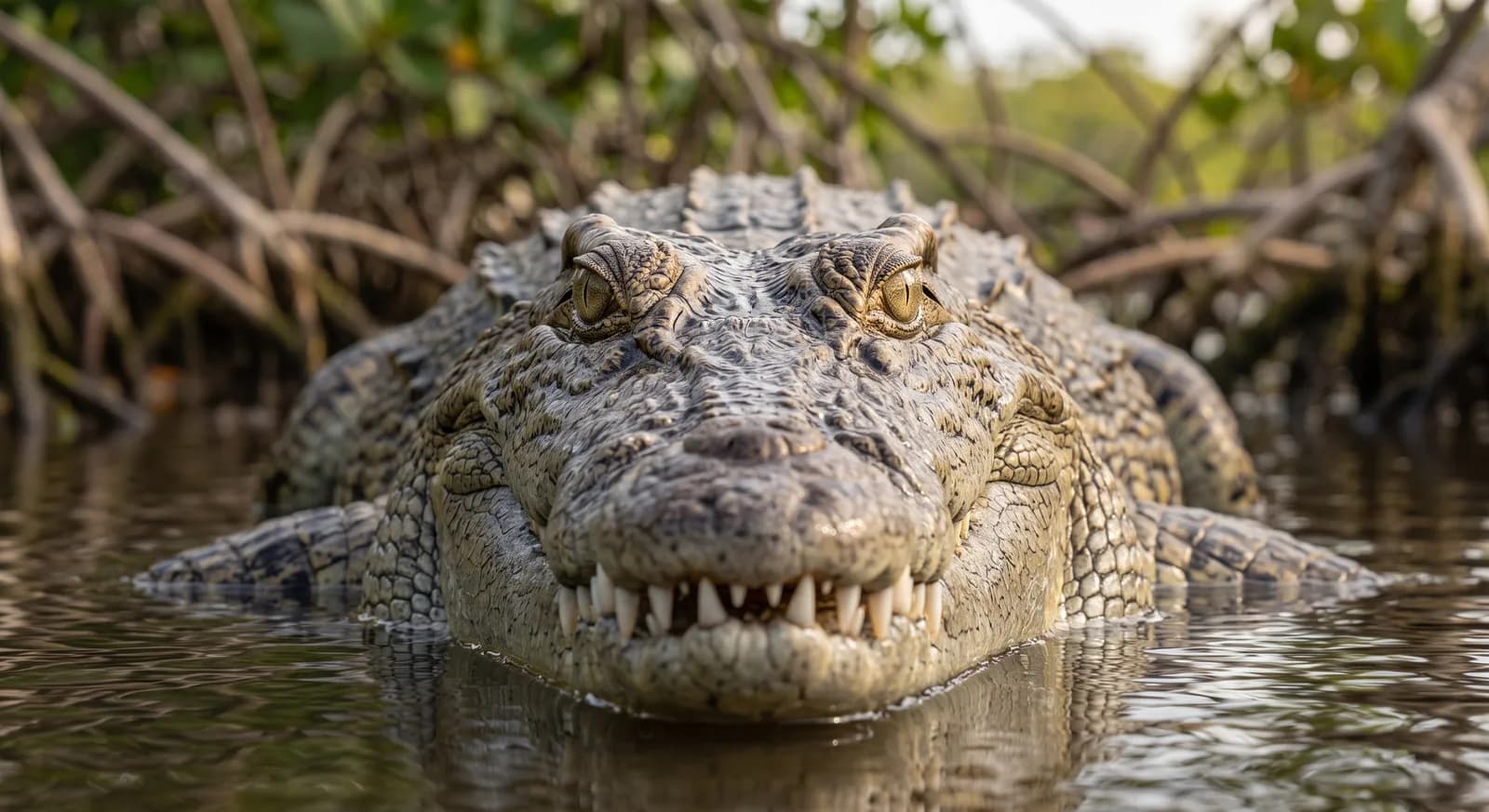
American Crocodile
Crocodylus acutus
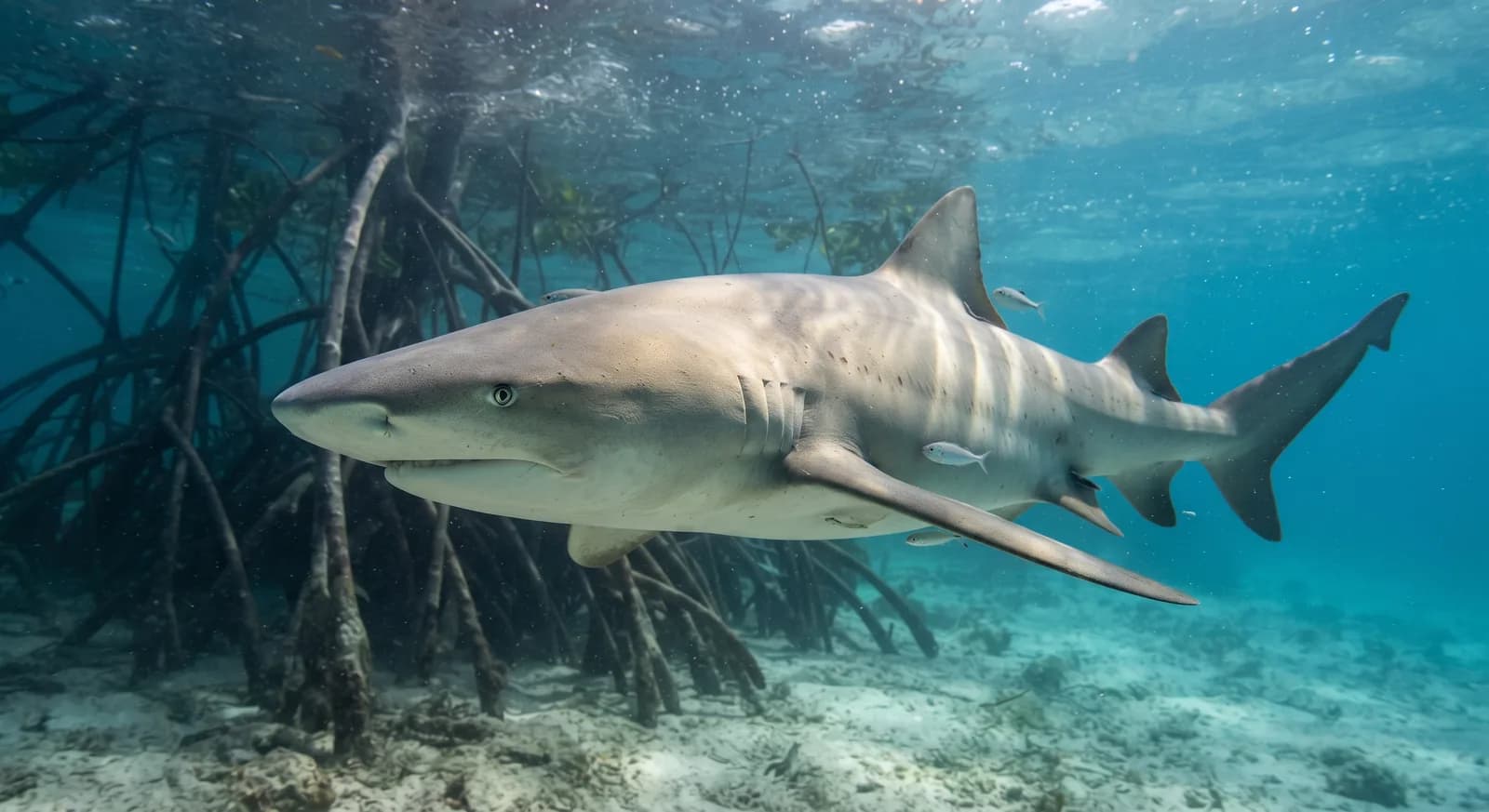 Vulnerable
Lemon Shark
Negaprion brevirostris
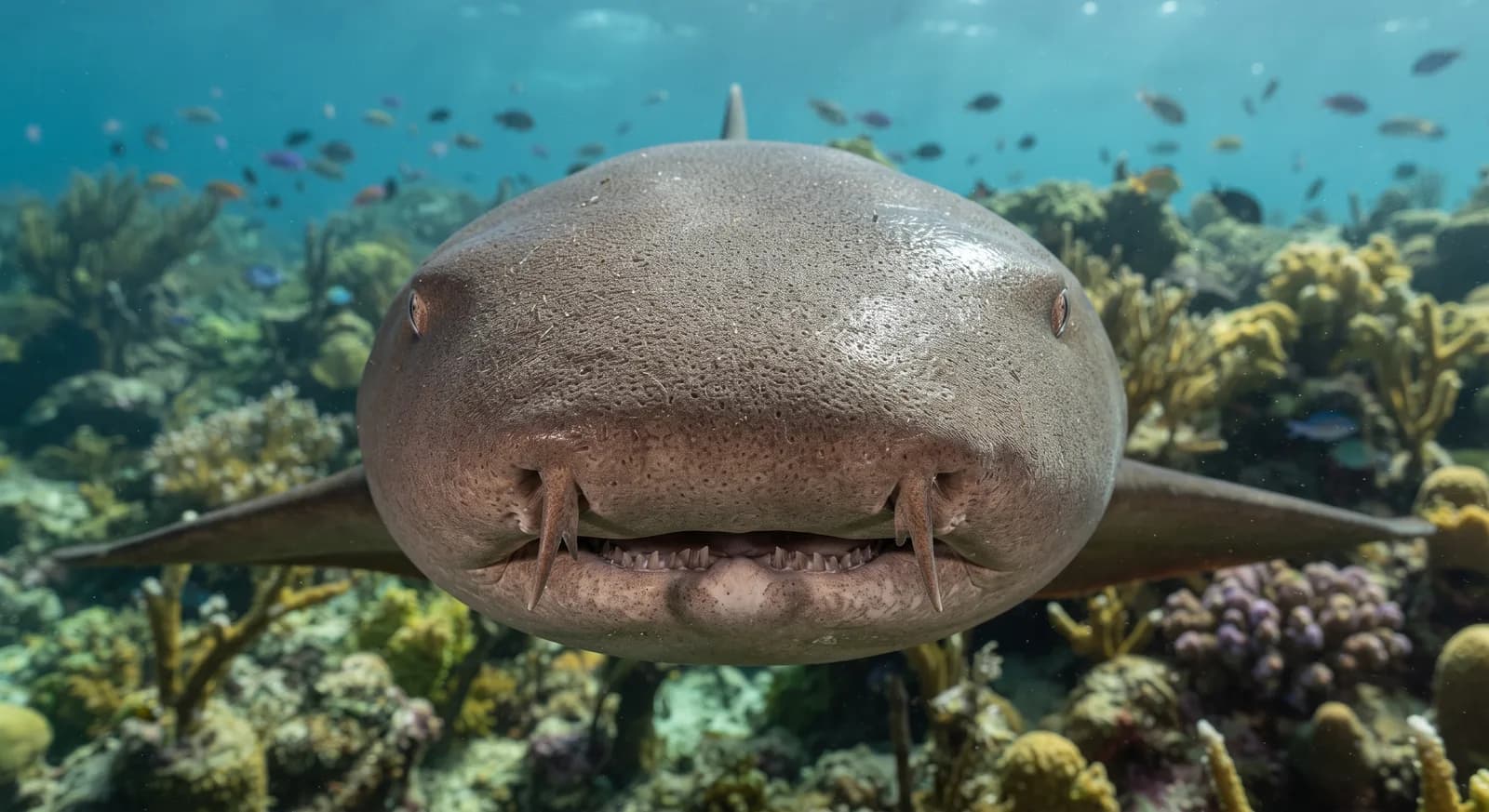 Vulnerable
Nurse Shark
Ginglymostoma cirratum
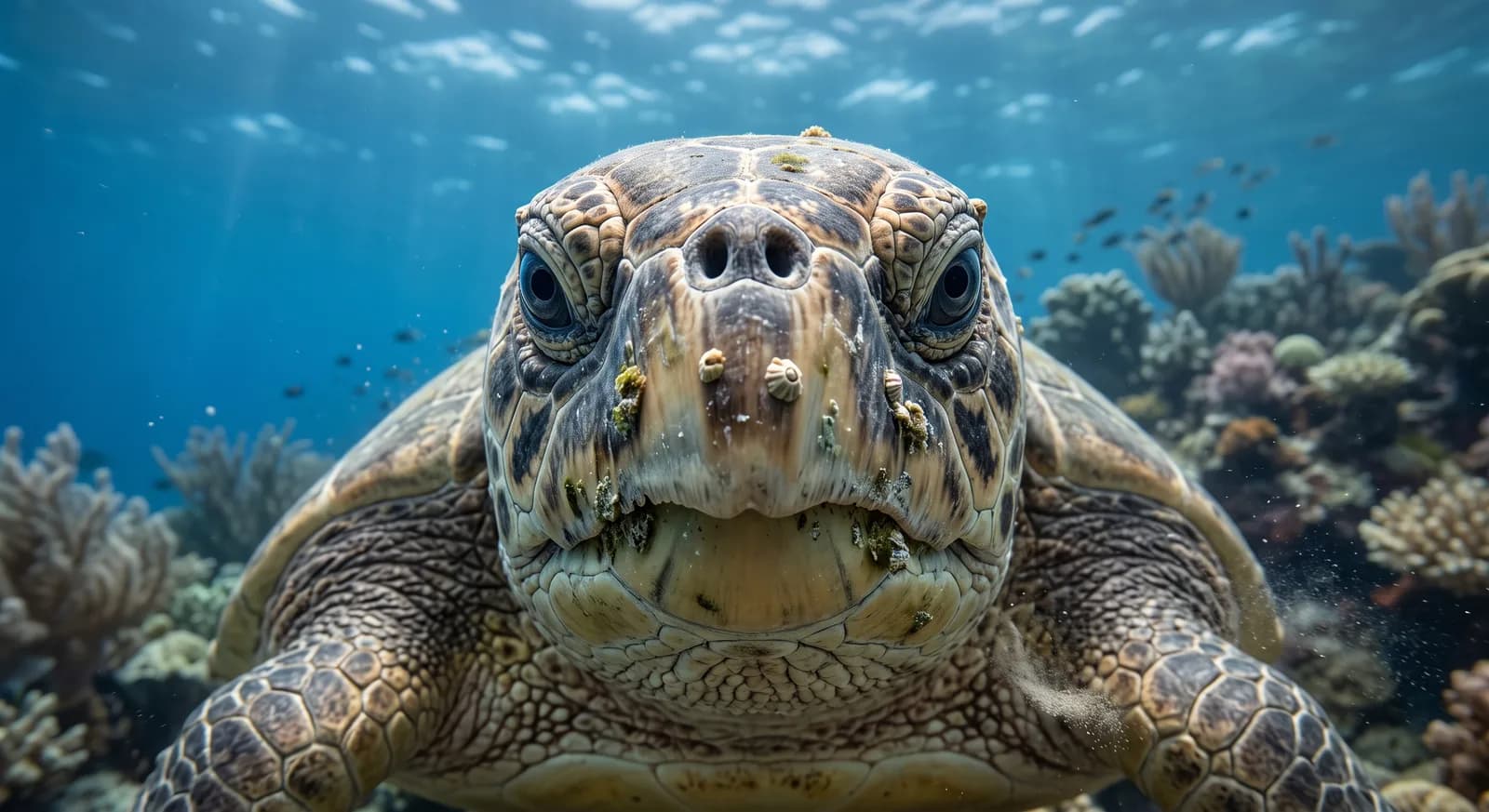 Vulnerable
Loggerhead Turtle
Caretta caretta
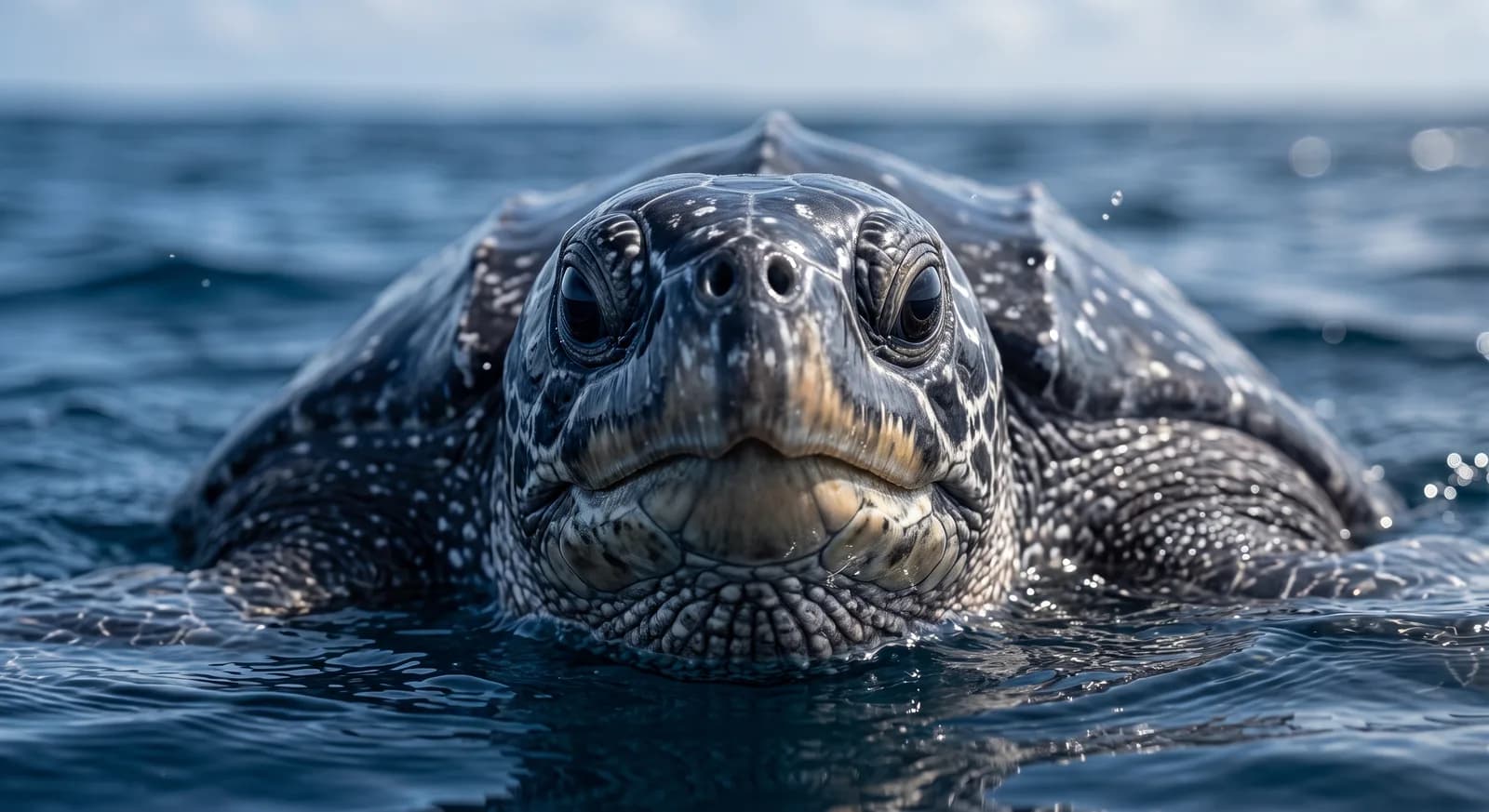 Vulnerable
Leatherback Sea Turtle
Dermochelys coriacea
Keep exploring
Based on what we already know about Jamaica.