One of the 9 corals on WAnimals
Anthozoans · Scleractinia · Acroporidae
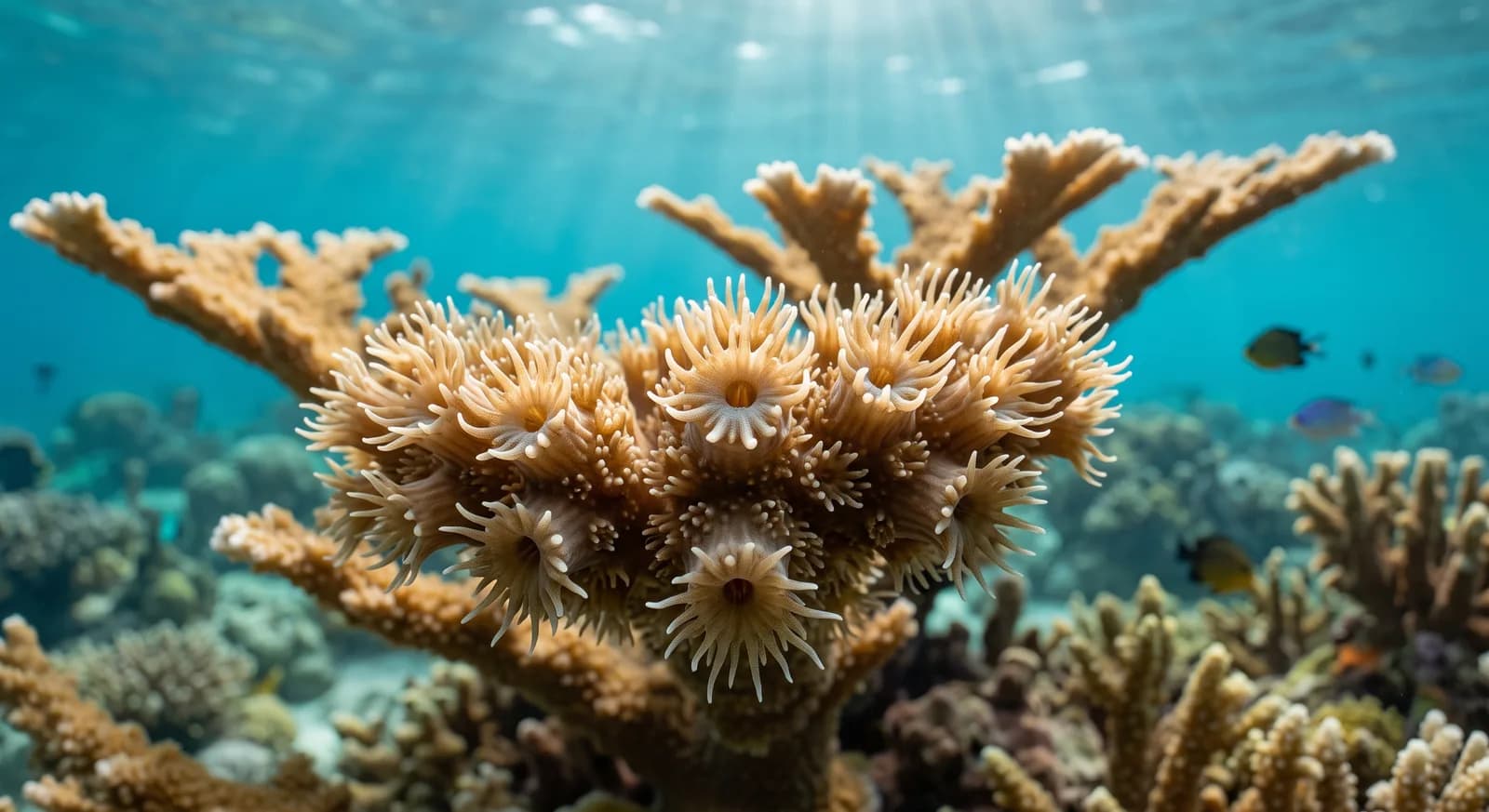
Elkhorn Coral
Acropora palmata
It faces an extremely high risk of imminent extinction in the wild. See full glossary
For 10,000 years it was one of the dominant reef-building corals of the Caribbean, but its population has fallen by roughly 97% since 1980.
Size
up to 3.5 m
Diet
Omnivore
Combines animal and plant food depending on availability.
Activity
Nocturnal
Active mainly at night.
Social structure
Colony
Lives in large concentrations, often for breeding reasons.
Sighting difficulty
Very hard
Fun facts
- Its population has fallen by roughly 97% since 1980 because of disease, bleaching and climate change.
- reproducciónIt can breed sexually, releasing gametes in a synchronised spawning, and asexually, through broken branches that grow into genetically identical new colonies.
- Individual polyps live only 2 to 3 years, but whole colonies can persist for centuries.
- It reproduces mostly asexually, by fragmentation of its branches.
Life cycle & biology
- Skeleton type
- Invertebrate - external calcareous skeleton (calcium carbonate), no internal skeleton
- Habitat & environment
- Caribbean coral reefs, in shallow water with moderate to strong wave action
- Birth weight
- A microscopic planktonic larva (planula) after fertilisation
- Size at birth
- A microscopic planktonic larva
- Sexual maturity
- Not applicable in the usual sense (reproductive maturity comes after several years of colony growth)
- Gestation / incubation
- Several days of larval development after external fertilisation, before settling
- Litter / clutch size
- Millions of gametes released per colony in each annual synchronised spawning event
Sources consulted: UWI Life Sciences (OGATT); PMC (long-term survival study); U.S. Fish & Wildlife Service; Animalia.bio; Wikipedia (Elkhorn coral); Reef Smart Guides; Animal Diversity Web; ECOS (FWS species profile)
Where to find it
See its range on the interactive mapBest time: All year round on shallow Caribbean reefs; the mass spawning is concentrated into a few nights in August, after the full moon.
Where to watch it
Parques y spots de buceo donde se ha documentado esta especie — se muestran 15 de 100 documentados.
Related species
Other species in the catalogue with the most in common with Elkhorn Coral — same habitat, park, country, tags or family.
 Critically Endangered
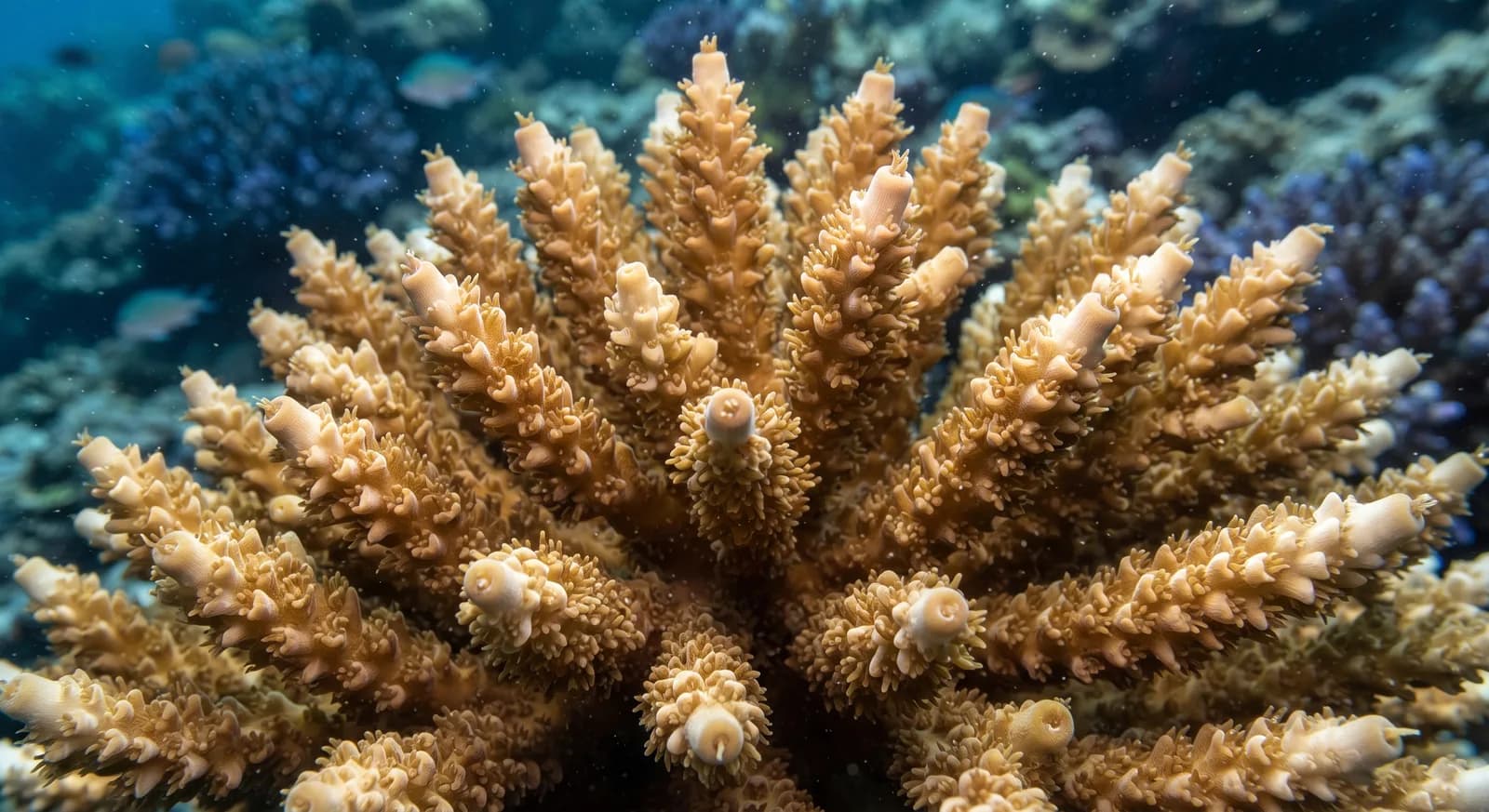
Staghorn Coral
Acropora cervicornis
Upside-down Jellyfish
Cassiopea andromeda
 Critically Endangered
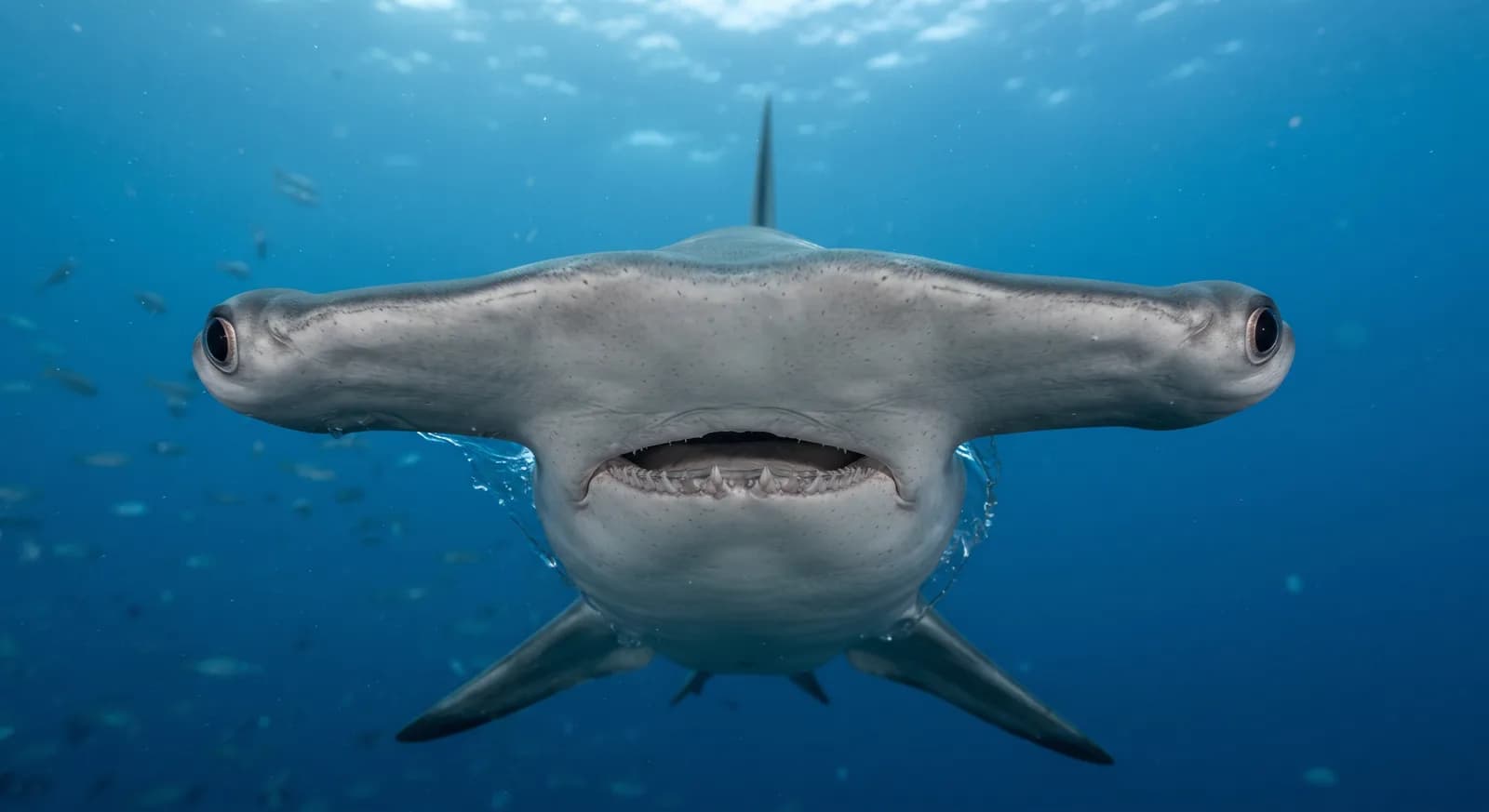
Great Hammerhead
Sphyrna mokarran
Smalltooth Sawfish
Pristis pectinata
Common Sea Fan
Gorgonia ventalina
How to help
The elkhorn coral is classified as critically endangered. Organizations such as UICN, WWF y Wildlife Conservation Society work specifically on its conservation and that of its habitat; looking into their programs is a good starting point if you want to get involved.
It's documented in 14 real protected areas — part of why protecting these places matters for its conservation.
Keep exploring
Based on what we already know about elkhorn coral.
Comments
Share an experience, a fun fact or a tip for seeing the elkhorn coral.
Be the first to comment.