One of the 9 corals on WAnimals
Anthozoans · Scleractinia · Faviidae
Grooved Brain Coral
Diploria labyrinthiformis
It faces an extremely high risk of imminent extinction in the wild. See full glossary
It is one of the slowest-growing corals in the Caribbean, spreading barely 3 to 4 mm a year, though some documented colonies are over 900 years old.
Size
up to 2 m
Lifespan
900 years
Diet
Omnivore
Combines animal and plant food depending on availability.
Activity
Nocturnal
Active mainly at night.
Social structure
Colony
Lives in large concentrations, often for breeding reasons.
Sighting difficulty
Very hard
Fun facts
- Unlike most stony corals, its polyps are fused into shared grooves that let them pass food and nutrients between one another.
- It eats zooplankton and bacteria, supplemented with nutrients from symbiotic zooxanthellae.
- A colony takes some 250 years to reach a metre across.
- Its surface is a labyrinth of winding grooves and ridges reminiscent of the cerebral cortex, hence the name.
- It grows a few millimetres a year, so a two-metre head is centuries old.
- That slowness turns it into a climate archive: its annual bands make it possible to reconstruct sea temperature and conditions in the Caribbean across centuries.
- And it is also its undoing: it cannot recolonise the reef at the speed at which bleaching, hurricanes and disease destroy it.
- The grooves are not decorative: they channel mucus and sediment out of the colony, which allows it to keep itself clean in turbid waters.
- It is one of the species affected by stony coral tissue loss disease, which has been spreading through the Caribbean since 2014 and kills centuries-old colonies in weeks.
Life cycle & biology
- Skeleton type
- Invertebrate - external calcareous skeleton (polyp colony)
- Habitat & environment
- Coral reefs of the Caribbean, the Bahamas, southern Florida and Bermuda, at depths of 1-30 m
- Birth weight
- Microscopic planula larva after fertilisation
- Size at birth
- Microscopic planula larva after fertilisation
- Sexual maturity
- 25 years or more to reach breeding maturity
- Gestation / incubation
- 13 hours for the planula larva to swim to the bottom and settle after spawning
- Litter / clutch size
- At least 6 mass-spawning events a year, among the highest rates documented in any Caribbean coral
Sources consulted: OceanHero; University of Wisconsin-La Crosse (bioweb); ADS/Harvard (reproductive biology study); Animal Diversity Web; Cephalopod Page; Discover Magazine; SeaLifeBase; Scientific Reports (outplanting study)
Where to find it
See its range on the interactive mapWhere to watch it
Parques y spots de buceo donde se ha documentado esta especie — se muestran 20 de 122 documentados.
Related species
Other species in the catalogue with the most in common with Grooved Brain Coral — same habitat, park, country, tags or family.
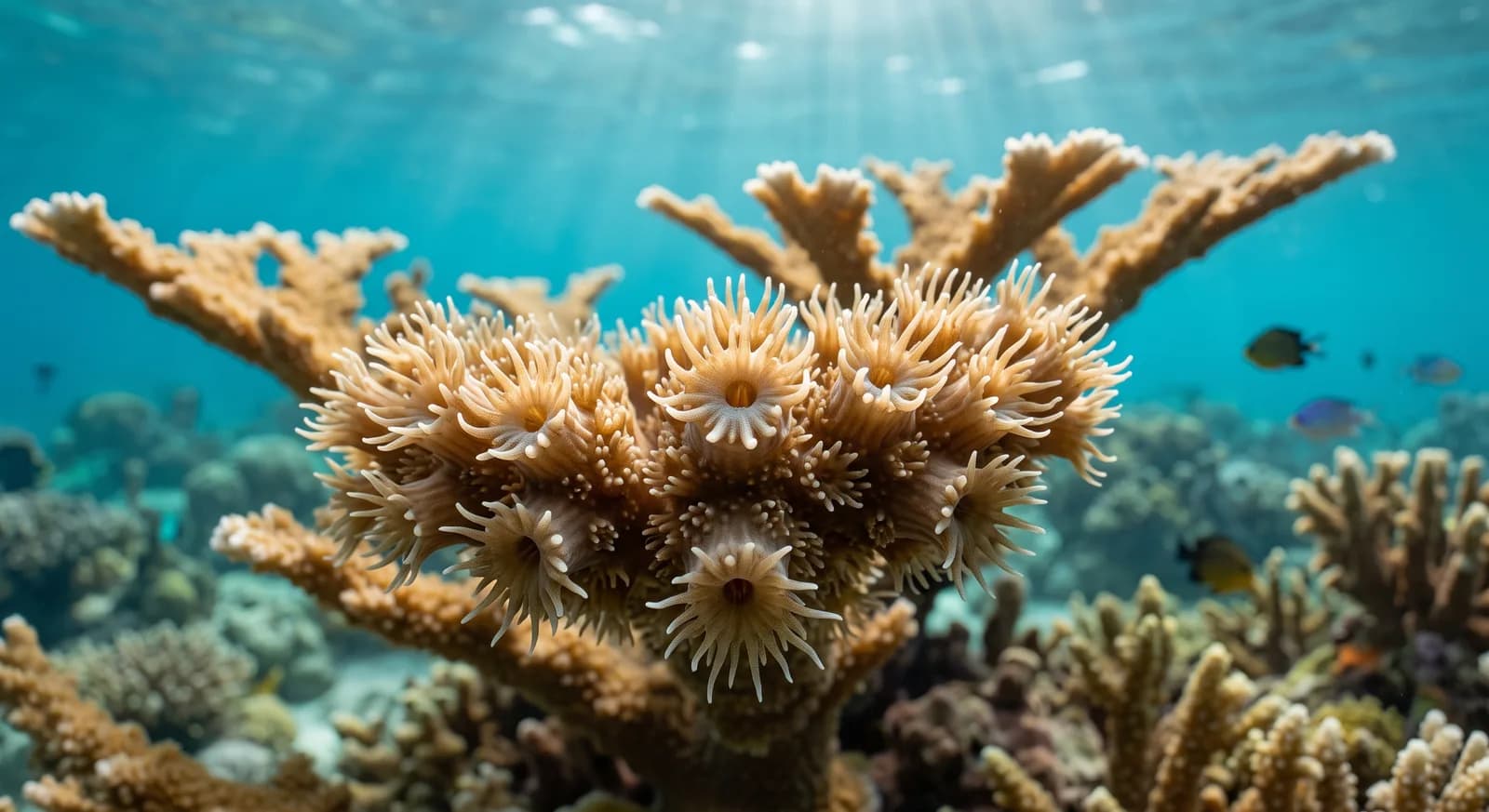 Critically Endangered
Elkhorn Coral
Acropora palmata
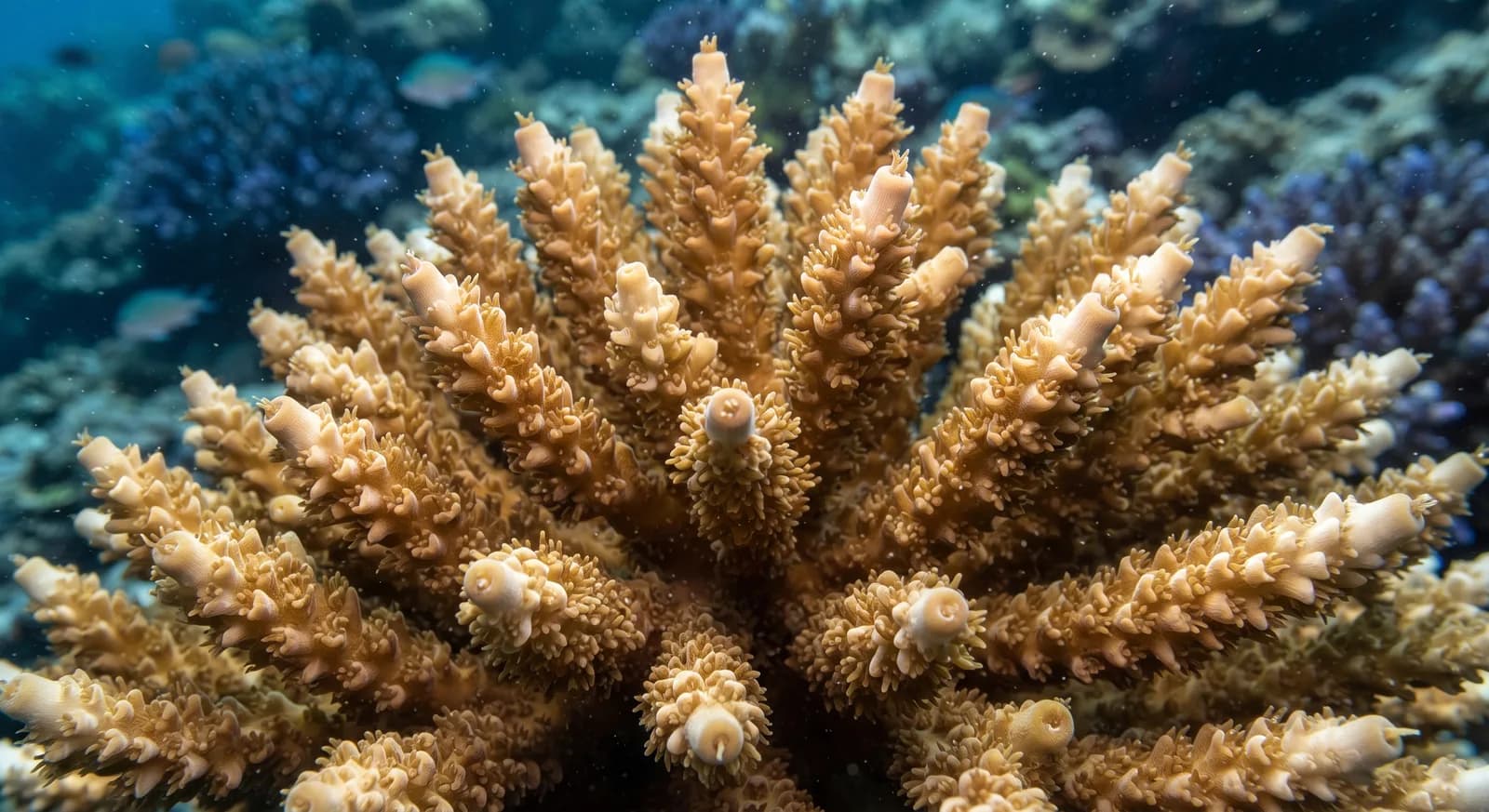 Critically Endangered
Staghorn Coral
Acropora cervicornis
Upside-down Jellyfish
Cassiopea andromeda
Kemp's Ridley
Lepidochelys kempii
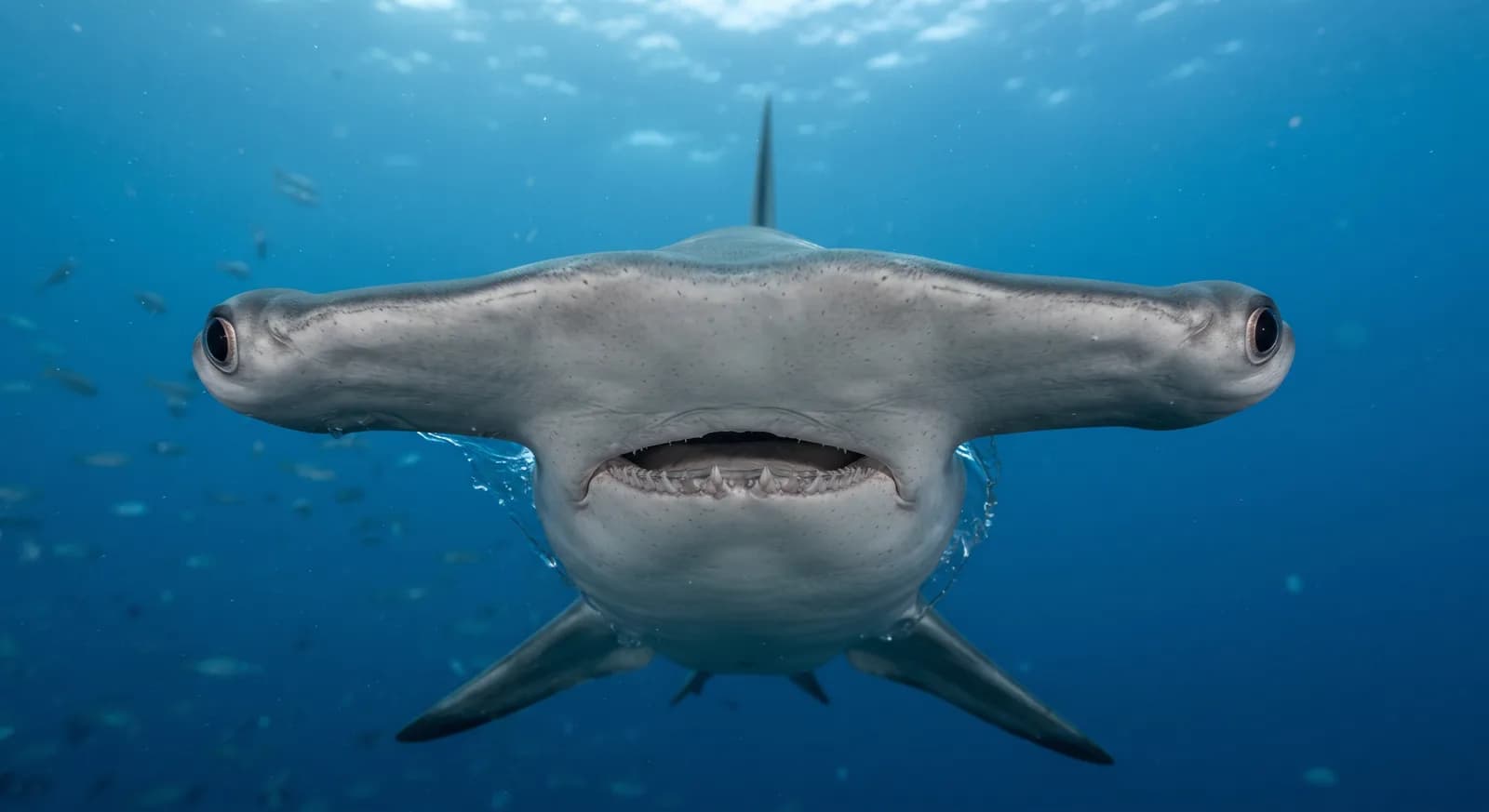 Critically Endangered
Great Hammerhead
Sphyrna mokarran
Smalltooth Sawfish
Pristis pectinata
How to help
The grooved brain coral is classified as critically endangered. Organizations such as UICN, WWF y Wildlife Conservation Society work specifically on its conservation and that of its habitat; looking into their programs is a good starting point if you want to get involved.
It's documented in 17 real protected areas — part of why protecting these places matters for its conservation.
Keep exploring
Based on what we already know about grooved brain coral.
Comments
Share an experience, a fun fact or a tip for seeing the grooved brain coral.
Be the first to comment.