Cartilaginous fish · Rhinopristiformes · Pristidae
Smalltooth Sawfish
Pristis pectinata
It faces an extremely high risk of imminent extinction in the wild. See full glossary
Its striking toothed rostrum, which can make up as much as a quarter of its total body length, serves at once as a hunting weapon and a sensory organ.
Weight
200 kg – 350 kg
Size
4 m – 5.5 m
Lifespan
27 years
Diet
Carnivore
Feeds mainly on other animals.
Activity
Irregular activity
Active at irregular times, by day or night depending on circumstances.
Social structure
Solitary
Lives and hunts alone, joining others only to breed.
Sighting difficulty
Very hard
Fun facts
- Its toothed rostrum can make up as much as a quarter of its body length.
- It uses its rostrum to detect the electric fields of fish hidden on the bottom.
- Its population in the United States is now confined almost entirely to south-western Florida.
Life cycle & biology
- Skeleton type
- Vertebrate - cartilaginous skeleton (chondrichthyan fish)
- Habitat & environment
- Shallow coastal waters, estuaries and subtropical mangroves of the western Atlantic, able to tolerate fresh water
- Birth weight
- 64 - 90 cm long at birth
- Size at birth
- 64 - 90 cm long at birth
- Sexual maturity
- Male: 7-11 years (~340 cm) | Female: 7-11 years (~370 cm)
- Gestation / incubation
- No precise figure for its length (an ovoviviparous species)
- Litter / clutch size
- 7 to 14 young per litter
Sources consulted: ResearchGate (USA biology ecology status study); NOAA Repository (Florida waters age growth study); Animal Diversity Web; PMC (LA-ICP-MS vertebrae age study); FWC Florida; Canvas of the Wild; FishBase
Where to find it
See its range on the interactive mapBest time: All year round in southern Florida and the Bahamas, the only places where a stable population remains, in mangroves and shallow estuaries.
Where to watch it
Parks and dive sites where this species has been documented.
Related species
Other species in the catalogue with the most in common with Smalltooth Sawfish — same habitat, park, country, tags or family.
 Critically Endangered
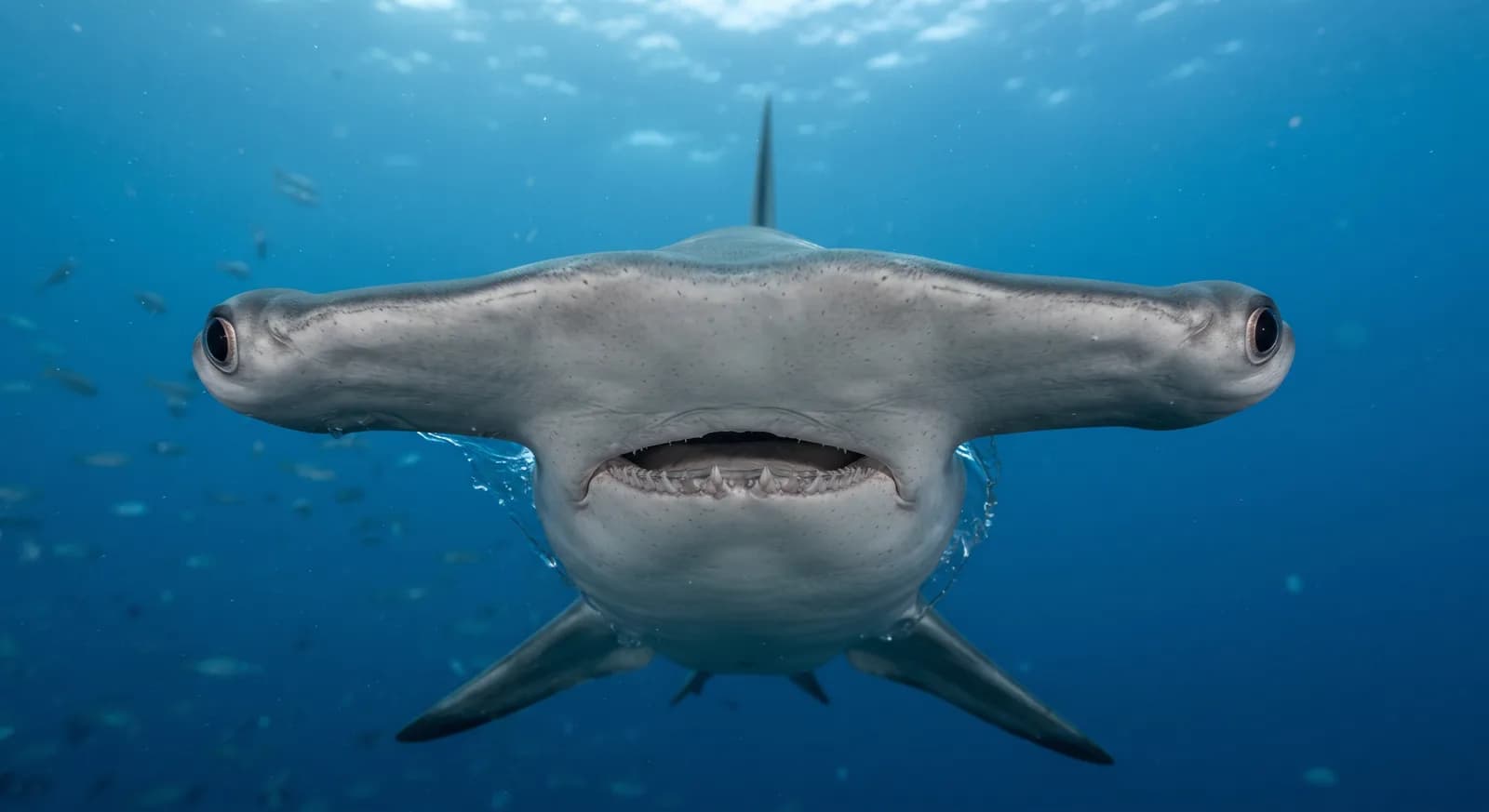
Great Hammerhead
Sphyrna mokarran
Spotted Eagle Ray
Aetobatus narinari
Southern Stingray
Hypanus americanus
 Least Concern
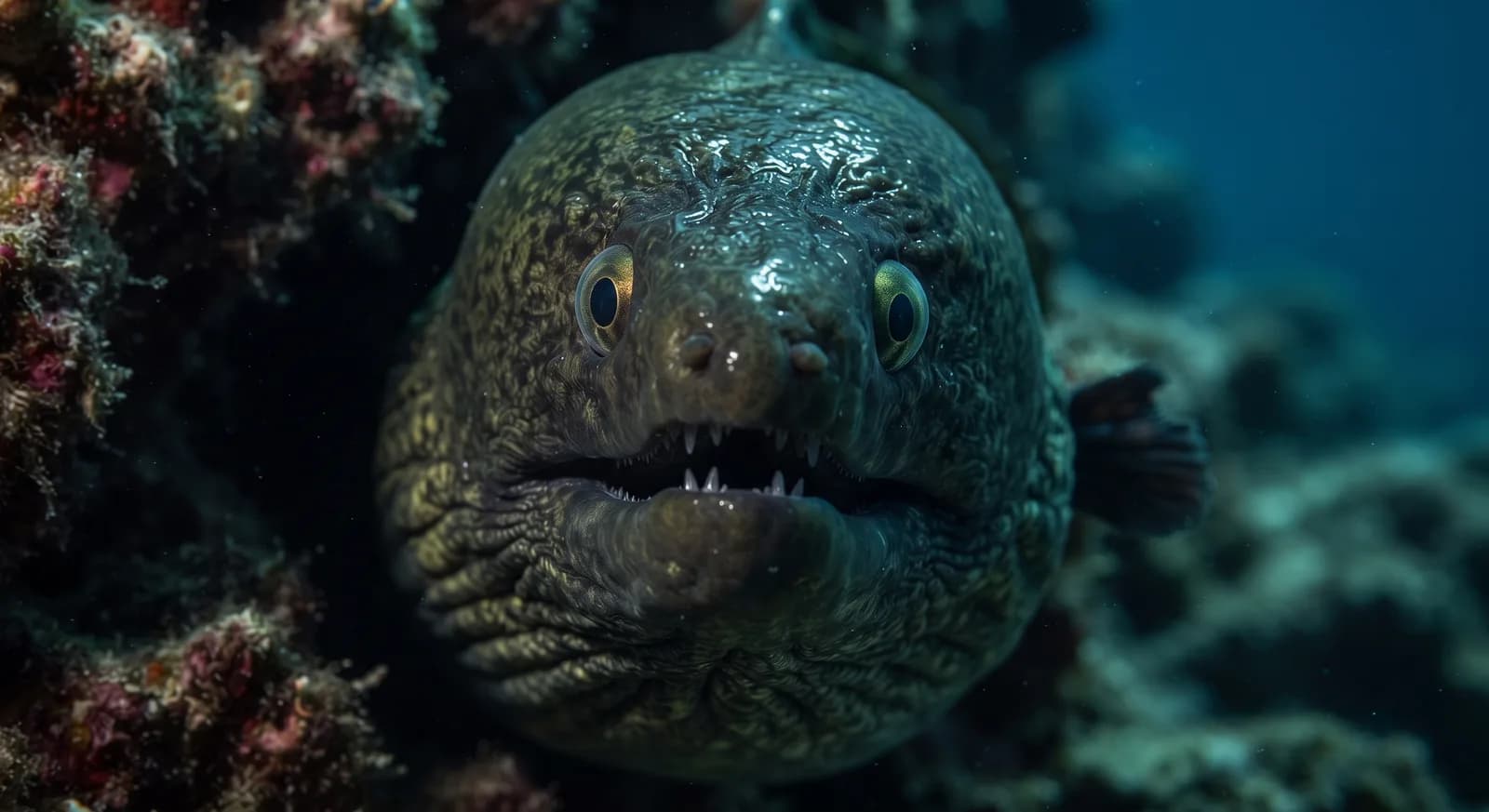
Green Moray
Gymnothorax funebris
Red Lionfish
Pterois volitans
Portuguese Man-of-war
Physalia physalis
How to help
The smalltooth sawfish is classified as critically endangered. Organizations such as UICN, WWF y Wildlife Conservation Society work specifically on its conservation and that of its habitat; looking into their programs is a good starting point if you want to get involved.
It's documented in 6 real protected areas — part of why protecting these places matters for its conservation.
Keep exploring
Based on what we already know about smalltooth sawfish.
Comments
Share an experience, a fun fact or a tip for seeing the smalltooth sawfish.
Be the first to comment.