Everglades
United States · Subtropical South-East (USA)The largest subtropical wetland in North America, the only place where alligators and crocodiles live side by side
Area
6,106 km²
Declared in
1947
Region
Subtropical South-East (USA)
Climate
Tropical, Árido / desértico, Templado, Mediterráneo, Polar / frío
Best time
It depends on the region
Length of its routes
2–3 days
Difficulty of its routes
Fácil
Plan your visit
- Best time
- It depends on the region
- Length of its routes
- 2–3 days
- Difficulty of its routes
- Fácil
- Area
- 6,106 km²
Highlight
The largest subtropical wetland in North America, the only place where alligators and crocodiles live side by side
Unlike most of the early national parks in the United States, created for their scenic grandeur — mountains, canyons, geysers — the Everglades was declared in 1947 explicitly to protect an ecosystem for its biological value: a vast, very slow-moving river of grass draining towards Florida Bay. It is the only place in the world where the American alligator and the American crocodile occur together naturally. Decades of agricultural and water channelling across southern Florida cut its natural flow drastically, prompting from 2000 one of the largest wetland restoration projects in history, the Comprehensive Everglades Restoration Plan, at a cost of over 10 billion dollars.
Location
See on the interactive map4 dive sites within 300 km are also shown.
178 species documented in Everglades
At conservation risk:Cocodrilo americano,Aguja azul del Atlántico,Anguila americana,Cangrejo bayoneta americano,Chucho pintado,Coral cerebro estriado,Manatí de Florida,Mero guasa,Murciélago café pequeño,Pargo del Golfo,Pez sierra peine,Tarpónand 8 more
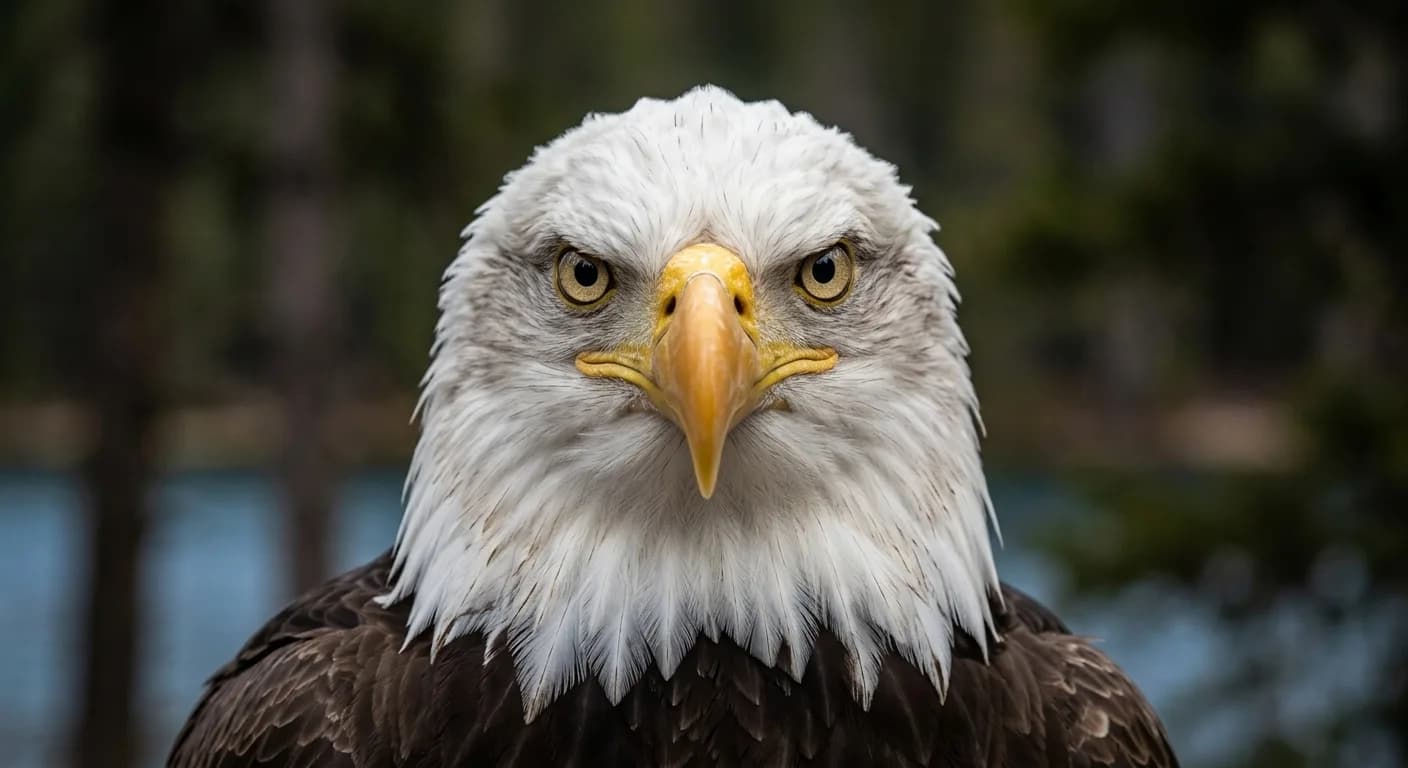 Least Concern
Águila calva
Haliaeetus leucocephalus
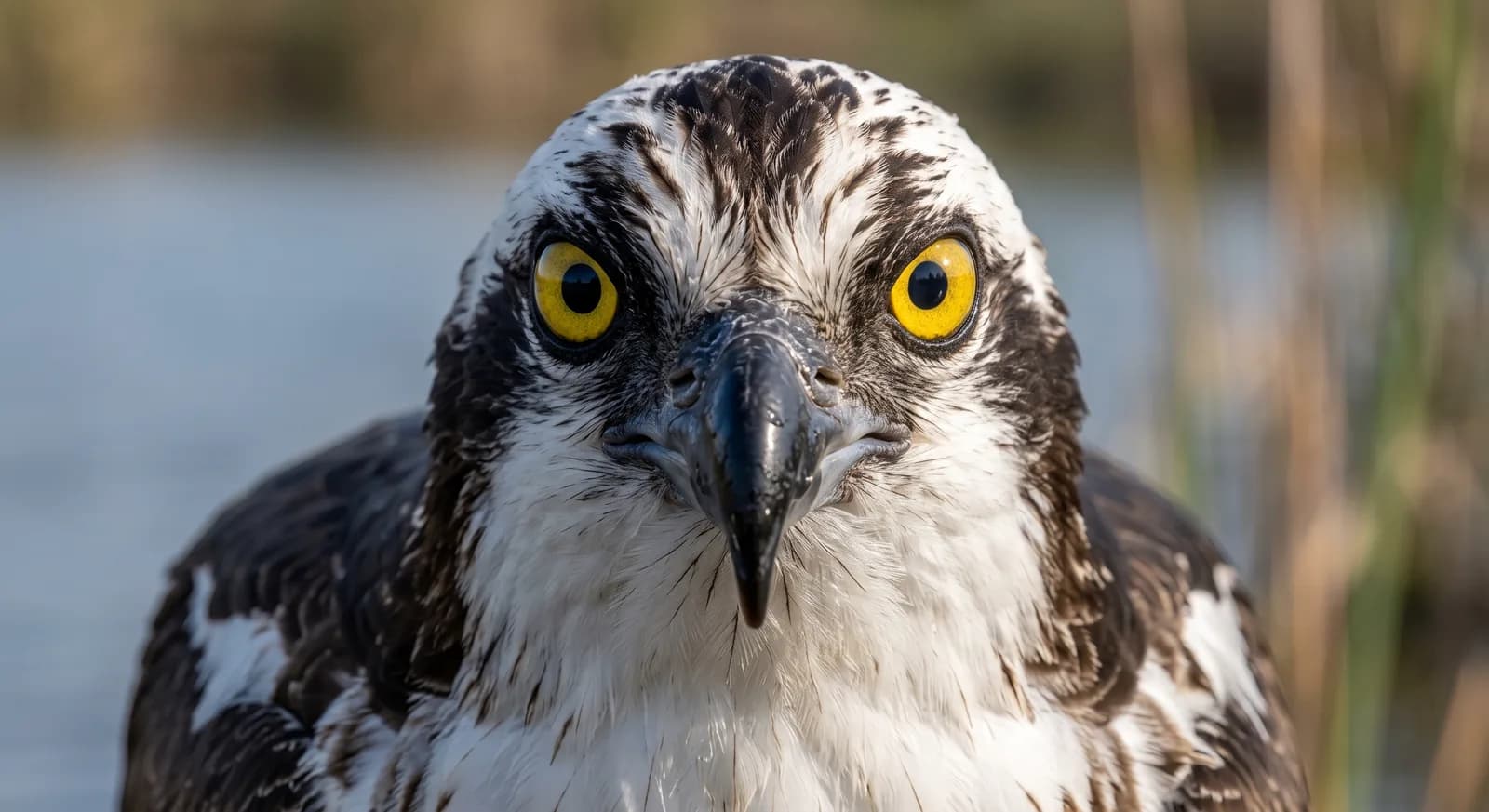 Least Concern
Águila pescadora
Pandion haliaetus
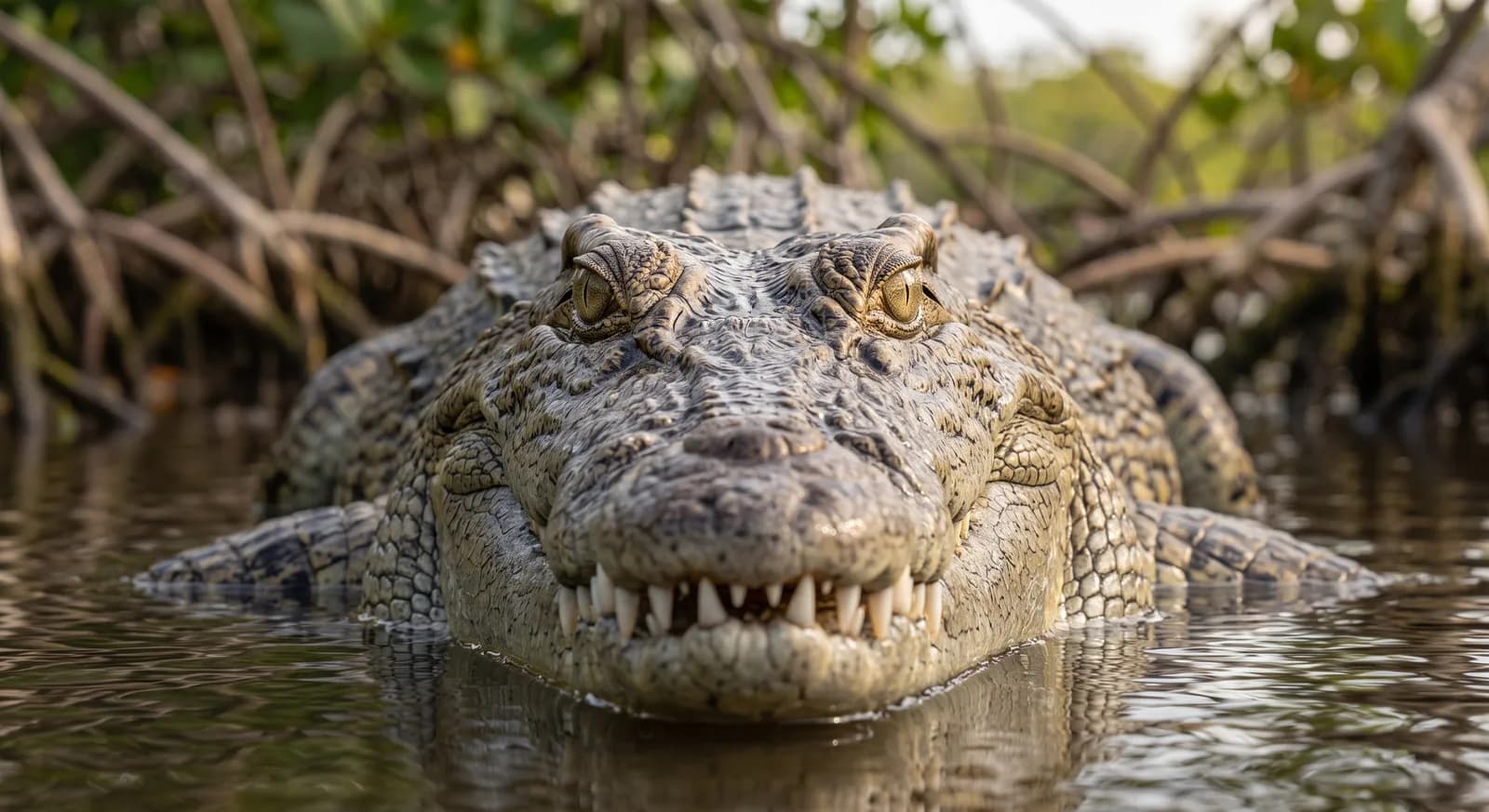 Vulnerable
Cocodrilo americano
Crocodylus acutus
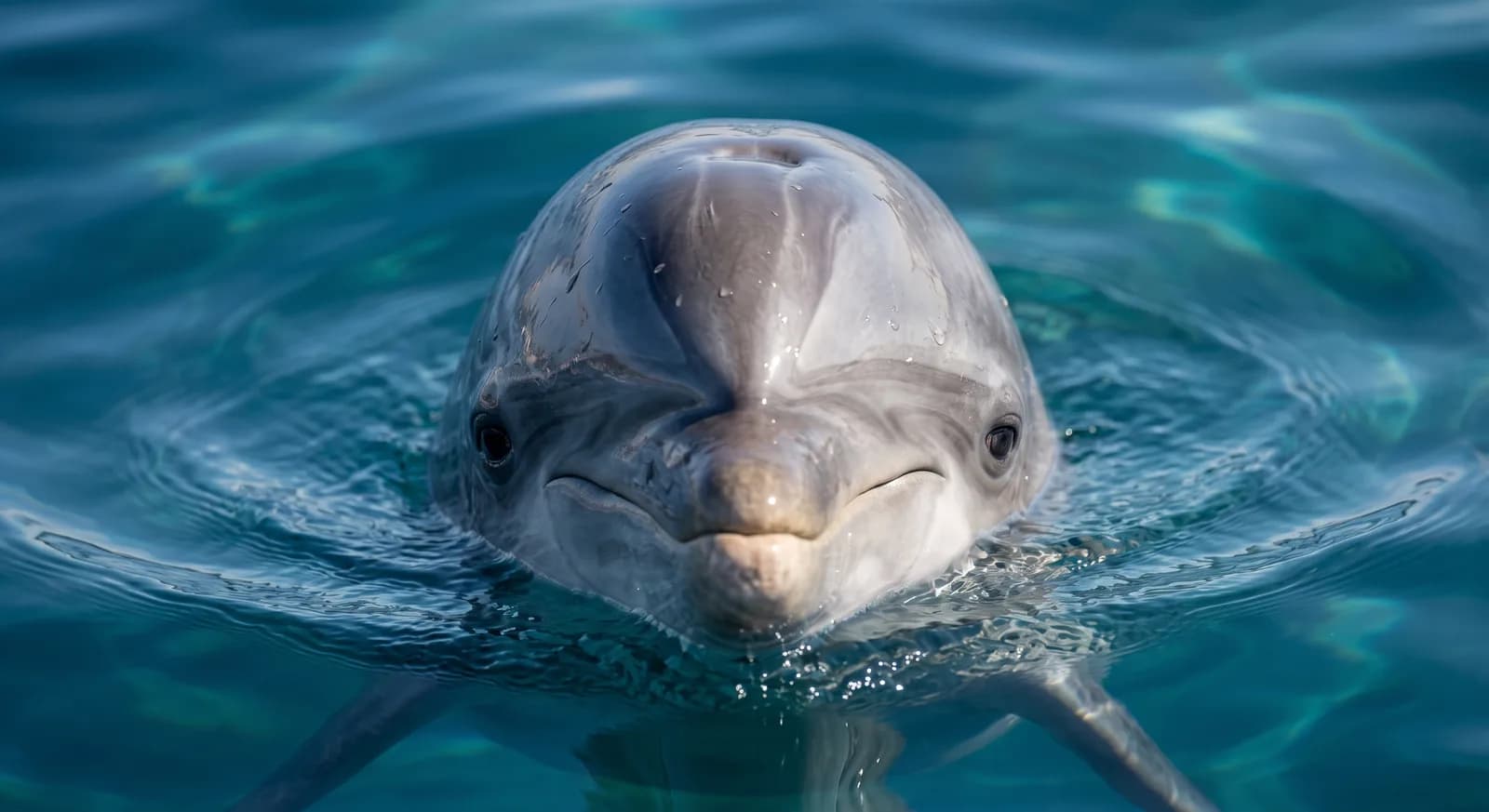 Least Concern
Delfín mular
Tursiops truncatus
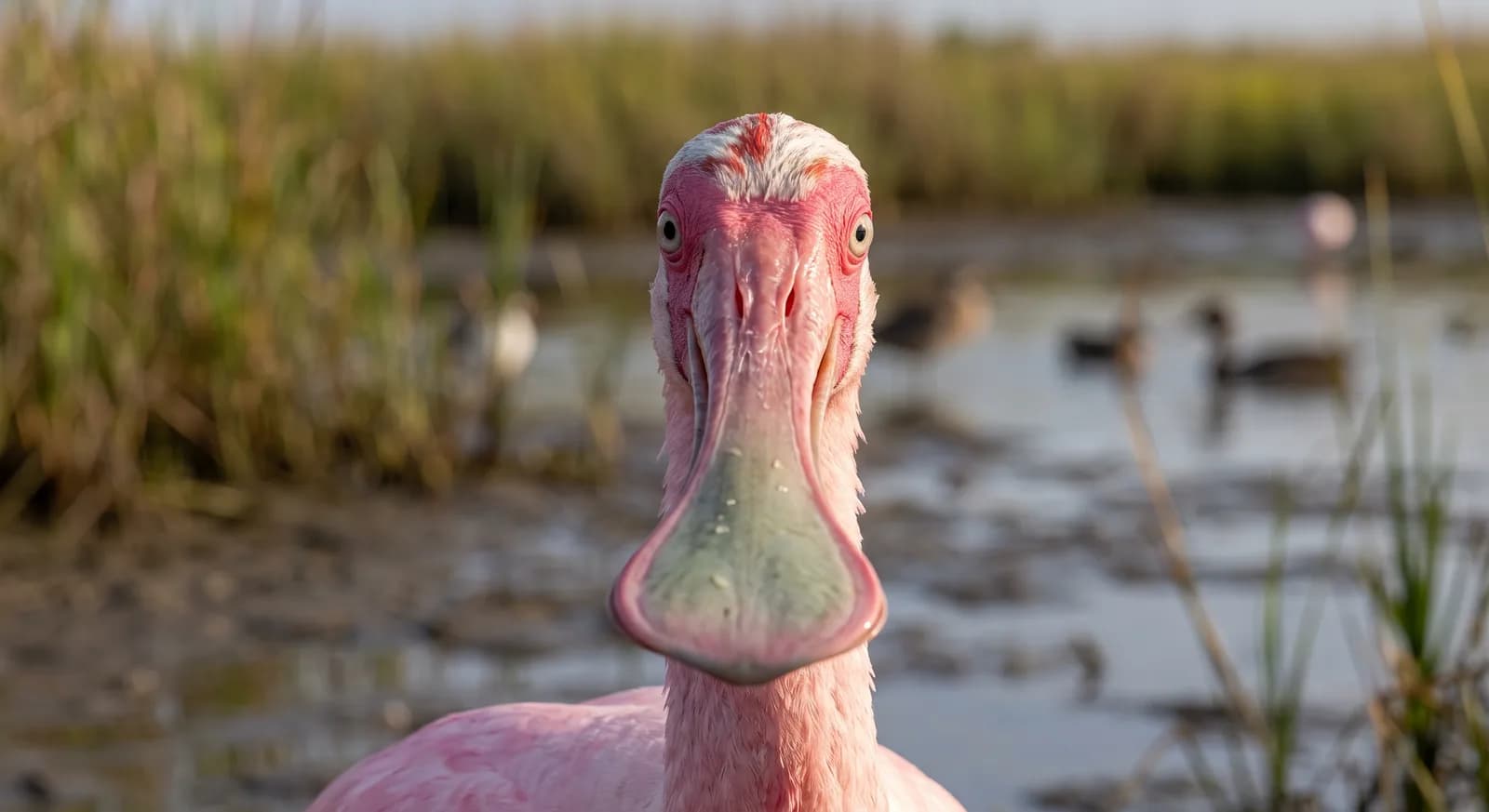 Least Concern
Espátula rosada
Platalea ajaja
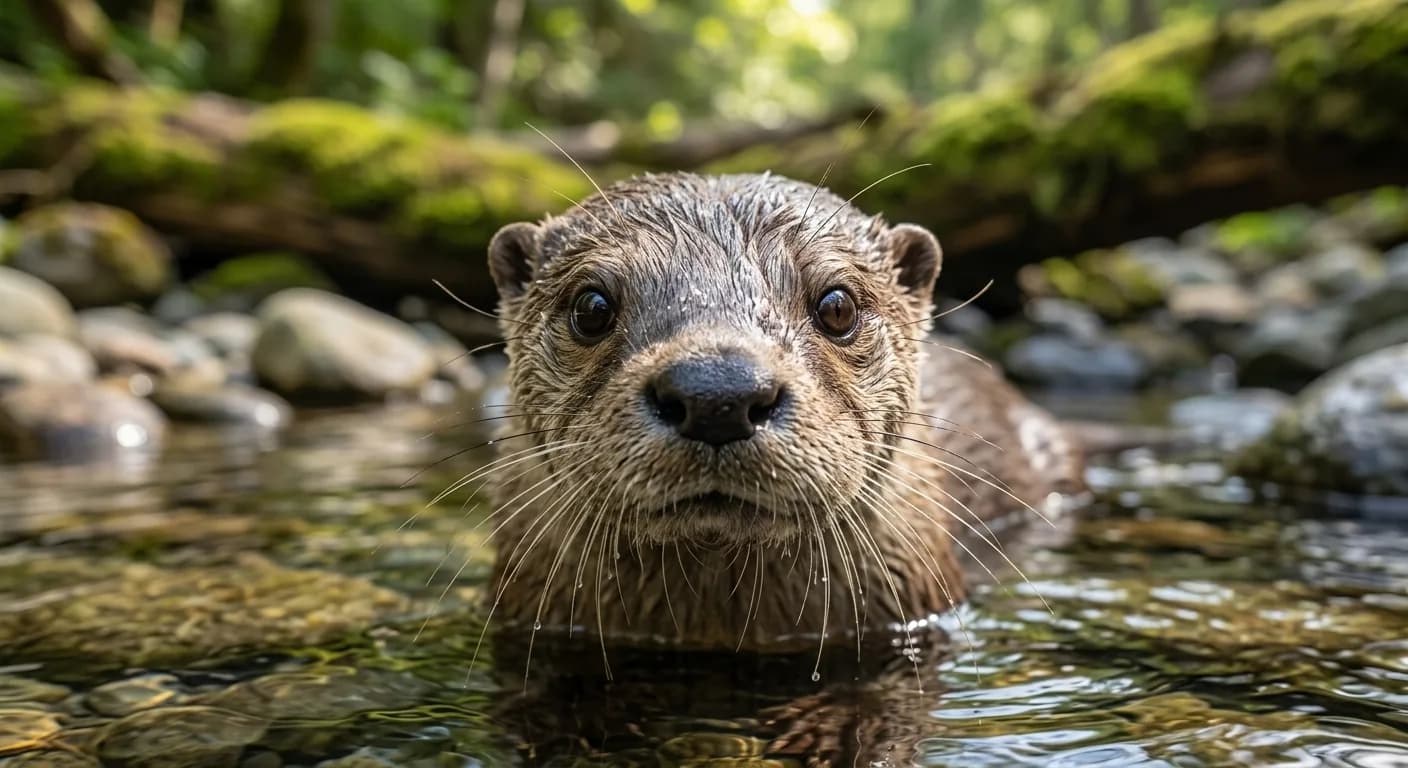 Least Concern
Nutria de río norteamericana
Lontra canadensis
Ibis blanco
Eudocimus albus
Abanico de mar púrpura
Gorgonia ventalina
Aguja azul del Atlántico
Makaira nigricans
Amia
Amia calva
Anguila americana
Anguilla rostrata
Anguila congo de dos dedos
Amphiuma means
Flora and ecosystems
Ecosystems found in United States, where Everglades lies.
Experiences in this park
Nearby dive sites
Where can I dive near here?
Duane Wreck (Key Largo)
61 km away
Molasses Reef
61 km away
French Reef (Key Largo)
62 km away
Rainbow Reef (Key Largo)
62 km away
Wildlife you can see now
What is worth watching this month in United States?
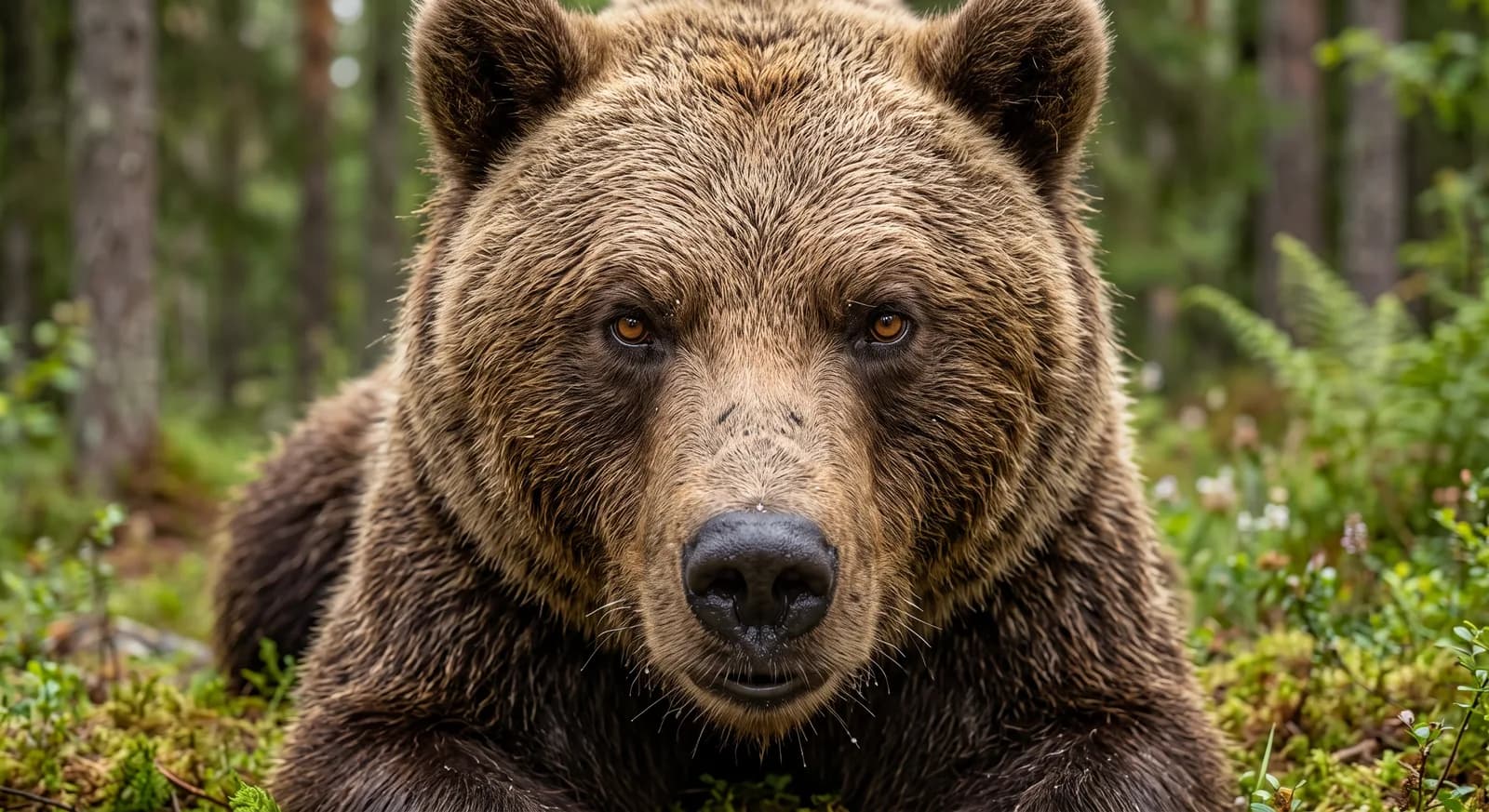 Least Concern
Brown Bear
Ursus arctos
Ahora es buena época: Osos pardos pescando salmón en Brooks Falls (Junio a septiembre (pico en julio))
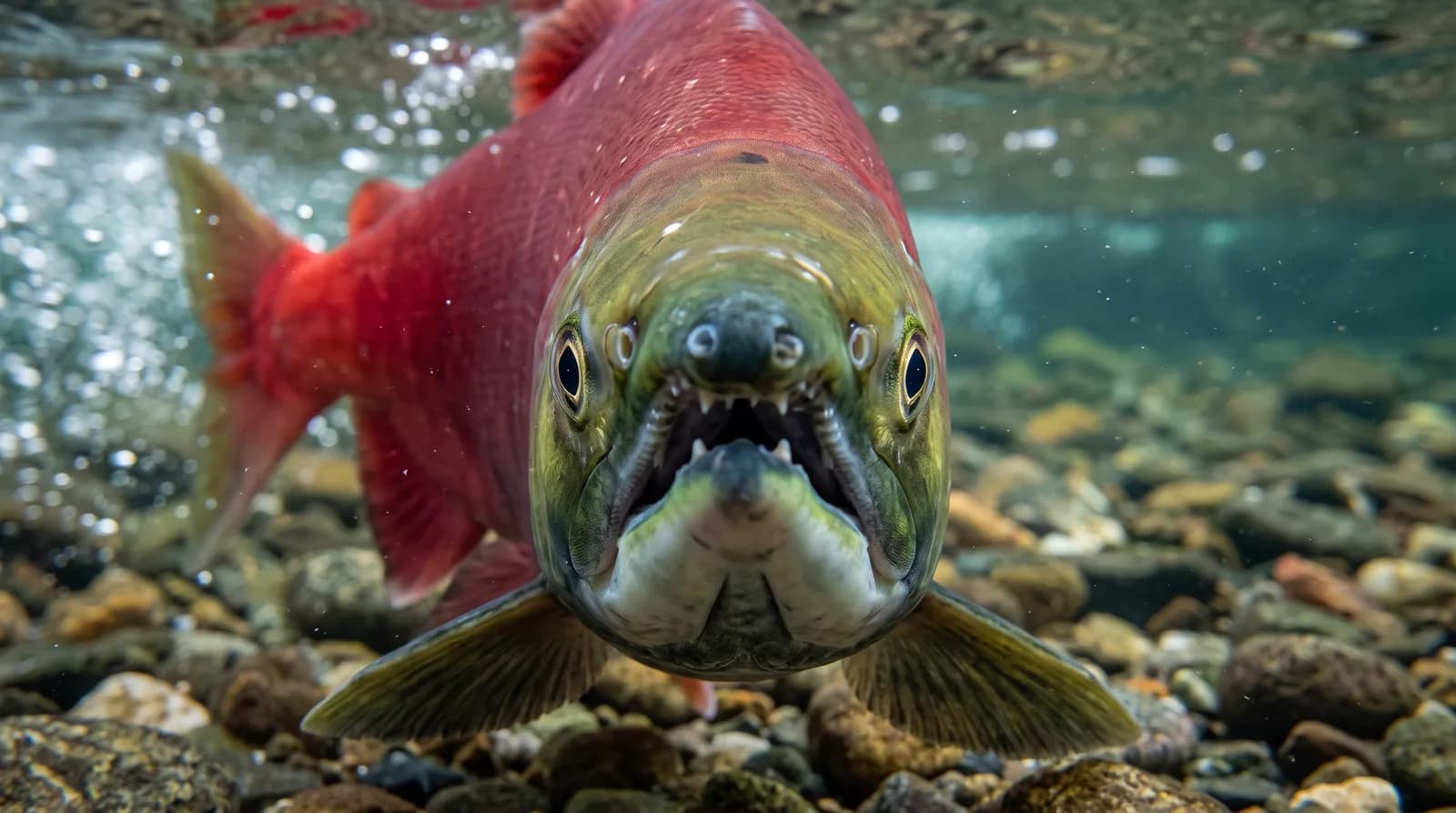 Least Concern
Sockeye Salmon
Oncorhynchus nerka
Ahora es buena época: Osos pardos pescando salmón en Brooks Falls (Junio a septiembre (pico en julio))
Similar parks
Which other parks are like this one?
Gran Cañón
United States
California condor · Bighorn sheep
Depende de la región
View parkMismo país: United States
Hot Springs
United States
White-tailed Deer · Grey Squirrel
Depende de la región
View parkMismo país: United States
Sequoia National Park
United States
Depende de la región
View parkMismo país: United States
Theodore Roosevelt
United States
American bison · wild horse
Depende de la región
View parkMismo país: United States
Keep exploring
Based on what we already know about Everglades.
Your rating
How many stars would you give Everglades?
Comments
Share your experience visiting Everglades, or a tip for other travellers.
Be the first to comment.