Bony fish · Istiophoriformes · Istiophoridae
Blue Marlin
Makaira nigricans
It faces a high risk of extinction in the wild over the medium term. See full glossary
The blue marlin, also known as the Atlantic blue marlin, is a marlin that lives in the cold waters of the Atlantic and adjoining seas. It occurs both in the north, off Canada, and in the south, off Argentina, as well as in the west and the east. Its migration routes follow the search for food and the demands of breeding, and can be transatlantic or transequatorial. Individuals of this species are solitary and are considered rather aggressive, which makes them sought-after trophies in sport fishing. They reach sexual maturity between two and four years of age.
Weight
93.5 kg on average
Size
up to 5 m
Lifespan
27 years
Diet
Carnivore
Feeds mainly on other animals.
Activity
Diurnal
Active mainly during the day.
Social structure
Solitary
Lives and hunts alone, joining others only to breed.
Sighting difficulty
Moderate
Fun facts
- The size difference between the sexes is enormous: the largest females weigh more than four times as much as the largest males, which rarely exceed 160 kg. Every record specimen is a female.
- The bill, measured from the eye to the tip, accounts for around 20% of the total length.
- It hunts by charging into a school of fish at full speed and striking with its bill to stun them, then returns to eat the injured prey.
- Its Vulnerable listing is based on a decline of between 33 and 37% over three generations, some 27 years. It is overexploited in the Atlantic and the Indian Ocean, though not in the Pacific.
- Most catches are not targeted: it is taken as bycatch in the tuna and swordfish longline fisheries.
Life cycle & biology
- Skeleton type
- Vertebrate - internal bony skeleton (bony fish)
- Habitat & environment
- Tropical and subtropical pelagic waters; its range shifts seasonally, moving away from the equator in the warm months and contracting back towards it in the cold ones
- Sexual maturity
- Females at around 179 cm and males at around 130 (fork length, western Pacific)
Sources consulted: https://es.wikipedia.org/wiki/Makaira_nigricans
Where to find it
See its range on the interactive mapWhere to watch it
Parques y spots de buceo donde se ha documentado esta especie — se muestran 20 de 52 documentados.
Related species
Other species in the catalogue with the most in common with Blue Marlin — same habitat, park, country, tags or family.
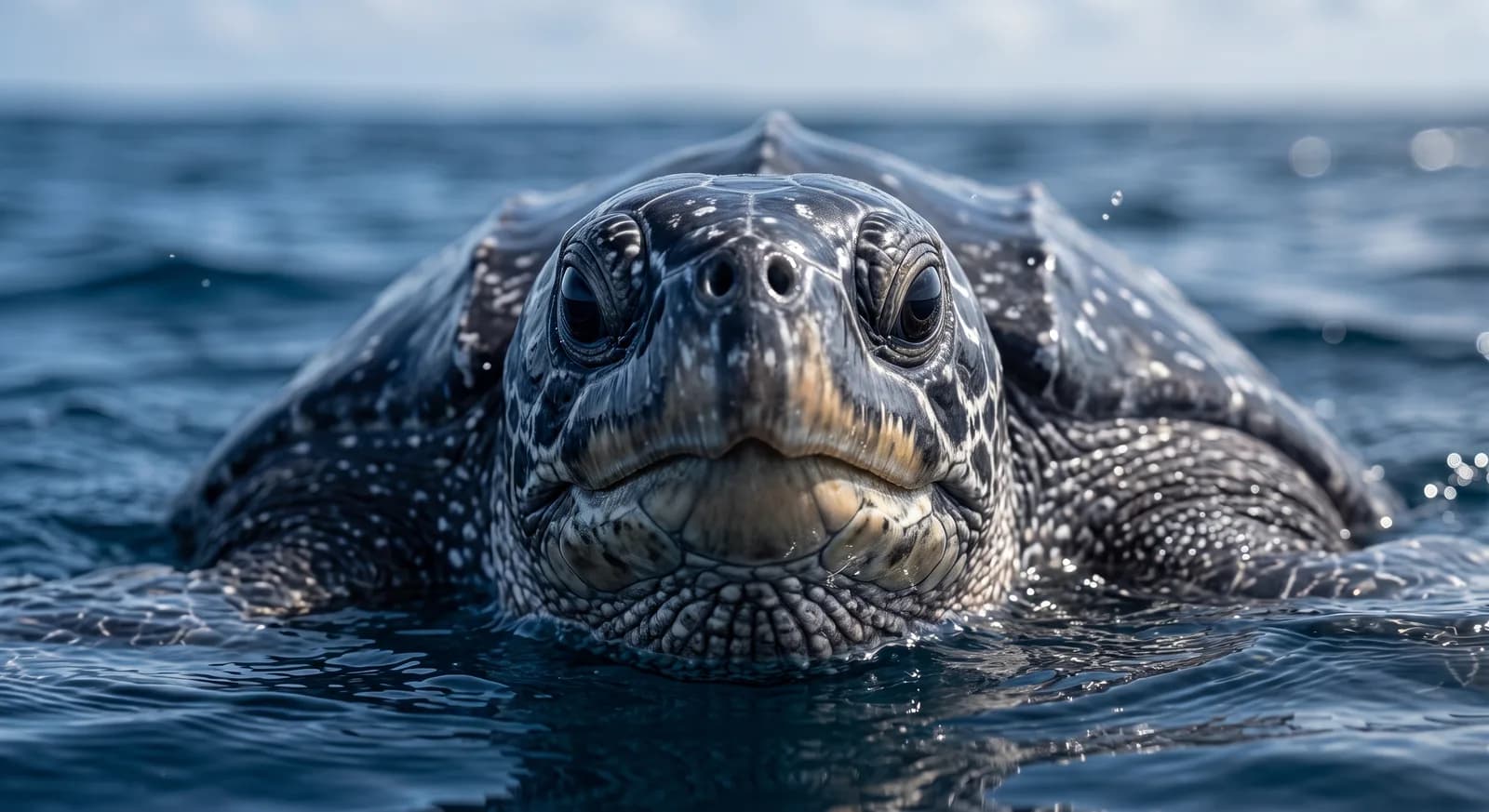 Vulnerable
Leatherback Sea Turtle
Dermochelys coriacea
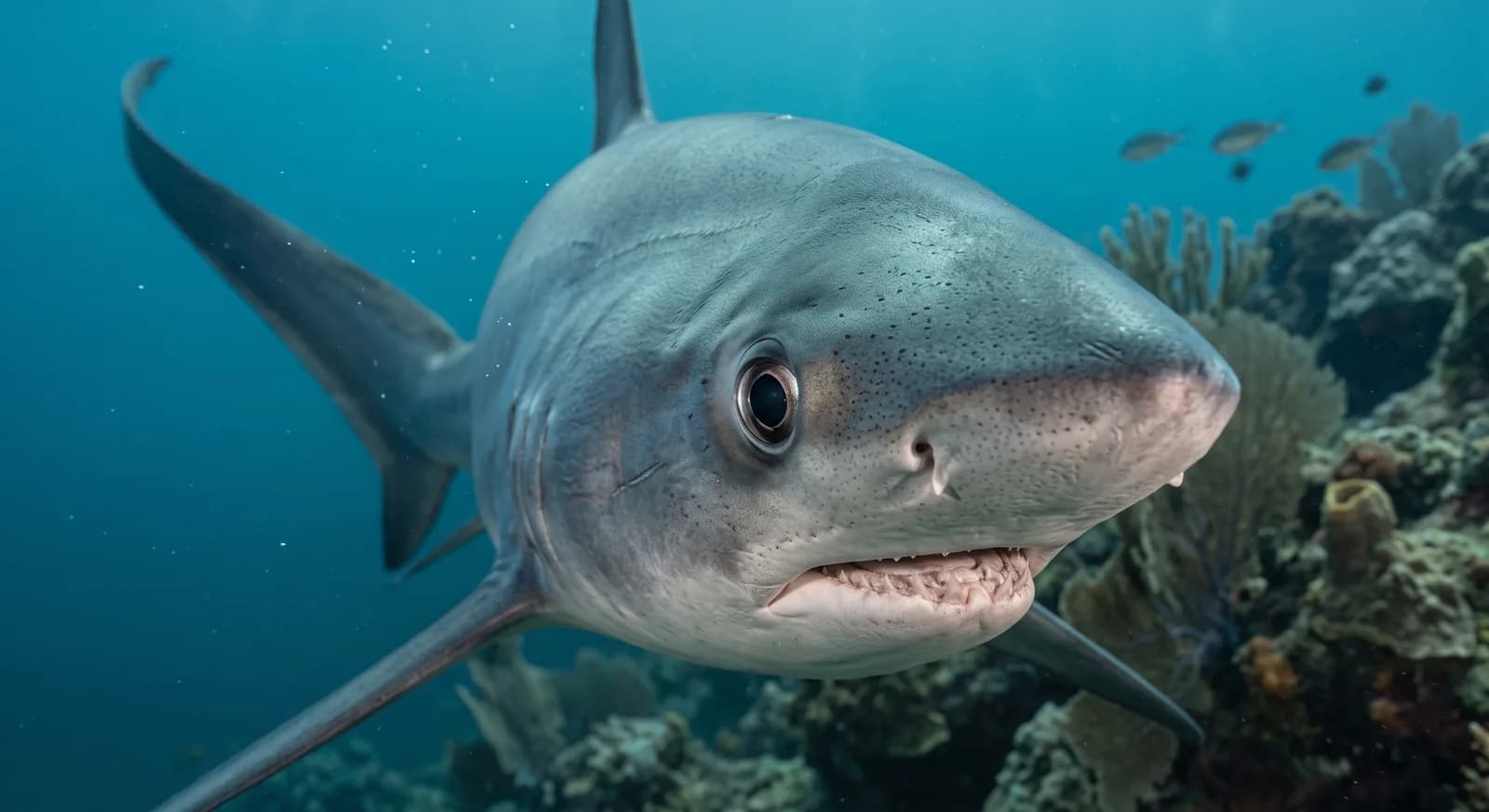 Vulnerable
Grayfish
Alopias vulpinus
Short-snouted Seahorse
Hippocampus hippocampus
Atlantic Goliath Grouper
Epinephelus itajara
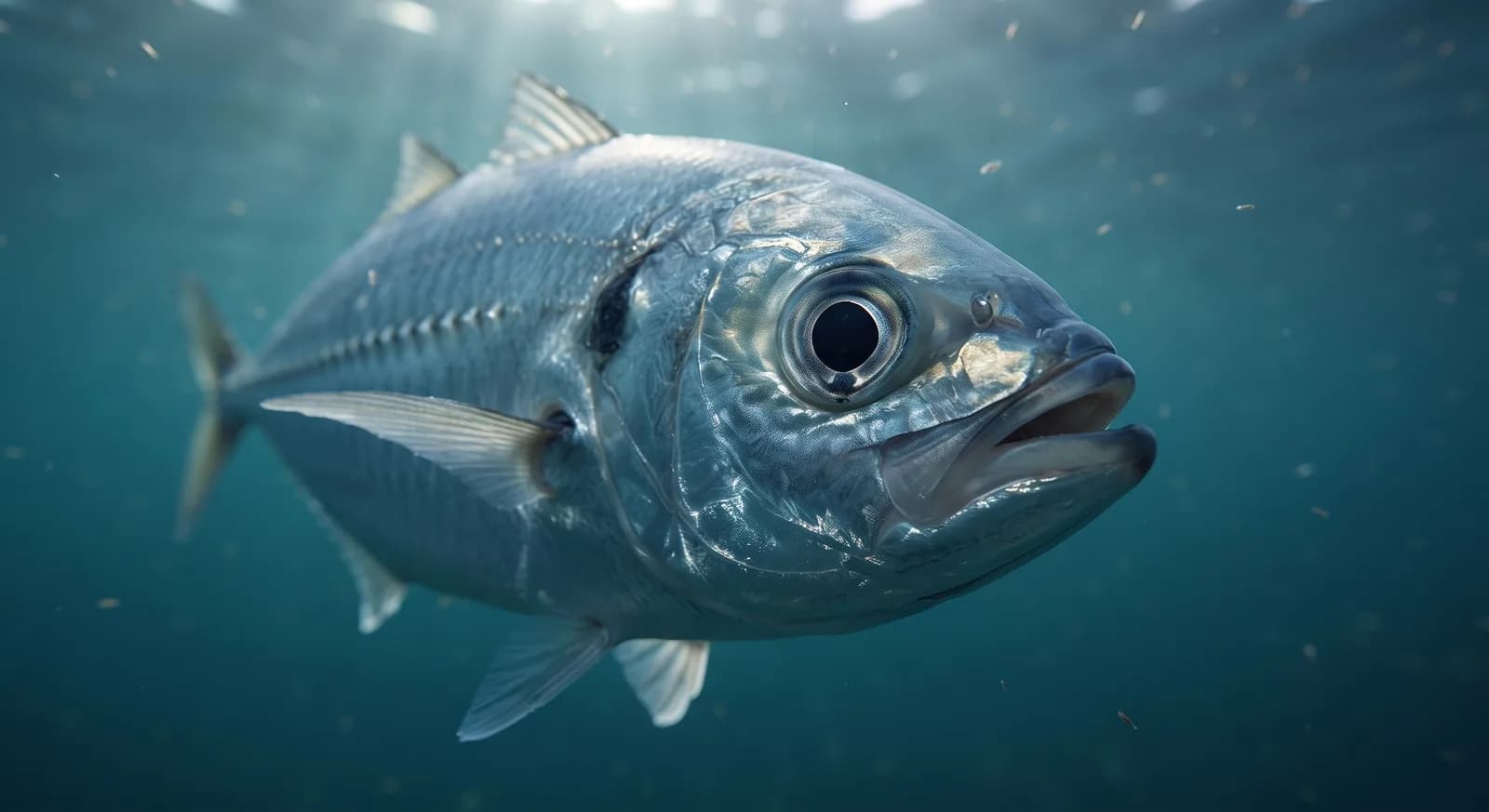 Vulnerable
Horse Mackerel
Trachurus trachurus
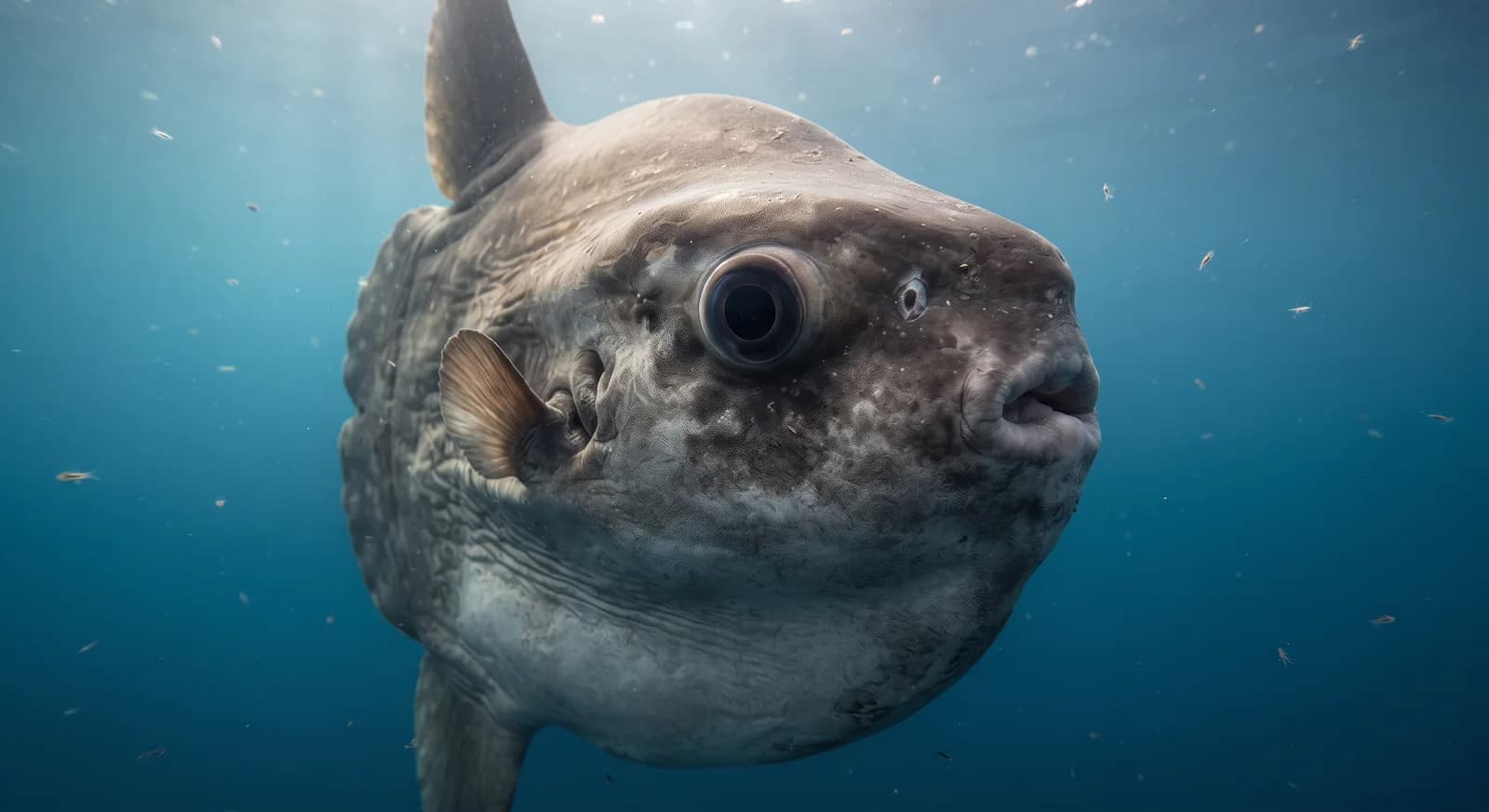 Vulnerable
Ocean Sunfish
Mola mola
How to help
The blue marlin is classified as vulnerable. Organizations such as UICN, WWF y Wildlife Conservation Society work specifically on its conservation and that of its habitat; looking into their programs is a good starting point if you want to get involved.
It's documented in 12 real protected areas — part of why protecting these places matters for its conservation.
Keep exploring
Based on what we already know about blue marlin.
Comments
Share an experience, a fun fact or a tip for seeing the blue marlin.
Be the first to comment.