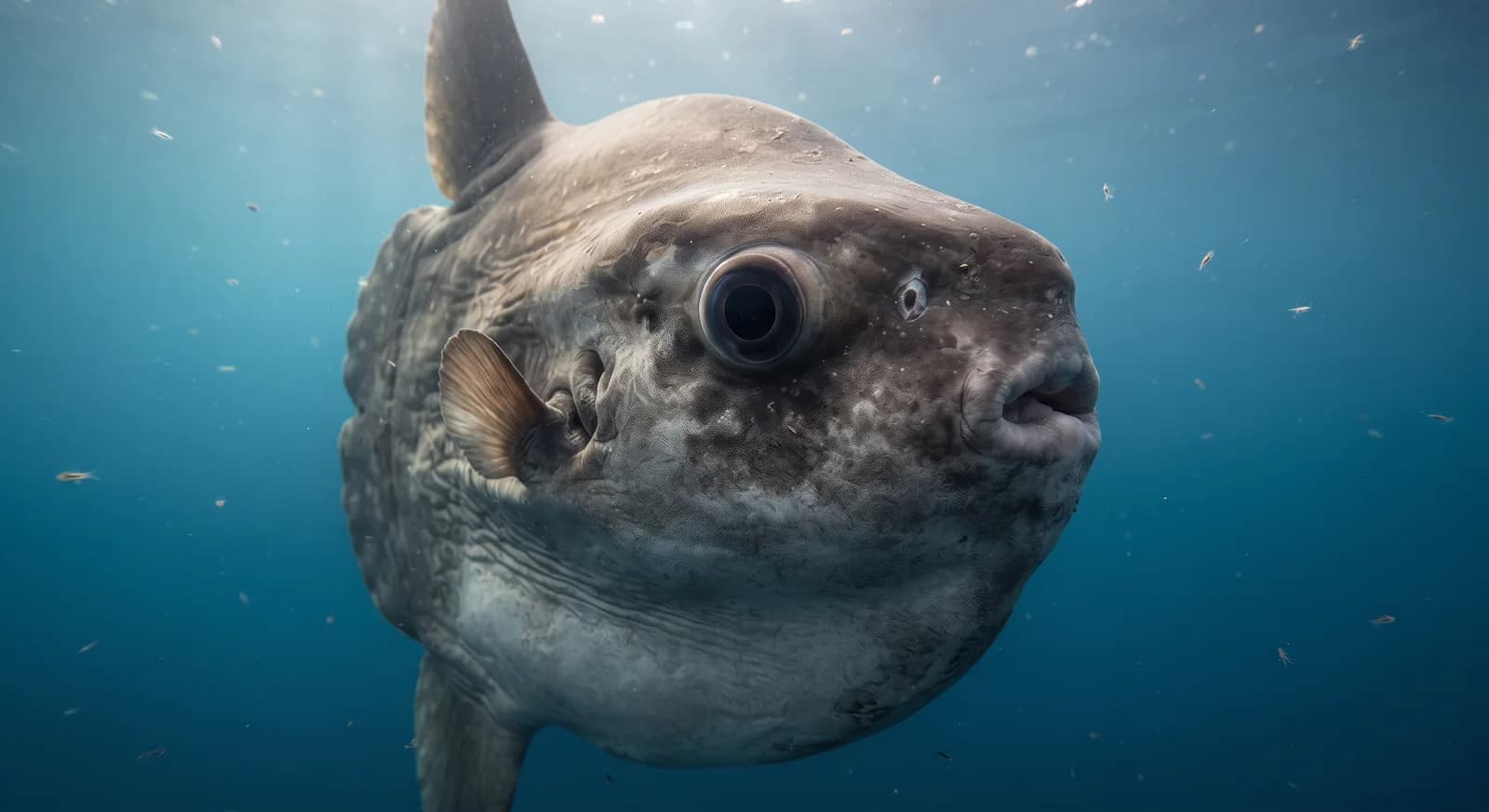
Bony fish · Tetraodontiformes · Molidae
Ocean Sunfish
Mola mola
It faces a high risk of extinction in the wild over the medium term. See full glossary
It undergoes the greatest increase in body mass known in any vertebrate: it grows to 60 million times its weight at hatching to reach adult size.
Weight
up to 1 t
Size
up to 3.3 m
Lifespan
20 years
Diet
Omnivore
Combines animal and plant food depending on availability.
Activity
Diurnal
Active mainly during the day.
Social structure
Solitary
Lives and hunts alone, joining others only to breed.
Sighting difficulty
Moderate
Fun facts
- It grows to 60 million times its weight at hatching, the greatest increase known in any vertebrate.
- It can lay up to 300 million eggs in a single spawning, the highest fecundity known in any bony fish.
- Despite its great size, its skeleton is mostly cartilage rather than bone.
- reproducciónIt is the heaviest bony fish in the world and can lay close to 300 million eggs in one spawning, more than any other vertebrate known.
Life cycle & biology
- Skeleton type
- Vertebrate - skeleton made mostly of cartilage rather than bone (atypical bony fish)
- Habitat & environment
- Temperate and tropical ocean waters worldwide, from the surface to deep water
- Birth weight
- An egg of ~1.3 mm; an early larva barely 0.25 cm long
- Size at birth
- 0.25 cm long in its first larval stage
- Sexual maturity
- 5-7 years
- Gestation / incubation
- No gestation as such; the egg develops into a larva in the water after external fertilisation
- Litter / clutch size
- Up to 300 million eggs per spawning, the highest fecundity known in any bony fish
- Lifespan in captivity
- More than 10 years documented in captivity
Sources consulted: Animal Diversity Web; AnAge (genomics.senescence.info); Ocean Sunfish Research (oceansunfish.org); A-Z Animals; PMC (genome study); Bali'n'Go
Where to find it
See its range on the interactive mapWhere to watch it
Parques y spots de buceo donde se ha documentado esta especie — se muestran 20 de 82 documentados.
Related species
Other species in the catalogue with the most in common with Ocean Sunfish — same habitat, park, country, tags or family.
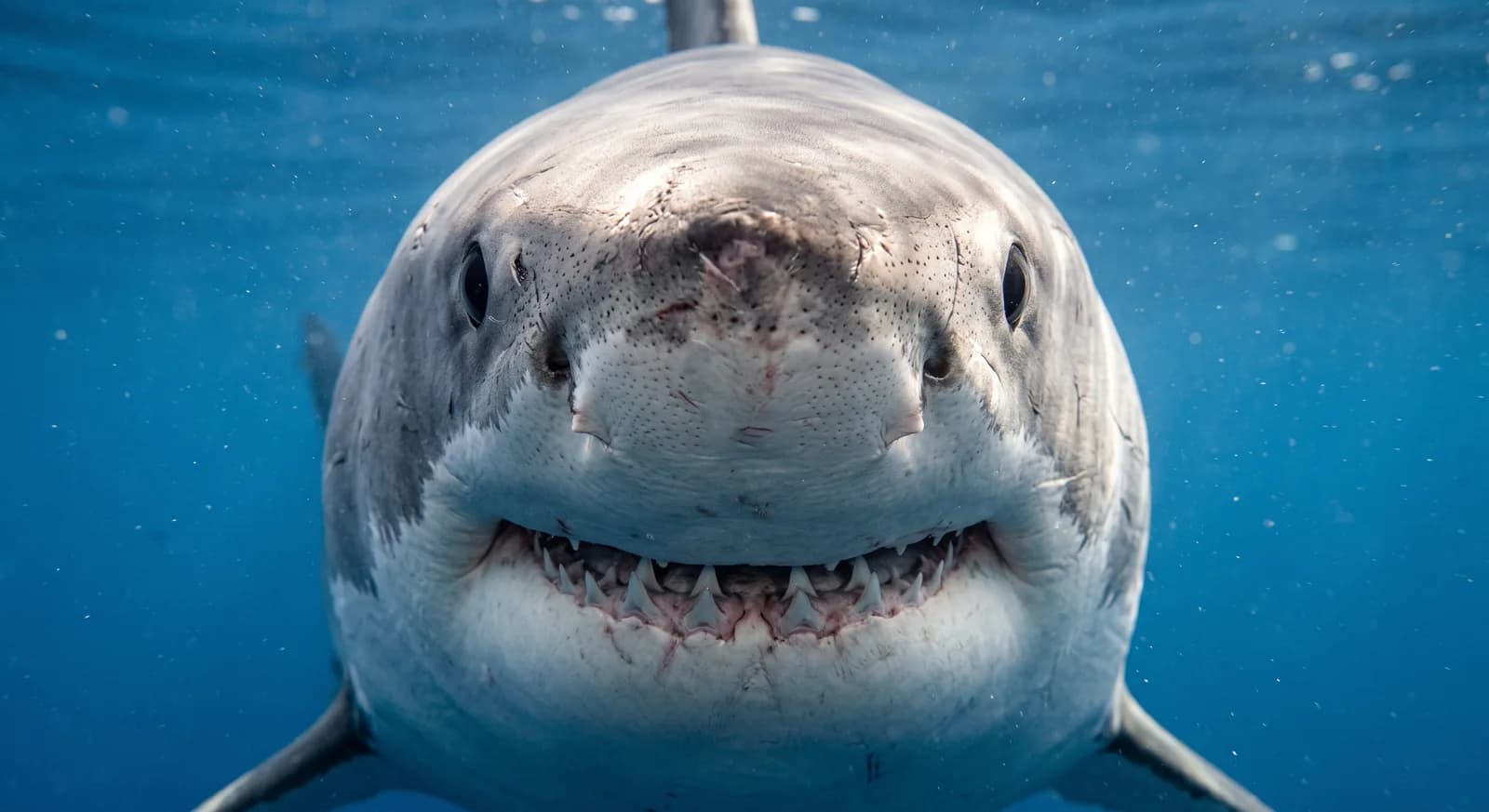 Vulnerable
Great White Shark
Carcharodon carcharias
Porbeagle
Lamna nasus
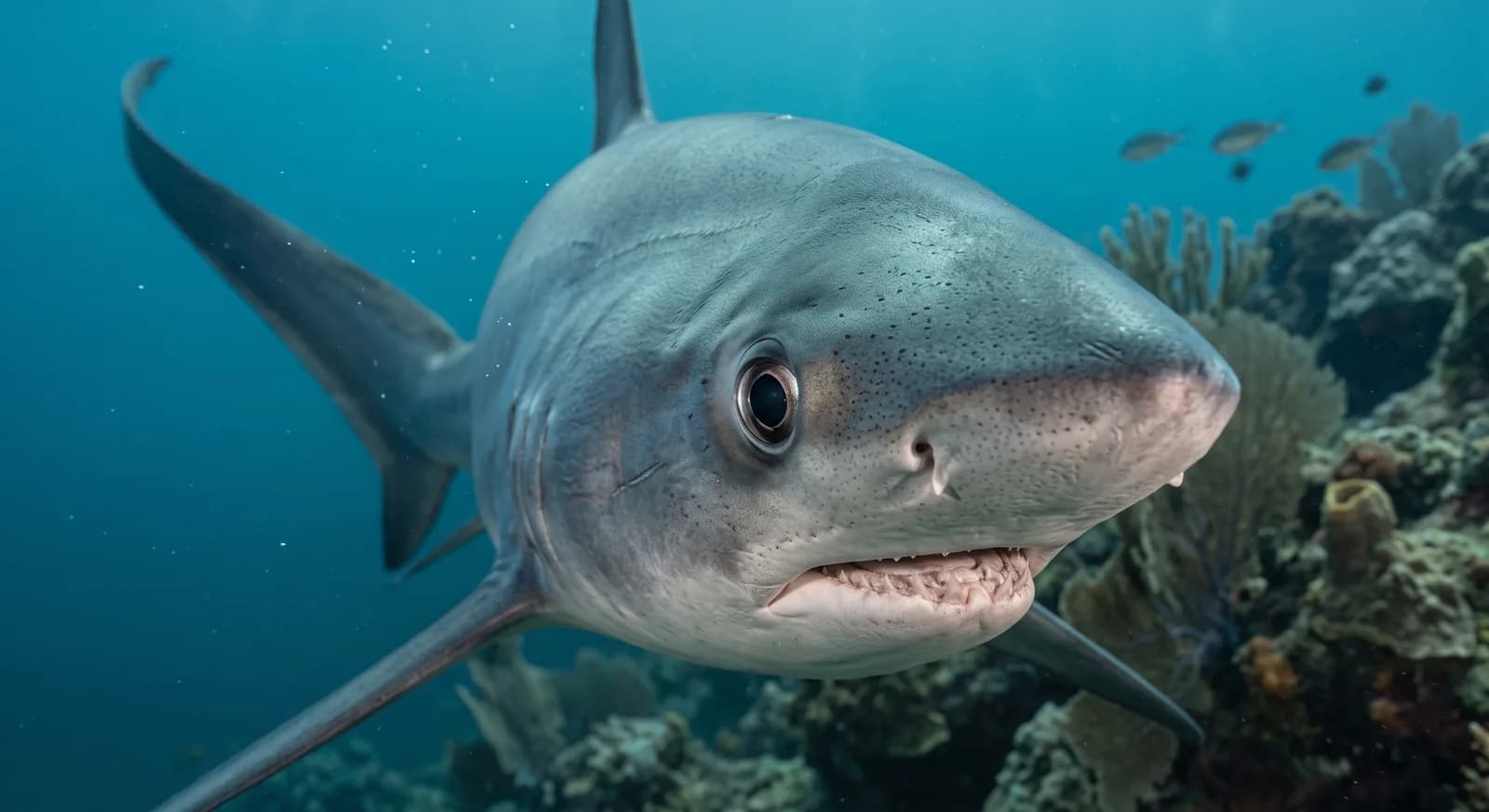 Vulnerable
Grayfish
Alopias vulpinus
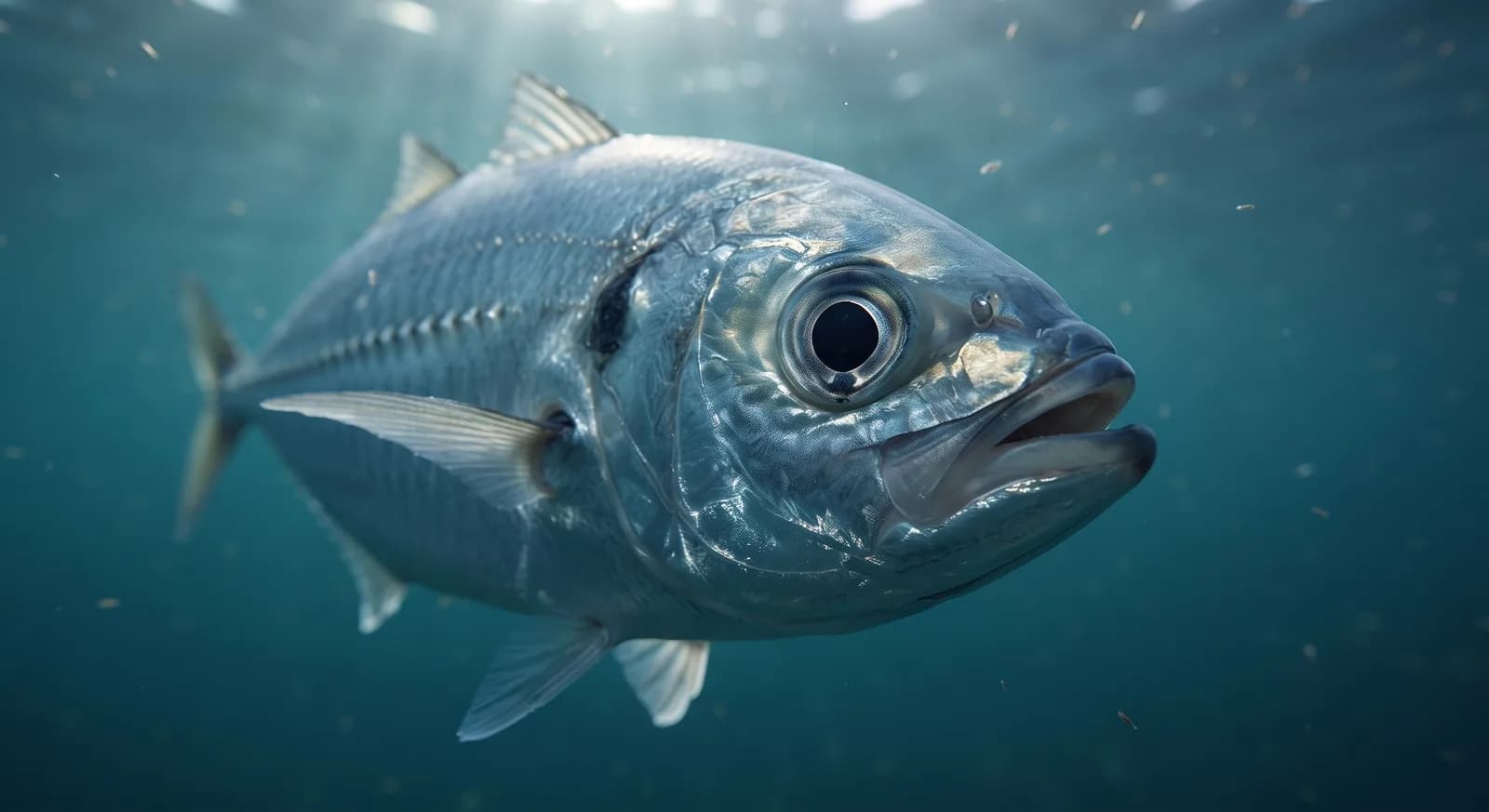 Vulnerable
Horse Mackerel
Trachurus trachurus
Blue Marlin
Makaira nigricans
Common Spiny Lobster
Palinurus elephas
How to help
The ocean sunfish is classified as vulnerable. Organizations such as UICN, WWF y Wildlife Conservation Society work specifically on its conservation and that of its habitat; looking into their programs is a good starting point if you want to get involved.
It's documented in 16 real protected areas — part of why protecting these places matters for its conservation.
Keep exploring
Based on what we already know about ocean sunfish.
Comments
Share an experience, a fun fact or a tip for seeing the ocean sunfish.
Be the first to comment.