One of the 2 mackerel sharks on WAnimals
Cartilaginous fish · Lamniformes · Lamnidae
Porbeagle
Lamna nasus
It faces a high risk of extinction in the wild over the medium term. See full glossary
The porbeagle is a robust shark of cold waters, a close relative of the great white shark. It is one of the few fish with partly warm blood: a heat-exchange system lets it keep its muscle and viscera several degrees above the water, which gives it power in seas where other sharks do not hunt.
Weight
50 kg – 230 kg
Size
1.5 m – 3.5 m
Lifespan
45 years
Diet
Carnivore
Feeds mainly on other animals.
Activity
Irregular activity
Active at irregular times, by day or night depending on circumstances.
Social structure
Solitary
Lives and hunts alone, joining others only to breed.
Sighting difficulty
Moderate
Fun facts
- It is partly warm-blooded: a network of blood vessels called the rete mirabile recovers the heat from the muscle before it is lost through the gills, letting it keep its body up to ten degrees above the water and hunt effectively in cold seas.
- It has been observed at play: rolling among floating seaweed, chasing one another and pushing drifting objects about with no apparent feeding purpose, a behaviour rarely documented in sharks.
- Its north-east Atlantic population, Spanish waters included, is listed as critically endangered even though the species globally is listed as vulnerable.
Life cycle & biology
- Skeleton type
- Vertebrate - cartilaginous skeleton (fish)
- Habitat & environment
- Cold and temperate waters of the North Atlantic, the Mediterranean and the southern hemisphere
- Birth weight
- 60 - 75 cm at birth
- Size at birth
- 60-75 cm at birth; it is ovoviviparous and the embryos feed on unfertilised eggs
- Sexual maturity
- 13 years
- Gestation / incubation
- 9 months of gestation
- Litter / clutch size
- 4
Sources consulted: https://es.wikipedia.org/wiki/Lamna_nasus
Where to find it
See its range on the interactive mapBest time: From summer to autumn in cold waters of the North Atlantic and the southern hemisphere, when it comes onto the continental shelf.
Where to watch it
Parques y spots de buceo donde se ha documentado esta especie — se muestran 20 de 74 documentados.
Related species
Other species in the catalogue with the most in common with Porbeagle — same habitat, park, country, tags or family.
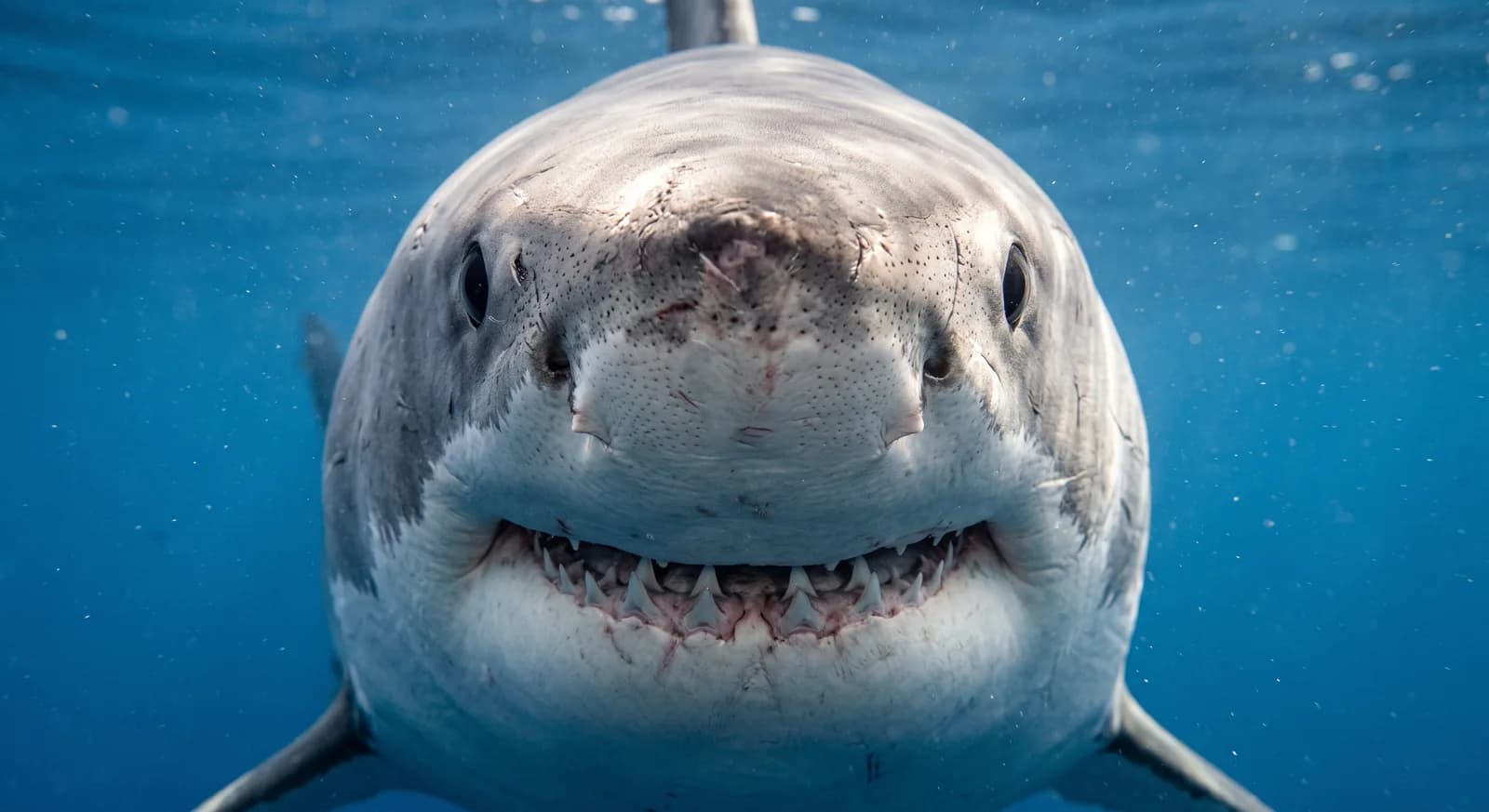 Vulnerable
Great White Shark
Carcharodon carcharias
Shortfin Mako
Isurus oxyrinchus
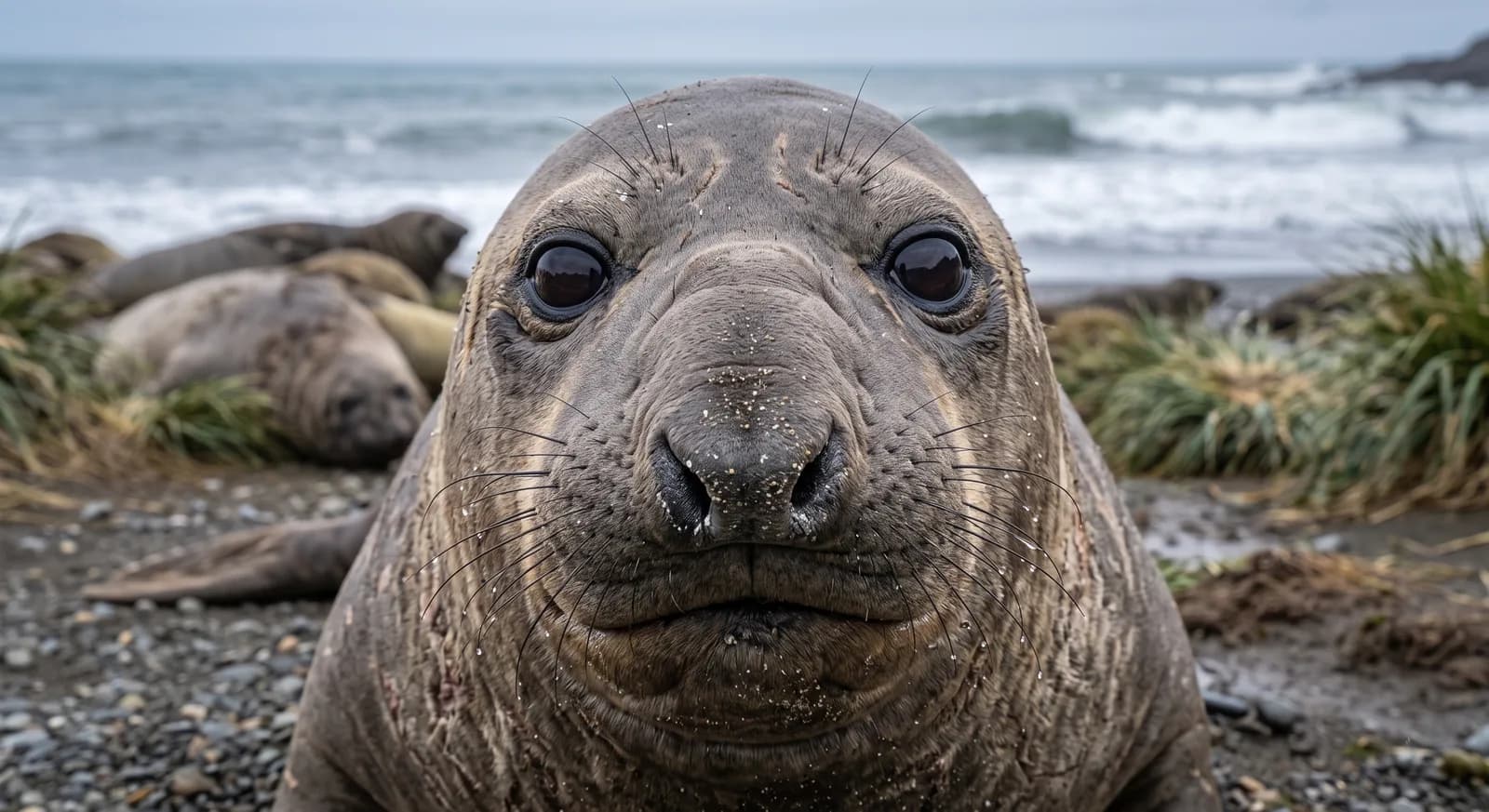 Vulnerable
Southern Elephant Seal
Mirounga leonina
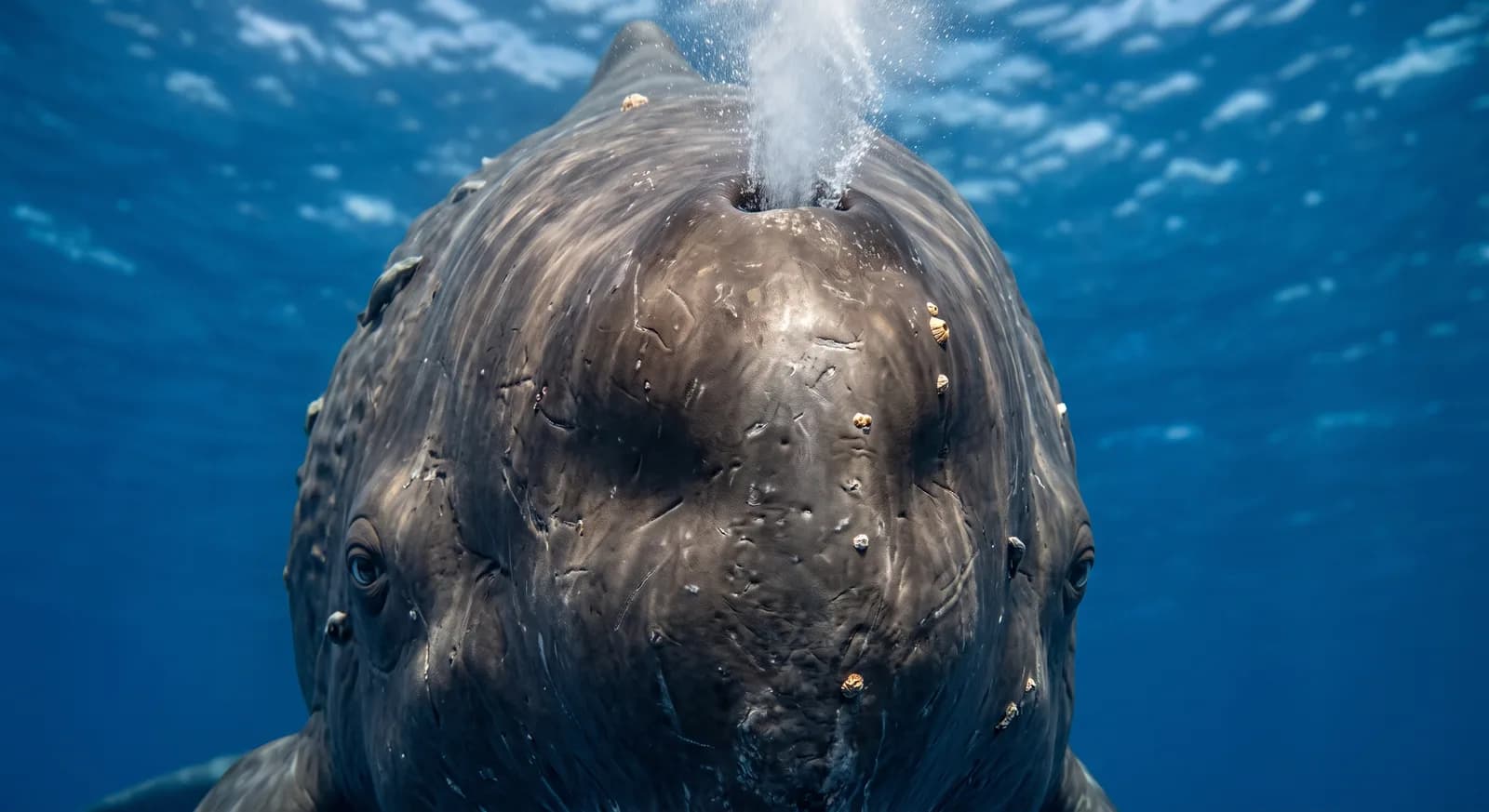 Vulnerable
Sperm Whale
Physeter macrocephalus
Spurdog
Squalus acanthias
Greenland Shark
Somniosus microcephalus
How to help
The porbeagle is classified as vulnerable. Organizations such as UICN, WWF y Wildlife Conservation Society work specifically on its conservation and that of its habitat; looking into their programs is a good starting point if you want to get involved.
It's documented in 9 real protected areas — part of why protecting these places matters for its conservation.
Keep exploring
Based on what we already know about porbeagle.
Comments
Share an experience, a fun fact or a tip for seeing the porbeagle.
Be the first to comment.