Tunisia
África
Tunisia is the smallest of the Maghreb countries and yet, in less than eight hundred kilometres, it runs the whole way from humid Mediterranean woodland to desert. To the north, the Kroumiria keeps cork oak and marcescent oak woods with Barbary stag and wild boar; the centre opens into steppe and great salt lagoons such as Chott el Djerid, and the south enters the Grand Erg Oriental. Lake Ichkeul is a case unique in the world: it receives fresh water in winter and salt water from the Mediterranean in summer, and that alternation sustains submerged meadows that feed hundreds of thousands of wintering waterbirds. In the Gulf of Gabès, the Posidonia seagrass meadows formed one of the largest fish nurseries in the Mediterranean, and the islets of Zembra hold an enormous colony of Scopoli's shearwater.
The nature of Tunisia
National animal: No official national animal; the dromedary and the fennec fox are the popular symbolic animals
Did you know?
The scimitar-horned oryx, a white antelope with very long curved horns that lived on the Sahelian steppes, became completely extinct in the wild in the 1980s. Tunisia was one of the first countries to return it to nature: in 1985 it released animals from European collections in Bou Hedma park, where they formed herds that have since served to restock other areas of North Africa.
Biodiversity profile
Climate
- •Mediterraneo (Csa) en el norte y la costa
- •Semiarido (BSh) en el centro
- •Desertico (BWh) en el sur, extension del Sahara
Main biomes
- •Bosque mediterraneo de encina y alcornoque (norte, Cordillera del Atlas Telliano)
- •Estepa semiarida (centro)
- •Desierto y oasis salinos (sur, chotts)
- •Lago de salinidad alternante
- •Alcornocal mediterráneo
- •Estepa árida
- •Chott o laguna salada
- •Erg sahariano
- •Pradera de posidonia
- •Isla mediterránea
Marine and coastal ecosystems
- •Costa mediterranea con humedales costeros y lagunas de importancia para aves migratorias
Flagship wildlife
- •Gacela dorcas
- •Fenec o zorro del desierto
- •Muflon de Berberia
- •Aves migratorias en los humedales costeros del norte
- •Órix de cimitarra
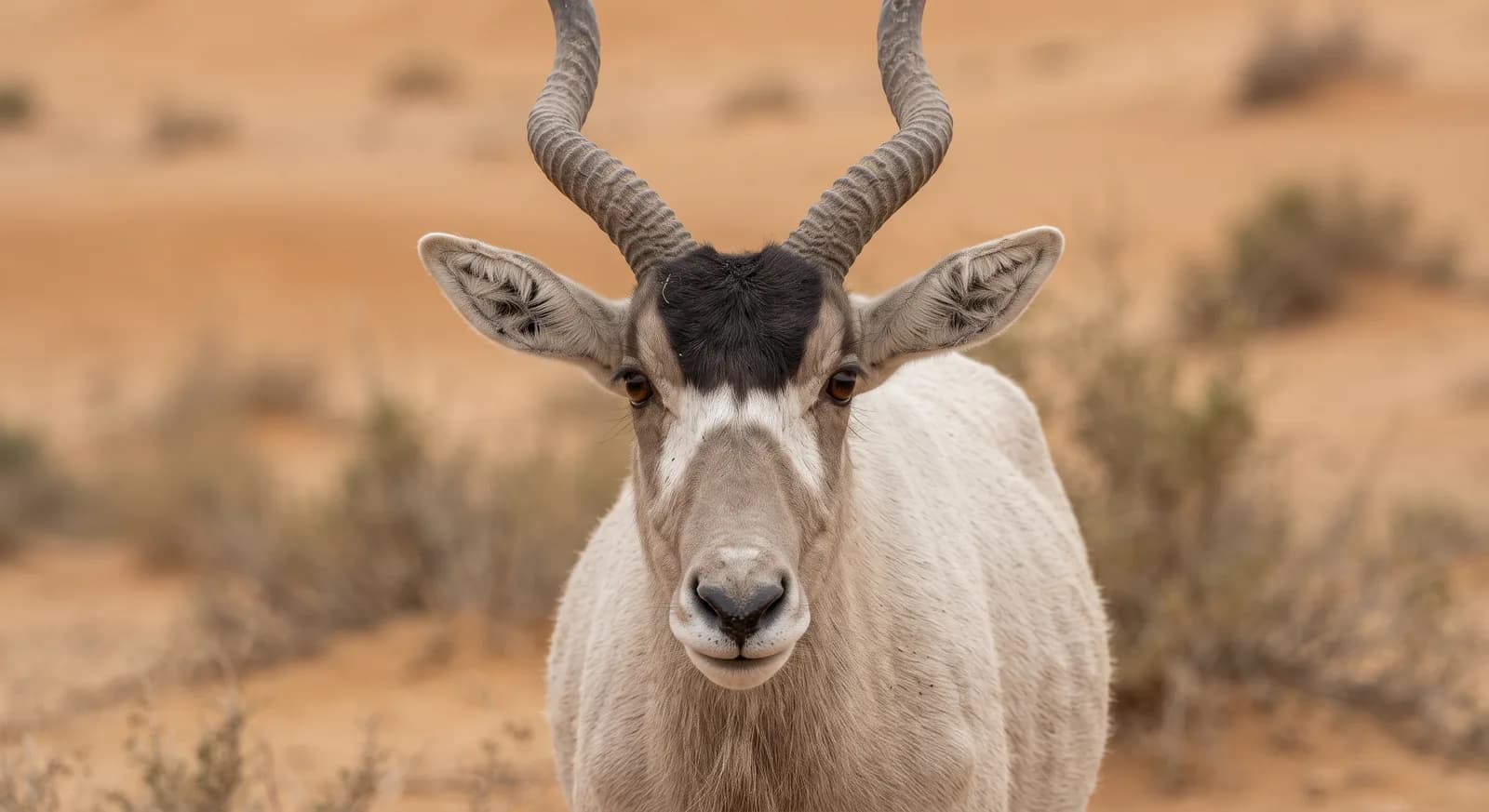
- •Adax
- •Ciervo de Berbería
- •Flamenco común
- •Pardela cenicienta
- •Tortuga boba
- •Zorro del desierto
- •Hiena rayada
- •Halcón de Eleonora
Notable endemic species
- •26 especies y 13 subespecies de plantas endemicas registradas segun estudios recientes (tasa de endemismo mas baja del Magreb, 2-2,6%, en comparacion con Marruecos y Argelia)
- •El Magreb en su conjunto (Marruecos, Argelia, Tunez) alberga 9.522 taxones de plantas endemicas de un total de aprox. 25.000 especies vasculares
- •Ciervo de Berbería
Notable threatened species
- •Especies saharianas compartidas con Argelia y Libia (gacela dorcas, fenec) bajo presion de caza furtiva y perdida de habitat
- •Endemismo floristico tunecino concentrado y vulnerable pese a su menor magnitud relativa frente a Marruecos y Argelia
Notable protected areas
- •Parque Nacional de Ichkeul (humedal Ramsar y Patrimonio Mundial, migracion de aves acuaticas)
- •Parque Nacional de Bou Hedma
- •Parque Nacional de El Feija
- •Parque Nacional de Djebel Chambi
- •Islas Zembra y Zembretta
- •Islas Kerkennah
Main conservation threats
- •Desertificacion y sequia
- •Presion turistica y urbana sobre la costa mediterranea
- •Sobreexplotacion de recursos hidricos en zonas de oasis
Notable natural phenomena
- •El Parque Nacional de Ichkeul es uno de los pocos humedales del Mediterraneo que aun conserva su regimen hidrologico natural, clave para aves migratorias entre Europa y Africa
Conservation
Tunisia has been a key player in the reintroduction of Saharan antelopes extinct in the wild. The Gulf of Gabès suffers one of the most serious cases of marine degradation in the Mediterranean through phosphogypsum discharges.
Where and when to watch wildlife
Ichkeul between December and February for wintering geese and ducks. Bou Hedma in spring for oryx and gazelles. Zembra in summer, from the sea, for shearwaters.
Sources: Springer/PMC - Environmental regionalization endemic plant distribution Maghreb
Parks and reserves
Ichkeul
The last surviving freshwater lake of a chain that once stretched across North Africa, a key stop for birds migrating between Europe and Africa
View parkNational ParkBou-Hedma
Tunisia's last remnant of pre-Saharan wooded savannah, with reintroduced oryx and addax.
View parkNational ParkZembra y Zembretta
Two islands off Cap Bon holding the largest Scopoli's shearwater colony in the Mediterranean.
View parkNational ParkJebil
Tunisia's largest national park, deep in the Grand Erg Oriental, and a refuge for reintroduced Saharan wildlife.
View parkPaíses similares
¿A dónde más podría interesarme viajar?
Misma región: Norte de África
Misma región: Norte de África
Misma región: Norte de África
Misma región: Norte de África
Especies documentadas en Tunisia
325 species found
 Critically Endangered
Addax
Addax nasomaculatus
 Critically Endangered
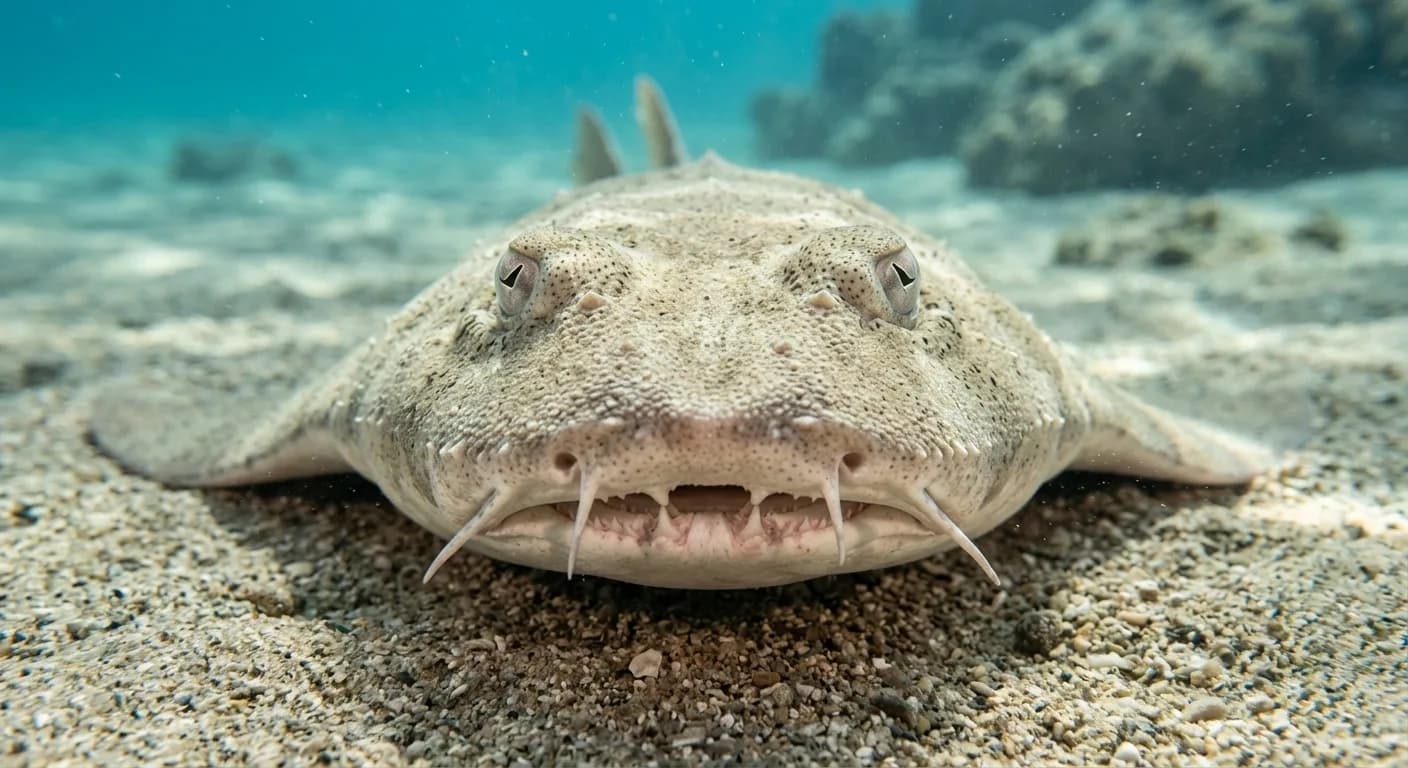
Angelshark
Squatina squatina
 Critically Endangered
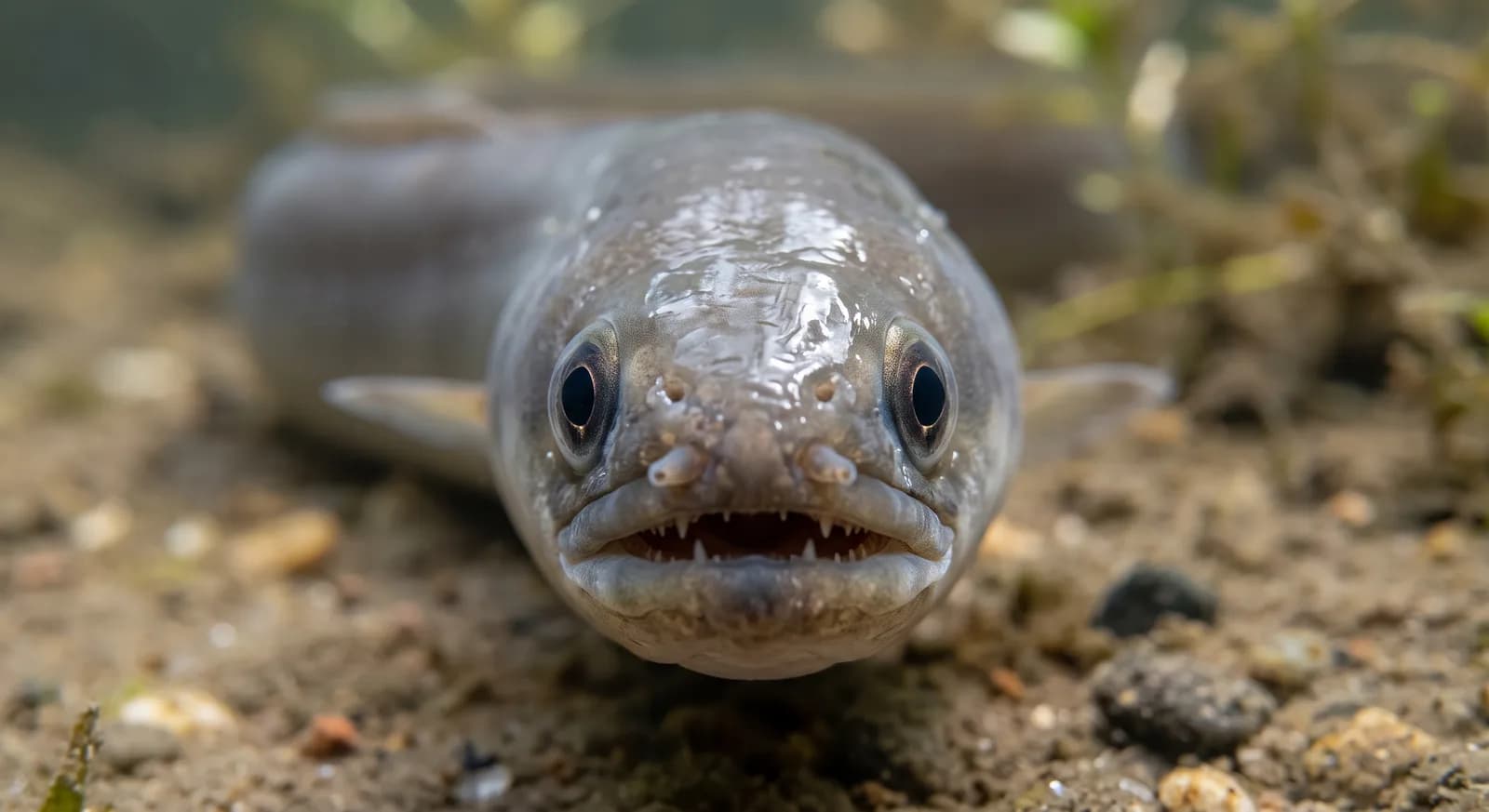
European Eel
Anguilla anguilla
 Critically Endangered
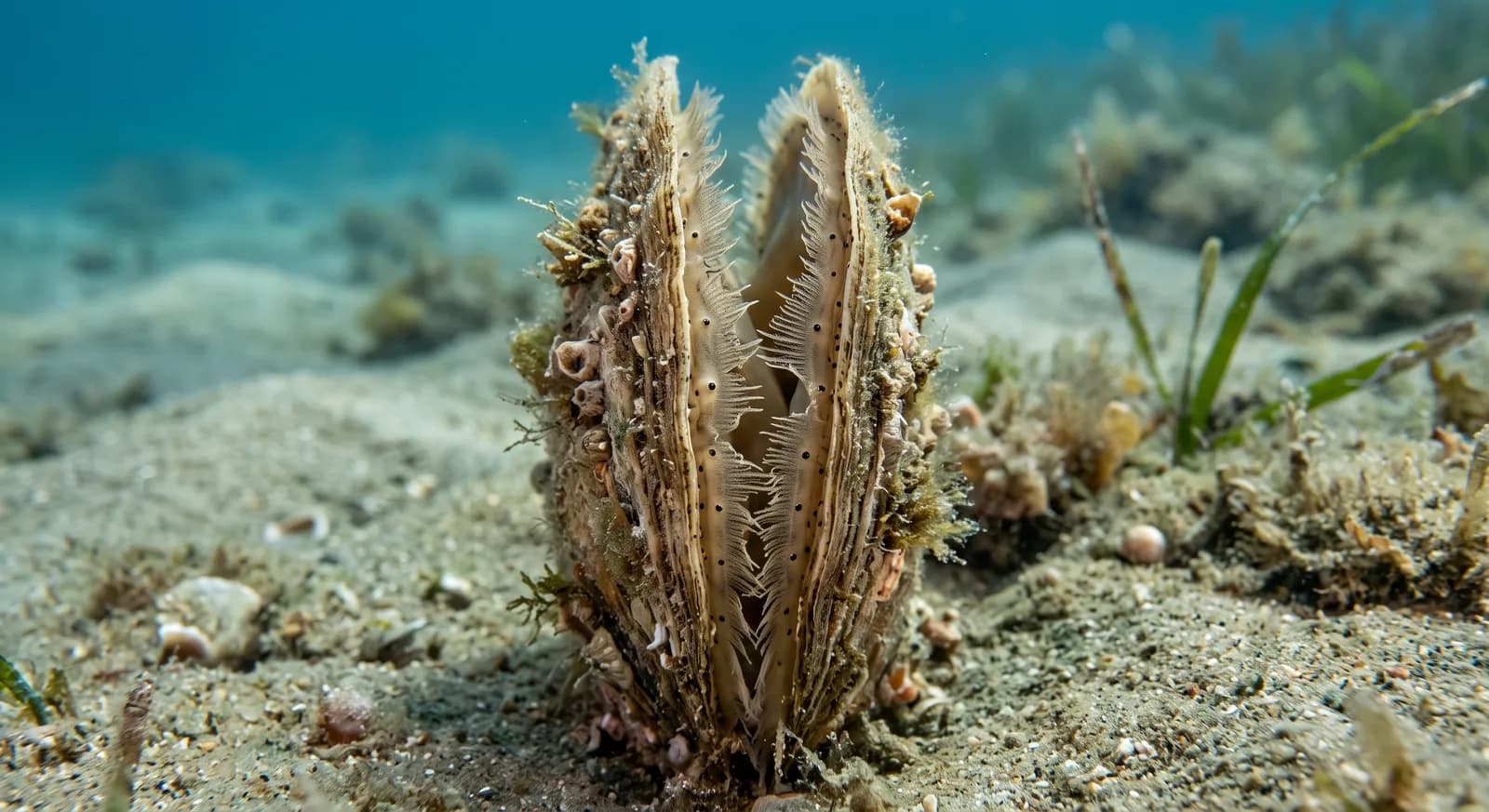
Fan Mussel
Pinna nobilis
 Endangered
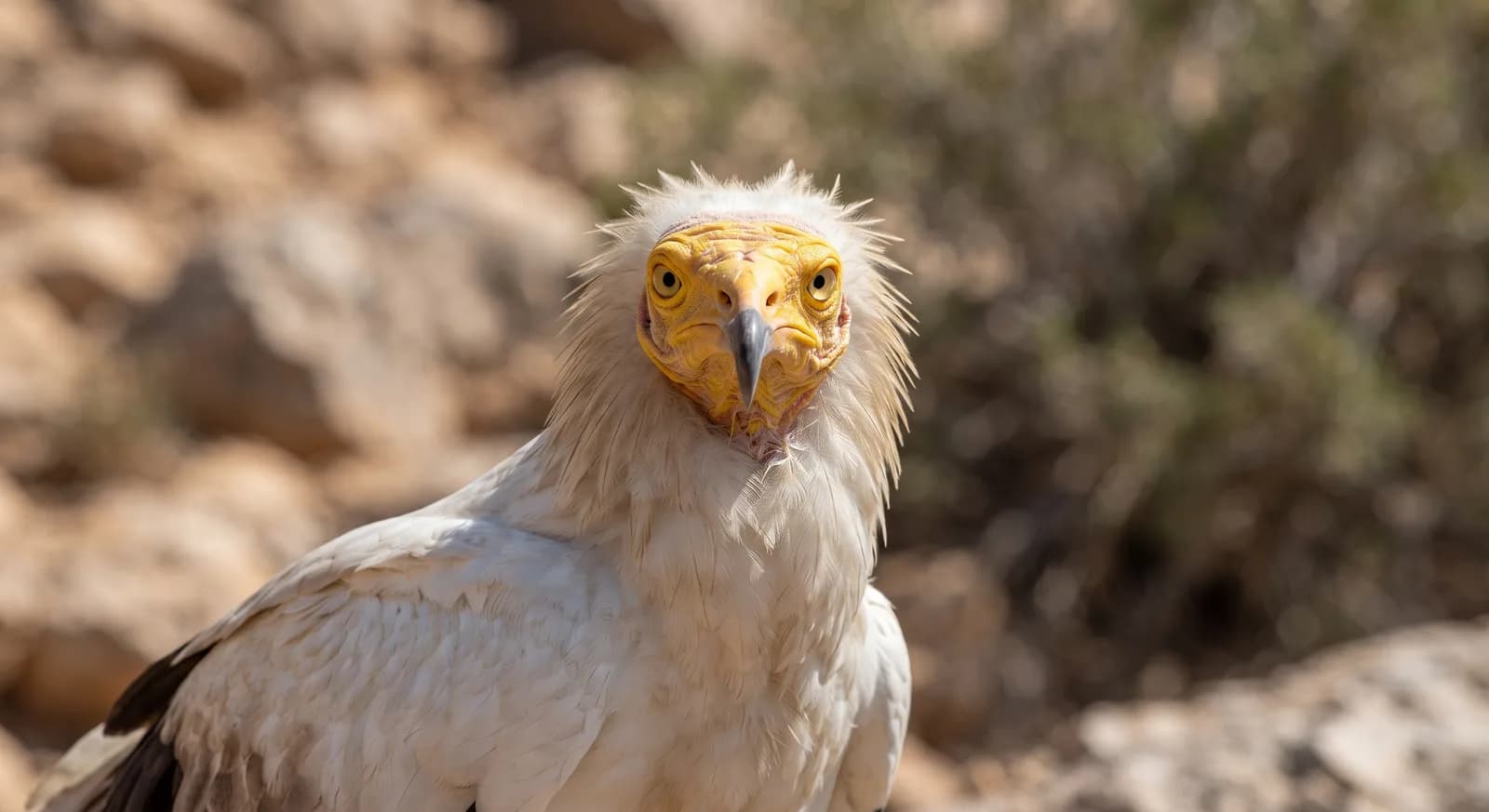
Egyptian Vulture
Neophron percnopterus
 Endangered
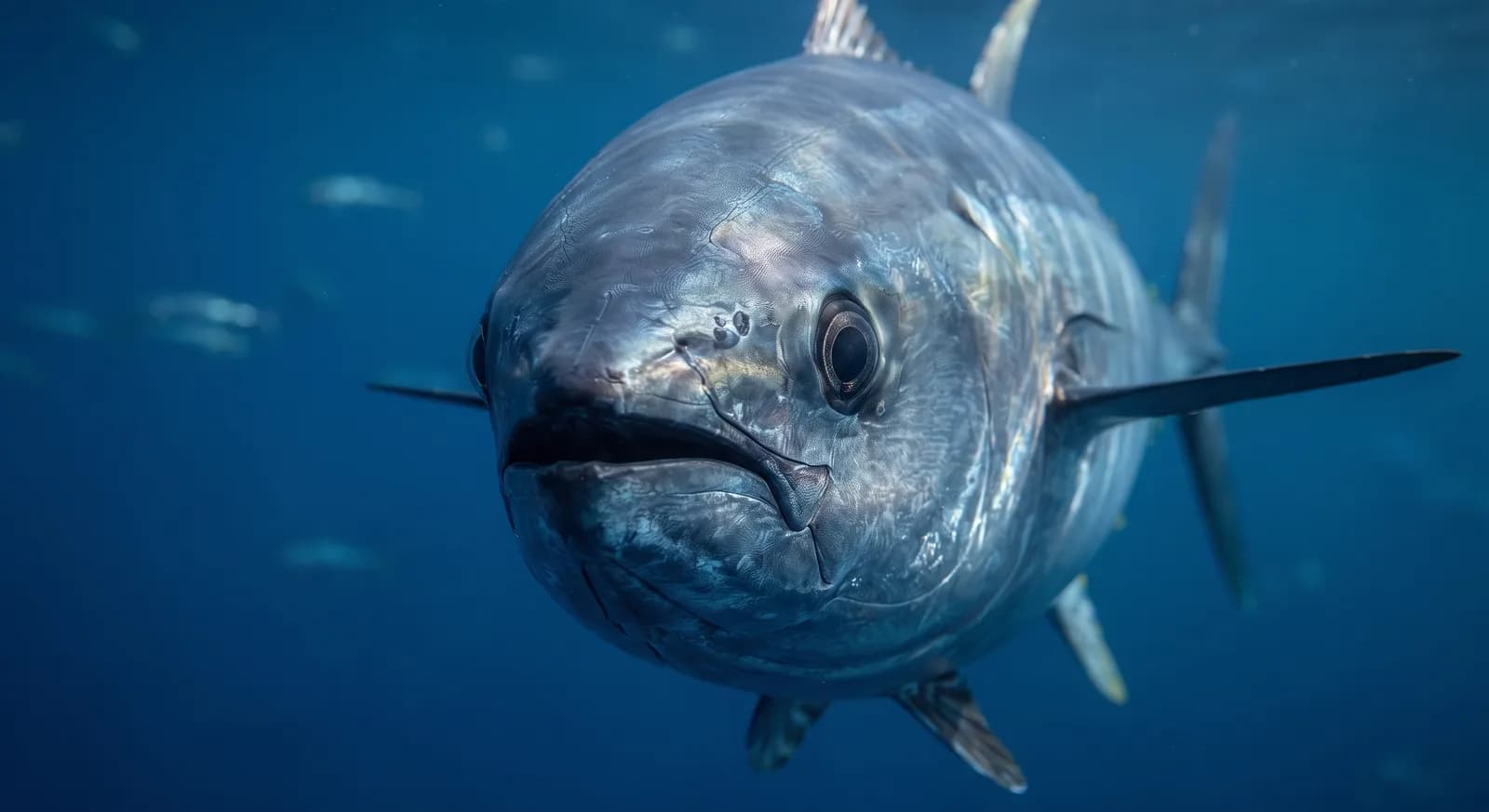
Atlantic Bluefin Tuna
Thunnus thynnus
 Endangered
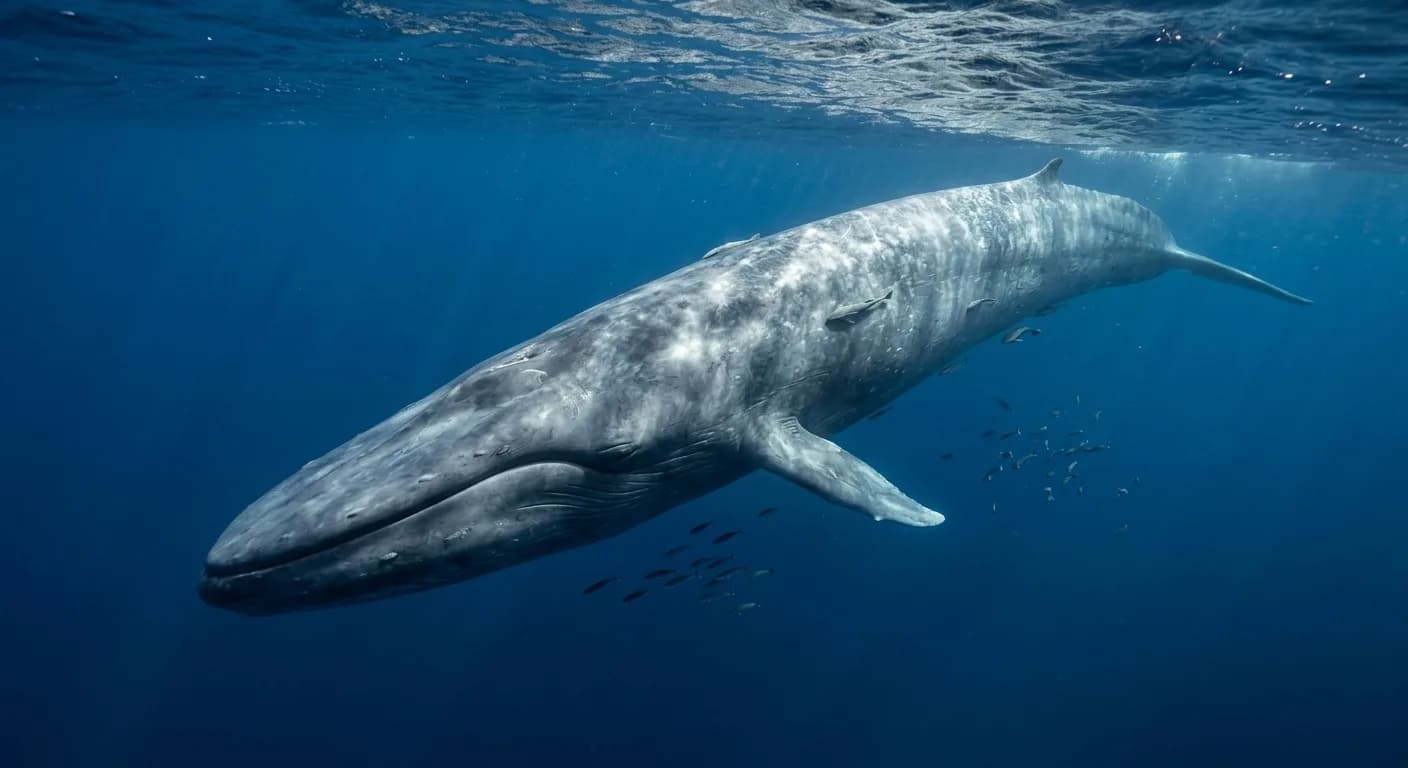
Blue Whale
Balaenoptera musculus
 Endangered
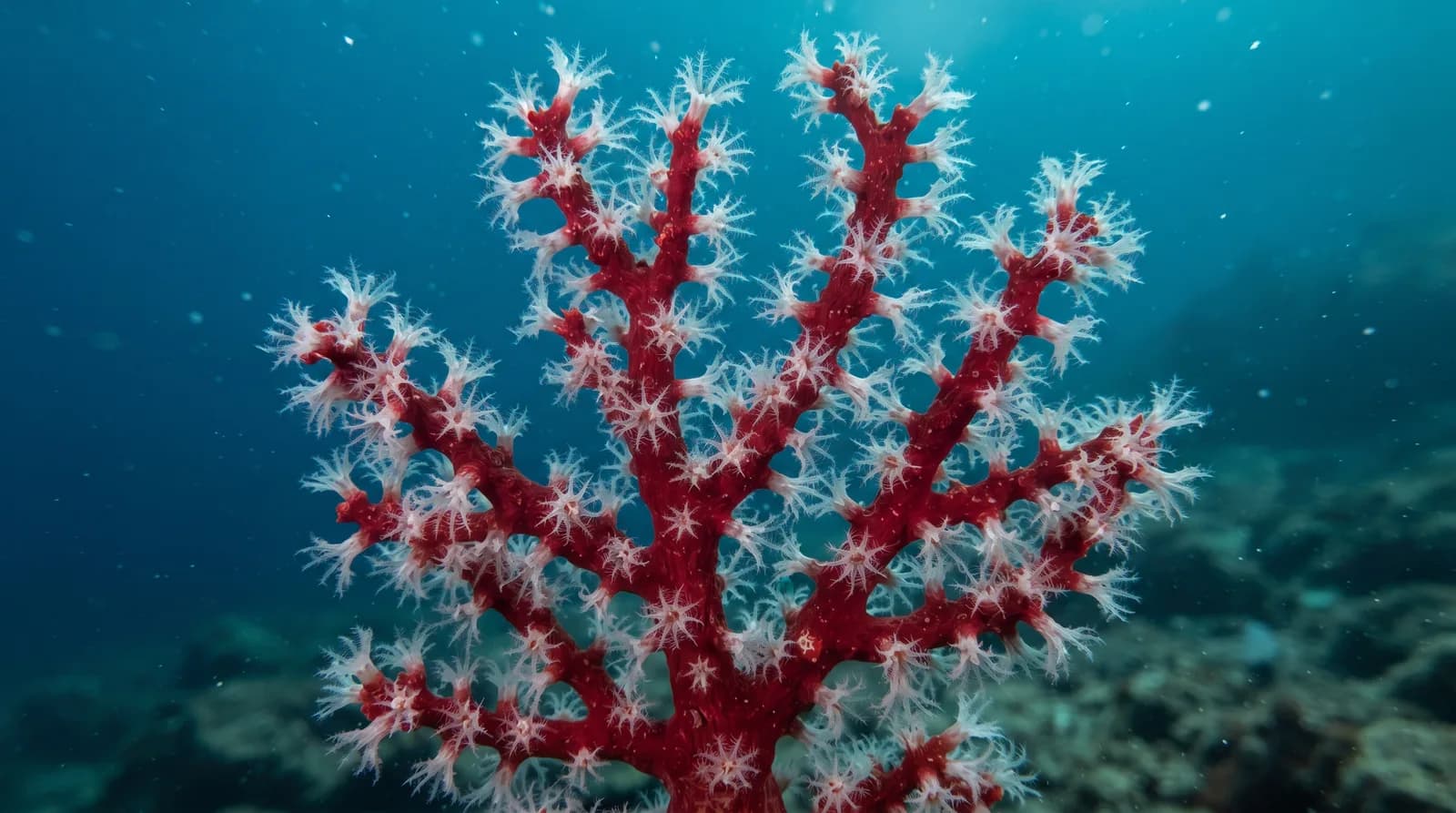
Red Coral
Corallium rubrum
 Endangered
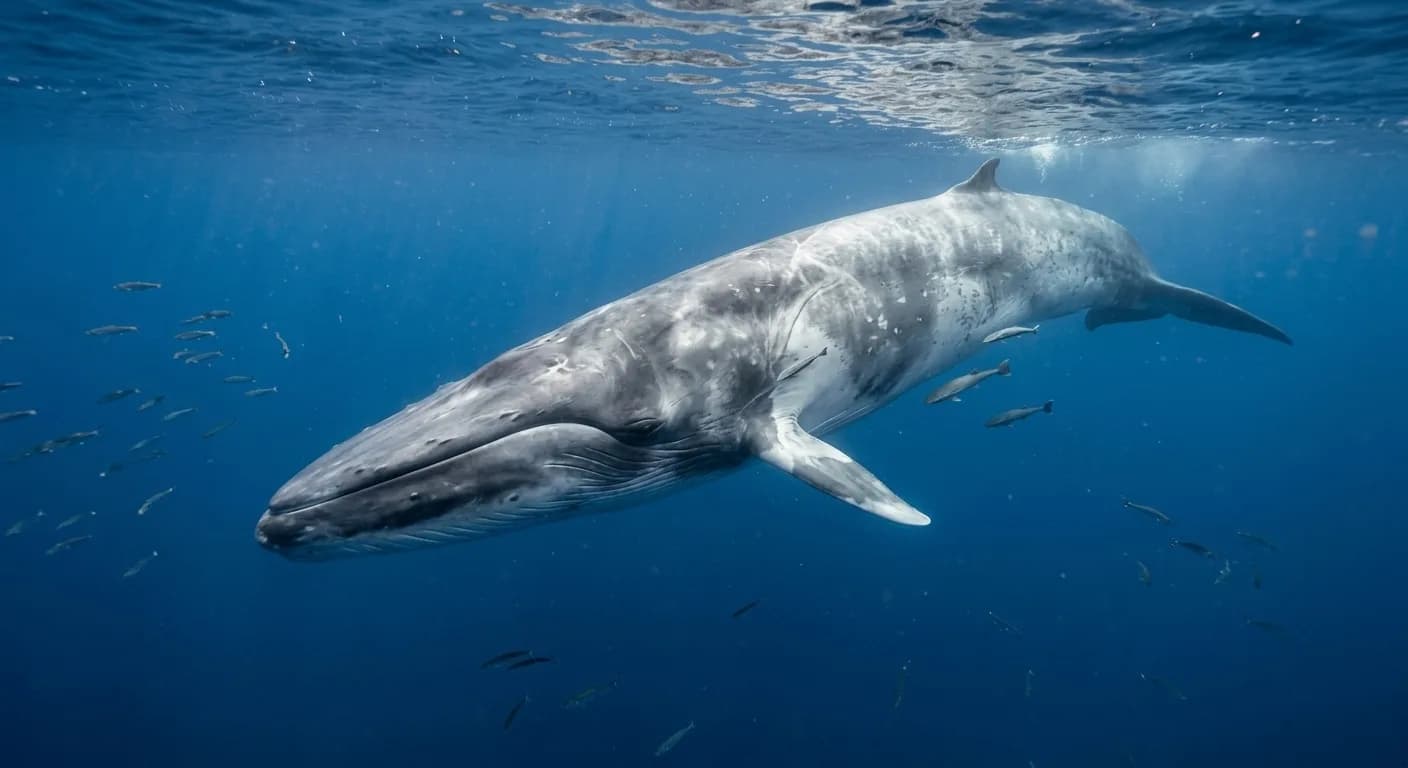
Fin Whale
Balaenoptera physalus
 Endangered
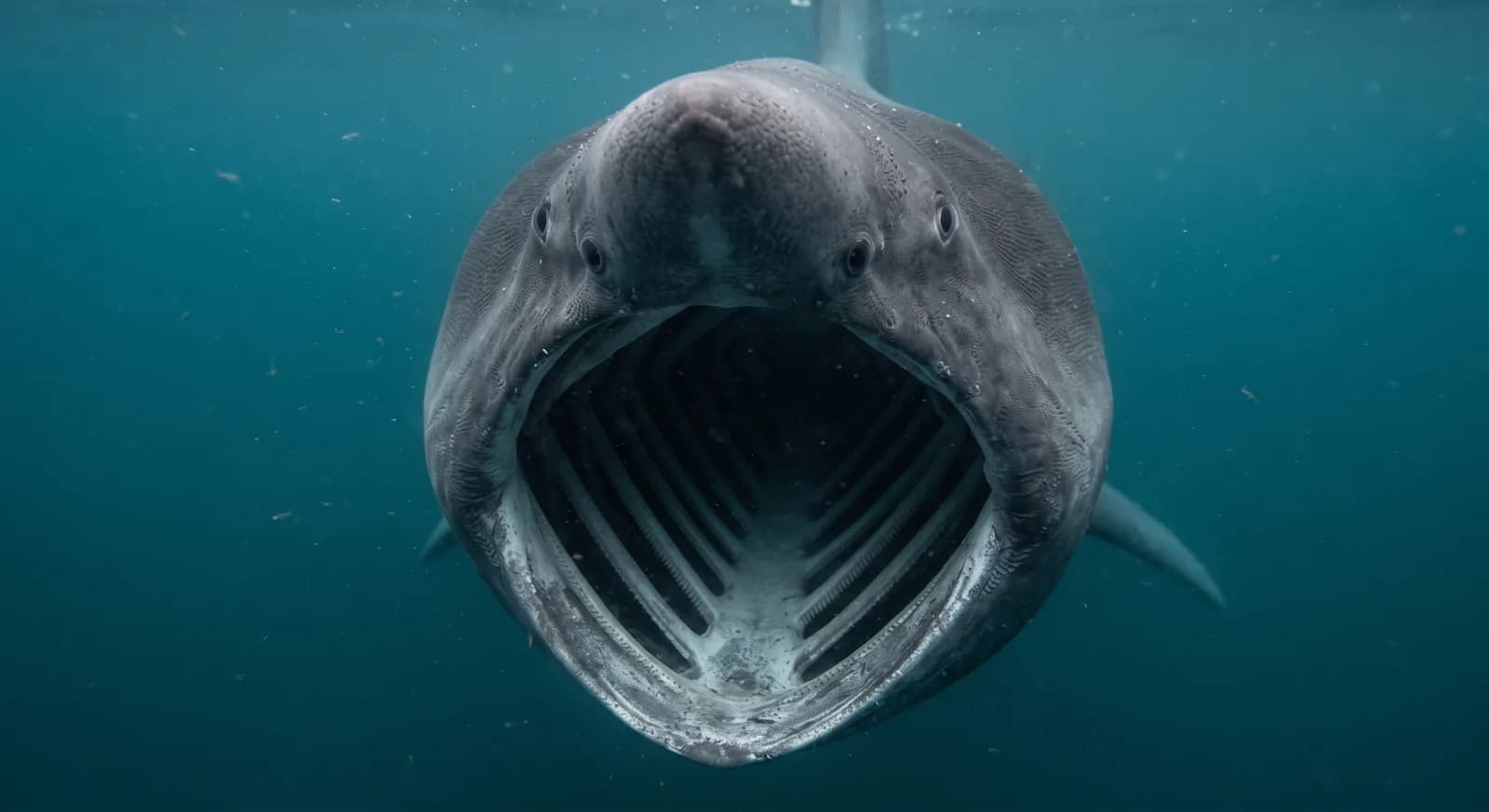
Basking Shark
Cetorhinus maximus
 Endangered
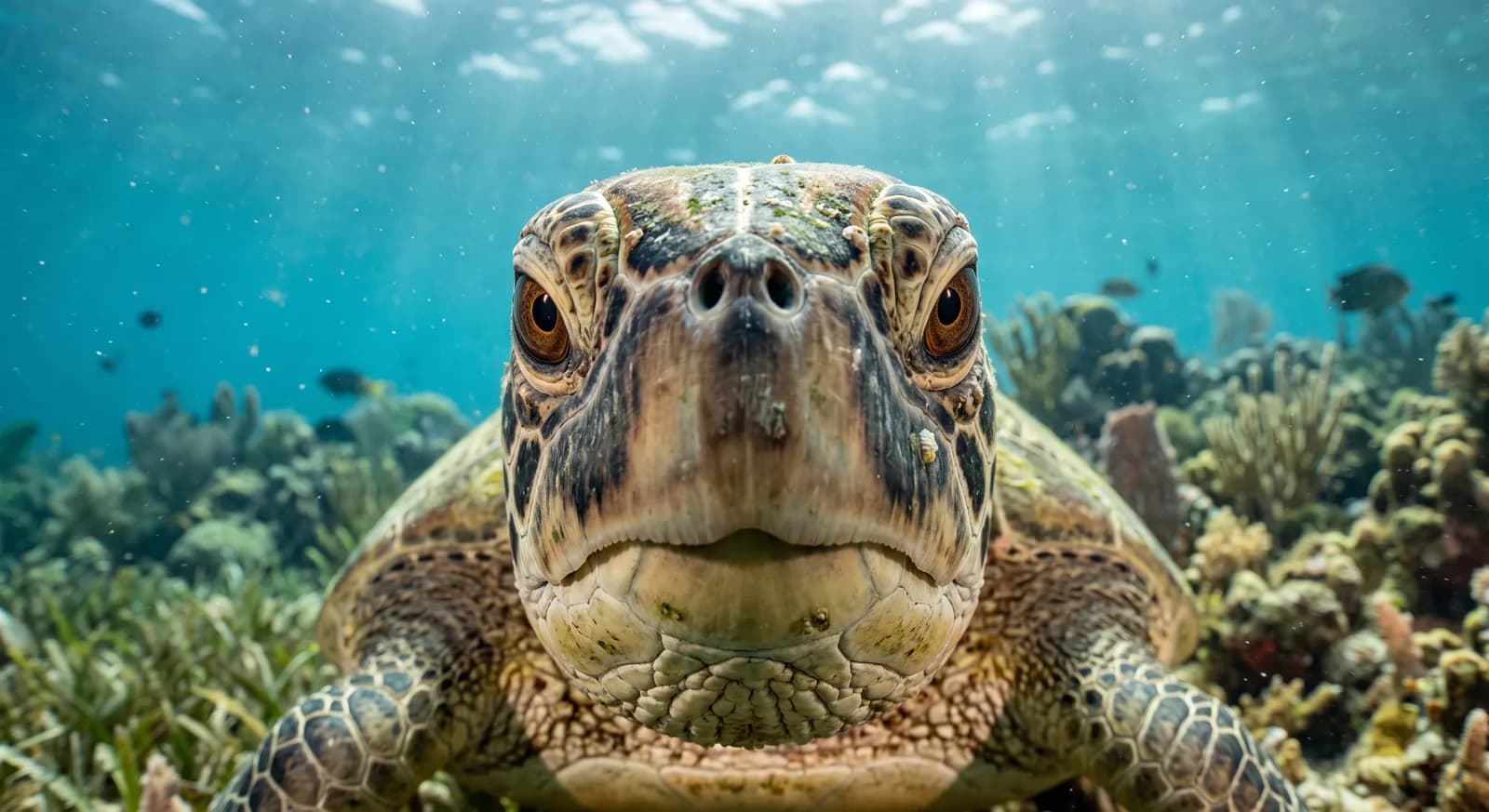
Green Turtle
Chelonia mydas
 Vulnerable
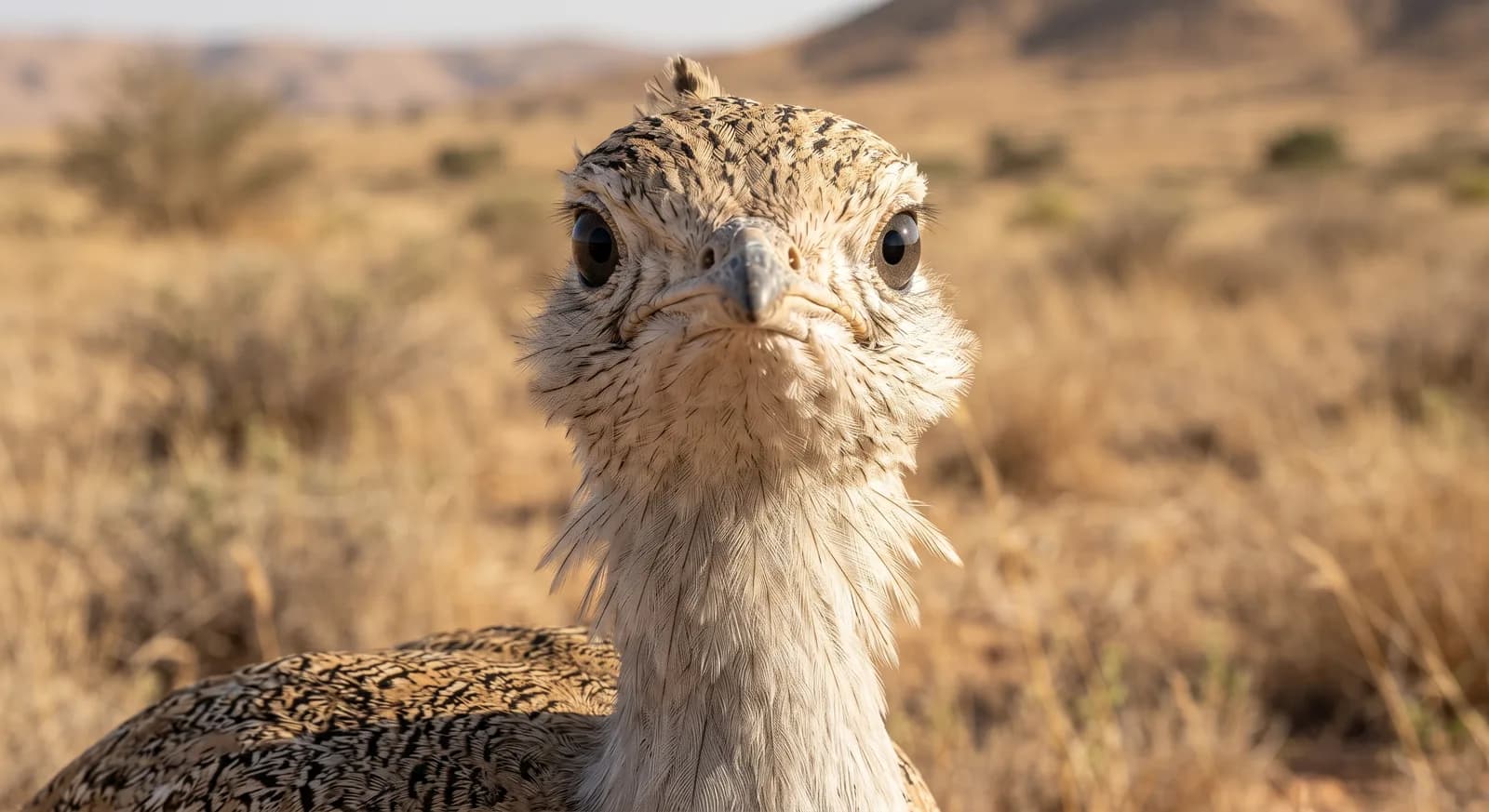
Houbara Bustard
Chlamydotis undulata
Keep exploring
Based on what we already know about Tunisia.