One of the 6 flamingos on WAnimals
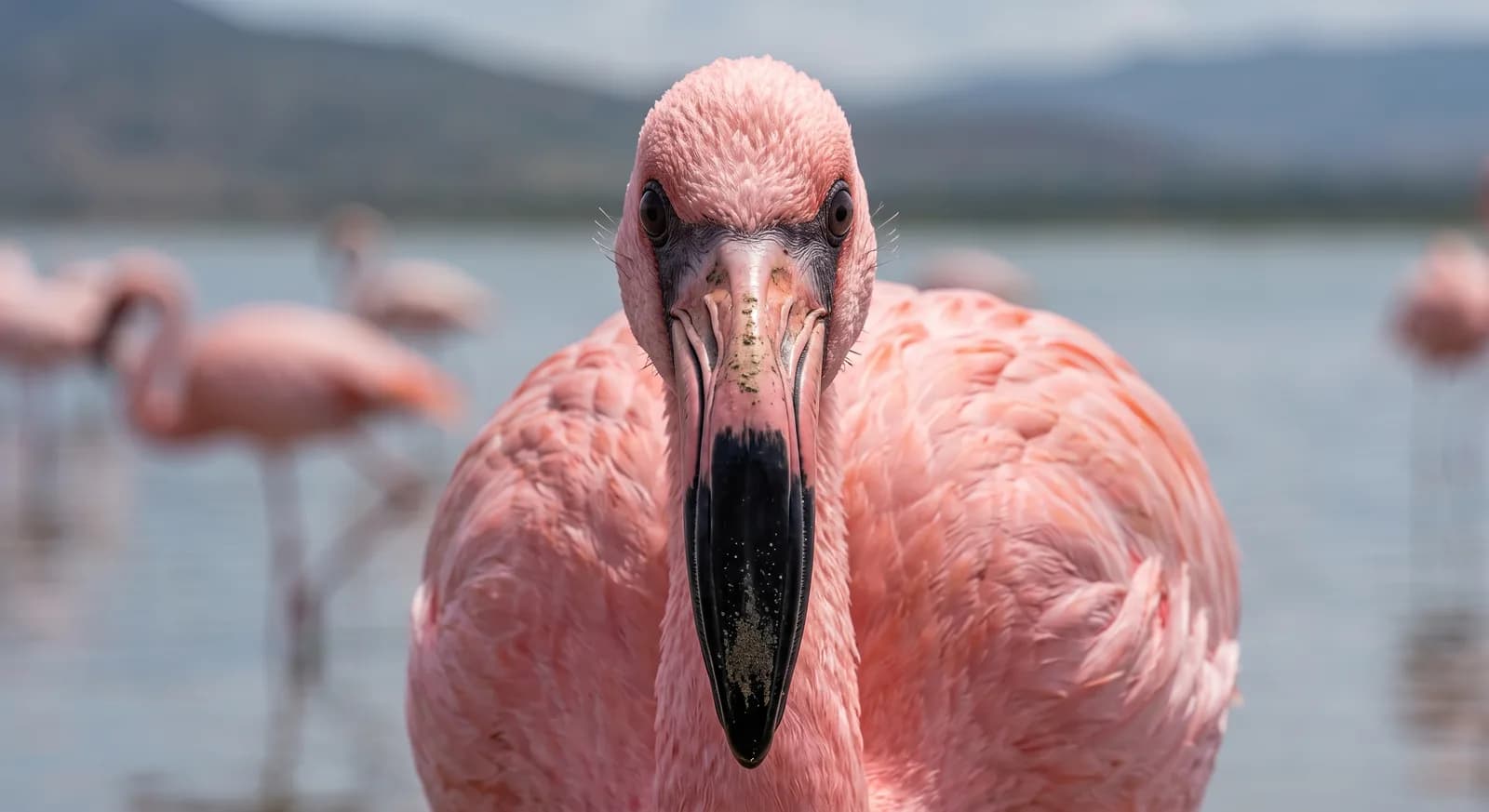
Birds · Phoenicopteriformes · Phoenicopteridae
Greater Flamingo
Phoenicopterus roseus
The species is abundant and widely distributed; it faces no significant short-term risk. See full glossary
Its distinctive pink is not innate but comes from the carotenoid pigments in its diet of crustaceans and algae; the chicks hatch grey.
Weight
2 kg – 4.5 kg
Size
1.1 m – 1.5 m
Lifespan
35 years
Diet
Omnivore
Combines animal and plant food depending on availability.
Activity
Diurnal
Active mainly during the day.
Social structure
Colony
Lives in large concentrations, often for breeding reasons.
Sighting difficulty
Easy
Fun facts
- Its pink colour comes from the carotenoids in its diet; the chicks hatch grey.
- It can drink water at close to boiling point from geysers.
- It filters small crustaceans and algae from water and mud with its curved bill.
- alimentaciónIt can feed with its head upside down and its bill inverted, filtering water and mud through internal structures much like those of filter-feeding whales.
Life cycle & biology
- Skeleton type
- Vertebrate - pneumatised bony skeleton (bird)
- Habitat & environment
- Brackish and saline coastal lagoons of Africa, southern Europe, the Middle East and the Indian subcontinent
- Birth weight
- 85 - 102 grams at hatching
- Size at birth
- Covered in grey down at hatching; the characteristic curved bill does not develop until 2 weeks old
- Sexual maturity
- 5-6 years
- Gestation / incubation
- 27-32 days
- Litter / clutch size
- 1 egg per clutch (rarely 2)
- Lifespan in captivity
- Documented cases of up to 60-83 years in captivity (one bird at Adelaide Zoo died at an estimated 83-95 years)
Sources consulted: Animal Diversity Web; Dimensions.com; AnimalSpot; WildlifeExplained; Nature Table; Wikipedia (Greater flamingo)
Where to find it
See its range on the interactive mapWhere to watch it
Parques y spots de buceo donde se ha documentado esta especie — se muestran 11 de 14 documentados.
Related species
Other species in the catalogue with the most in common with Greater Flamingo — same habitat, park, country, tags or family.
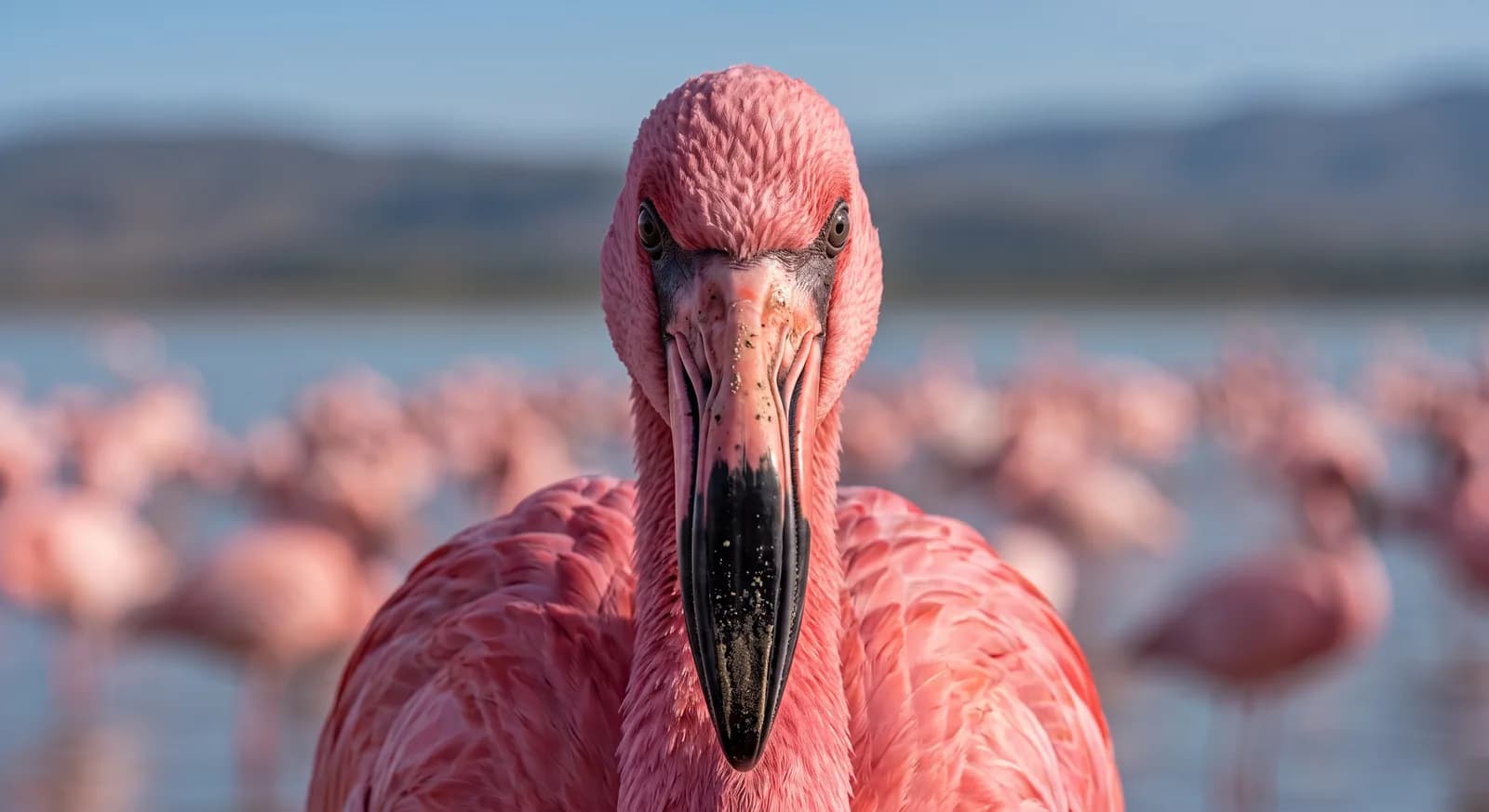 Near Threatened
Lesser Flamingo
Phoeniconaias minor
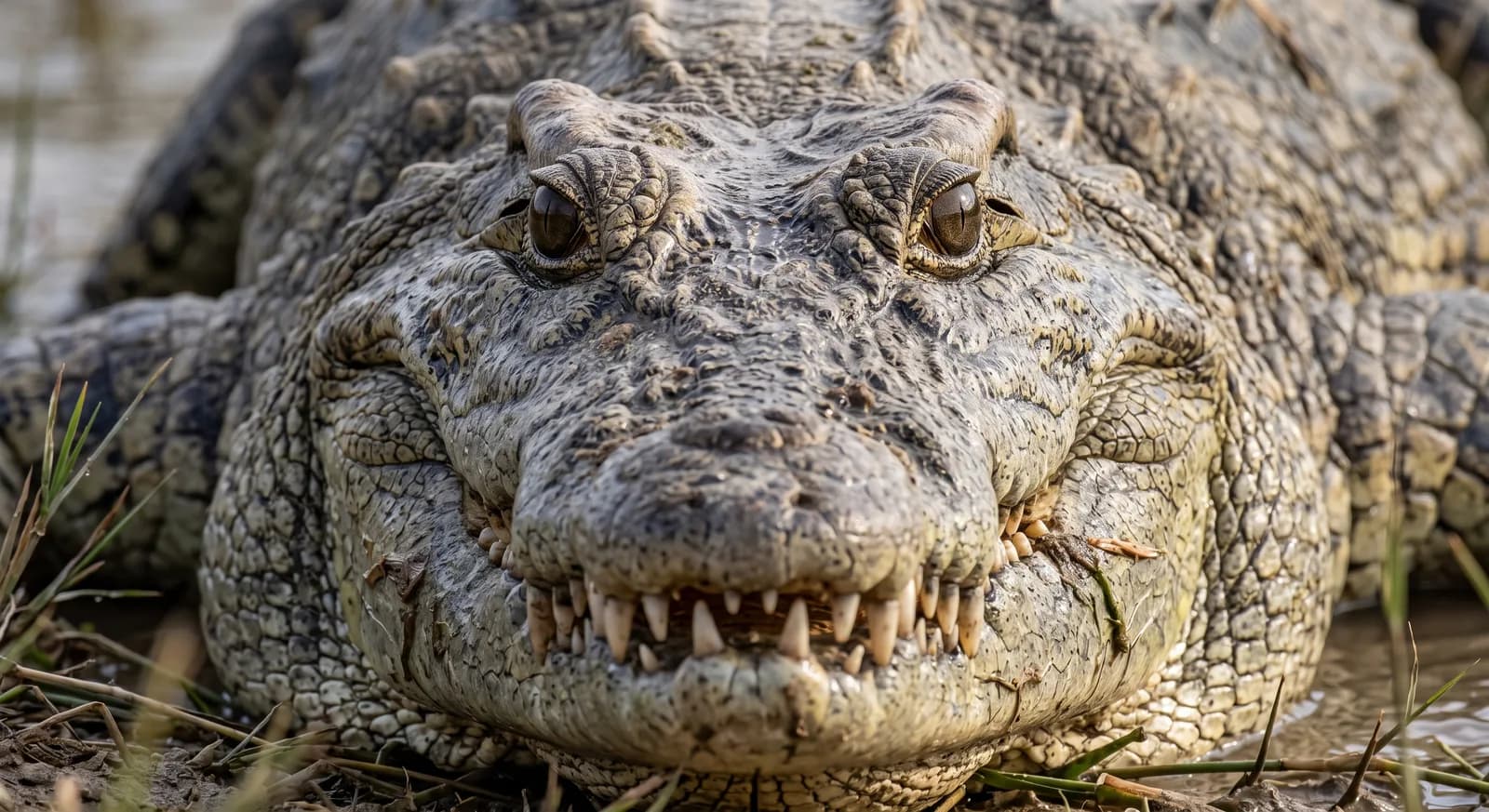 Least Concern
Nile Crocodile
Crocodylus niloticus
Skipjack
Katsuwonus pelamis
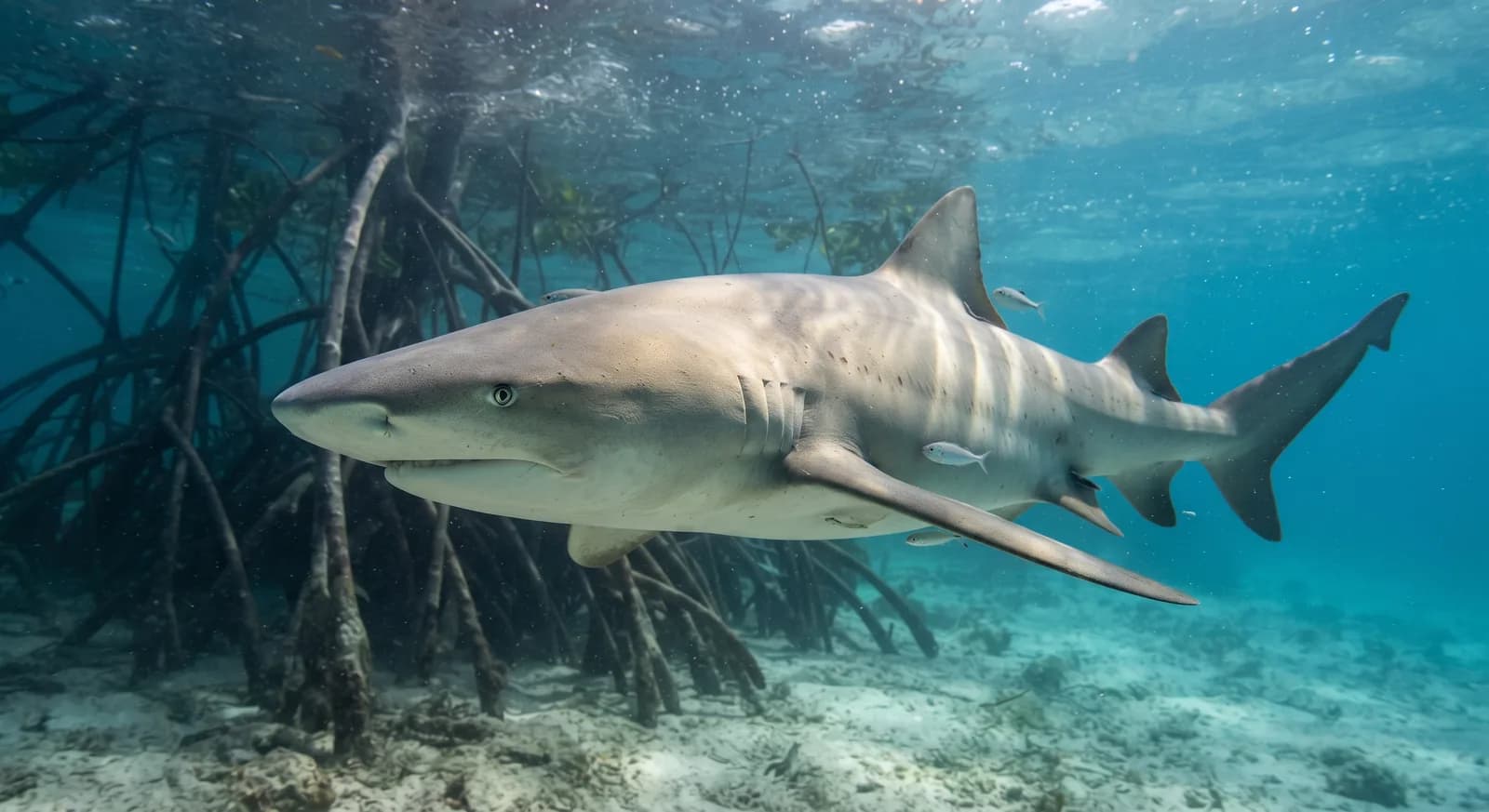 Vulnerable
Lemon Shark
Negaprion brevirostris
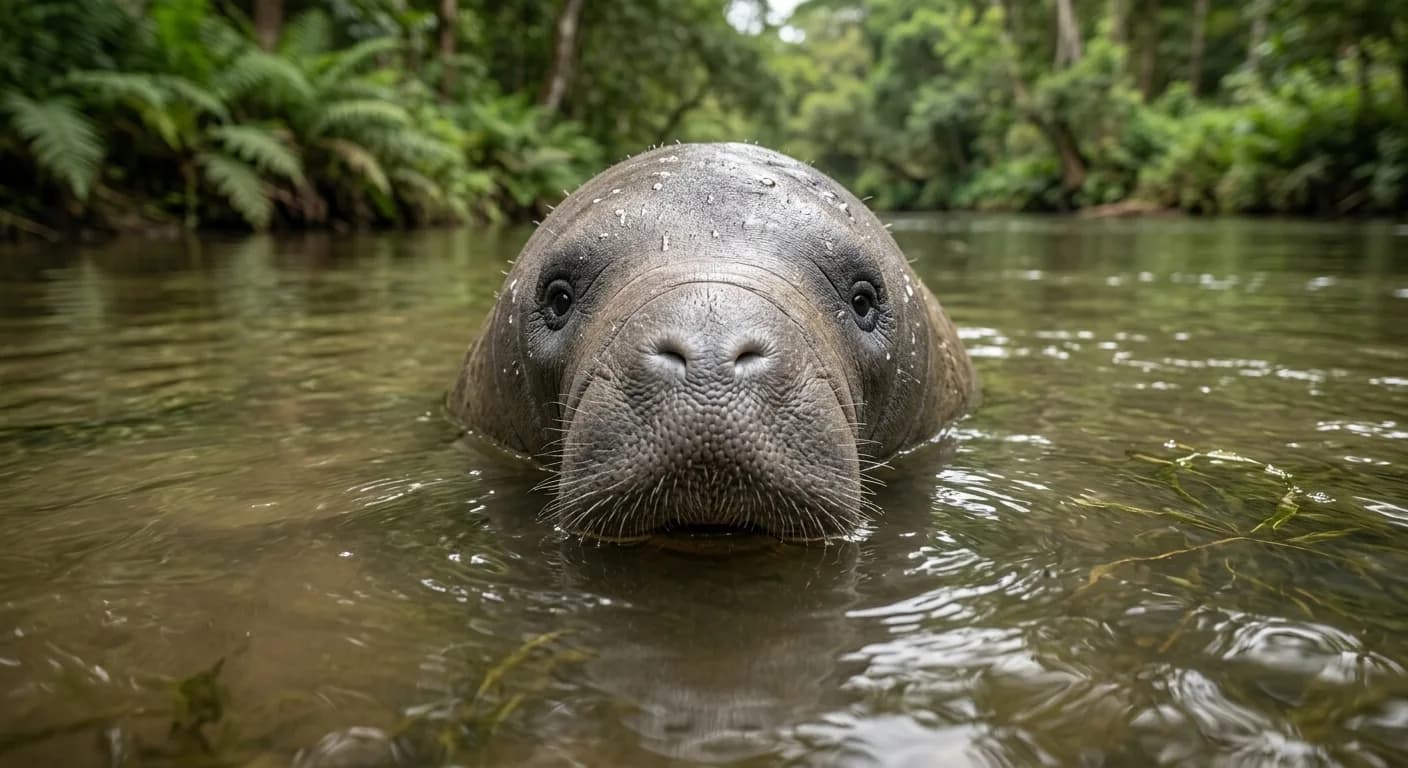 Vulnerable
African Manatee
Trichechus senegalensis
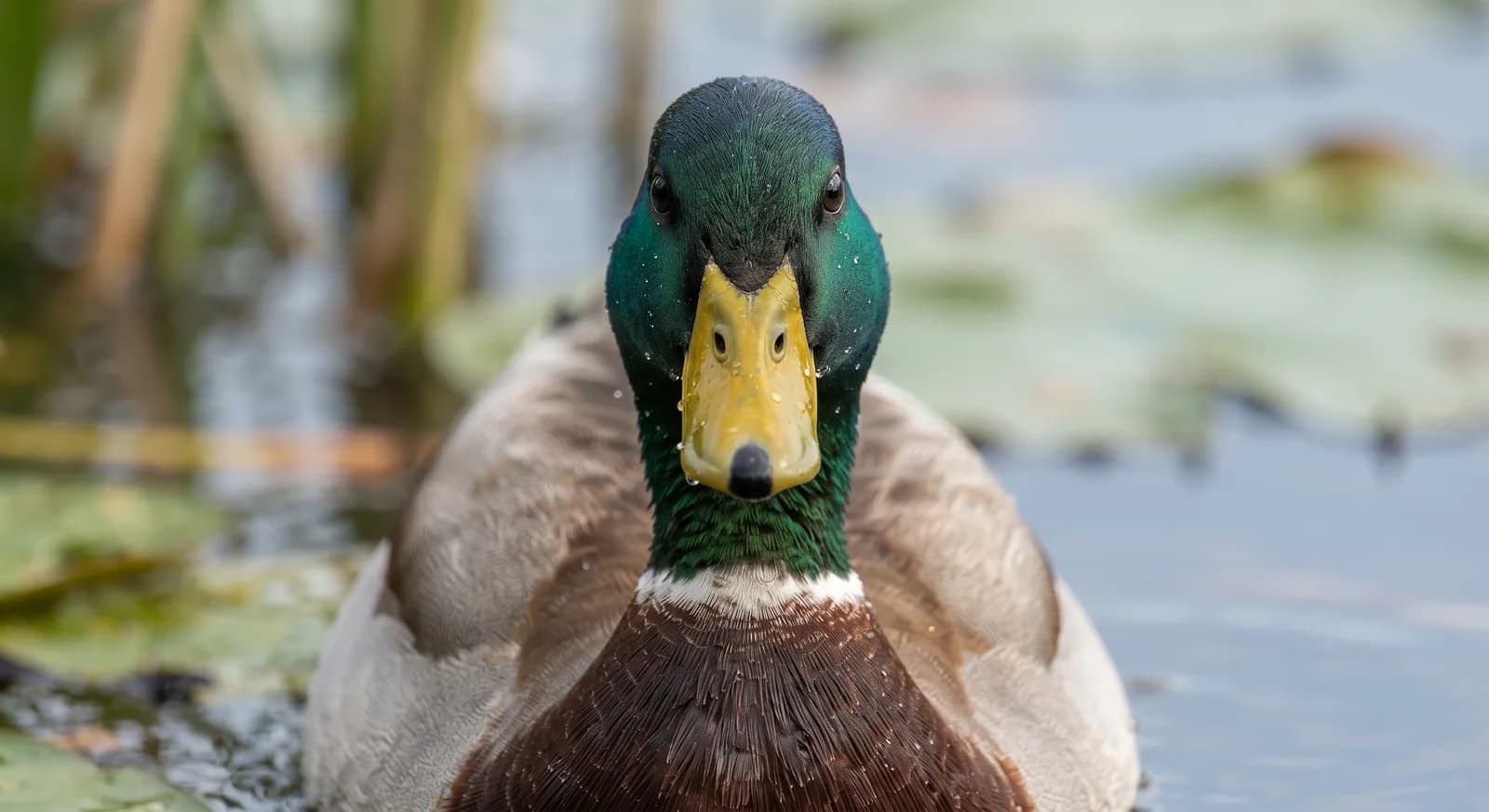 Least Concern
Mallard
Anas platyrhynchos
Keep exploring
Based on what we already know about greater flamingo.
Comments
Share an experience, a fun fact or a tip for seeing the greater flamingo.
Be the first to comment.