One of the 4 manatees on WAnimals
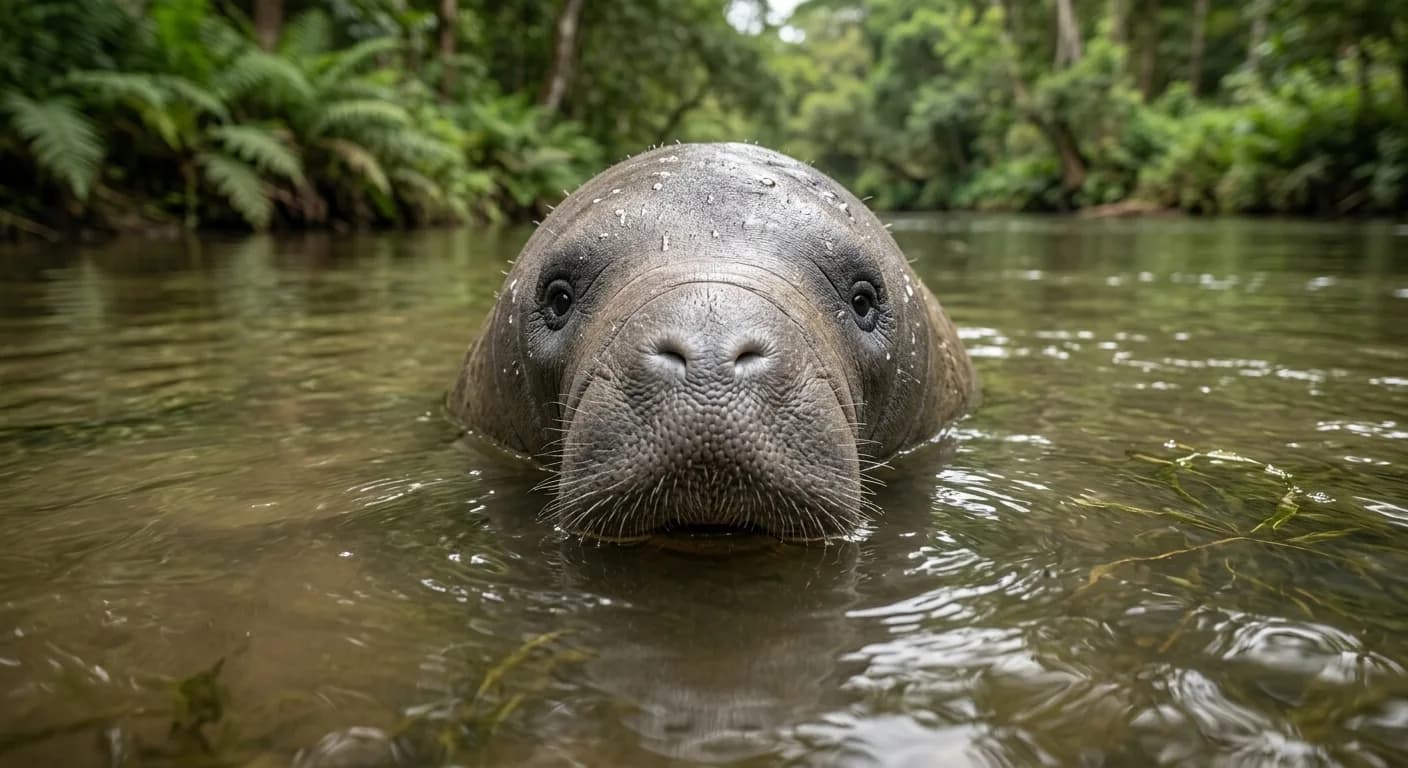
Mammals · Sirenia · Trichechidae
African Manatee
Trichechus senegalensis
It faces a high risk of extinction in the wild over the medium term. See full glossary
The African manatee is the only sirenian in Africa and the least known of the three manatees. It occupies an enormous stretch of the Atlantic coast, from Mauritania to Angola, and travels up the great African rivers, especially the Niger, more than 2,000 kilometres from the sea. It is a herbivore but, unlike its American relatives, it also takes molluscs and fish caught in nets. It feeds mainly at night and rests by day in deep water. Poaching, nets and hydroelectric dams are its greatest threats.
Weight
150 kg – 500 kg
Size
3 m – 4 m
Lifespan
30 years
Diet
Herbivore
Feeds mainly on plants.
Activity
Nocturnal
Active mainly at night.
Social structure
Solitary
Lives and hunts alone, joining others only to breed.
Sighting difficulty
Moderate
Fun facts
- It is the aquatic mammal that travels furthest inland in Africa: there are records on the Niger river in Mali, more than 2,000 km from the coast.
- It is protected by traditional taboos in several West African cultures, which regard it as a transformed ancestor.
Life cycle & biology
- Skeleton type
- Vertebrate - internal bony skeleton (mammal)
- Habitat & environment
- Rivers, coastal lagoons, mangroves and inshore waters of West Africa
- Gestation / incubation
- 13 months
- Litter / clutch size
- 1
Sources consulted: https://es.wikipedia.org/wiki/Trichechus_senegalensis
Where to find it
See its range on the interactive mapWhere to watch it
Parks and dive sites where this species has been documented.
Related species
Other species in the catalogue with the most in common with African Manatee — same habitat, park, country, tags or family.
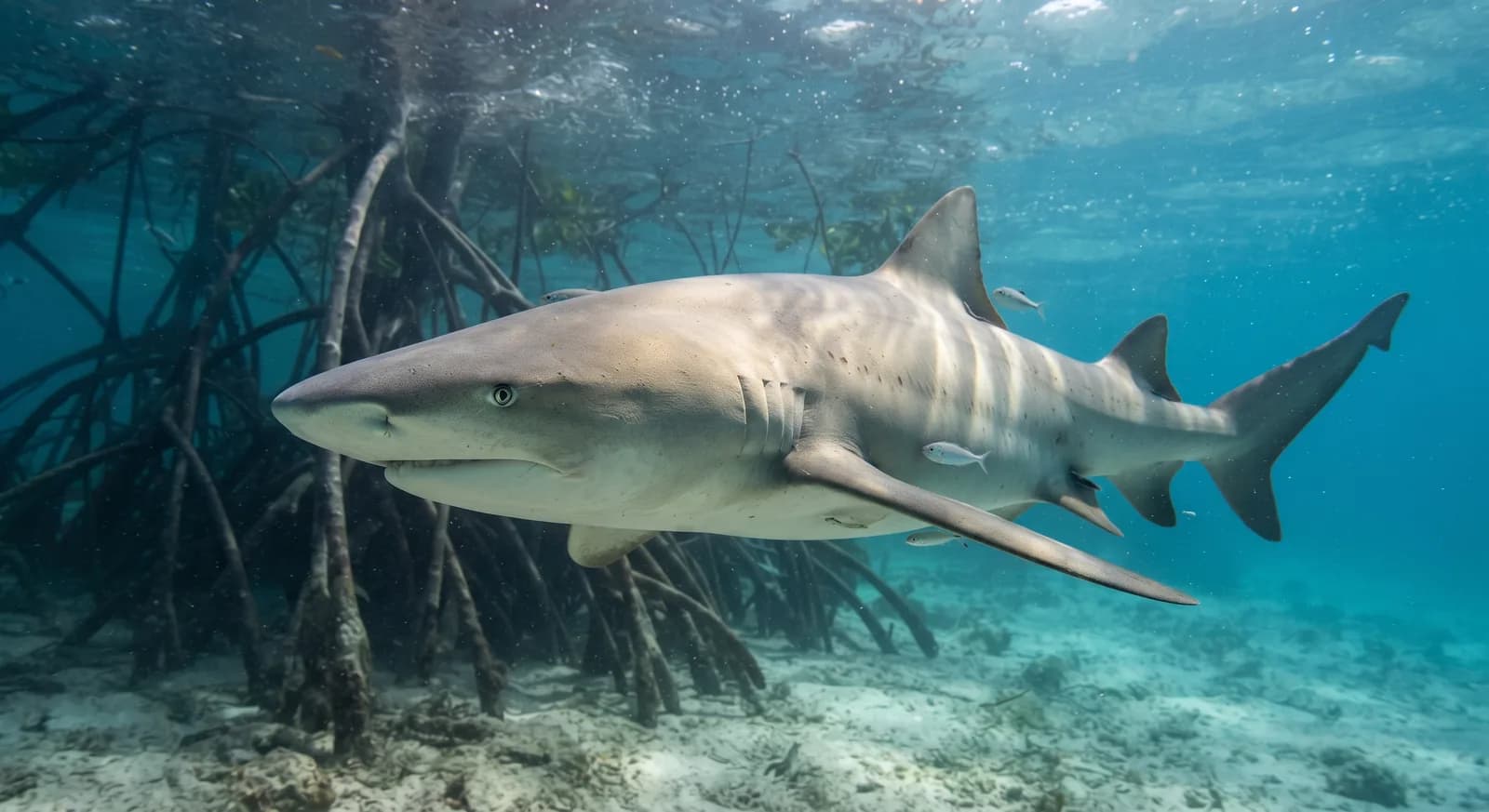 Vulnerable
Lemon Shark
Negaprion brevirostris
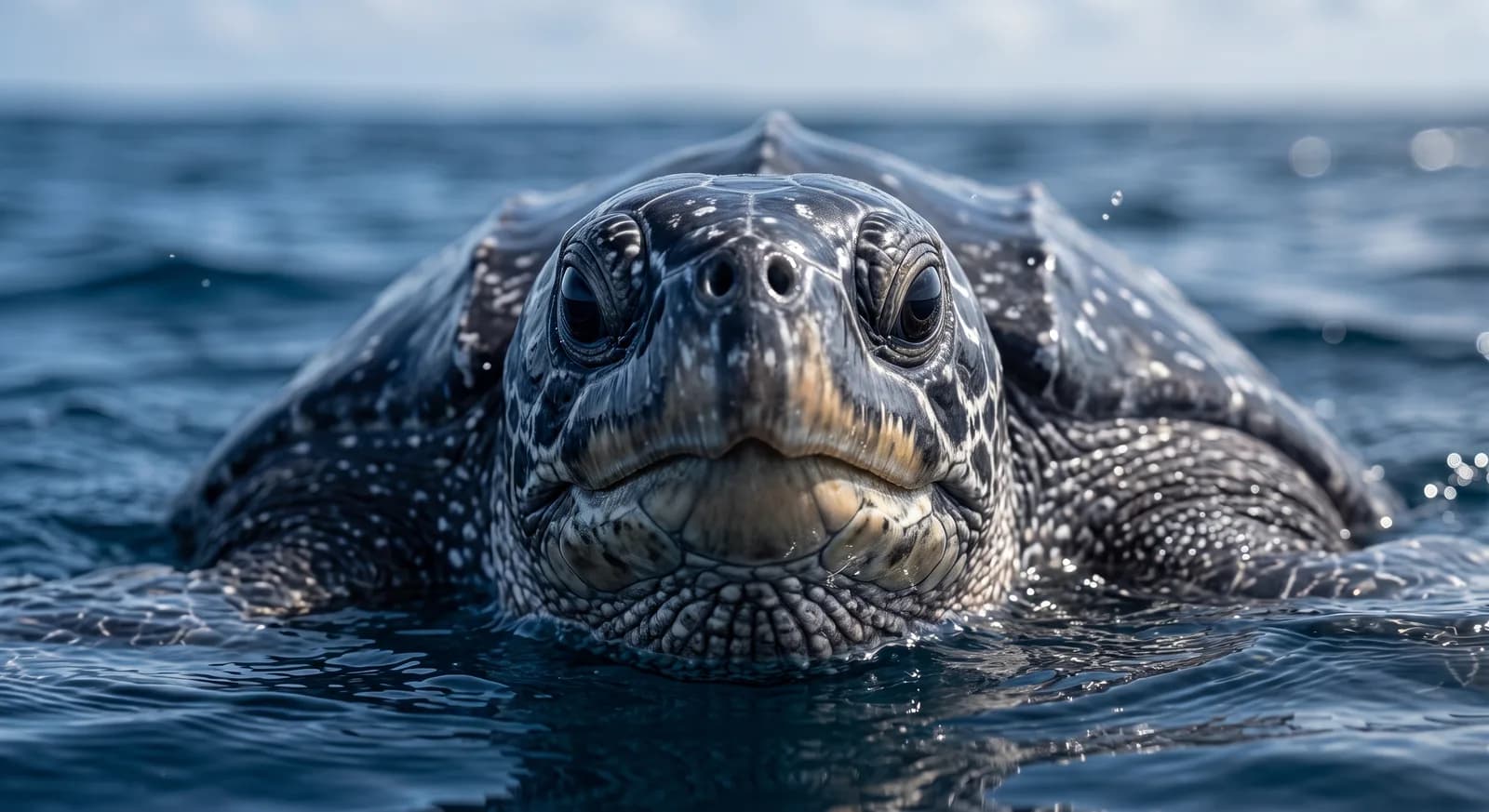 Vulnerable
Leatherback Sea Turtle
Dermochelys coriacea
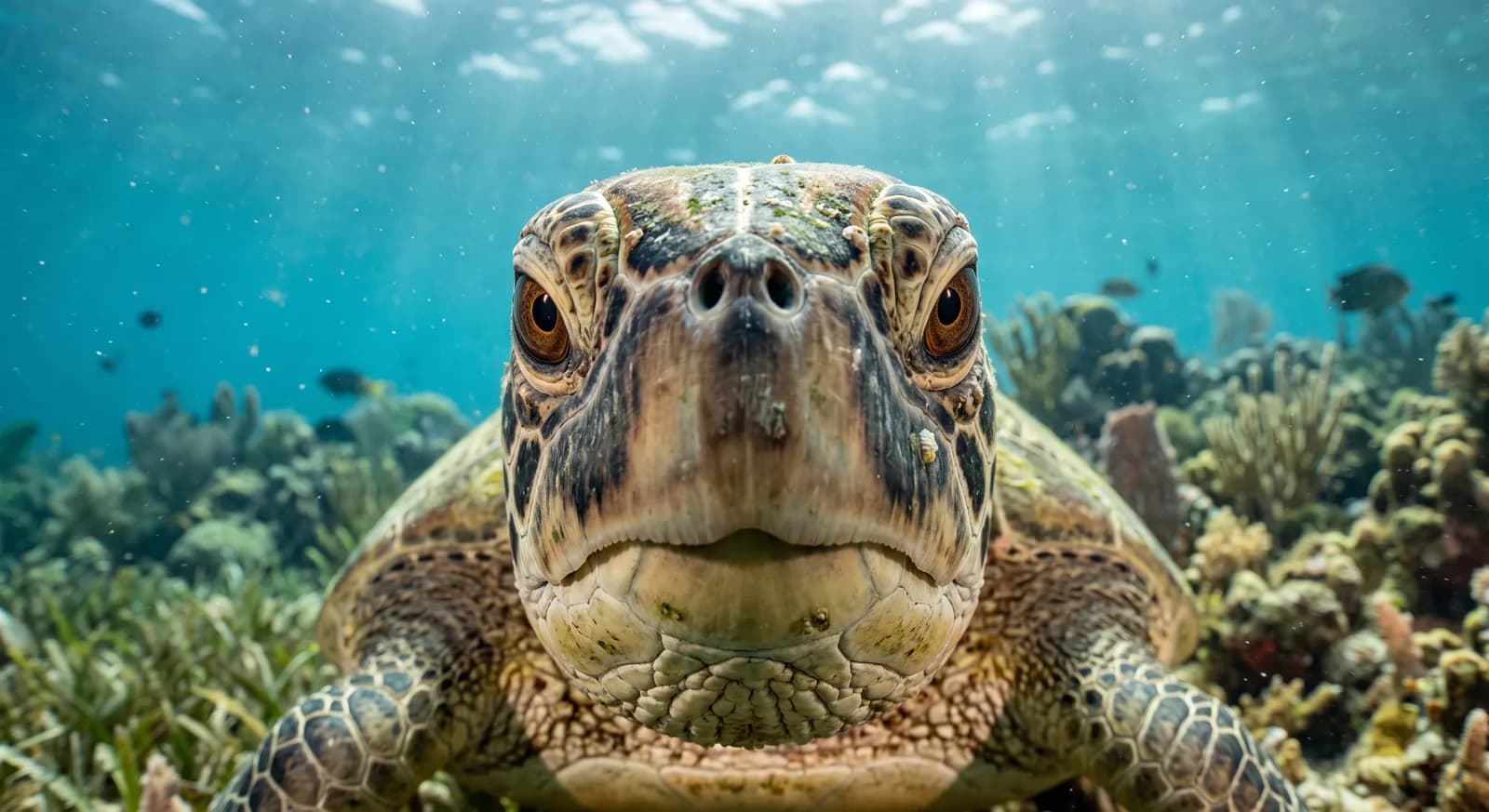 Endangered
Green Turtle
Chelonia mydas
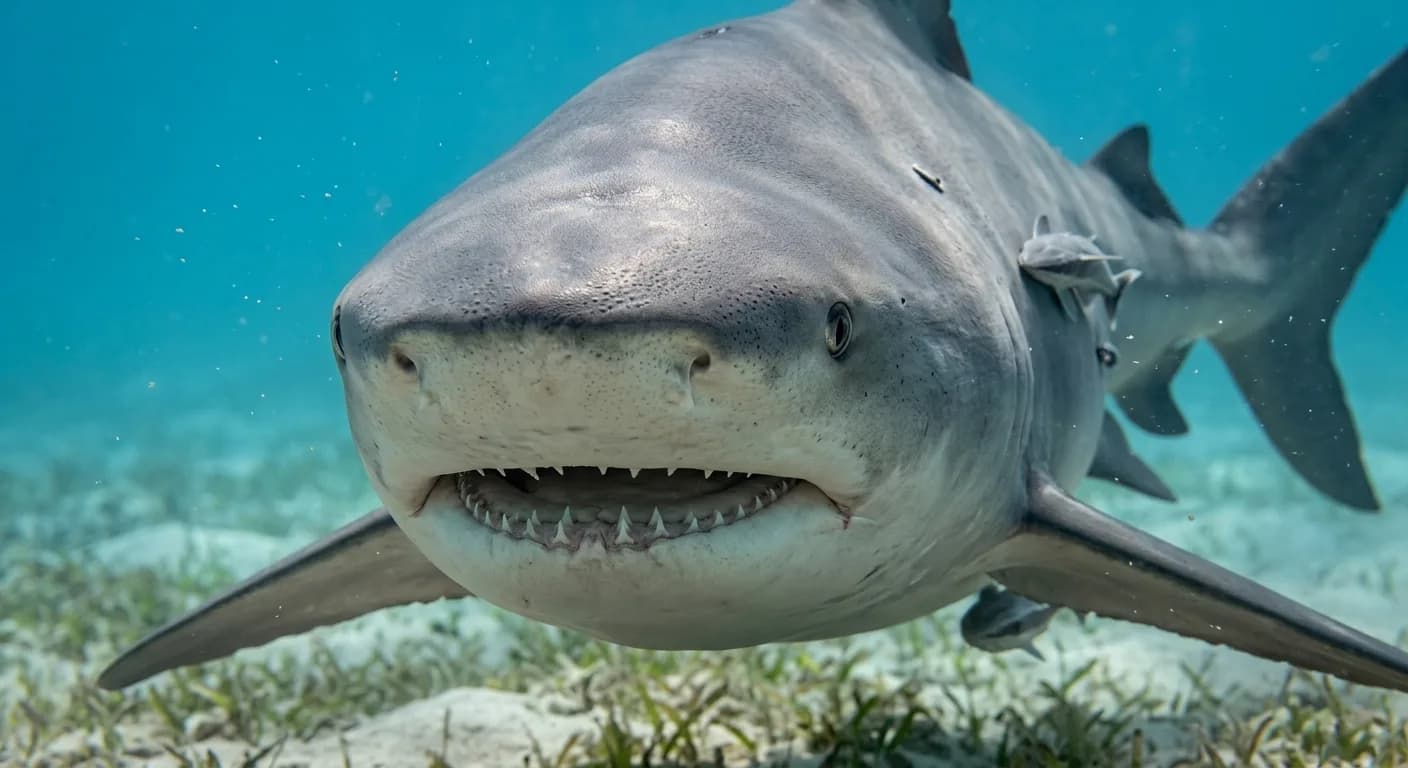 Near Threatened
Bull Shark
Carcharhinus leucas
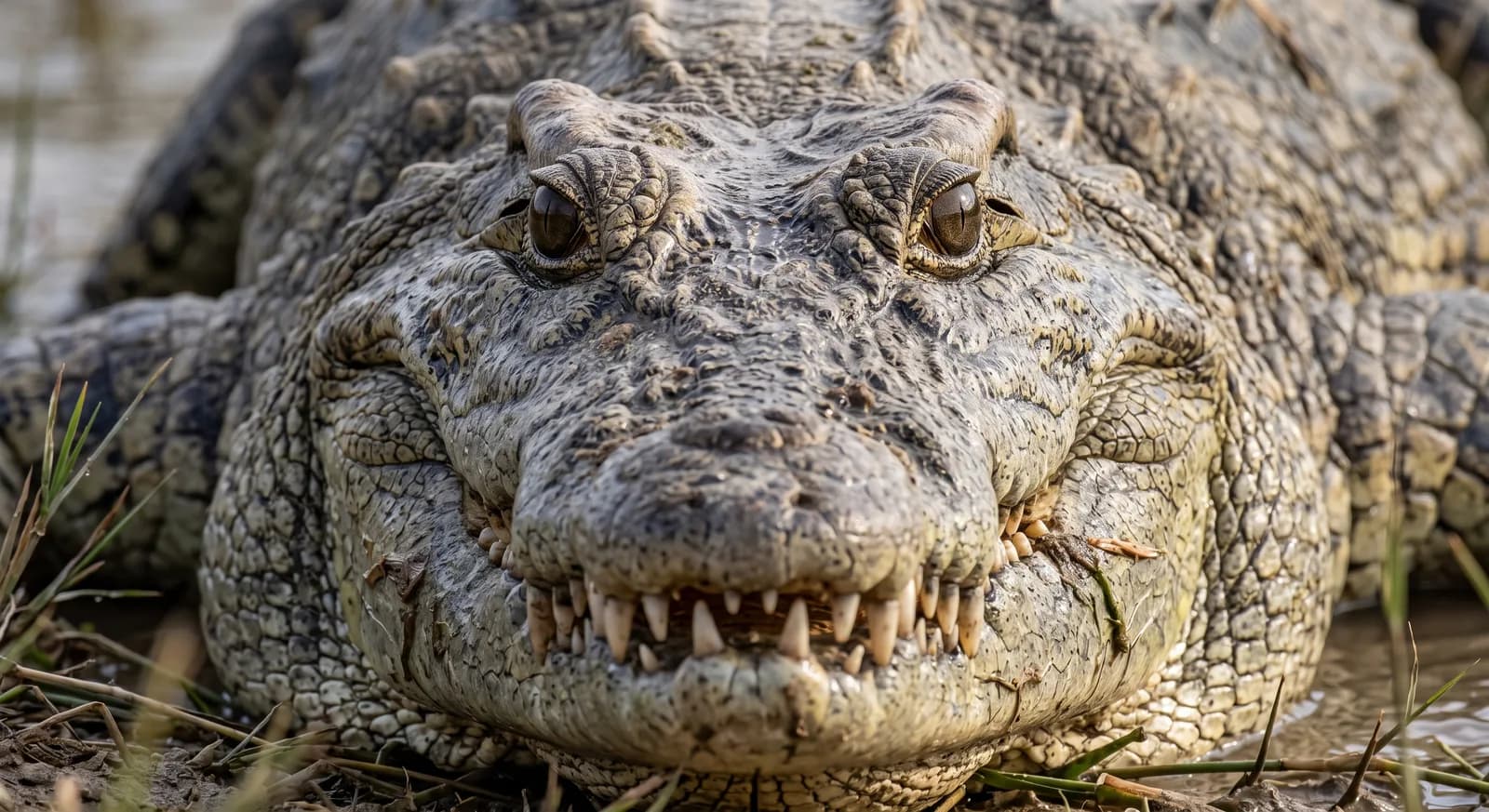 Least Concern
Nile Crocodile
Crocodylus niloticus
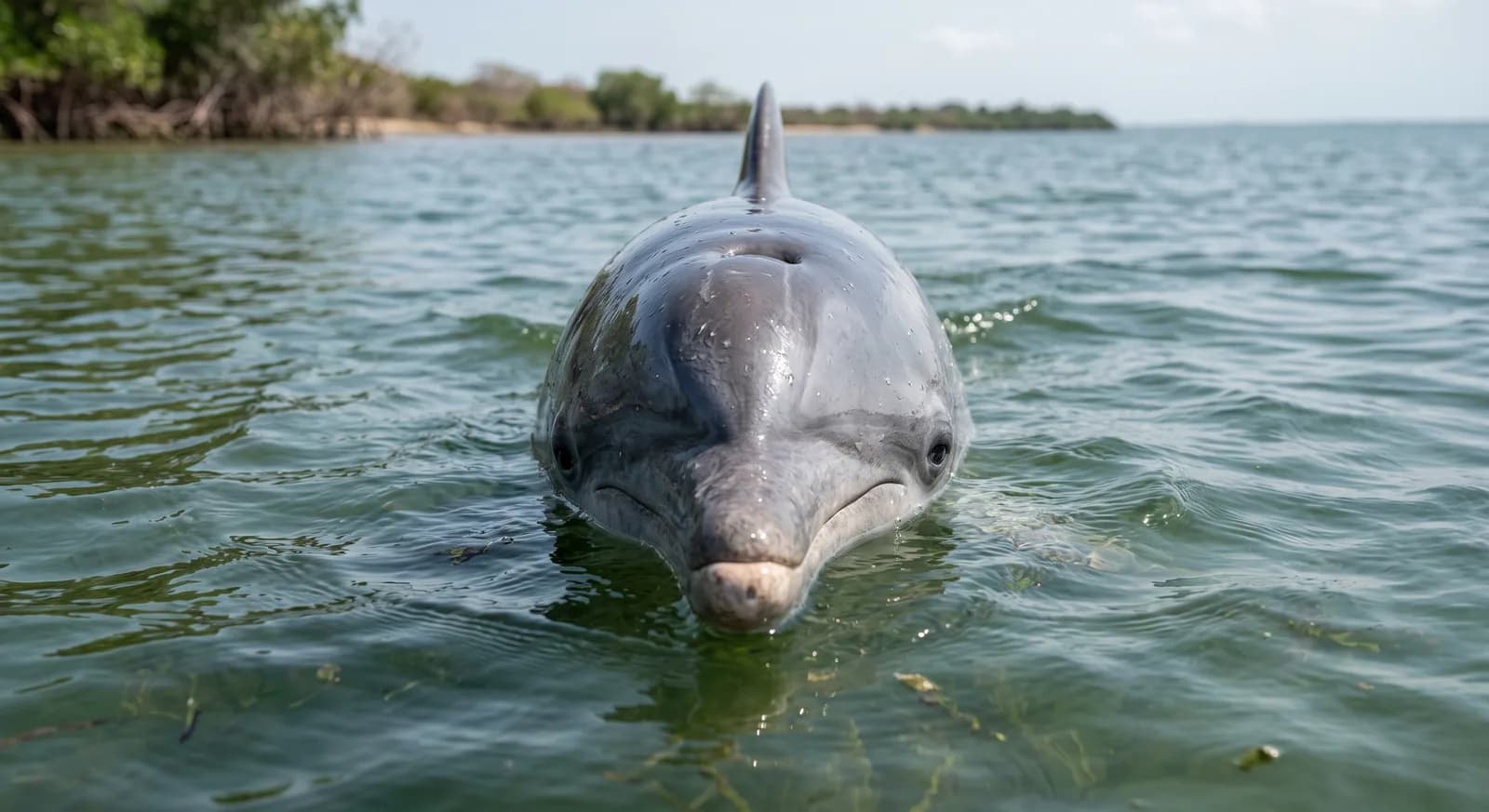 Critically Endangered
Atlantic Humpback Dolphin
Sousa teuszii
How to help
The african manatee is classified as vulnerable. Organizations such as UICN, WWF y Wildlife Conservation Society work specifically on its conservation and that of its habitat; looking into their programs is a good starting point if you want to get involved.
It's documented in 6 real protected areas — part of why protecting these places matters for its conservation.
Keep exploring
Based on what we already know about african manatee.
Comments
Share an experience, a fun fact or a tip for seeing the african manatee.
Be the first to comment.