One of the 26 sharks on WAnimals
Cartilaginous fish · Carcharhiniformes · Carcharhinidae
Lemon Shark
Negaprion brevirostris
It faces a high risk of extinction in the wild over the medium term. See full glossary
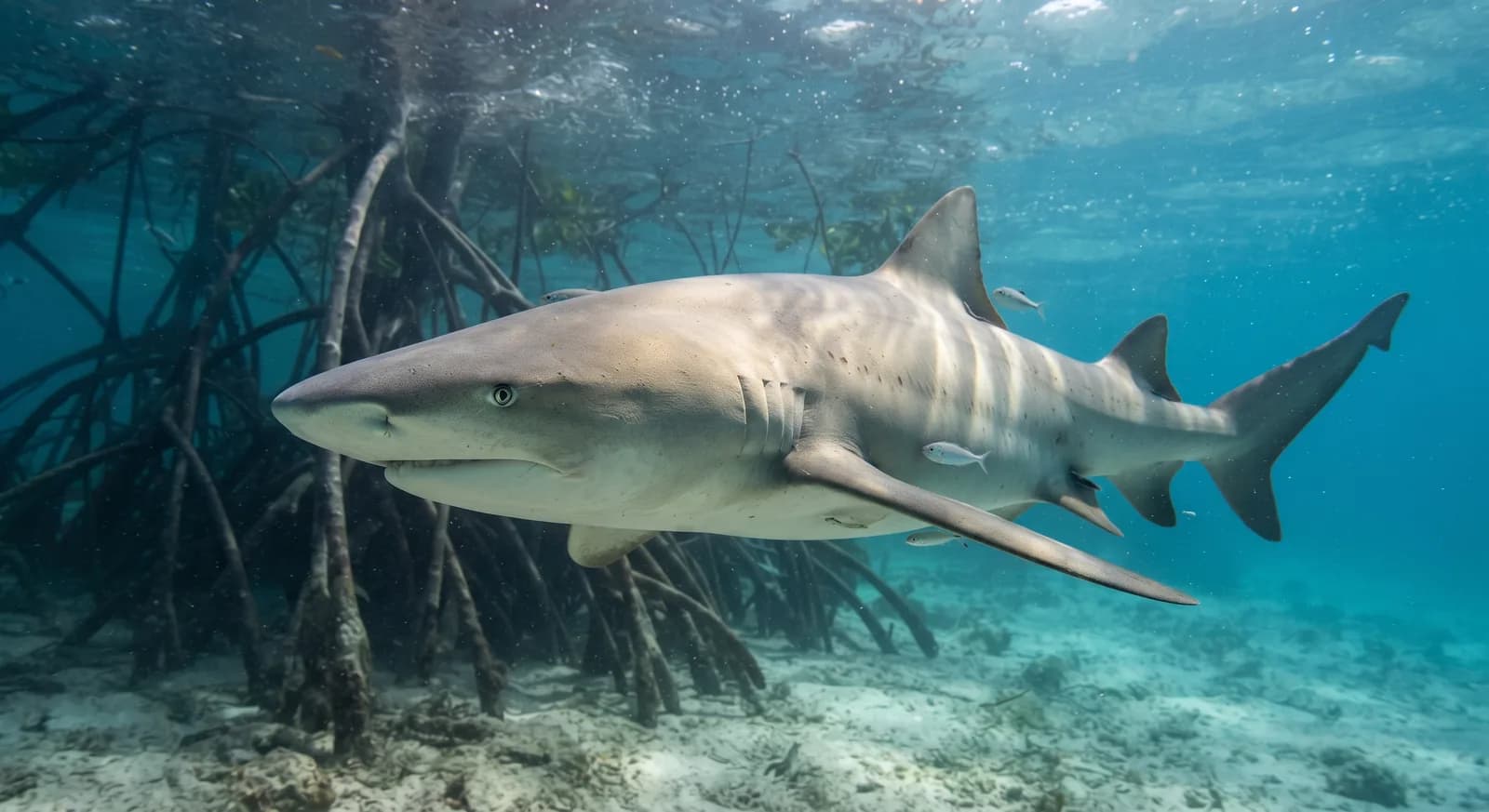
The lemon shark — known in Spanish as tiburón galano or tiburón limón — is a shark belonging to the family Carcharhinidae that can grow to 3 m. It is called the lemon shark because at certain depths the interaction of light with sea water can give it a tanned, yellowish appearance, like the skin of a lemon. It is easy to tell apart from other shark species because its two dorsal fins are almost the same size.
Weight
101 kg on average
Size
up to 3.4 m
Lifespan
27 years
Diet
Carnivore
Feeds mainly on other animals.
Activity
Nocturnal
Active mainly at night.
Social structure
Colony
Lives in large concentrations, often for breeding reasons.
Sighting difficulty
Moderate
Fun facts
- GeneralIts pups grow up sheltered among mangrove roots for years.
- It is one of the few large sharks that lives in groups, and that social life brings it real advantages: better communication, courtship, hunting and protection.
- Females are faithful to their breeding grounds: they return to give birth in the same mangrove nursery where they were born, and the pups spend their first years there.
- Females are polyandrous: a single litter can have several fathers.
- It hunts mostly at night and locates its prey with the electroreceptors of its snout, the ampullae of Lorenzini.
- It owes its name to its yellowish skin, which camouflages it over the sandy bottoms of the Caribbean.
Life cycle & biology
- Skeleton type
- Vertebrate - cartilaginous skeleton (chondrichthyan fish)
- Habitat & environment
- Mangroves, coastal lagoons and shallow reefs
- Sexual maturity
- 12.7 years
- Gestation / incubation
- From 10 to 12 months, with a biennial breeding cycle
- Litter / clutch size
- 7.4 (average)
Sources consulted: https://es.wikipedia.org/wiki/Negaprion_brevirostris
Where to find it
See its range on the interactive mapWhere to watch it
Parques y spots de buceo donde se ha documentado esta especie — se muestran 20 de 54 documentados.
Related species
Other species in the catalogue with the most in common with Lemon Shark — same habitat, park, country, tags or family.
 Vulnerable
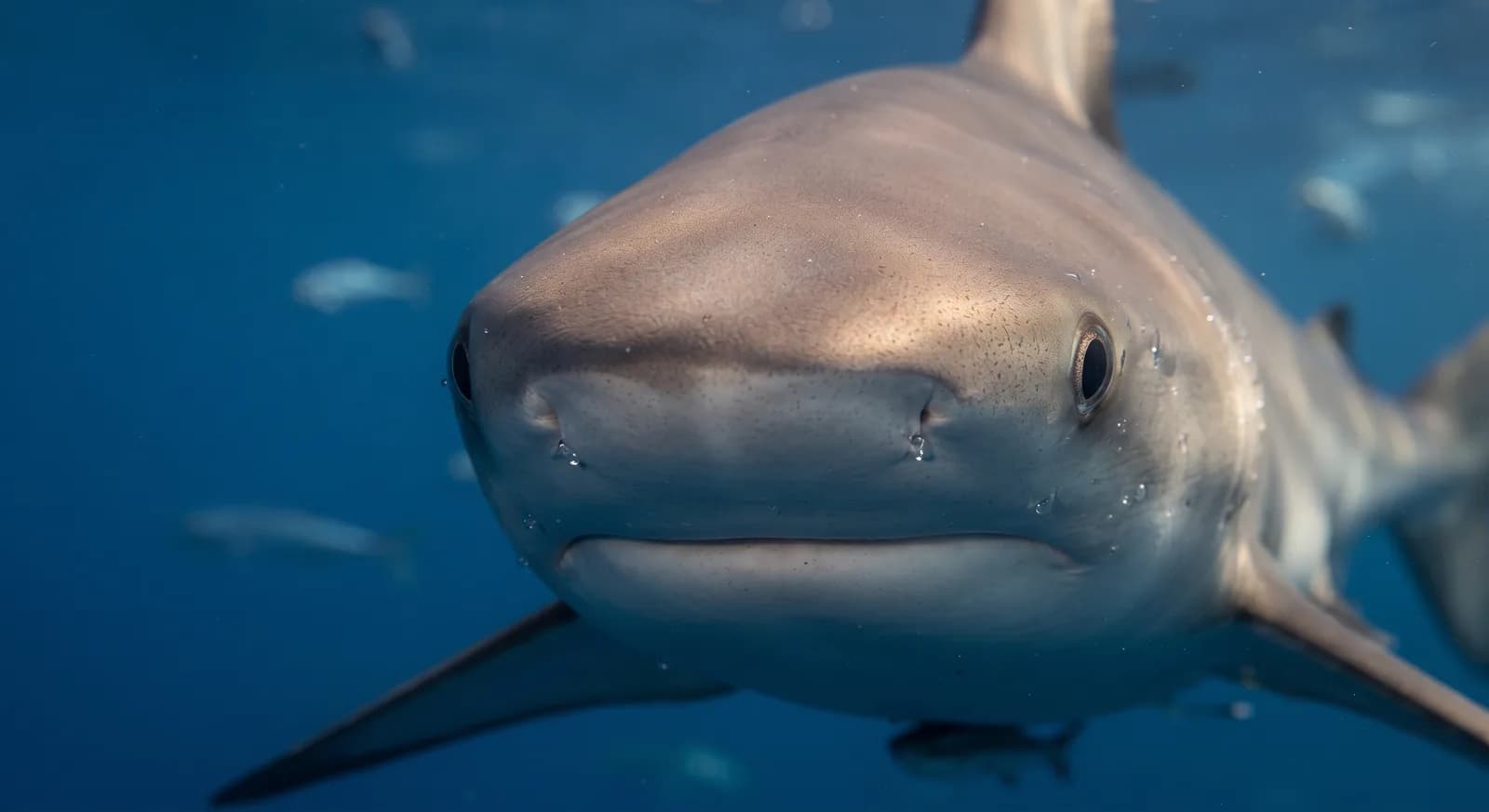
Silky Shark
Carcharhinus falciformis
 Endangered
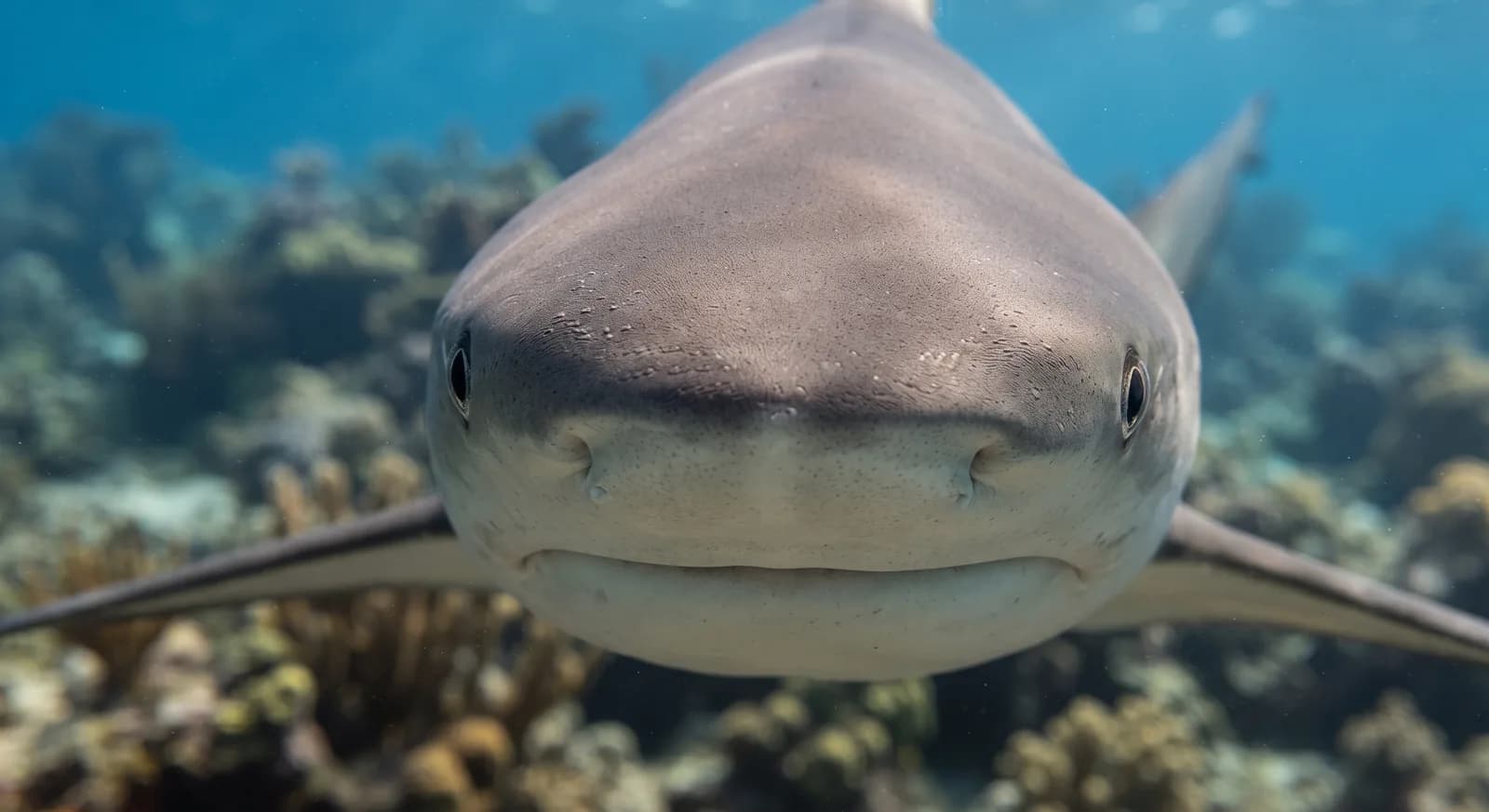
Caribbean Reef Shark
Carcharhinus perezi
 Near Threatened
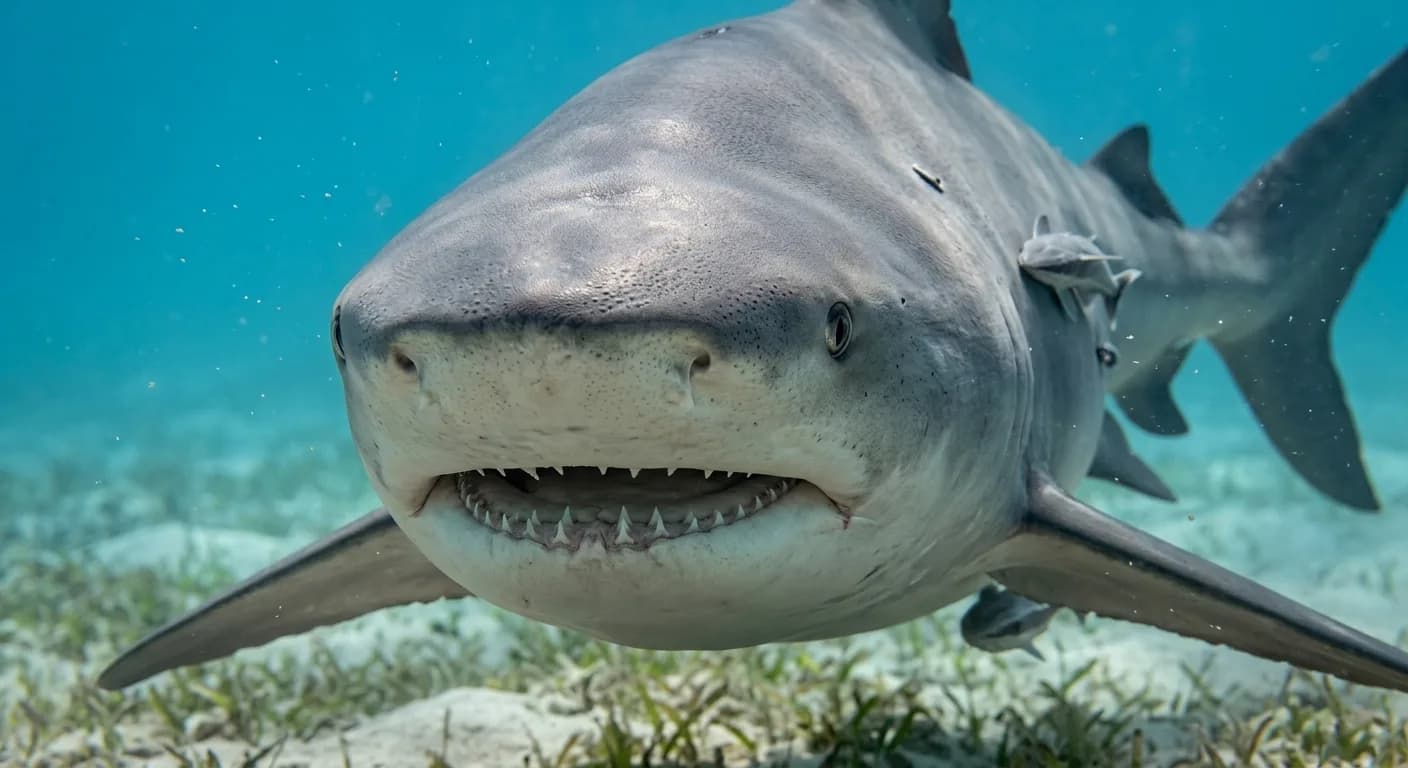
Bull Shark
Carcharhinus leucas
 Least Concern
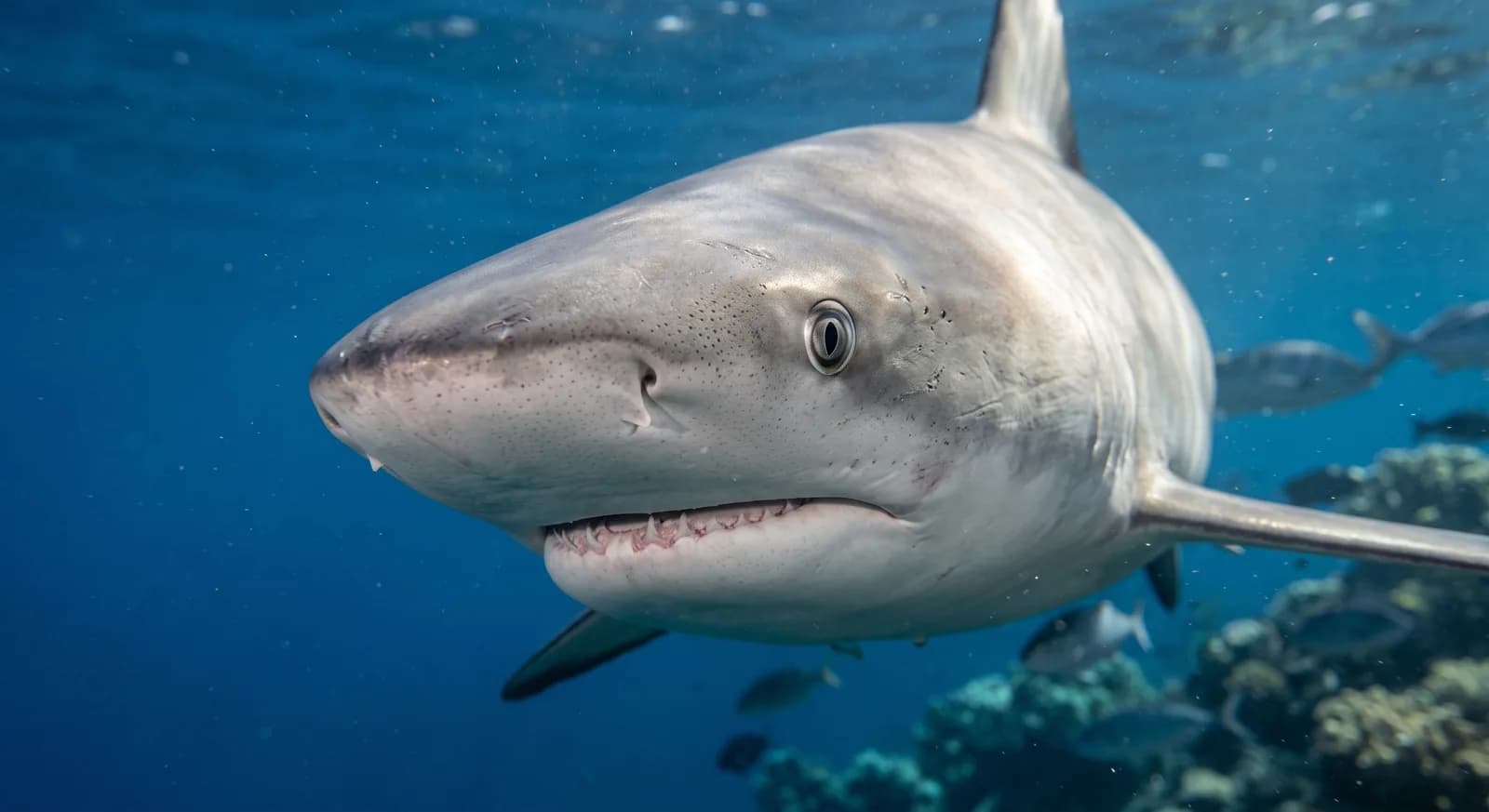
Galapagos Shark
Carcharhinus galapagensis
 Critically Endangered
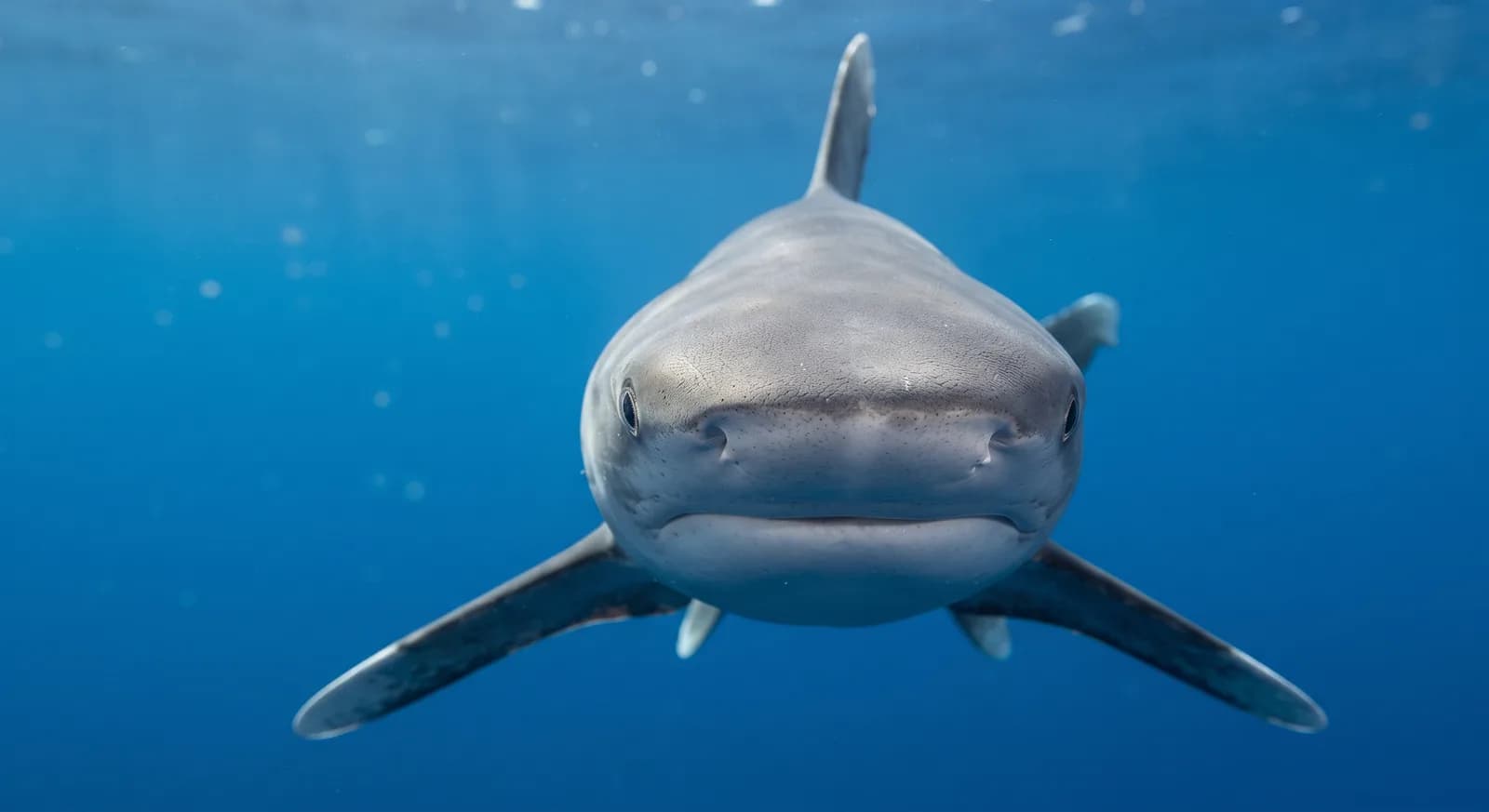
Oceanic Whitetip Shark
Carcharhinus longimanus
 Near Threatened
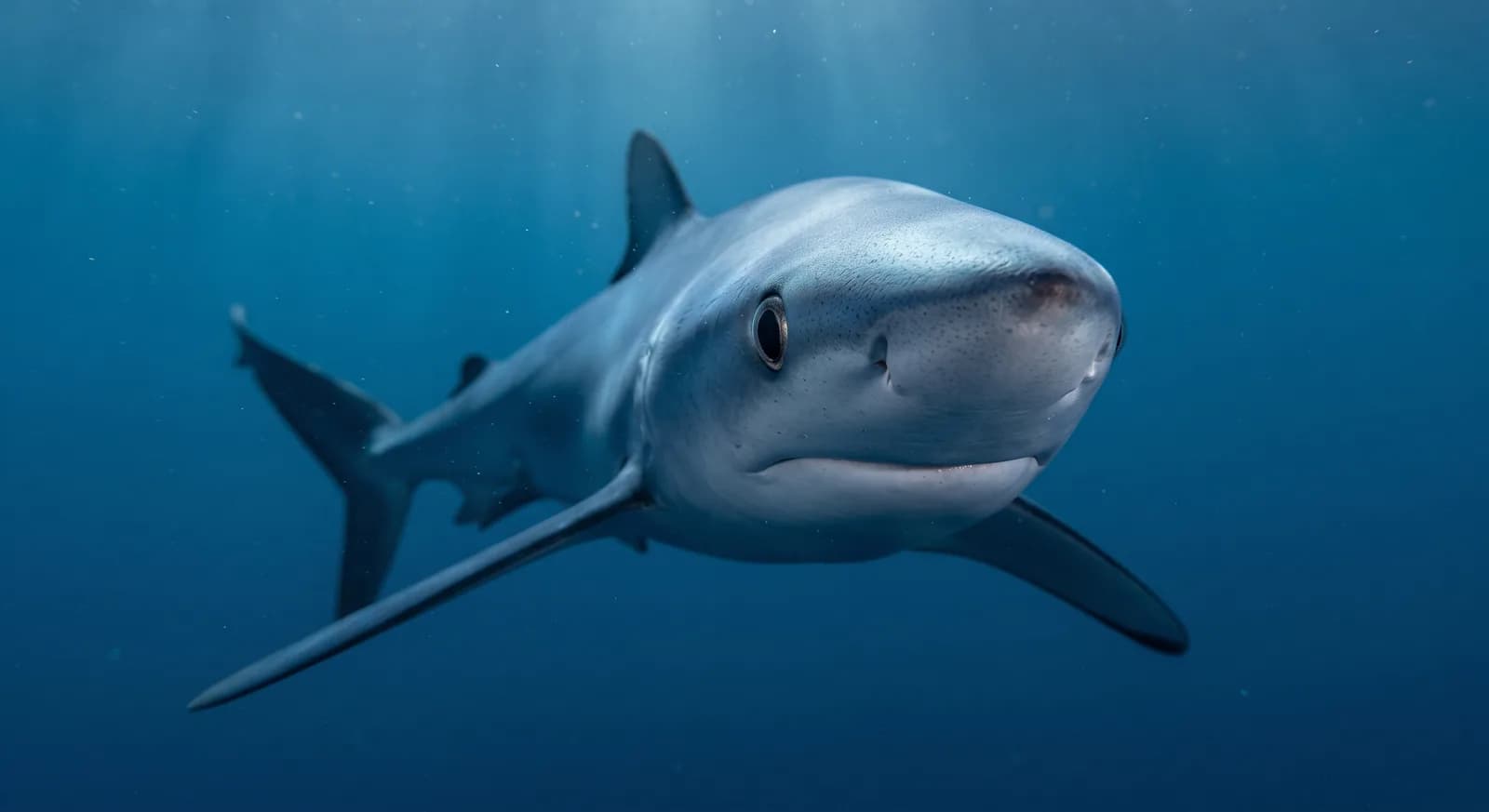
Blue Shark
Prionace glauca
How to help
The lemon shark is classified as vulnerable. Organizations such as UICN, WWF y Wildlife Conservation Society work specifically on its conservation and that of its habitat; looking into their programs is a good starting point if you want to get involved.
It's documented in 13 real protected areas — part of why protecting these places matters for its conservation.
Keep exploring
Based on what we already know about lemon shark.
Comments
Share an experience, a fun fact or a tip for seeing the lemon shark.
Be the first to comment.