Cabo Verde
África
Cape Verde is an Atlantic volcanic archipelago of ten main islands lying some six hundred kilometres off the African coast, with an arid climate tempered by the trade winds. Its landscape runs from the sandy desert of Boa Vista and Sal to the green, precipitous valleys of Santo Antão and Santiago, and culminates in the active volcano of Fogo, which rises above two thousand eight hundred metres. That oceanic isolation has produced a cast of exclusive species, above all seabirds, reptiles and plants adapted to drought. The waters around the archipelago, deep and warm, are a breeding ground for humpback whales and a passage for cetaceans and turtles, and its sandy beaches receive one of the largest concentrations of loggerhead turtle nesting in the world.
The nature of Cabo Verde
National animal: No official national animal; the loggerhead turtle is the archipelago's emblematic species
Did you know?
The Raso lark lives only on an uninhabited islet of seven square kilometres, one of the smallest territories occupied by any bird on the planet. Its population swings sharply with the rhythm of the rains, so that it can collapse to a few dozen individuals in dry years and multiply tenfold after a good winter, which keeps it permanently on the brink of disappearing.
Biodiversity profile
Climate
- •Arido y semiarido (BWh/BSh), tropical seco con estacion humeda breve (agosto-noviembre) y larga estacion seca
Main biomes
- •Bosque seco insular volcanico (Macaronesia, afin a las Islas Canarias)
- •Vegetacion de duna costera y desierto insular en islas mas bajas (Sal, Boa Vista)
- •Isla volcánica oceánica
- •Desierto arenoso insular
- •Playa de puesta de tortugas
- •Acantilado marino
- •Valle húmedo de altitud
- •Mar profundo atlántico
- •Islote deshabitado
Marine and coastal ecosystems
- •Hotspot global de biodiversidad marina, con mas de 20 especies de cetaceos y 60 de tiburones y rayas
- •Playas de anidacion de importancia mundial para la tortuga boba (todas las 5 especies amenazadas de tortuga marina forrajean en sus aguas)
Flagship wildlife
- •Alondra de Raso (En Peligro Critico, endemica)
- •Pardela de Cabo Verde (endemica)
- •Geco gigante de pared (endemico)
- •Tortuga boba (anidacion masiva)
- •Ballena jorobada
- •Petrel de Cabo Verde
- •Delfín moteado del Atlántico
- •Rabijunco etéreo
- •Halcón de Eleonora
- •Tiburón limón
- •Cangrejo terrestre
Notable endemic species
- •Mas de 90 especies vegetales endemicas, incluyendo la palmera datilera de Cabo Verde, el arbol de hierro y el drago de Cabo Verde
- •13 taxones de aves endemicas (5 especies y 8 subespecies) de aprox. 290 registradas
- •Escinco gigante de Cabo Verde y geco gigante de pared, endemicos de las islas de Raso y Branco
- •Alondra de Raso
- •Petrel de Cabo Verde
- •Pardela de Cabo Verde
- •Curruca de Cabo Verde
- •Geco gigante de Cabo Verde
Notable threatened species
- •Alondra de Raso (En Peligro Critico, poblacion extremadamente restringida a la isla de Raso)
- •Escinco gigante de Cabo Verde (posiblemente extinto)
- •Casi un tercio de las plantas endemicas del archipielago catalogadas En Peligro Critico
Notable protected areas
- •Islas de Raso y Branco (refugio de especies endemicas extremadamente restringidas: alondra de Raso, escinco y geco gigantes)
- •Parque Natural de Fogo
- •Reserva Natural de Boa Vista
- •Islote de Raso
- •Parque Natural de Cova-Paúl-Ribeira da Torre
- •Reserva de Santa Luzia
- •Playa de Ervatão
Main conservation threats
- •Especies invasoras introducidas (principal amenaza historica para aves y reptiles endemicos de islas bajas)
- •Sobrepastoreo y sequias prolongadas recurrentes
- •Erosion costera y contaminacion marina
Notable natural phenomena
- •Cabo Verde es reconocido como hotspot marino global pese a su reducido tamaño terrestre, con corredor migratorio clave para aves y megafauna marina
Conservation
Boa Vista concentrates a very high share of Atlantic loggerhead nesting and its protection has drastically reduced the killing of females on the beach. The eradication of cats and rats on the islets is key for the endemic seabirds.
Where and when to watch wildlife
Boa Vista and Sal between June and October for loggerhead turtle nesting. The waters of Boa Vista and Sal between March and May for humpback whales. The islets of Santa Luzia and Raso for endemic seabirds.
Sources: One Earth - Cape Verde Islands Dry Forests | Fauna & Flora - Cabo Verde | Grokipedia - Wildlife of Cape Verde | Project Biodiversity - Wildlife Guide Cabo Verde
Parks and reserves
Diving and snorkelling
Boa Vista
One of the largest loggerhead turtle nesting areas in the Atlantic, with protected beaches and volcanic reefs.
View dive siteWreck/Volcanic reefCape Verde (Sal Island)
Volcanic Atlantic islands with wrecks and one of the few bull shark areas in the eastern Atlantic.
View dive siteVolcanic reef/WreckSal Rei (Boa Vista)
The capital of Boa Vista island, with access to wrecks and volcanic reefs in central Atlantic waters.
View dive sitePaíses similares
¿A dónde más podría interesarme viajar?
Misma región: África Occidental
Misma región: África Occidental
Misma región: África Occidental
Misma región: África Occidental
Especies documentadas en Cabo Verde
131 species found
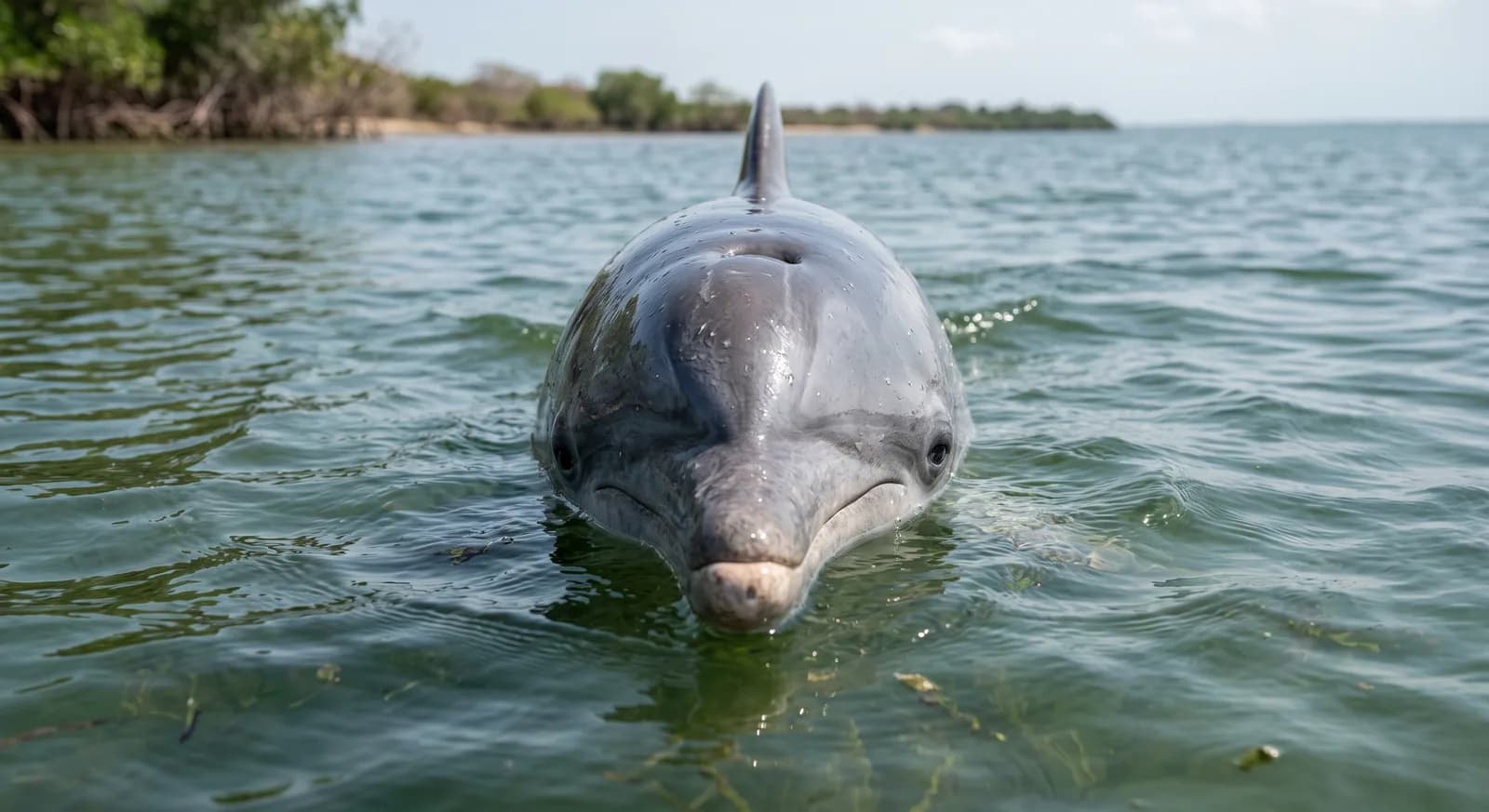 Critically Endangered
Atlantic Humpback Dolphin
Sousa teuszii
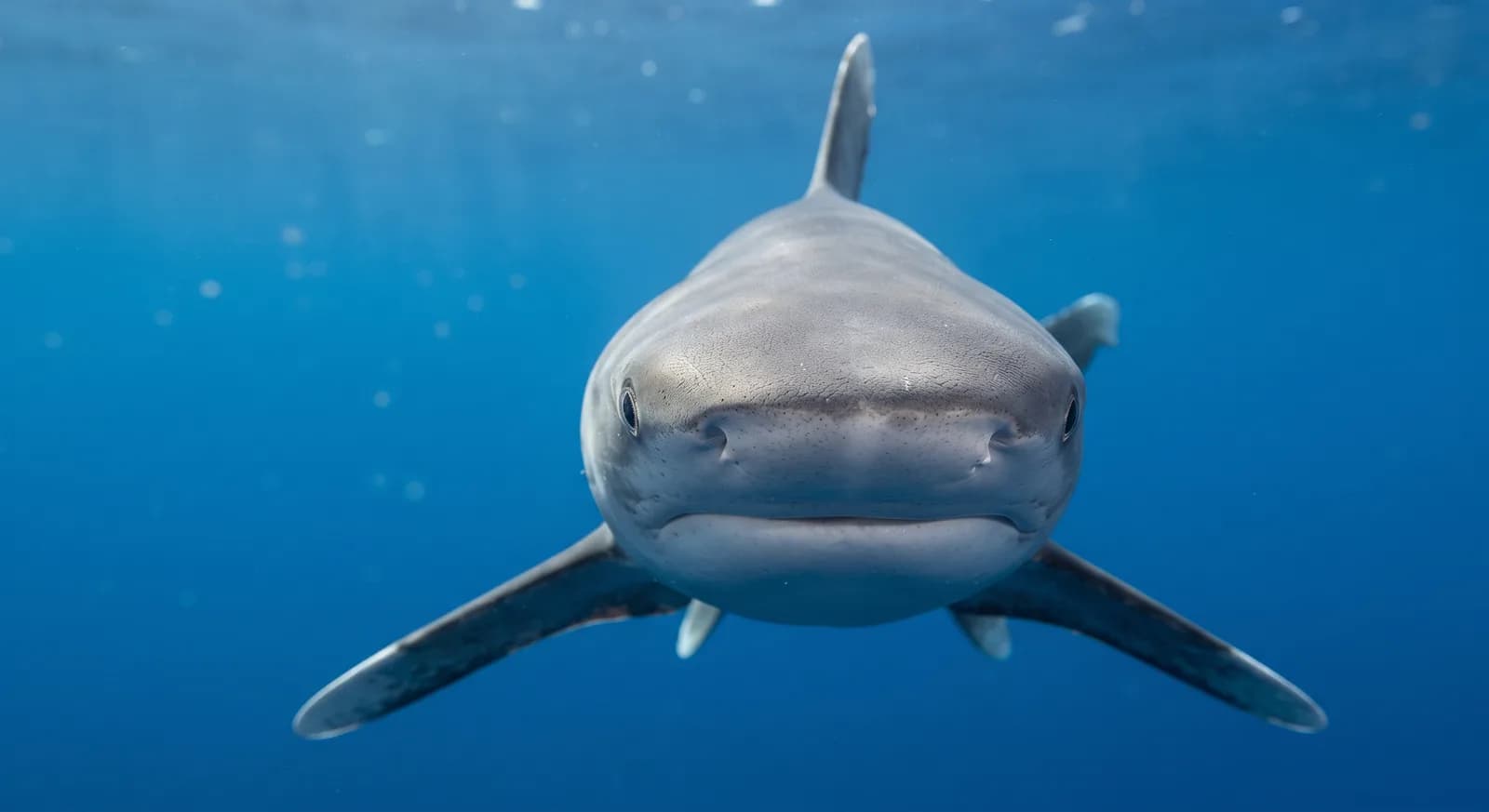 Critically Endangered
Oceanic Whitetip Shark
Carcharhinus longimanus
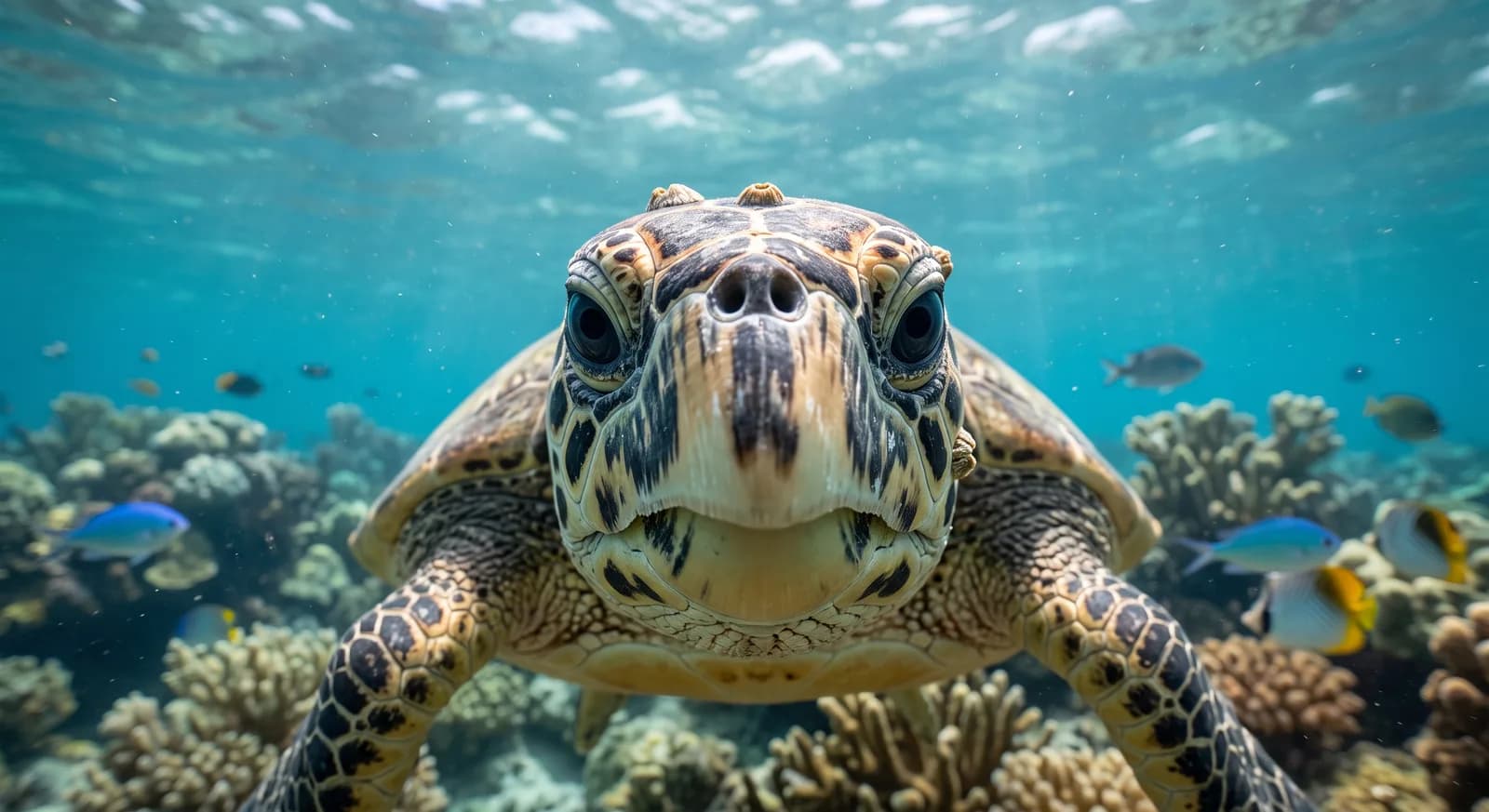 Critically Endangered
Hawksbill Turtle
Eretmochelys imbricata
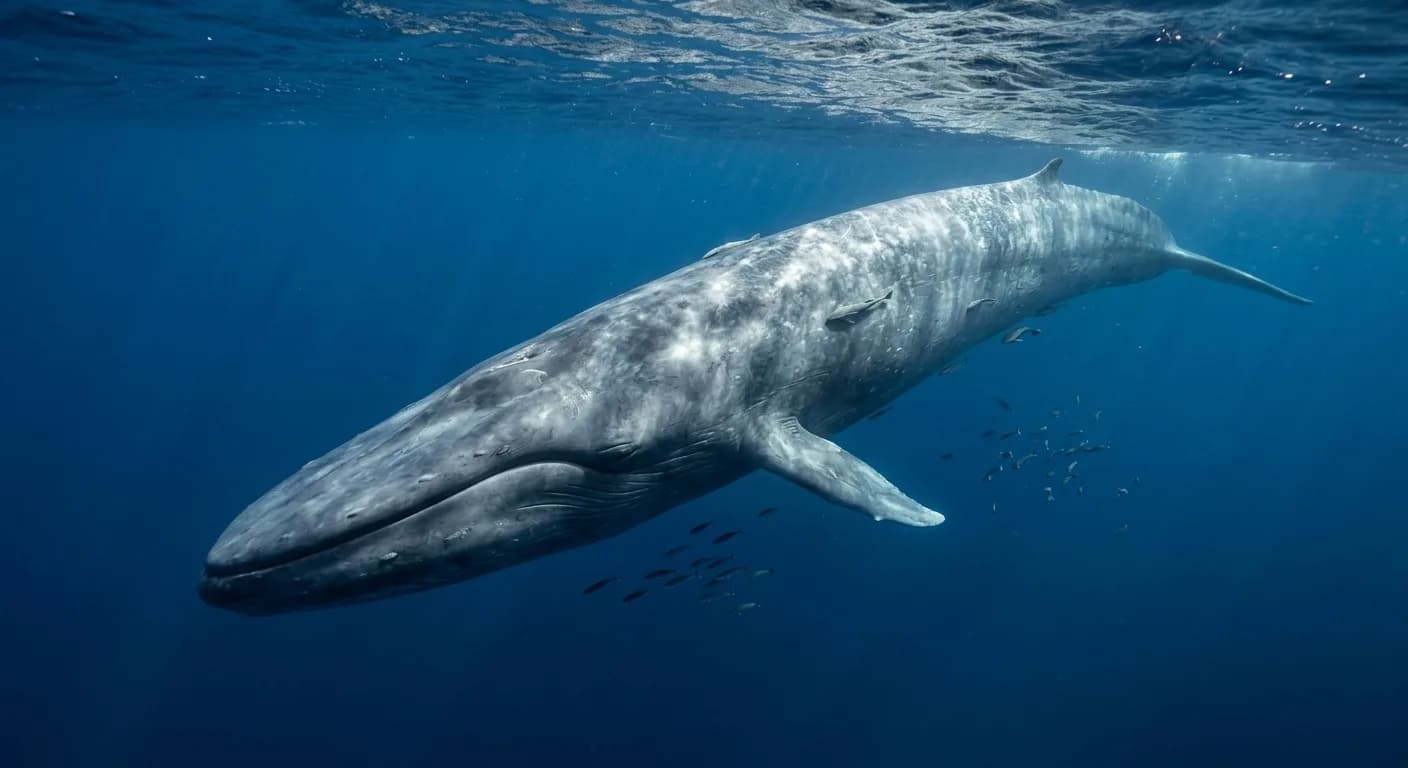 Endangered
Blue Whale
Balaenoptera musculus
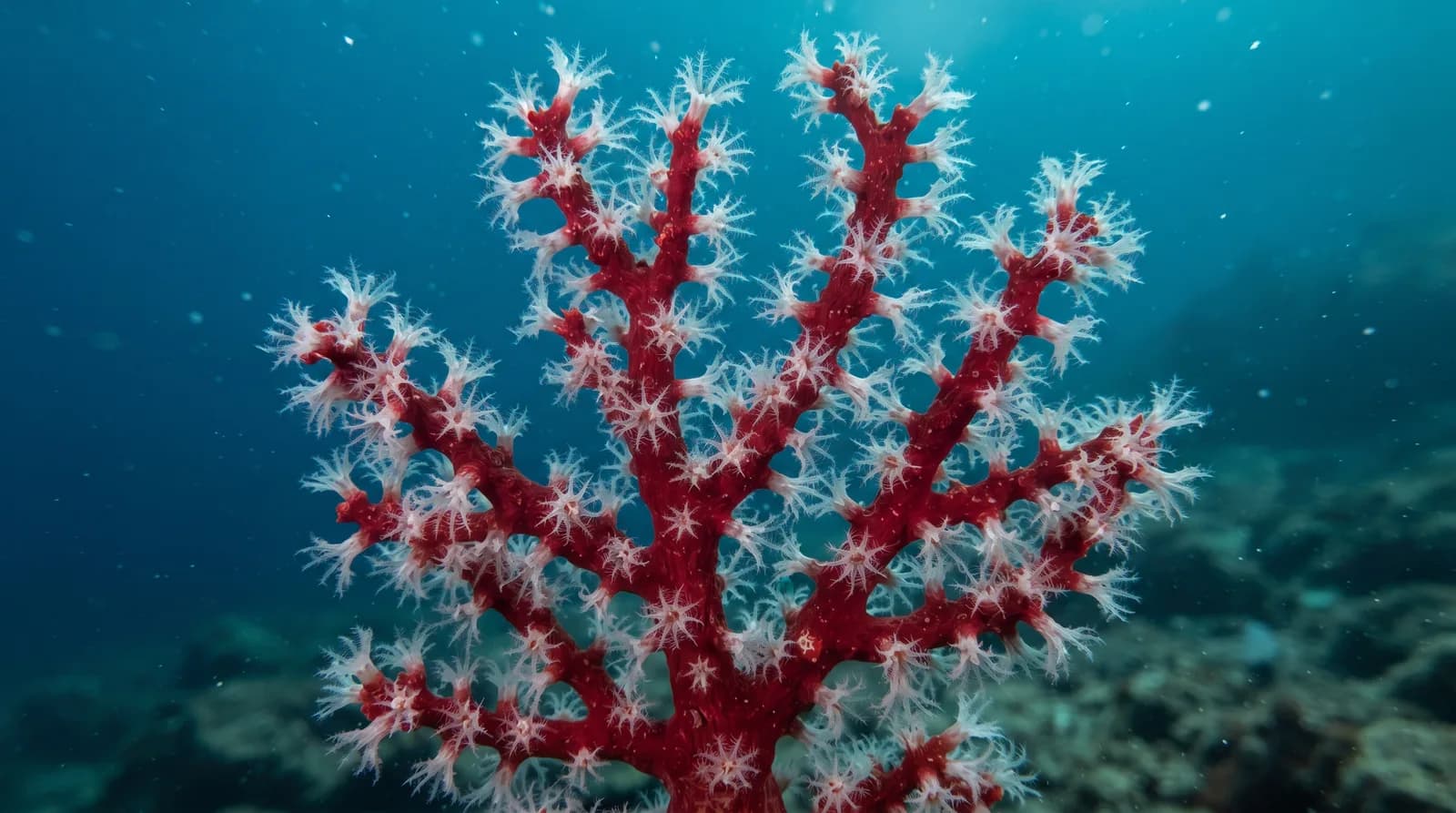 Endangered
Red Coral
Corallium rubrum
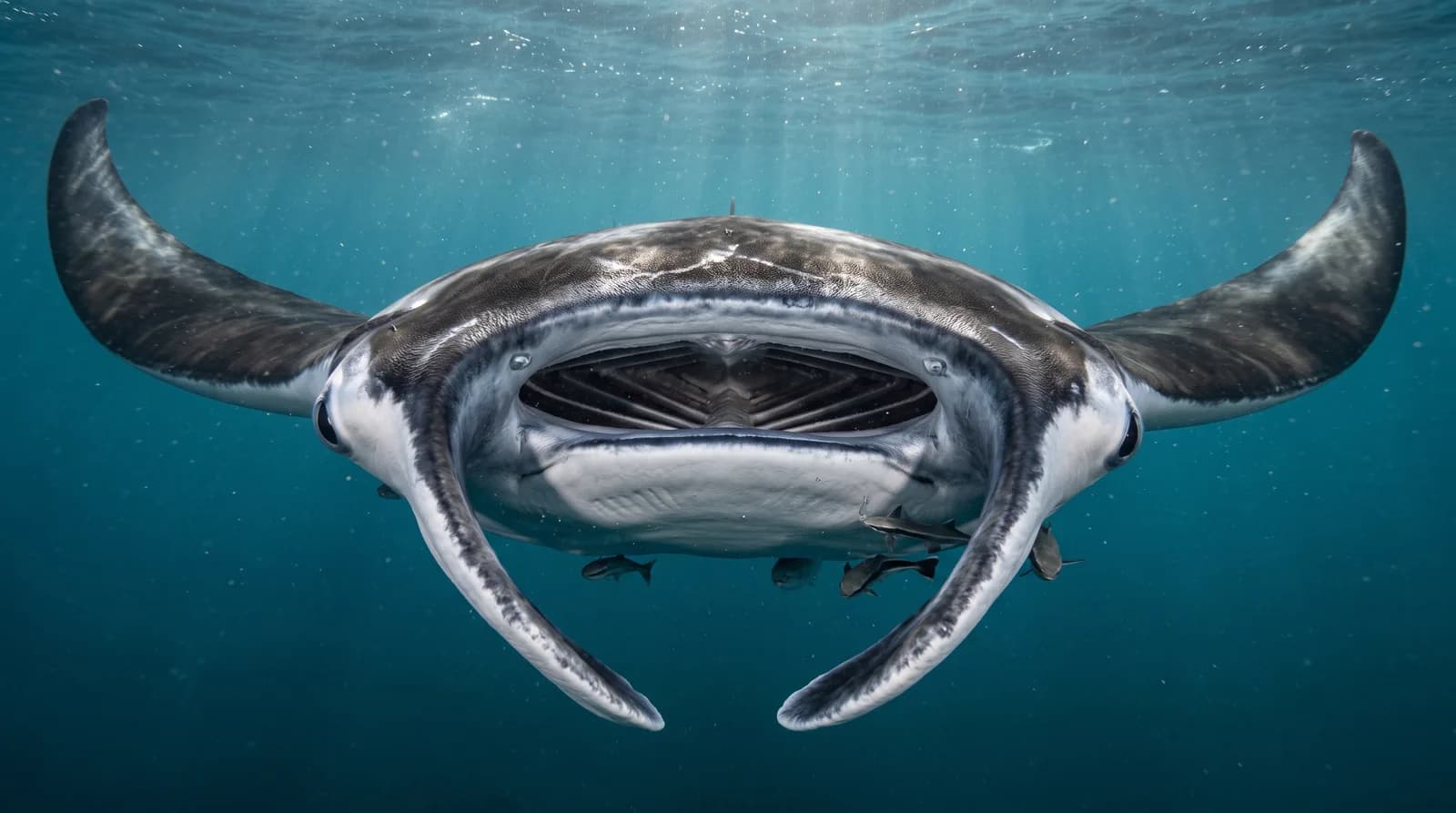 Endangered
Giant Manta
Mobula birostris
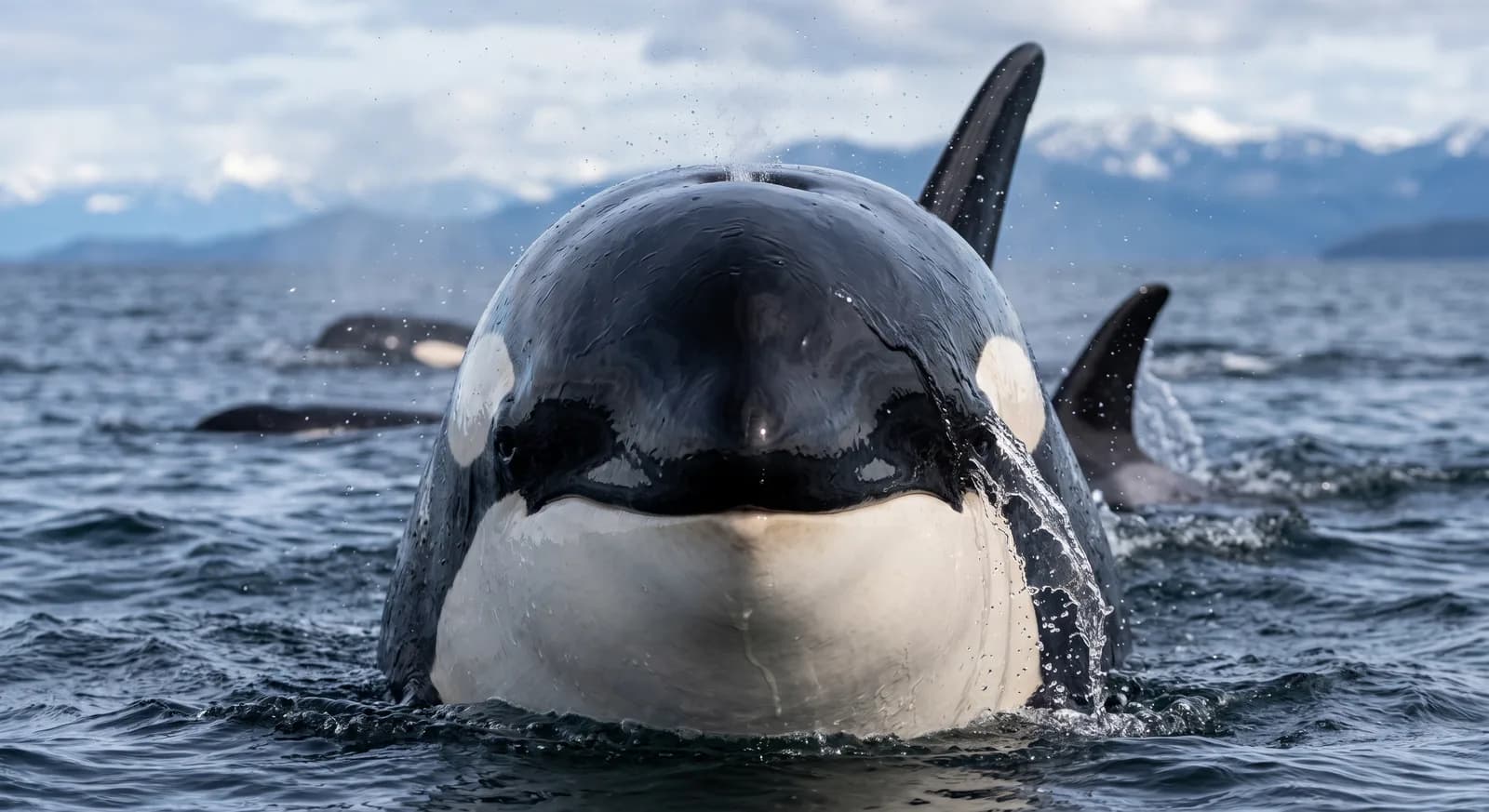 Endangered
Killer Whale
Orcinus orca
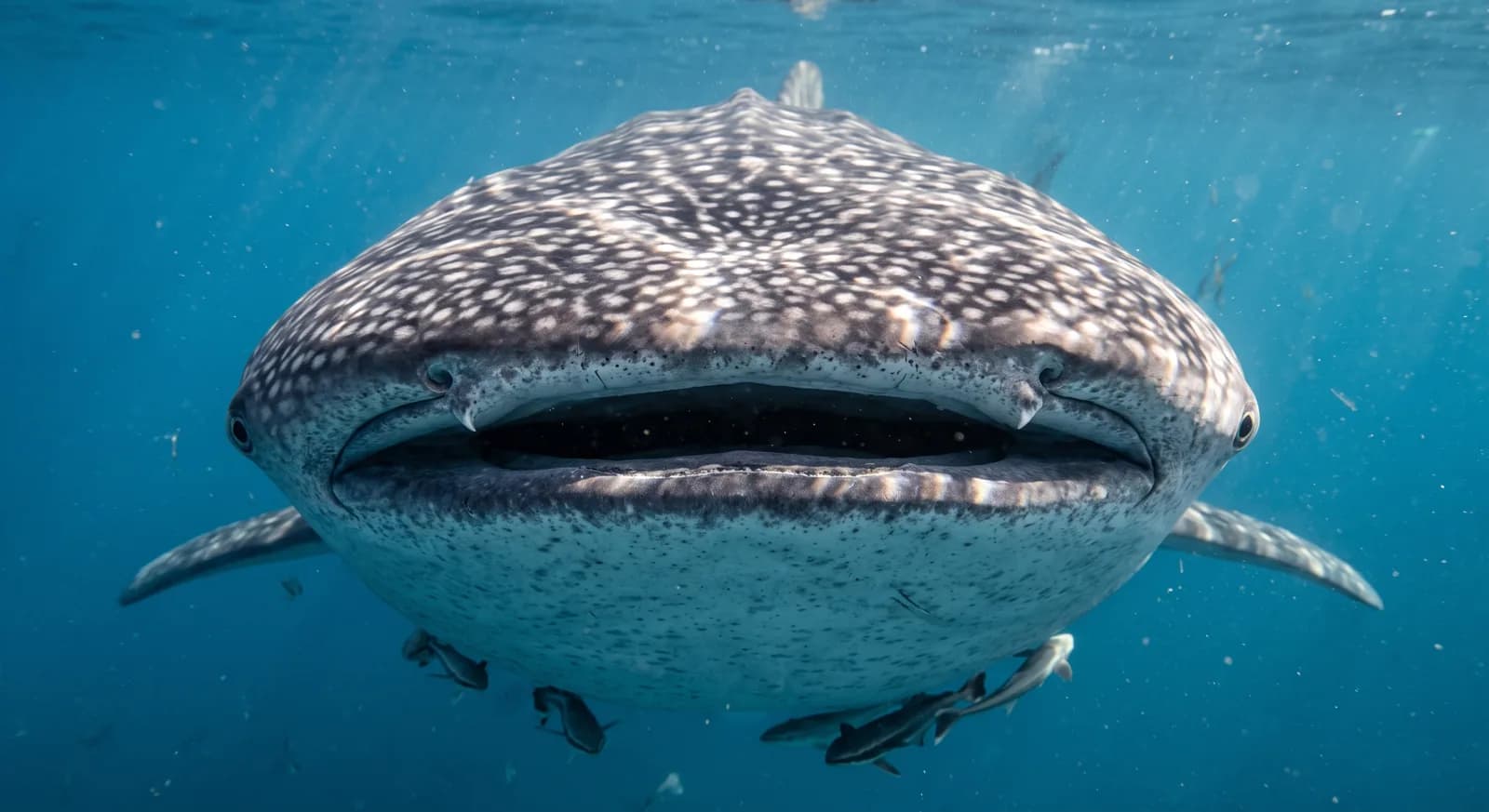 Endangered
Whale Shark
Rhincodon typus
 Endangered
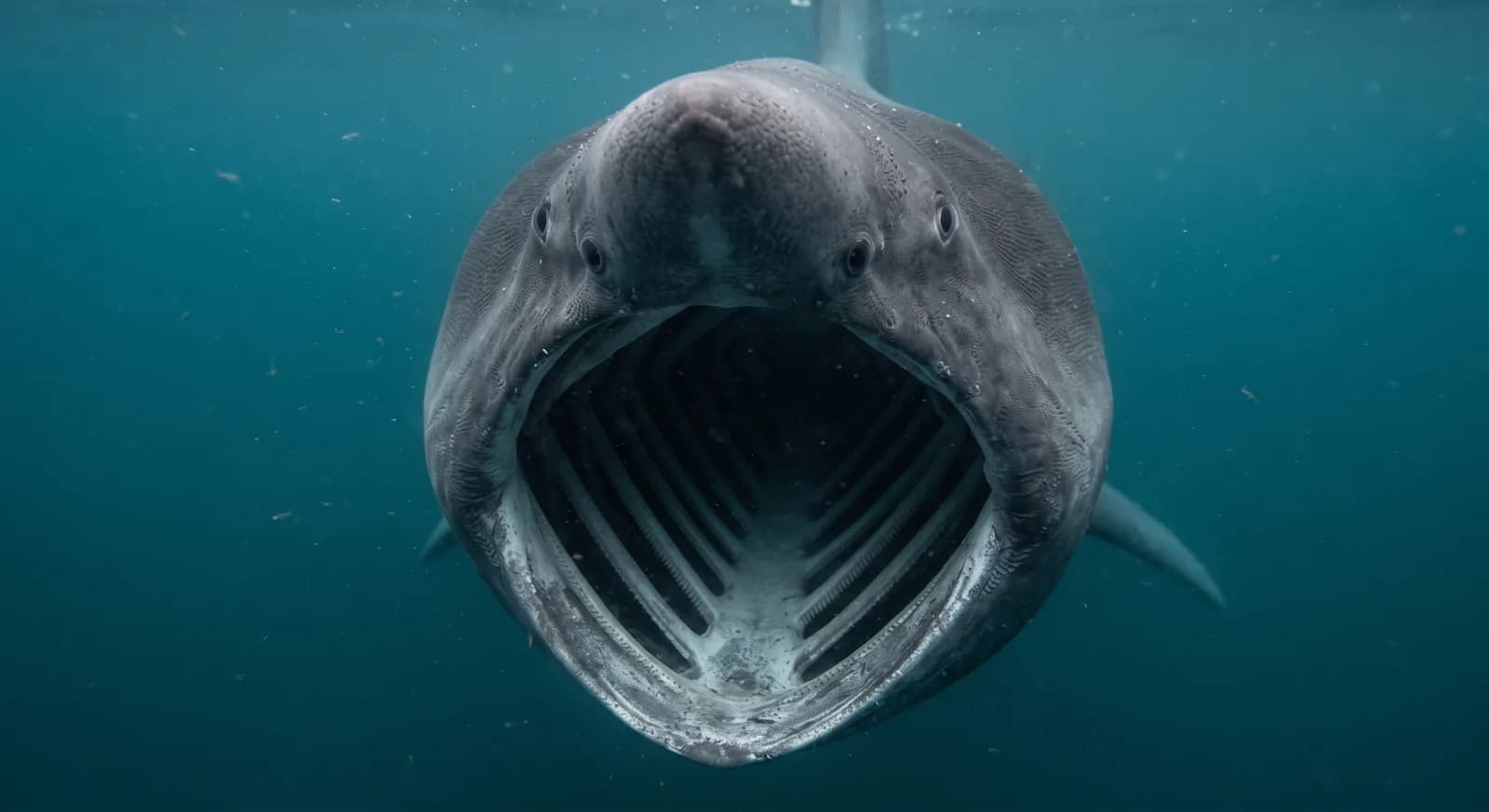
Basking Shark
Cetorhinus maximus
 Endangered
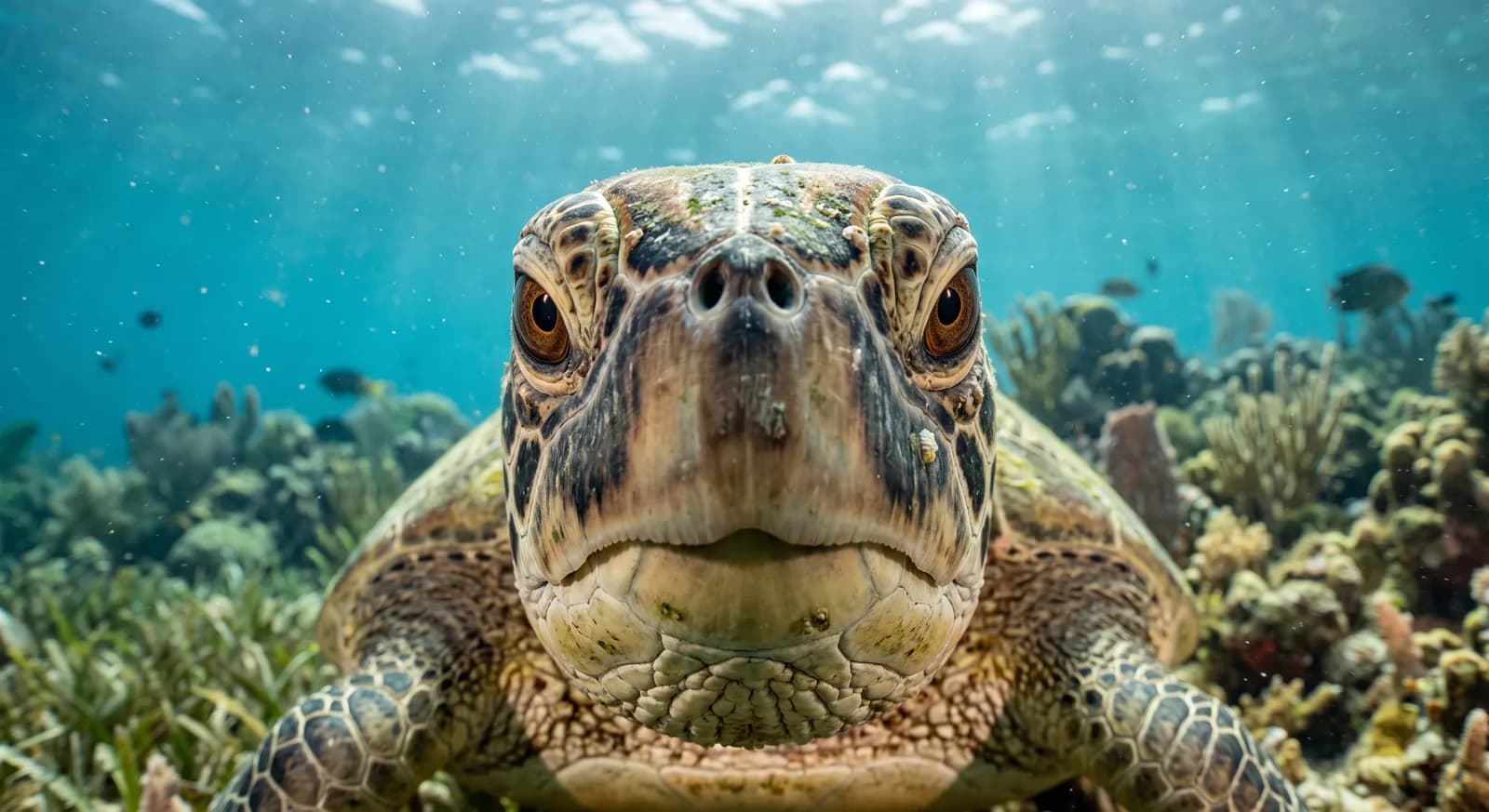
Green Turtle
Chelonia mydas
 Vulnerable
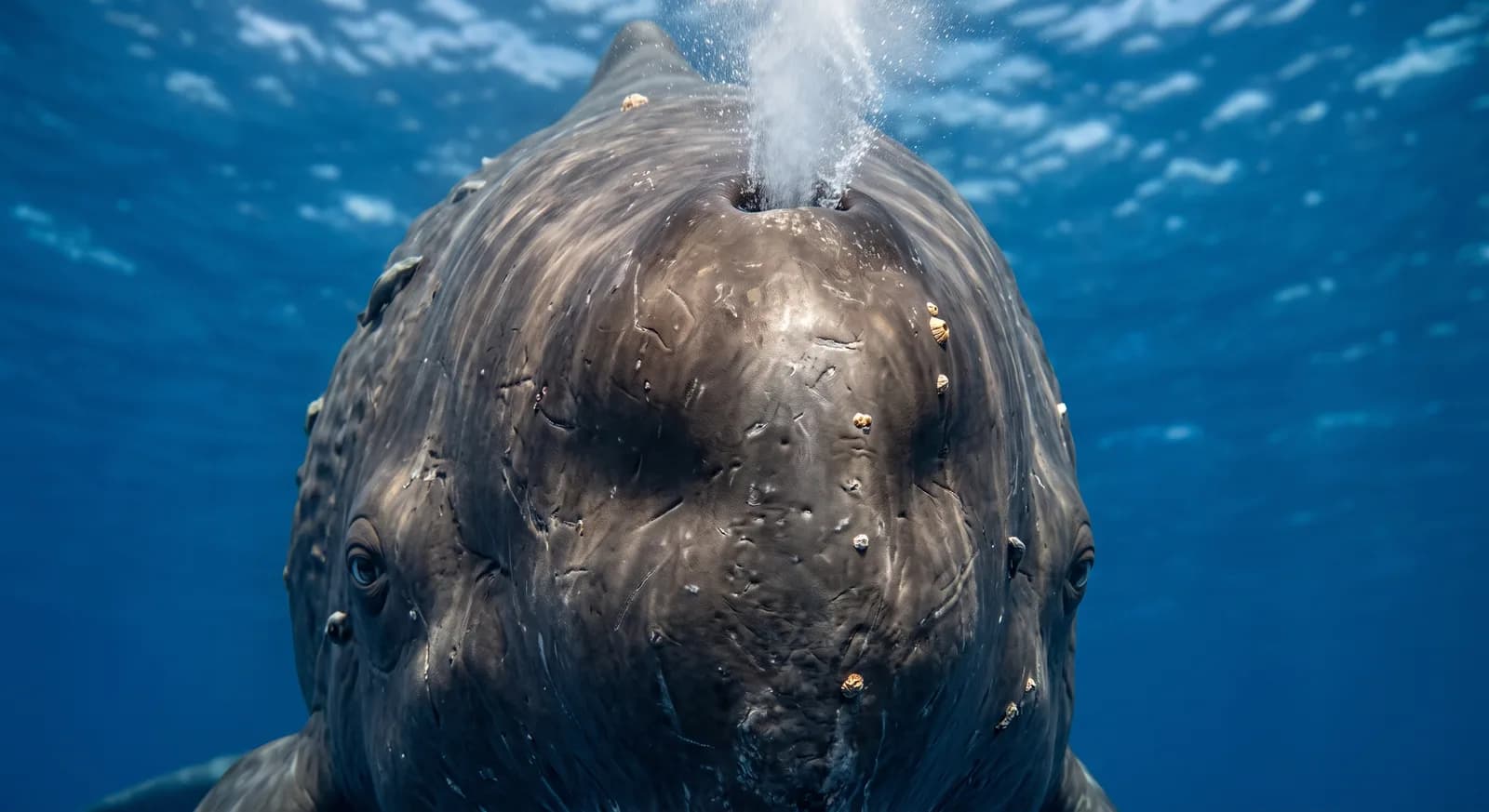
Sperm Whale
Physeter macrocephalus
 Vulnerable
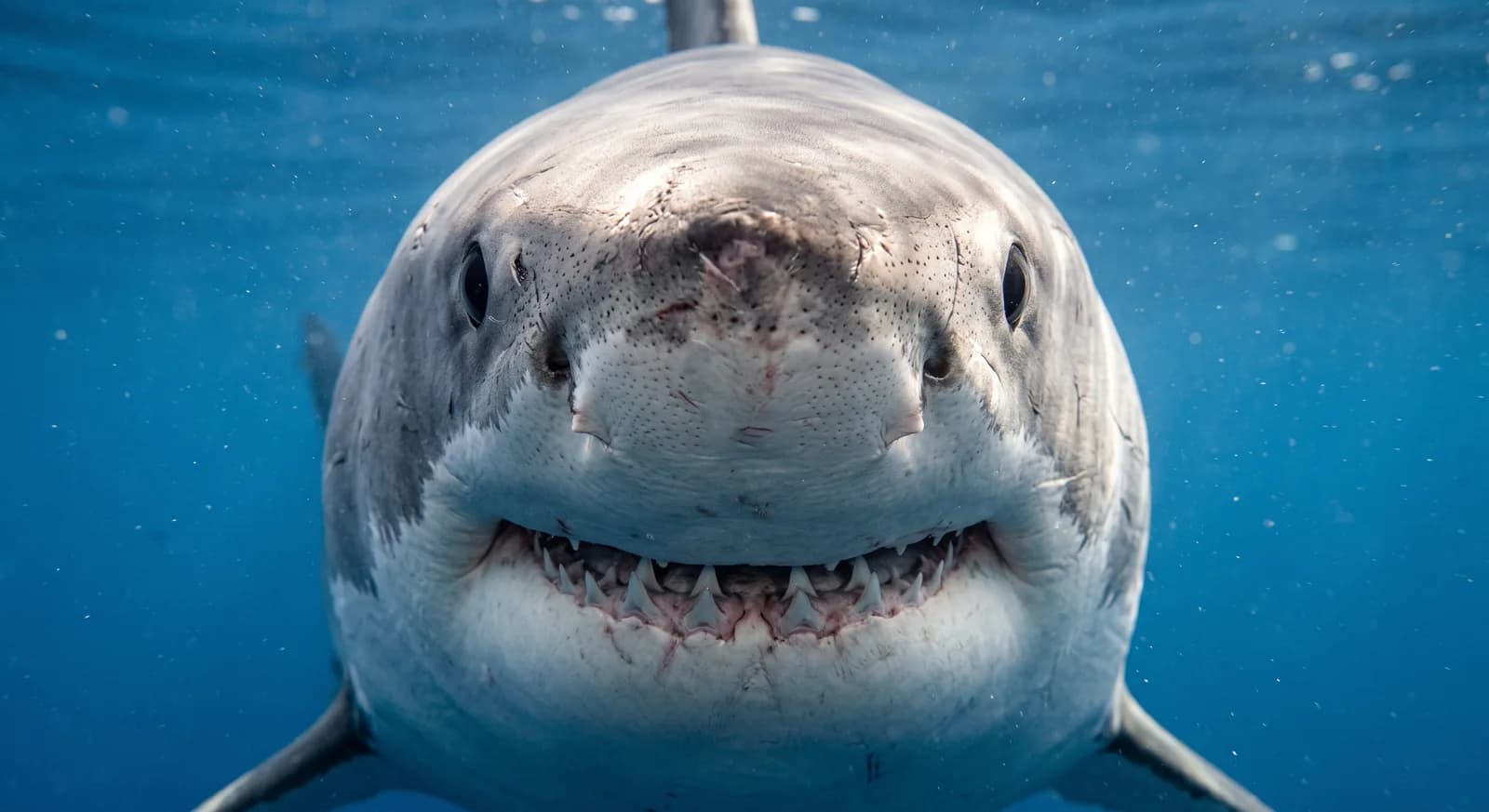
Great White Shark
Carcharodon carcharias
Keep exploring
Based on what we already know about Cabo Verde.