One of the 9 corals on WAnimals
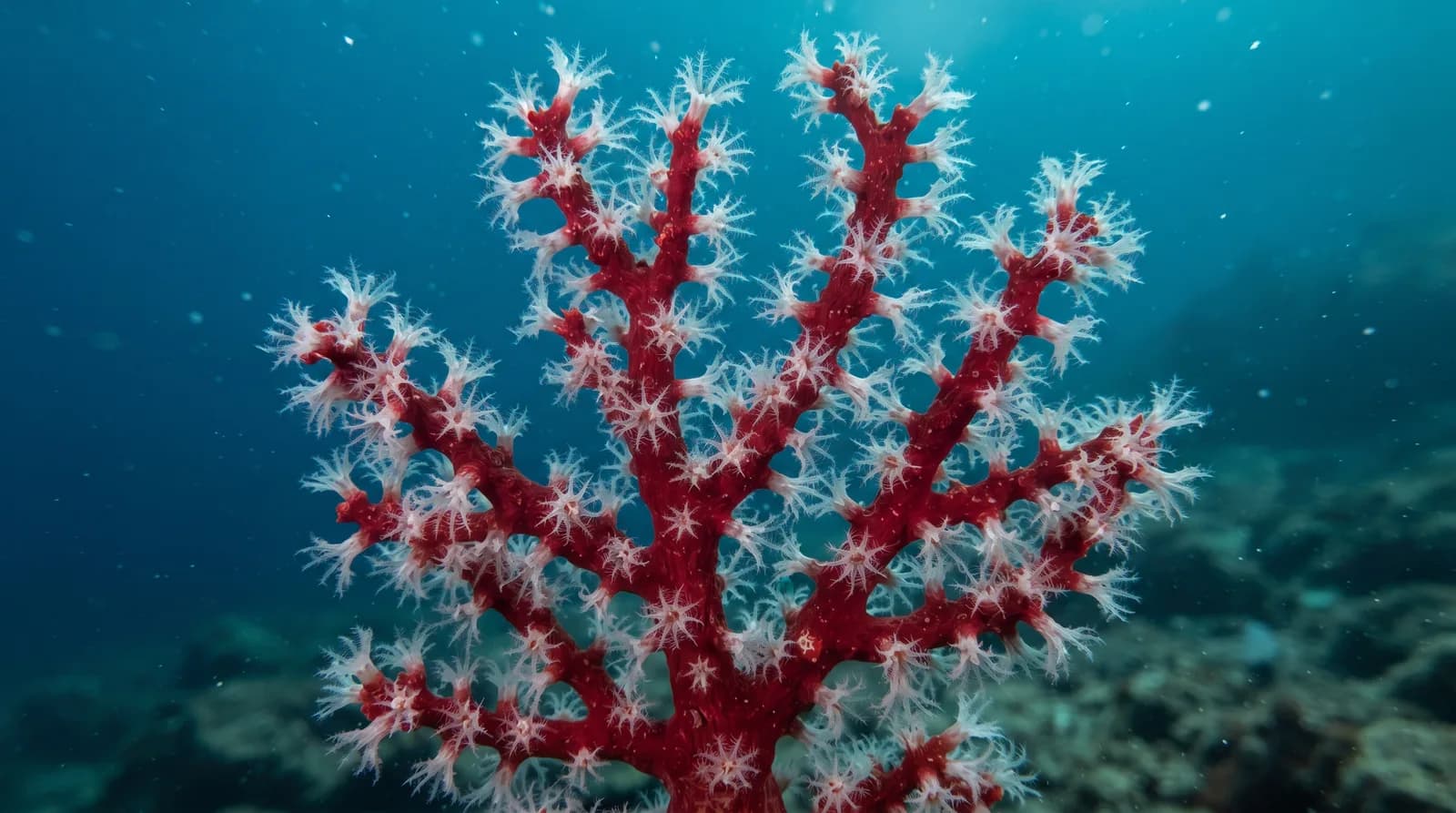
Anthozoans · Alcyonacea · Coralliidae
Red Coral
Corallium rubrum
It faces a very high risk of extinction in the wild in the near future. See full glossary
Size
up to 50 cm
Lifespan
100 years
Diet
Carnivore
Feeds mainly on other animals.
Social structure
Colony
Lives in large concentrations, often for breeding reasons.
Sighting difficulty
Hard
Fun facts
- GeneralIts red skeleton has been used in jewellery since antiquity; it grows less than 1 mm a year.
- biologíaIt grows only a few millimetres a year, so a colony of moderate size may be several decades or even centuries old.
- Its deep red skeleton makes it unique among octocorals: as well as the calcified sclerites they all have, it produces a fully calcified internal axis, and that is the red coral of the jewellery trade.
- It grows astonishingly slowly, at around 0.23 millimetres a year, and can live for more than a century. That combination makes it especially vulnerable to harvesting.
- It has been harvested since antiquity. The fishery peaked in the nineteenth century, when a heavy wooden cross hung with nets — the St Andrew's cross — was dragged along the bottom to entangle and tear off the colonies.
- No intact shallow-water population is known today. The discovery in 2010 of an unexplored cave in Corsica with a hundred times more biomass than anywhere else forced a rethink of what its natural state had been: before exploitation it lived at high densities and with many century-old colonies even in shallow water.
- In Portugal it was harvested between the thirteenth and eighteenth centuries until the fishery collapsed, and it went unrecorded for 300 years. It reappeared recently between 60 and 100 m, and poaching came with it: tens of kilos a day.
- It is listed in Annex V of the Habitats Directive and in the Barcelona and Bern conventions.
Life cycle & biology
- Habitat & environment
- Rocky bottoms and caves of the Mediterranean (30-200 m)
- Sexual maturity
- First breeding between 7 and 10 years old
Sources consulted: Linneo (1758); Lista Roja de la UICN (Otero et al., 2017); Boavida et al. (2016), PLOS ONE; Garrabou et al. (2017), Scientific Reports
Where to find it
See its range on the interactive mapWhere to watch it
Parques y spots de buceo donde se ha documentado esta especie — se muestran 20 de 88 documentados.
Related species
Other species in the catalogue with the most in common with Red Coral — same habitat, park, country, tags or family.
Shortfin Mako
Isurus oxyrinchus
Dusky Perch
Epinephelus marginatus
 Endangered
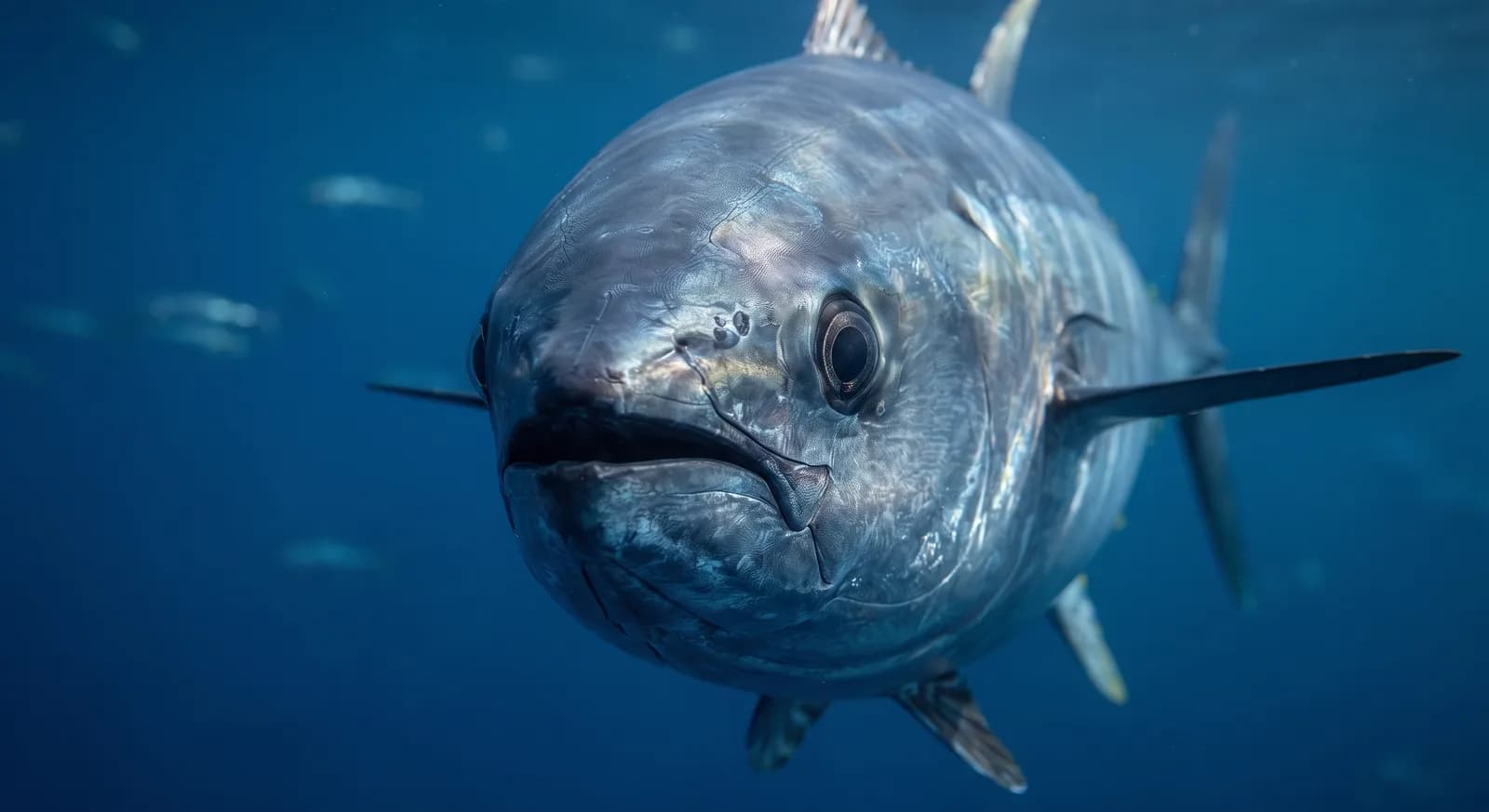
Atlantic Bluefin Tuna
Thunnus thynnus
Mauve Stinger
Pelagia noctiluca
Smooth-hound
Mustelus mustelus
Spiny Butterfly Ray
Gymnura altavela
How to help
The red coral is classified as endangered. Organizations such as UICN, WWF y Wildlife Conservation Society work specifically on its conservation and that of its habitat; looking into their programs is a good starting point if you want to get involved.
It's documented in 13 real protected areas — part of why protecting these places matters for its conservation.
Keep exploring
Based on what we already know about red coral.
Comments
Share an experience, a fun fact or a tip for seeing the red coral.
Be the first to comment.