Ukraine
Europa
Ukraine is the country of the Pontic steppe, an ecosystem that once stretched from the Danube to central Asia and today survives in minimal fragments because its black soil, the chernozem, is among the most fertile on the planet and was almost entirely ploughed. Askania-Nova has kept since 1898 one of the last patches of virgin steppe never broken by the plough, with bobak marmots, little bustards and steppe eagles. In the southwest, the Ukrainian Carpathians protect primeval beech forests listed as World Heritage and support brown bear, wolf and lynx. The Danube delta shares with Romania the largest wetland system in Europe, with Dalmatian pelicans and massive colonies of waterbirds. The Black Sea and the Sea of Azov add brackish lagoons and sandbars where terns and waders breed, and where a resident population of bottlenose dolphin lives.
The nature of Ukraine
National animal: No official national animal; the white stork and the common nightingale are the popular wildlife symbols
Did you know?
The bobak marmot, a colonial steppe rodent that hibernates for more than half the year in deep burrows, works as an engineer of the ecosystem: by turning over the soil it creates mounds where plants different from those of the surrounding grassland take root, and it opens burrows later reused by foxes, badgers, lizards and steppe birds. Where the marmot disappears, the whole steppe community becomes poorer.
Biodiversity profile
Climate
- •Continental humedo (Dfb) en el norte y centro
- •Estepa semiarida (BSk) en el sur y sureste
- •Clima de montaña en los Carpatos (oeste) y Crimea (sur)
Main biomes
- •Estepa pontica (aprox. 40% del territorio, mayormente convertida a tierra de cultivo sobre el fertil suelo negro "chernozem")
- •Bosque mixto centroeuropeo y estepa boscosa del este de Europa (norte y centro)
- •Bosque de montaña de los Carpatos (oeste)
- •Bosque submediterraneo de Crimea (sur)
- •Hayedo primario
- •Delta fluvial
- •Laguna salobre
- •Bosque de coníferas cárpatico
- •Banco de arena litoral
- •Bosque de ribera
Marine and coastal ecosystems
- •Costa del Mar Negro y el Mar de Azov, con el Delta del Danubio compartido con Rumania y Moldavia
Flagship wildlife
- •Grulla demoiselle y aves de estepa (Askania-Nova)
- •Lobo gris y lince euroasiatico (Carpatos)
- •Bisonte europeo (poblaciones reintroducidas)
- •Cigüeña blanca
- •Marmota bobac
- •Pelícano ceñudo
- •Oso pardo
- •Lince boreal
- •Lobo gris
- •Águila esteparia
- •Delfín mular
- •Sisón común
Notable endemic species
- •Ucrania ocupa menos del 6% de la superficie de Europa pero alberga el 35% de su biodiversidad (mas de 70.000 especies), muchas raras, relictas o endemicas, reflejo de su enorme diversidad geografica y su importancia para especies migratorias
- •Askania-Nova (1898), considerada la reserva de estepa mas antigua del mundo, protege uno de los ultimos fragmentos no arados de estepa de plumero pontica de Europa
- •Topillo de Crimea
Notable threatened species
- •385 especies catalogadas en el Libro Rojo de Datos de Ucrania
- •Fauna y flora de zonas protegidas afectadas por el conflicto armado desde 2014 y especialmente desde 2022: 6 de las 19 reservas naturales de categoria IUCN 1A de Ucrania se encuentran en Crimea, y cerca de un tercio de las areas protegidas de Donetsk y Lugansk quedaron tras la linea del frente
Notable protected areas
- •Reserva de Askania-Nova (la reserva de estepa mas antigua del mundo, 1898)
- •Delta del Danubio (transfronterizo con Rumania y Moldavia)
- •Polesia (transfronteriza con Polonia y Bielorrusia)
- •Reserva de la Biosfera de Askania-Nova
- •Reserva de la Biosfera del Delta del Danubio
- •Parque Nacional de los Cárpatos
- •Reserva de Jortytsia
- •Parque Nacional de Shatsk
- •Reserva del Mar Negro
Main conservation threats
- •Conversion casi total de la estepa ucraniana a tierra de cultivo sobre el fertil suelo chernozem, dejando pocos remanentes de ecosistema original
- •Impacto directo del conflicto armado sobre areas protegidas, incluida la ocupacion de reservas estrictas en Crimea y el Donbas
- •Deforestacion por tala rasa y sustitucion de bosques nativos por monocultivos de coniferas de origen artificial (aprox. la mitad de los bosques ucranianos son de origen artificial)
Conservation
The war has caused direct damage to protected areas, fires in steppe reserves and the destruction of the Kakhovka dam in 2023, which emptied a reservoir and fundamentally altered the wetlands of the lower Dnieper. The primeval beech forests of the Carpathians remain the country's greatest intact natural asset.
Where and when to watch wildlife
Askania-Nova in spring for marmots and steppe flora in bloom. The Danube delta between April and June for pelicans and heron colonies. The Carpathians in autumn for the deer rut.
El conflicto armado en curso desde 2014, intensificado en 2022, ha alterado significativamente la capacidad de gestion y monitoreo de la biodiversidad ucraniana; los datos de este periodo deben interpretarse con esa salvedad.
Sources: CEOBS - Ukraine conflict environmental briefing Nature | a-z-animals.com - Wildlife in Ukraine | Air Pollution Climate Secretariat - Forests in Ukraine | animalia.bio - Animals of Ukraine
Parks and reserves
Carpathian Biosphere Reserve
It protects some of the last primeval beech forests in Europe, in the Carpathian range.
View parkNational ParkCárpatos
The park of Hoverla, Ukraine's highest summit, in the Carpathians of Ivano-Frankivsk.
View parkNational ParkSynevyr
Virgin beech forests up to three hundred years old in the eastern Carpathians, inscribed by UNESCO in 2017.
View parkBiosphere ReserveAskania-Nova
Ukraine's oldest protected area and the only virgin steppe in Europe that has never been ploughed.
View parkNational ParkShatsky
Twenty-three karstic lakes in Volhynia, the Ukrainian core of the West Polesia transboundary reserve.
View parkEspecies documentadas en Ukraine
503 species found
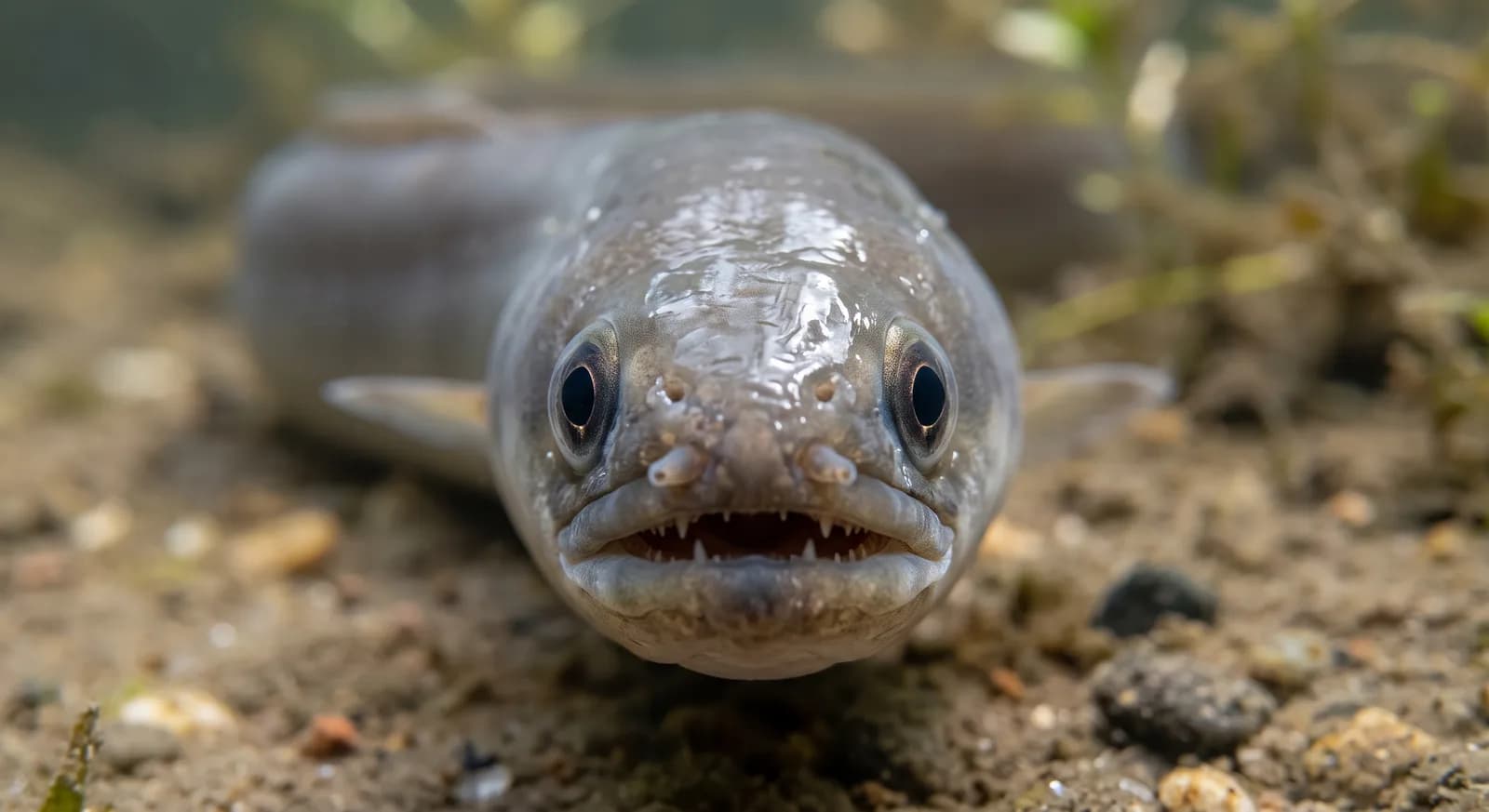 Critically Endangered
European Eel
Anguilla anguilla
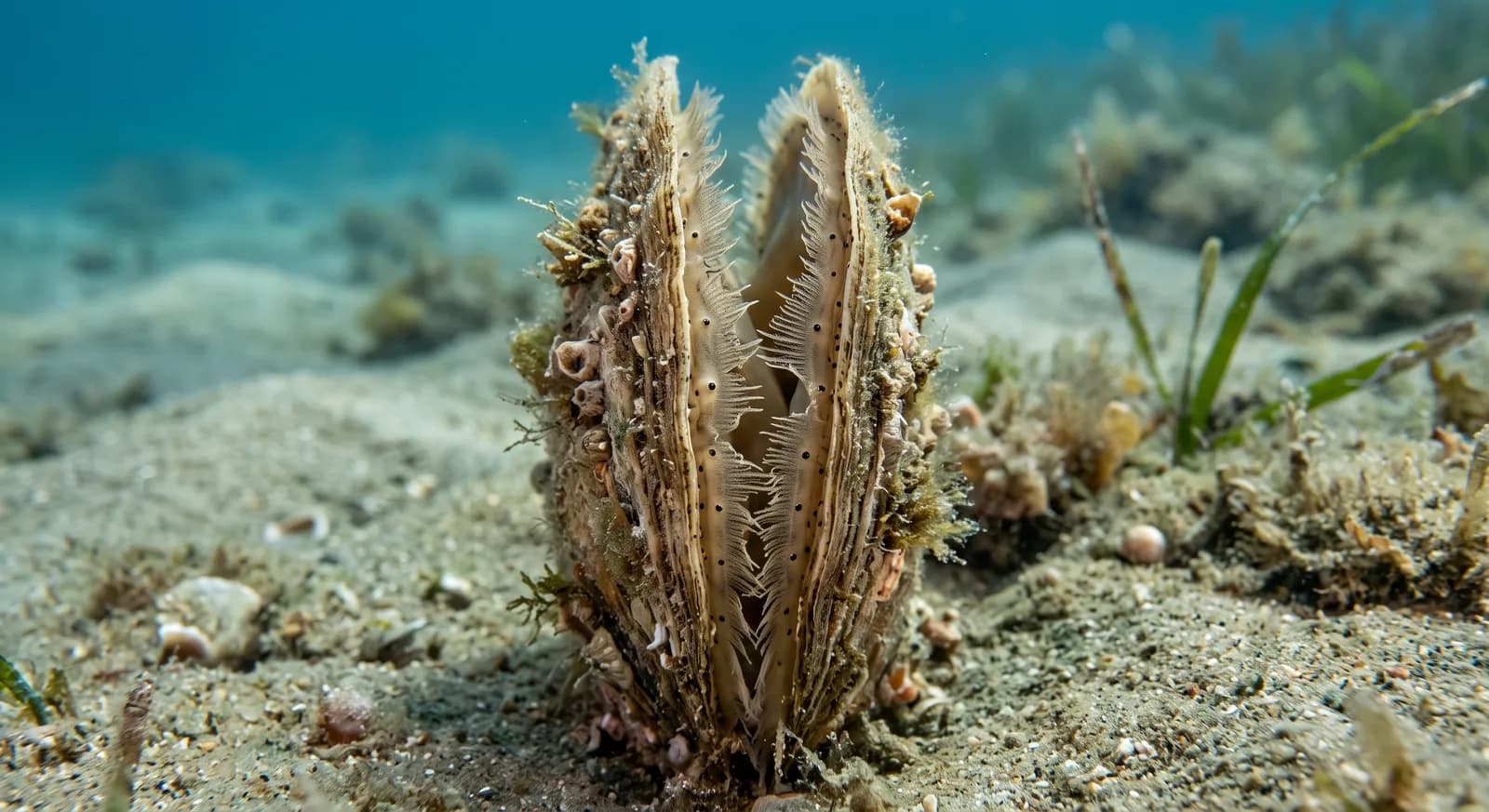 Critically Endangered
Fan Mussel
Pinna nobilis
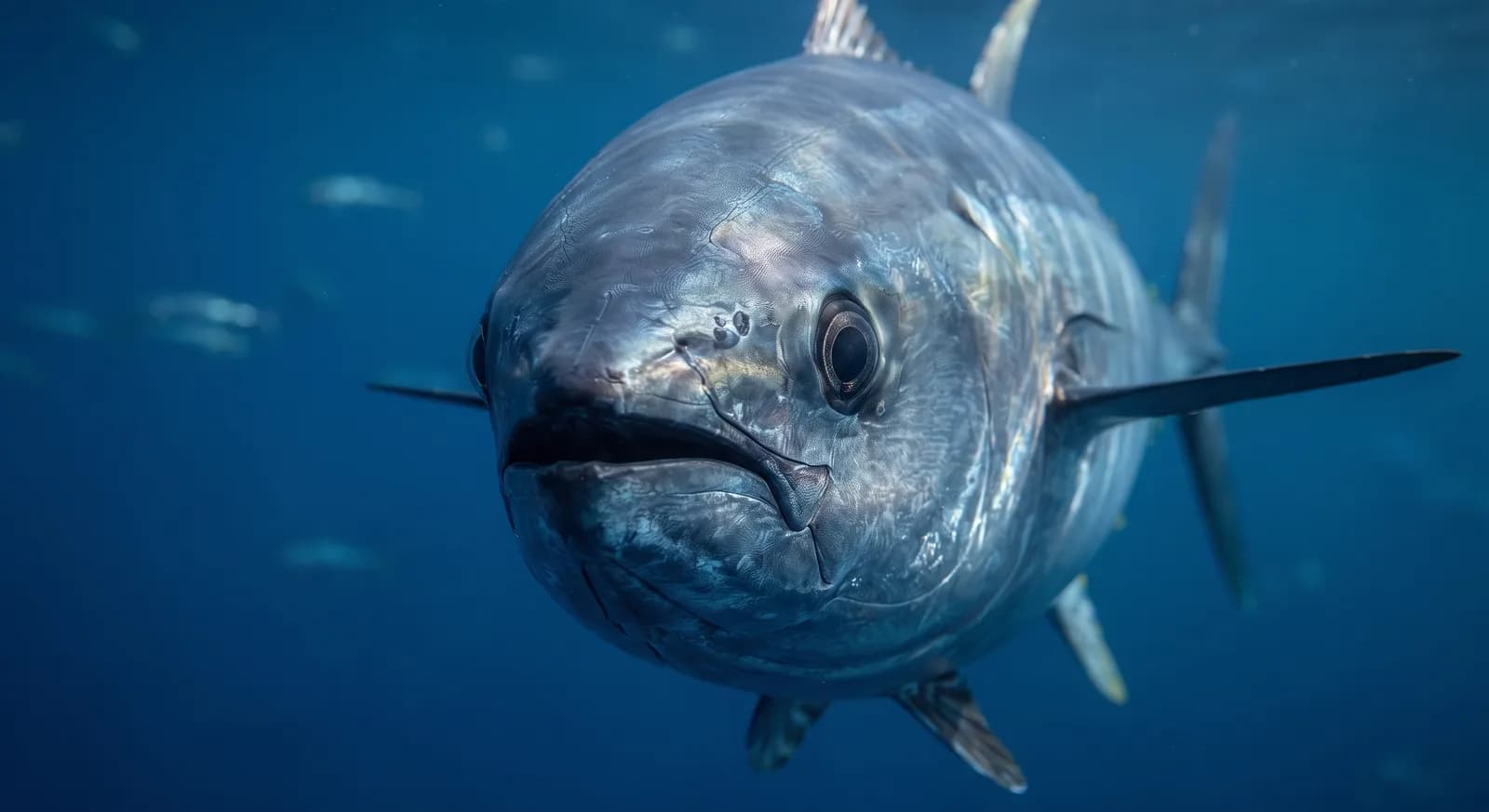 Endangered
Atlantic Bluefin Tuna
Thunnus thynnus
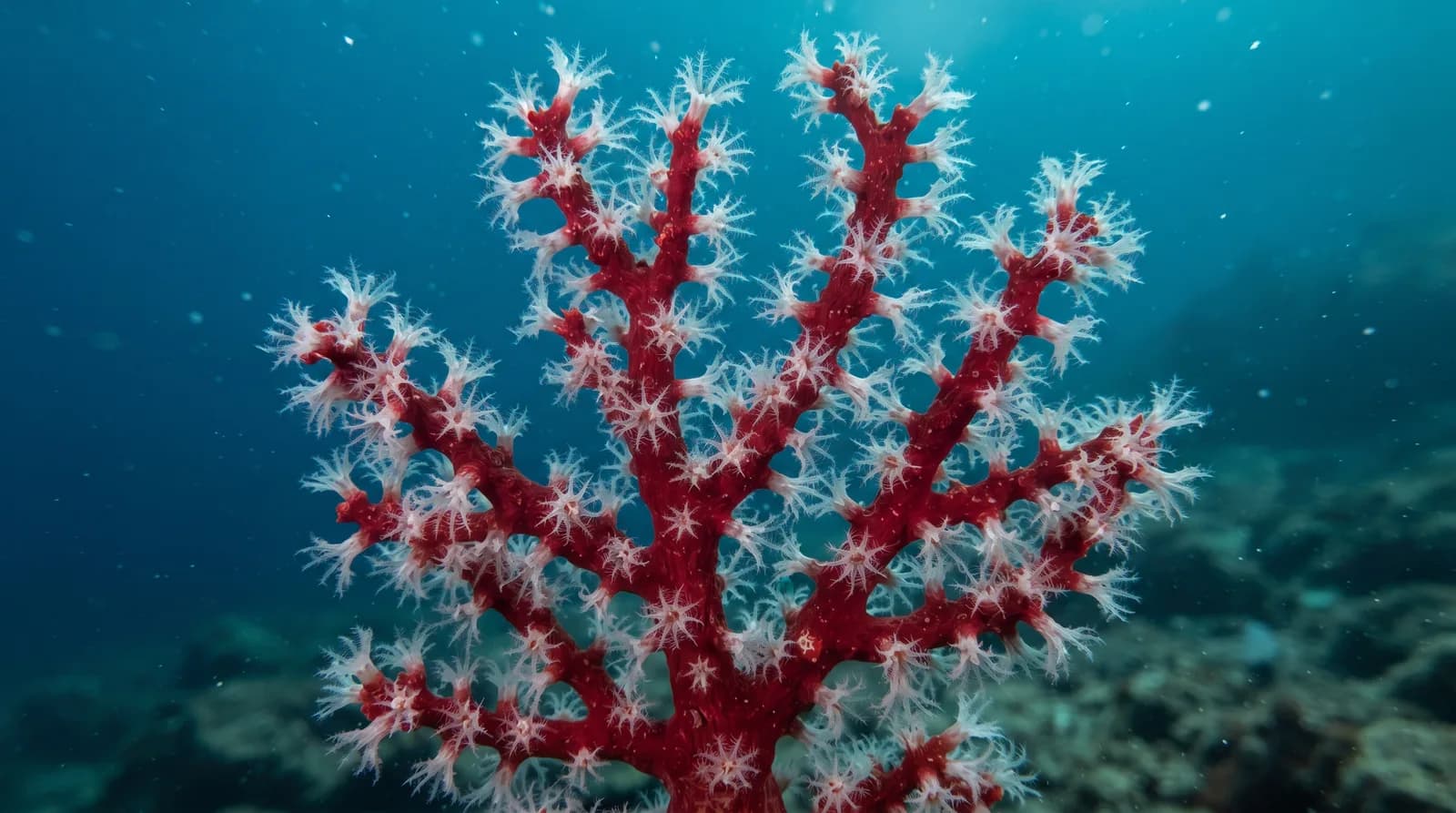 Endangered
Red Coral
Corallium rubrum
 Endangered
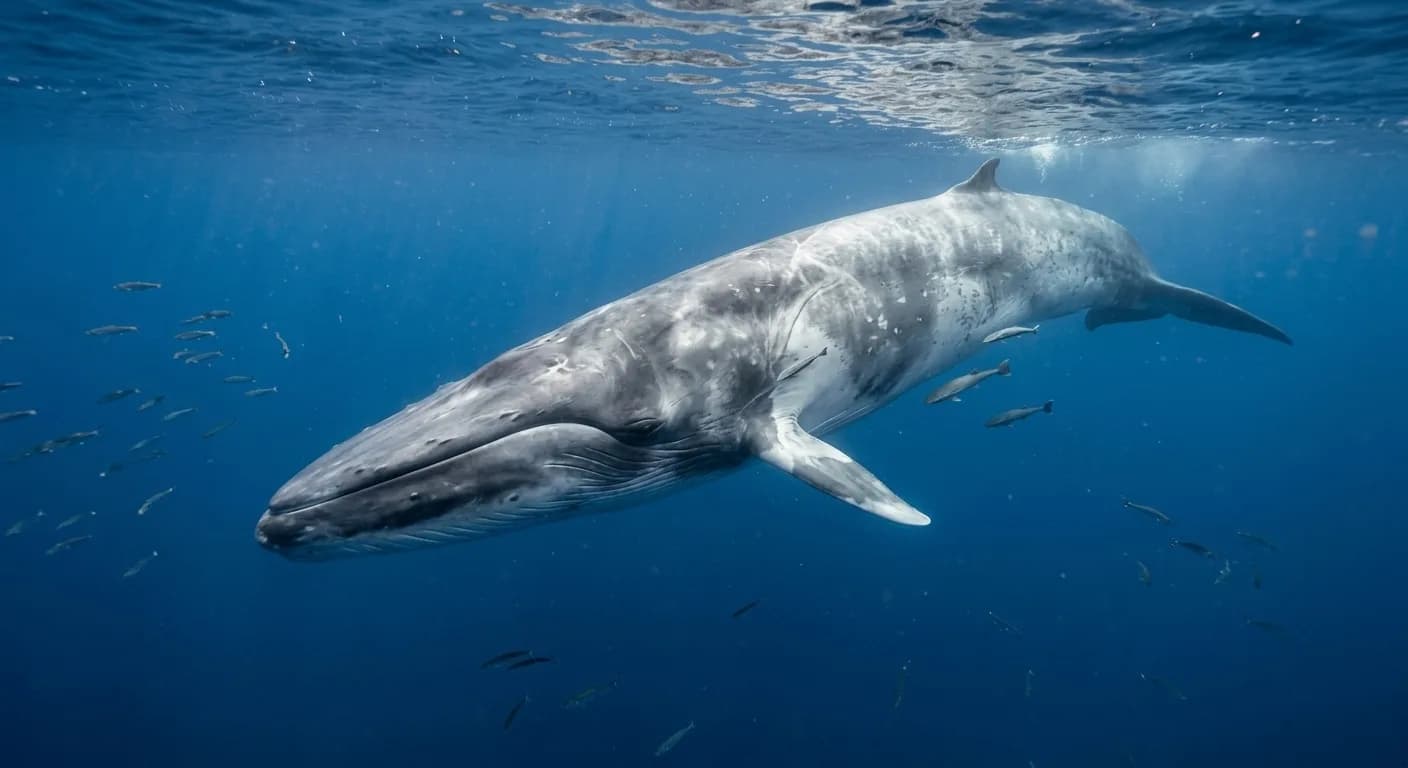
Fin Whale
Balaenoptera physalus
 Endangered
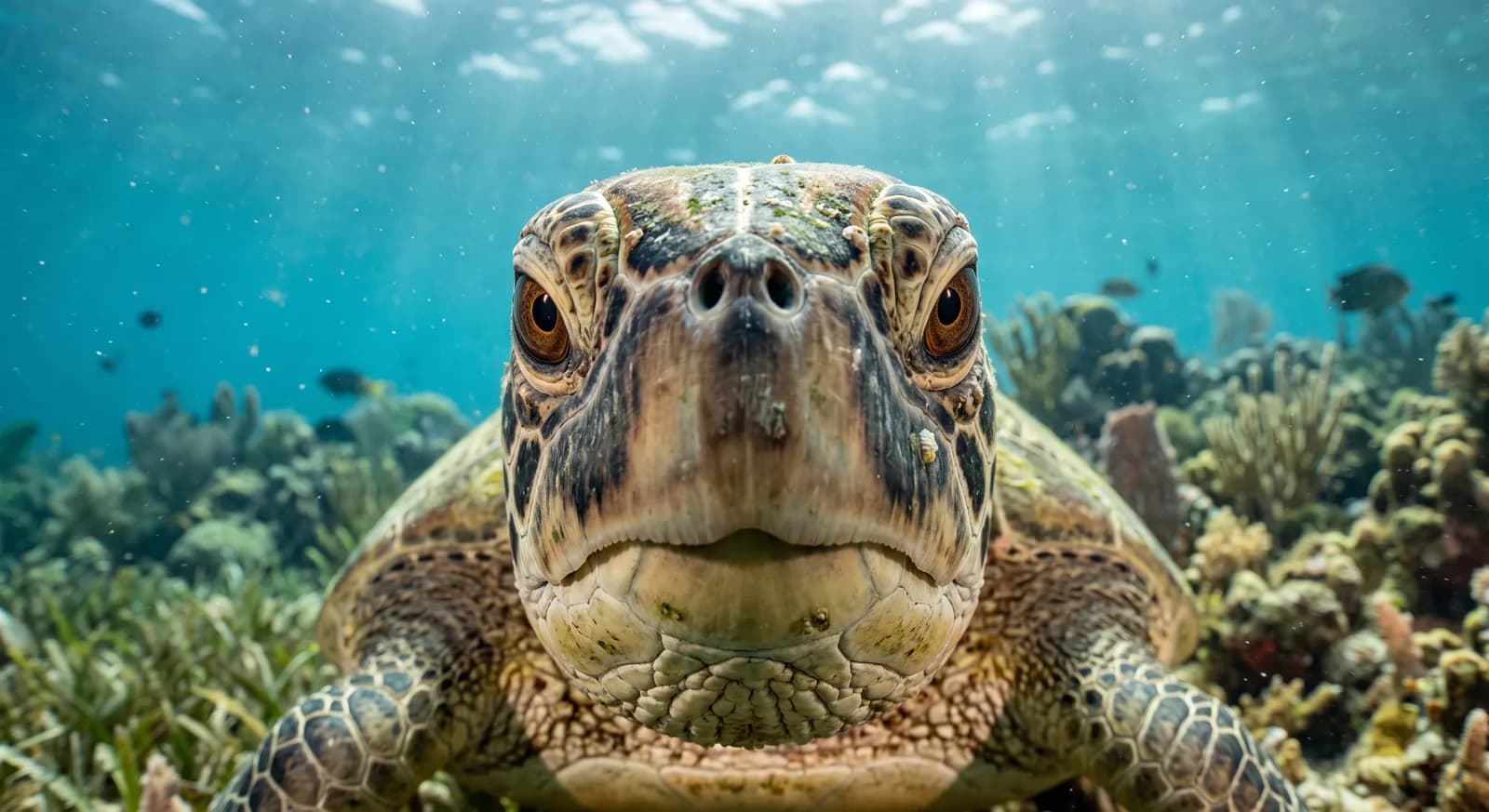
Green Turtle
Chelonia mydas
 Vulnerable
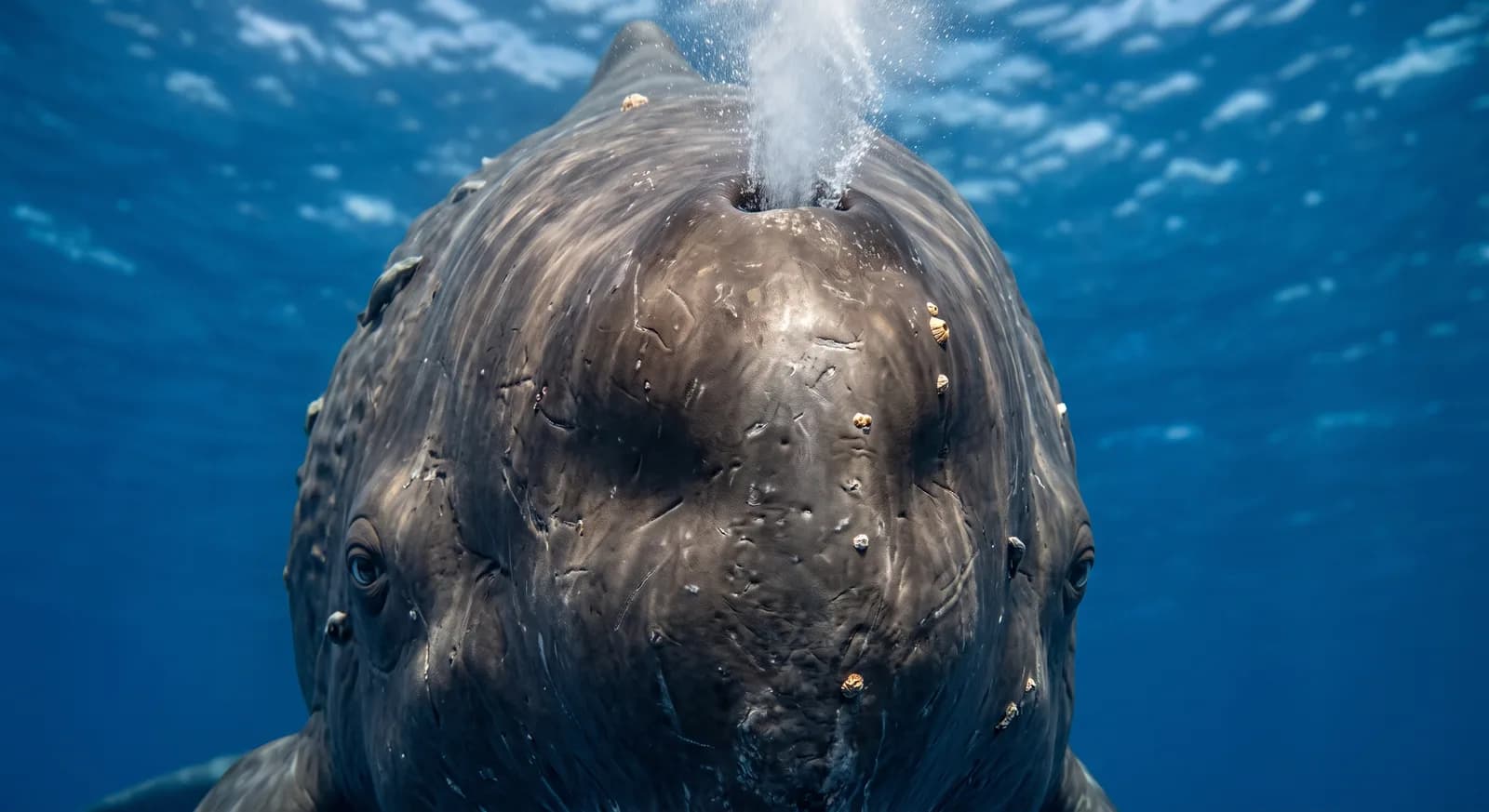
Sperm Whale
Physeter macrocephalus
 Vulnerable
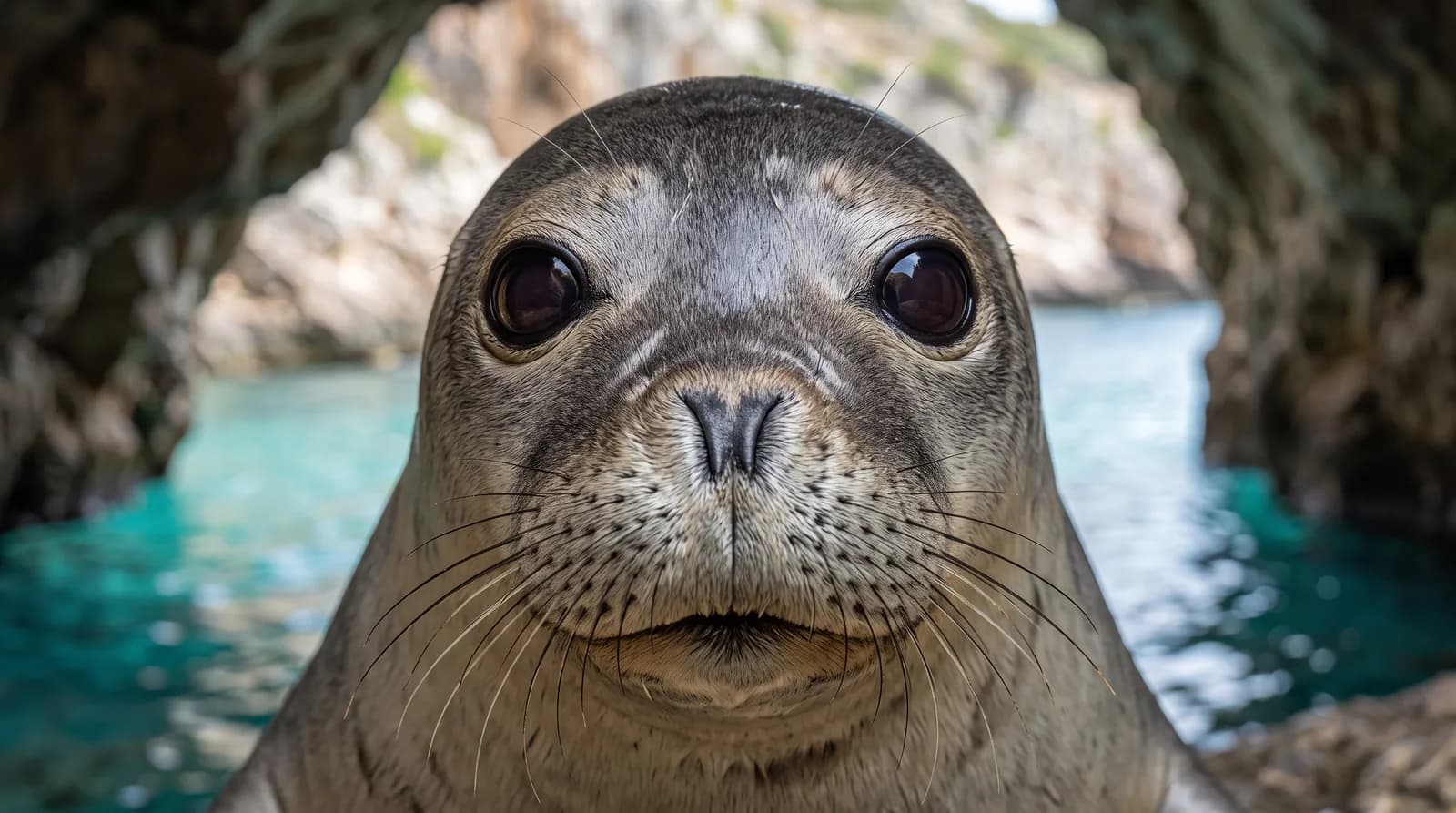
Mediterranean Monk Seal
Monachus monachus
 Vulnerable
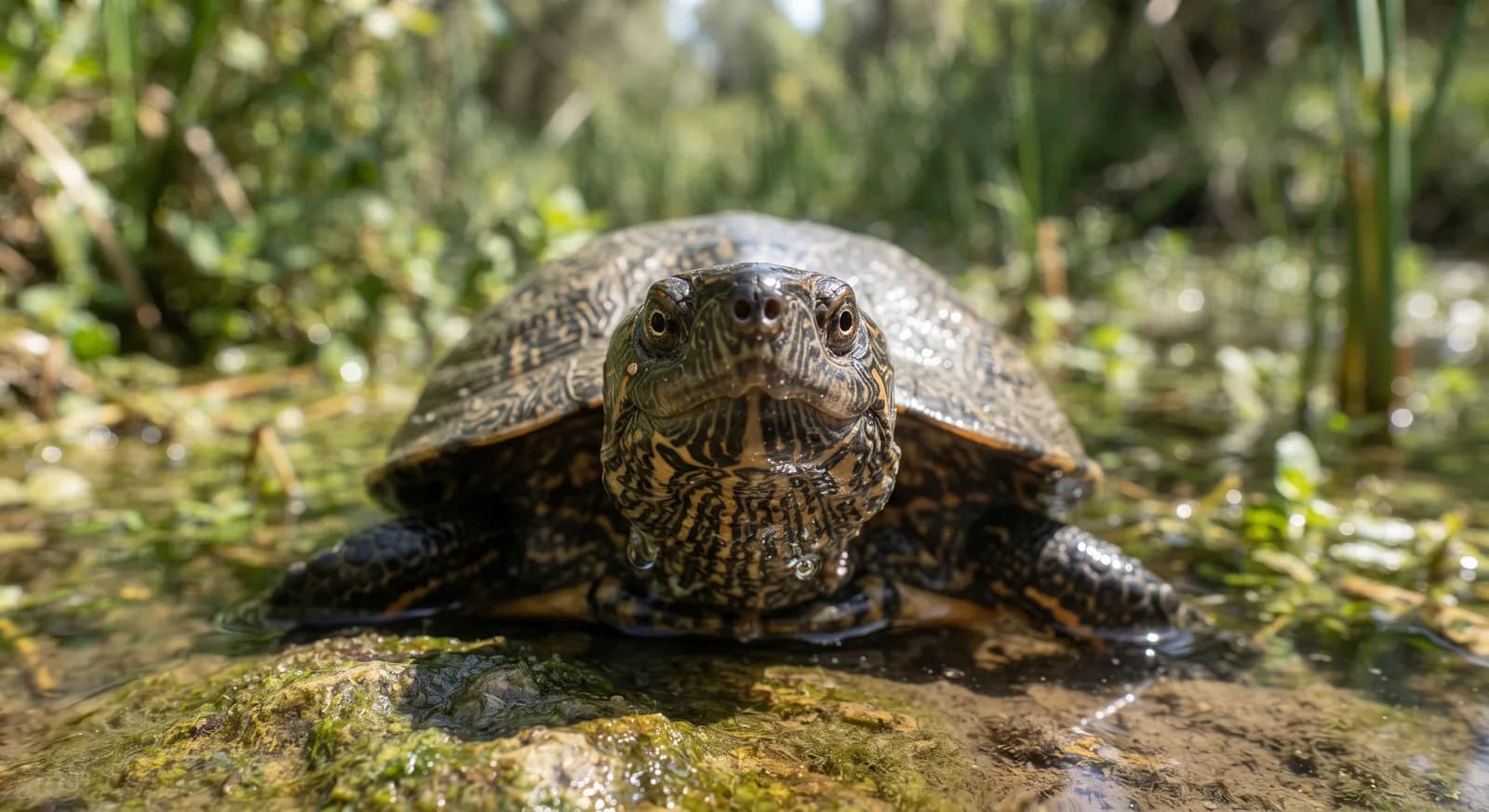
Spanish Terrapin
Mauremys leprosa
 Vulnerable
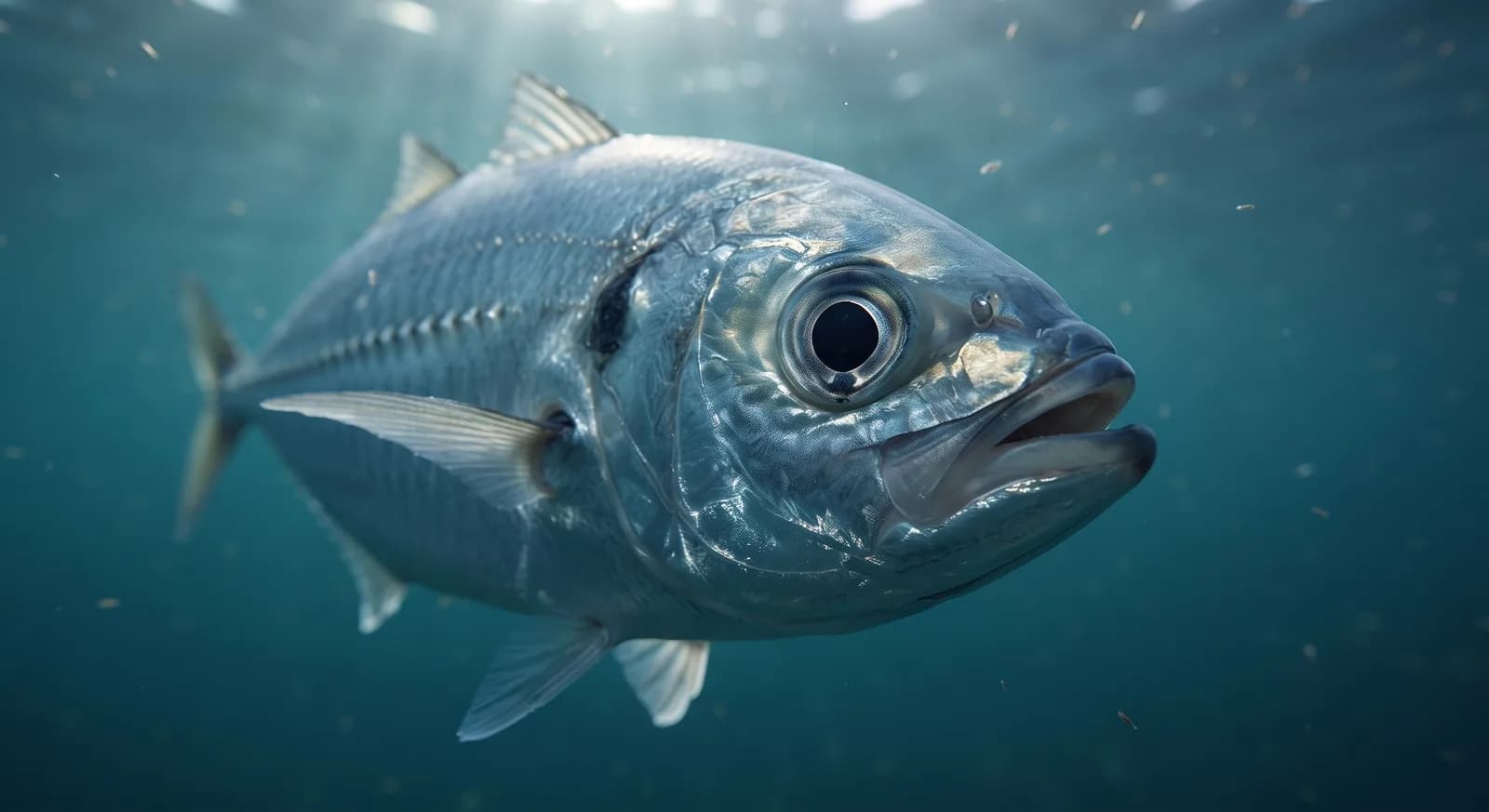
Horse Mackerel
Trachurus trachurus
 Vulnerable
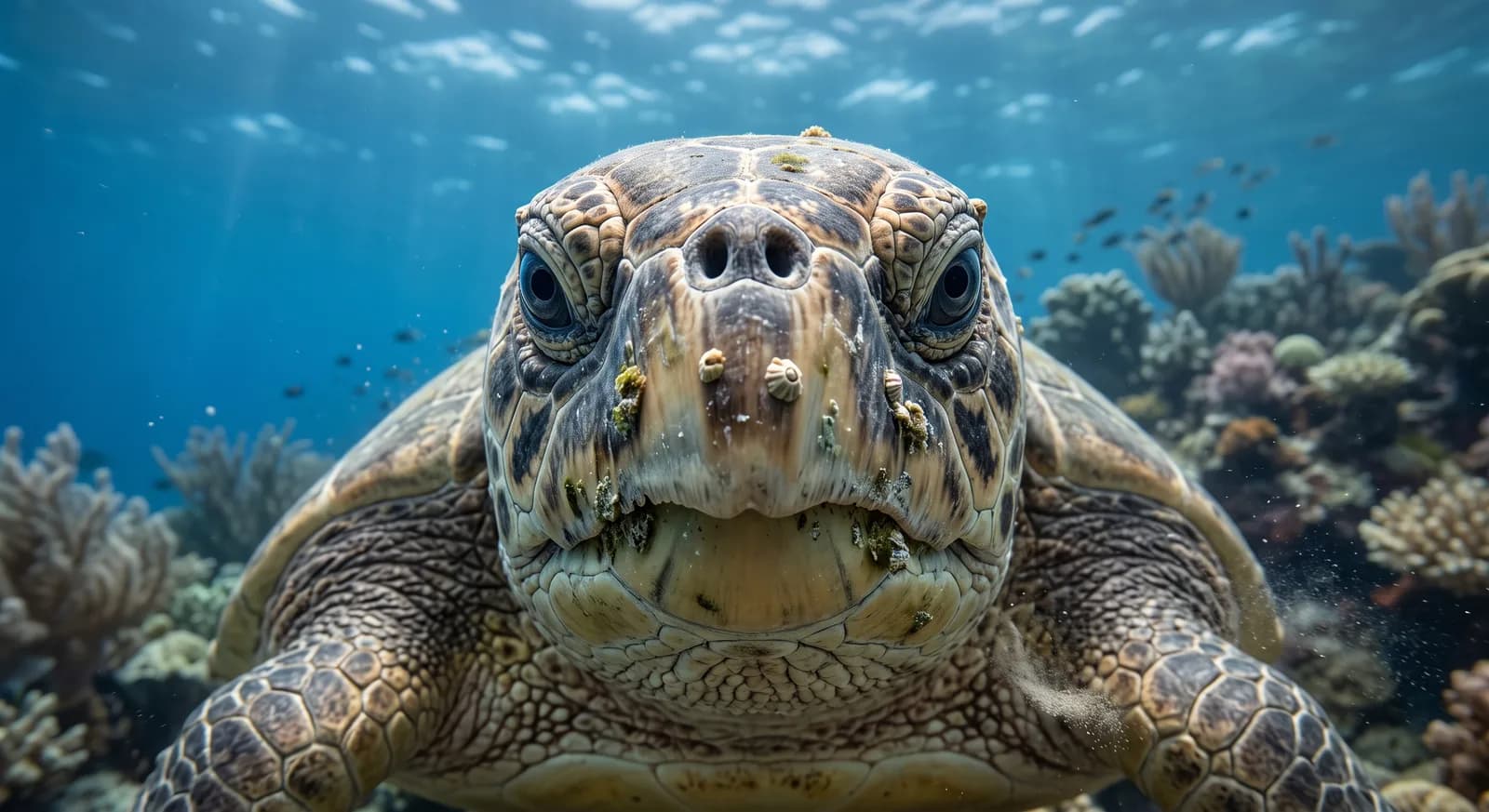
Loggerhead Turtle
Caretta caretta
 Near Threatened
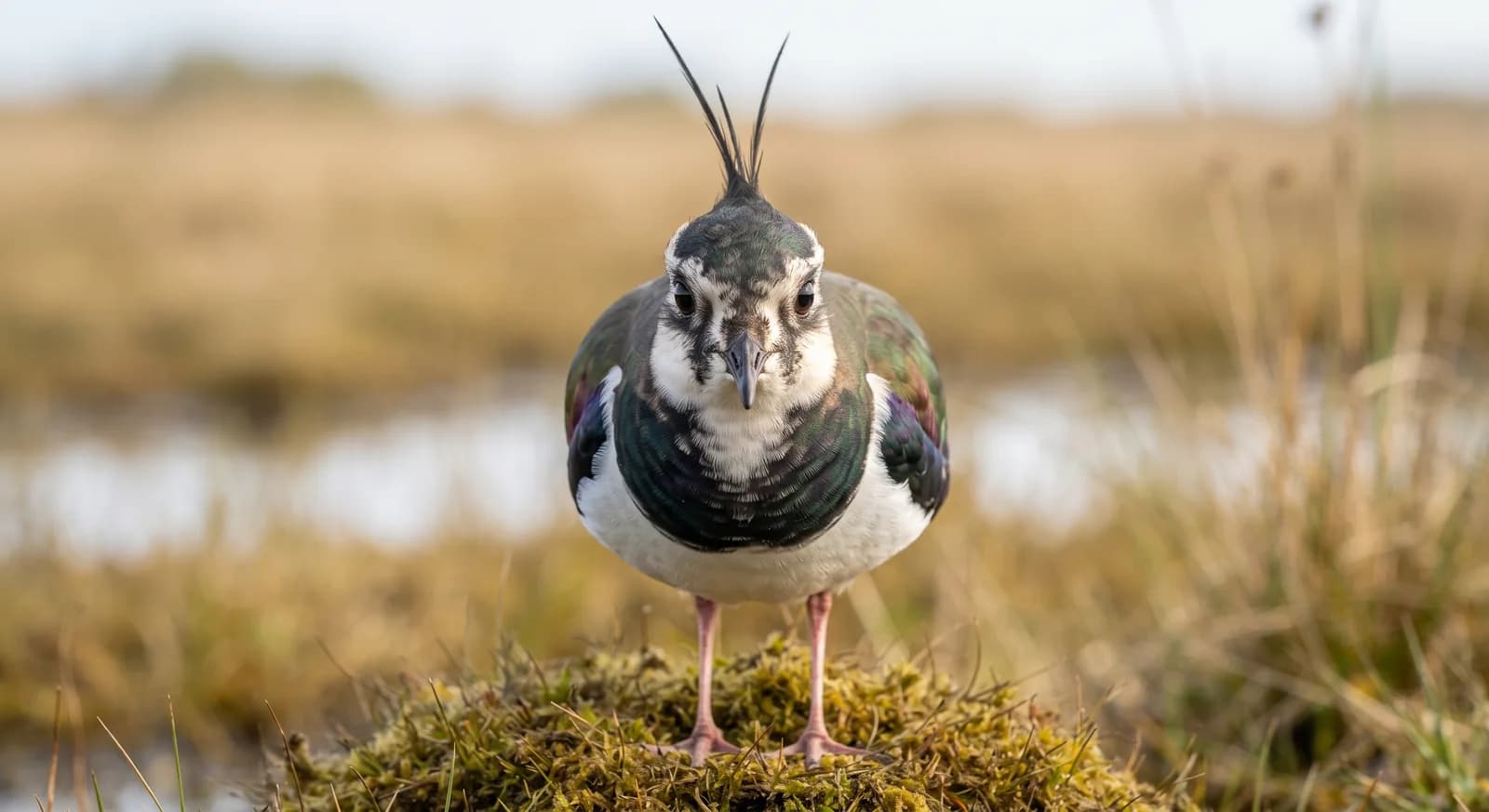
Northern Lapwing
Vanellus vanellus
Keep exploring
Based on what we already know about Ukraine.