One of the 13 seals on WAnimals
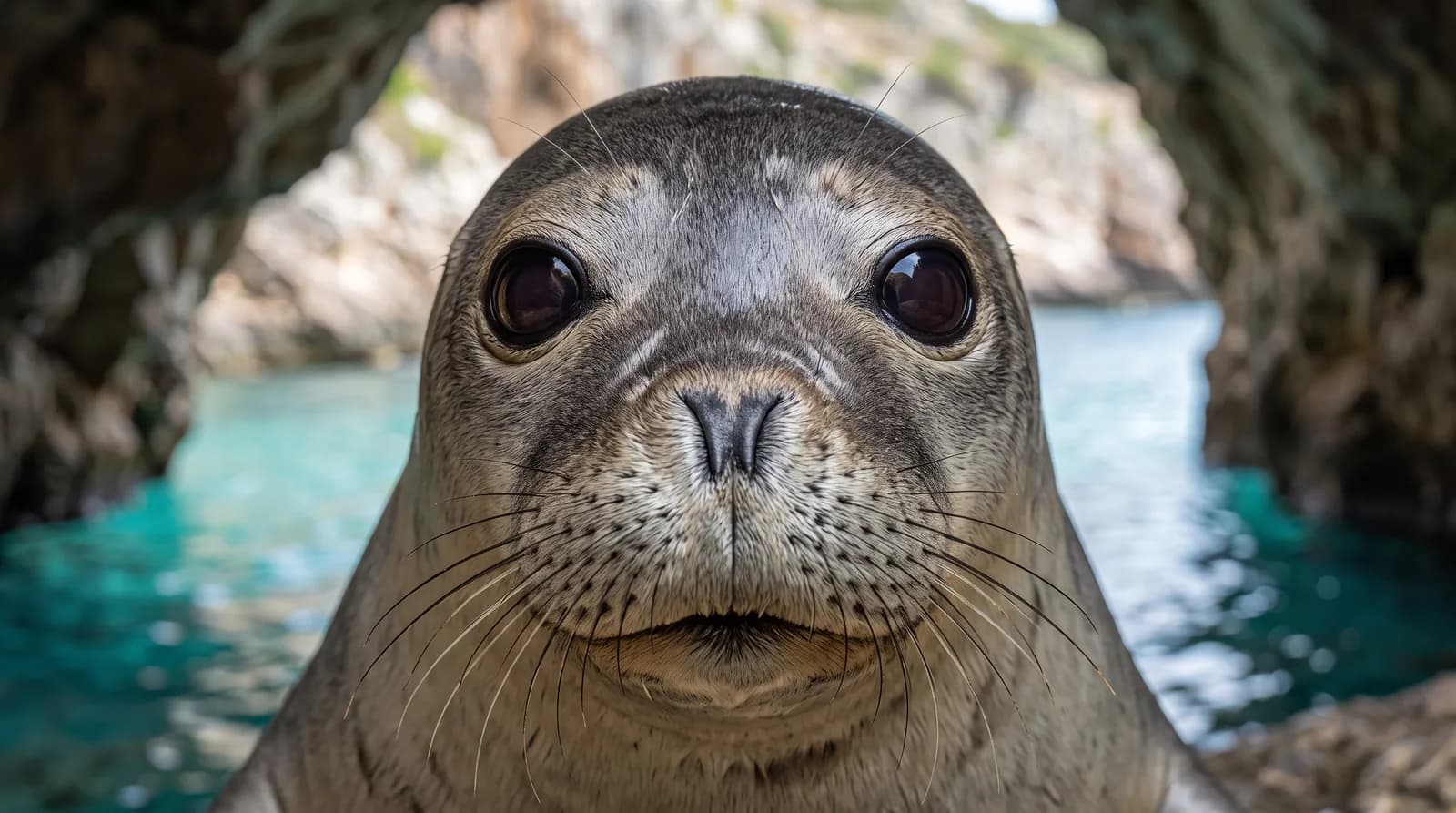
Mammals · Carnivora · Phocidae
Mediterranean Monk Seal
Monachus monachus
It faces a high risk of extinction in the wild over the medium term. See full glossary
The Mediterranean monk seal is one of the rarest pinnipeds in the world and the only true seal native to warm European waters. It once occupied the whole Mediterranean, the Black Sea and the North African Atlantic, including the Canaries and Madeira. Hunting, first for skin and blubber and later out of conflict with fisheries, cornered it in three areas: the Aegean and the Turkish coasts, Cabo Blanco between Mauritania and Western Sahara, and the Madeira archipelago. Today it pups in sea caves with submerged entrances, refuges it did not previously need.
Weight
240 kg – 320 kg
Size
2 m – 2.8 m
Lifespan
30 years
Diet
Carnivore
Feeds mainly on other animals.
Activity
Diurnal
Active mainly during the day.
Social structure
Solitary
Lives and hunts alone, joining others only to breed.
Sighting difficulty
Moderate
Estimated population
Between 250 and 1,000 mature individuals
Fun facts
- conservaciónIt is one of the most threatened pinnipeds on the planet, and its Caribbean relative has been considered extinct since the mid-20th century.
- conservaciónIt is one of the most threatened marine mammals on the planet, and unlike most seals it usually pups inside half-submerged sea caves in the Mediterranean rather than on open beaches.
- It appears as early as Homer's Odyssey and gave its name to the islet of Lobos, off Fuerteventura, where it was hunted in the 15th century: in Spain it disappeared in the 20th century and since 2021 traces of its DNA have again been detected in the Balearics.
- Breeding in caves with underwater entrances is not its natural behaviour: it once pupped on open beaches and only took refuge in caves because of human pressure.
Life cycle & biology
- Skeleton type
- Vertebrate - internal bony skeleton (mammal)
- Habitat & environment
- Sea caves with submerged entrances, cliffs and coastal waters of the Mediterranean and the eastern Atlantic
- Sexual maturity
- 4 years
- Gestation / incubation
- 9.5 months
- Litter / clutch size
- 1
Sources consulted: https://es.wikipedia.org/wiki/Monachus_monachus
Where to find it
See its range on the interactive mapWhere to watch it
Parques y spots de buceo donde se ha documentado esta especie — se muestran 20 de 34 documentados.
Related species
Other species in the catalogue with the most in common with Mediterranean Monk Seal — same habitat, park, country, tags or family.
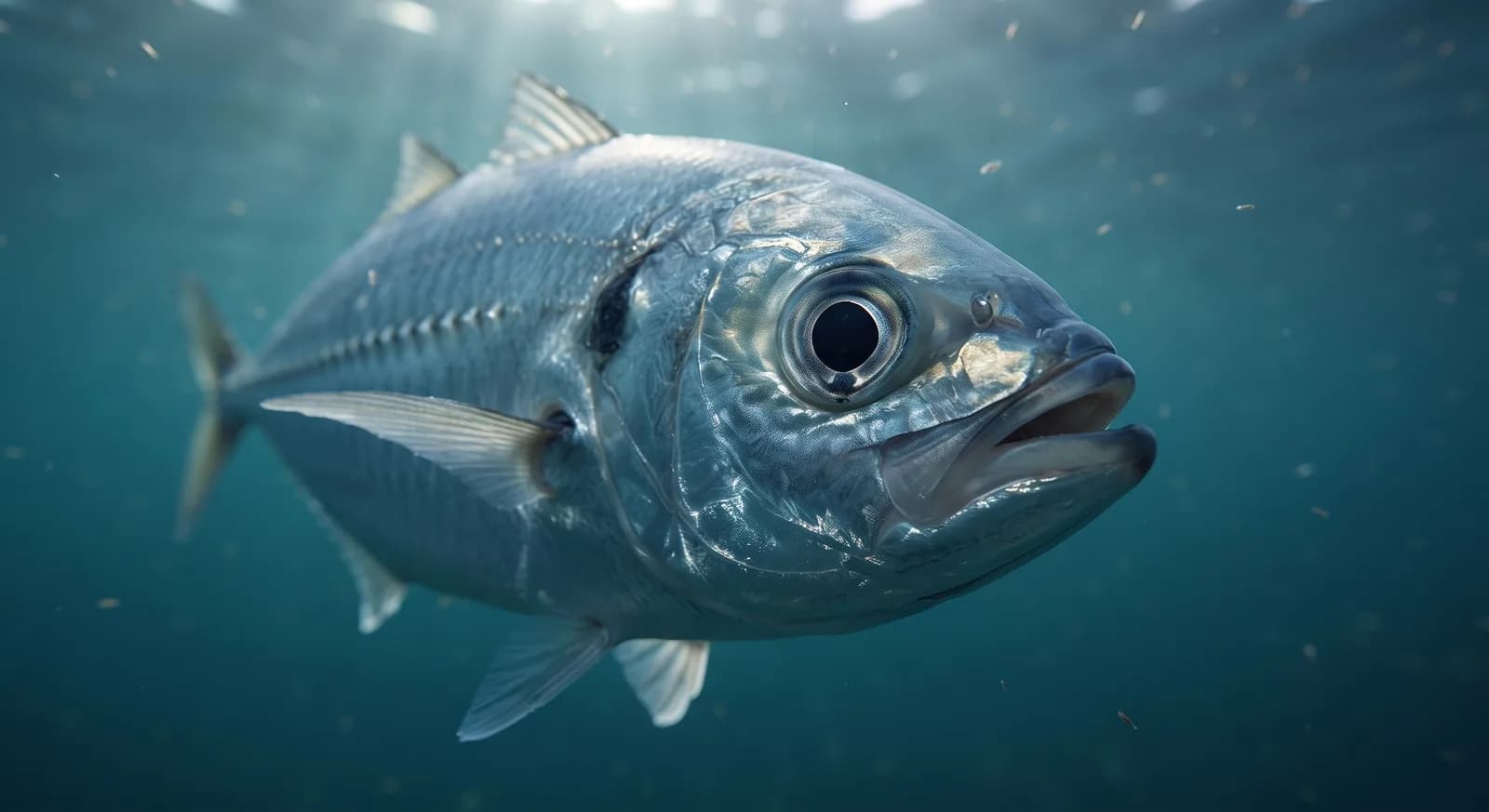 Vulnerable
Horse Mackerel
Trachurus trachurus
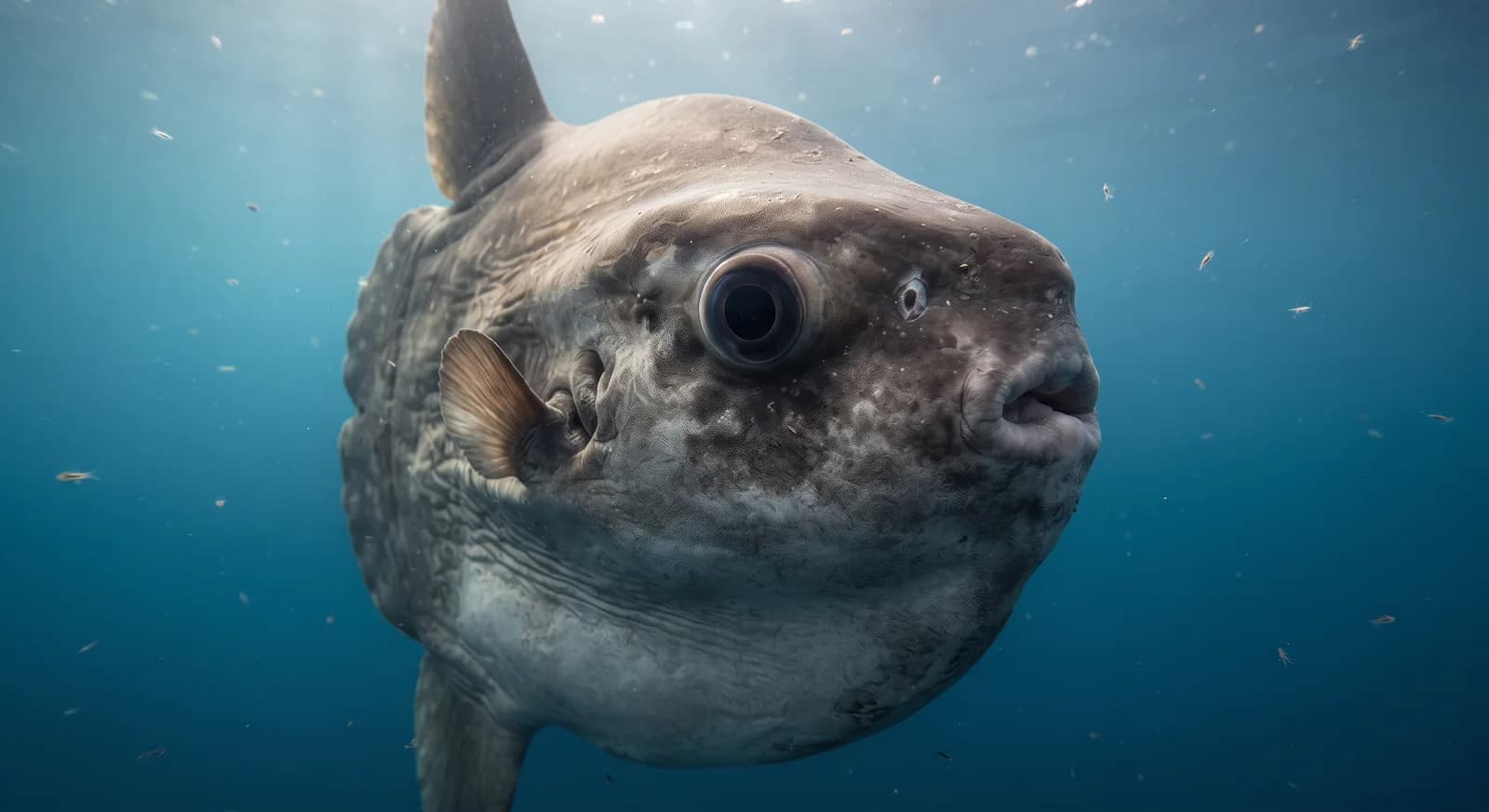 Vulnerable
Ocean Sunfish
Mola mola
Common Spiny Lobster
Palinurus elephas
Bluefish
Pomatomus saltatrix
Marbled Electric Ray
Torpedo marmorata
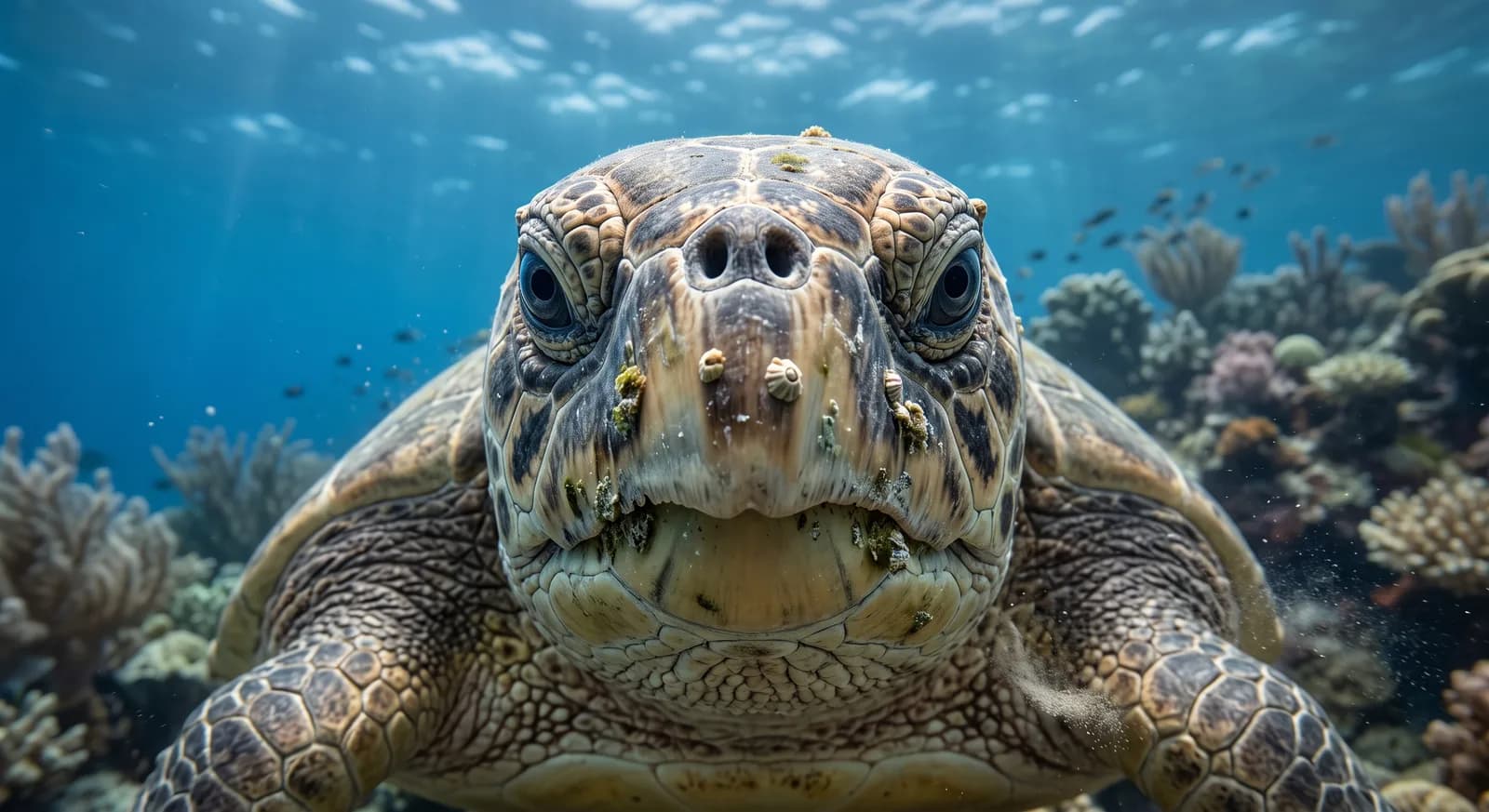 Vulnerable
Loggerhead Turtle
Caretta caretta
How to help
The mediterranean monk seal is classified as vulnerable. Organizations such as UICN, WWF y Wildlife Conservation Society work specifically on its conservation and that of its habitat; looking into their programs is a good starting point if you want to get involved.
It's documented in 6 real protected areas — part of why protecting these places matters for its conservation.
Keep exploring
Based on what we already know about mediterranean monk seal.
Comments
Share an experience, a fun fact or a tip for seeing the mediterranean monk seal.
Be the first to comment.