Gibraltar
Europa
Gibraltar is a limestone promontory of little more than six square kilometres set at the point where the Mediterranean narrows almost to touch Africa. That position makes it one of the great migratory funnels on the planet: every spring and every autumn, hundreds of thousands of storks, kites, short-toed eagles and honey buzzards gather over the Rock waiting for the right conditions to cross the strait, because soaring birds cannot cover long distances over the sea. The Upper Rock reserve keeps Mediterranean scrub, vertical cliffs and a system of karst caves that shelter bat colonies and in which the last traces of Neanderthal occupation in Europe have been found. Its waters, where the Atlantic and the Mediterranean mix, are highly productive and hold bottlenose and common dolphins resident year-round, as well as serving as a migration route for rorquals and pilot whales.
The nature of Gibraltar
National animal: The Barbary macaque, the emblematic species of the Rock
Did you know?
The Barbary macaques of the Rock are the only primates living wild in Europe. Tradition holds that if they disappear, Gibraltar will cease to be British, and in 1942, when the population had fallen to a handful of animals, Churchill ordered new macaques to be brought from North Africa to reinforce it. Today there are several hundred, censused and monitored individually.
Biodiversity profile
Main biomes
- •Matorral mediterráneo
- •Acantilado calizo
- •Cueva kárstica
- •Corredor migratorio del Estrecho
- •Litoral rocoso
- •Aguas de mezcla atlántico-mediterráneas
Flagship wildlife
- •Macaco de Berbería
- •Delfín mular
- •Cigüeña blanca
- •Halcón peregrino
- •Vencejo real
- •Delfín común
- •Culebrera europea
- •Rorcual común
- •Gaviota de Audouin
- •Abejero europeo
Notable endemic species
- •Silene de Gibraltar
Notable protected areas
- •Reserva Natural del Peñón Superior
- •Cueva de San Miguel
- •Reserva Marina de Gibraltar
- •Cuevas de Gorham
- •Punta de Europa
- •Jardín Botánico de la Alameda
Conservation
Feeding of the macaques by visitors has altered their behaviour and their diet, and has made it necessary to ban it and to manage the groups that come down into the town. The Strait is one of the busiest shipping lanes in the world, a permanent risk to the resident cetaceans.
Where and when to watch wildlife
The Upper Rock year-round for macaques and swifts. The Strait between August and October for the migration of raptors and storks. The bay in summer for dolphins and rorquals.
Especies documentadas en Gibraltar
157 species found
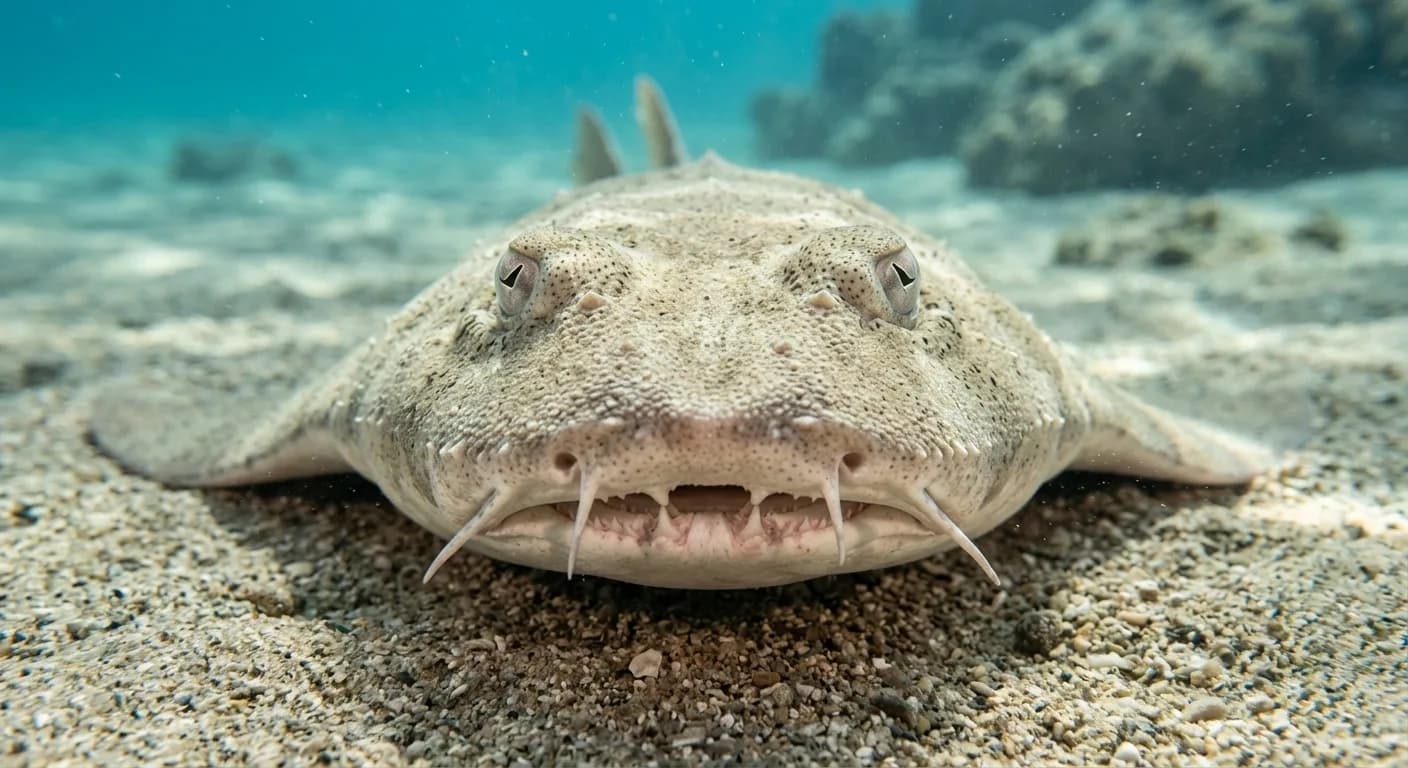 Critically Endangered
Angelshark
Squatina squatina
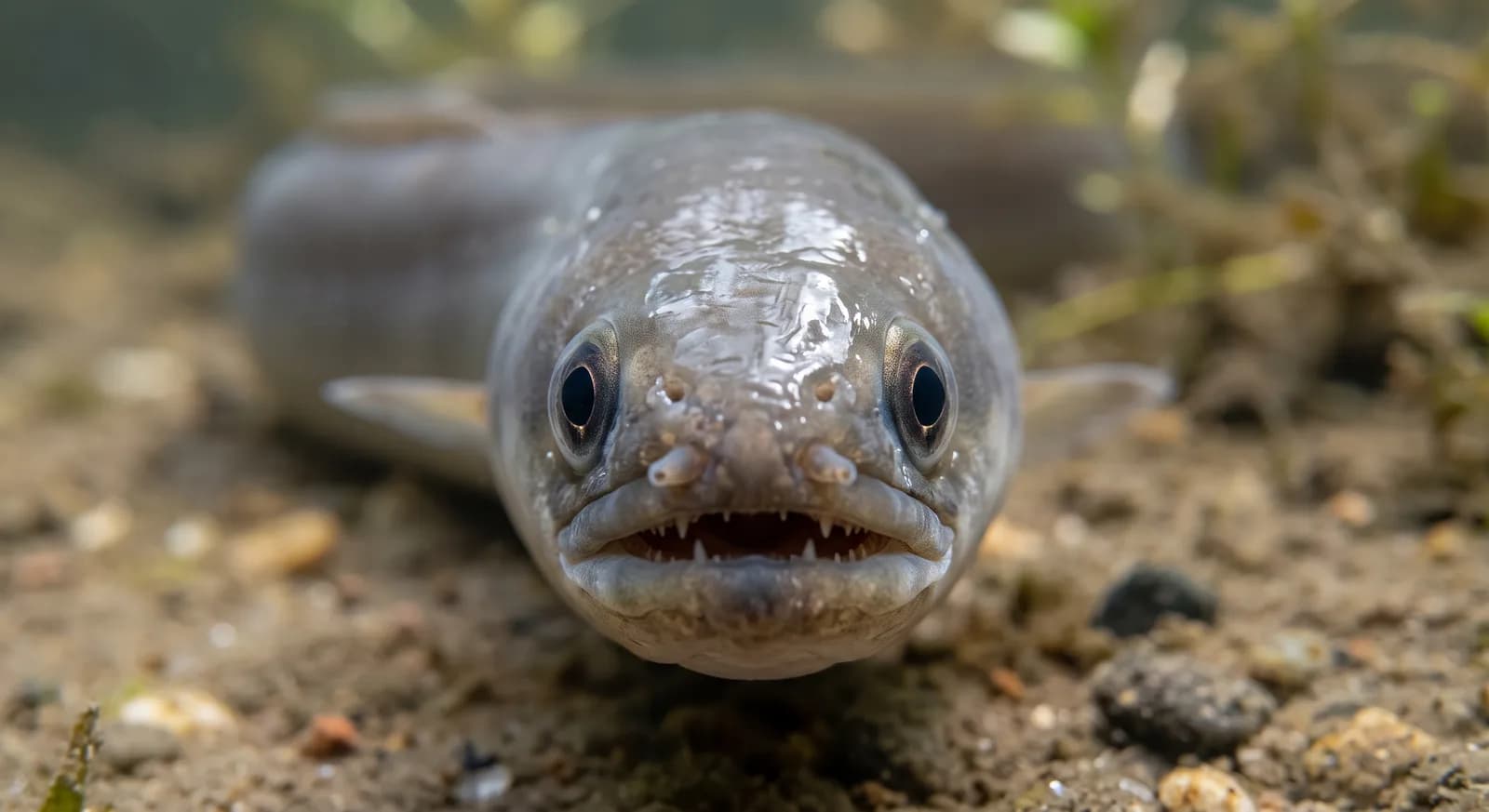 Critically Endangered
European Eel
Anguilla anguilla
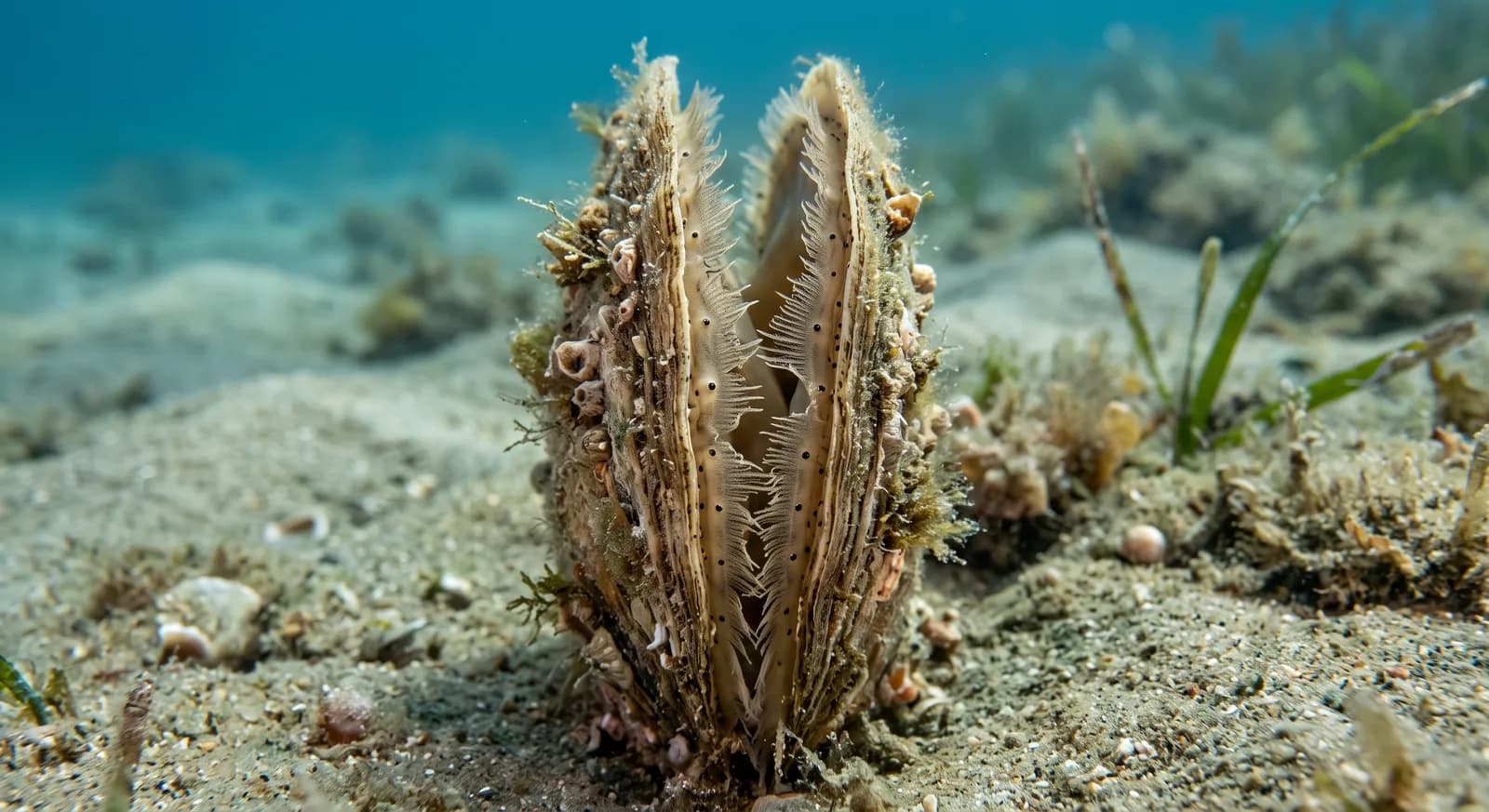 Critically Endangered
Fan Mussel
Pinna nobilis
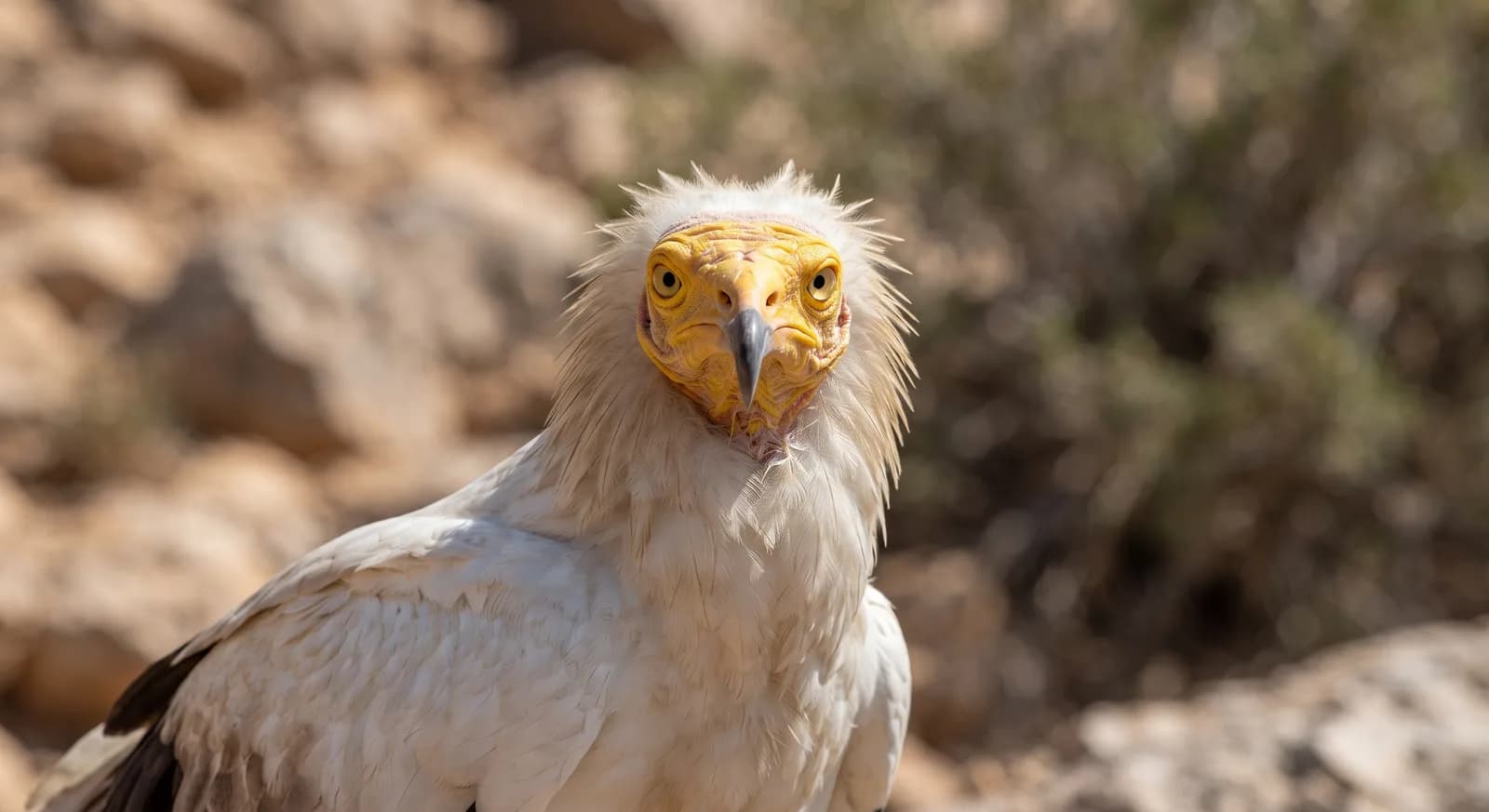 Endangered
Egyptian Vulture
Neophron percnopterus
 Endangered
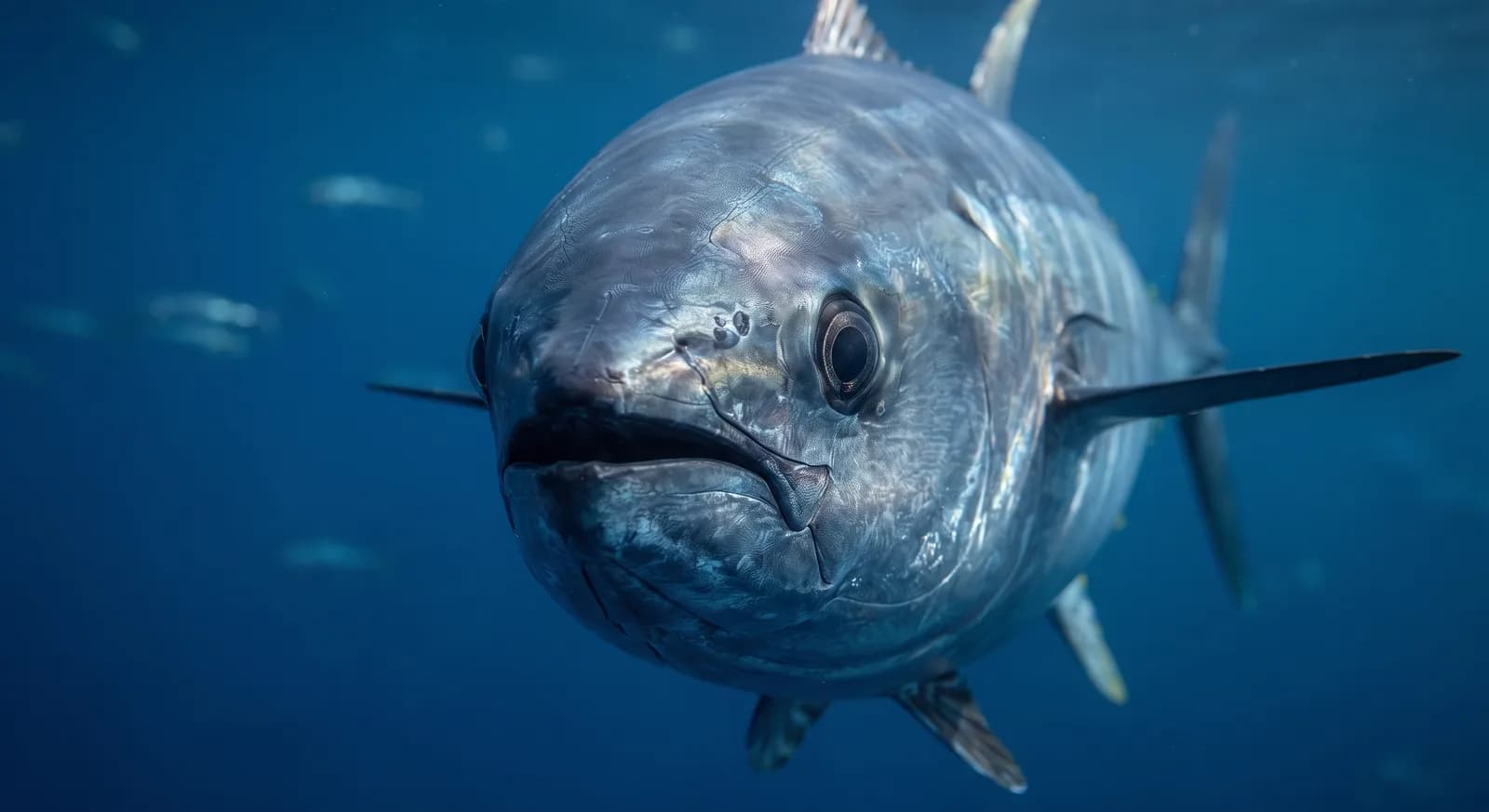
Atlantic Bluefin Tuna
Thunnus thynnus
 Endangered
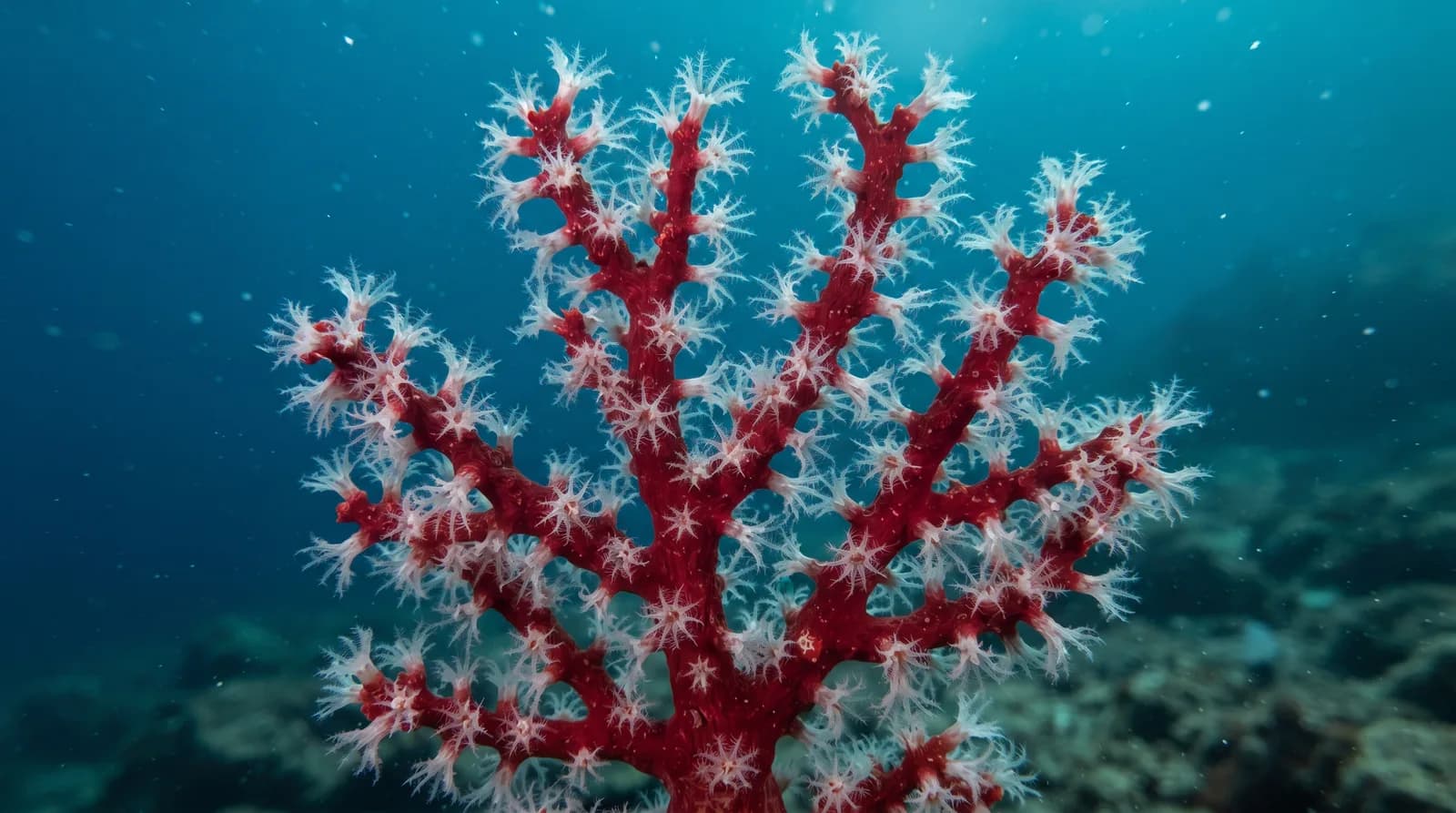
Red Coral
Corallium rubrum
 Endangered
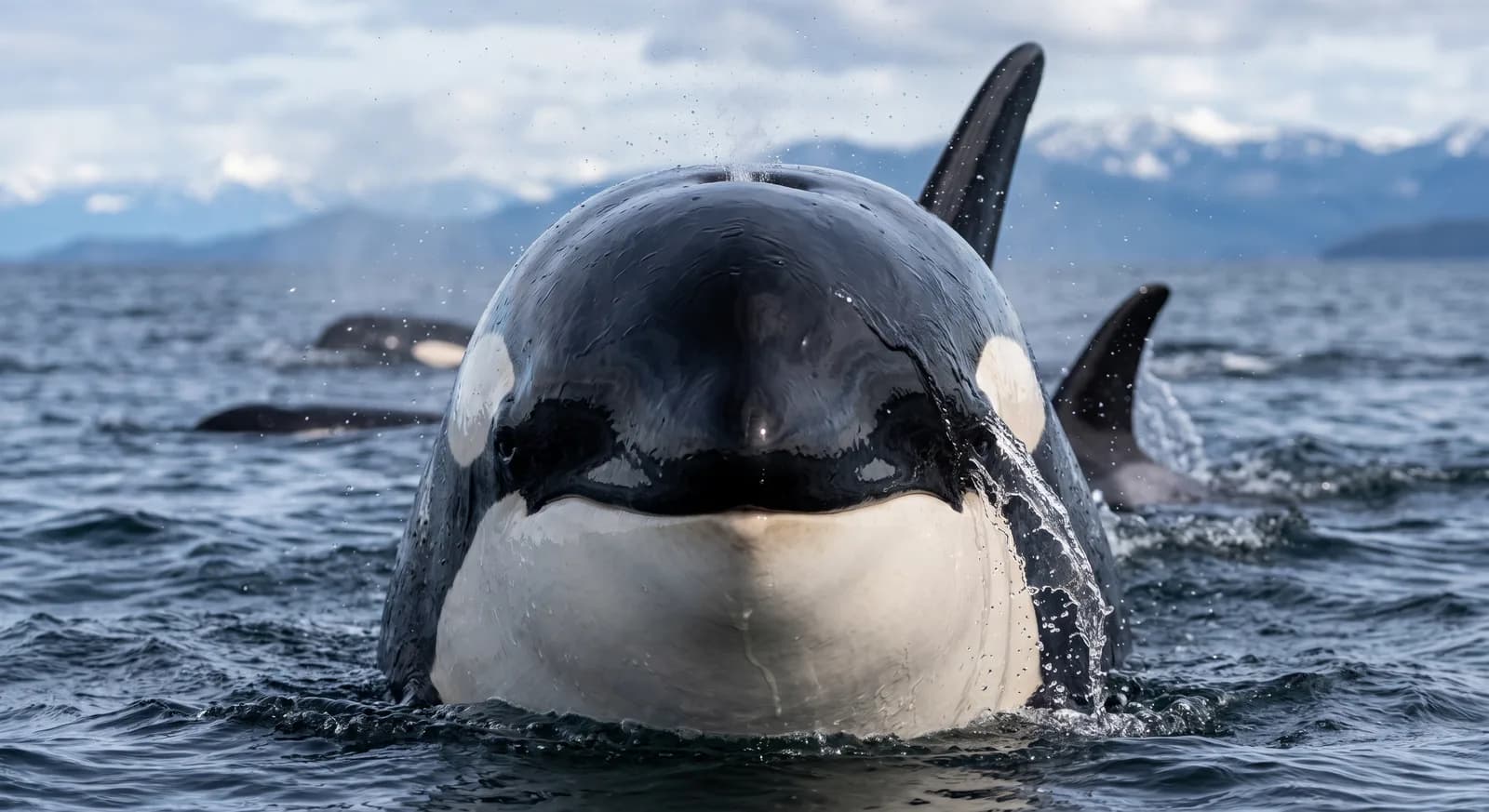
Killer Whale
Orcinus orca
 Endangered
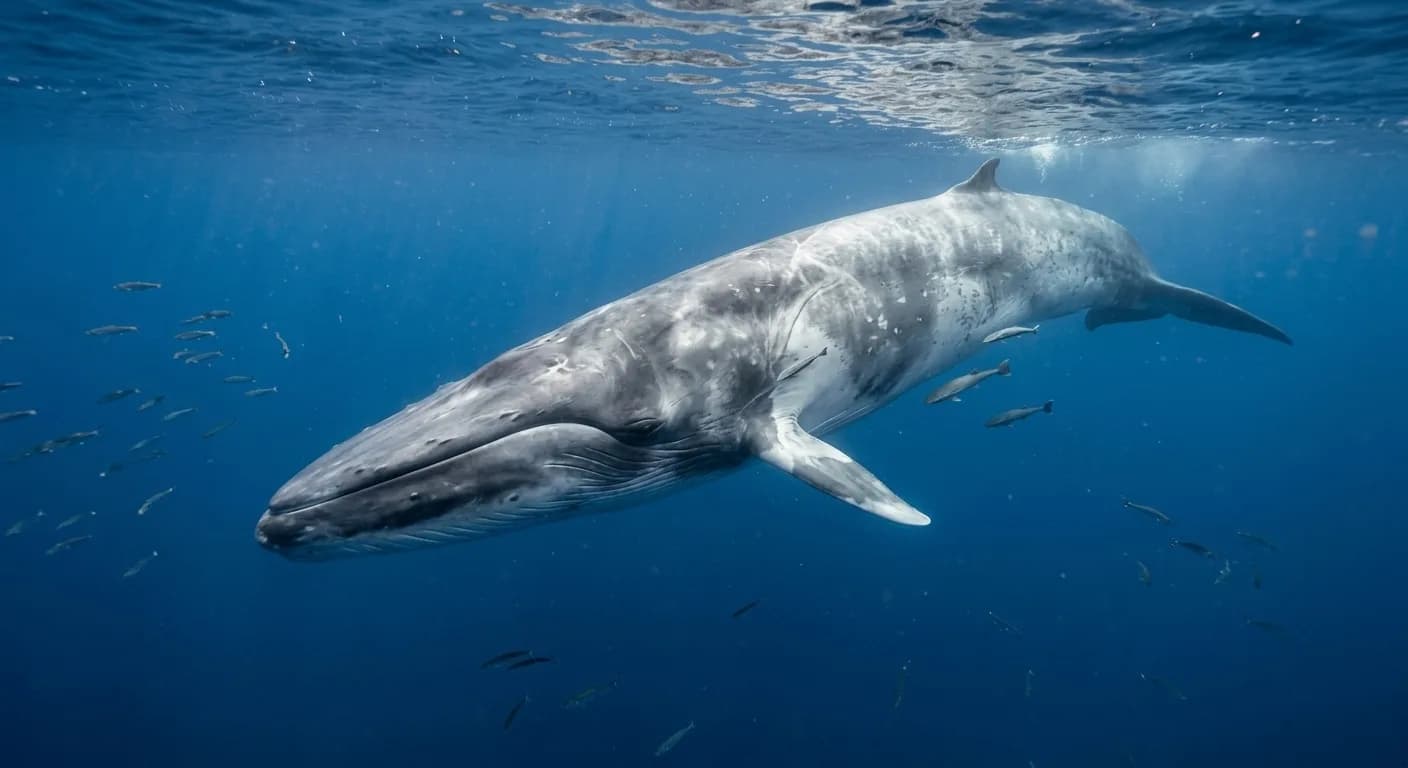
Fin Whale
Balaenoptera physalus
 Endangered
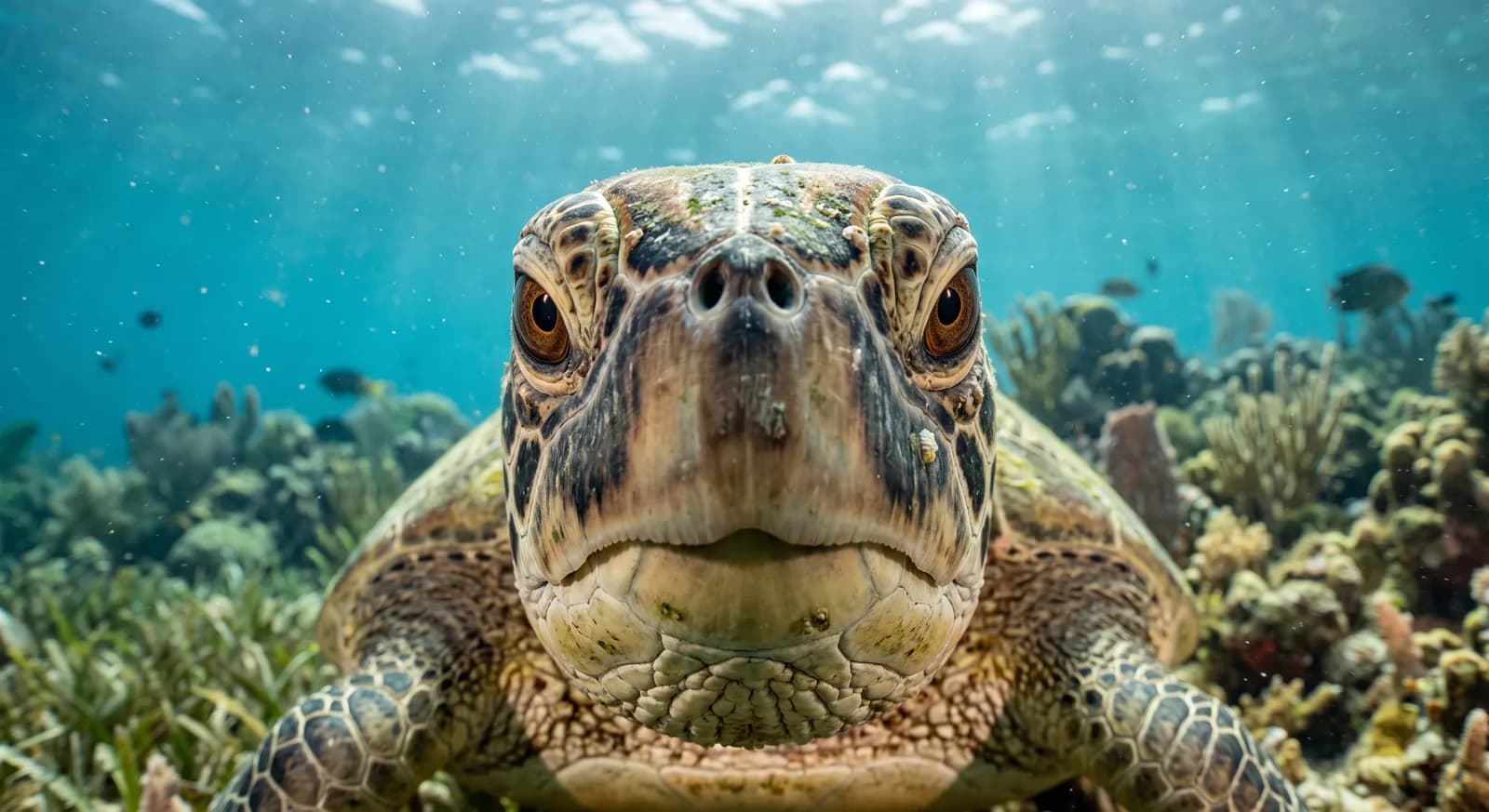
Green Turtle
Chelonia mydas
 Vulnerable
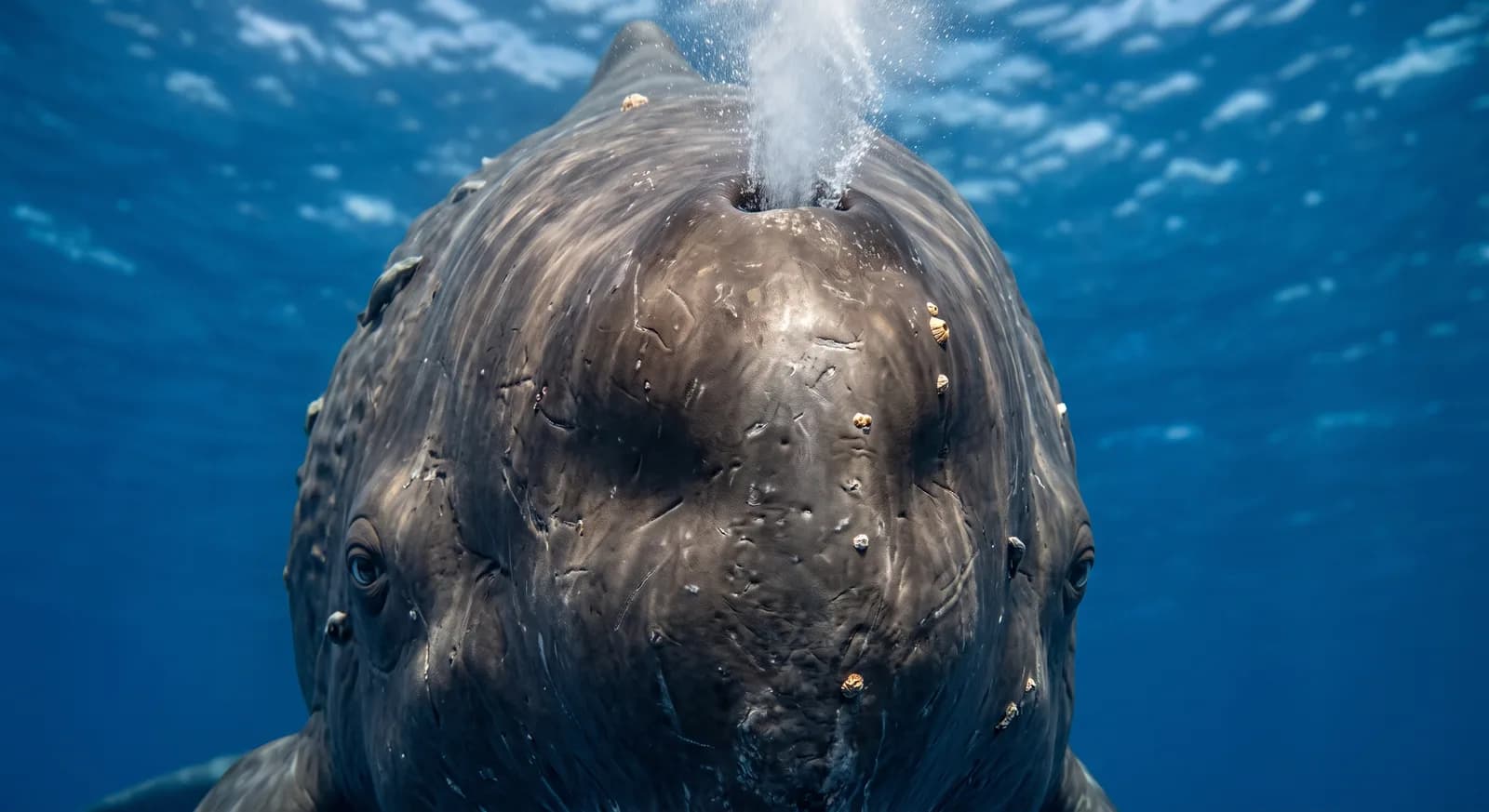
Sperm Whale
Physeter macrocephalus
 Vulnerable
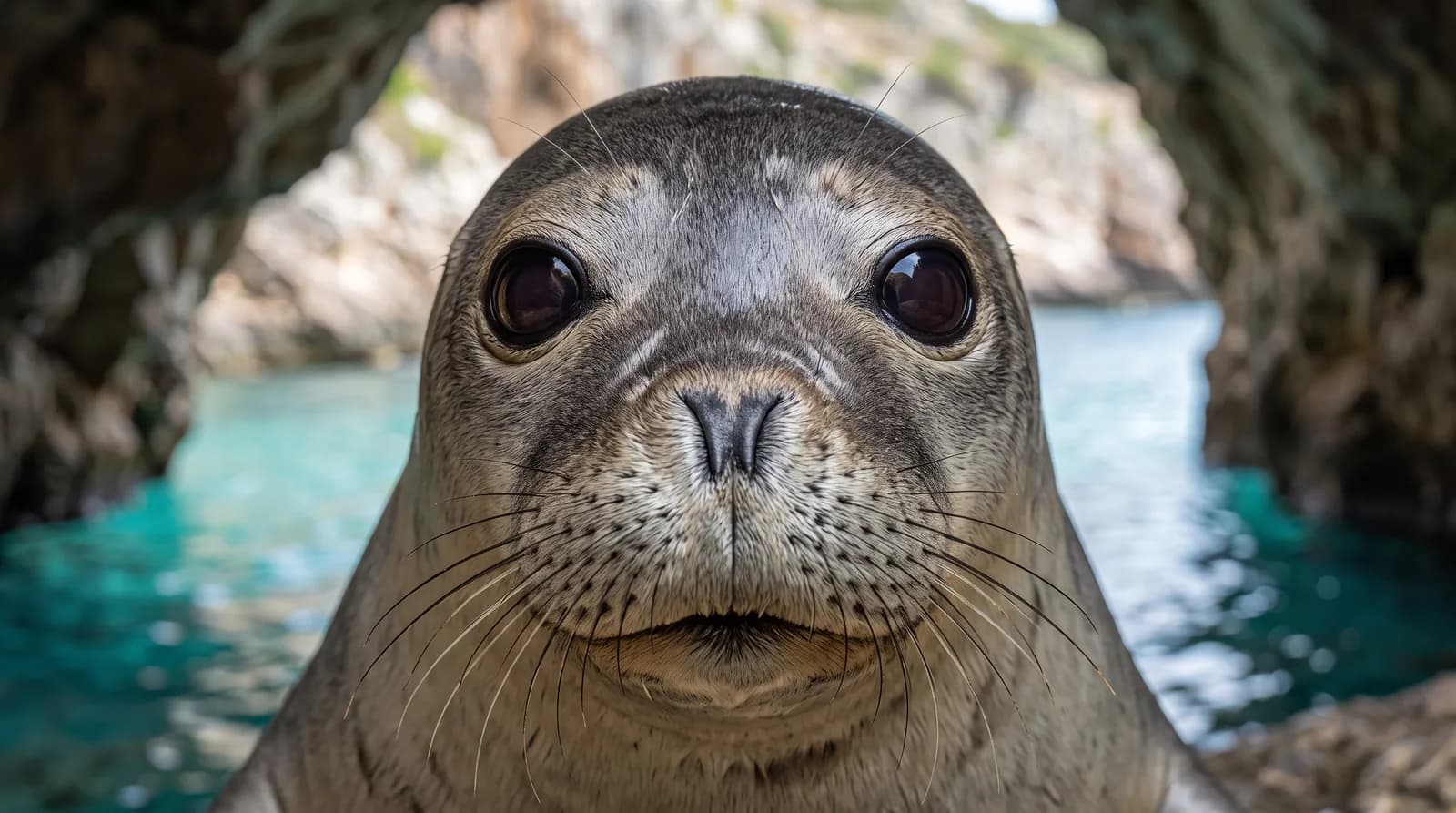
Mediterranean Monk Seal
Monachus monachus
 Vulnerable
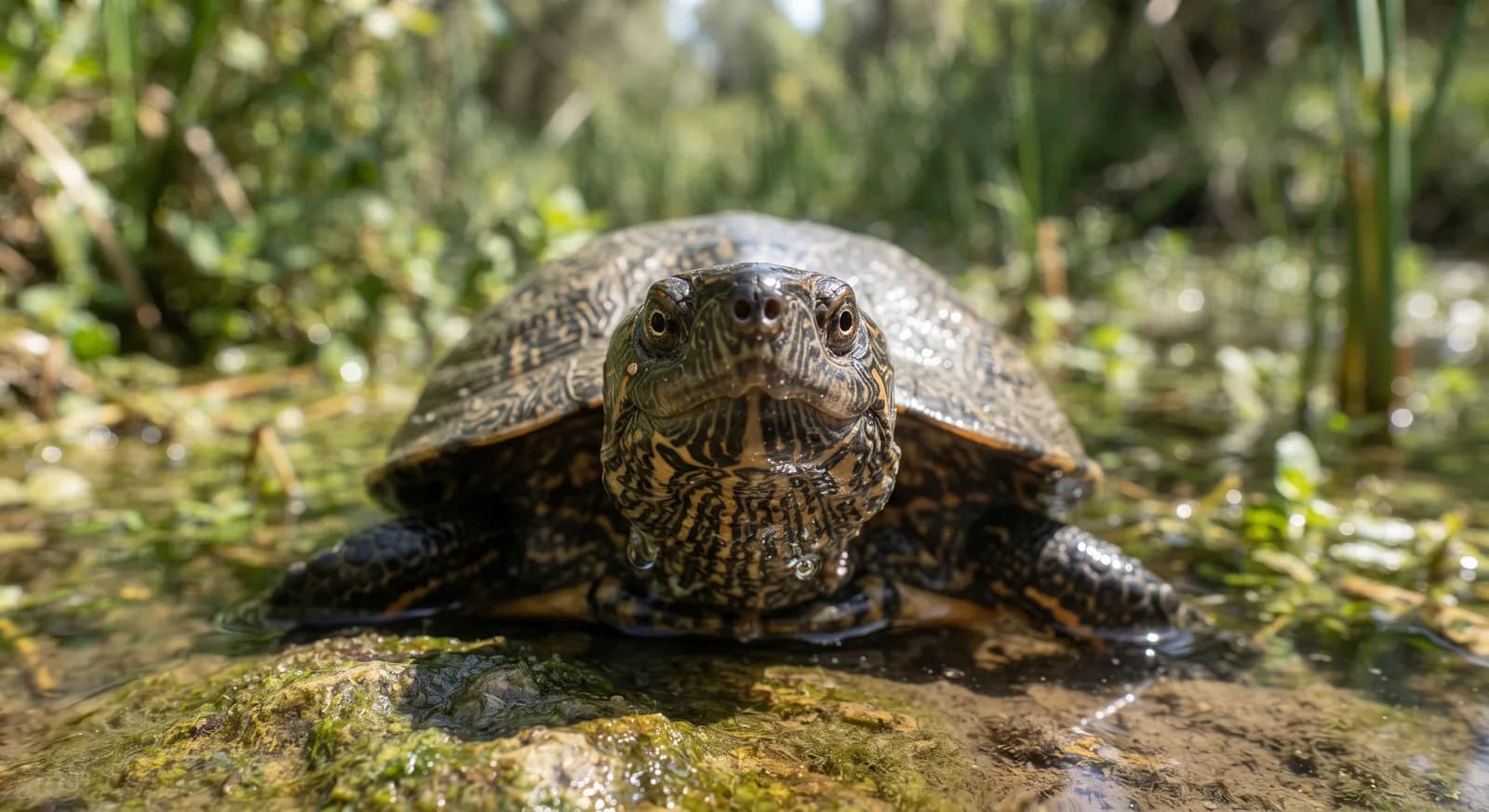
Spanish Terrapin
Mauremys leprosa
Keep exploring
Based on what we already know about Gibraltar.