Species group · Mammals
Seals
WAnimals has 13 species of seal, all in the family Phocidae.
- 13 species
- 1 family
- 56 countries
- 102 parks
- Weight
- 45 kg – 600 kg
- Length
- 1 m – 3.5 m
- Lifespan
- 20 – 55 years
Ranges calculated from the entries that record the figure, not from all 13.
All 13 species of seals on WAnimals
Each one has its own full entry. This group does not replace them: it brings them together.
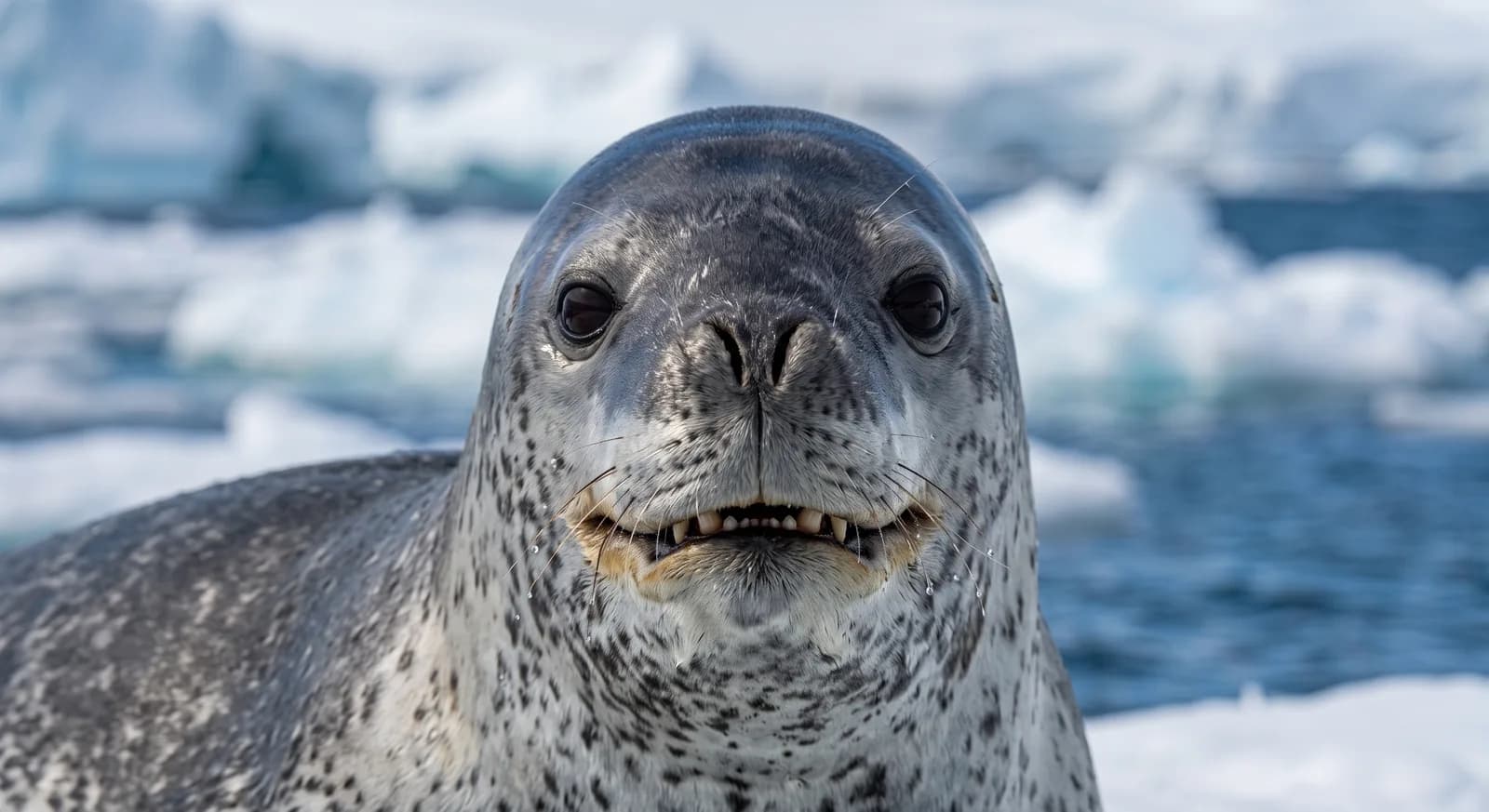 Least Concern
Leopard Seal
Hydrurga leptonyx
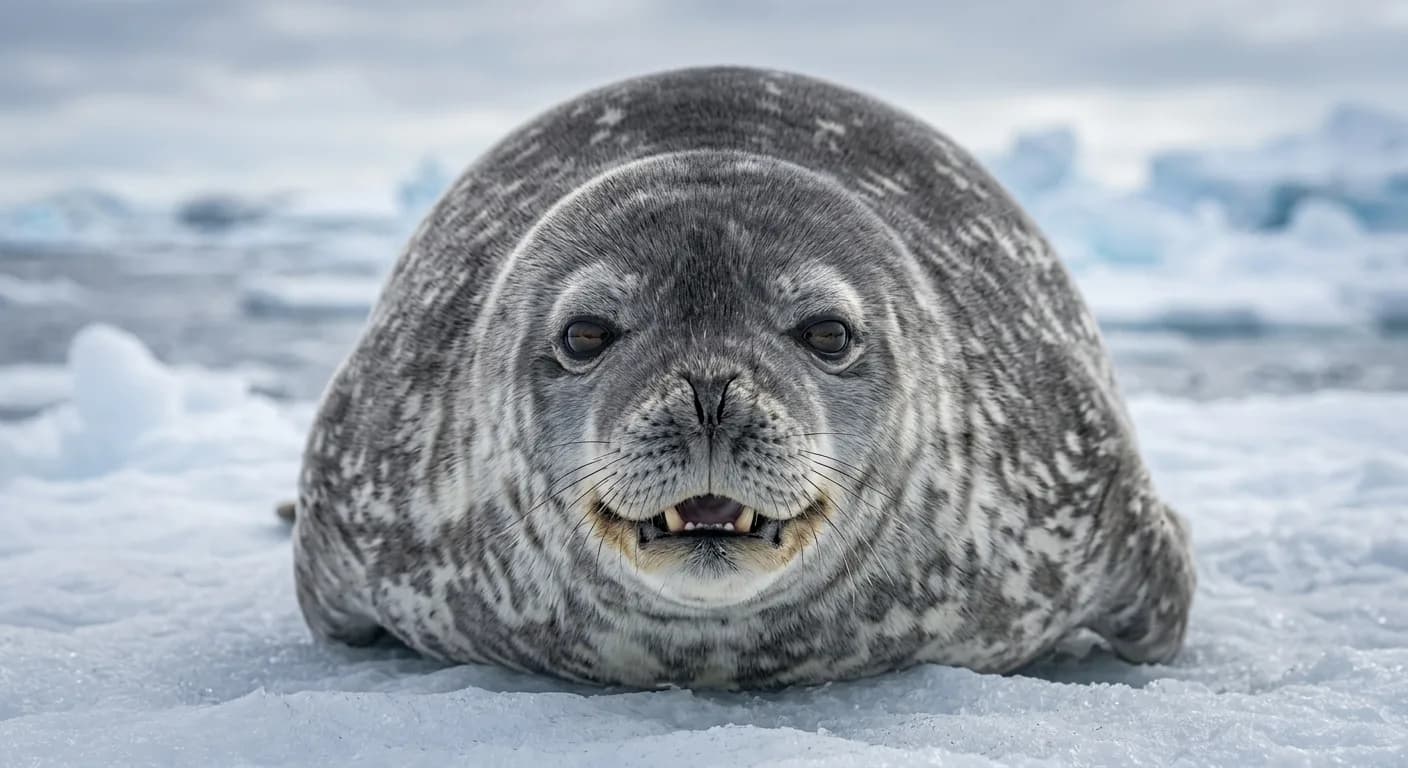 Least Concern
Weddell Seal
Leptonychotes weddellii
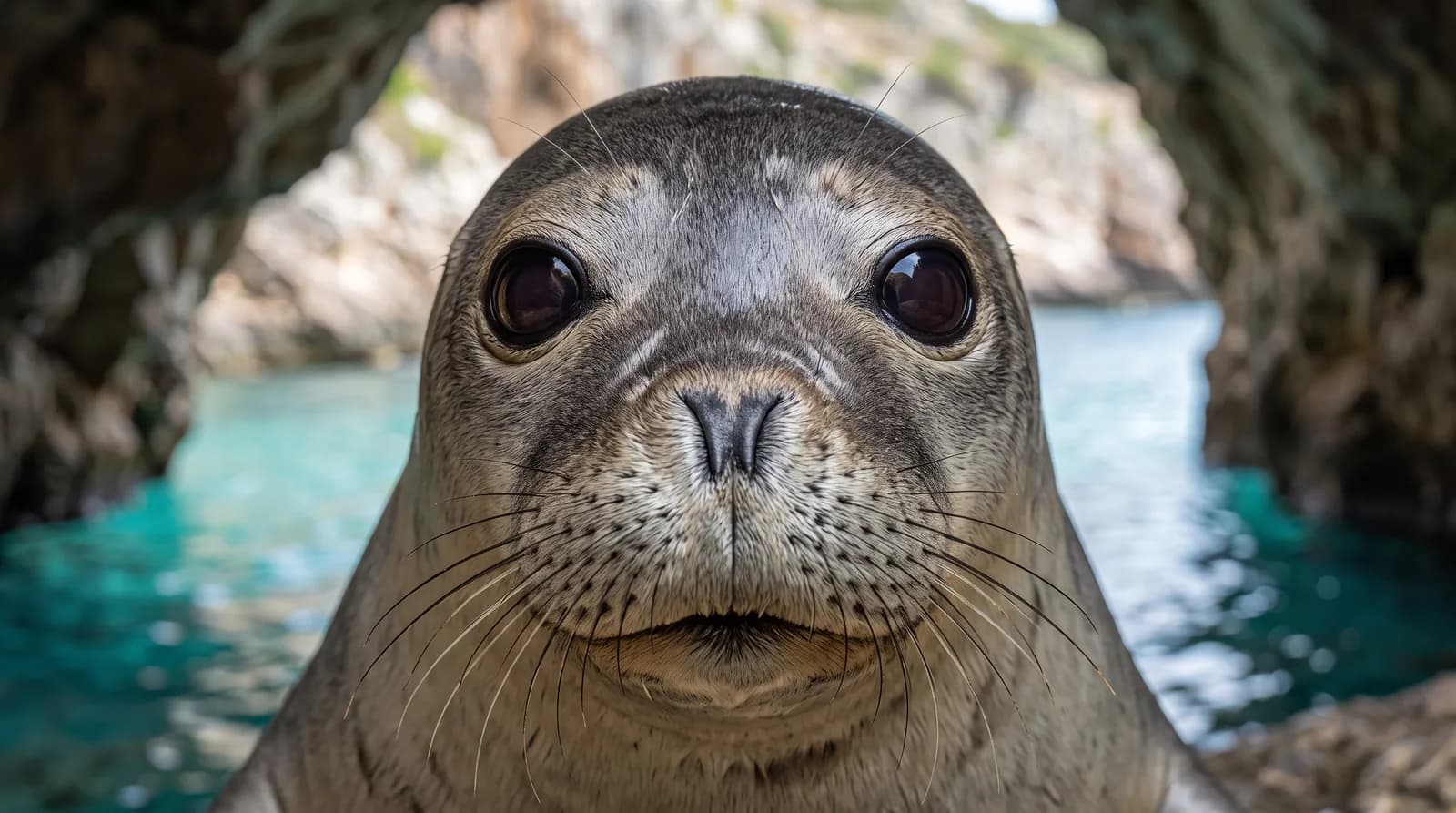 Vulnerable
Mediterranean Monk Seal
Monachus monachus
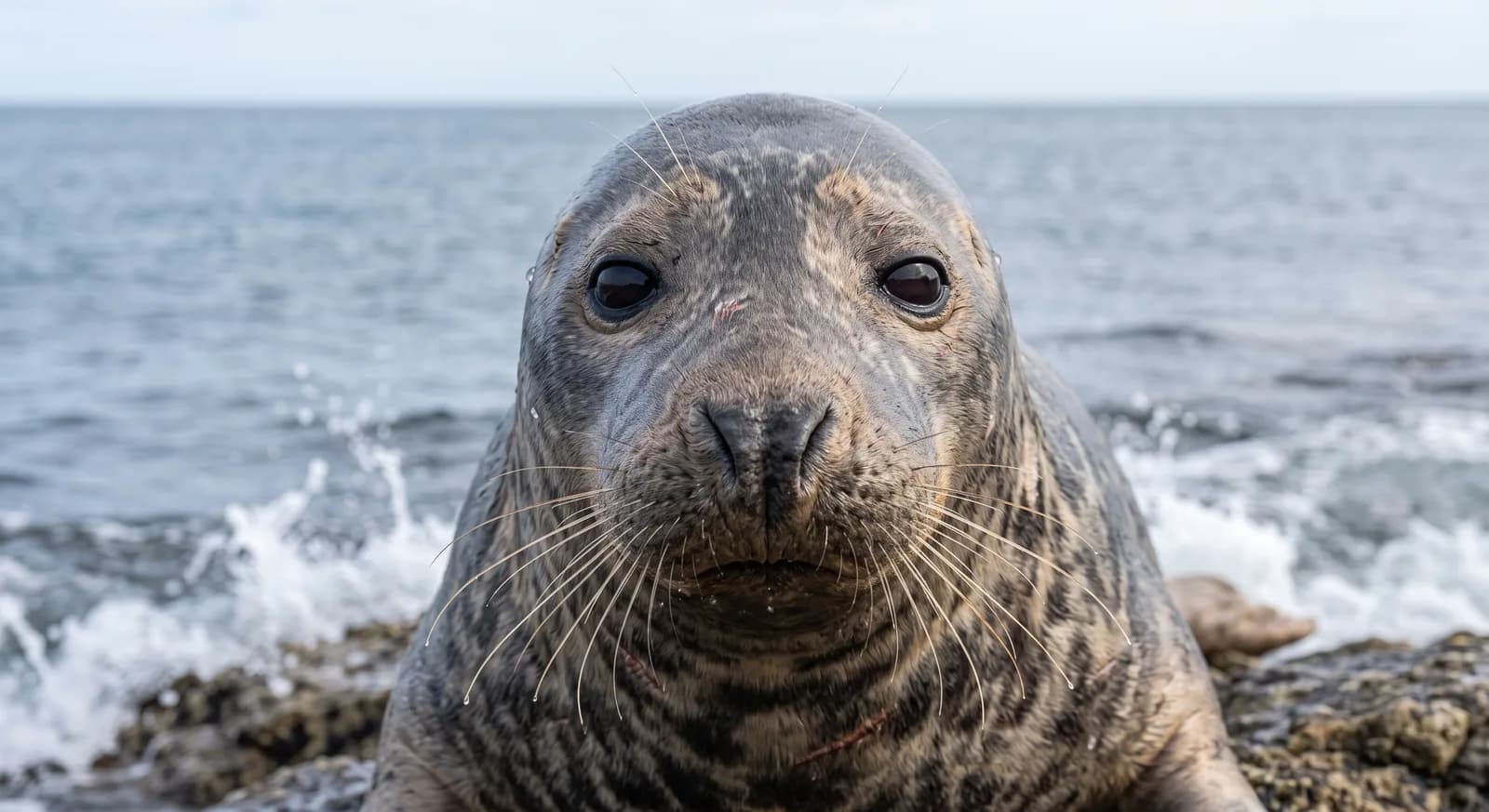 Least Concern
Grey Seal
Halichoerus grypus
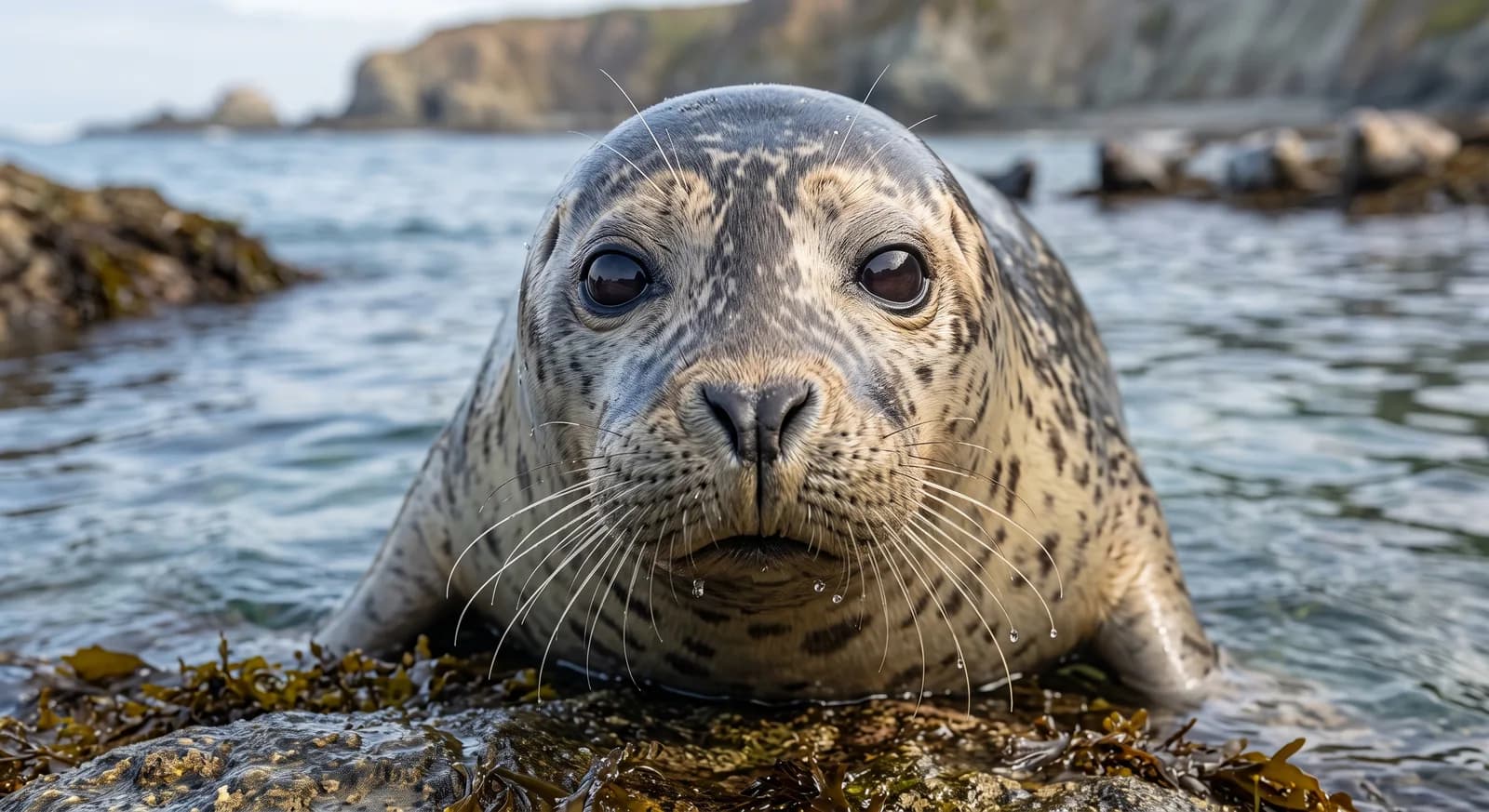 Least Concern
Harbor Seal
Phoca vitulina
 Least Concern
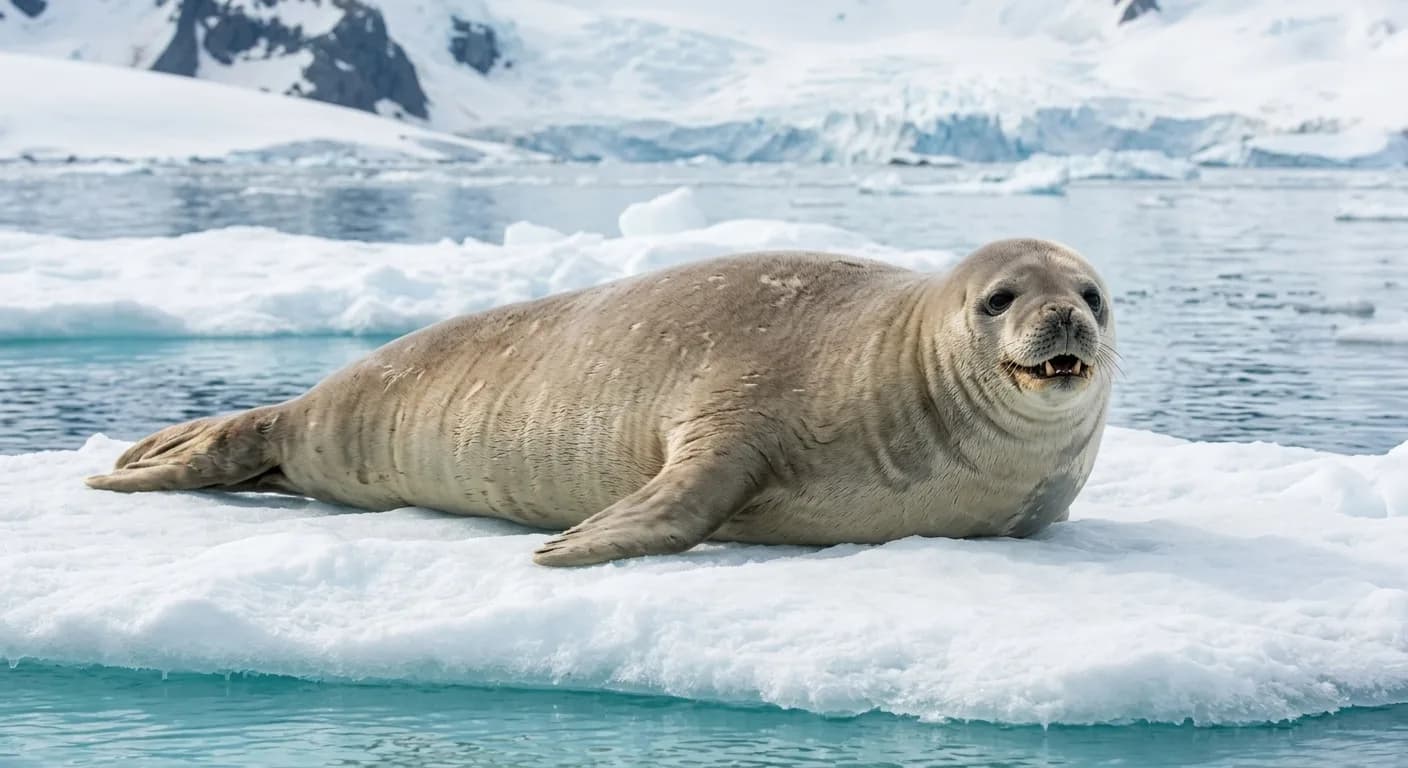
Crabeater Seal
Lobodon carcinophaga
 Least Concern
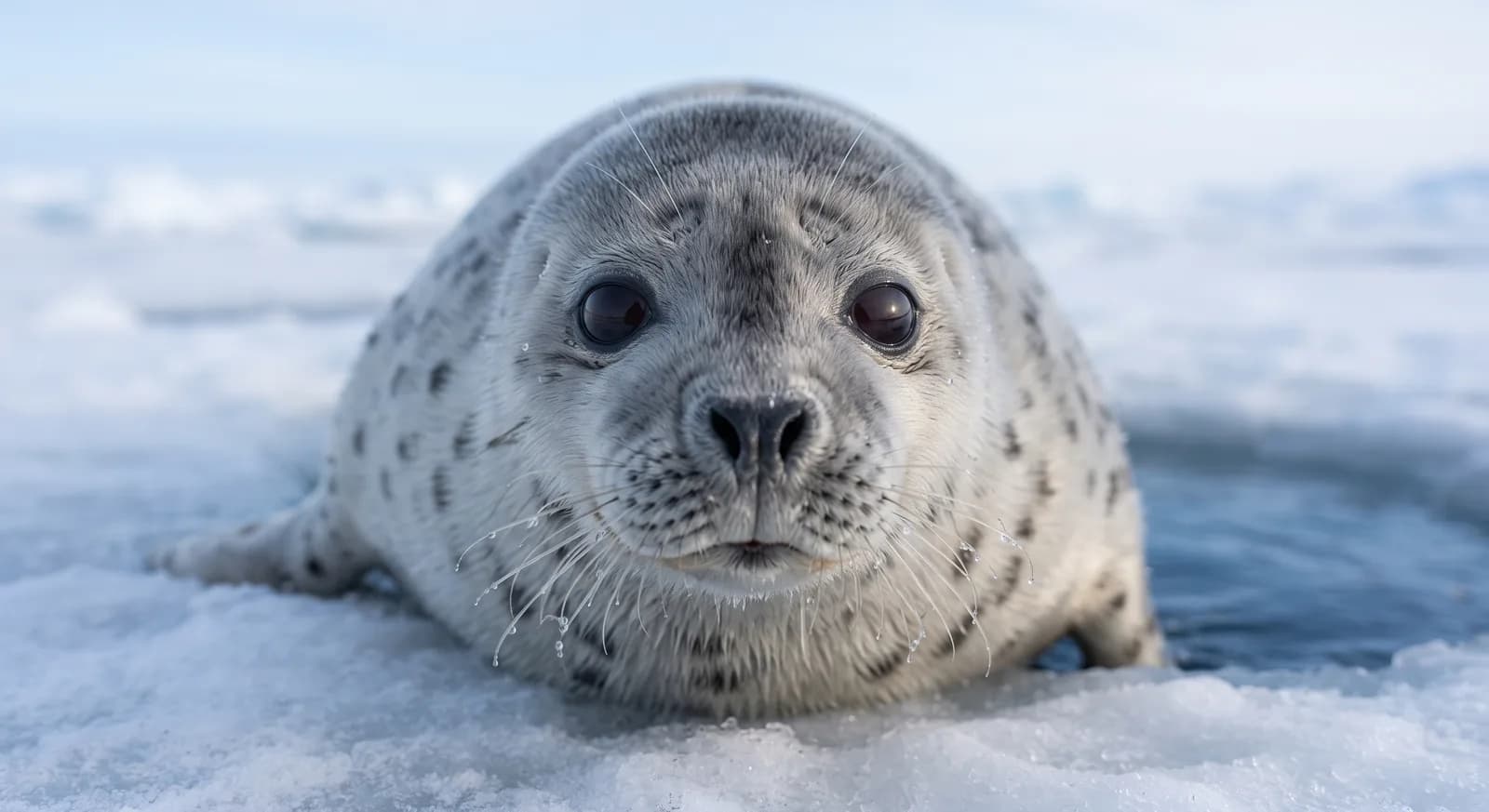
Ringed Seal
Pusa hispida
Hooded Seal
Cystophora cristata
Harp Seal
Pagophilus groenlandicus
Bearded Seal
Erignathus barbatus
Hawaiian Monk Seal
Neomonachus schauinslandi
Spotted Seal
Phoca largha
Baikal Seal
Pusa sibirica
Conservation status
3 especies in this group están en alguna categoría de riesgo real según la UICN.
See the global conservation statusWhere they live
Recorded in 56 countries. The ones with the most species in the group:
Where to see them
- Isla Wrangel5 species
- Auyuittuq4 species
- Forlandet4 species
- Isla de Sable4 species
- Nordvest-Spitsbergen4 species
- Quttinirpaaq4 species
- Sirmilik4 species
- Sør-Spitsbergen4 species
- Vatnajokull4 species
- Bahía Amanda3 species
- Bahía Terra Nova3 species
- Gates of the Arctic3 species
- Bell Island Wrecksdiving
- Svalbard (buceo bajo hielo)diving
- Bahía de Fundydiving
- Fiordo del Saguenay (belugas)diving
- Isla Decepcióndiving
- Islas Georgias del Surdiving
Did you know…
It combines active hunting and filter feeding in a single species, which is unusual among pinnipeds.
From Leopard Seal
It eats krill, fish, squid, penguins and smaller seals.
From Leopard Seal
It lives in Antarctic and subantarctic waters of the southern hemisphere.
From Leopard Seal
It gives birth on Antarctic fast ice and can stay under the frozen surface, finding its breathing holes from a remembered map of the area.
From Weddell Seal
It gnaws the ice with its incisors and canines to keep its breathing holes open all winter, work that wears down its teeth and ends up limiting its life expectancy.
From Weddell Seal
It is the southernmost-living mammal in the world: there are colonies breeding less than 1,300 kilometres from the geographic South Pole.
From Weddell Seal
It is one of the most threatened pinnipeds on the planet, and its Caribbean relative has been considered extinct since the mid-20th century.
It is one of the most threatened marine mammals on the planet, and unlike most seals it usually pups inside half-submerged sea caves in the Mediterranean rather than on open beaches.