One of the 13 seals on WAnimals
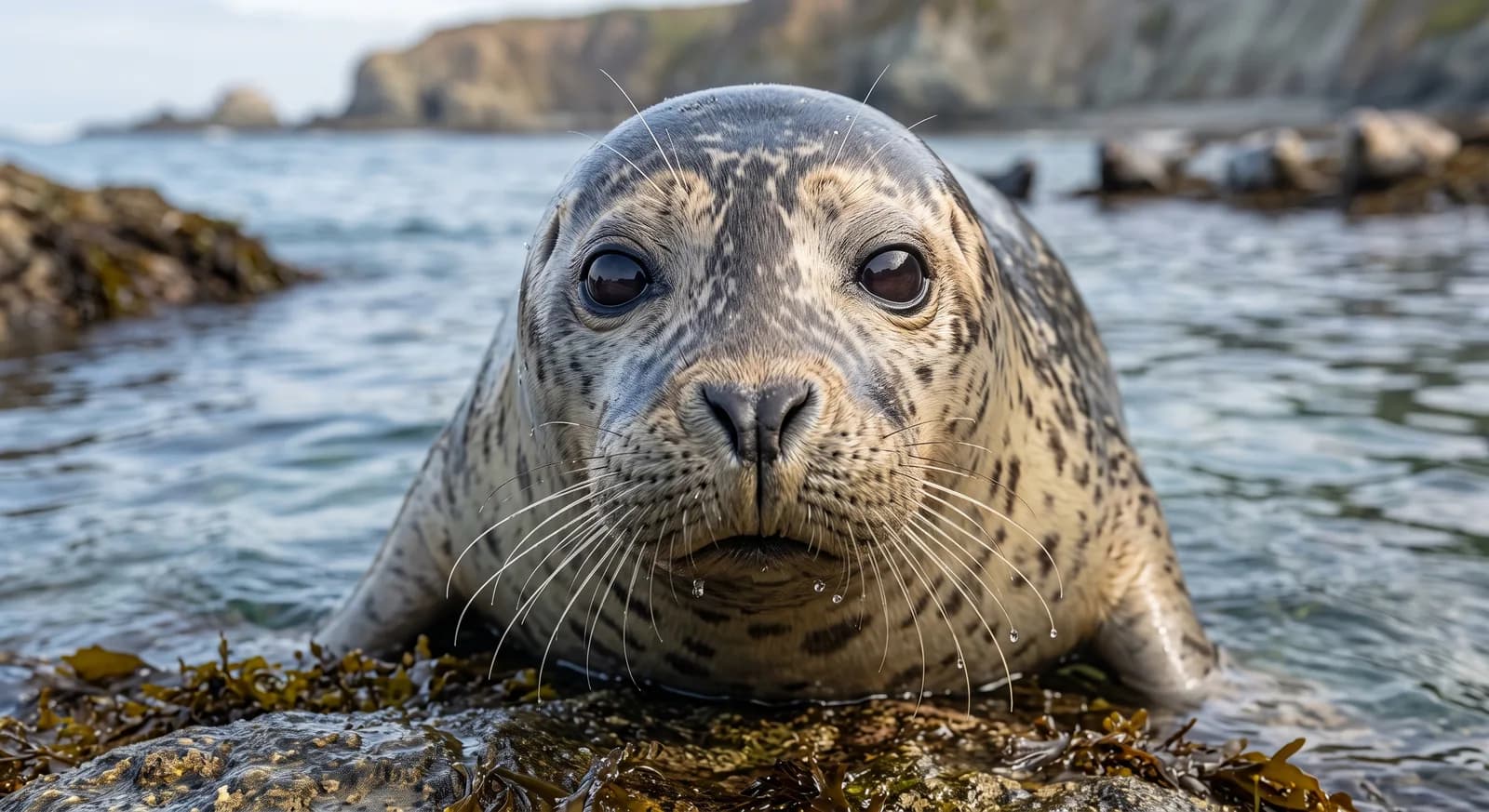
Mammals · Carnivora · Phocidae
Harbor Seal
Phoca vitulina
The species is abundant and widely distributed; it faces no significant short-term risk. See full glossary
Pups can swim and haul out on land within an hour of being born, and many are born already in the adult coat rather than the woolly prenatal one.
Weight
45 kg – 170 kg
Size
1.2 m – 1.9 m
Lifespan
30 years
Diet
Carnivore
Feeds mainly on other animals.
Activity
Irregular activity
Active at irregular times, by day or night depending on circumstances.
Social structure
Solitary
Lives and hunts alone, joining others only to breed.
Sighting difficulty
Easy
Fun facts
- That is a crucial adaptation for a species that gives birth on exposed intertidal ground.
- It feeds on fish and a variety of marine invertebrates.
- It lives on the temperate and Arctic coasts of the Northern Hemisphere.
Life cycle & biology
- Skeleton type
- Vertebrate - internal bony skeleton (mammal)
- Habitat & environment
- Temperate and Arctic coasts of the Northern Hemisphere
- Birth weight
- 8-12 kg and 70-100 cm long at birth
- Size at birth
- 8-12 kg and 70-100 cm at birth
- Sexual maturity
- Female: 3-4 years (physically 6-7) | Male: 4-5 years (physically 7-9)
- Gestation / incubation
- 9-11 months, with ~11 weeks of delayed implantation (about 8.5 months of active foetal development)
- Litter / clutch size
- 1 young per birth
- Lifespan in captivity
- Documented record of up to 47.6 years
Sources consulted: MarineBio; Animal Diversity Web; AnAge (genomics.senescence.info); Alaska Department of Fish and Game; Virginia Aquarium; AnimalHub; Ocean Connections; SeaWorld/United Parks
Where to find it
See its range on the interactive mapWhere to watch it
Parques y spots de buceo donde se ha documentado esta especie — se muestran 20 de 49 documentados.
Related species
Other species in the catalogue with the most in common with Harbor Seal — same habitat, park, country, tags or family.
Harp Seal
Pagophilus groenlandicus
 Least Concern
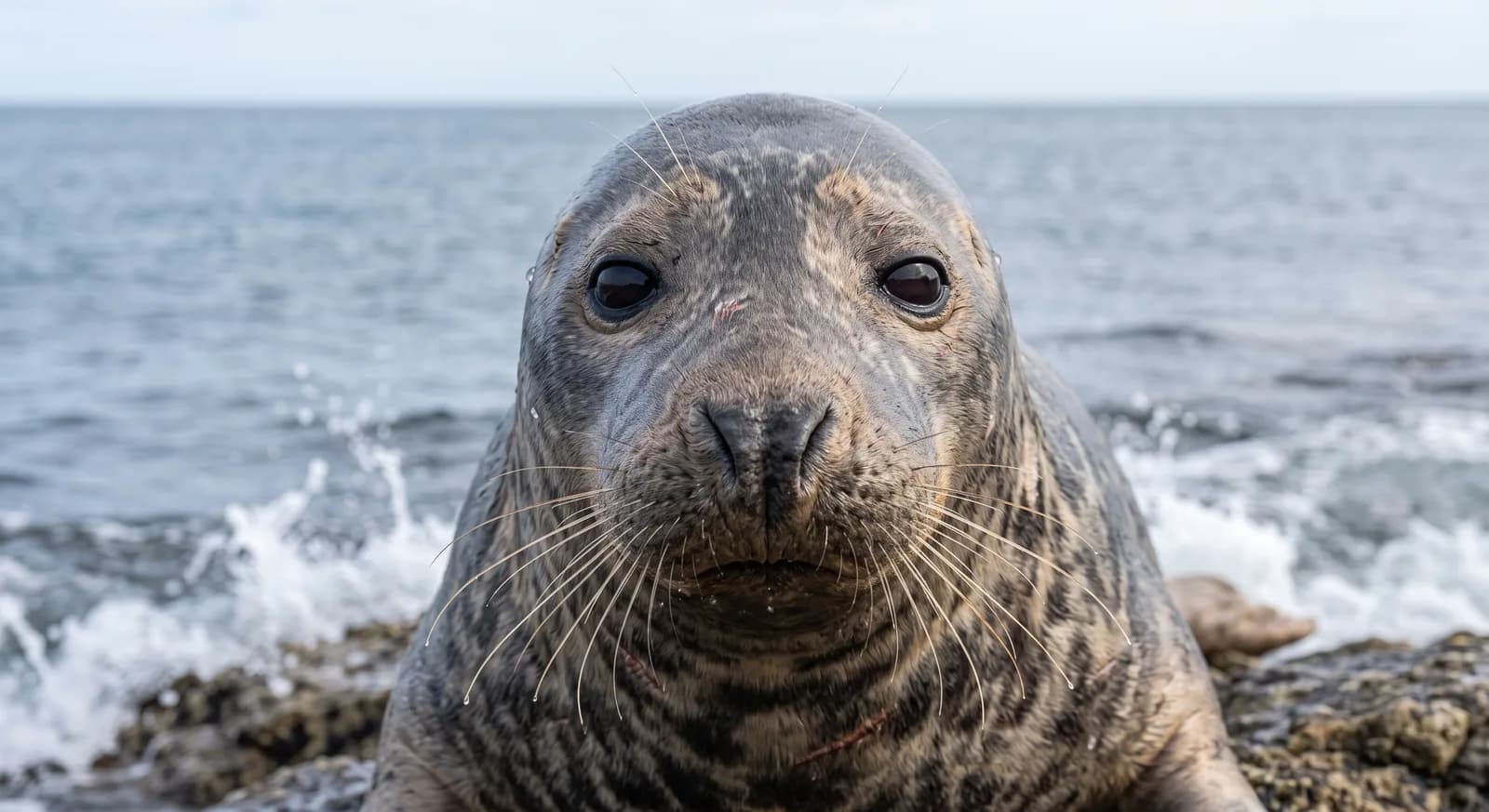
Grey Seal
Halichoerus grypus
 Least Concern
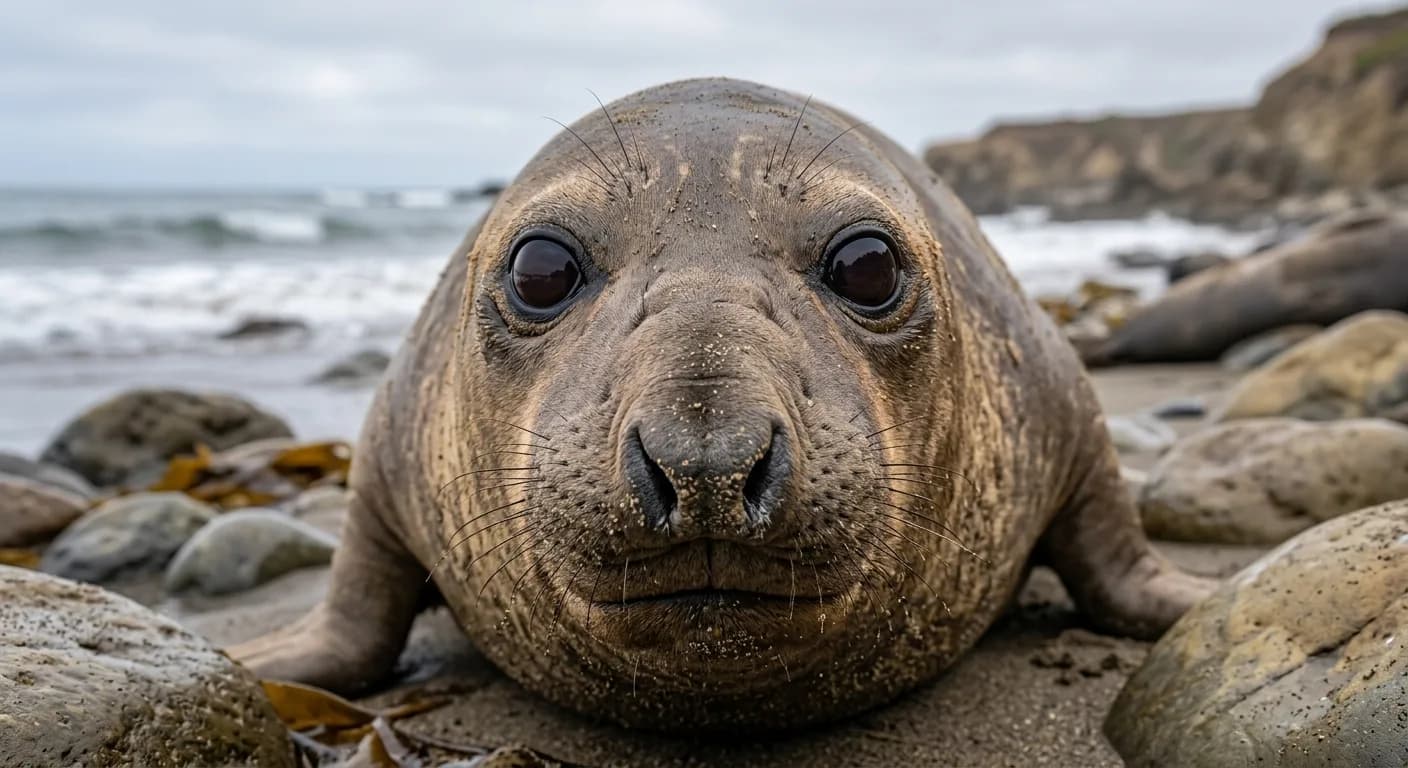
Northern Elephant Seal
Mirounga angustirostris
Hooded Seal
Cystophora cristata
Spotted Seal
Phoca largha
Bearded Seal
Erignathus barbatus
Keep exploring
Based on what we already know about harbor seal.
Comments
Share an experience, a fun fact or a tip for seeing the harbor seal.
Be the first to comment.