One of the 2 elephant seals on WAnimals
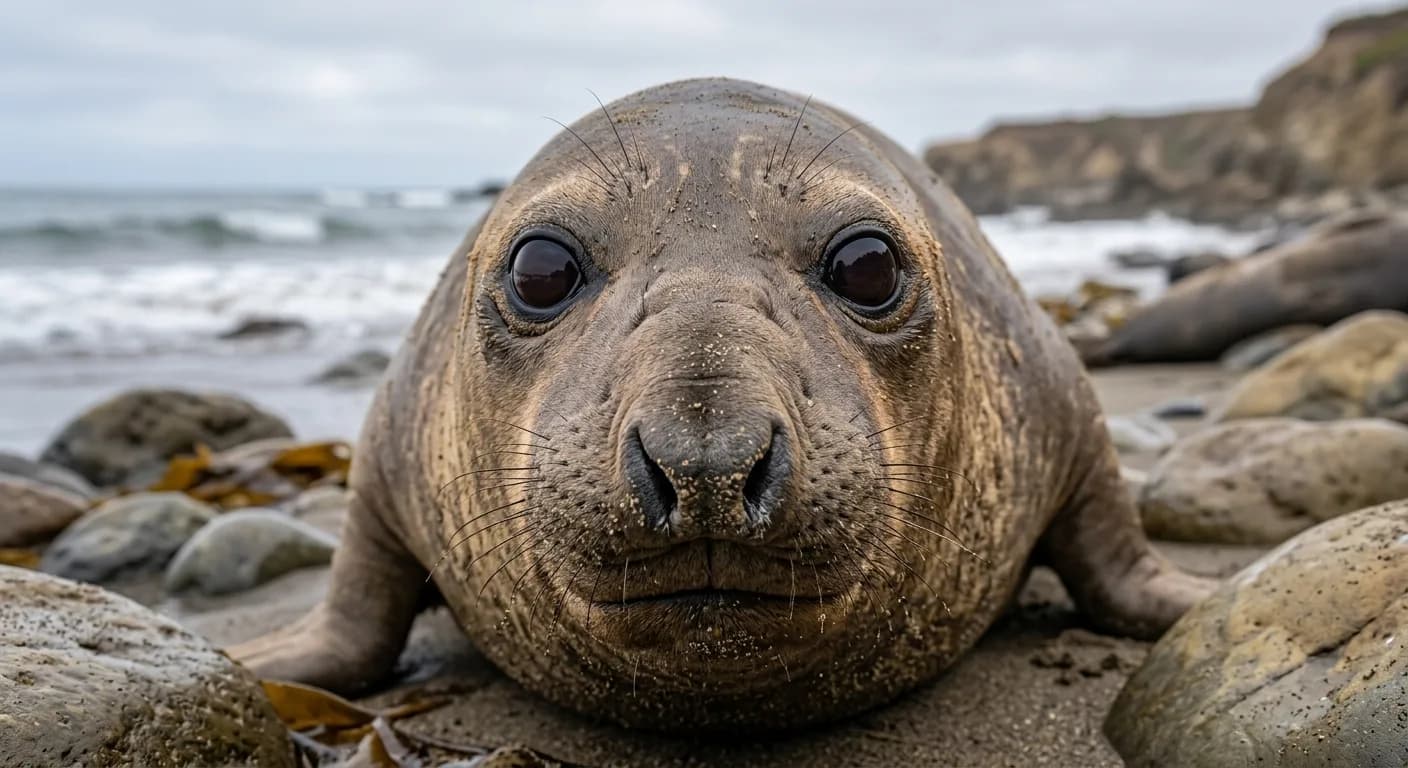
Mammals · Carnivora · Phocidae
Northern Elephant Seal
Mirounga angustirostris
The species is abundant and widely distributed; it faces no significant short-term risk. See full glossary
It shows one of the most extreme cases of sexual dimorphism among mammals, with males that can weigh more than five times as much as females.
Weight
400 kg – 2.3 t
Size
2.5 m – 5 m
Lifespan
15 years
Diet
Carnivore
Feeds mainly on other animals.
Activity
Irregular activity
Active at irregular times, by day or night depending on circumstances.
Social structure
Colony
Lives in large concentrations, often for breeding reasons.
Sighting difficulty
Easy
Fun facts
- It makes one of the longest known migrations of any mammal, covering more than 20,000 km there and back every year in search of food.
- It feeds on deep-water fish and squid, taken on extremely deep dives.
- It lives on the coasts of the eastern Pacific, mainly California and Baja California.
Life cycle & biology
- Skeleton type
- Vertebrate - internal bony skeleton (mammal)
- Habitat & environment
- Coasts of the eastern Pacific, mainly California and Baja California
- Birth weight
- Born black, moulting to silver after weaning
- Size at birth
- Born black
- Sexual maturity
- 3 years
- Gestation / incubation
- ~11 months, with 2-3 months of delayed implantation
- Litter / clutch size
- 1 young per birth (twins rare)
- Lifespan in captivity
- Documented record of up to 15.8 years
Sources consulted: AnAge (genomics.senescence.info); Wikipedia (Northern elephant seal); NOAA Fisheries; PMC (lifetime reproductive success study); Animal Diversity Web
Where to watch it
Parks and dive sites where this species has been documented.
Related species
Other species in the catalogue with the most in common with Northern Elephant Seal — same habitat, park, country, tags or family.
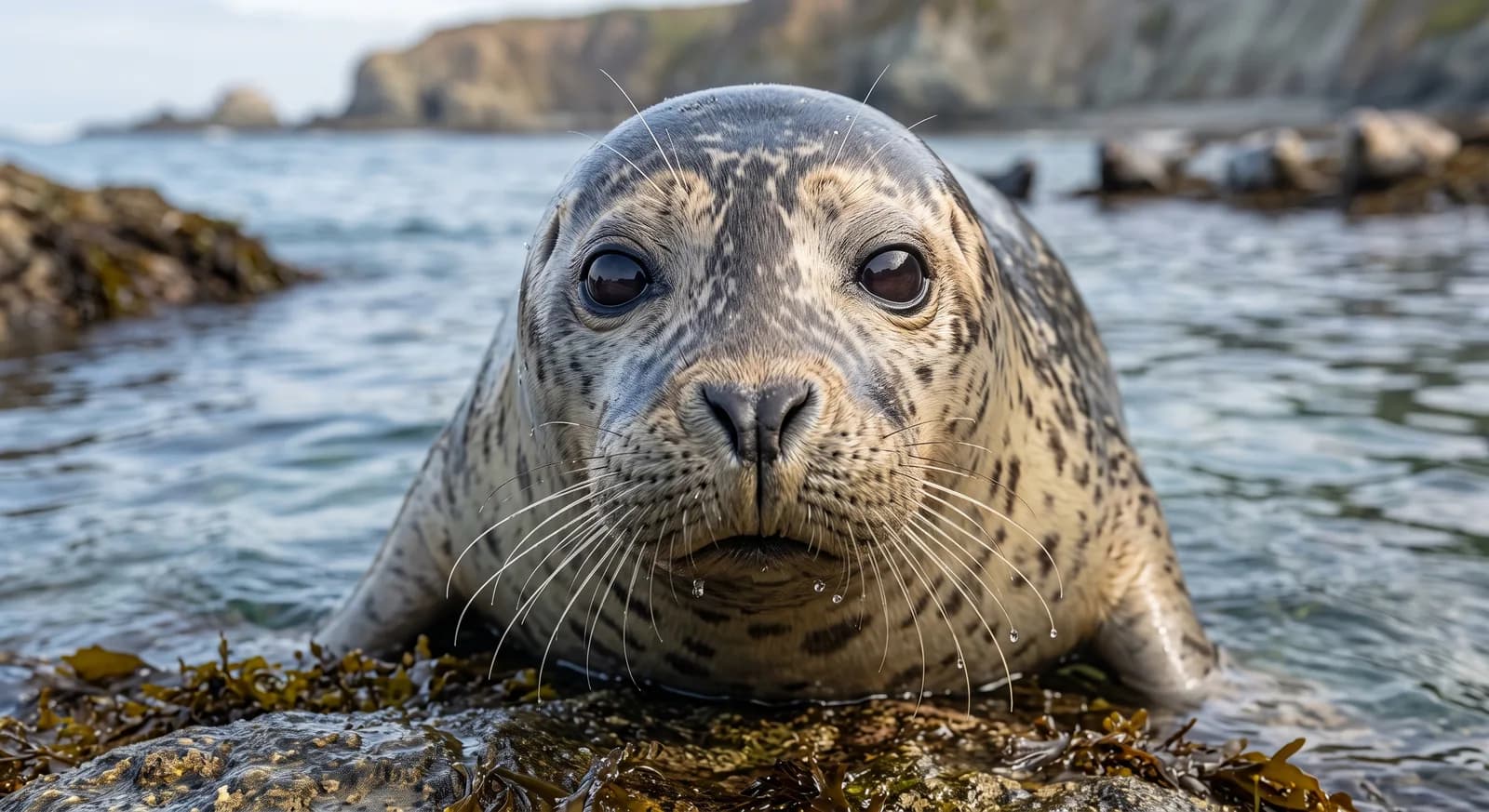 Least Concern
Harbor Seal
Phoca vitulina
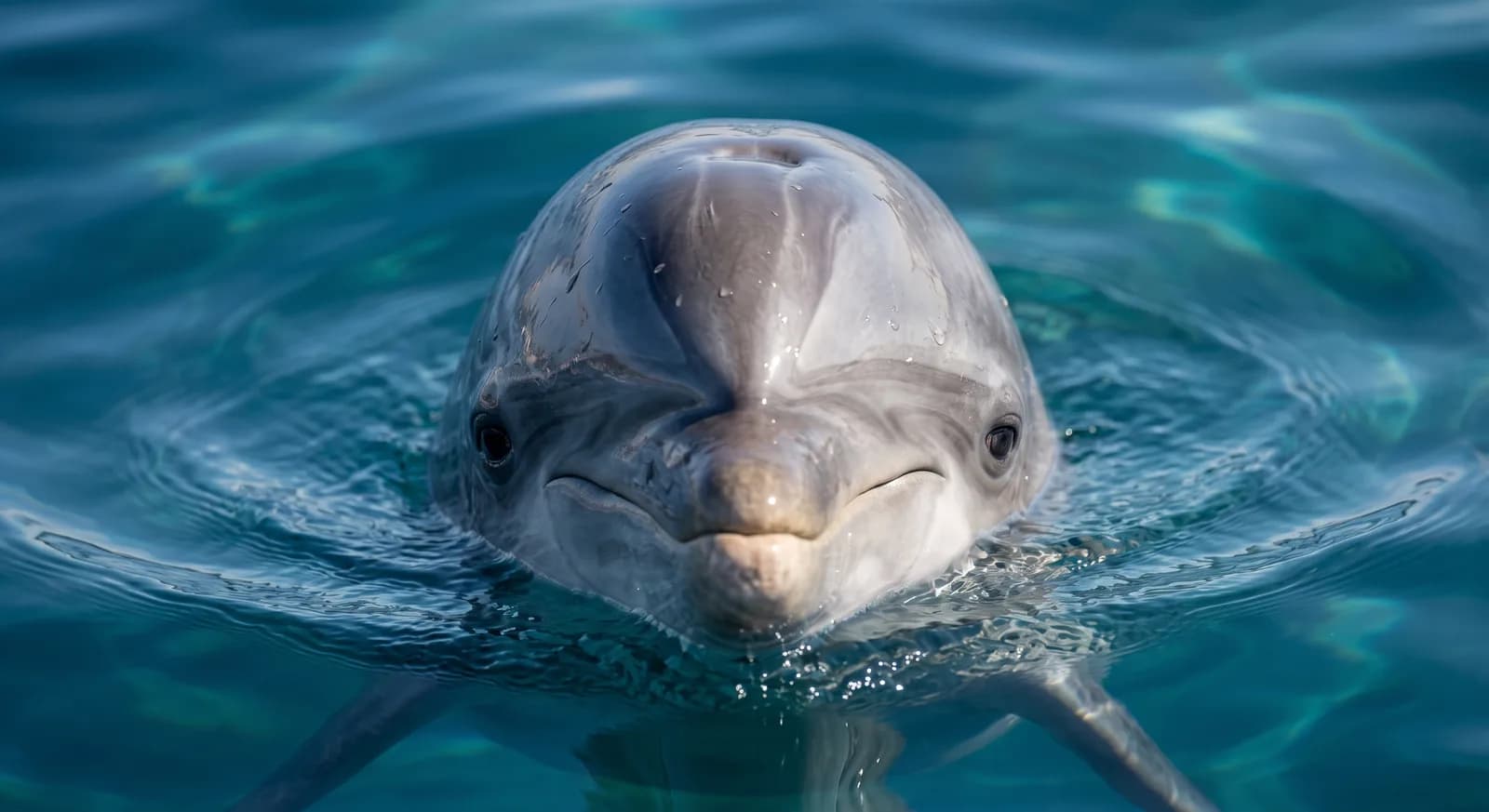 Least Concern
Bottlenose Dolphin
Tursiops truncatus
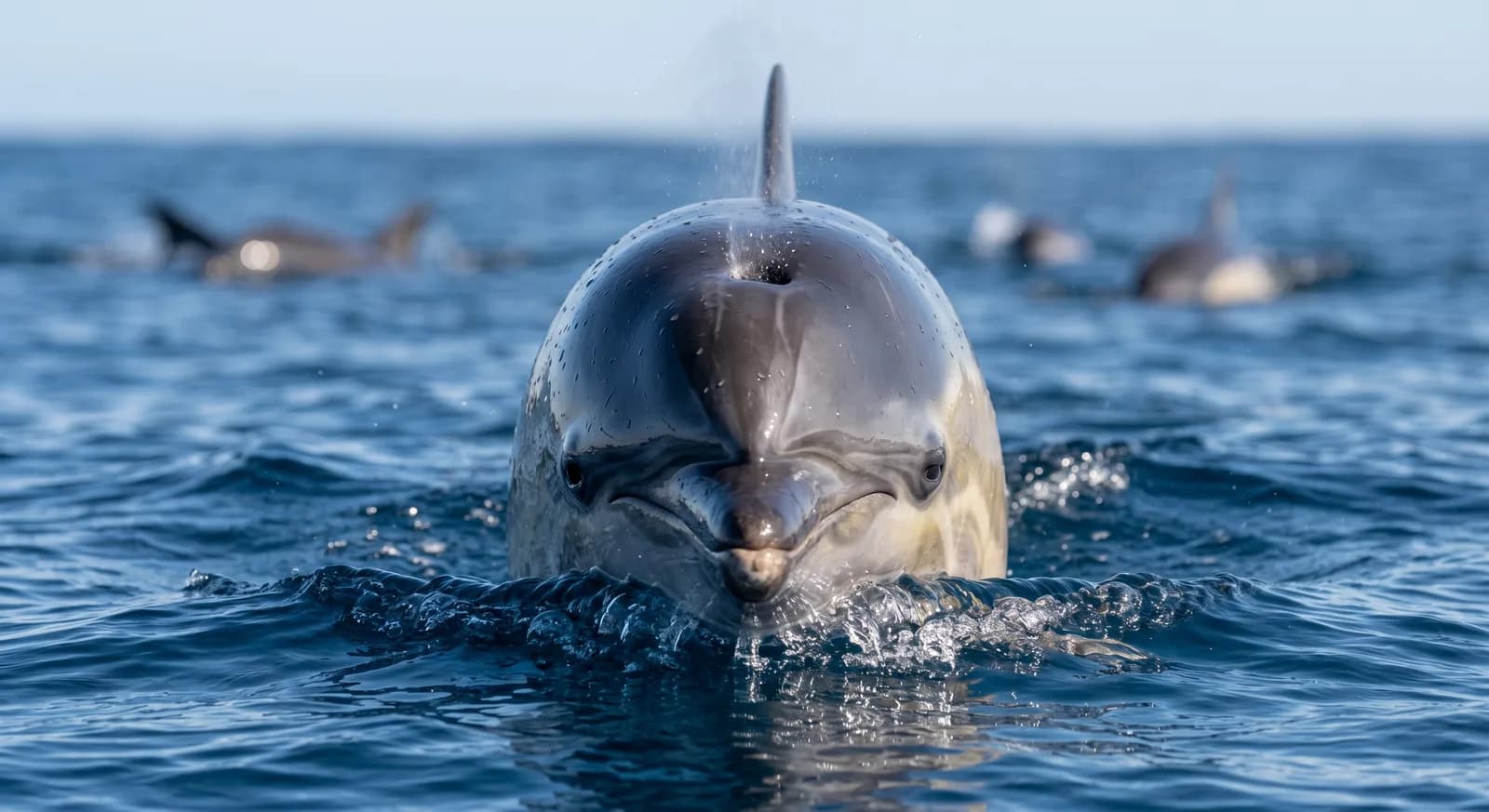 Least Concern
Short-beaked Common Dolphin
Delphinus delphis
Cuvier's Beaked Whale
Ziphius cavirostris
Minke Whale
Balaenoptera acutorostrata
Juan Fernandez Fur Seal
Arctocephalus philippii
Keep exploring
Based on what we already know about northern elephant seal.
Comments
Share an experience, a fun fact or a tip for seeing the northern elephant seal.
Be the first to comment.