Germany
Europa
Germany is arranged in three natural bands: the northern plain with North Sea and Baltic coasts, the middle belt of wooded uplands and the Alpine south. The Wadden Sea, a system of tidal flats shared with the Netherlands and Denmark, is a World Heritage Site and one of the most important migratory stopovers on the planet: on the order of ten to twelve million waterbirds use it every year. The beech forests of the centre and east, at Hainich and Jasmund, represent what little remains of the primeval beechwood that covered central Europe. The Bavarian Forest, the country's first national park in 1970, applies a policy of non-intervention that has turned its bark-beetle-killed woodland into a laboratory of natural regeneration and a refuge for the Eurasian lynx. The Elbe, the Rhine and the Danube organise wetland corridors where beavers, otters and black storks are recovering.
The nature of Germany
National animal: The federal eagle, the heraldic emblem of the state
Did you know?
The wolf disappeared from Germany in the middle of the nineteenth century and returned on its own four feet: in the year 2000 the first litter born in the wild in more than 150 years was documented on a former military training ground in Lusatia, next to the Polish border. From that single family group the population has expanded to more than a thousand animals spread across much of the country.
Biodiversity profile
Climate
- •Oceanico templado (Cfb) en el norte y oeste
- •Continental humedo en el este y sur
- •Clima de montaña en los Alpes bavaros (sur)
Main biomes
- •Bosque caducifolio y mixto de tierras altas centrales (Selva Negra, entre otros)
- •Humedales, turberas y brezales de la Llanura del Norte de Alemania
- •Praderas alpinas y bosque montano en los Alpes bavaros (sur)
- •Marisma mareal
- •Hayedo primigenio
- •Bosque de coníferas de montaña
- •Turbera
- •Llanura de inundación fluvial
- •Brezal
- •Alta montaña alpina
Marine and coastal ecosystems
- •Costas del Mar del Norte y Baltico, con marismas y lagunas de importancia para aves migratorias (Parques Nacionales del Mar de Wadden)
Flagship wildlife
- •Lobo gris (poblacion en fuerte recuperacion en el noreste, uno de los procesos de recolonizacion de grandes carnivoros mas importantes de Europa Central)
- •Aguila de cola blanca (bastion centroeuropeo en humedales del norte)
- •Bisonte europeo (proyecto de poblacion libre en Rothaargebirge, Alemania Occidental/Central)
- •Lince euroasiatico (reintroducido)
- •Lince boreal
- •Castor europeo
- •Foca común
- •Marsopa común
- •Cigüeña blanca
- •Cigüeña negra
- •Grulla común
- •Pigargo europeo
- •Ciervo rojo
Notable endemic species
- •Endemismo estricto limitado por la historia glacial reciente del pais, tipico de Europa Central; la Selva Negra es reconocida como area de alta biodiversidad regional con fauna y flora endemica de nivel local
Notable threatened species
- •Urogallo (En Peligro localmente, amenazado por deforestacion y caza historica)
- •Aves de pastizal (alondra, entre otras) en declive por agricultura intensiva
Notable protected areas
- •Parques Nacionales del Mar de Wadden (Patrimonio Mundial, compartido con Países Bajos y Dinamarca)
- •Selva Negra (Parque Natural)
- •Alpes Bavaros
- •Parque Nacional del Mar de Frisia
- •Parque Nacional de la Selva de Baviera
- •Parque Nacional de Berchtesgaden
- •Parque Nacional de Jasmund
- •Parque Nacional de Hainich
- •Parque Nacional del Bajo Oder
Main conservation threats
- •Agricultura intensiva que fragmenta habitats de pastizal y afecta a aves y polinizadores
- •Conflicto entre la recuperacion del lobo y la ganaderia
- •Drenaje historico de turberas en la Llanura del Norte
Notable natural phenomena
- •La recolonizacion natural del lobo gris en el noreste de Alemania desde la decada de 2000 es uno de los procesos de retorno de grandes carnivoros mas documentados de Europa Central
Conservation
The spontaneous return of large carnivores and of the white-tailed eagle set against an agricultural intensification that has collapsed populations of insects and of open-country birds such as the skylark and the grey partridge.
Where and when to watch wildlife
The Wadden Sea between August and October for passing waders and for seals on the sandbanks. The Rügen-Bock lagoon in October for the gathering of tens of thousands of cranes. The Bavarian Forest in winter for lynx tracks.
Sources: a-z-animals.com - Wildlife in Germany | EEA - Designated terrestrial protected areas Europe | connollycove.com - Black Forest Germany
Parks and reserves
Mar de Frisia (Baja Sajonia)
The Lower Saxony sector of the Wadden Sea, the least populated biosphere reserve in Germany: a single inhabitant.
View parkNational ParkMar de Frisia (Schleswig-Holstein)
Germany's largest national park and the largest in Europe between the North Cape and Sicily, with 68 % of it under water.
View parkNational Park (transboundary)Wadden Sea
The largest unbroken system of intertidal sand and mud flats in the world
View parkWorld Heritage Site (Natural)Fosa de Messel
The richest site in the world for understanding Eocene mammals, saved from becoming a landfill.
View parkNational ParkHainich
Thuringia's only national park; it protects one of the largest old-growth beech forests in central Germany, with a canopy walkway
View parkNational ParkJasmund
Germany's smallest national park; it protects the white chalk cliffs that inspired the Romantic painter Caspar David Friedrich
View parkNational ParkKellerwald-Edersee
One of the largest unfragmented slope beech forests in central Europe, inscribed within the serial primeval beech forest property.
View parkNational ParkBerchtesgaden
The Watzmann massif and the Königssee
View parkNational ParkBavarian Forest (Bayerischer Wald)
Germany's first national park, run on the pioneering principle of letting nature be nature
View parkNational ParkEifel
A former British and Belgian military training ground through the Cold War, now turned over to wildlife
View parkDiving and snorkelling
Países similares
¿A dónde más podría interesarme viajar?
Misma región: Europa Occidental
Misma región: Europa Occidental
Misma región: Europa Occidental
Misma región: Europa Occidental
Especies documentadas en Germany
586 species found
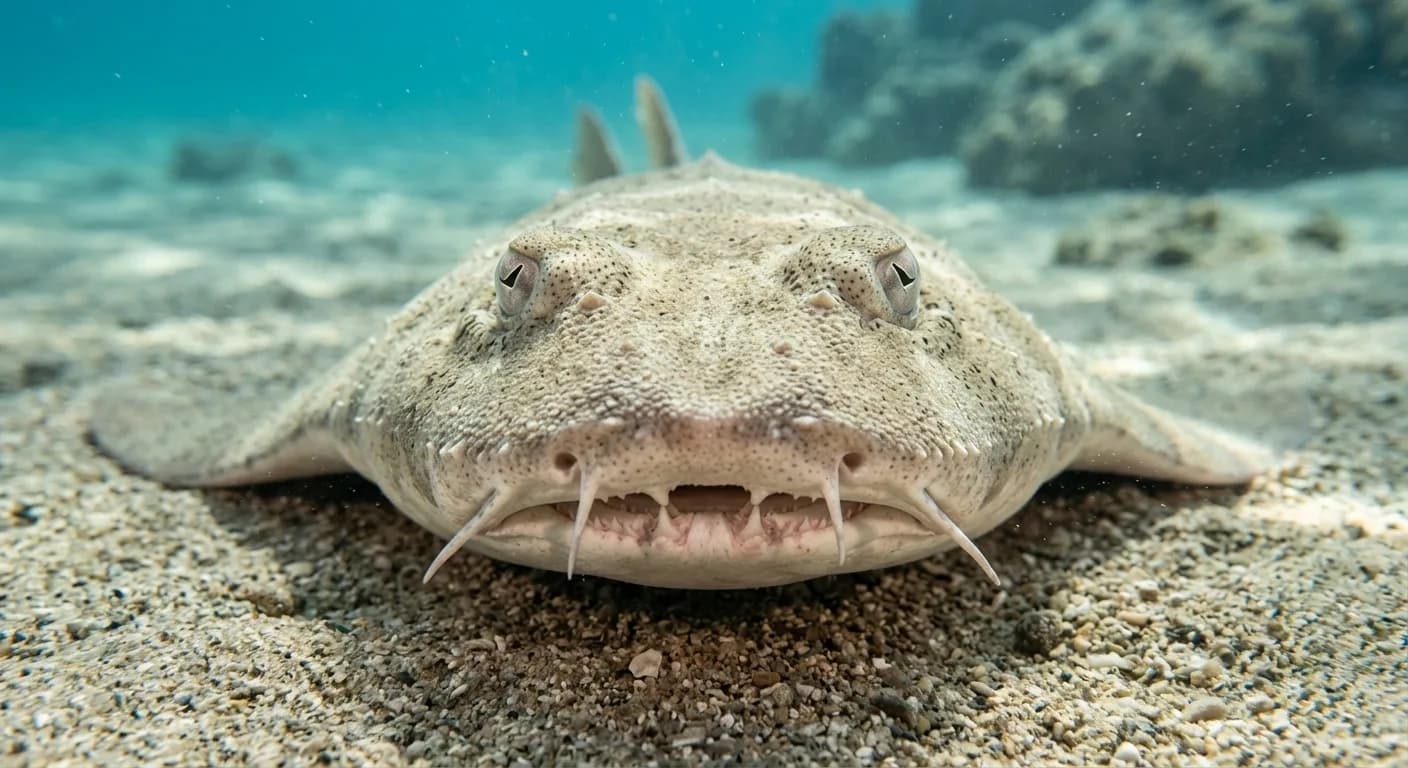 Critically Endangered
Angelshark
Squatina squatina
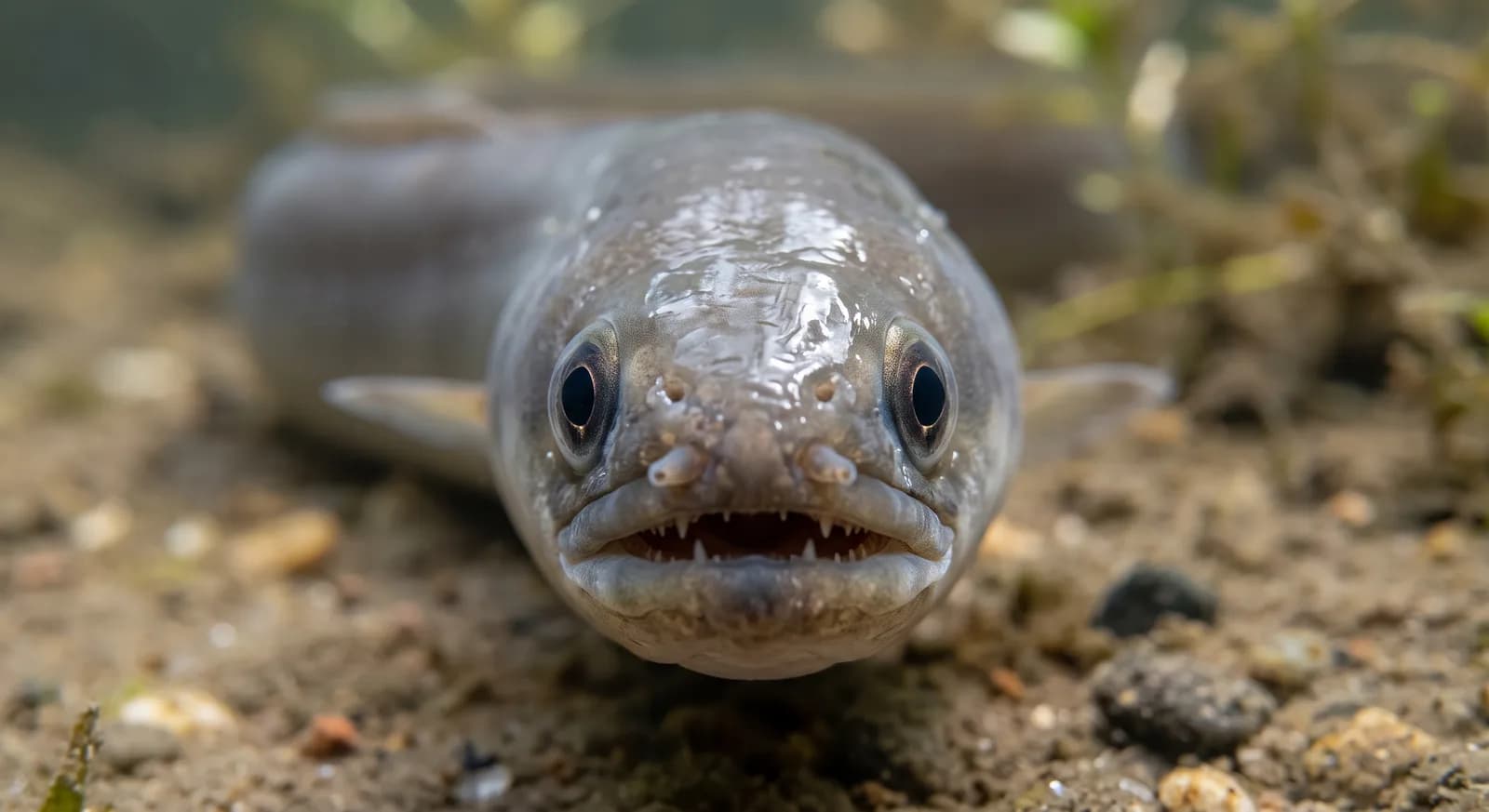 Critically Endangered
European Eel
Anguilla anguilla
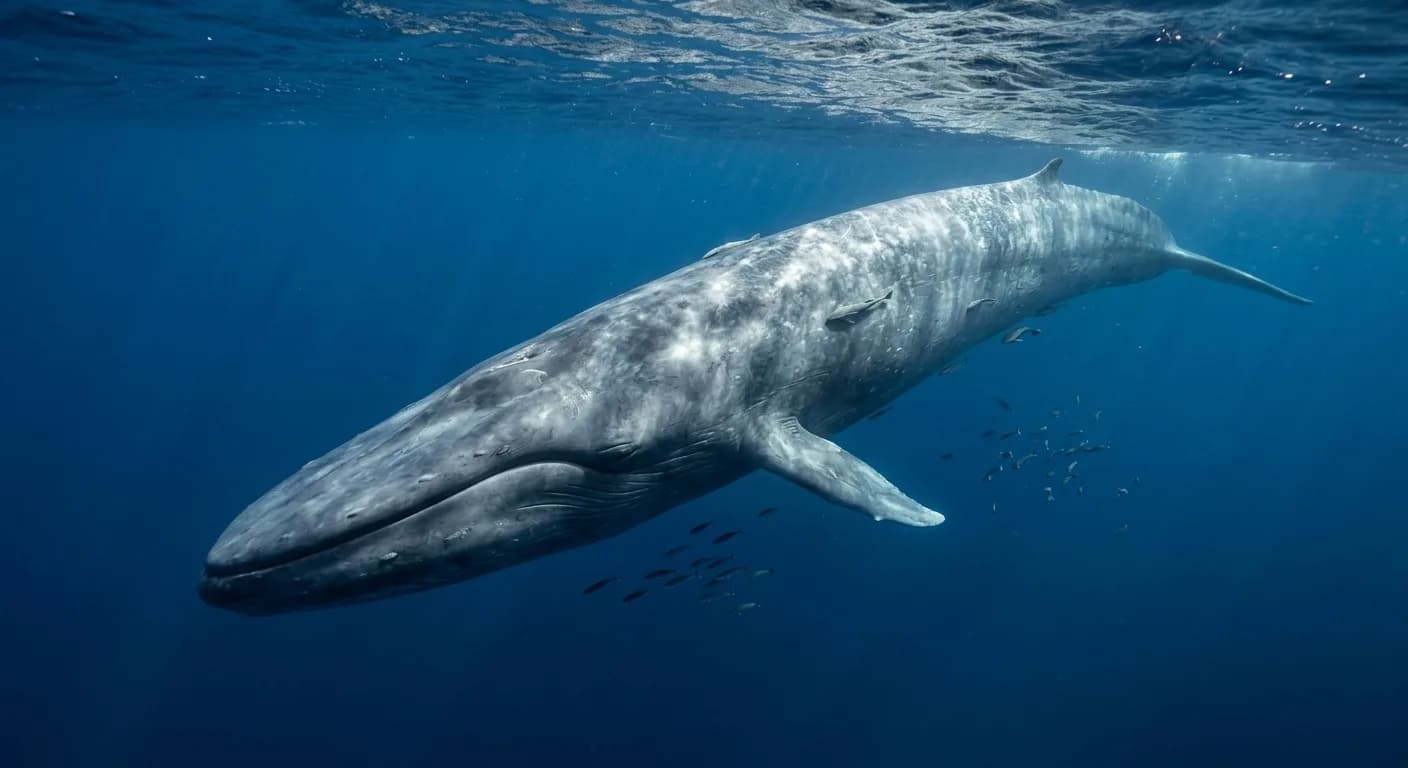 Endangered
Blue Whale
Balaenoptera musculus
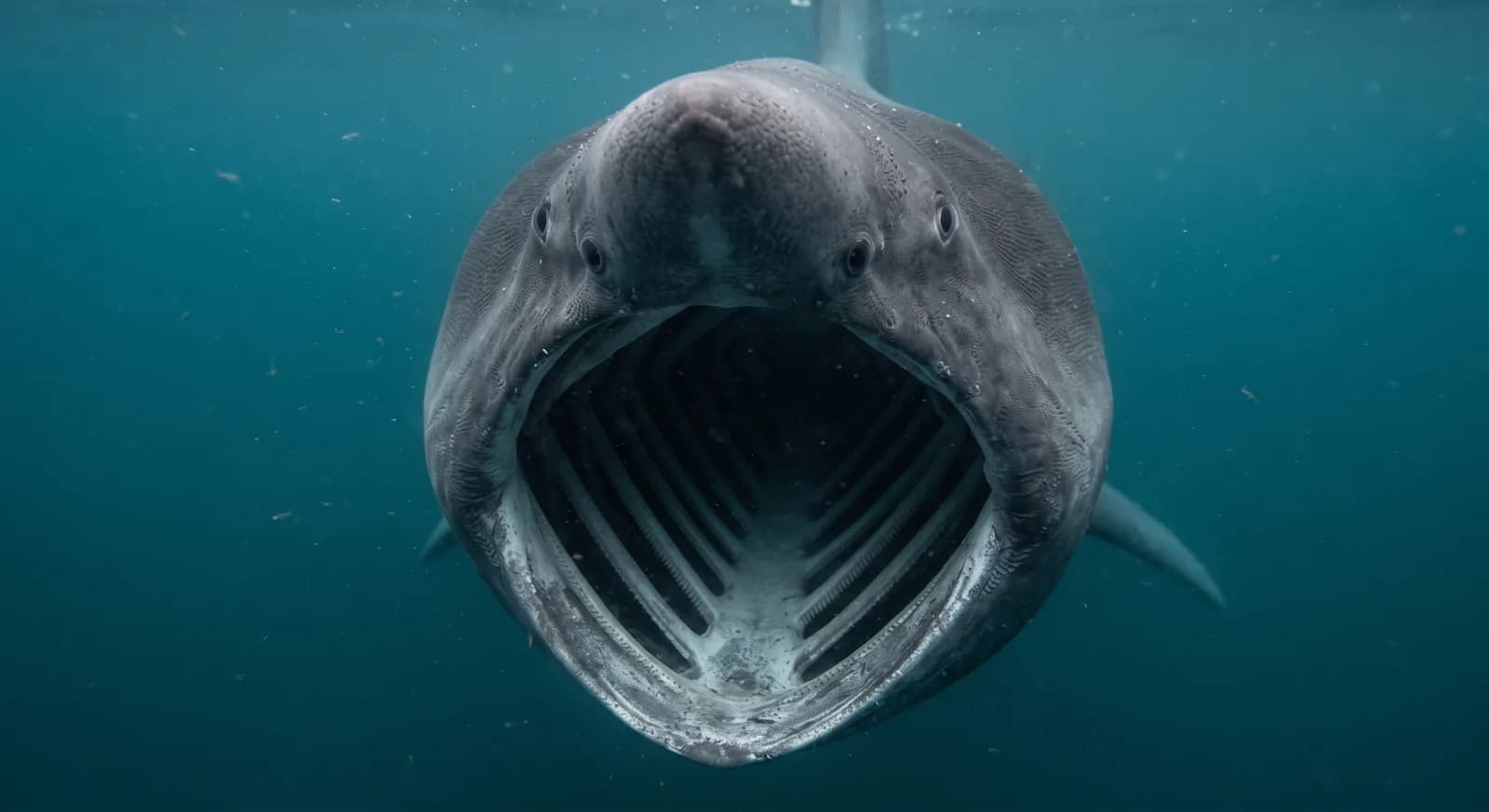 Endangered
Basking Shark
Cetorhinus maximus
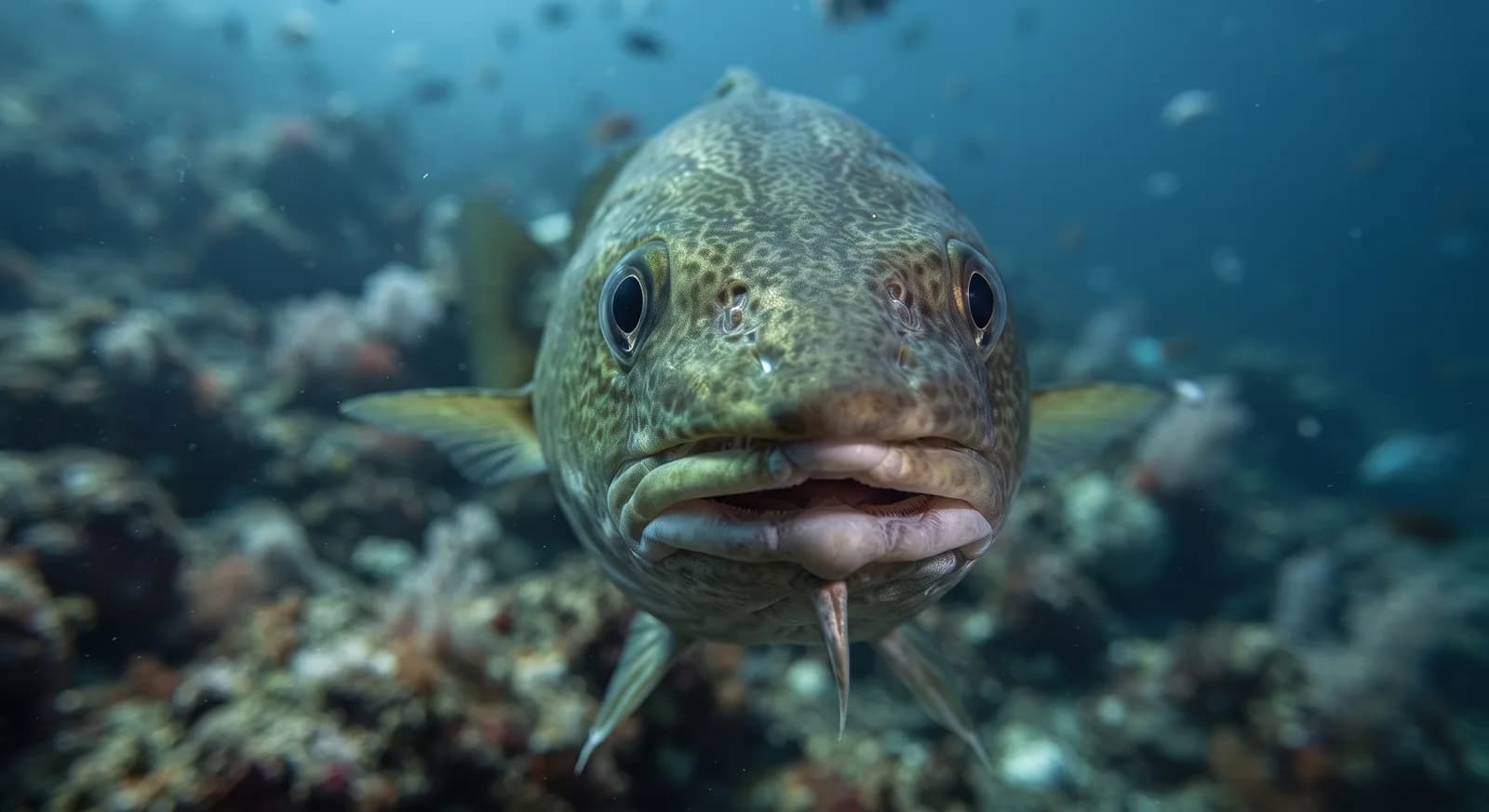 Vulnerable
Cod
Gadus morhua
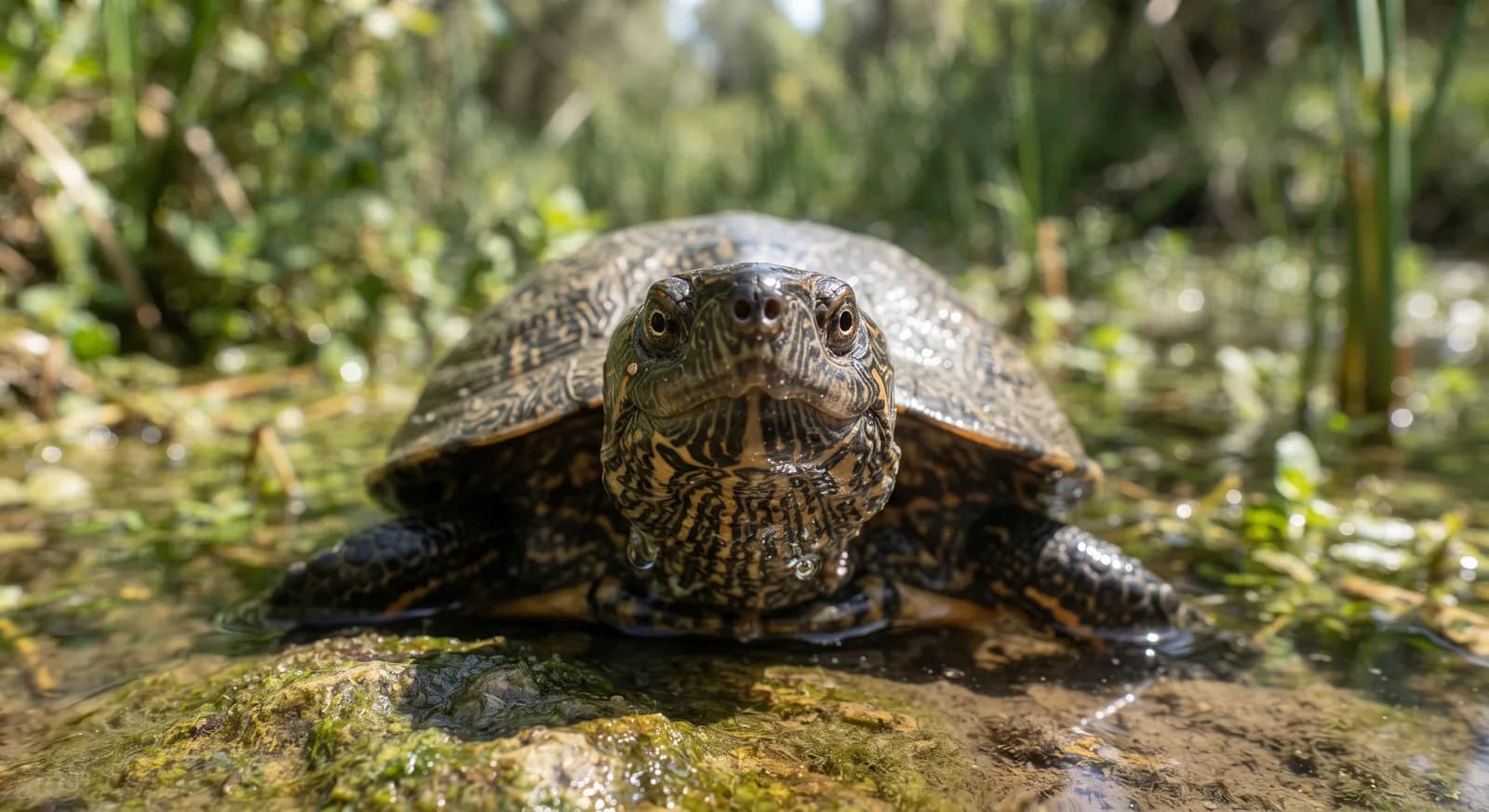 Vulnerable
Spanish Terrapin
Mauremys leprosa
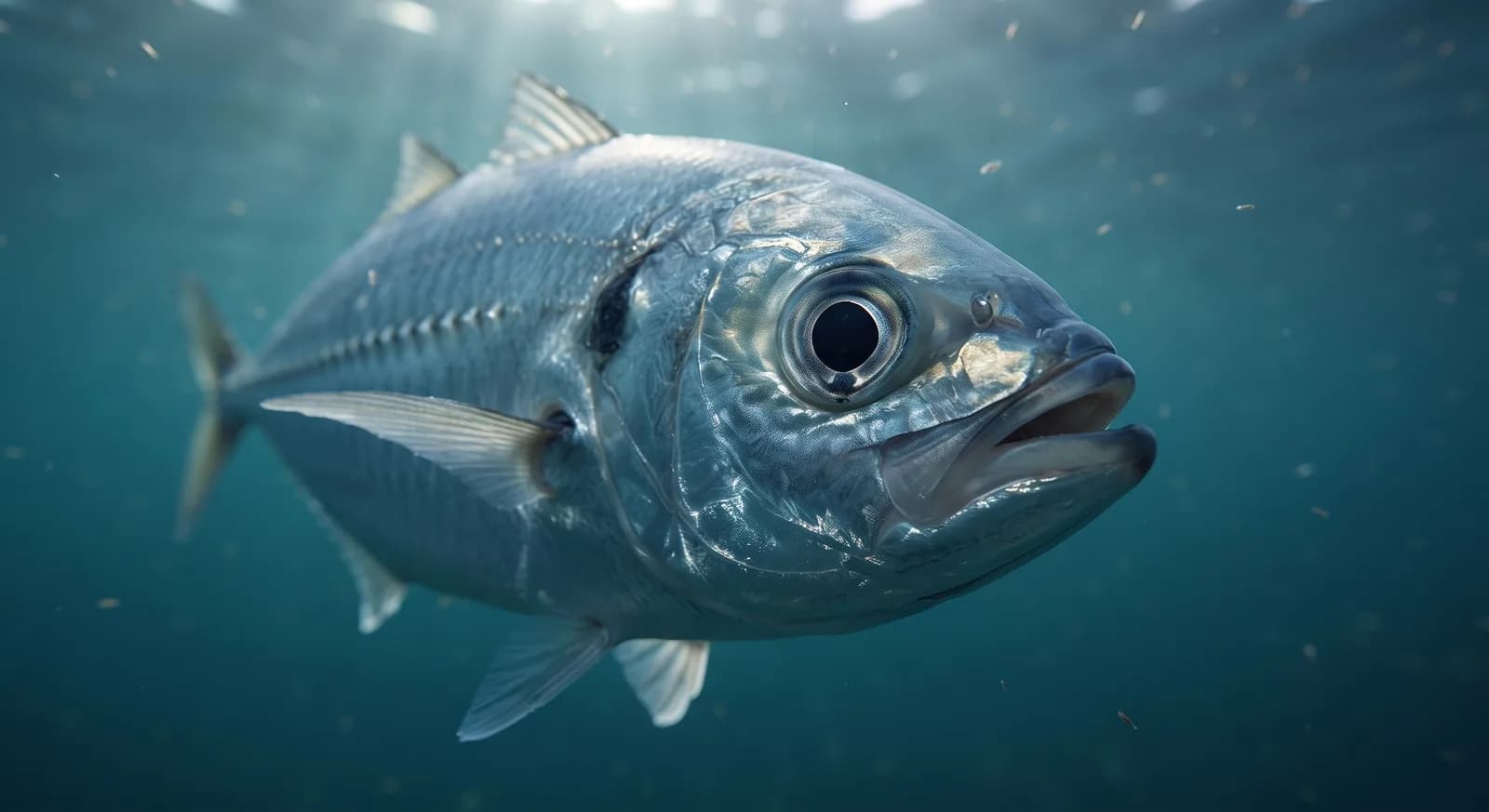 Vulnerable
Horse Mackerel
Trachurus trachurus
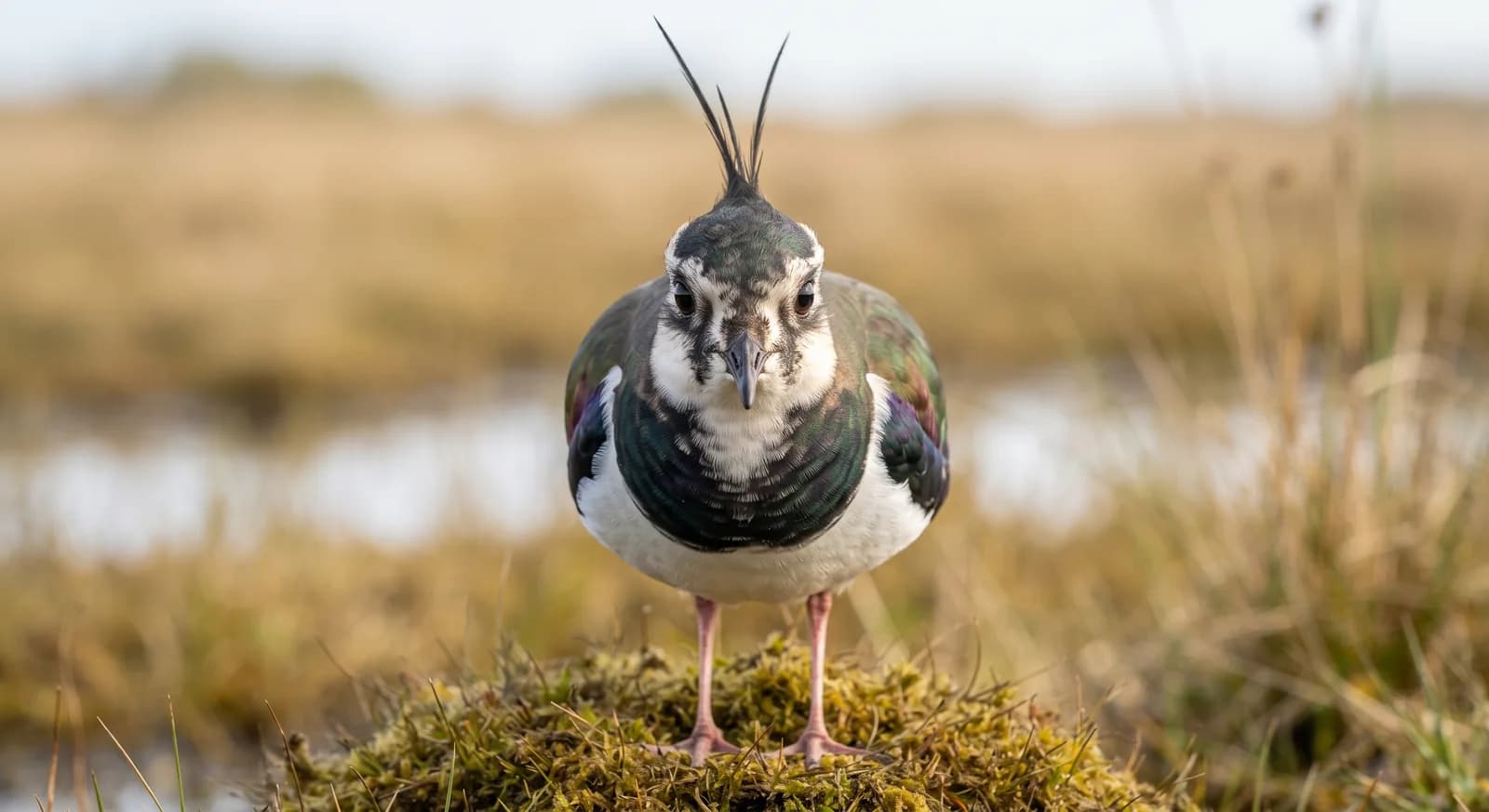 Near Threatened
Northern Lapwing
Vanellus vanellus
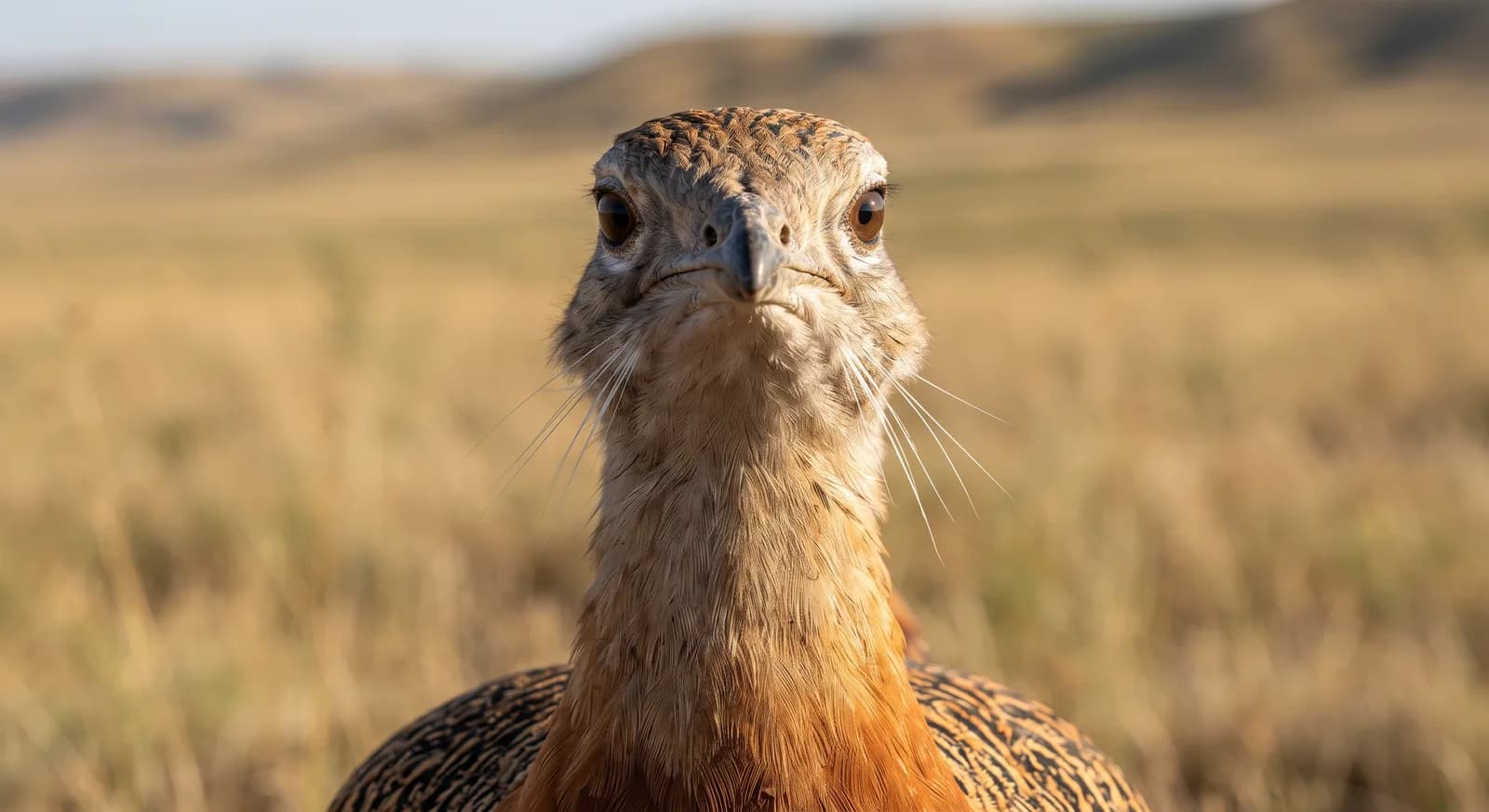 Near Threatened
Great Bustard
Otis tarda
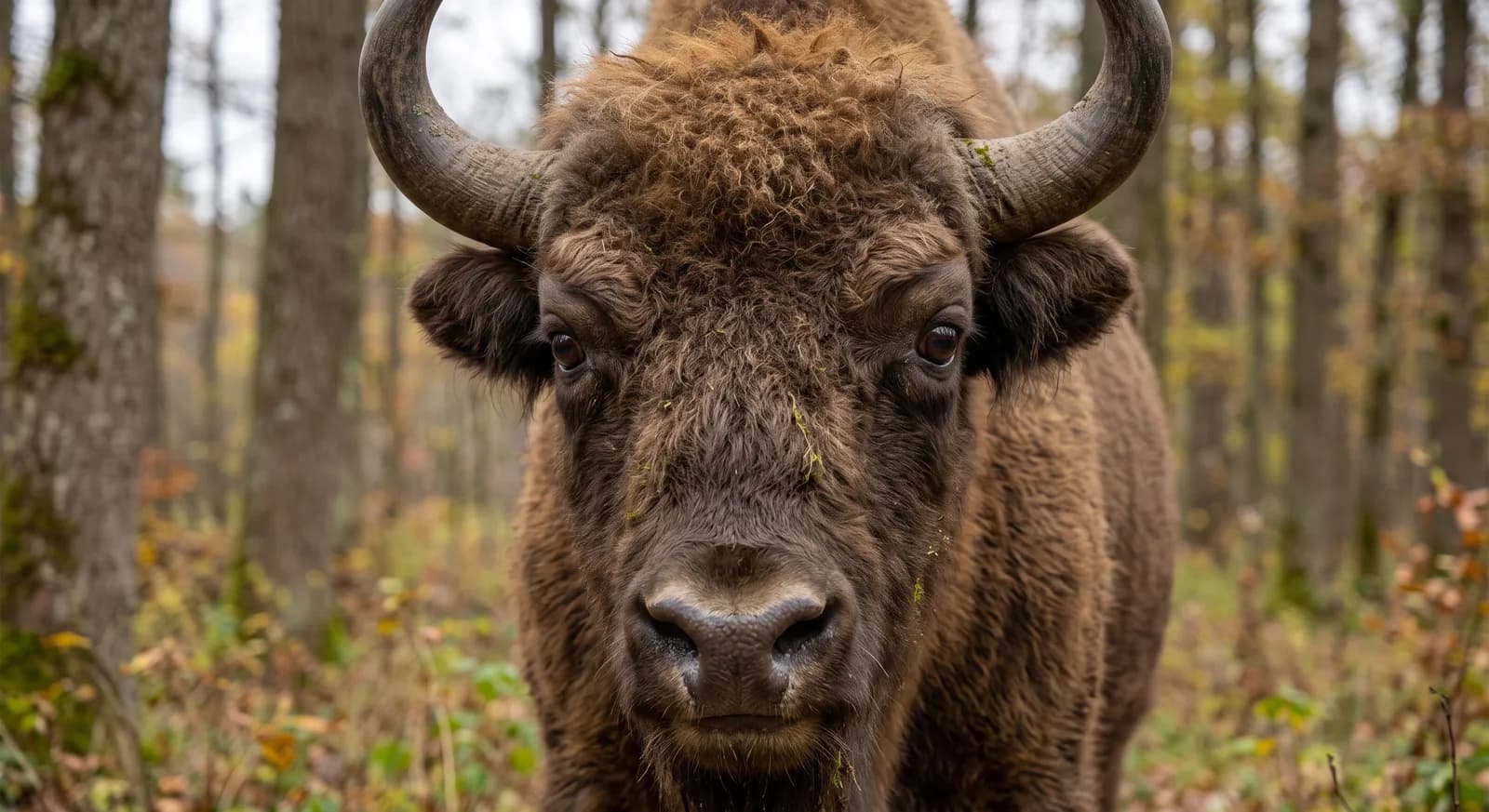 Near Threatened
European Bison
Bison bonasus
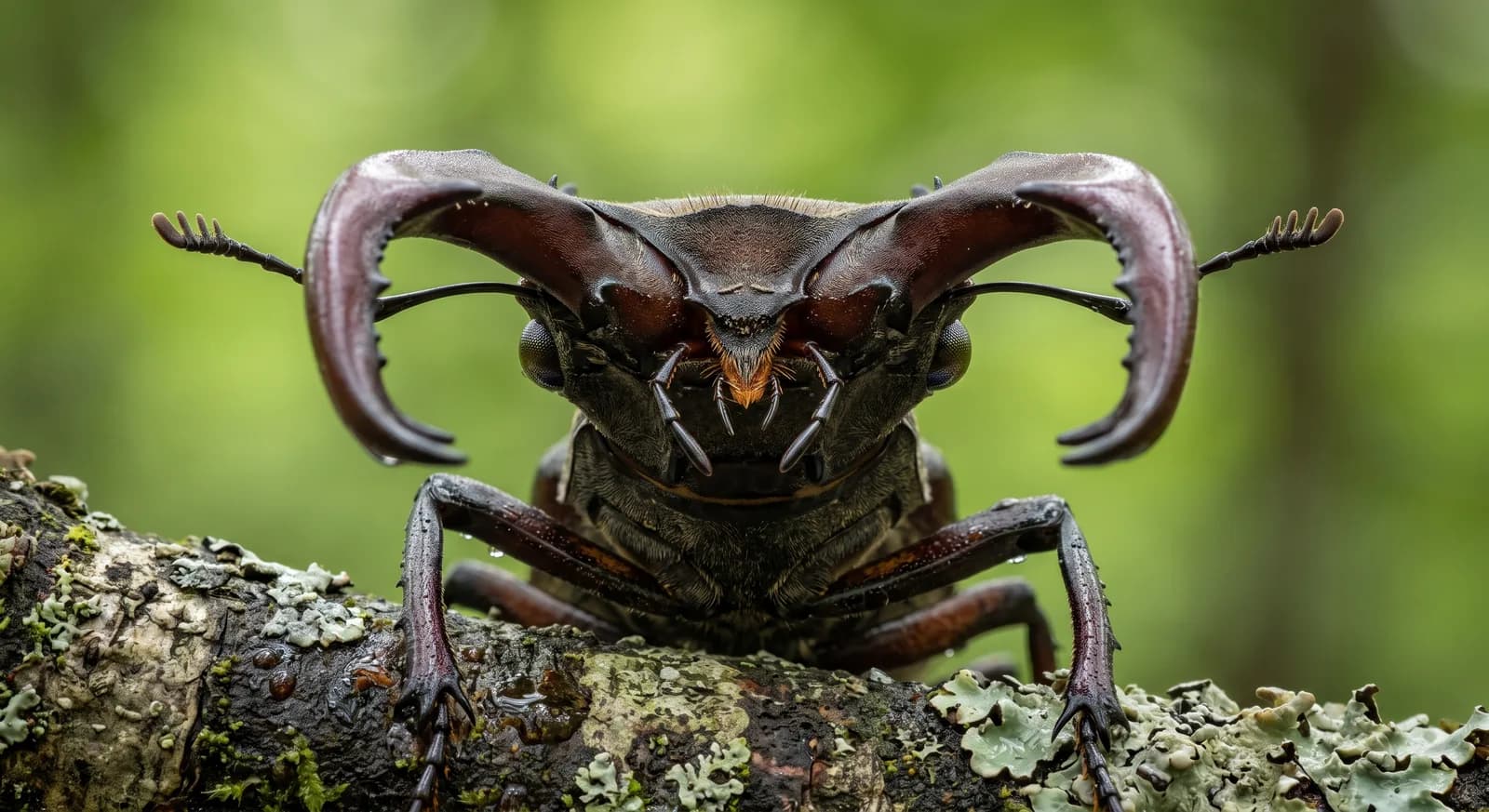 Near Threatened
Stag Beetle
Lucanus cervus
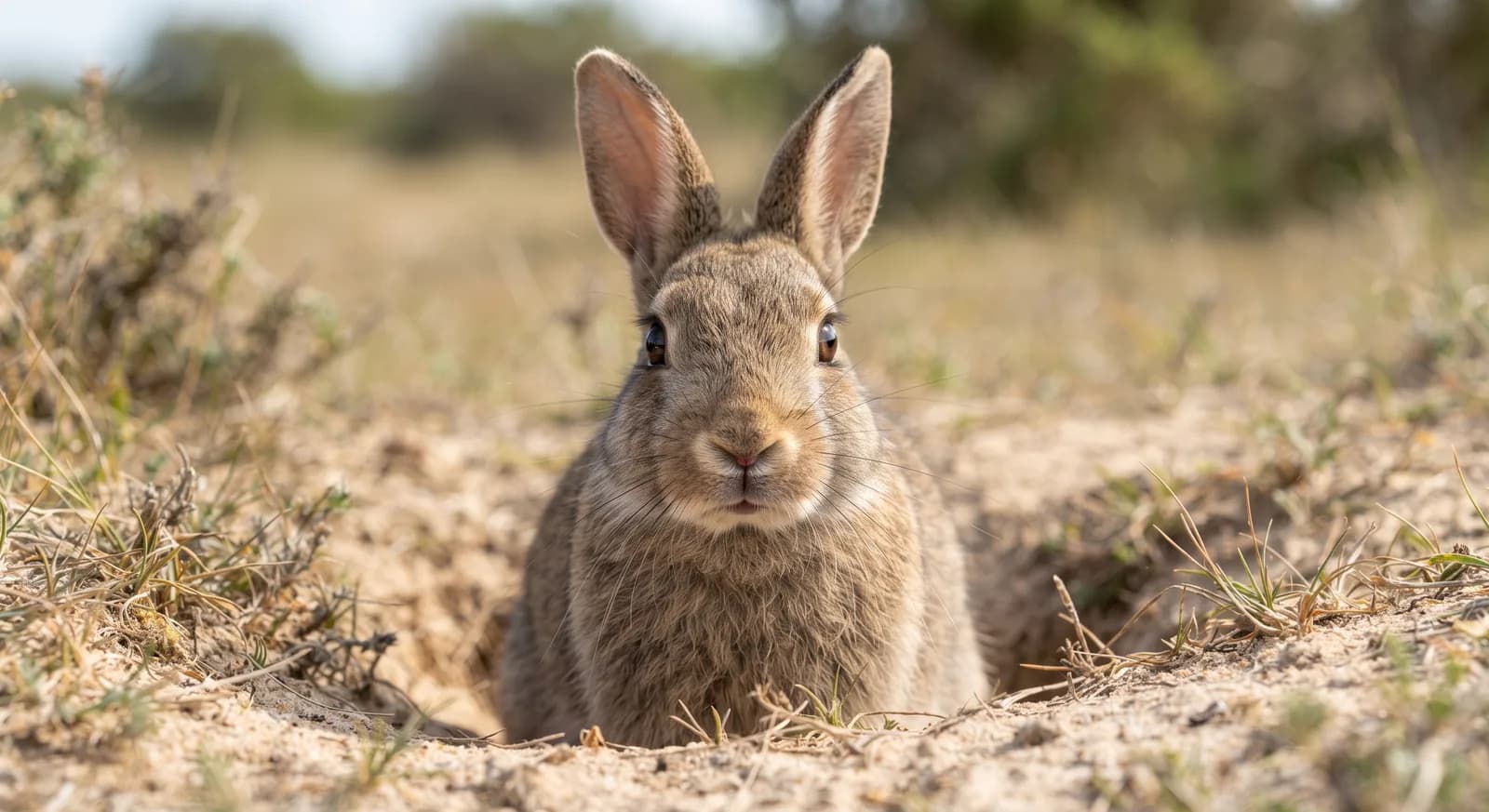 Near Threatened
European Rabbit
Oryctolagus cuniculus
Keep exploring
Based on what we already know about Germany.