Wadden Sea
Germany · Central and Northern EuropeThe largest unbroken system of intertidal sand and mud flats in the world
Area
11,500 km²
Declared in
1985
Region
Central and Northern Europe
Climate
Templado, Montañoso
Best time
May to September
Highlight
The largest unbroken system of intertidal sand and mud flats in the world
Protected since 1985 on the German side and extended with the Dutch and Danish sections, the Wadden Sea forms the largest unbroken system of intertidal sand and mud flats on the planet, inscribed as a UNESCO World Heritage Site in 2009 as a transboundary natural property across three countries. It is a critical staging post for more than 10 million migratory birds that cross it each year between the Arctic and West Africa, and its tides expose and cover as much as a third of its total area every day.
Location
See on the interactive map78 species documented in Wadden Sea
At conservation risk:Anguila europea,Anjova,Bacalao del Atlántico,Cazón,Esturión europeo,Jurel,Marrajo dientuso,Marrajo sardinero,Mielga,Sábalo europeo
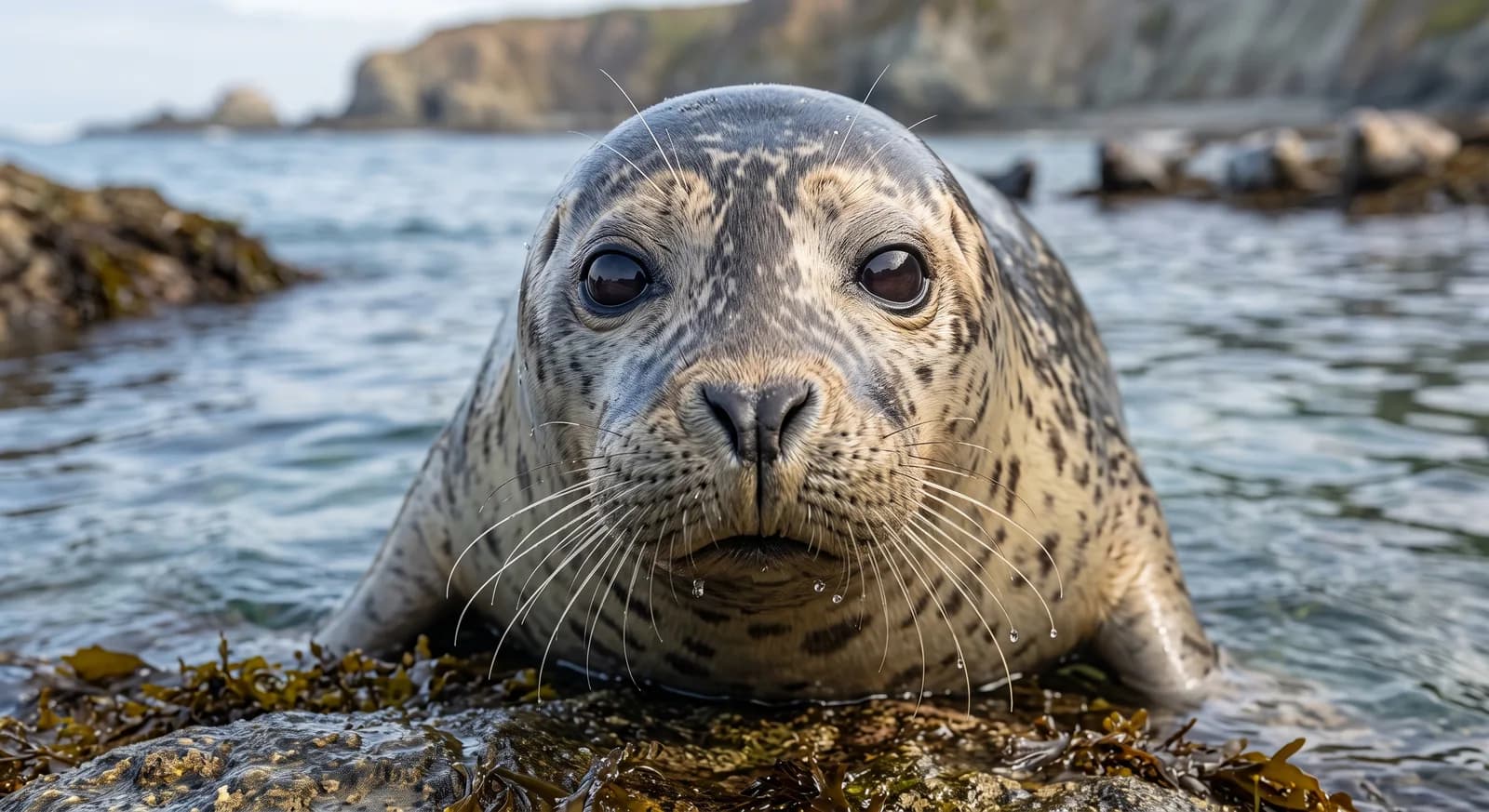 Least Concern
Foca común
Phoca vitulina
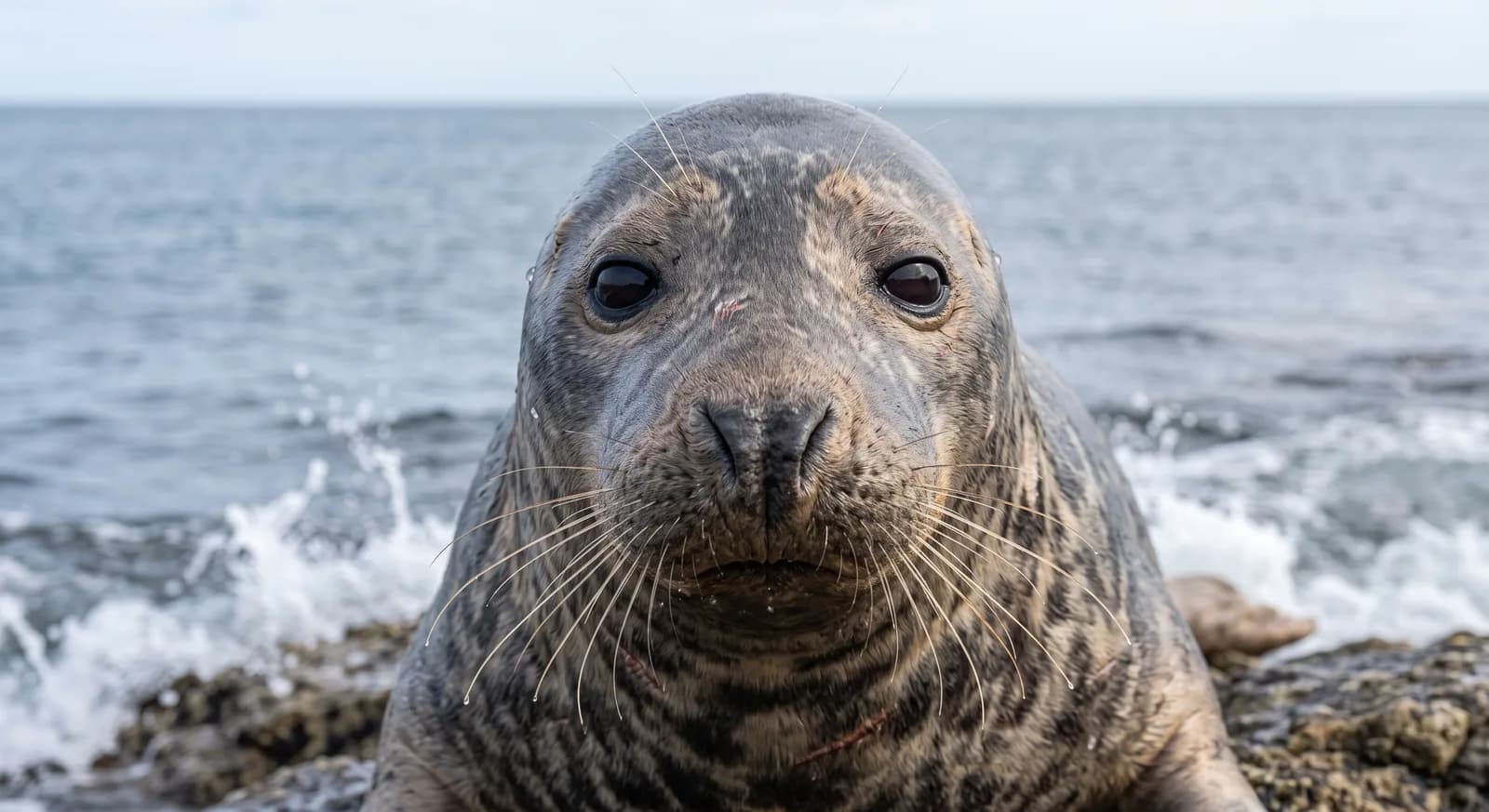 Least Concern
Foca gris
Halichoerus grypus
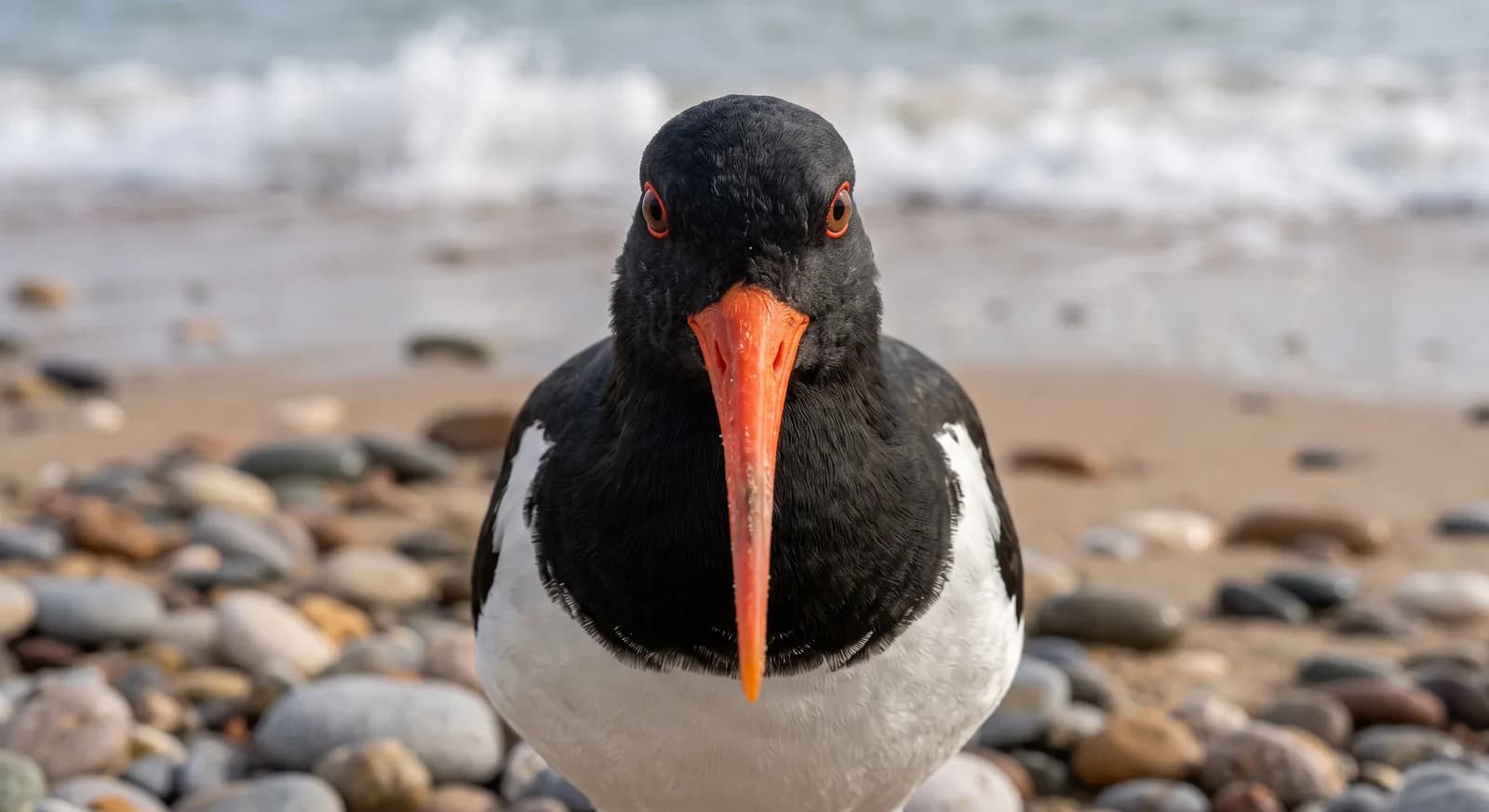 Near Threatened
Ostrero euroasiático
Haematopus ostralegus
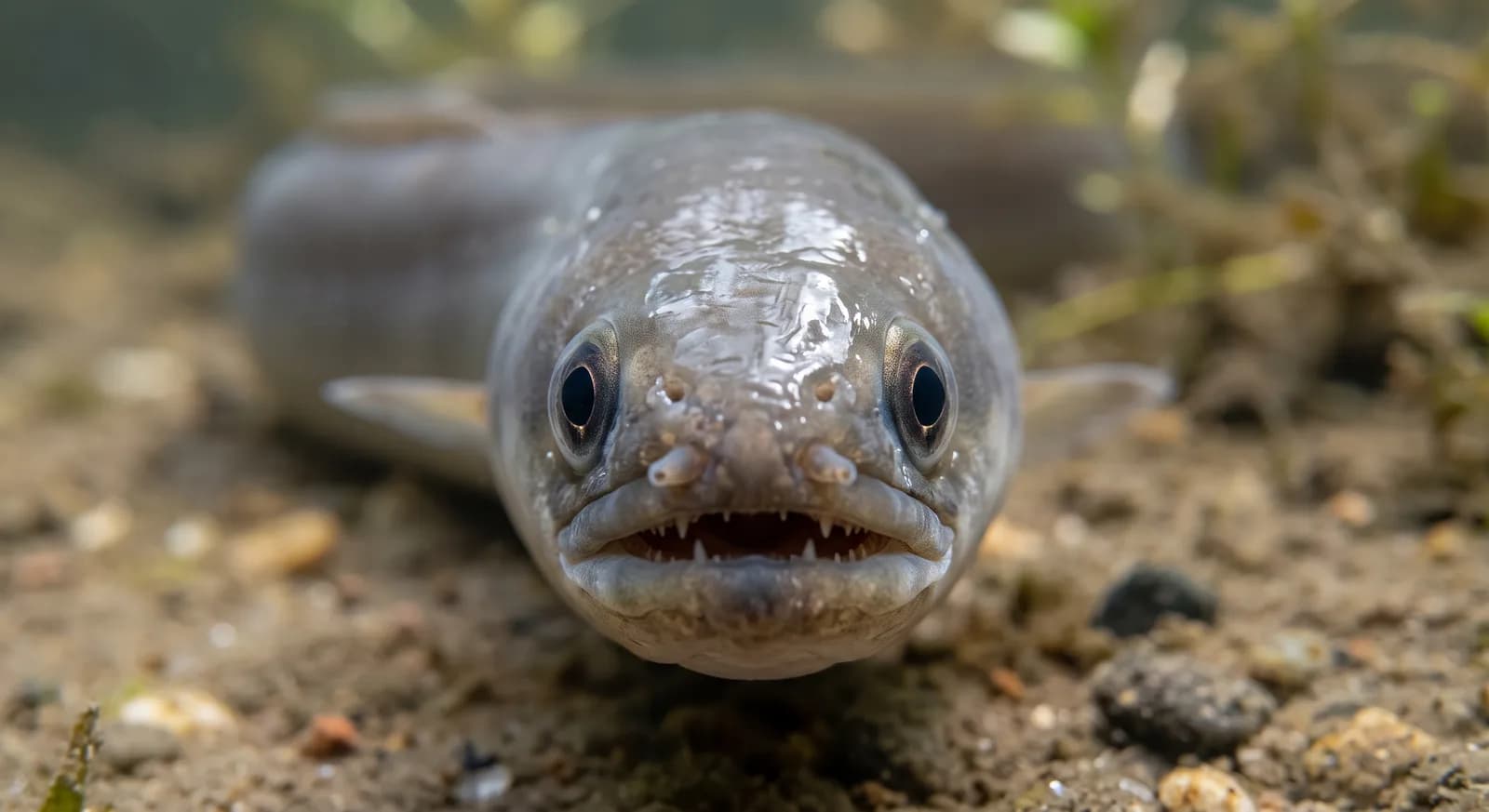 Critically Endangered
Anguila europea
Anguilla anguilla
 Least Concern
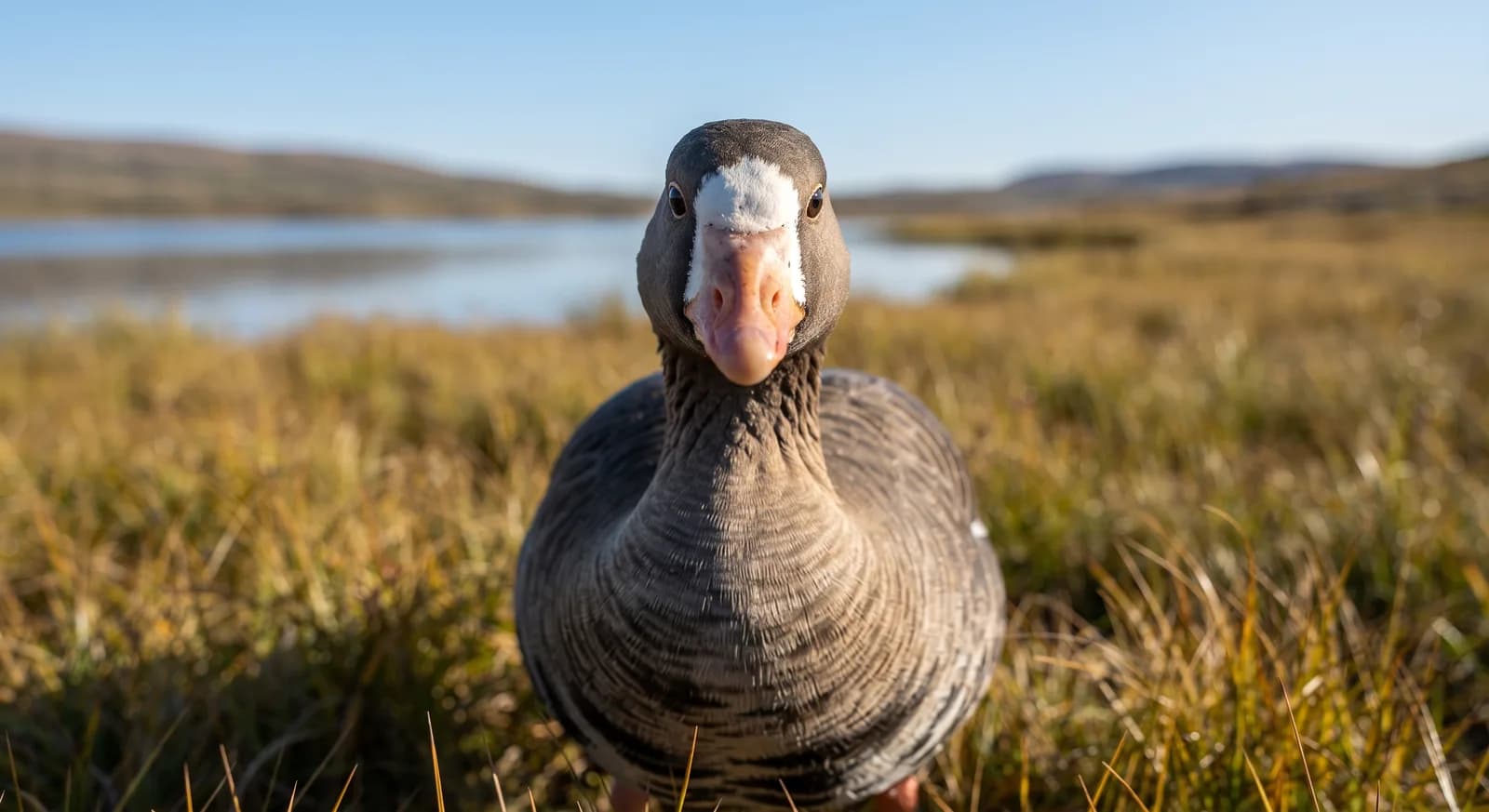
Ánsar careto
Anser albifrons
 Least Concern
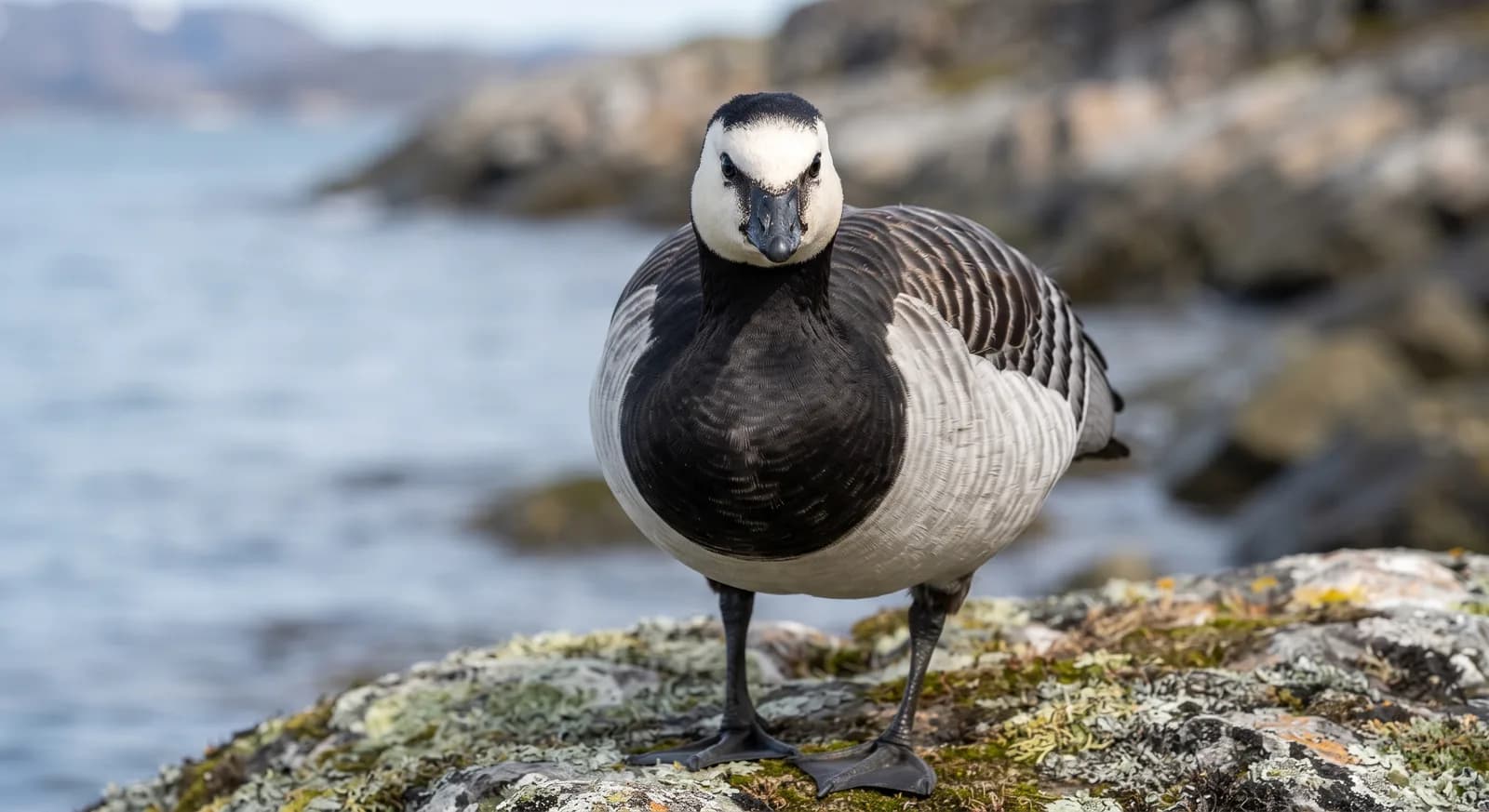
Barnacla cariblanca
Branta leucopsis
 Least Concern
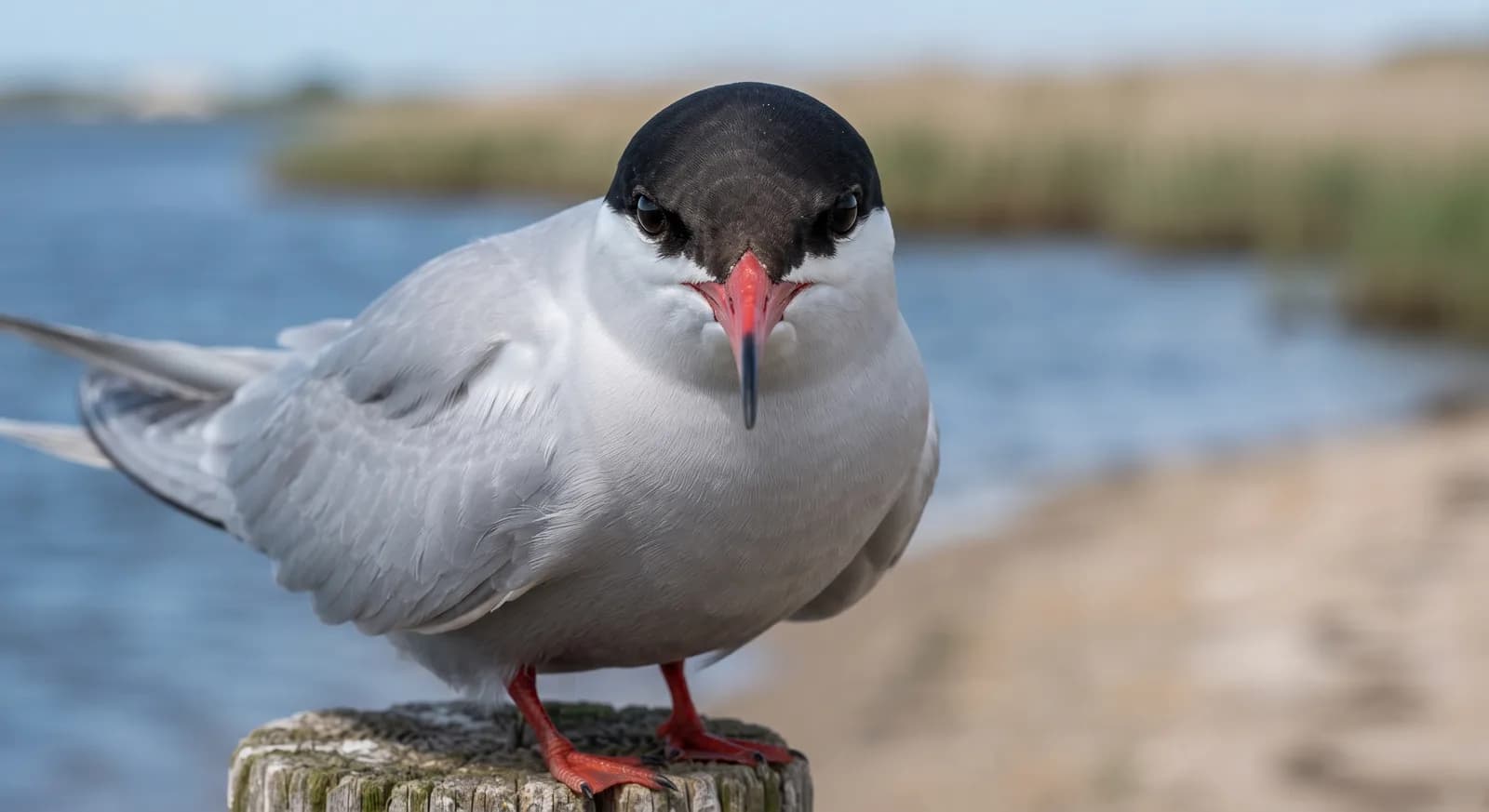
Charrán común
Sterna hirundo
 Least Concern
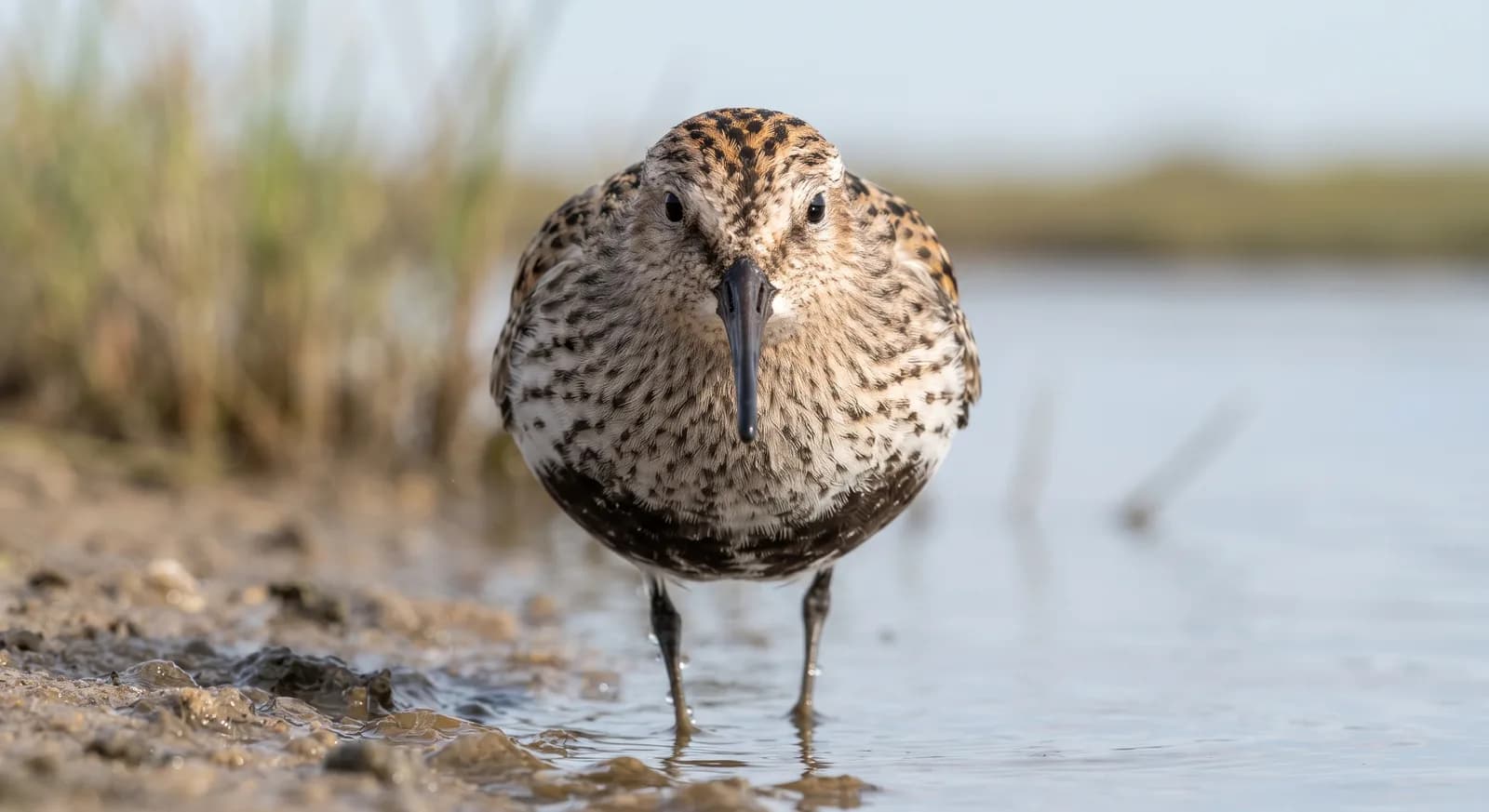
Correlimos común
Calidris alpina
 Least Concern
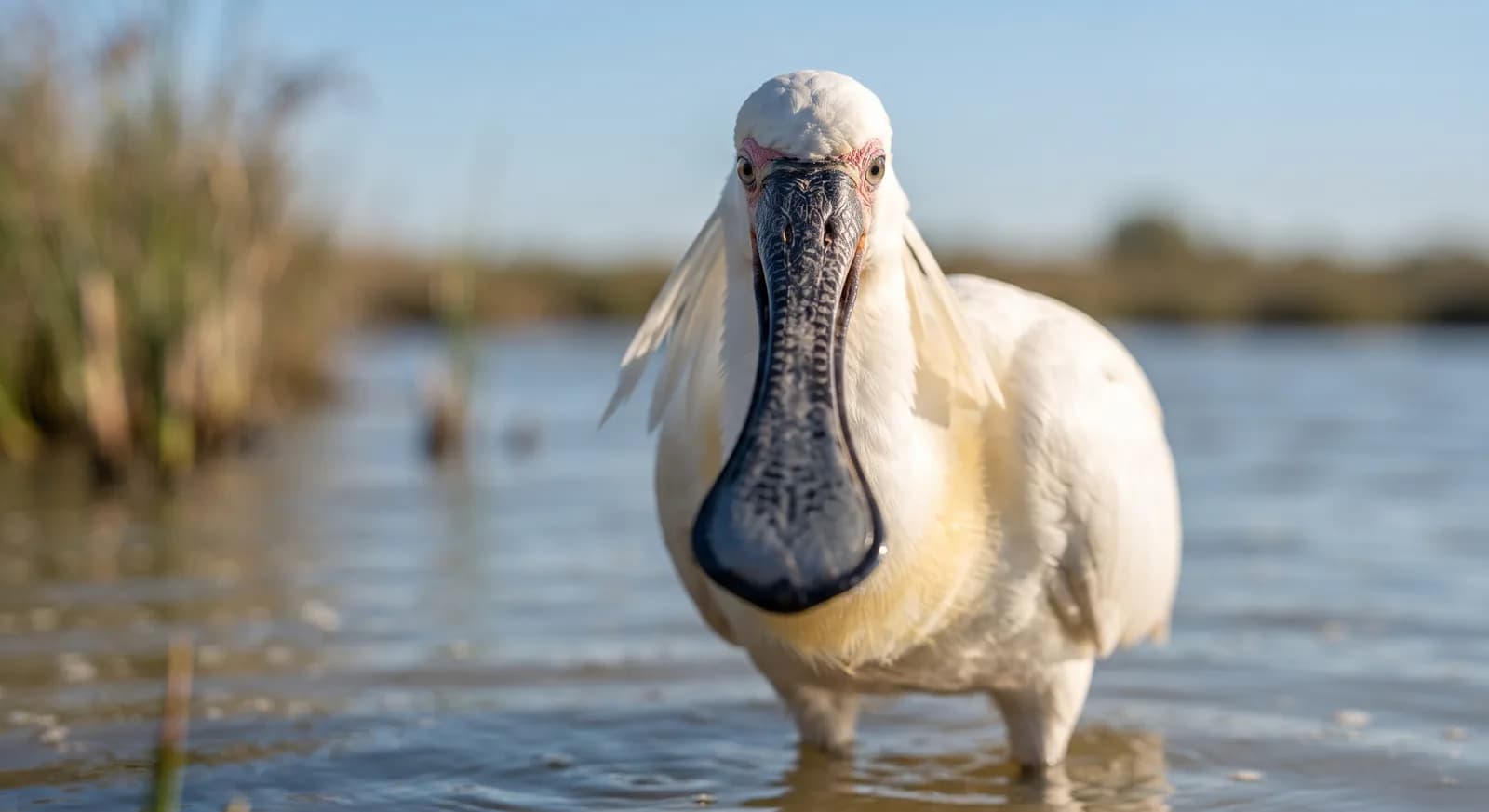
Espátula común
Platalea leucorodia
 Least Concern
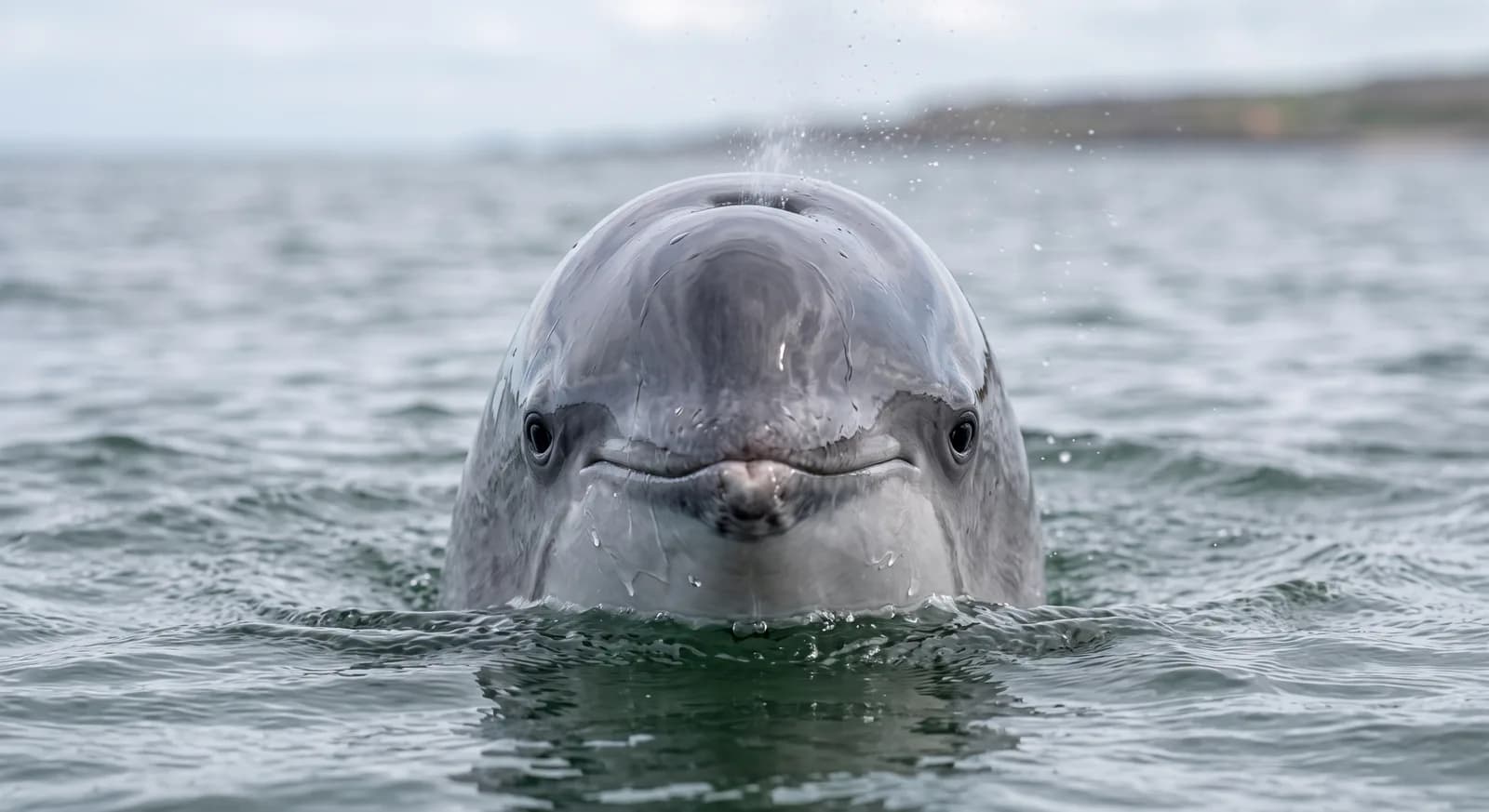
Marsopa común
Phocoena phocoena
 Near Threatened
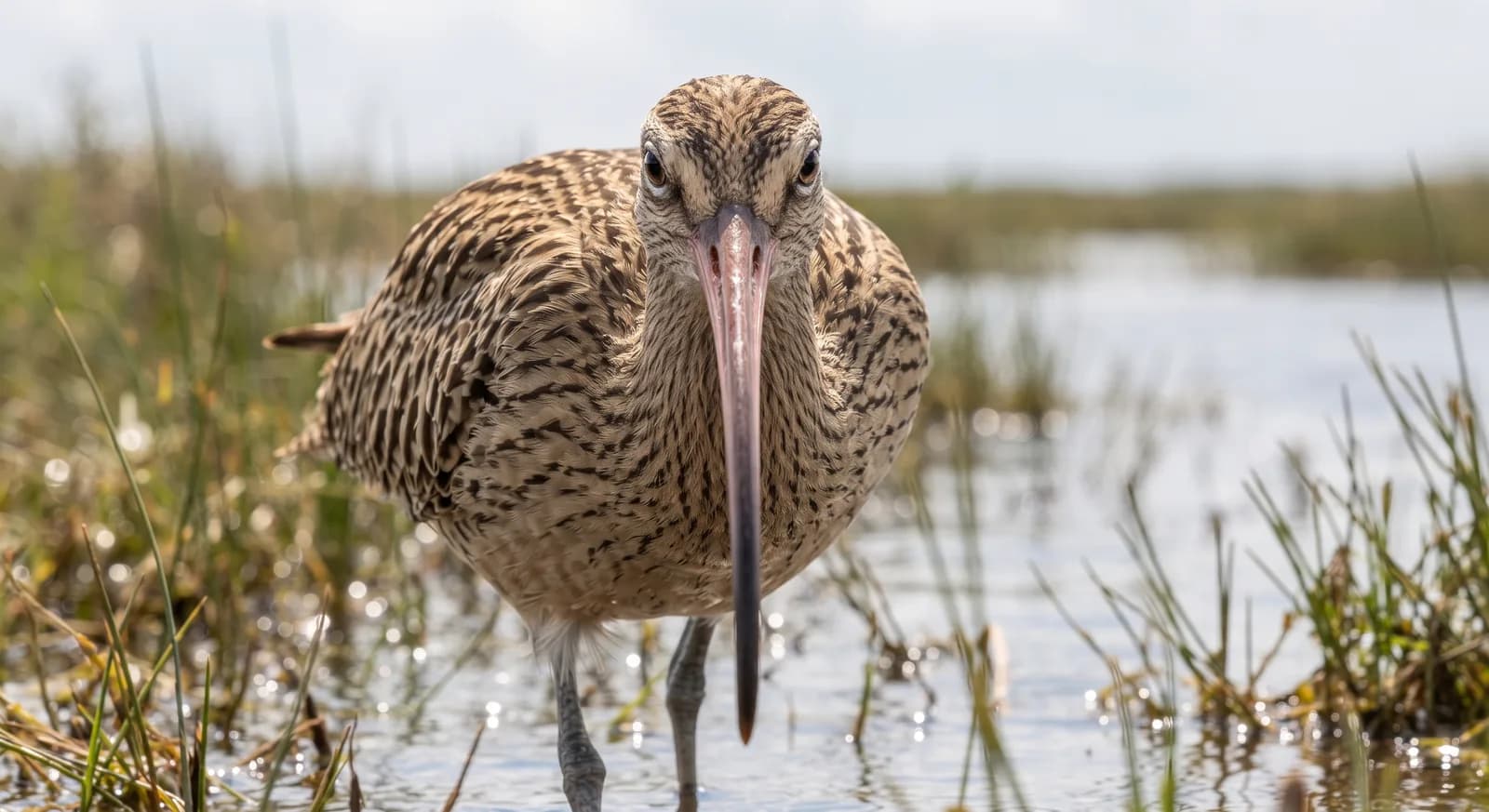
Zarapito real
Numenius arquata
Aguja colinegra
Limosa limosa
Flora and ecosystems
Ecosystems found in Germany, where Wadden Sea lies.
Experiences in this park
Similar parks
Which other parks are like this one?
Mar de Frisia (Schleswig-Holstein)
Germany
Harbor Seal · Grey Seal
Mayo a septiembre
View parkMismo país: Germany
Fosa de Messel
Germany
Darwinius Masillae (fossil) · Primitive Horses (fossil)
Mayo a septiembre
View parkMismo país: Germany
Keep exploring
Based on what we already know about Wadden Sea.
Your rating
How many stars would you give Wadden Sea?
Comments
Share your experience visiting Wadden Sea, or a tip for other travellers.
Be the first to comment.