Bony fish · Clupeiformes · Alosidae
Allis Shad
Alosa alosa
It faces an extremely high risk of imminent extinction in the wild. See full glossary
The allis shad is a fish of the family Clupeidae. Formerly common from Scandinavia to the western Mediterranean, it is now rare in northern Europe and the British Isles. It is considered extinct in many European rivers.
Weight
2.2 kg on average
Size
up to 83 cm
Lifespan
10 years
Diet
Carnivore
Feeds mainly on other animals.
Social structure
Colony
Lives in large concentrations, often for breeding reasons.
Sighting difficulty
Very hard
Fun facts
- Its Critically Endangered category is recent: the IUCN assigned it in 2024, after estimating a global decline of around 80% in twenty years.
- Its historical range ran from Norway to Morocco. Today relict populations remain in a few large rivers of France (Loire, Garonne-Dordogne, Adour) and Portugal.
- The collapse of the Gironde population is a case study: fishing mortality in the estuary triggered an Allee effect, meaning the population became so sparse that it could no longer recover on its own even once the pressure was removed.
- Dams are its other great problem, because they cut off its access to the headwater spawning grounds; it is the same mechanism that brought down the beluga sturgeon.
- It is told apart from the herring by a dark spot behind the gill cover, sometimes followed by a row of up to six more spots.
- In Ireland four special areas of conservation have been designated on stretches where the shad are known to spawn.
Life cycle & biology
- Skeleton type
- Vertebrate - internal bony skeleton (bony fish)
- Habitat & environment
- Anadromous: it lives in the north-east Atlantic, the western Baltic and the western Mediterranean and ascends rivers to spawn
- Sexual maturity
- 4.5 years
Sources consulted: https://es.wikipedia.org/wiki/Alosa_alosa
Where to find it
See its range on the interactive mapWhere to watch it
Parques y spots de buceo donde se ha documentado esta especie — se muestran 20 de 43 documentados.
Related species
Other species in the catalogue with the most in common with Allis Shad — same habitat, park, country, tags or family.
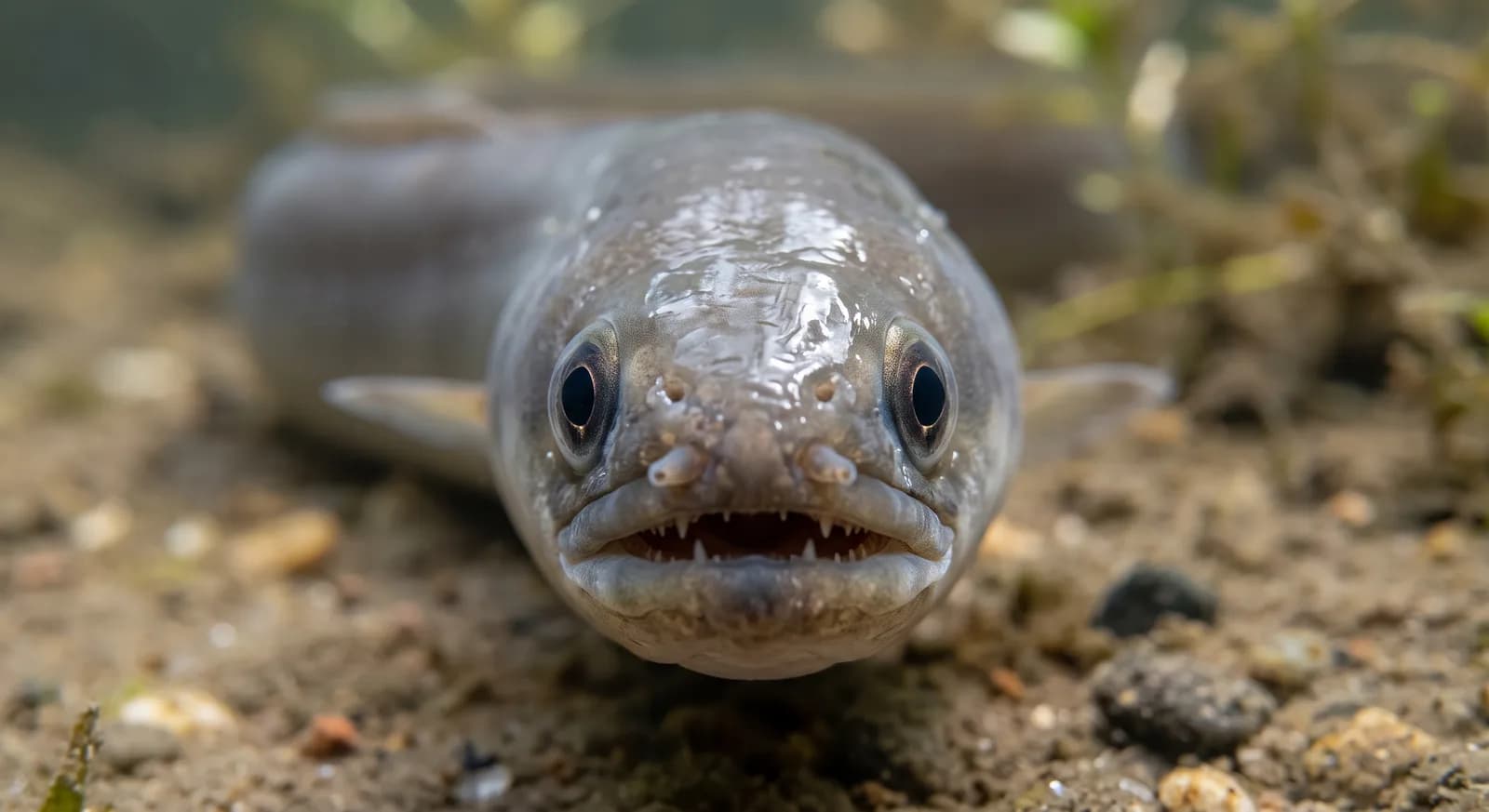 Critically Endangered
European Eel
Anguilla anguilla
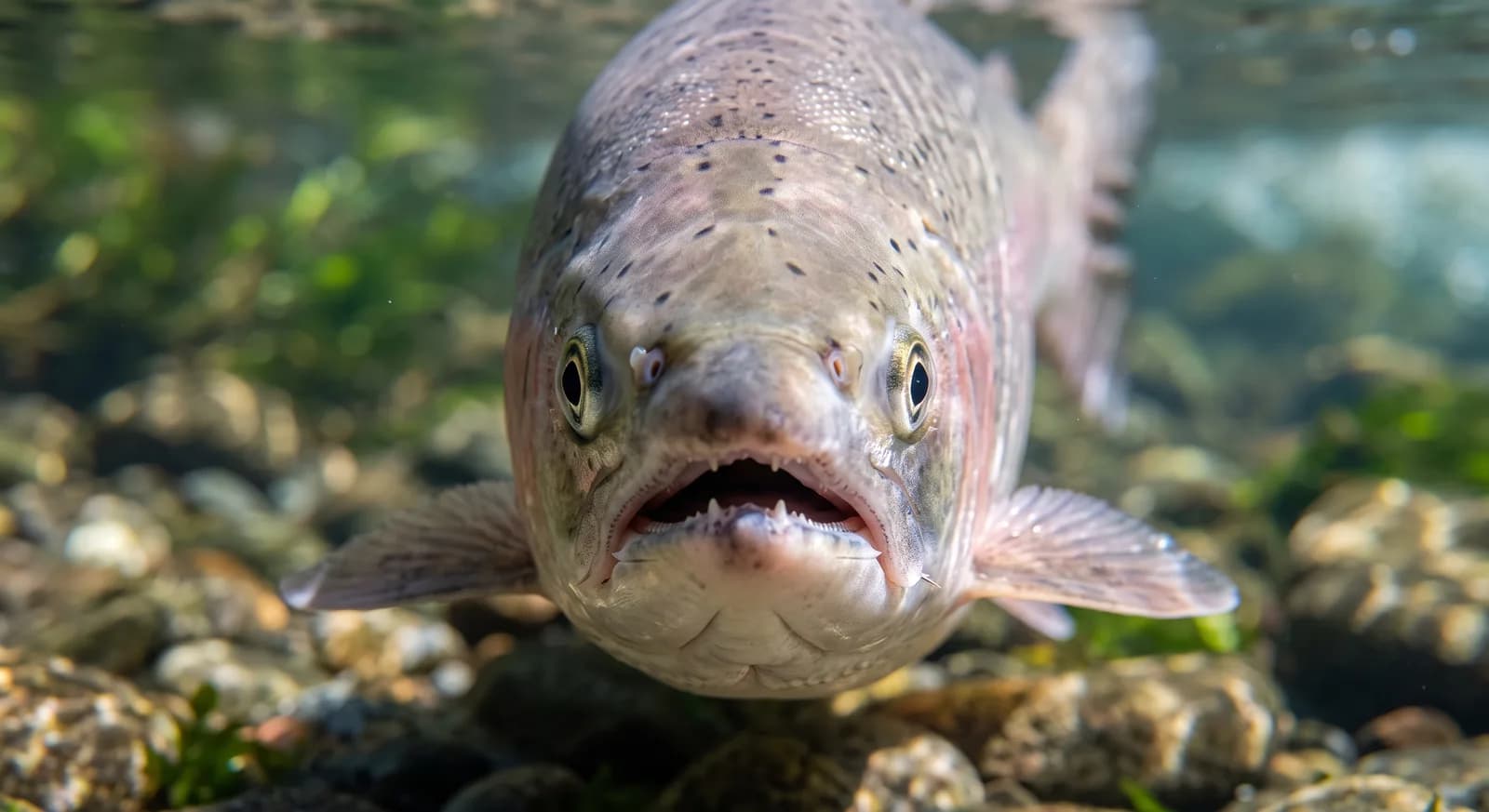 Least Concern
Salmon
Salmo salar
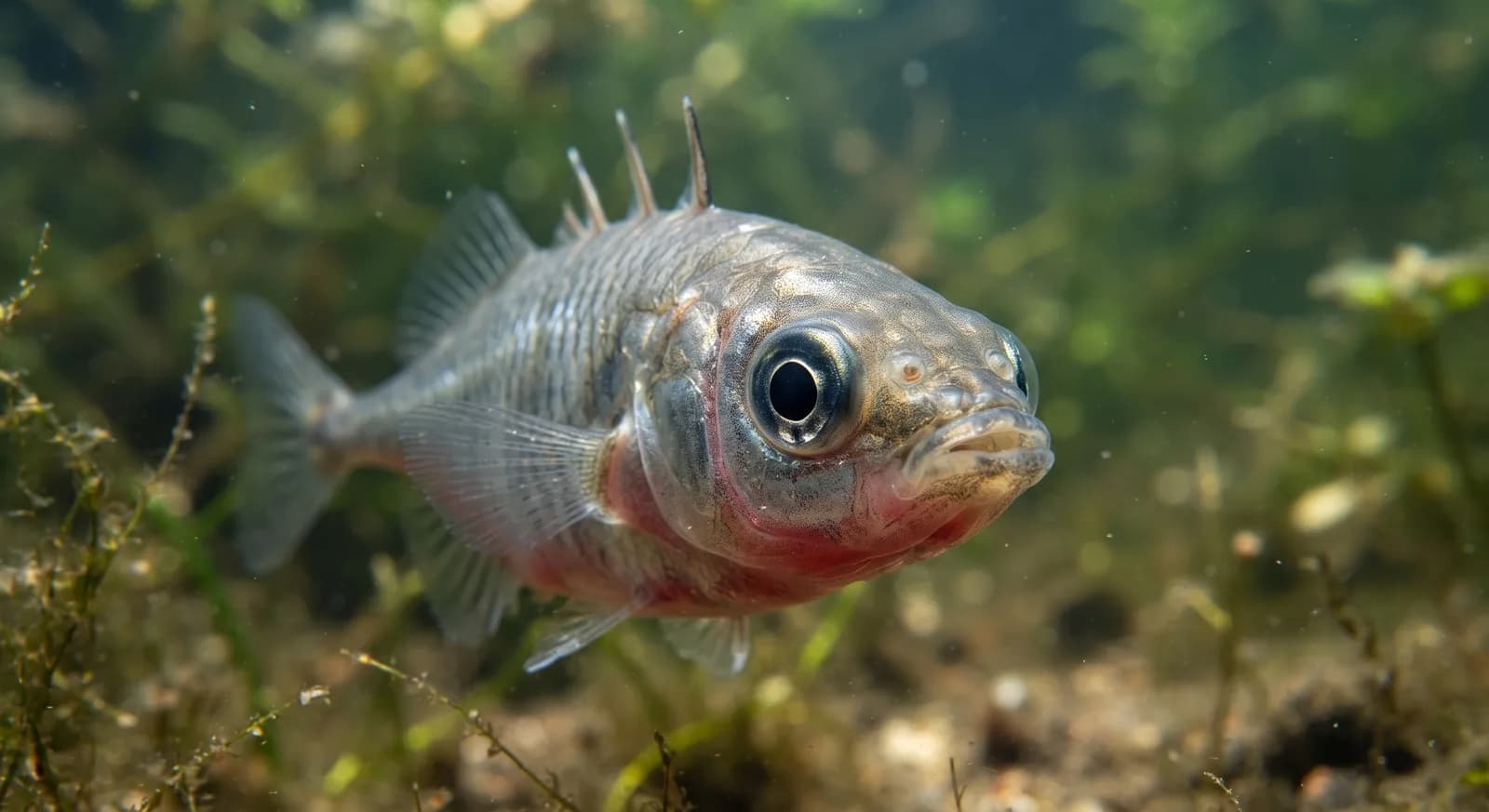 Least Concern
Three-spined Stickleback
Gasterosteus aculeatus
Sea Bass
Dicentrarchus labrax
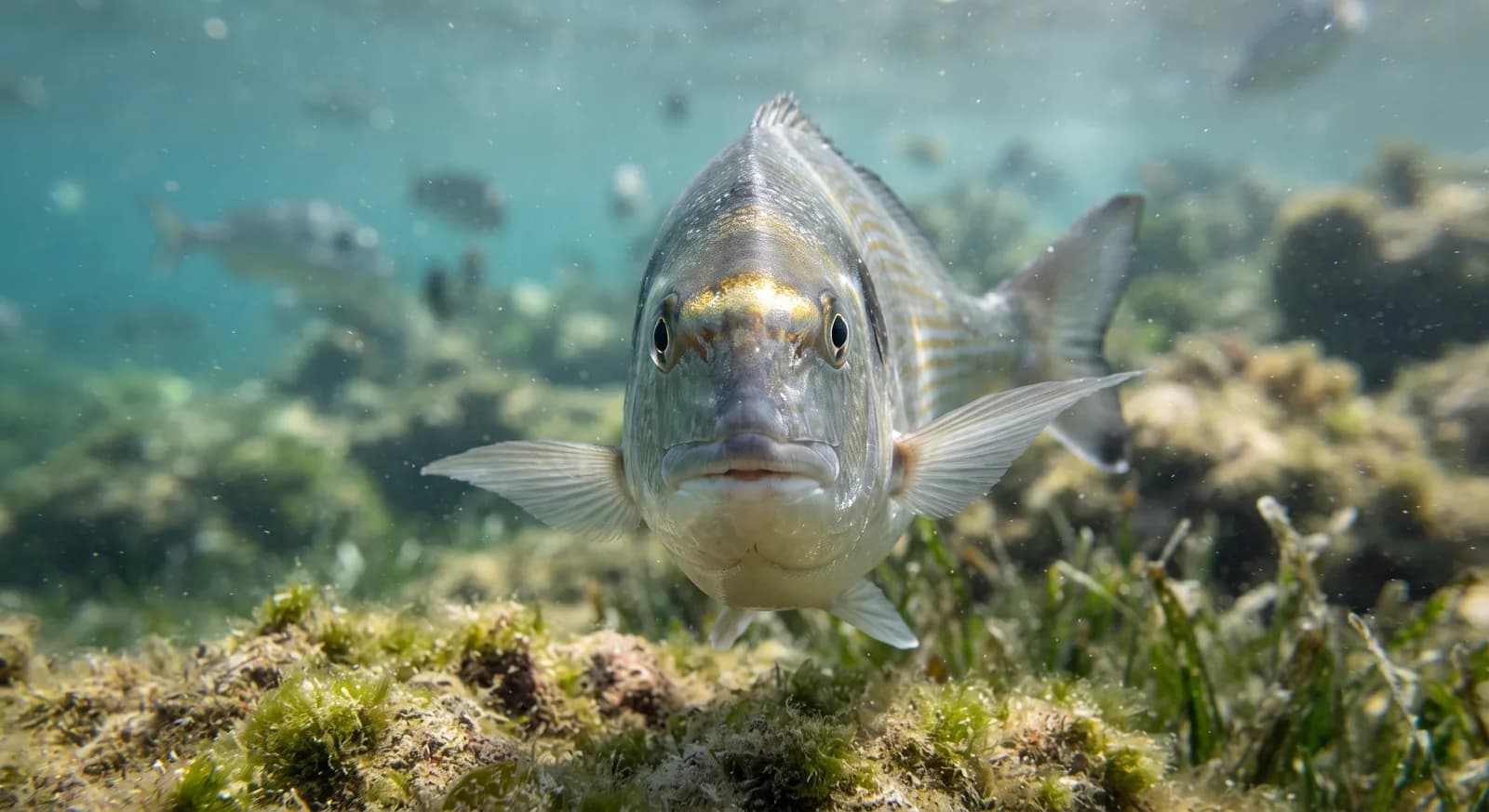 Least Concern
Gilthead
Sparus aurata
Tope
Galeorhinus galeus
How to help
The allis shad is classified as critically endangered. Organizations such as UICN, WWF y Wildlife Conservation Society work specifically on its conservation and that of its habitat; looking into their programs is a good starting point if you want to get involved.
It's documented in 12 real protected areas — part of why protecting these places matters for its conservation.
Keep exploring
Based on what we already know about allis shad.
Comments
Share an experience, a fun fact or a tip for seeing the allis shad.
Be the first to comment.