One of the 2 basses on WAnimals
Bony fish · Perciformes · Serranidae
Sea Bass
Dicentrarchus labrax
It could become endangered in the near future if current threats go unchecked. See full glossary
It is one of the most important species in Mediterranean aquaculture, alongside the gilt-head bream.
Weight
6.6 kg on average
Size
40 cm – 60 cm
Lifespan
6 years
Diet
Carnivore
Feeds mainly on other animals.
Activity
Irregular activity
Active at irregular times, by day or night depending on circumstances.
Social structure
Solitary
Lives and hunts alone, joining others only to breed.
Sighting difficulty
Moderate
Fun facts
- It eats shrimp and molluscs, along with smaller fish such as herring and sandeel.
- It lives in coastal waters, estuaries and river mouths of the north-eastern Atlantic and the Mediterranean.
- It releases up to 200,000 eggs per kg of female body weight, in successive batches.
Life cycle & biology
- Skeleton type
- Vertebrate - internal bony skeleton (fish)
- Habitat & environment
- Coastal waters, estuaries and river mouths of the north-eastern Atlantic and the Mediterranean
- Birth weight
- Pelagic larva after hatching from the egg
- Size at birth
- Pelagic larva at hatching
- Sexual maturity
- Male: 4-7 years | Female: 5-8 years
- Gestation / incubation
- Pelagic spawner: the eggs hatch in 4-6 days
- Litter / clutch size
- ~200,000 eggs per kg of female body weight, released in batches
Sources consulted: ResearchGate; NW IFCA; PMC; ScienceDirect Agriscigroup; CABI Compendium
Where to find it
See its range on the interactive mapBest time: From winter to spring, when it gathers to spawn; the rest of the year it hunts in estuaries, surf and river mouths.
Where to watch it
Parques y spots de buceo donde se ha documentado esta especie — se muestran 20 de 126 documentados.
Related species
Other species in the catalogue with the most in common with Sea Bass — same habitat, park, country, tags or family.
Dusky Perch
Epinephelus marginatus
 Near Threatened
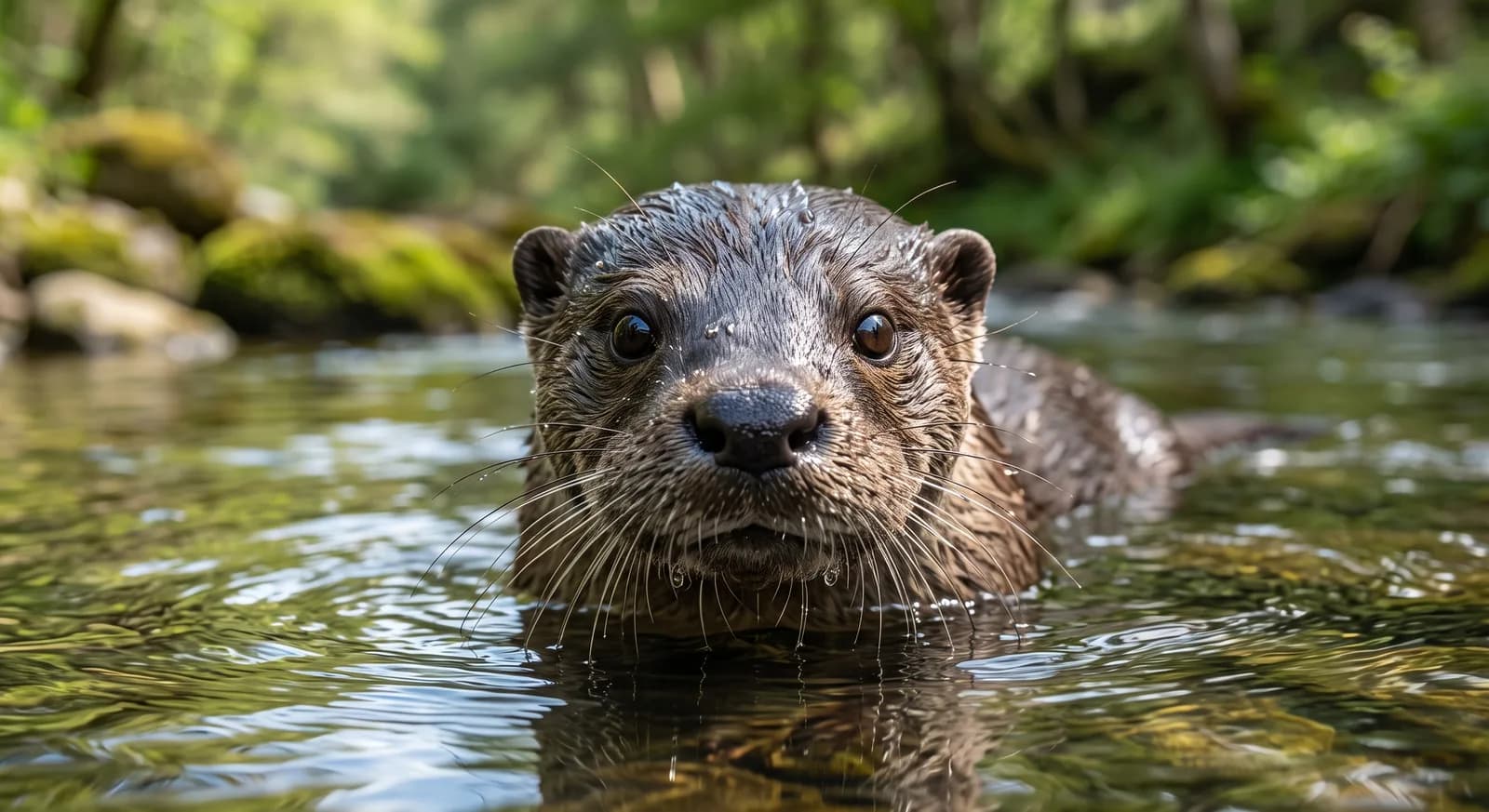
European Otter
Lutra lutra
 Near Threatened
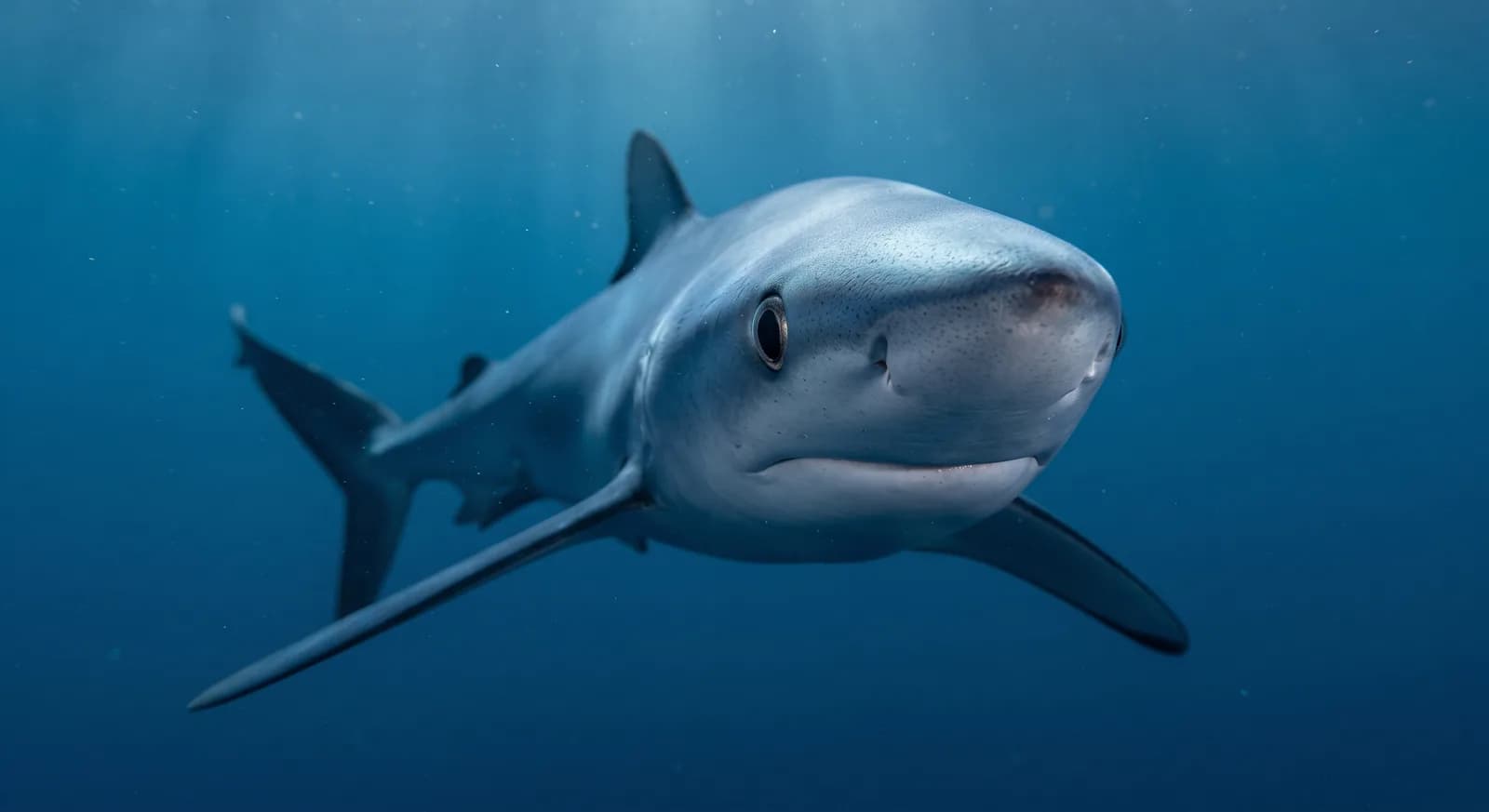
Blue Shark
Prionace glauca
Bluntnose Sixgill Shark
Hexanchus griseus
Thornback Ray
Raja clavata
Common Stingray
Dasyatis pastinaca
Keep exploring
Based on what we already know about sea bass.
Comments
Share an experience, a fun fact or a tip for seeing the sea bass.
Be the first to comment.