Bulgaria
Europa
Bulgaria sits at a biogeographical crossroads between central Europe, the Mediterranean and Asia Minor, which explains its high diversity for its size. The Rila and Pirin mountains keep residual glaciers, high-altitude lakes and Macedonian pine forests, and are the stronghold of a southern alpine fauna with chamois and golden eagles. The Rhodopes, a massif of limestone and gorges in the south, have become the European centre for vulture recovery, with griffon and Egyptian vultures and reintroduced bearded vultures. The Black Sea coast, with the Burgas lagoons, lies directly beneath the Via Pontica, the second most important migratory route in Europe. The Danube valley, the floodplain forest of Persina island and the Srebarna wetlands add Dalmatian pelicans and mixed colonies of waterbirds.
The nature of Bulgaria
National animal: The lion is the national heraldic emblem
Did you know?
Every autumn, hundreds of thousands of white storks, pelicans and raptors funnel over the Burgas lagoons along the Via Pontica: because these soaring birds need thermals and avoid crossing open sea, all those coming down from eastern Europe towards Africa are forced to skirt the Black Sea through the same narrow corridor, and tens of thousands of storks can be counted over the city in a single day.
Biodiversity profile
Climate
- •Continental humedo (Dfb) en el norte
- •Mediterraneo de transicion en el sur (valle del Maritsa)
- •Clima de montaña en los Balcanes y el macizo de Rila-Pirin
Main biomes
- •Bosque montano de los Balcanes (Stara Planina)
- •Bosque mediterraneo de transicion (sur)
- •Estepa forestal del este europeo (noreste, frontera con Rumania y el Mar Negro)
- •Alta montaña balcánica
- •Bosque de pino macedonio
- •Garganta caliza
- •Laguna litoral
- •Bosque inundable danubiano
- •Matorral submediterráneo
- •Estepa costera
Marine and coastal ecosystems
- •Costa del Mar Negro, con humedales importantes para aves migratorias (Reserva Natural de Srebarna, integrada en la red de proteccion del Danubio)
Flagship wildlife
- •Oso pardo (macizo de Rila-Pirin y los Balcanes)
- •Lobo gris y chacal dorado
- •Pelicano ceñudo (Srebarna)
- •Aguila imperial
- •Buitre leonado
- •Alimoche común
- •Quebrantahuesos
- •Cigüeña blanca
- •Lobo gris
- •Rebeco
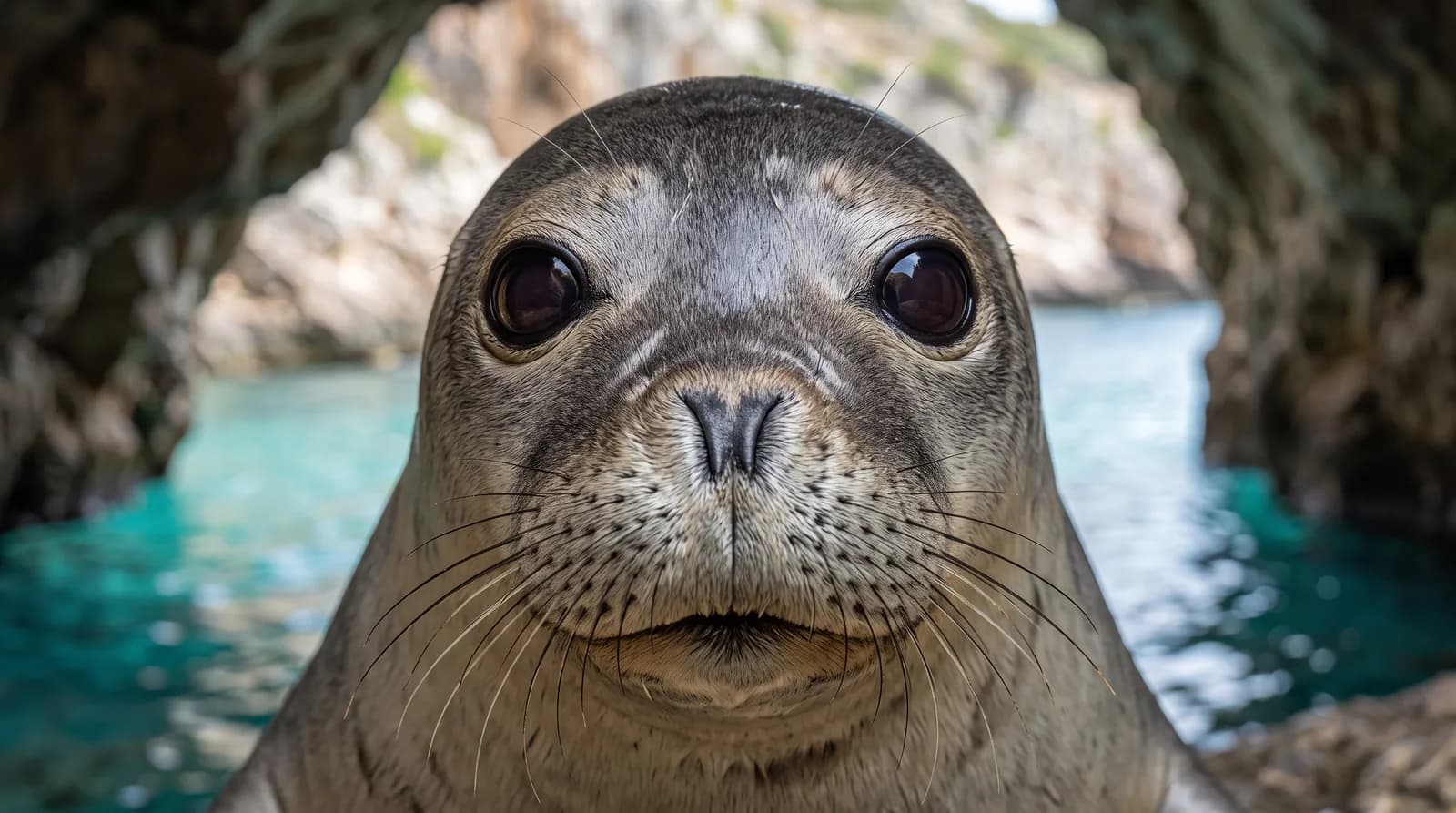
- •Foca monje del Mediterráneo
- •Águila imperial oriental
Notable endemic species
- •Bulgaria comparte el hotspot de biodiversidad del Cáucaso en su extremo mas occidental y el ecosistema panonico-estepario del este de Europa en su extremo noreste, generando una notable diversidad biogeografica para un pais de tamaño mediano
- •Amapola de Rila
- •Tritón crestado de los Balcanes
Notable threatened species
- •Pelicano ceñudo (Vulnerable, poblacion reproductora en la Reserva de Srebarna, parte de la red de areas protegidas del Danubio)
- •Especies de estepa forestal en declive por conversion agricola en el noreste del pais
Notable protected areas
- •Parque Nacional de Rila (mayor parque del pais, macizo de Rila-Pirin)
- •Reserva Natural de Srebarna (Patrimonio Mundial, humedal del Danubio)
- •Parque Nacional de Pirin
- •Parque Natural de los Ródopes Orientales
- •Reserva de Srebarna
- •Lagunas de Burgas
- •Parque Natural de Persina
Main conservation threats
- •Conversion agricola de estepa forestal en el noreste del pais
- •Presion sobre habitats humedos del Danubio por regulacion historica del curso fluvial
Notable natural phenomena
- •Bulgaria tiene la mayor cobertura relativa de areas protegidas de toda la Union Europea (41%)
Conservation
The Rhodopes host one of the most ambitious vulture recovery programmes in Europe, with reintroductions of cinereous and bearded vulture and a network of feeding stations. Srebarna maintains one of the few breeding colonies of Dalmatian pelican in the European Union.
Where and when to watch wildlife
The Burgas lagoons between August and October for the Via Pontica passage. The Eastern Rhodopes year-round from vulture hides. Rila and Pirin in summer for alpine wildlife and endemic flora.
Sources: visualcapitalist.com - Europe's Protected Land Share by Country | EEA - Designated terrestrial protected areas Europe | EBSCO Research Starters - Danube River
Parks and reserves
Balcanes Centrales
Nine strict beech forest reserves in the Stara Planina, with fifty-metre beeches and Bulgaria's only European Diploma.
View parkNature ReserveReserva Natural de Srebarna
A Danube lake holding Bulgaria's most important Dalmatian pelican colony, a World Heritage Site since 1983.
View parkNational ParkPirin National Park
A massif of granite peaks, glacial lakes and endemic black pine forest in south-western Bulgaria.
View parkNature ParkStrandzha
Bulgaria's largest protected area, with relict Tertiary forests on the Turkish border.
View parkNature ParkVitosha
The first protected area in the Balkans, declared in 1934 on the doorstep of Sofia, with its stone rivers.
View parkNational ParkRila
Bulgaria's largest national park; it holds Musala, the highest peak in the Balkans
View parkNature ParkRusenski Lom
A river canyon in north-eastern Bulgaria with medieval rock-hewn churches inscribed by UNESCO as a cultural property.
View parkNature ParkVrachanski Balkan
A limestone massif in north-western Bulgaria with the Vratsata gorge and the Ledenika cave.
View parkDiving and snorkelling
Especies documentadas en Bulgaria
509 species found
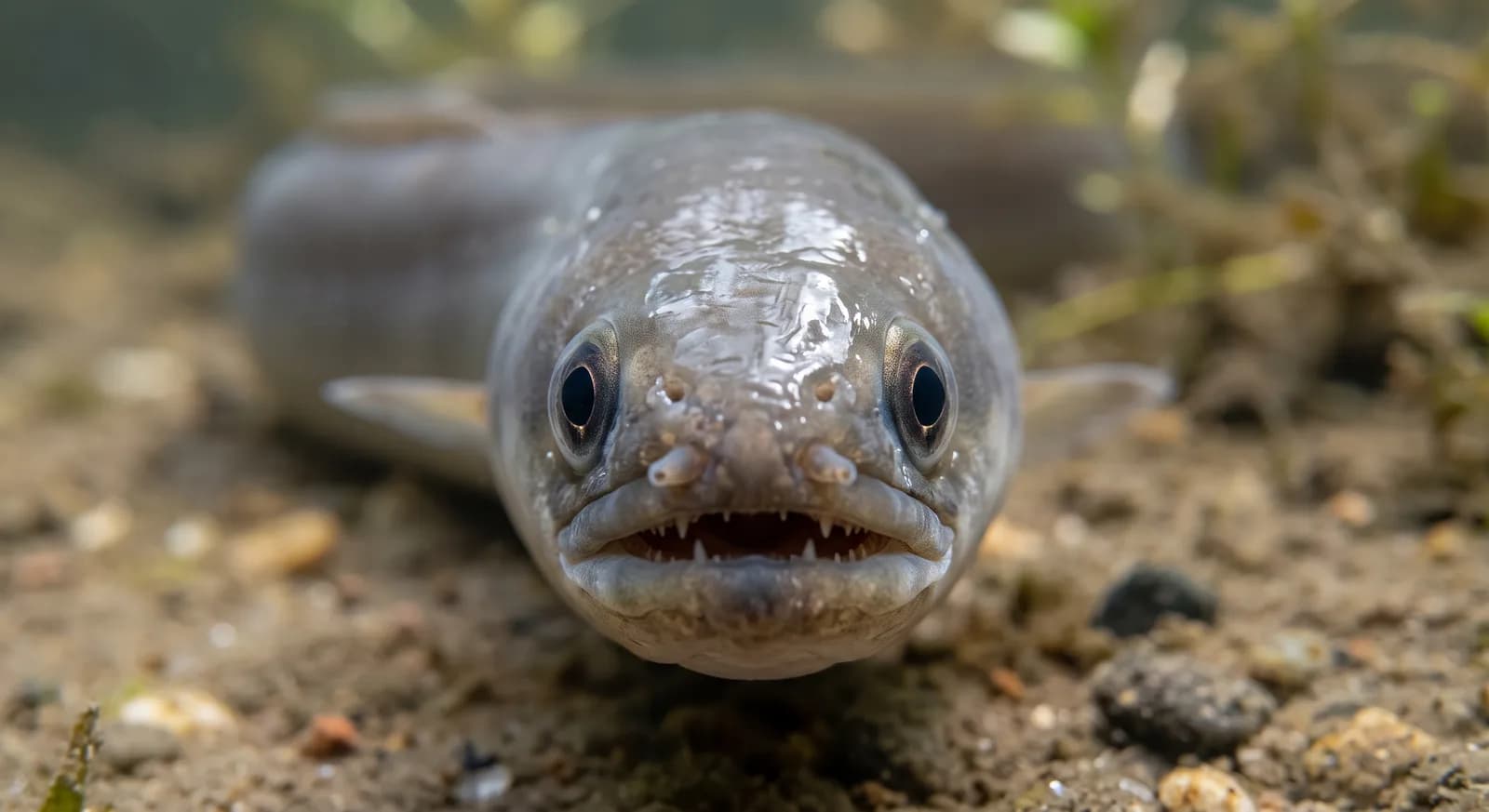 Critically Endangered
European Eel
Anguilla anguilla
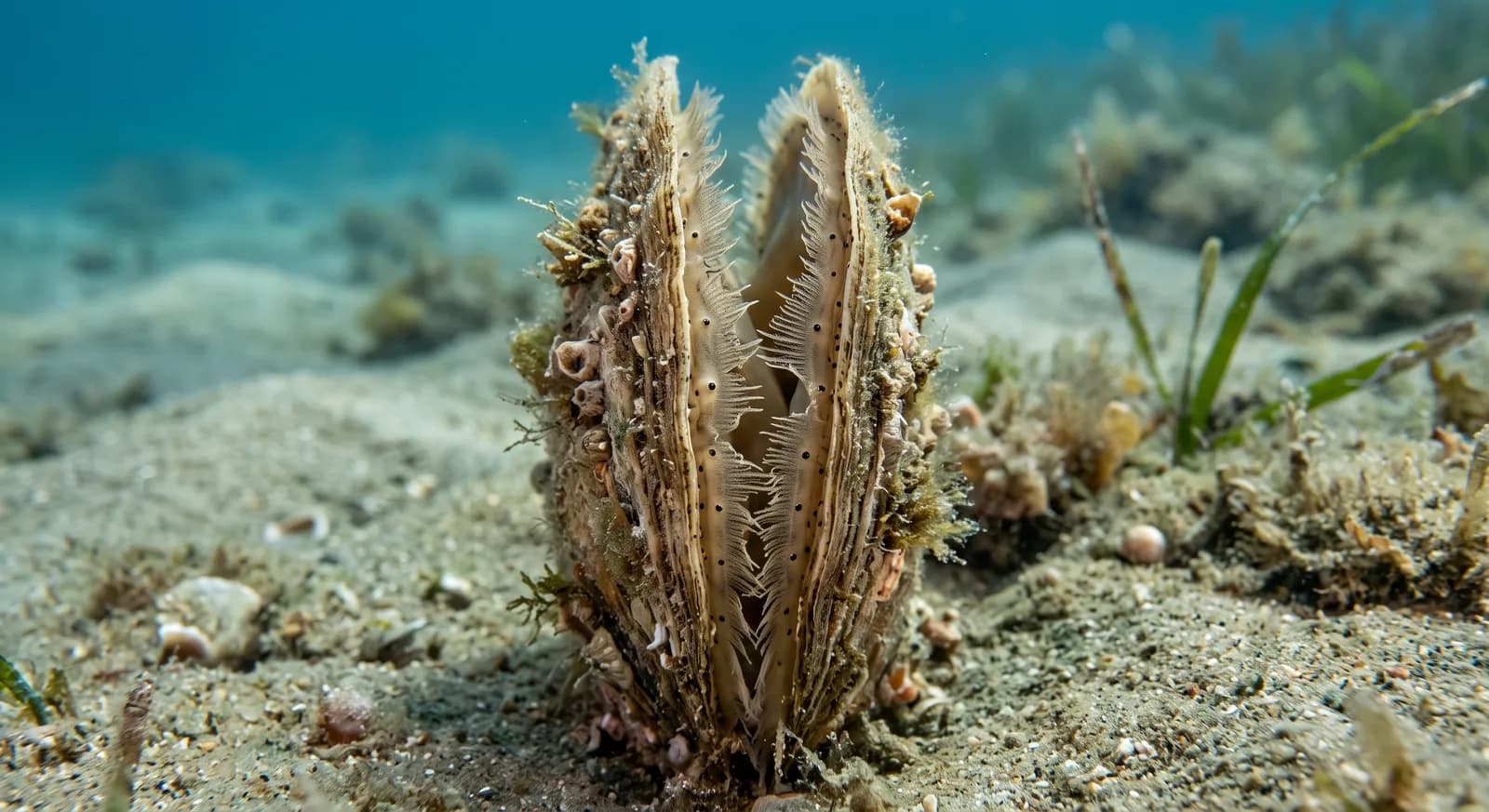 Critically Endangered
Fan Mussel
Pinna nobilis
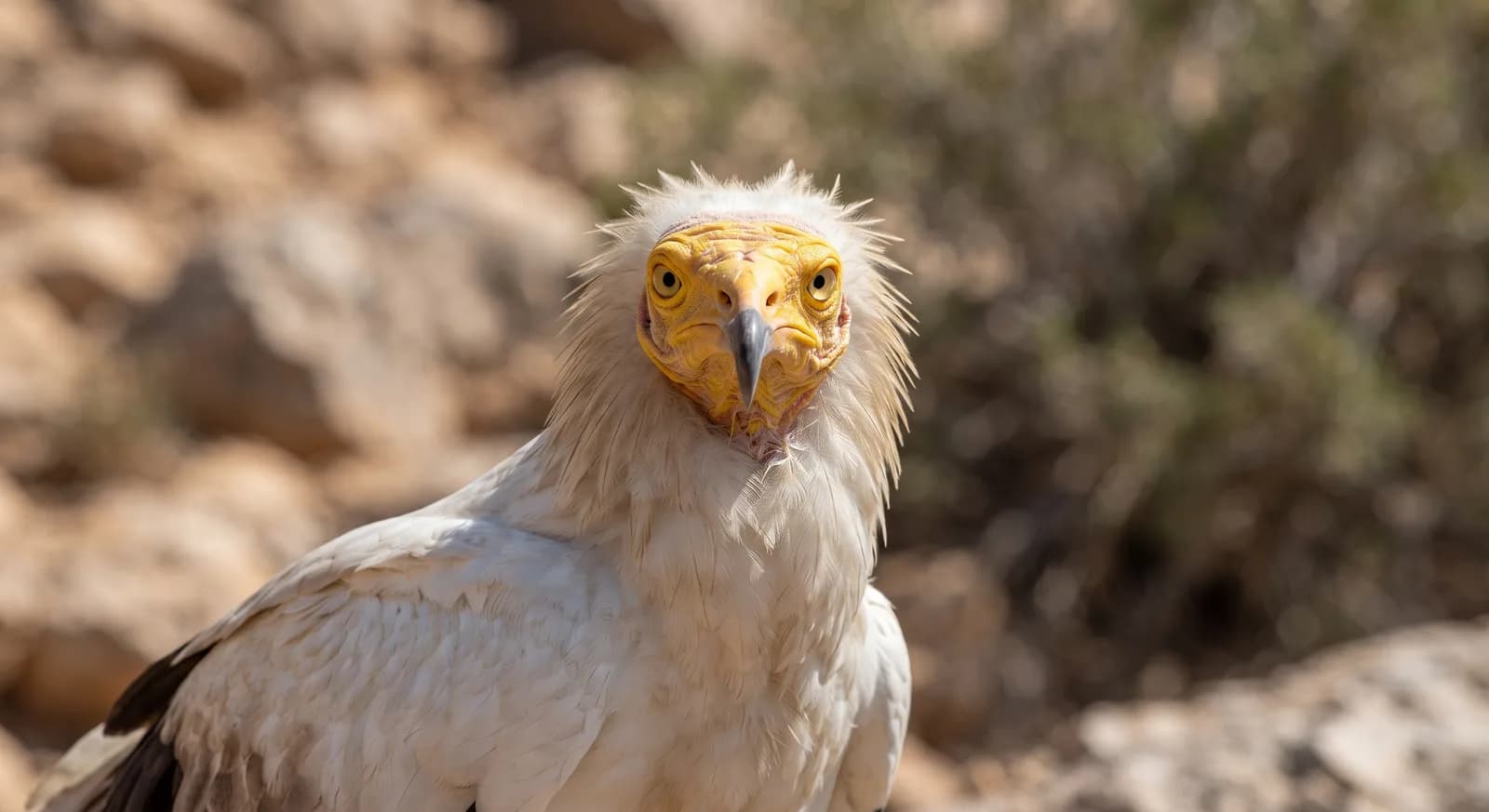 Endangered
Egyptian Vulture
Neophron percnopterus
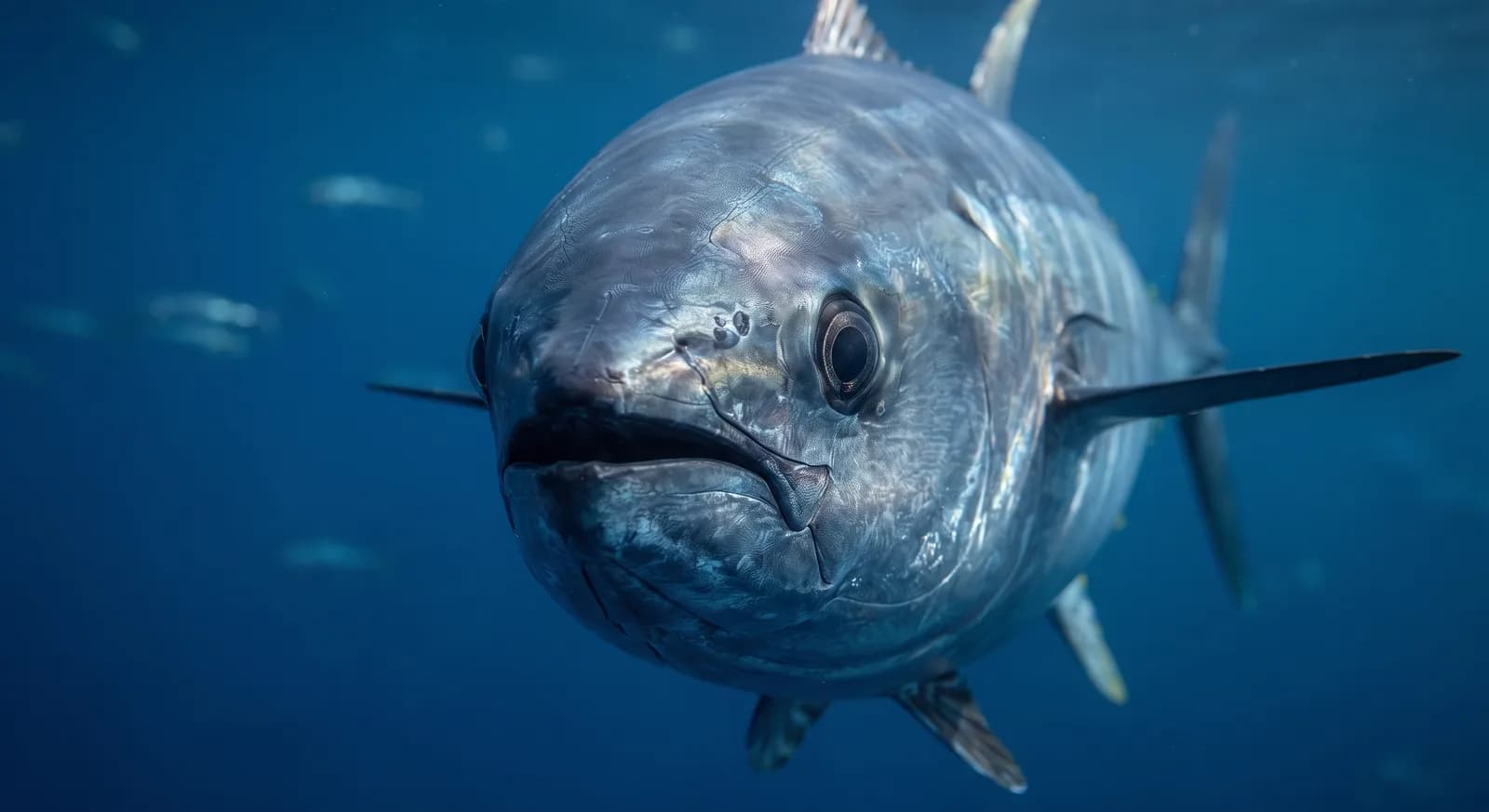 Endangered
Atlantic Bluefin Tuna
Thunnus thynnus
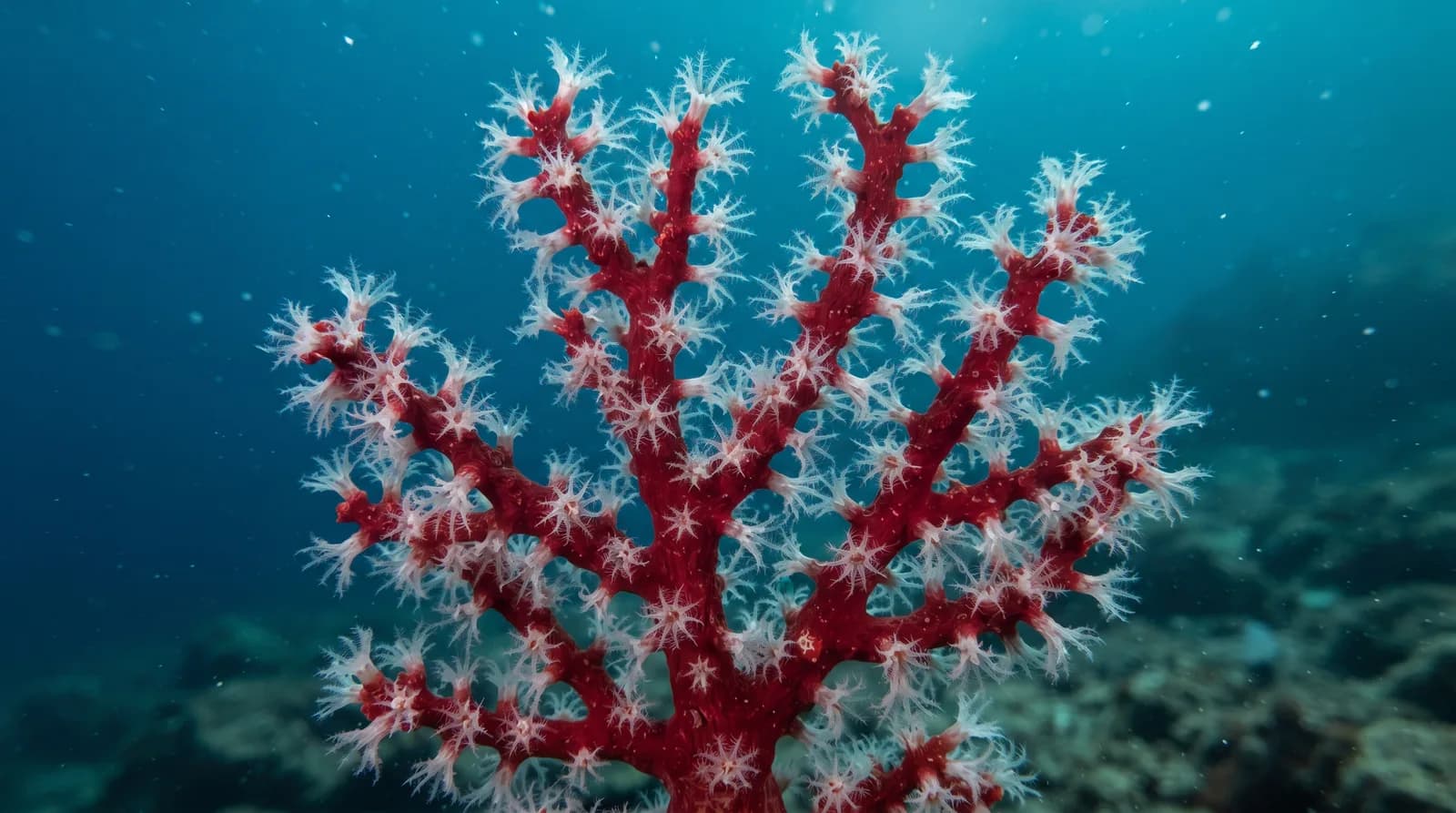 Endangered
Red Coral
Corallium rubrum
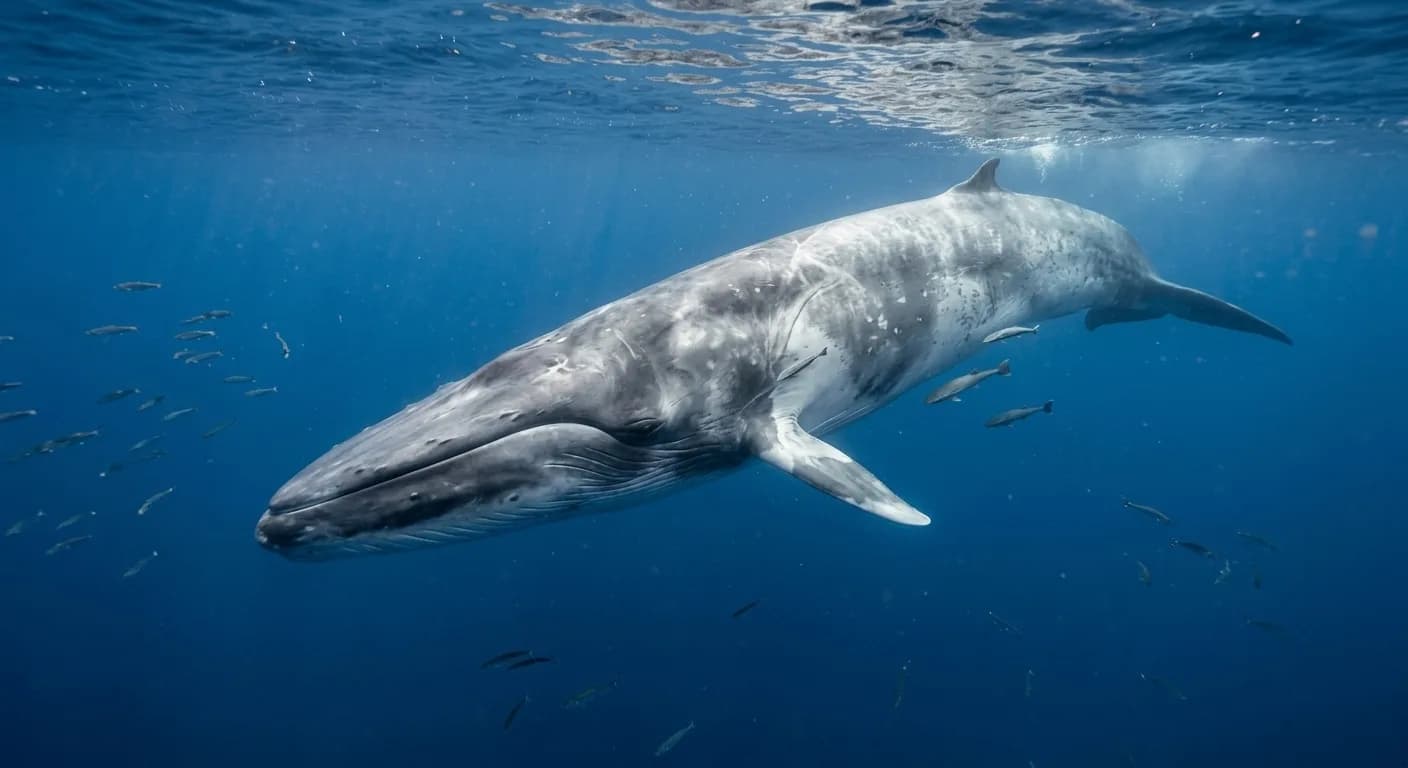 Endangered
Fin Whale
Balaenoptera physalus
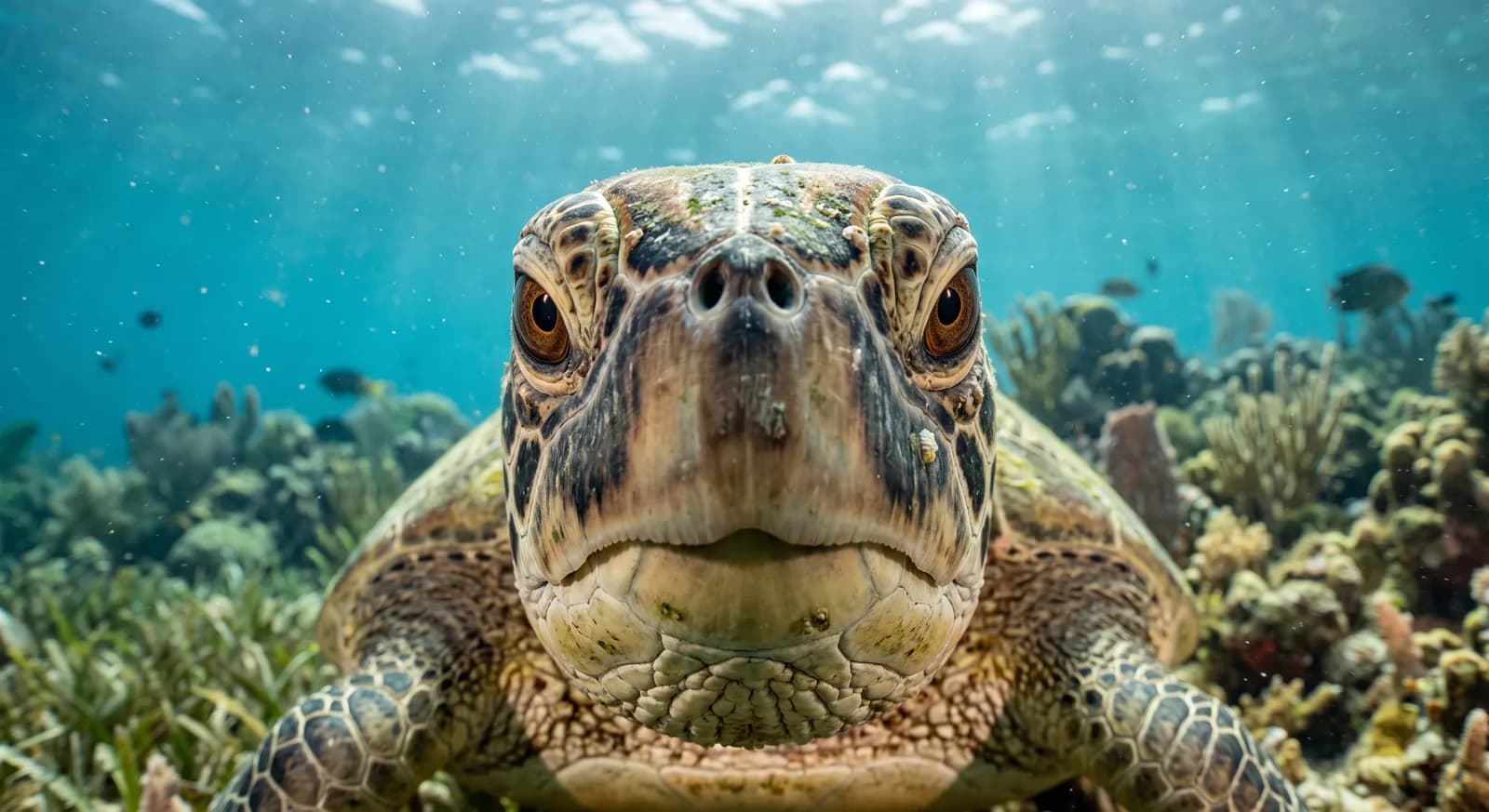 Endangered
Green Turtle
Chelonia mydas
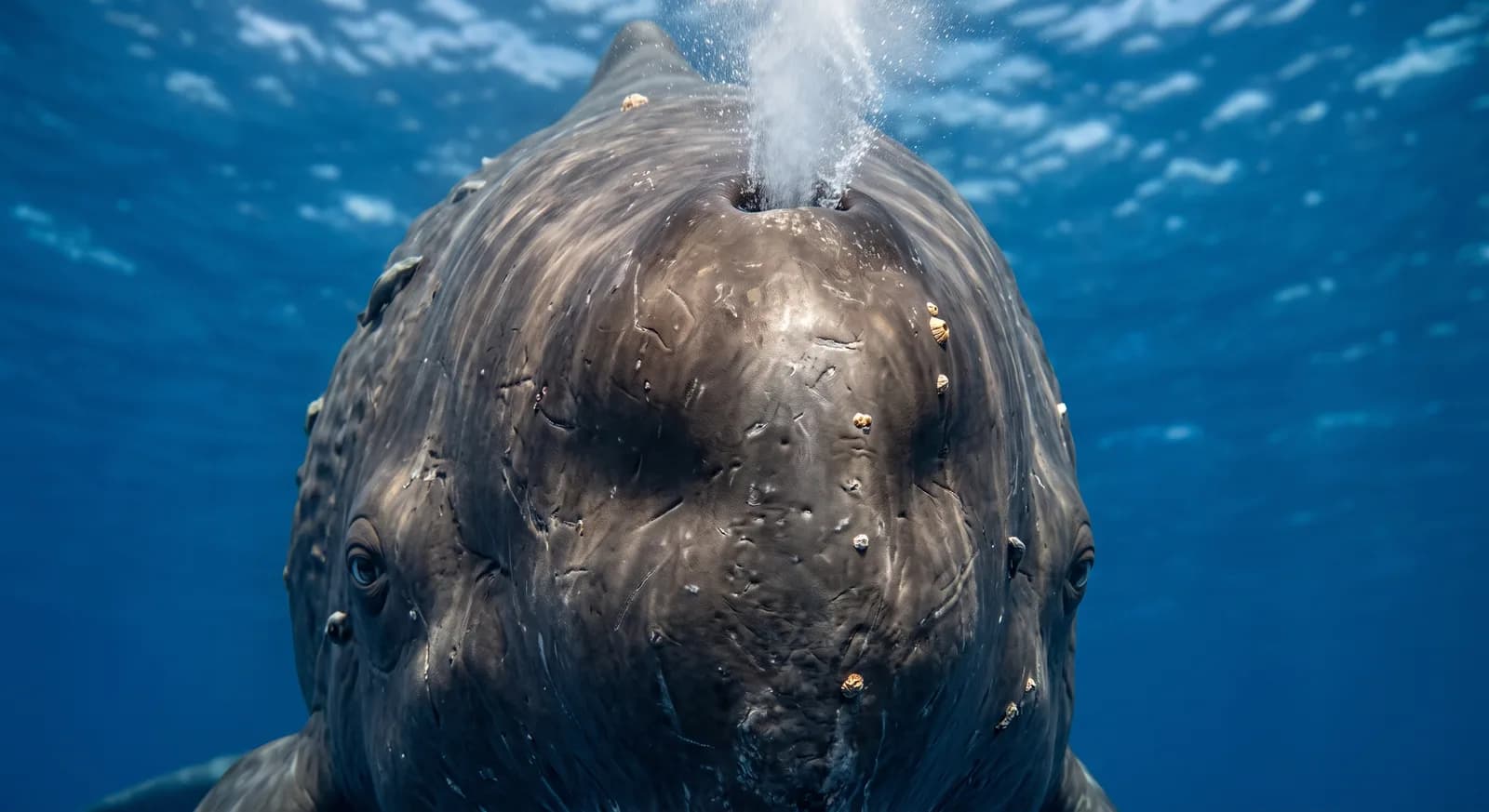 Vulnerable
Sperm Whale
Physeter macrocephalus
 Vulnerable
Mediterranean Monk Seal
Monachus monachus
 Vulnerable
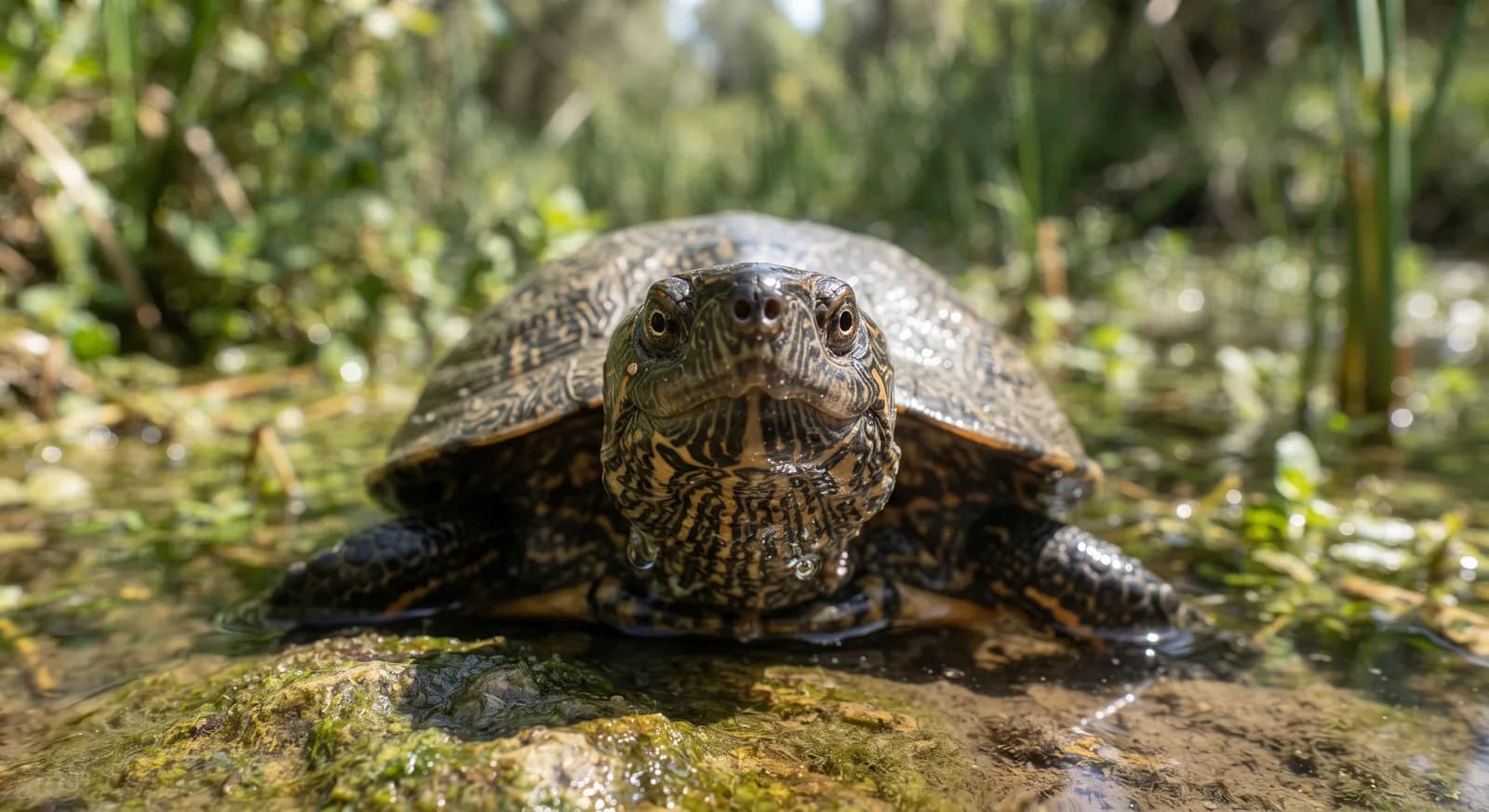
Spanish Terrapin
Mauremys leprosa
 Vulnerable
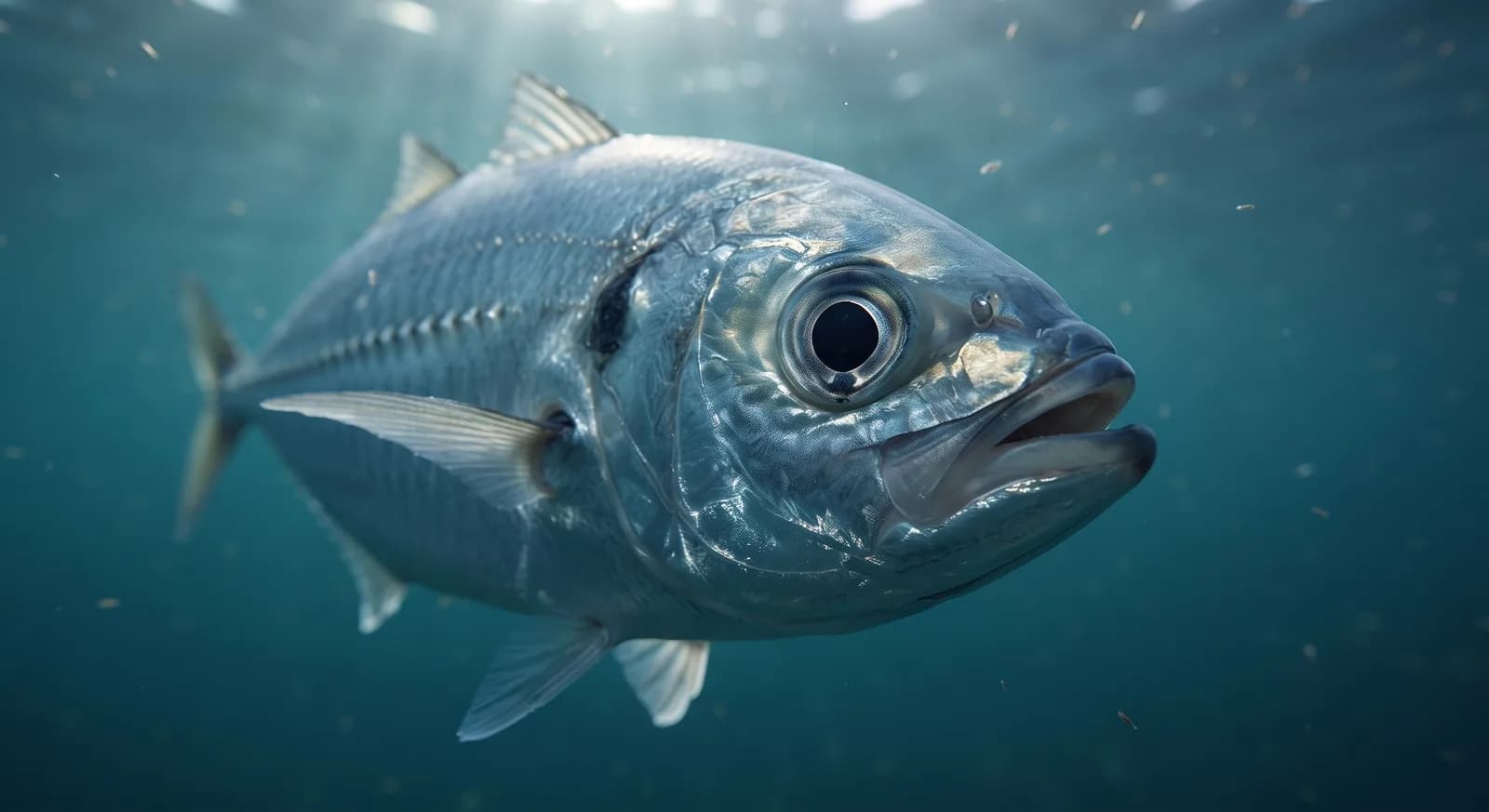
Horse Mackerel
Trachurus trachurus
 Vulnerable
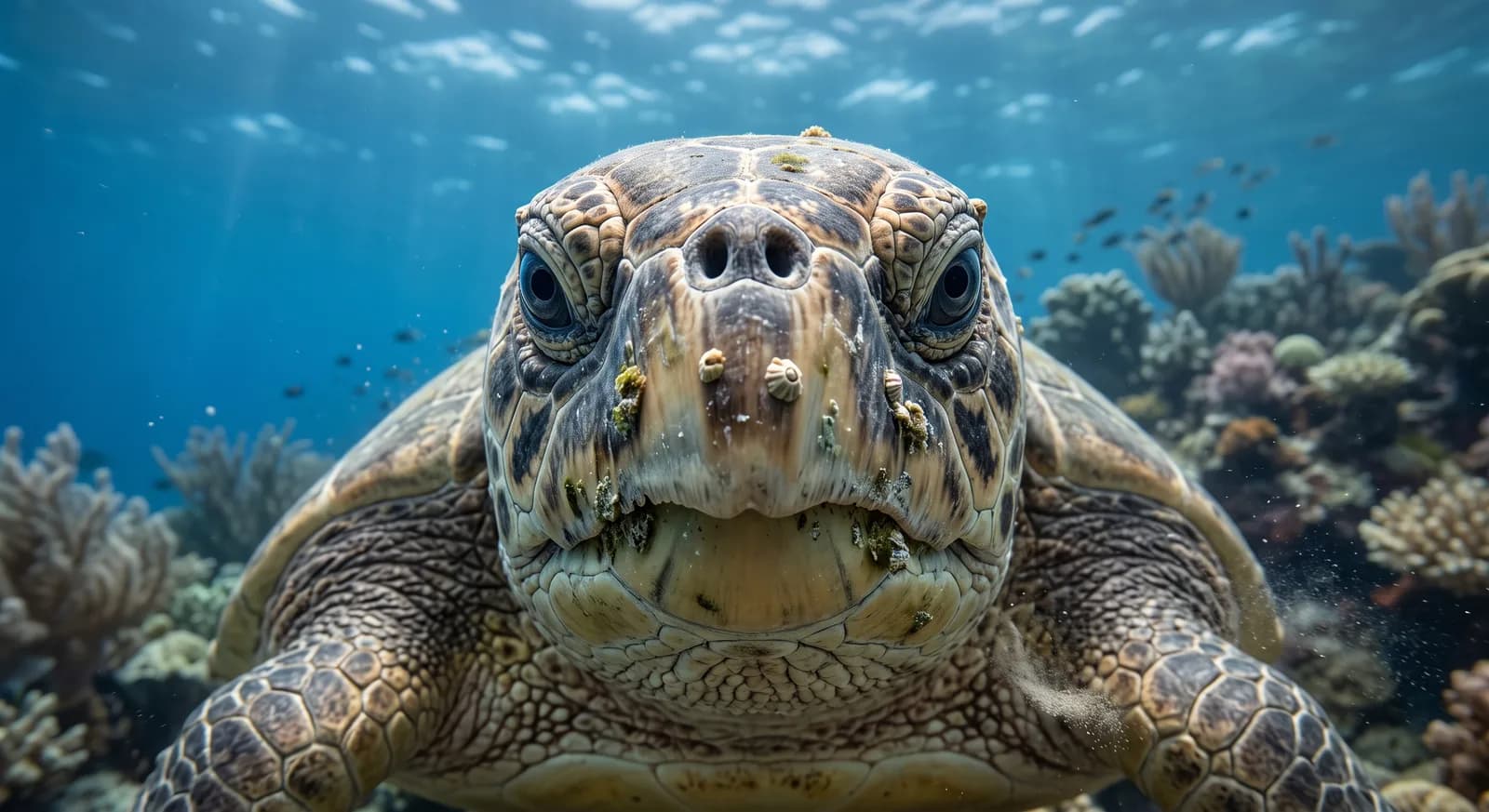
Loggerhead Turtle
Caretta caretta
Keep exploring
Based on what we already know about Bulgaria.