One of the 6 old world vultures on WAnimals
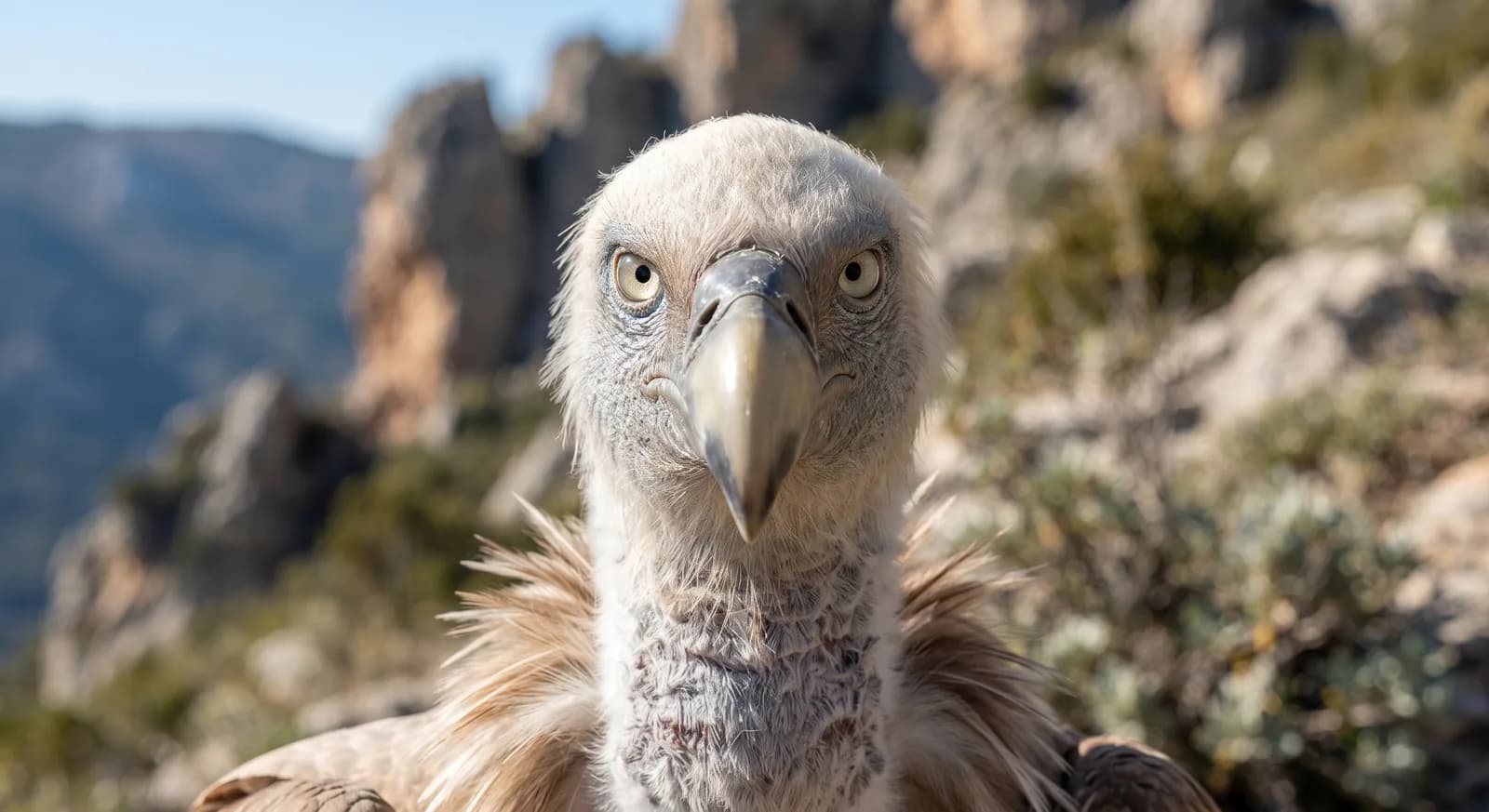
Birds · Accipitriformes · Accipitridae
Griffon Vulture
Gyps fulvus
The species is abundant and widely distributed; it faces no significant short-term risk. See full glossary
Its stomach produces an extraordinarily corrosive acid, able to digest carrion in advanced decay and even to neutralise botulinum toxin and anthrax spores.
Weight
6 kg – 11.3 kg
Size
93 cm – 1.2 m
Lifespan
25 years
Diet
Carnivore
Feeds mainly on other animals.
Activity
Diurnal
Active mainly during the day.
Social structure
Colony
Lives in large concentrations, often for breeding reasons.
Sighting difficulty
Easy
Estimated population
30,946 pairs in Spain according to the fifth national survey of 2018, more than 90% of the European total; the population went from 2,283-3,240 pairs in 1979 to 7,529-8,074 in 1989. Aragon (4,832 pairs) and Castile and León (7,489) hold most of them
Fun facts
- It feeds exclusively on carrion, spotted with keen eyesight from a great height.
- It can spot a carcass from over 5 kilometres away.
- It lives in mountainous, rocky country with cliffs across southern Europe, North Africa and Central Asia.
Life cycle & biology
- Skeleton type
- Vertebrate - pneumatised bony skeleton (bird)
- Habitat & environment
- Mountainous, rocky country with cliffs across southern Europe, North Africa and Central Asia
- Birth weight
- ~170 grams at hatching, naked and weak
- Size at birth
- Naked and weak at hatching, with only a sparse covering of down
- Sexual maturity
- 4-5 years
- Gestation / incubation
- 52-60 days
- Litter / clutch size
- 1 egg per clutch
- Lifespan in captivity
- Documented record of 41.4 years in captivity
Sources consulted: AnAge (genomics.senescence.info); A-Z Animals; Birdfact; The Animal Facts; White Marmotte; Wikipedia (Eurasian griffon vulture); Animalia.bio; Taylor & Francis (age identification study); SEO/BirdLife, V censo nacional (2018): 5.407 parejas más que en 2008, un crecimiento del 17,5-26 % en una década, aunque cada vez menos pronunciado || Del Moral y Molina (Eds.) 2018, El buitre leonado en España, SEO/BirdLife || SEO/BirdLife, III Atlas de las aves en época de reproducción en España, ficha del buitre leonado
Where to find it
See its range on the interactive mapBest time: All year round: it is essentially a resident species, and in winter its movements to feeding grounds allow it to be seen almost anywhere in Spain. The cliff colonies are easiest to watch during the breeding season, between January and July
Where to watch it
Parques y spots de buceo donde se ha documentado esta especie — se muestran 10 de 28 documentados.
Related species
Other species in the catalogue with the most in common with Griffon Vulture — same habitat, park, country, tags or family.
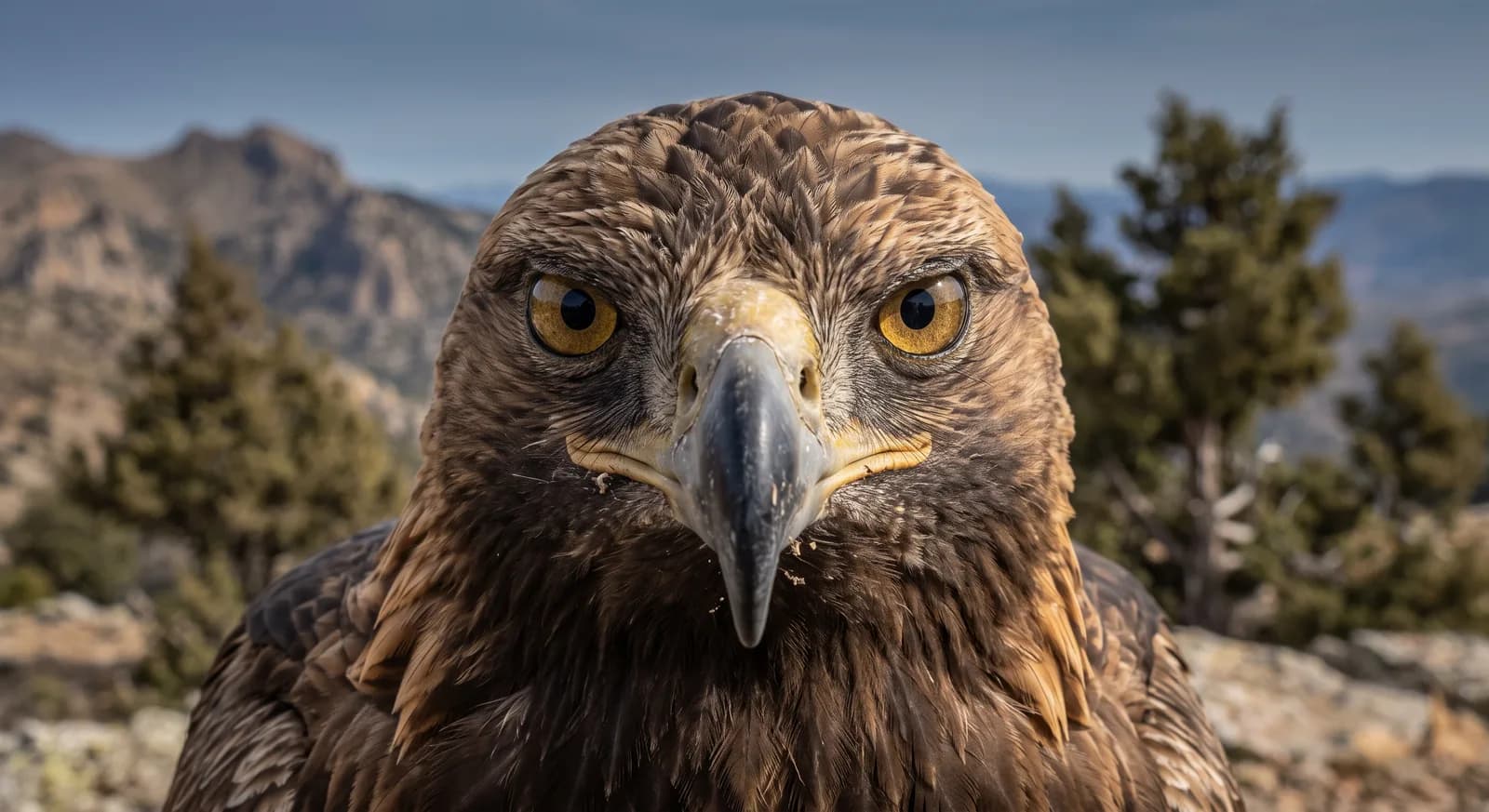
Bonelli's Eagle
Aquila fasciata
 Least Concern
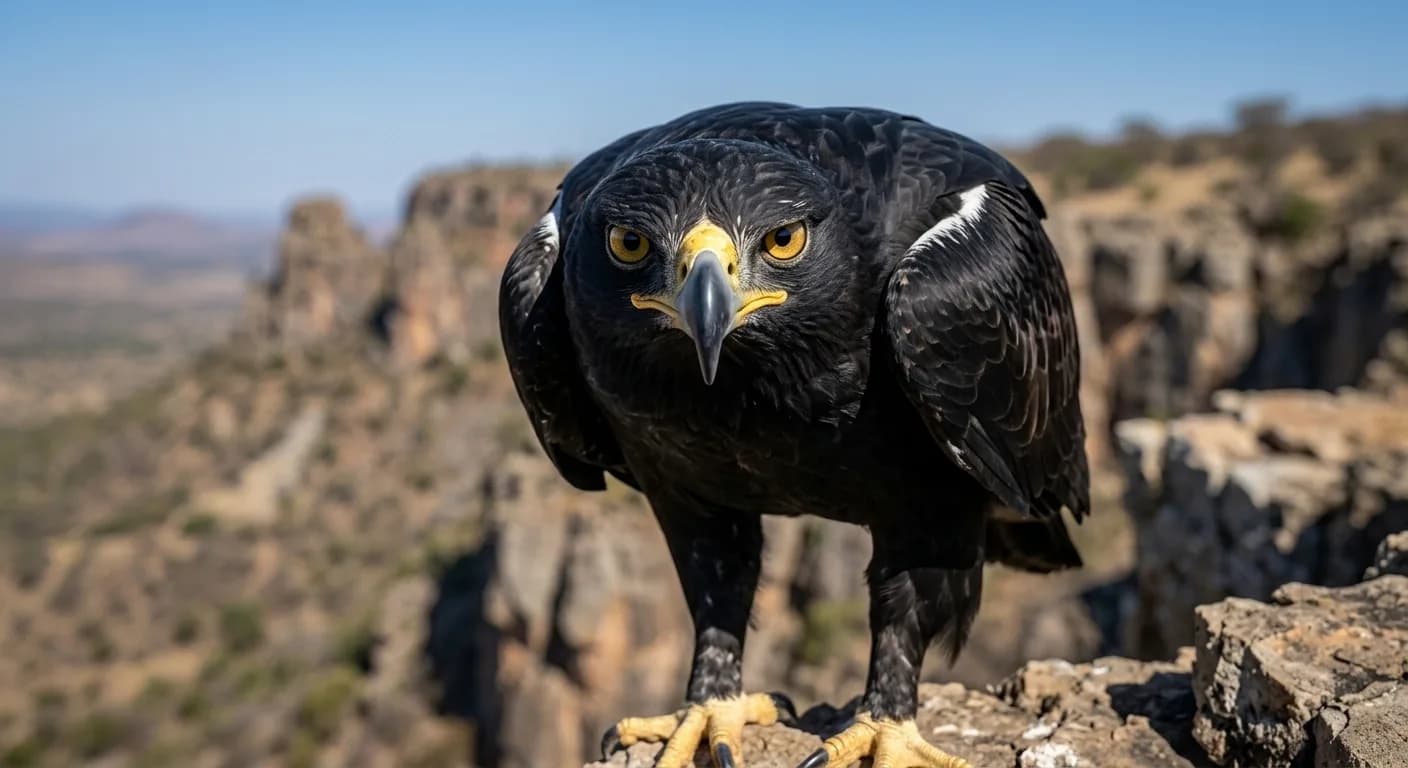
Golden Eagle
Aquila chrysaetos
 Least Concern
Verreaux's Eagle
Aquila verreauxii
Bearded Vulture
Gypaetus barbatus
Montagu's Harrier
Circus pygargus
 Near Threatened
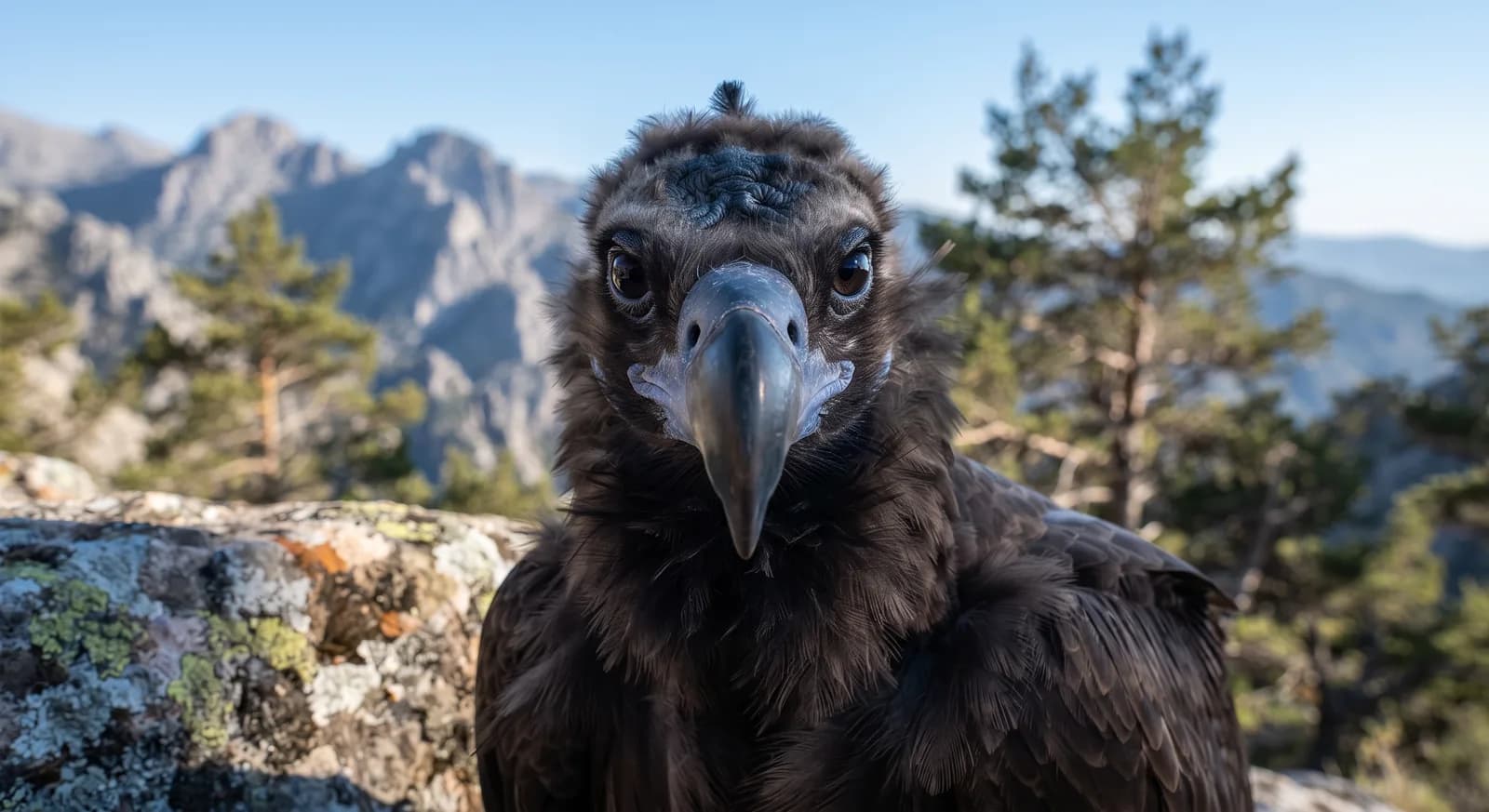
Cinereous Vulture
Aegypius monachus
Keep exploring
Based on what we already know about griffon vulture.
Comments
Share an experience, a fun fact or a tip for seeing the griffon vulture.
Be the first to comment.