One of the 6 old world vultures on WAnimals
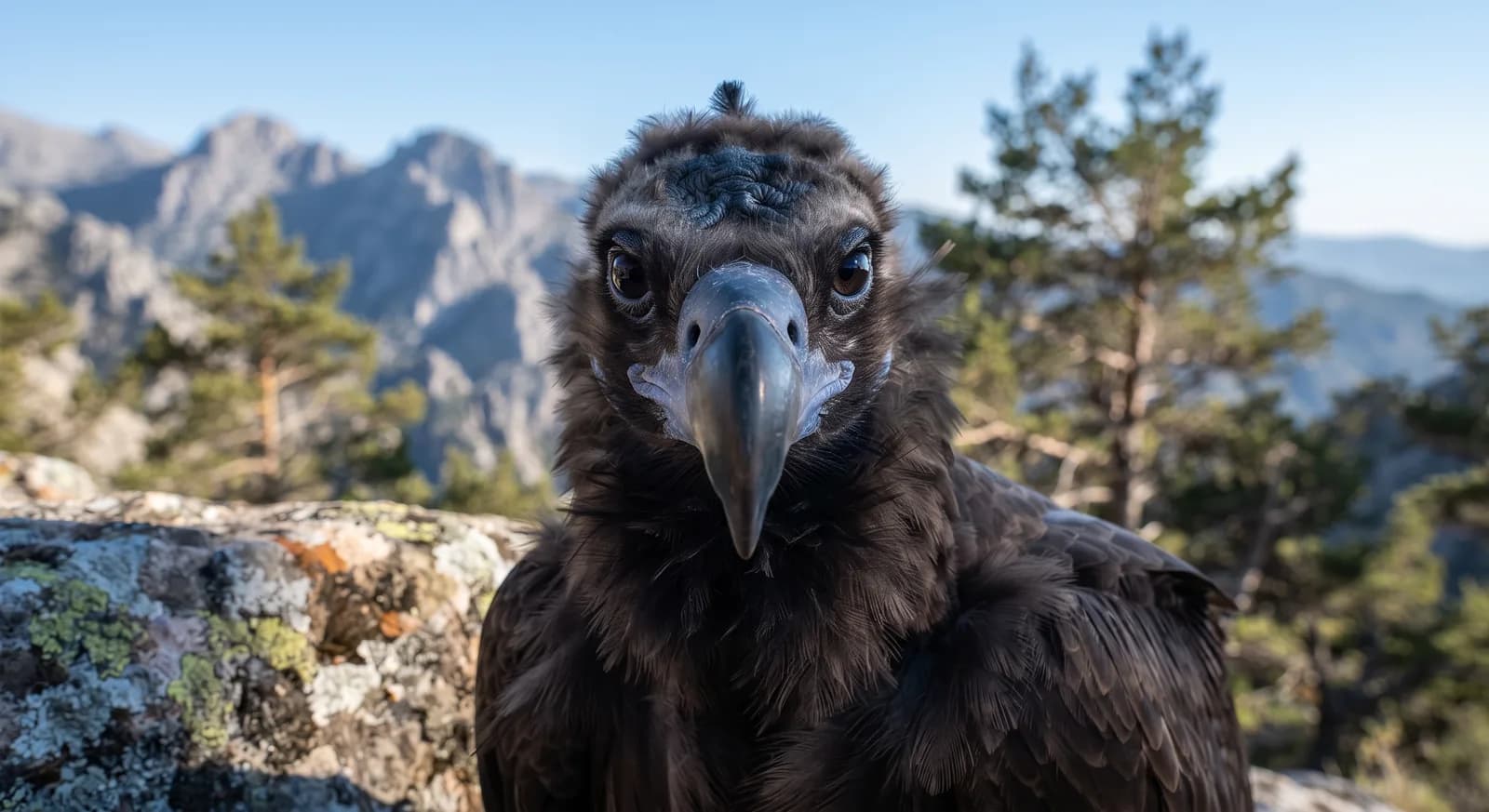
Birds · Accipitriformes · Accipitridae
Cinereous Vulture
Aegypius monachus
It could become endangered in the near future if current threats go unchecked. See full glossary
It is the largest Old World vulture and one of the heaviest birds of prey on the planet, with a breeding cycle of almost a year and a half — the longest of any European raptor.
Weight
6.3 kg – 14 kg
Size
98 cm – 1.2 m
Lifespan
20 years
Diet
Carnivore
Feeds mainly on other animals.
Activity
Diurnal
Active mainly during the day.
Social structure
Solitary
Lives and hunts alone, joining others only to breed.
Sighting difficulty
Moderate
Estimated population
2,548 pairs spread across 43 colonies plus 6 isolated pairs according to the 2017 national survey; applying the correction factor for incomplete coverage, the true population would be between 2,548 and 3,140 pairs. Extremadura holds 964 pairs (37.9%) and the largest colonies are Sierra de San Pedro (333) and Monfragüe (327)
Fun facts
- That cycle runs from the laying of the egg until the chick can feed itself.
- It feeds on the carcasses of medium-sized and large mammals.
- It lives in mountainous and wooded country across temperate Eurasia, from the Iberian Peninsula to Mongolia.
Life cycle & biology
- Skeleton type
- Vertebrate - internal bony skeleton (bird)
- Habitat & environment
- Mountainous and wooded country of temperate Eurasia, from the Iberian Peninsula to Mongolia and eastern Asia
- Birth weight
- Born altricial and covered in down
- Size at birth
- Born altricial
- Sexual maturity
- 3-6 years
- Gestation / incubation
- 50-68 days (typically ~54-57 days)
- Litter / clutch size
- 1 egg per clutch (rarely 2)
- Lifespan in captivity
- Documented record of up to 40 years
Sources consulted: A-Z Animals; Wikipedia (Cinereous vulture); Vulture Conservation Foundation; Animal Diversity Web; Birds of the World; PMC (GPS accelerometer breeding study); Raptor TAG; The Birds Net; Critter Science; Karits.eu; SEO/BirdLife: recuperación sostenida desde las 206 parejas censadas a principios de los años setenta hasta las 2.548 de 2017; España alberga el 87 % de la población europea || Del Moral (Ed.) 2017, El buitre negro en España, SEO/BirdLife || SEO/BirdLife, III Atlas de las aves en época de reproducción en España, ficha del buitre negro
Where to find it
See its range on the interactive mapBest time: All year round, as it is resident; activity at the breeding colonies peaks between February and July, and in winter it may turn up away from its breeding areas
Where to watch it
Parks and dive sites where this species has been documented.
Related species
Other species in the catalogue with the most in common with Cinereous Vulture — same habitat, park, country, tags or family.
Bearded Vulture
Gypaetus barbatus
Bonelli's Eagle
Aquila fasciata
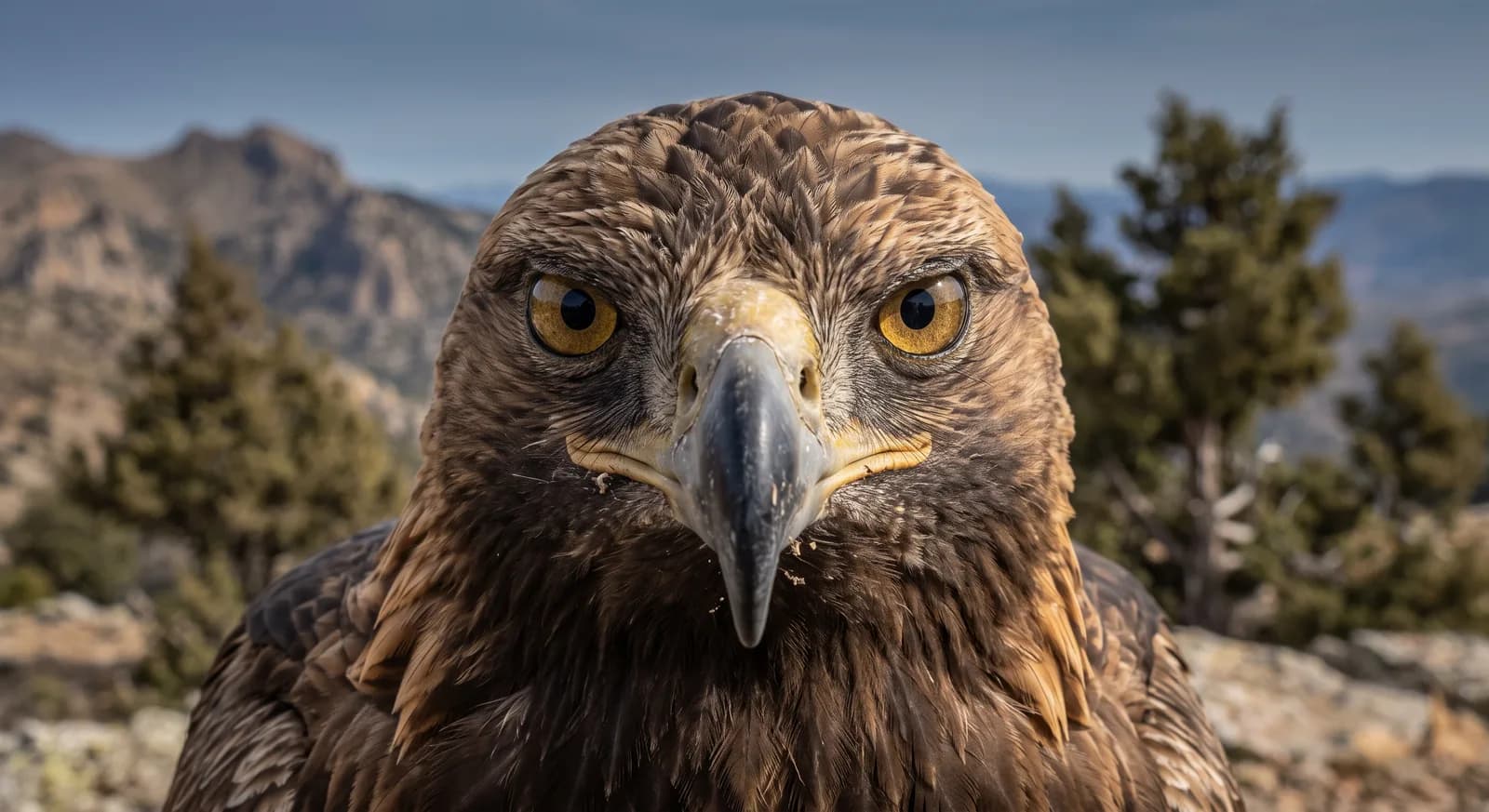 Least Concern
Golden Eagle
Aquila chrysaetos
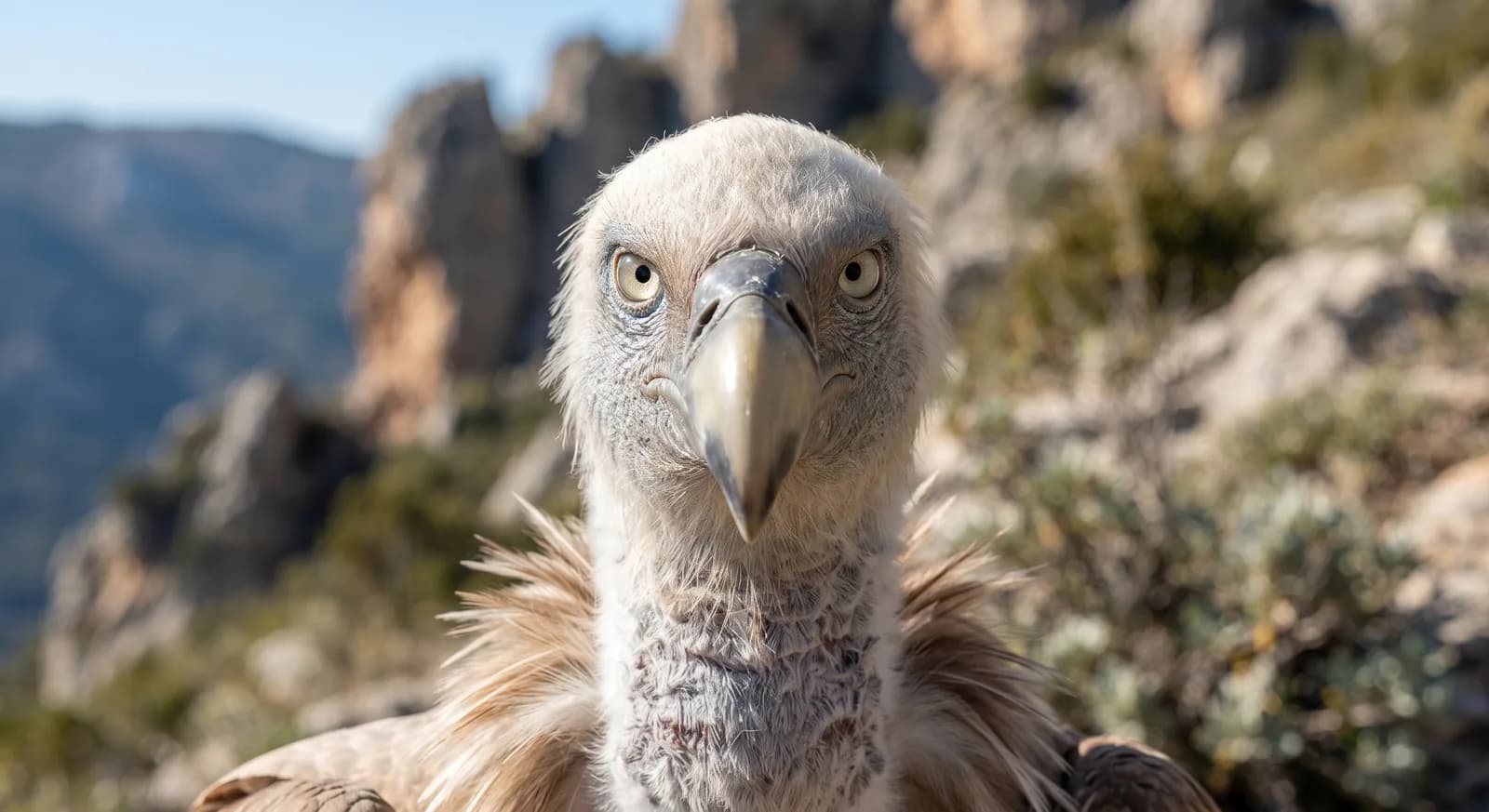 Least Concern
Griffon Vulture
Gyps fulvus
Eurasian Sparrowhawk
Accipiter nisus
Northern Goshawk
Accipiter gentilis
Keep exploring
Based on what we already know about cinereous vulture.
Comments
Share an experience, a fun fact or a tip for seeing the cinereous vulture.
Be the first to comment.