Birds · Accipitriformes · Accipitridae
Eurasian Sparrowhawk
Accipiter nisus
The species is abundant and widely distributed; it faces no significant short-term risk. See full glossary
It shows one of the greatest differences in size between the sexes of any bird of prey in the world, with females up to 50% heavier than males.
Weight
110 g – 342 g
Size
29 cm – 41 cm
Lifespan
4 years
Diet
Carnivore
Feeds mainly on other animals.
Activity
Diurnal
Active mainly during the day.
Social structure
Solitary
Lives and hunts alone, joining others only to breed.
Sighting difficulty
Easy
Fun facts
- That difference lets the pair specialise on prey of different sizes and compete less with one another.
- It feeds mainly on small birds caught in agile pursuit through the vegetation.
- It lives in woodland and wooded country of Europe, North Africa and western Asia.
Life cycle & biology
- Skeleton type
- Vertebrate - internal bony skeleton (bird)
- Habitat & environment
- Woodland and wooded country of Europe, North Africa and western Asia
- Birth weight
- Born altricial and covered in down
- Size at birth
- Born altricial
- Sexual maturity
- 1-2 years; many females already breed in their first year
- Gestation / incubation
- 33 days
- Litter / clutch size
- 4 to 5 eggs per clutch
- Lifespan in captivity
- Documented record of up to 20.3 years in a ringed bird in the wild
Sources consulted: Animal Diversity Web; A-Z Animals; Birds of the World; Earth Life; Animalia.bio; Binocular Base
Where to find it
See its range on the interactive mapBest time: All year round; most visible in March and April, during the display flights, and on autumn passage.
Where to watch it
Parques y spots de buceo donde se ha documentado esta especie — se muestran 10 de 256 documentados.
Related species
Other species in the catalogue with the most in common with Eurasian Sparrowhawk — same habitat, park, country, tags or family.
Lesser Spotted Eagle
Clanga pomarina
Northern Goshawk
Accipiter gentilis
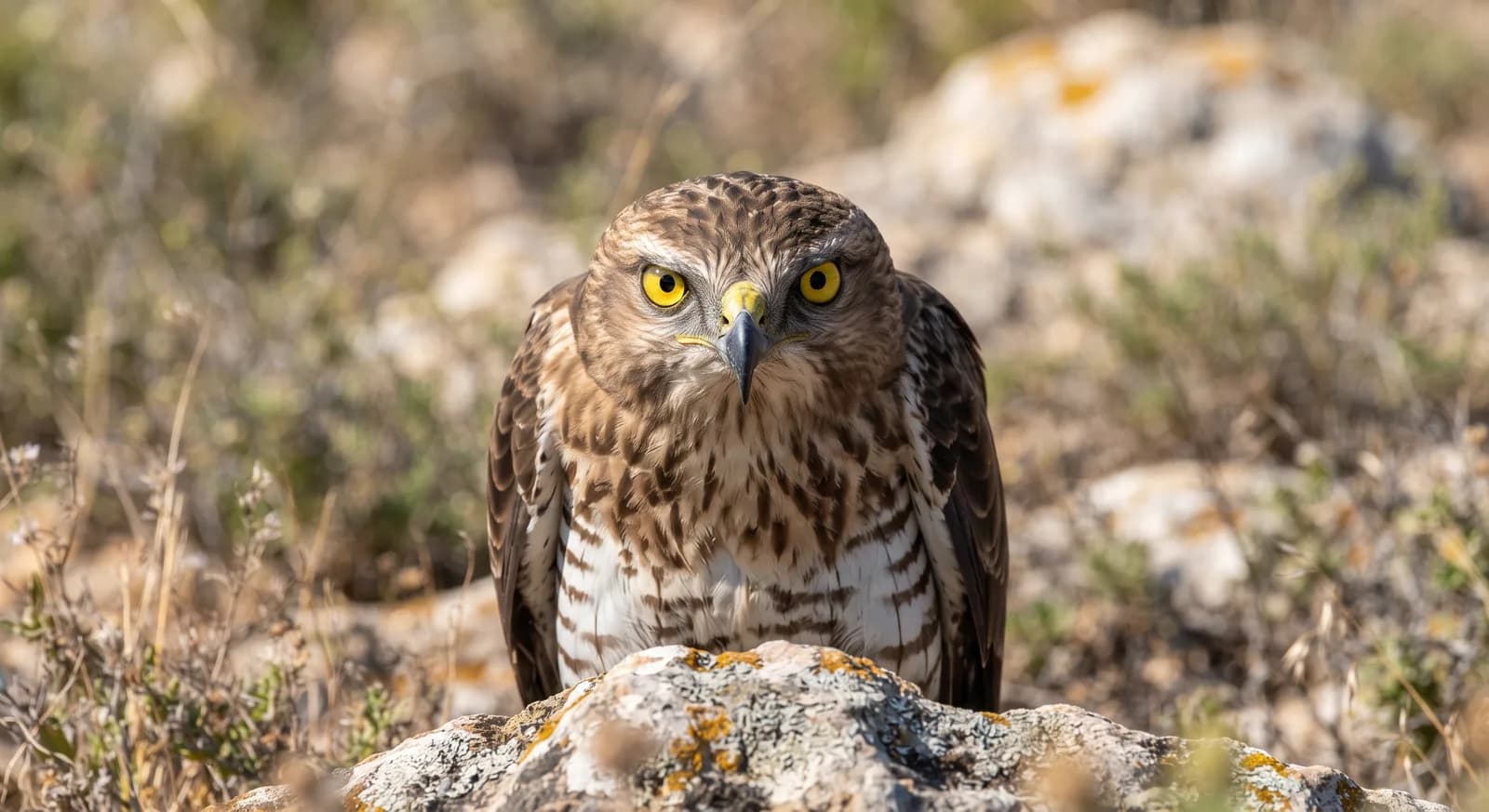 Least Concern
Short-toed Eagle
Circaetus gallicus
Common Buzzard
Buteo buteo
Booted Eagle
Hieraaetus pennatus
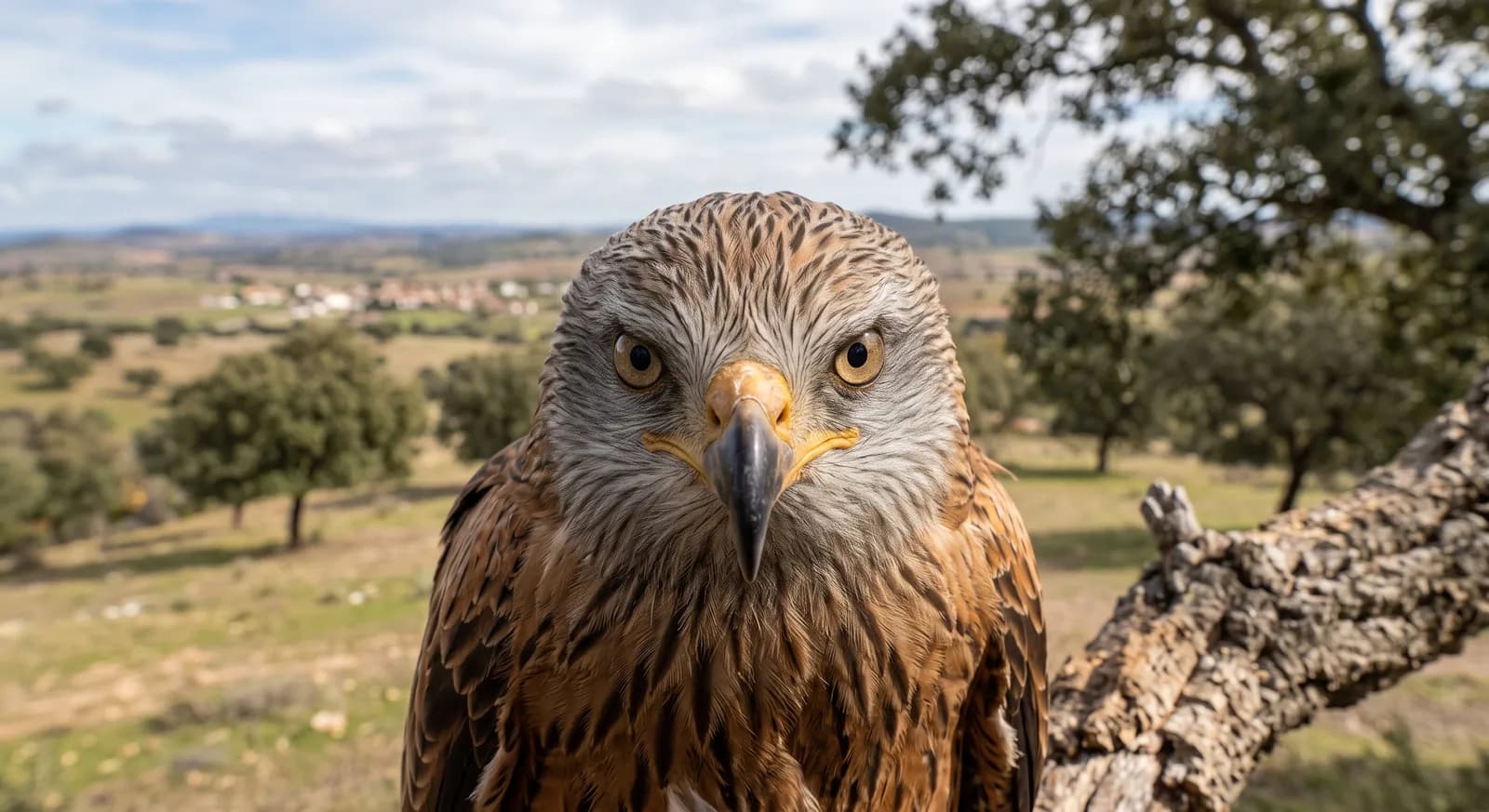 Least Concern
Red Kite
Milvus milvus
Keep exploring
Based on what we already know about eurasian sparrowhawk.
Comments
Share an experience, a fun fact or a tip for seeing the eurasian sparrowhawk.
Be the first to comment.