Bosnia and Herzegovina
Europa
Bosnia and Herzegovina is a country of karst and of water: its Dinaric limestone is crossed by intensely blue rivers, deep gorges and some of the richest underground systems on the planet. Sutjeska national park protects Perućica, one of the last two primeval forests left in Europe, with beeches and firs over fifty metres tall and deadwood piled up over centuries, the habitat of brown bear, wolf, lynx and capercaillie. The Una, Neretva and Tara rivers offer oligotrophic waters and travertine falls, and the Hutovo Blato wetland, fed by karst springs, is the main waterbird stopover in the south of the country. The mountains of Herzegovina, drier and more Mediterranean, hold griffon vultures and a cliff flora full of Dinaric endemics.
The nature of Bosnia and Herzegovina
National animal: No official national animal
Did you know?
The Vjetrenica cave, in Herzegovina, is considered the cave with the greatest diversity of subterranean fauna in the world: more than ninety species adapted to life without light have been described there, and several dozen exist nowhere else. Among them is the olm, and also blind, unpigmented crustaceans, worms and molluscs that have spent millions of years isolated in its network of flooded galleries.
Biodiversity profile
Climate
- •Continental humedo (Cfb/Dfb) en el interior
- •Mediterraneo (Csa) en la estrecha franja costera de Herzegovina (22 km de litoral, segunda costa mas corta del mundo)
- •Clima de montaña en los Alpes Dinaricos
Main biomes
- •Bosque de coniferas y mixto dinarico (bioma dominante, incluye el bosque primario de Perucica, uno de los ultimos de Europa)
- •Matorral submediterraneo (sur de Herzegovina)
- •Karst extenso con rios subterraneos y cuevas
- •Bosque primario templado
- •Karst dinárico
- •Cueva inundada
- •Cañón fluvial
- •Humedal de surgencia
- •Matorral mediterráneo de montaña
- •Pastizal de altitud
Marine and coastal ecosystems
- •Estrecha costa adriatica (22 km, segunda mas corta del mundo)
Flagship wildlife
- •Oso pardo (parte del bastion dinarico-pindico, uno de los mayores y mas continuos de Europa)
- •Lince euroasiatico y lobo gris
- •Gamuza balcanica
- •Fauna cavernicola de la Cueva de Vjetrenica (mas de 200 especies, alta proporcion endemica)
- •Lobo gris
- •Lince boreal
- •Buitre leonado
- •Rebeco
- •Nutria paleártica
- •Urogallo
- •Águila real
- •Trucha del Neretva
- •Cigüeña negra
Notable endemic species
- •30% de la flora endemica total de los Balcanes (1.800 especies) esta contenida en la flora de Bosnia y Herzegovina, de un total de 5.000 taxones vasculares confirmados
- •Cueva de Vjetrenica, citada como una de las cuevas mas biodiversas del planeta, con mas de 200 especies animales y alta proporcion de fauna subterranea endemica
- •Bosque primario de Perucica (Parque Nacional Sutjeska), uno de los ultimos bosques primigenios de Europa
- •Proteo
- •Cangrejo de las cuevas dináricas
- •Trucha del Neretva
Notable threatened species
- •Gamuza balcanica y lince euroasiatico (ambos vulnerables por perdida y fragmentacion de habitat en los Dinaricos)
- •La region de los Dinaricos identificada como particularmente amenazada por el cambio climatico, siendo un centro critico de endemismo balcanico
Notable protected areas
- •Parque Nacional Sutjeska (bosque primario de Perucica)
- •Parque Natural de Hutovo Blato (mayor humedal del pais, mas de 240 especies de aves)
- •Cueva de Vjetrenica (Herzegovina)
- •Parque Nacional de Sutjeska
- •Parque Nacional de Una
- •Parque Nacional de Kozara
- •Cañón del Tara
Main conservation threats
- •Cobertura de proteccion formal muy baja (1-2%) pese a la excepcional riqueza endemica del pais
- •Cambio climatico amenazando especialmente las regiones Alpina-Nordica y Mediterranea del pais, con los Dinaricos como centro critico de endemismo balcanico en riesgo
- •Deforestacion y expansion agricola en zonas de alto valor de conservacion
Notable natural phenomena
- •El rio Trebisnjica, en Herzegovina, es uno de los rios "sumideros" (ponor) mas largos de Europa, desapareciendo bajo tierra en el karst y generando extensos habitats acuaticos subterraneos
Conservation
The proliferation of small hydroelectric plants on mountain rivers is the main threat to the endemic trout and the Dinaric river fauna. Perućica is a European scientific reference on forest dynamics without intervention.
Where and when to watch wildlife
Sutjeska in summer to walk the edge of the primeval forest of Perućica. Hutovo Blato between October and March for wintering waterbirds. The gorges of Herzegovina year-round for griffon vulture.
Sources: ClimateChangePost - Biodiversity Bosnia | a-z-animals.com - Wildlife in Bosnia and Herzegovina | BioDB.com - Bosnia and Herz. | constructive-voices.com - Bosnia Biodiversity
Parks and reserves
Kozara
Bosnia's first national park, a forested massif bound up with the memory of the 1942 offensive.
View parkNational ParkSutjeska National Park
The oldest national park in Bosnia and Herzegovina, with the primary forest of Perućica, one of the last in Europe.
View parkNational ParkUna
A turquoise river with tufa waterfalls in north-western Bosnia, on the old front line.
View parkPaíses similares
¿A dónde más podría interesarme viajar?
Misma región: Balcanes
Misma región: Balcanes
Misma región: Balcanes
Misma región: Balcanes
Especies documentadas en Bosnia and Herzegovina
503 species found
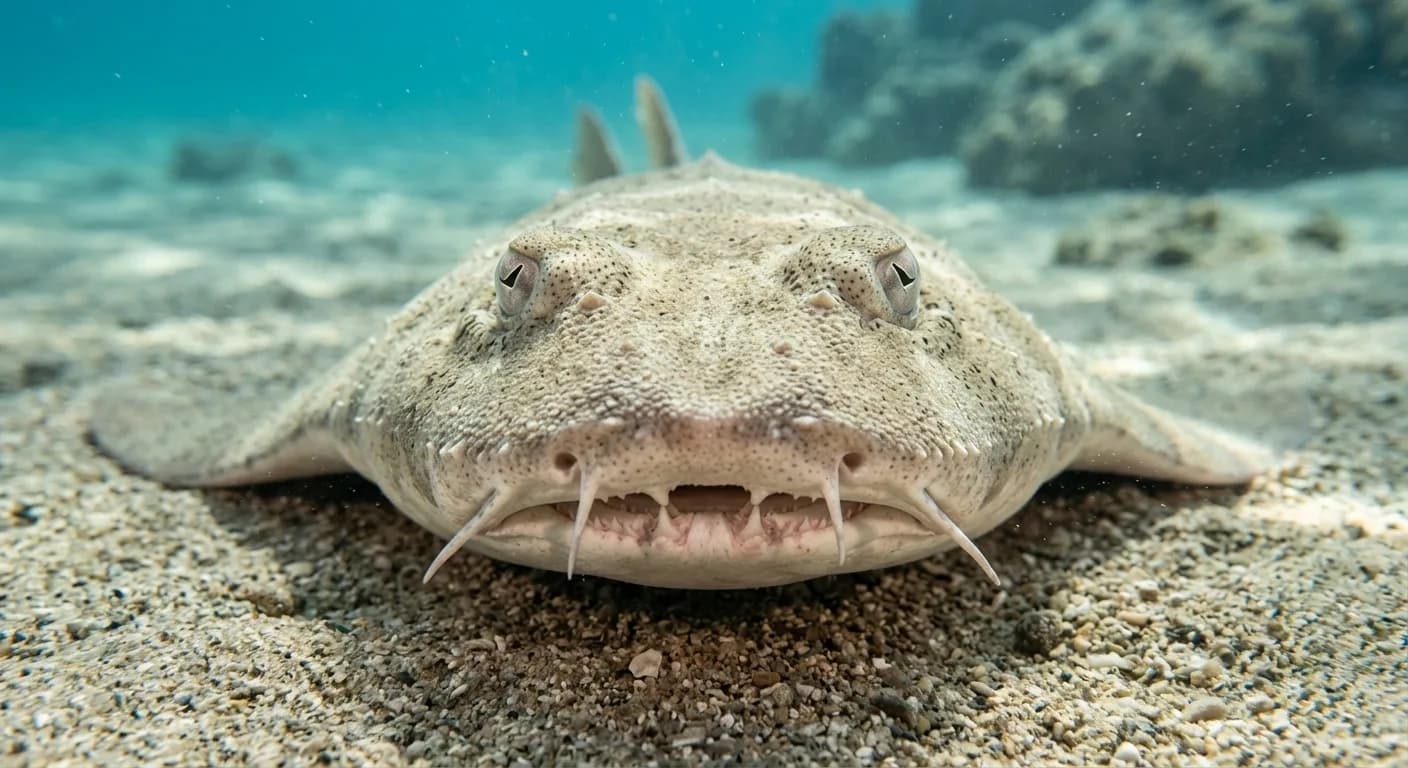 Critically Endangered
Angelshark
Squatina squatina
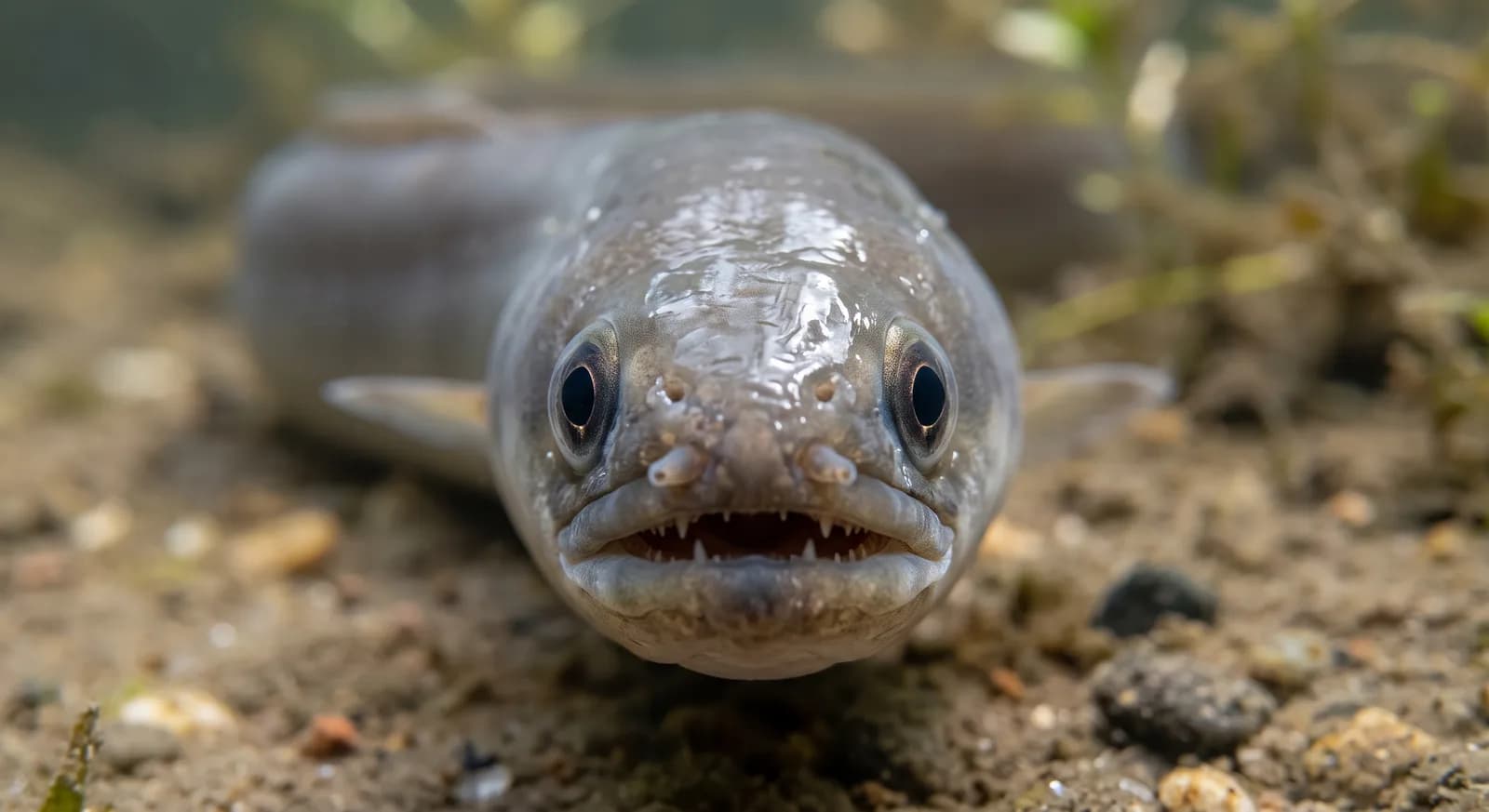 Critically Endangered
European Eel
Anguilla anguilla
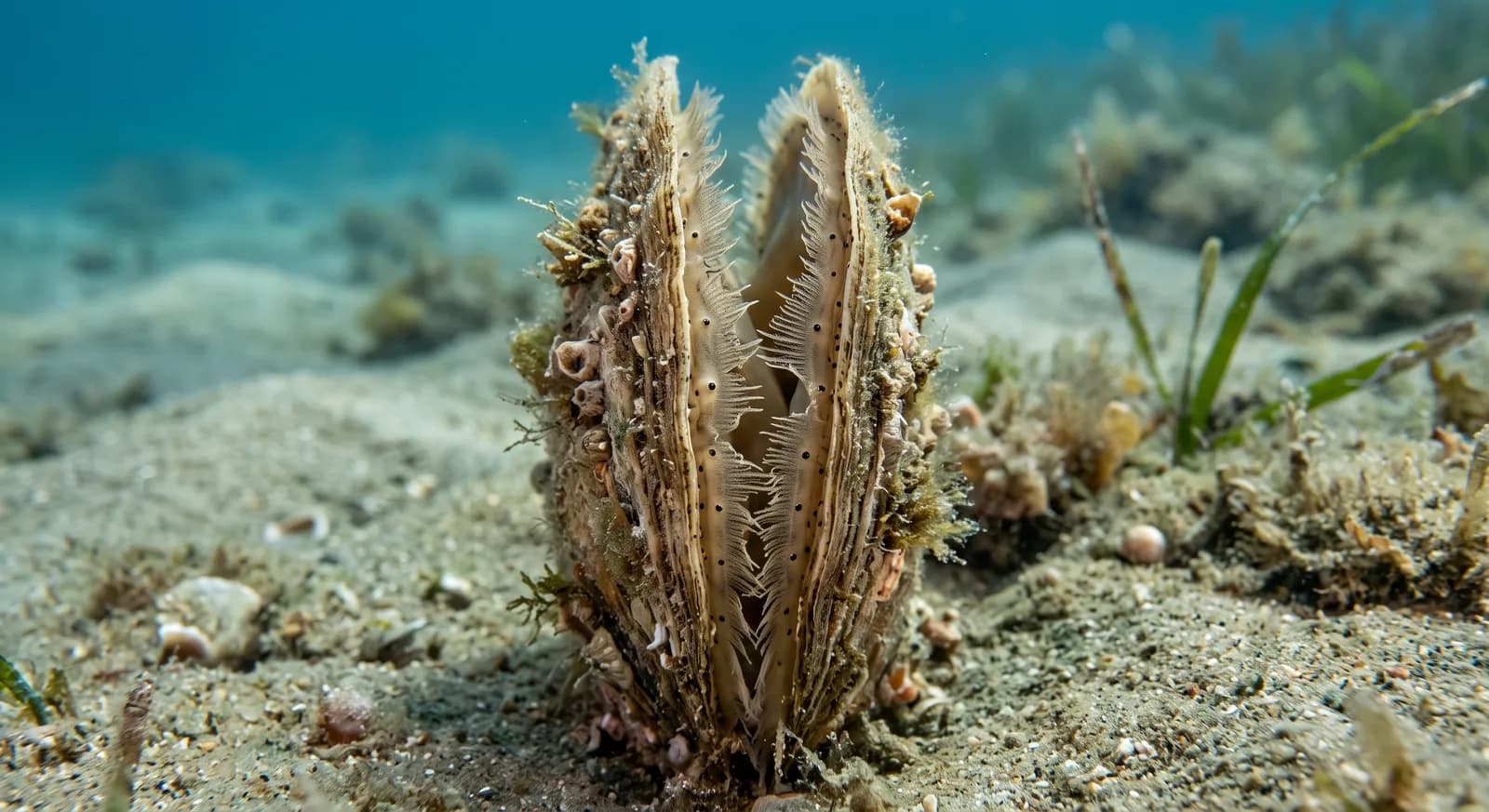 Critically Endangered
Fan Mussel
Pinna nobilis
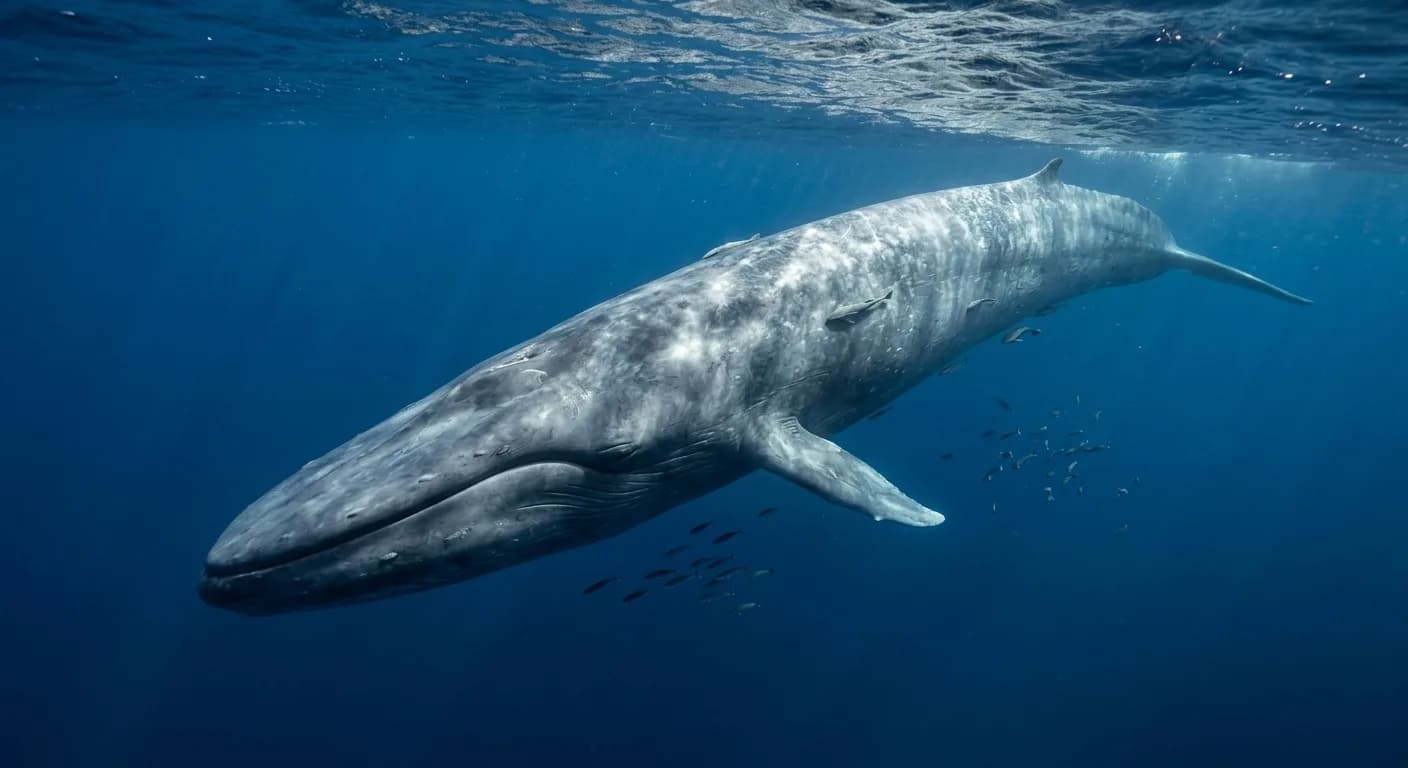 Endangered
Blue Whale
Balaenoptera musculus
 Endangered
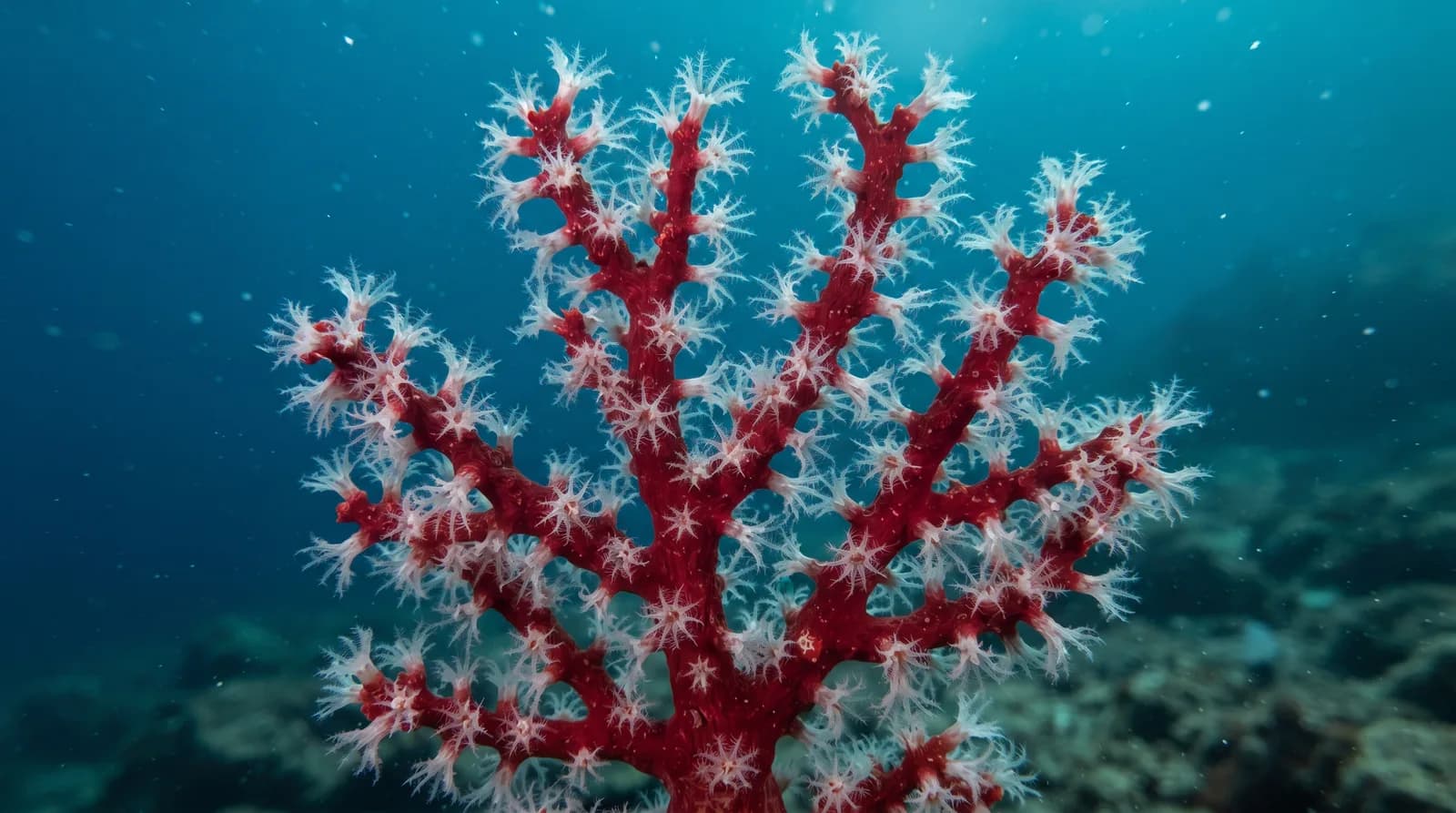
Red Coral
Corallium rubrum
 Endangered
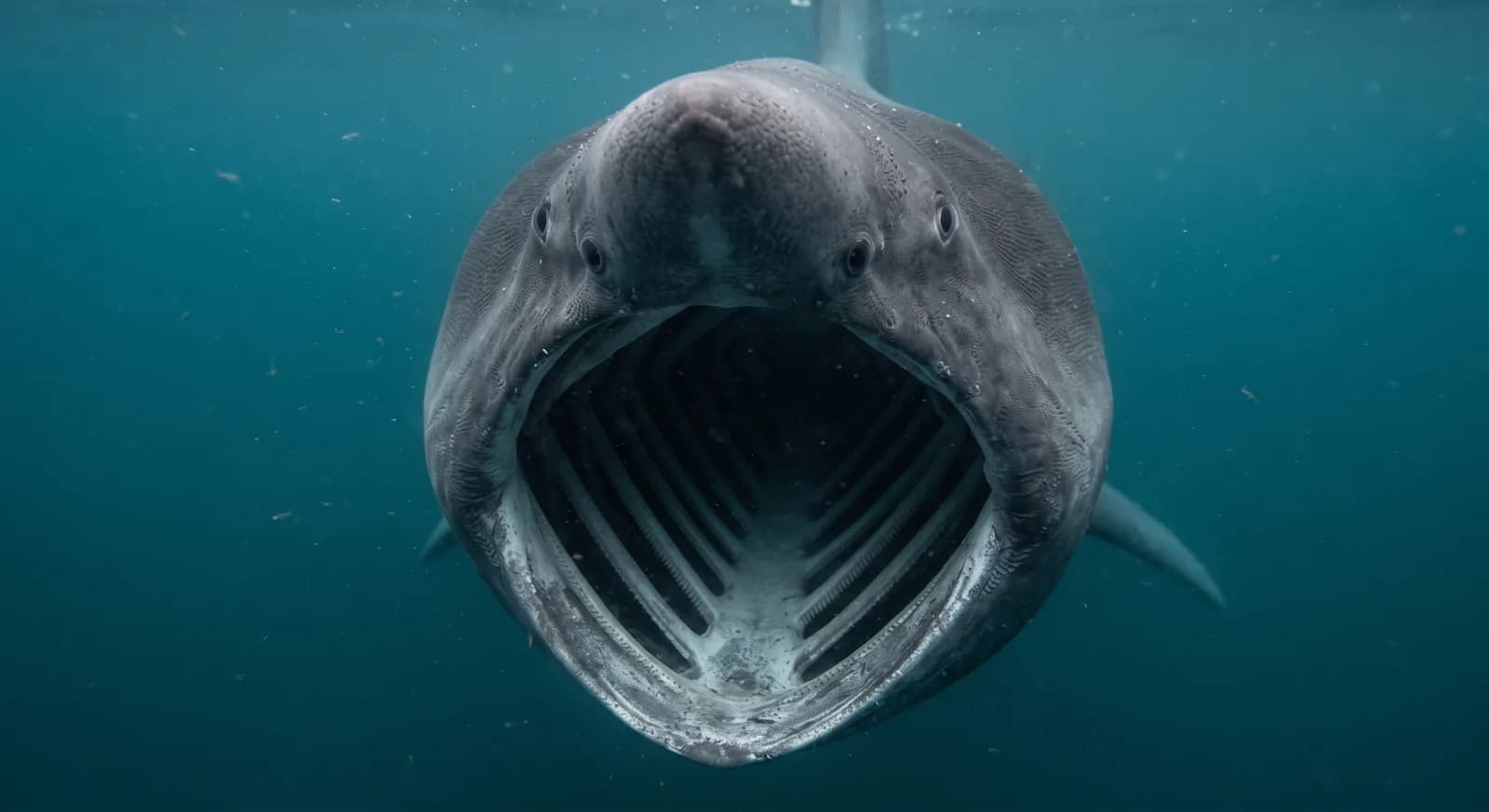
Basking Shark
Cetorhinus maximus
 Vulnerable
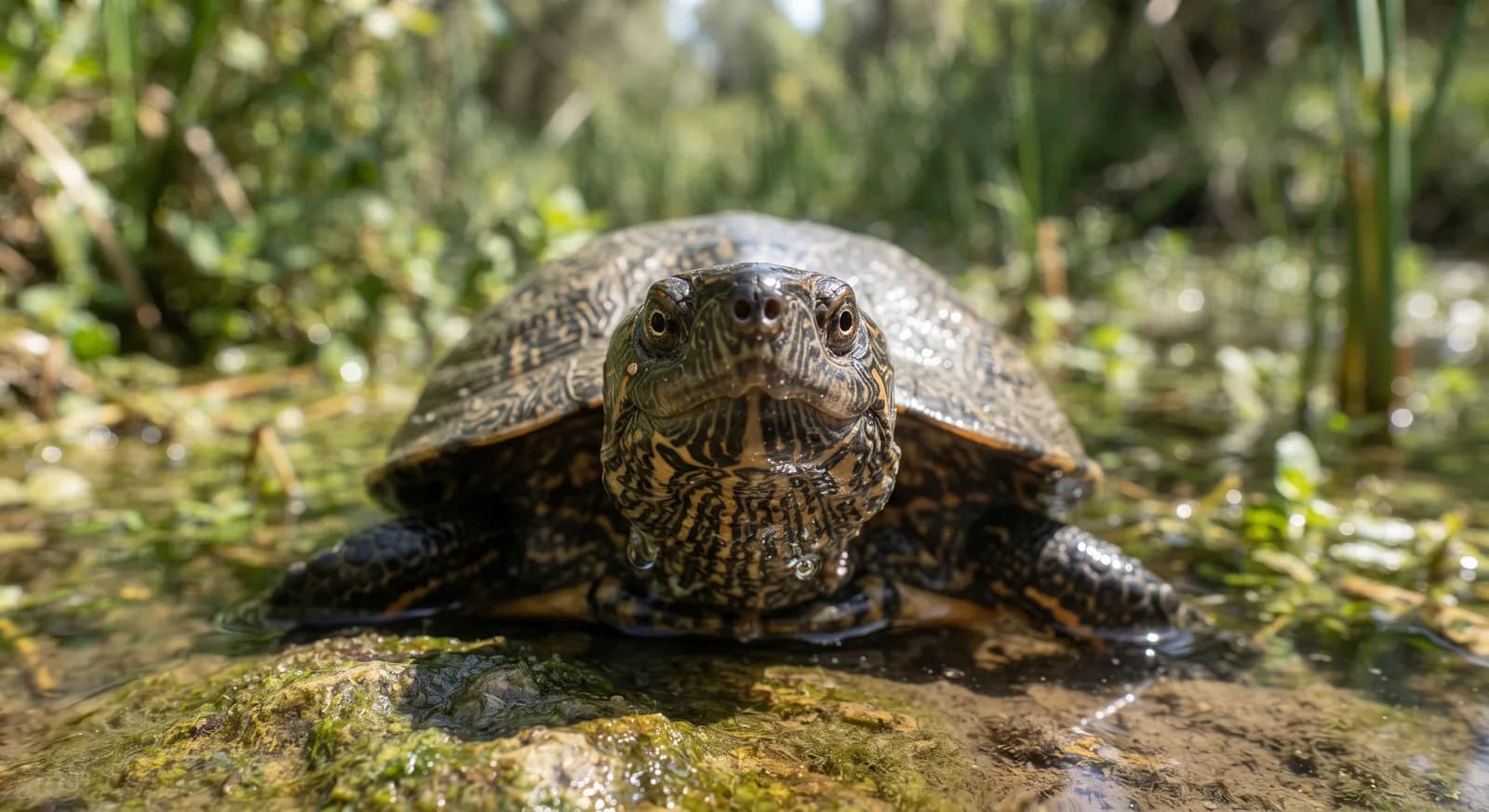
Spanish Terrapin
Mauremys leprosa
 Vulnerable
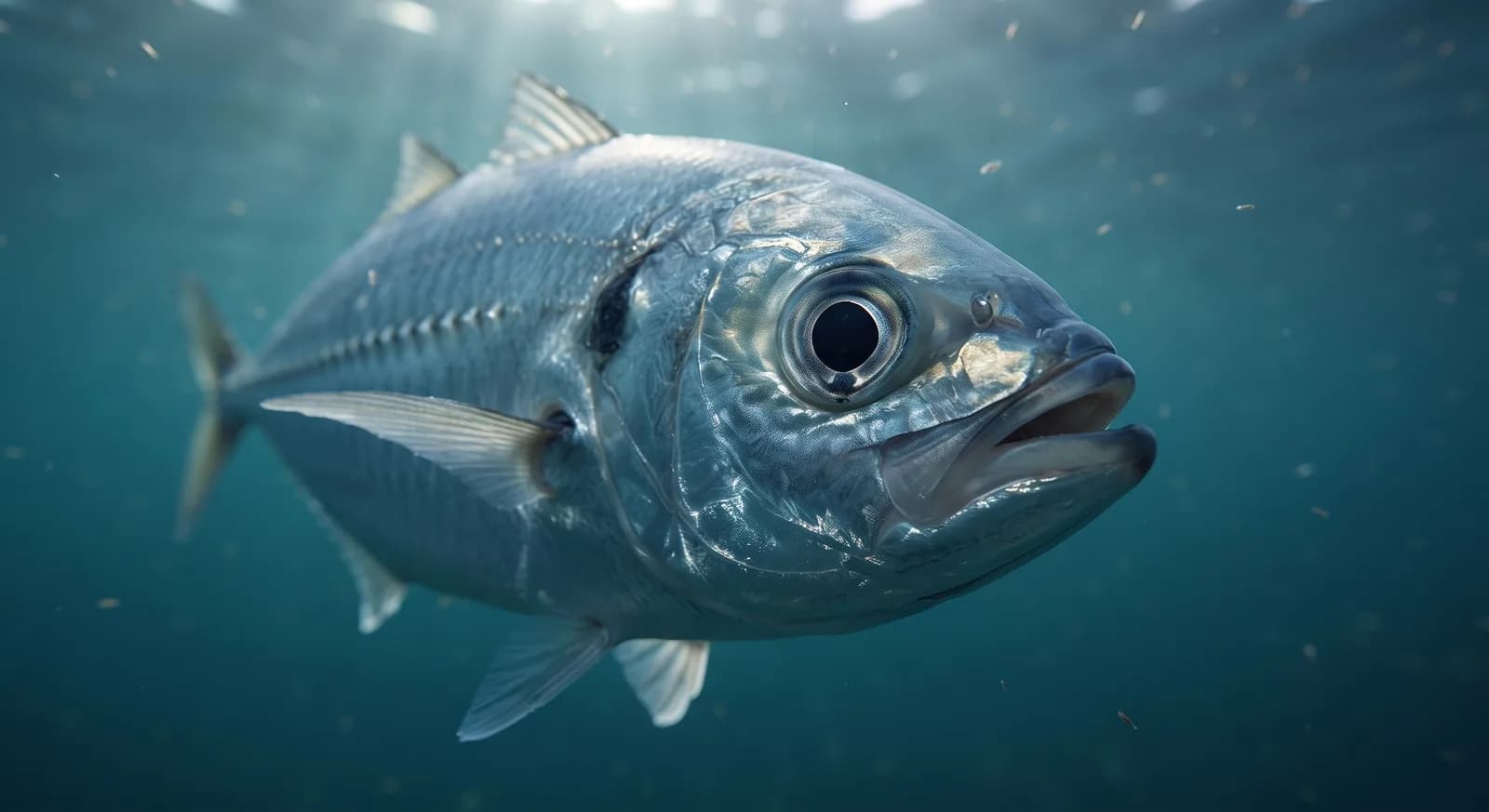
Horse Mackerel
Trachurus trachurus
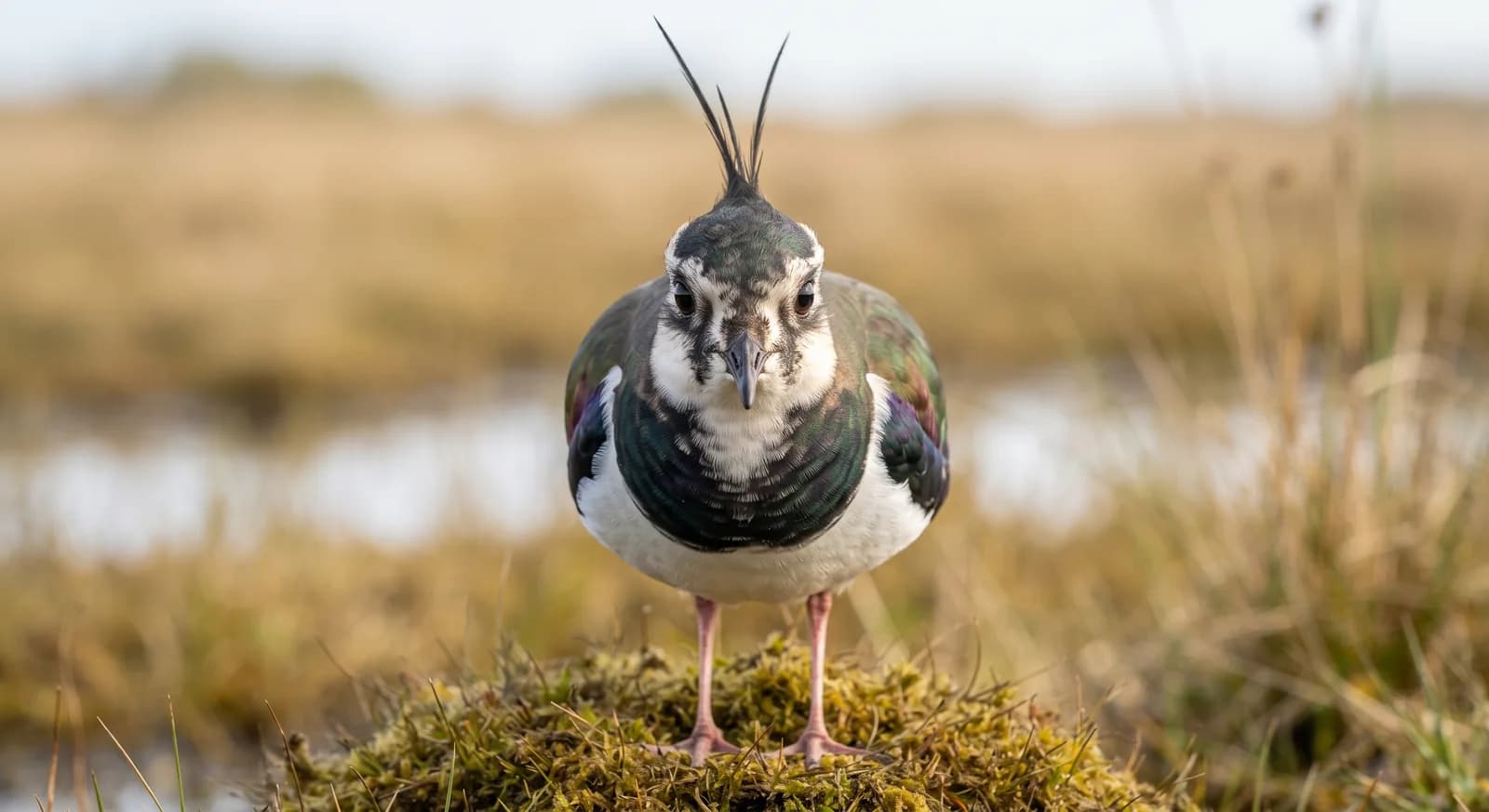 Near Threatened
Northern Lapwing
Vanellus vanellus
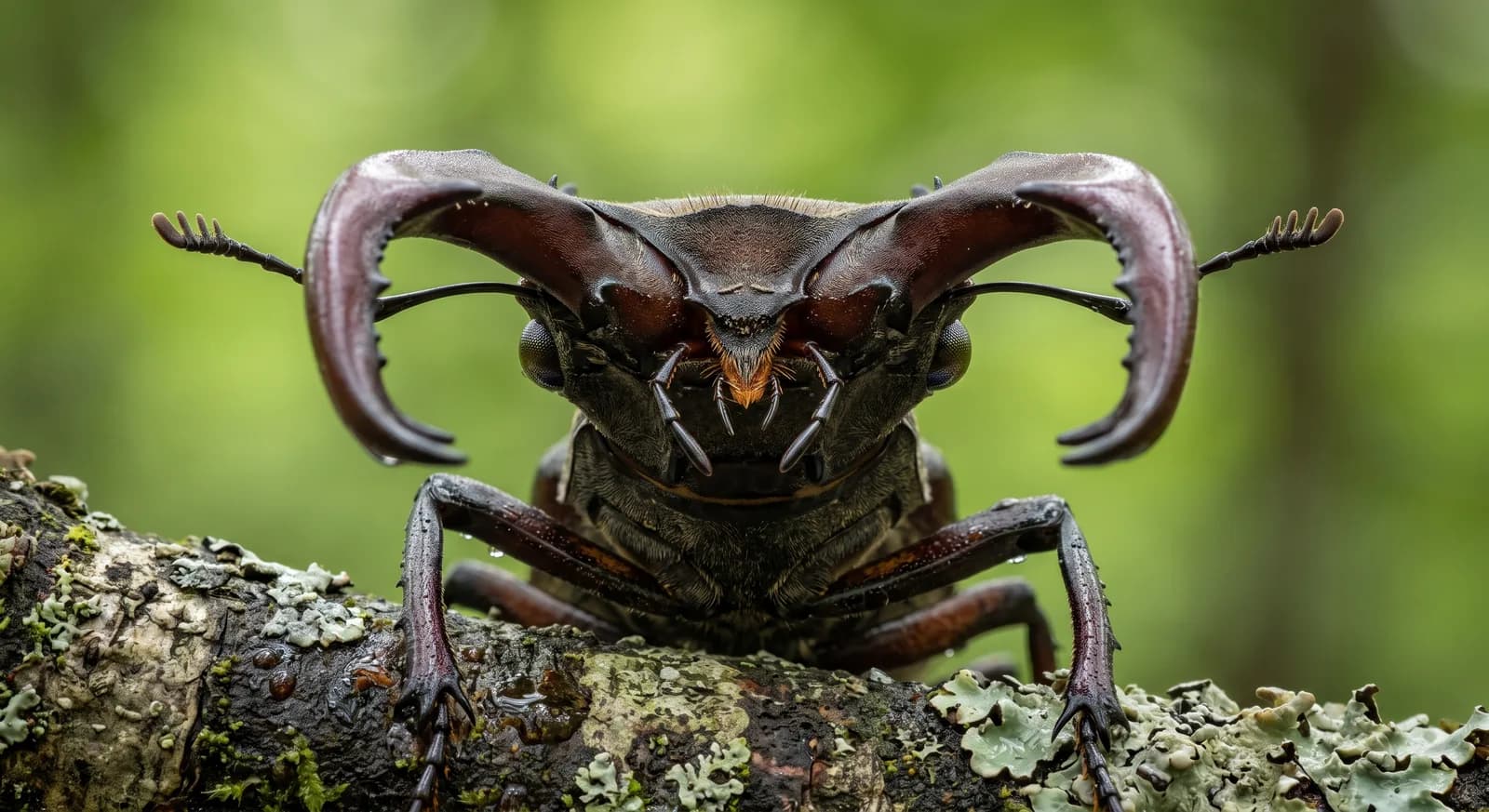 Near Threatened
Stag Beetle
Lucanus cervus
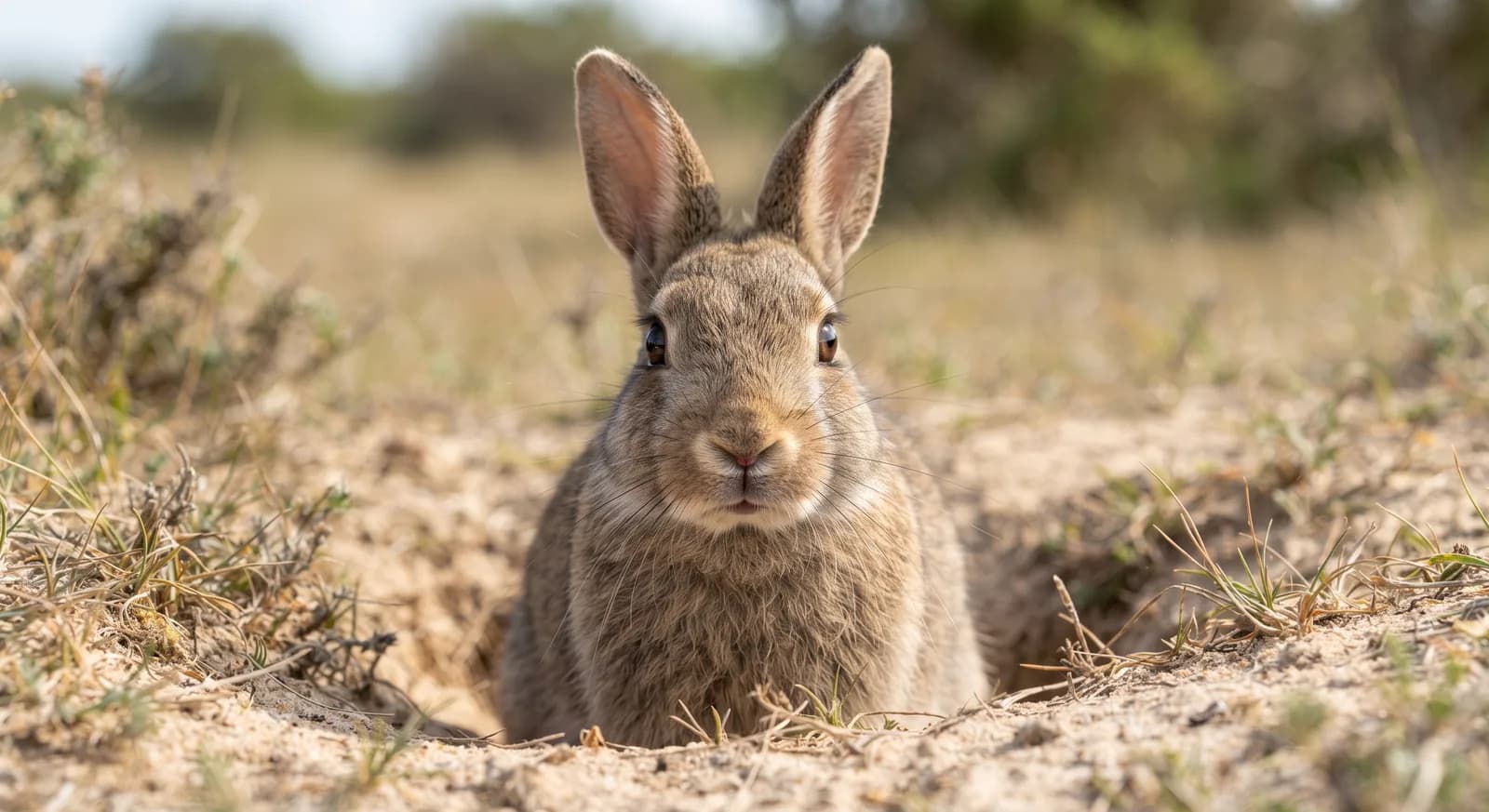 Near Threatened
European Rabbit
Oryctolagus cuniculus
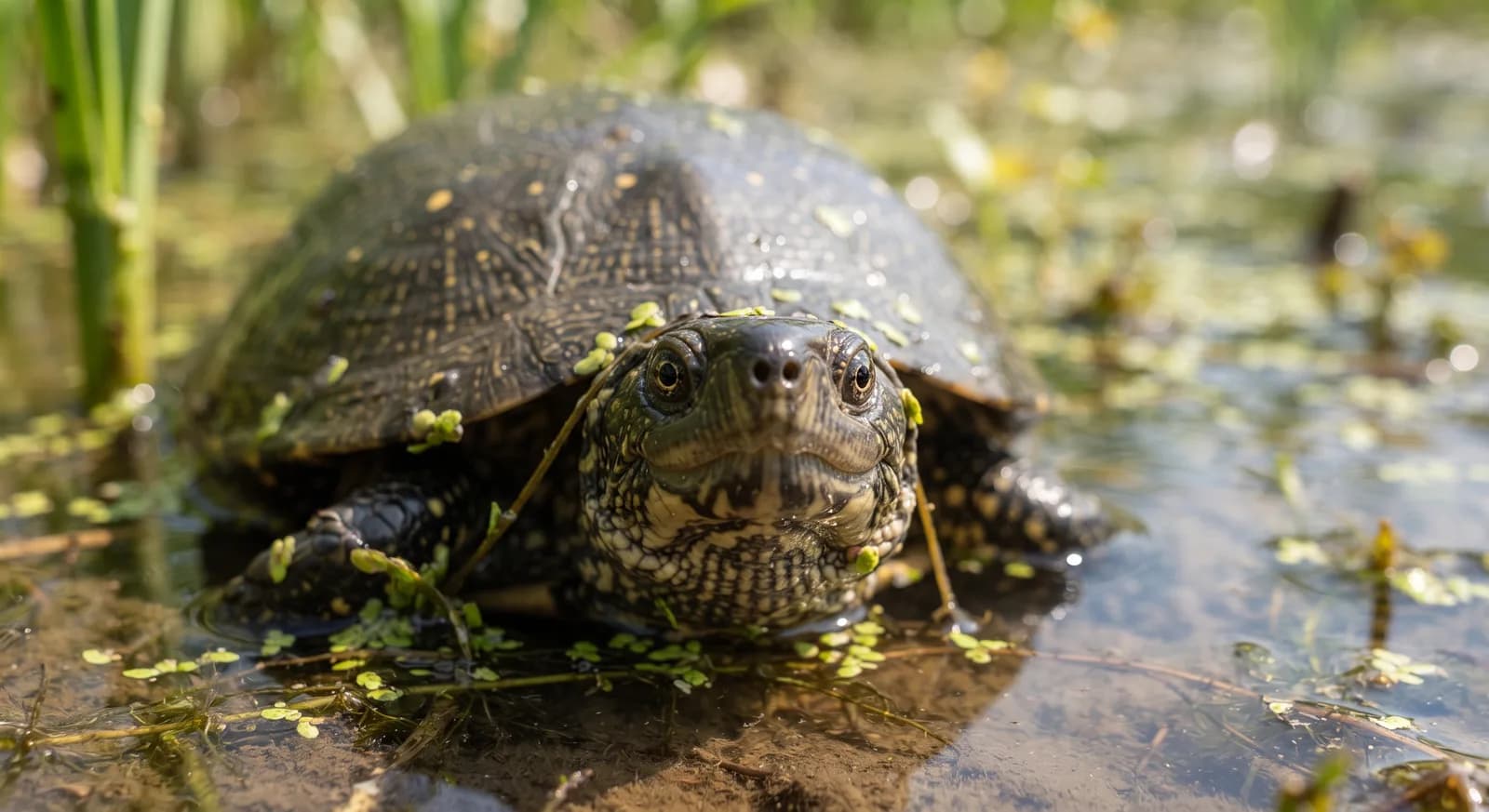 Near Threatened
European Pond Turtle
Emys orbicularis
Keep exploring
Based on what we already know about Bosnia and Herzegovina.