Mammals · Artiodactyla · Bovidae
Northern Chamois
Rupicapra rupicapra
The species is abundant and widely distributed; it faces no significant short-term risk. See full glossary
Its hooves combine hard rims for gripping rock with elastic central pads that work like suction cups.
Weight
20 kg – 60 kg
Size
1 m – 1.4 m
Lifespan
20 years
Diet
Herbivore
Feeds mainly on plants.
Activity
Diurnal
Active mainly during the day.
Social structure
Herd
Lives in large groups as a strategy against predators.
Sighting difficulty
Easy
Fun facts
- That adaptation lets it climb near-vertical rock with extraordinary agility.
- It eats mountain grasses, leaves, shoots and fungi.
- It lives in alpine and subalpine meadows above the treeline in southern and central Europe.
Life cycle & biology
- Skeleton type
- Vertebrate - internal bony skeleton (mammal)
- Habitat & environment
- Alpine and subalpine meadows above the treeline in the mountains of southern and central Europe, Turkey and the Caucasus
- Birth weight
- Born precocial and well furred
- Size at birth
- Born precocial
- Sexual maturity
- Female: ~22-23 months | Male: ~8-9 years to breed successfully
- Gestation / incubation
- ~122-170 days (usual reference ~23-24 weeks)
- Litter / clutch size
- 1 young per birth
- Lifespan in captivity
- Documented record of up to 17.6 years in captivity
Sources consulted: A-Z Animals; Animal Diversity Web; AnAge (genomics.senescence.info); Springer (Northern and Southern Chamois chapter); Wikipedia (Rupicapra); PMC (population viability analysis table)
Where to find it
See its range on the interactive mapBest time: From October to December, during the rut, when the males chase each other across the slopes; in summer it climbs to the tops and in winter it drops down into the woods.
Where to watch it
Parques y spots de buceo donde se ha documentado esta especie — se muestran 10 de 11 documentados.
Related species
Other species in the catalogue with the most in common with Northern Chamois — same habitat, park, country, tags or family.
Iberian Wild Goat
Capra pyrenaica
 Least Concern
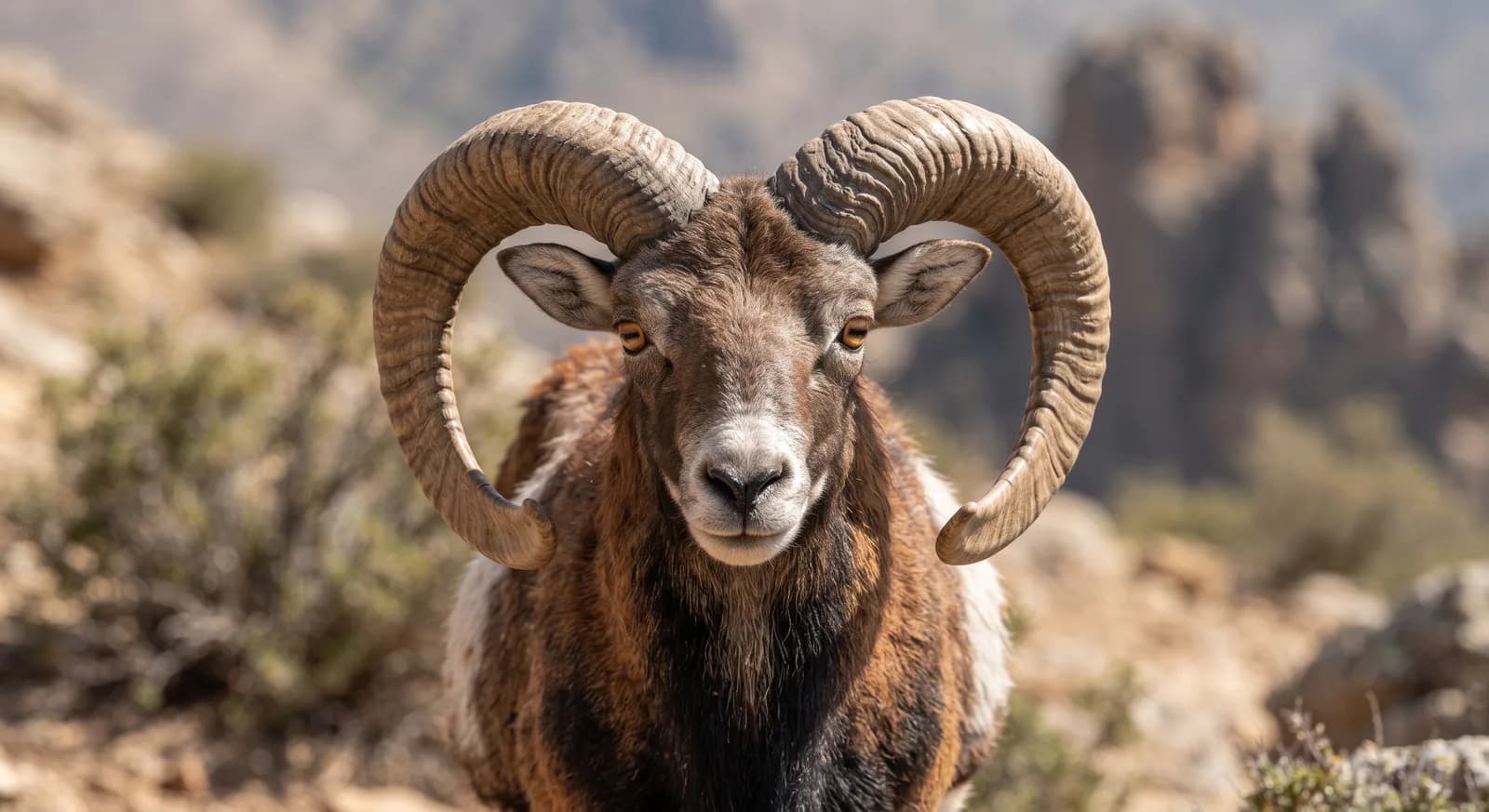
Mouflon
Ovis orientalis
Alpine Ibex
Capra ibex
 Least Concern
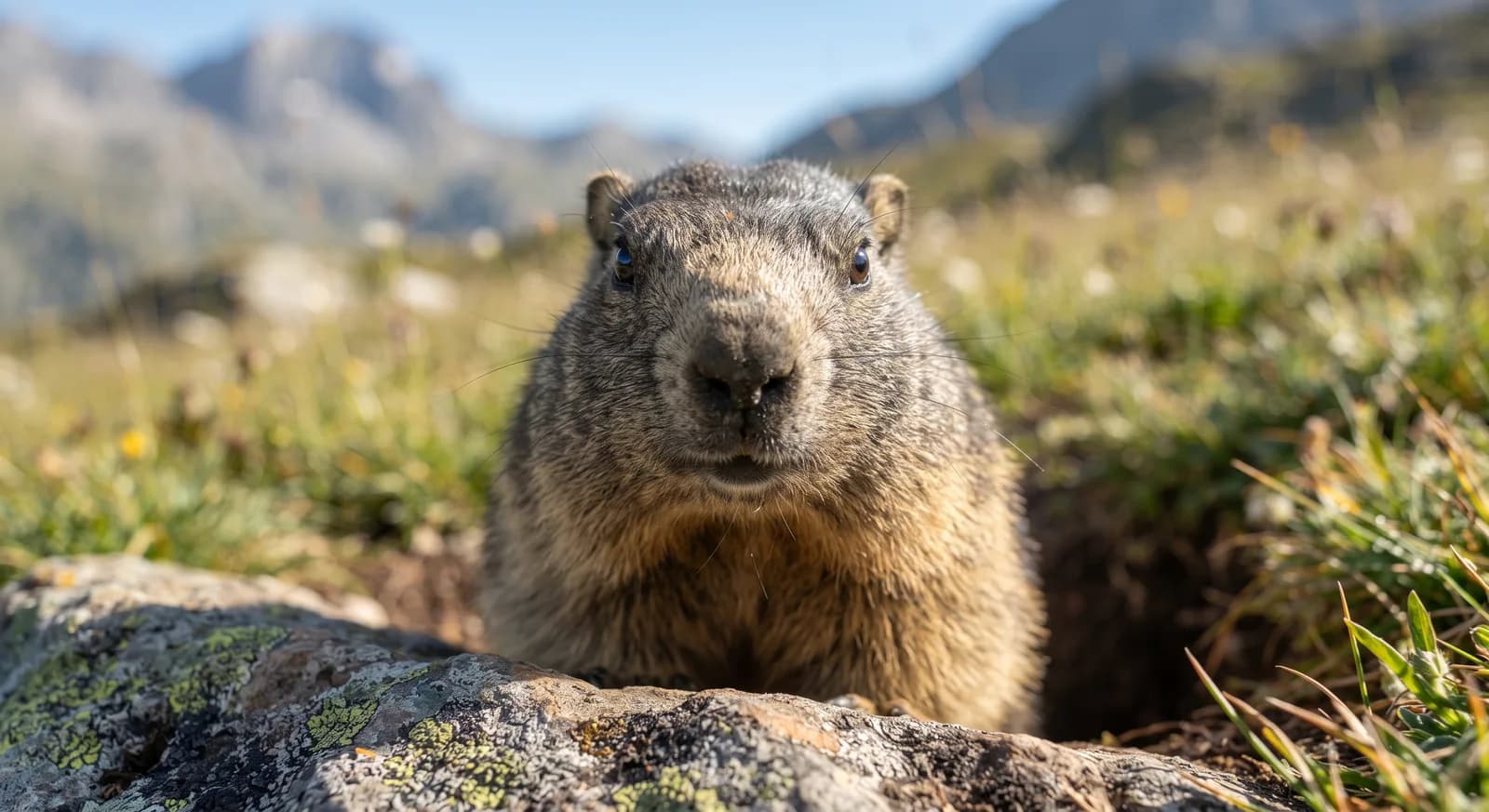
Alpine Marmot
Marmota marmota
 Not Evaluated
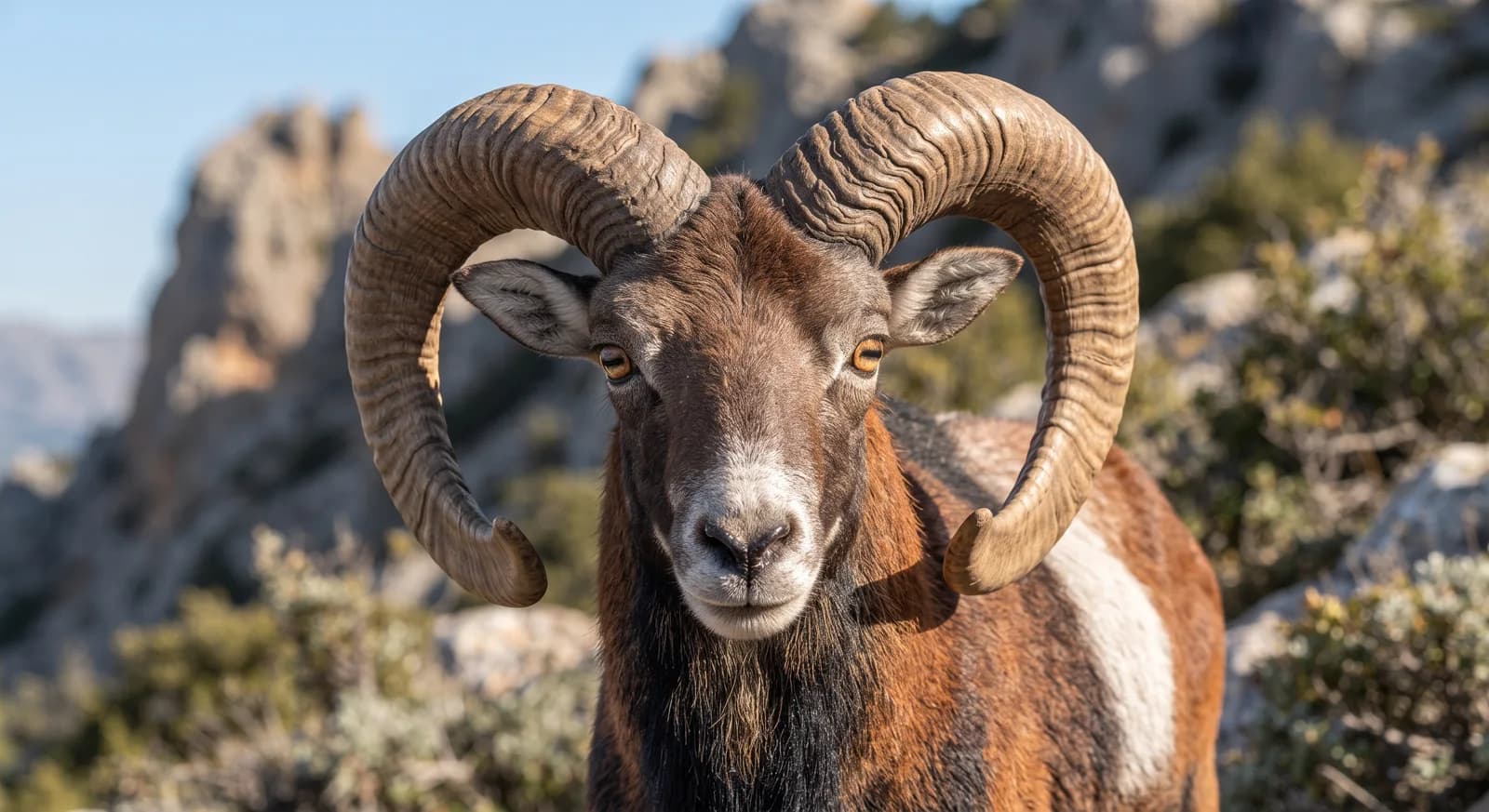
European Mouflon
Ovis aries musimon
 Vulnerable
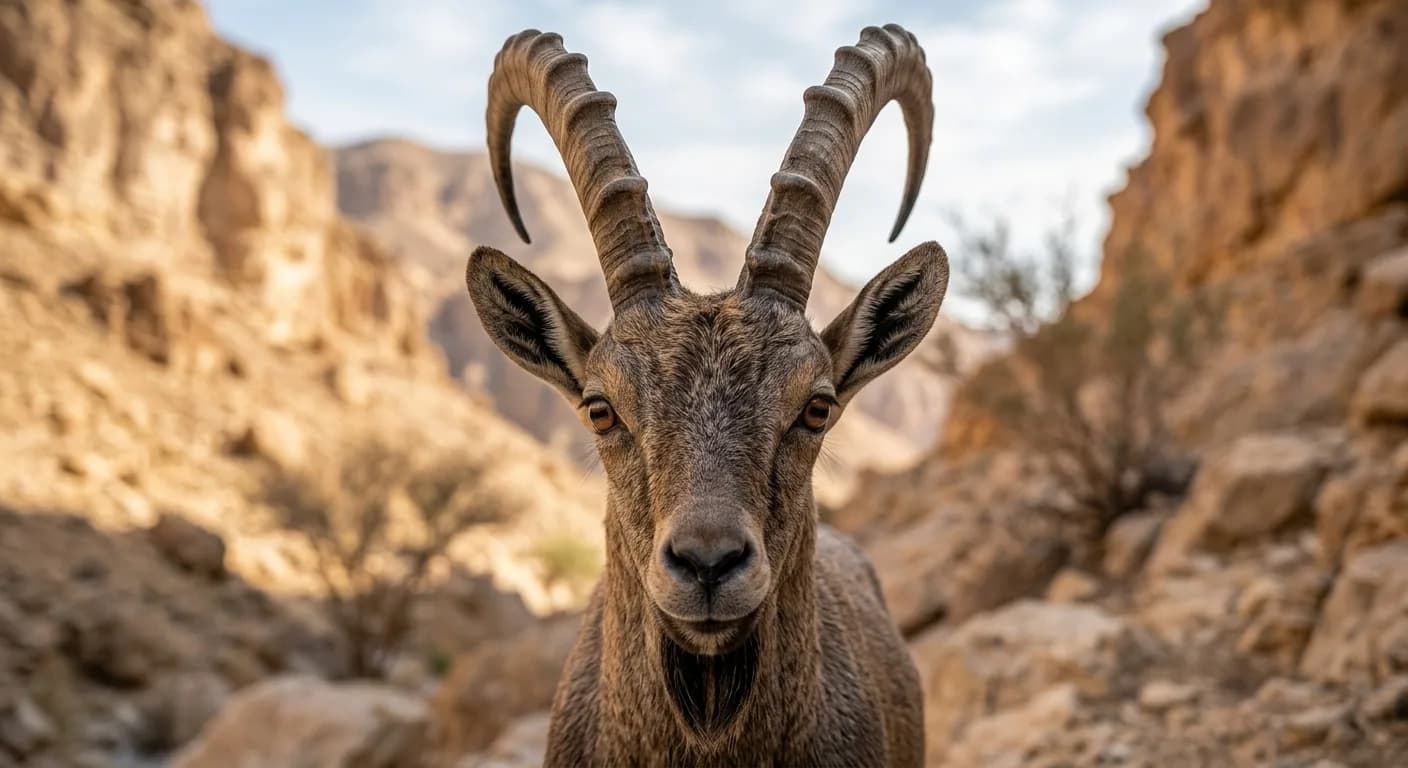
Nubian Ibex
Capra nubiana
Keep exploring
Based on what we already know about northern chamois.
Comments
Share an experience, a fun fact or a tip for seeing the northern chamois.
Be the first to comment.