Liechtenstein
Europa
Liechtenstein is divided between the Rhine floodplain, to the west, and the foothills of the Rhaetian Alps, which exceed 2,500 metres in the east. That drop concentrated into a few kilometres produces a complete sequence of alpine environments: mixed and beech woods at the base, pine and spruce in the middle belt, and pasture and rock above the treeline, where chamois, marmots, red deer, roe deer and golden eagles live. The Alpine ibex has reappeared from the neighbouring Swiss colonies. On the Rhine plain survives the Ruggeller Riet, one of the last valley-bottom wetlands of the upper Rhine, saved from agricultural drainage and today a nature reserve with a community of marsh birds and of butterflies tied to the wet meadows. The forests of Liechtenstein cover close to forty per cent of the country and also serve to protect against avalanches.
The nature of Liechtenstein
National animal: No recognised official national animal
Did you know?
The Ruggeller Riet is covered every May in Siberian irises, which flower in their thousands and turn the wetland blue. That wet meadow is also home to highly specialised butterflies whose caterpillars depend on a single food plant and, in some cases, on ants that adopt them into their nests, a relationship that only works if the mowing of the meadow is delayed until the end of summer.
Biodiversity profile
Climate
- •Clima alpino y de montaña, con variacion segun altitud desde el valle del Rin hasta las cumbres
Main biomes
- •Bosque de coniferas y mixto alpino
- •Praderas de alta montaña
- •Bosque de ribera en el valle del Rin
- •Alta montaña alpina
- •Bosque de hayas
- •Bosque de coníferas subalpino
- •Prado húmedo de fondo de valle
- •Llanura aluvial del Rin
- •Pastizal de altitud
Marine and coastal ecosystems
- •No aplica (pais sin litoral, enteramente alpino)
Flagship wildlife
- •Cabra montes de los Alpes
- •Marmota alpina
- •Especies forestales tipicas de los Alpes centrales
- •Rebeco
- •Íbice alpino
- •Ciervo rojo
- •Corzo
- •Águila real
- •Urogallo
- •Lirón gris
- •Salamandra alpina
- •Martín pescador
Notable endemic species
- •Liechtenstein esta enteramente contenido dentro del perimetro alpino, compartiendo el endemismo floristico regional de la cordillera (hasta 400 especies vegetales endemicas de los Alpes en su conjunto)
Notable threatened species
- •Especies alpinas vulnerables al desplazamiento altitudinal por cambio climatico, como en el resto de la cordillera
Notable protected areas
- •Pflanzenschutzgebiet (area protegida de plantas alpinas)
- •Reserva Natural del Ruggeller Riet
- •Zona alpina de Malbun
- •Reserva de Gampriner Seelein
- •Valle de Saminatal
- •Macizo del Naafkopf
Main conservation threats
- •Cambio climatico sobre ecosistemas alpinos de un territorio enteramente montañoso
- •Reducido tamaño del pais, que limita la conectividad ecologica interna sin cooperacion transfronteriza
Notable natural phenomena
- •Liechtenstein es el unico pais del mundo, junto con quiza algun otro microestado, enteramente contenido dentro del perimetro de una sola cordillera (los Alpes)
Conservation
Conservation focuses on the last wet meadows of the Rhine valley, which depend on late mowing, and on the management of the protection forest against avalanches, which requires keeping the balance between ungulates and forest regeneration.
Where and when to watch wildlife
The Ruggeller Riet in May for the iris bloom and the marsh birds. The Malbun area between June and September for marmots, chamois and golden eagle. The eastern forests in autumn for the rut.
Sources: One Earth - Alps Conifer and Mixed Forests | Grokipedia - Alpine states
Países similares
¿A dónde más podría interesarme viajar?
Misma región: Europa Occidental
Misma región: Europa Occidental
Misma región: Europa Occidental
Misma región: Europa Occidental
Especies documentadas en Liechtenstein
357 species found
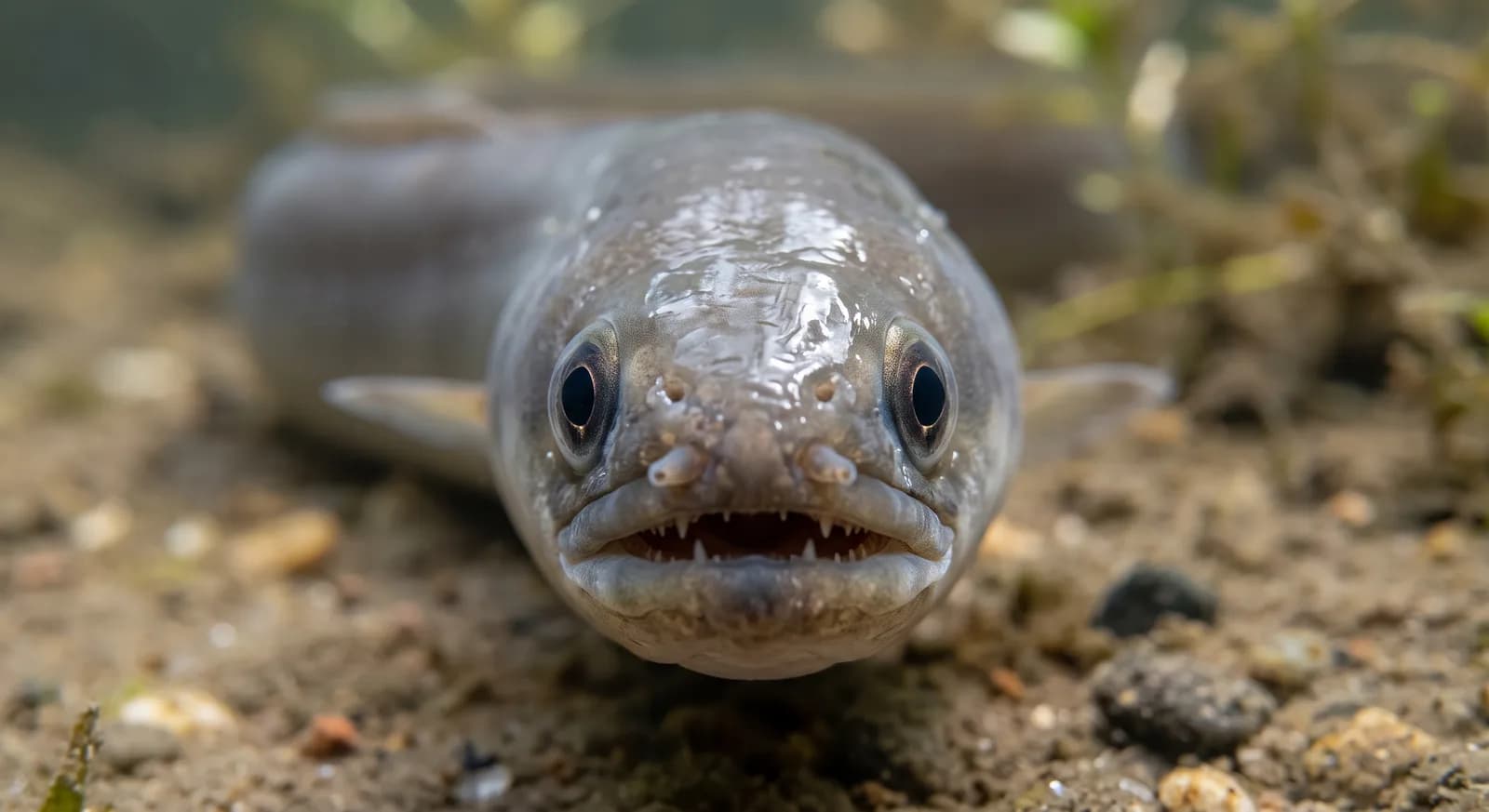 Critically Endangered
European Eel
Anguilla anguilla
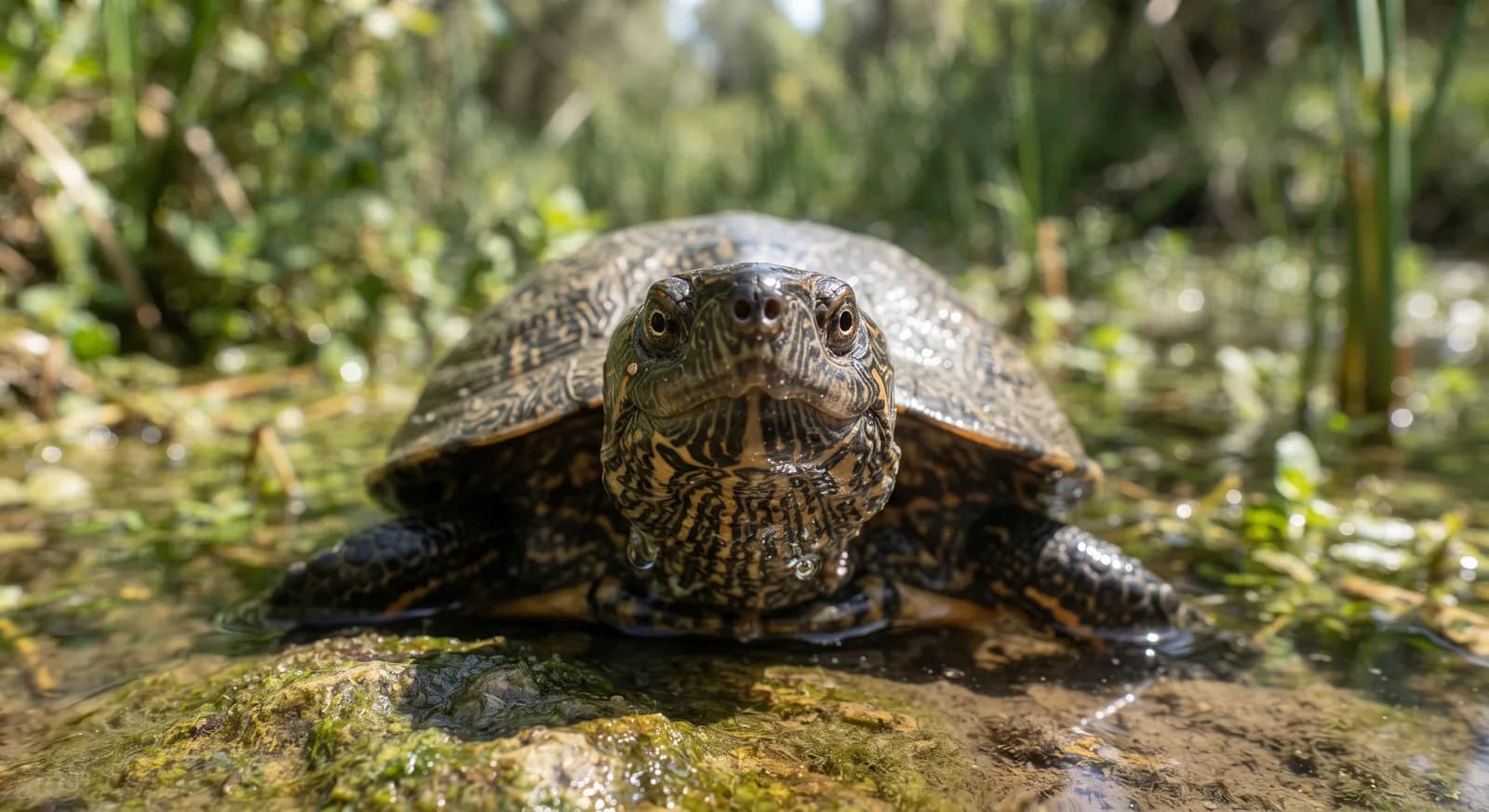 Vulnerable
Spanish Terrapin
Mauremys leprosa
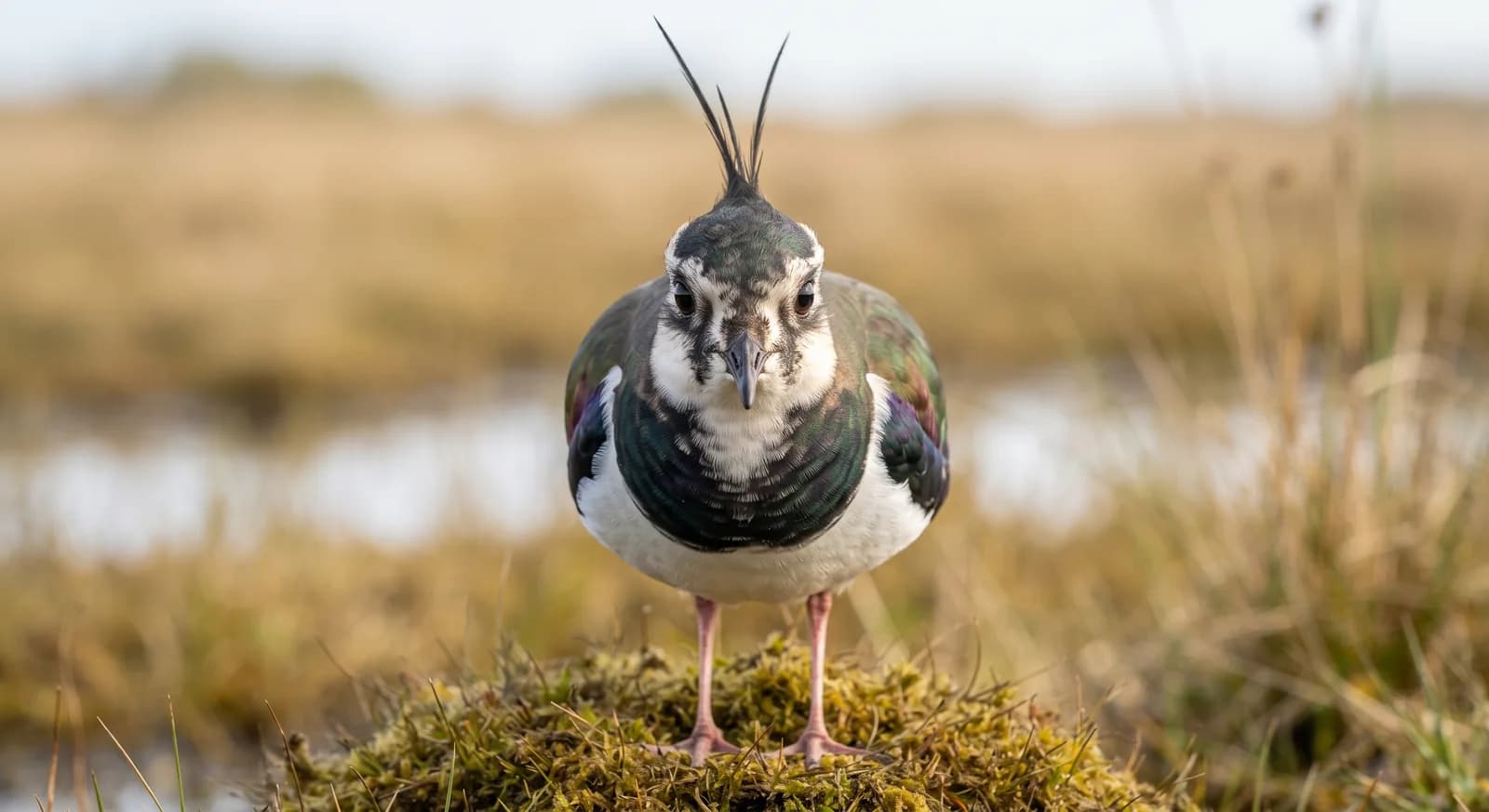 Near Threatened
Northern Lapwing
Vanellus vanellus
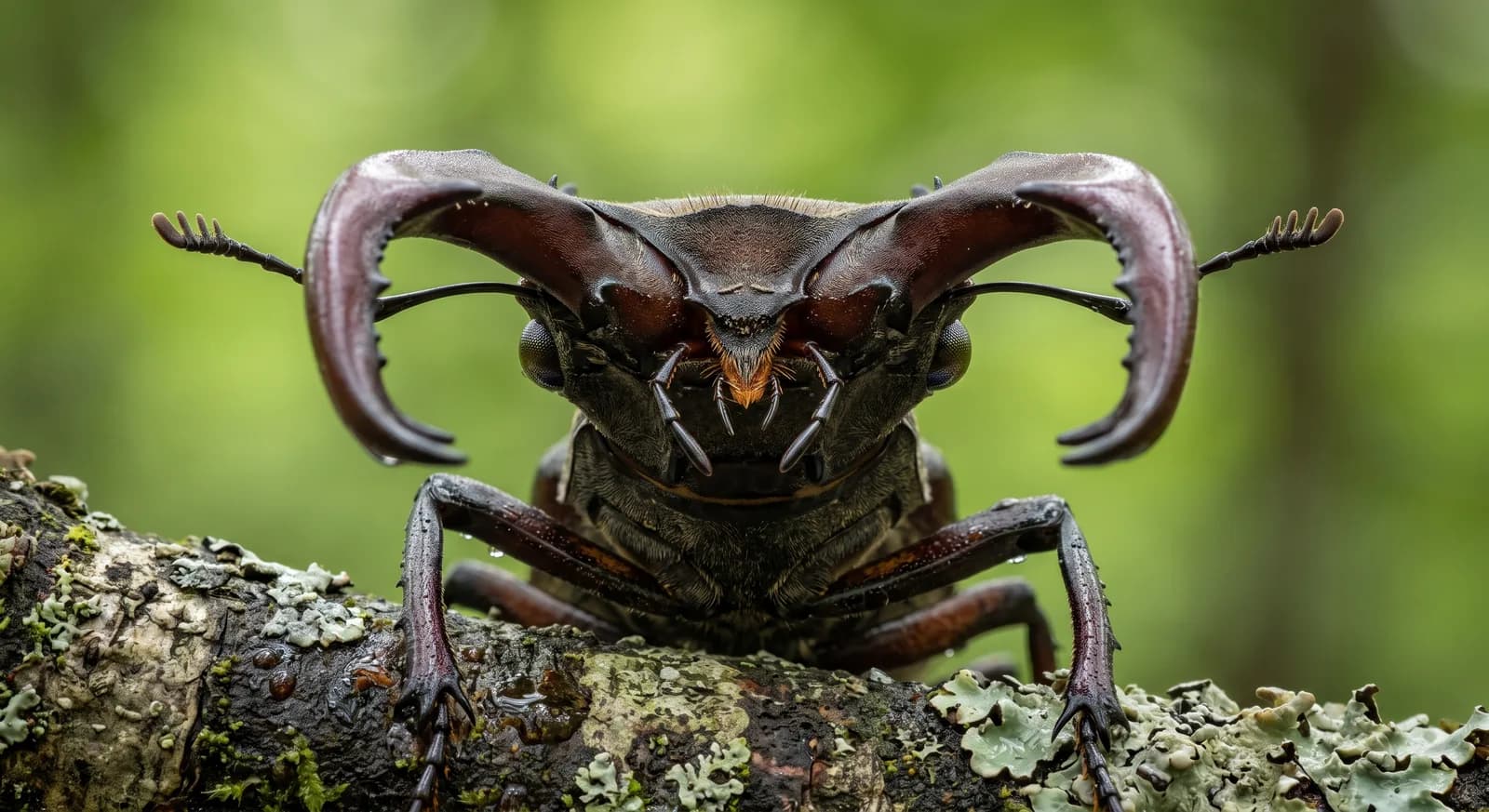 Near Threatened
Stag Beetle
Lucanus cervus
 Near Threatened
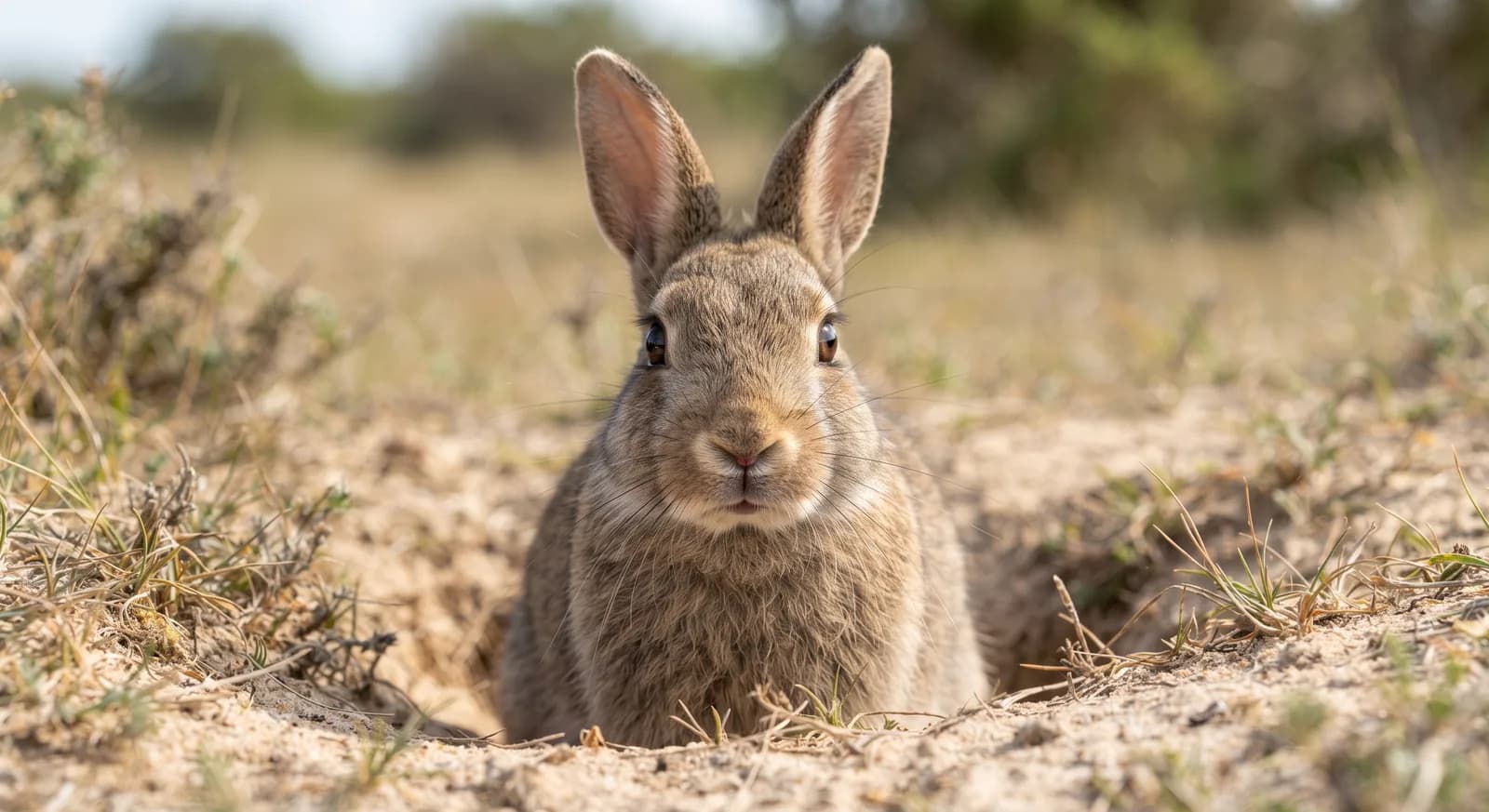
European Rabbit
Oryctolagus cuniculus
 Near Threatened
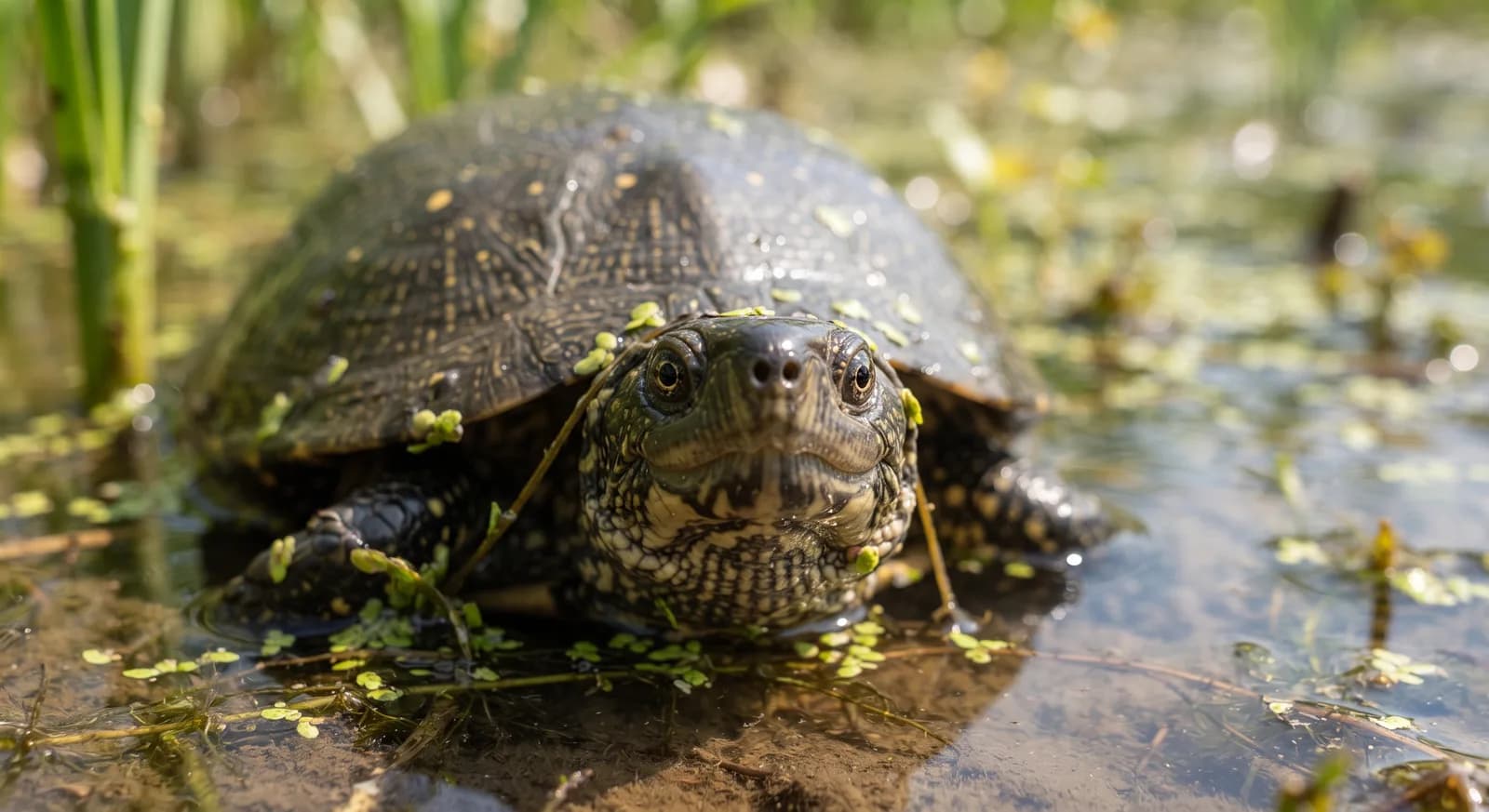
European Pond Turtle
Emys orbicularis
 Near Threatened
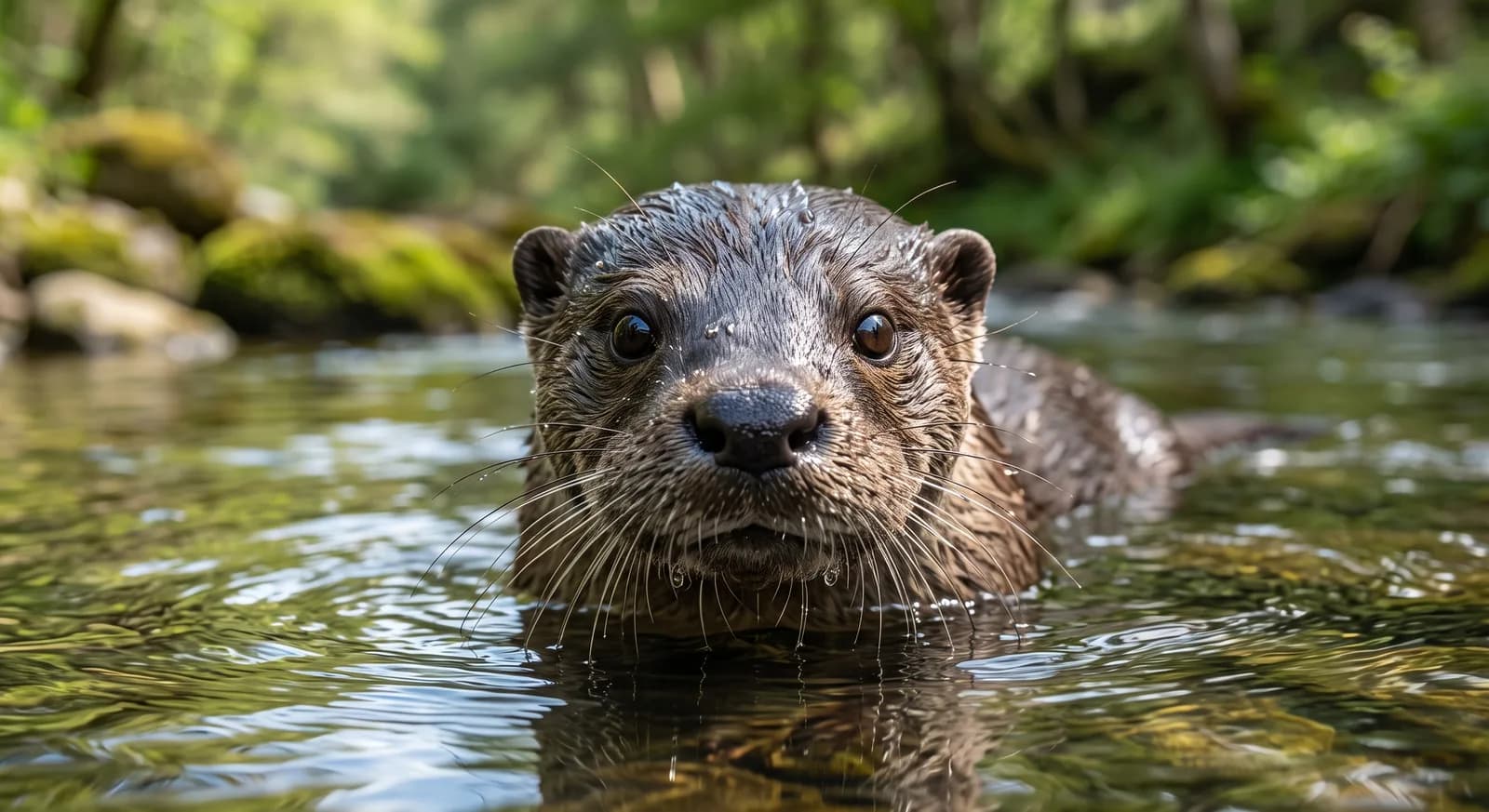
European Otter
Lutra lutra
 Near Threatened
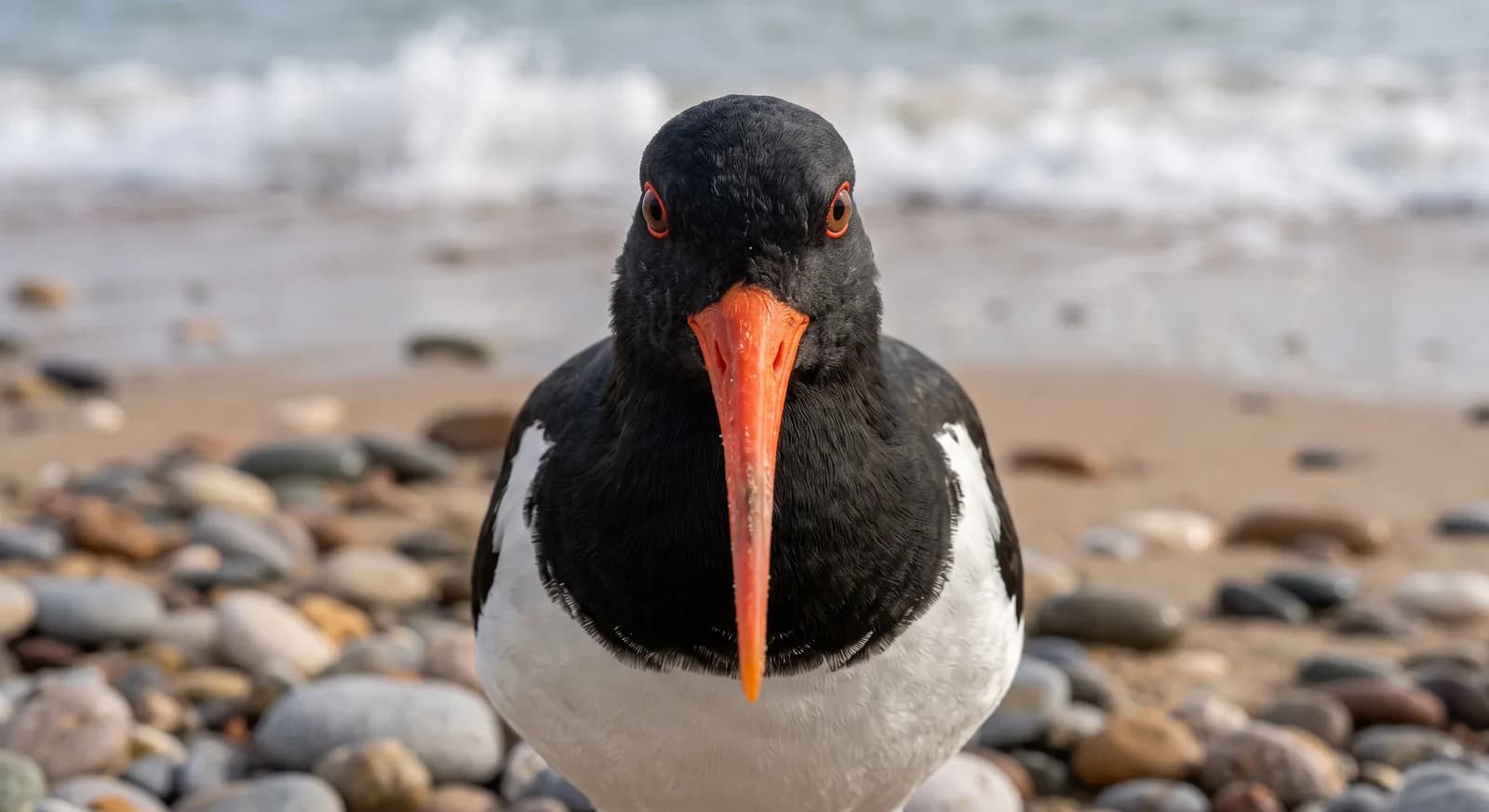
Eurasian Oystercatcher
Haematopus ostralegus
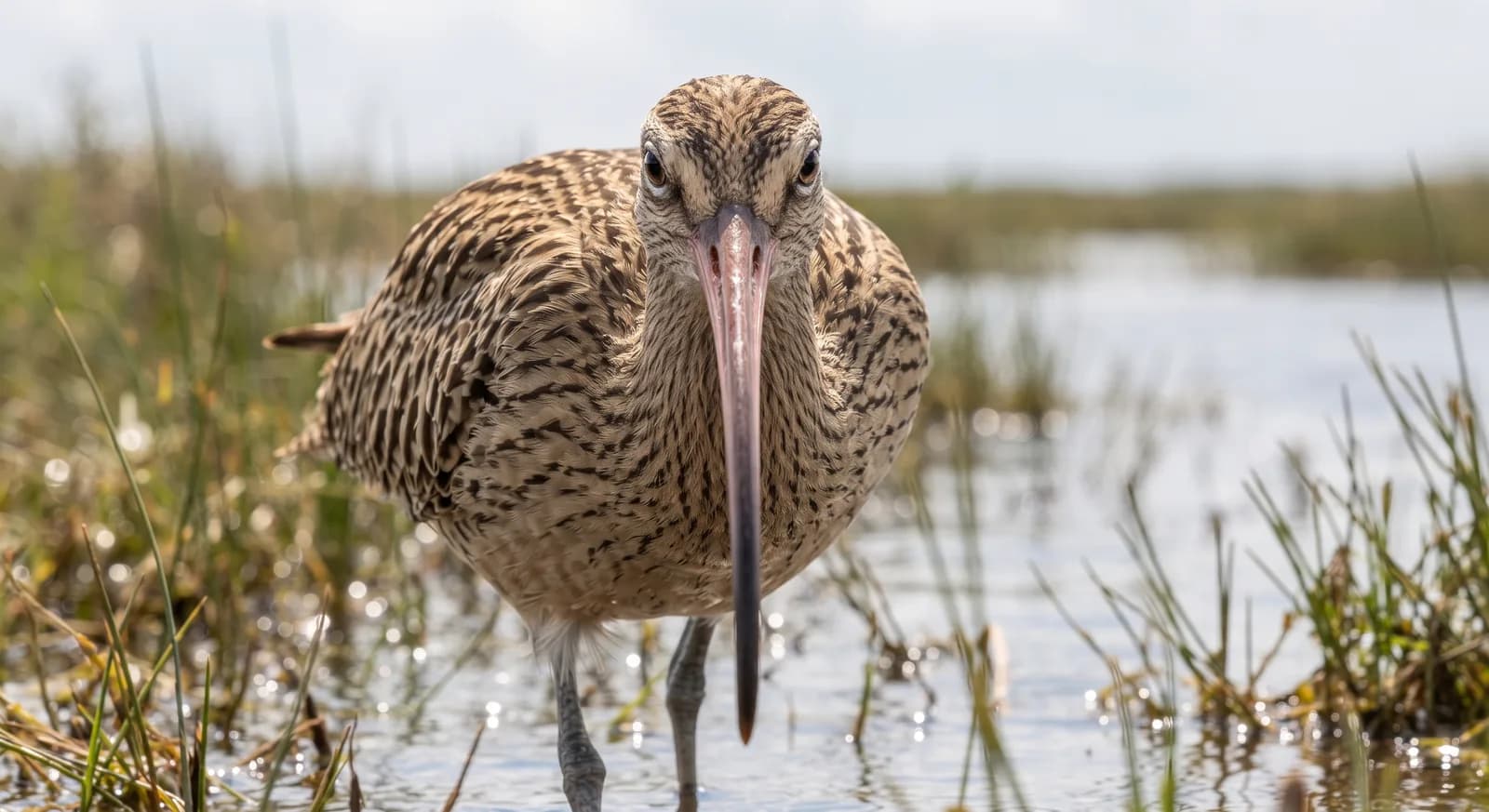 Near Threatened
Eurasian Curlew
Numenius arquata
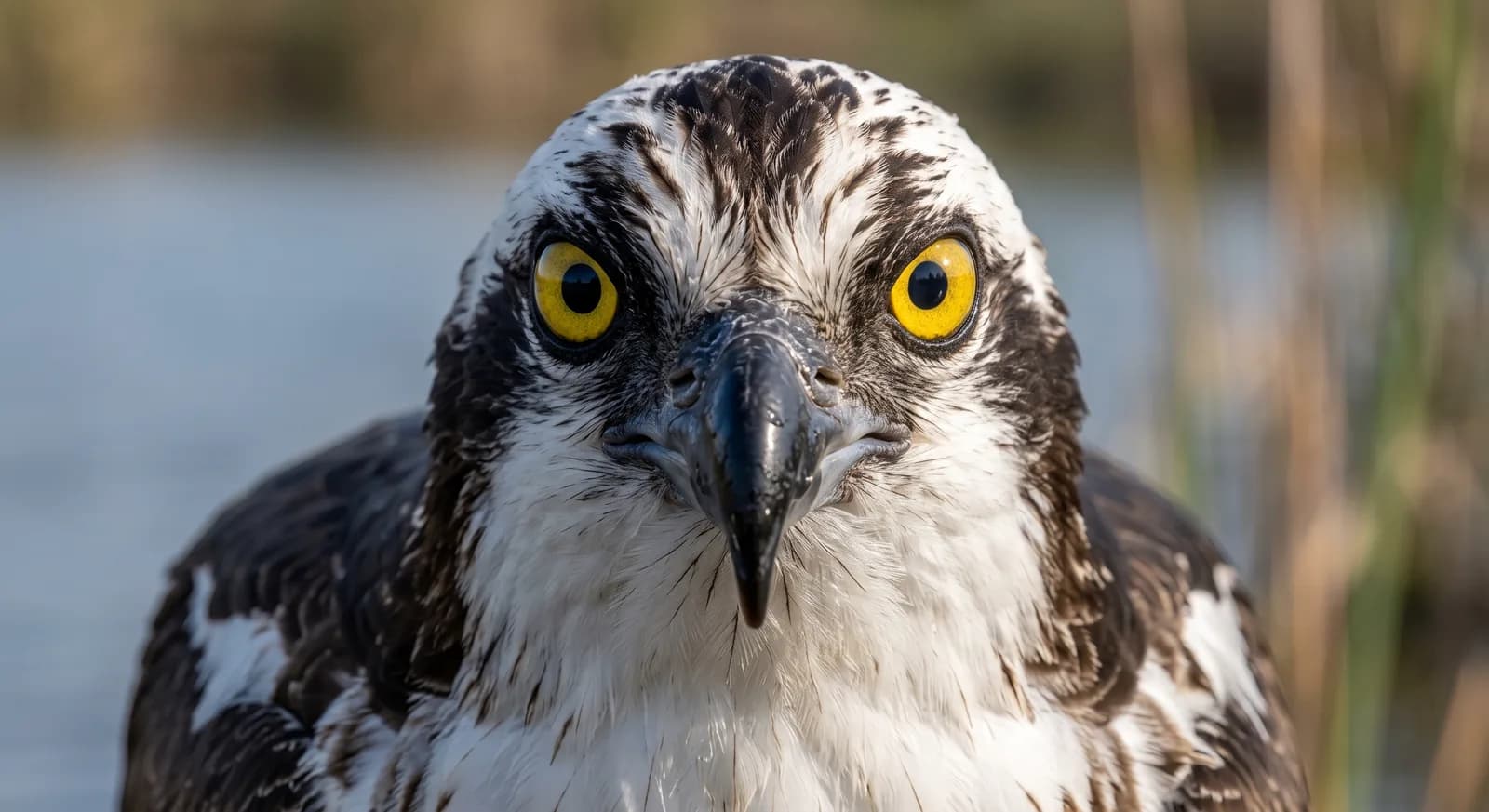 Least Concern
Osprey
Pandion haliaetus
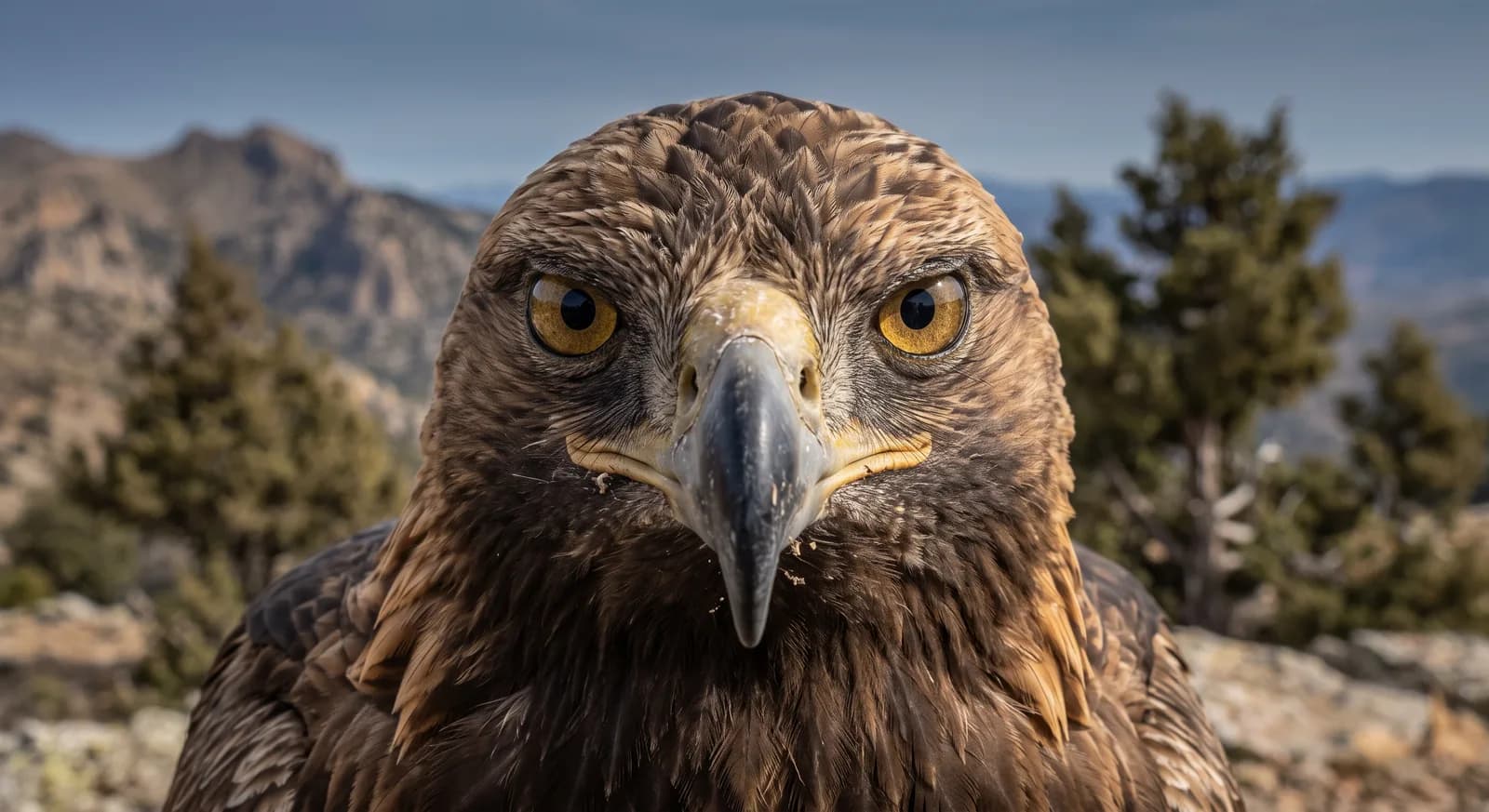 Least Concern
Golden Eagle
Aquila chrysaetos
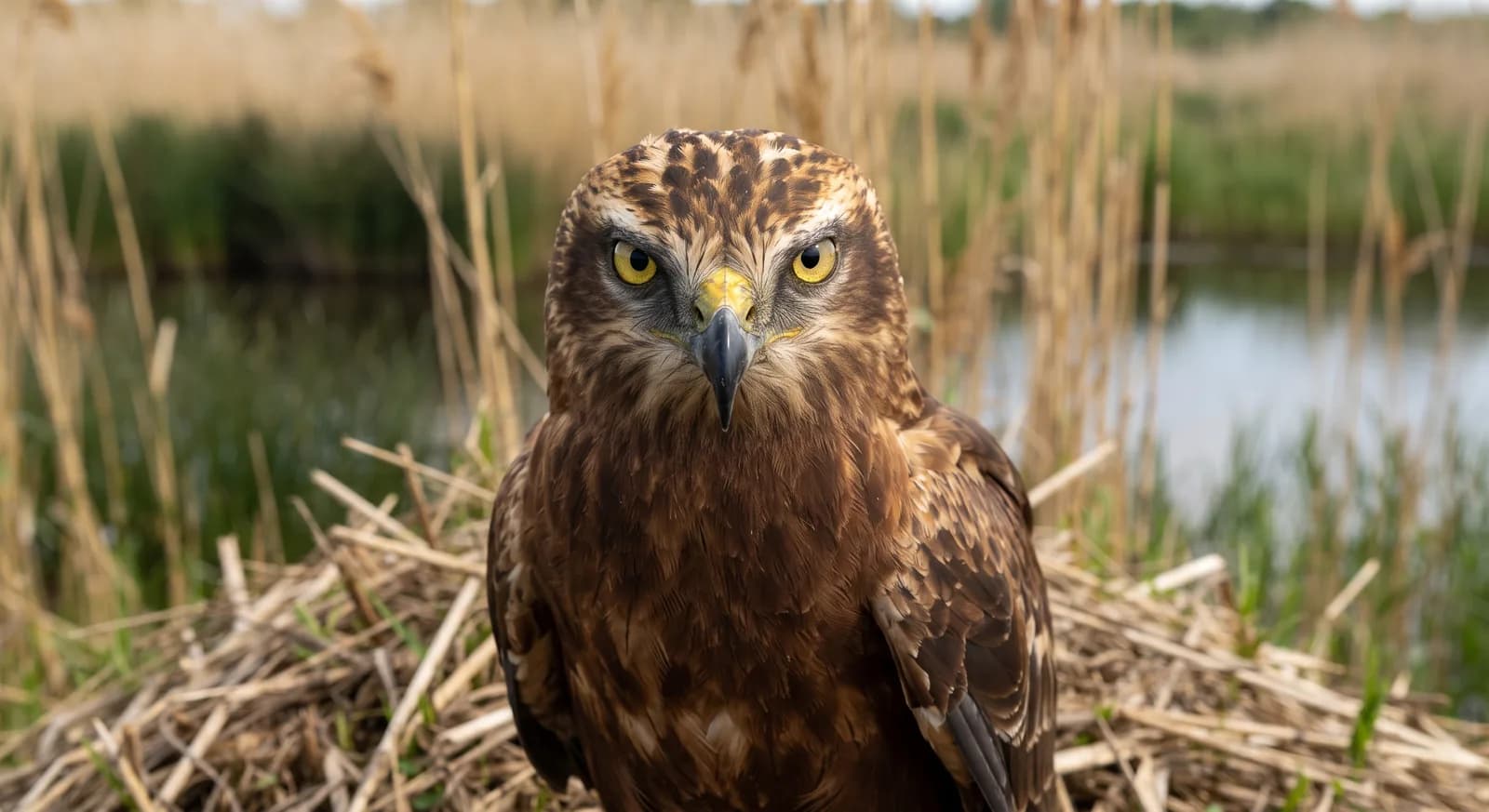 Least Concern
Western Marsh Harrier
Circus aeruginosus
Keep exploring
Based on what we already know about Liechtenstein.