One of the 2 dormouses on WAnimals
Mammals · Rodentia · Gliridae
Fat Dormouse
Glis glis
The species is abundant and widely distributed; it faces no significant short-term risk. See full glossary
It was eaten as a delicacy by the ancient Romans, who fattened them in special enclosures called gliraria. It can skip breeding altogether in a poor seed year, which contributes to its unusual longevity.
Weight
100 g – 150 g
Size
14 cm – 19 cm
Lifespan
9 years
Diet
Omnivore
Combines animal and plant food depending on availability.
Activity
Nocturnal
Active mainly at night.
Social structure
Solitary
Lives and hunts alone, joining others only to breed.
Sighting difficulty
Easy
Fun facts
- fisiologíaIn some populations it can hibernate for as much as 11 months a year, one of the longest hibernations known in any mammal.
Life cycle & biology
- Skeleton type
- Vertebrate - internal bony skeleton (mammal)
- Habitat & environment
- Deciduous woodland, orchards and gardens of central and southern Europe and parts of Asia Minor
- Birth weight
- 1.5 grams
- Size at birth
- Blind and hairless at birth
- Sexual maturity
- ~1 year (some sources give 6-9 weeks in good conditions, coming out of hibernation in a good harvest year)
- Gestation / incubation
- 20-32 days
- Litter / clutch size
- 1 to 12 young per litter (most commonly 4-6)
- Lifespan in captivity
- Documented record of 8.7 years in captivity
Sources consulted: AnAge; EBSCO Research Starters; Līgatnes dabas takas; Lirons.org; Animalia.bio; Animal Diversity Web; PMC
Where to find it
See its range on the interactive mapWhere to watch it
Parques y spots de buceo donde se ha documentado esta especie — se muestran 10 de 169 documentados.
Related species
Other species in the catalogue with the most in common with Fat Dormouse — same habitat, park, country, tags or family.
Hazel Dormouse
Muscardinus avellanarius
 Least Concern
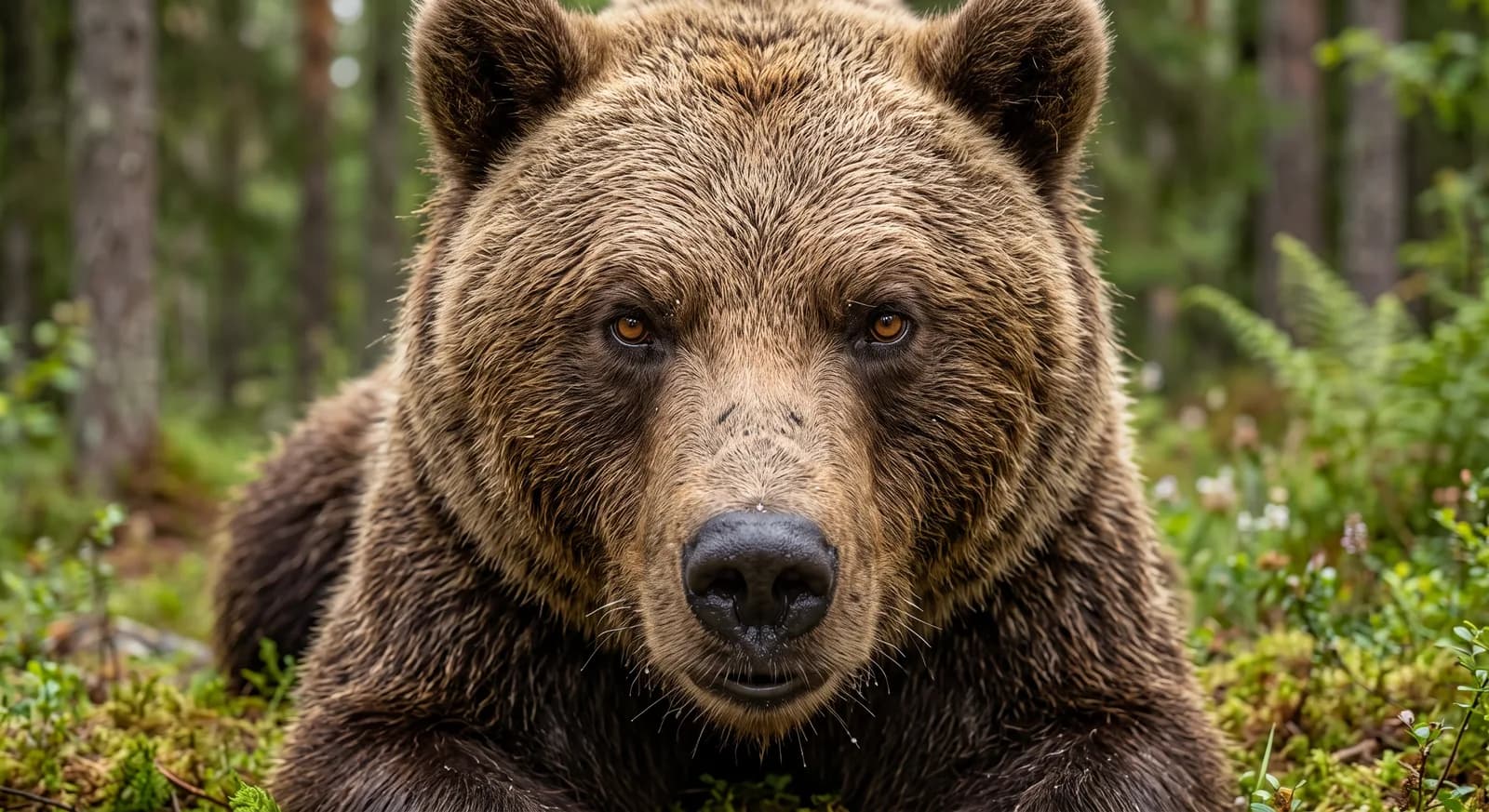
Brown Bear
Ursus arctos
 Least Concern
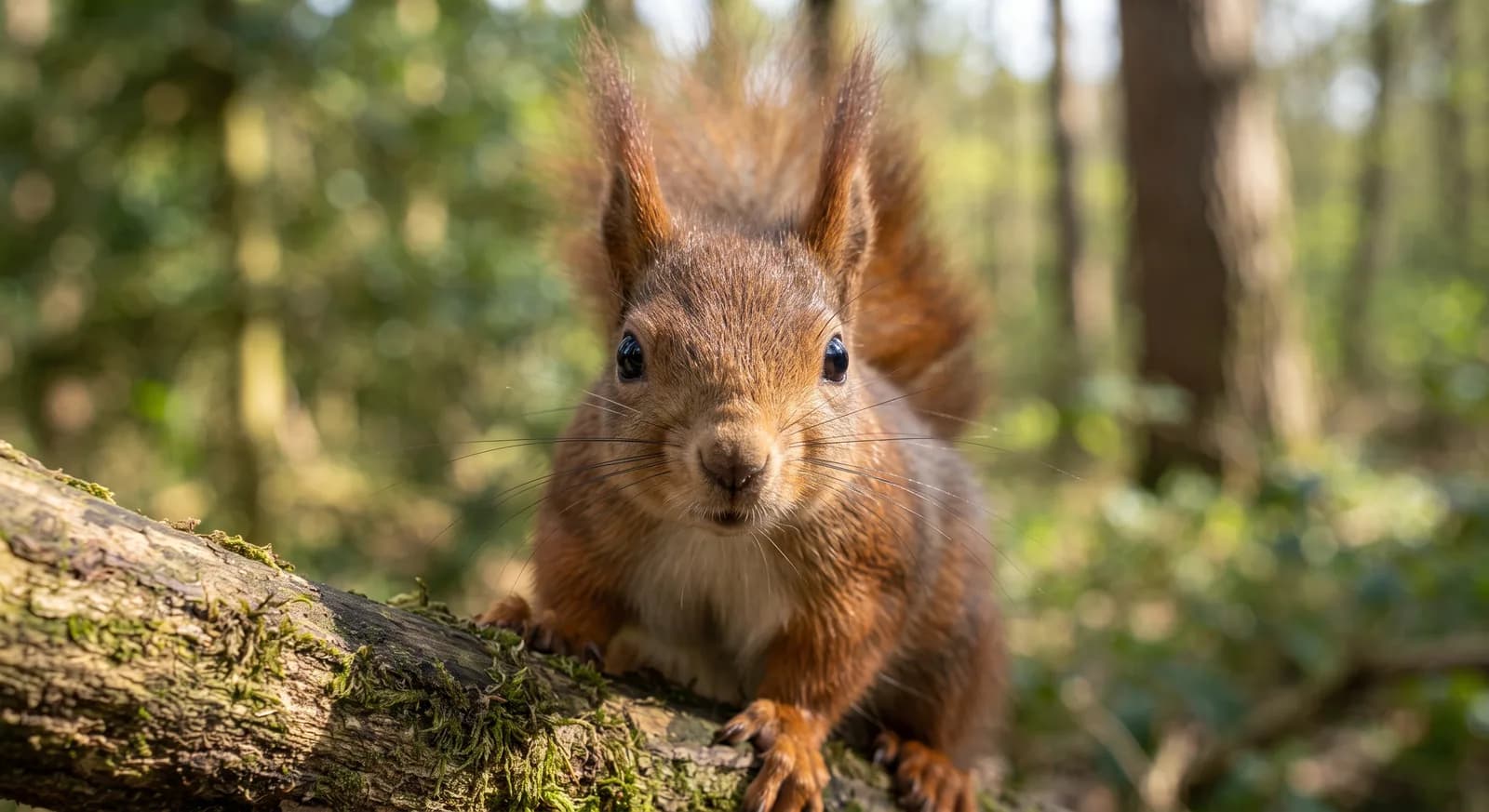
Eurasian Red Squirrel
Sciurus vulgaris
Eastern Gray Squirrel
Sciurus carolinensis
 Least Concern
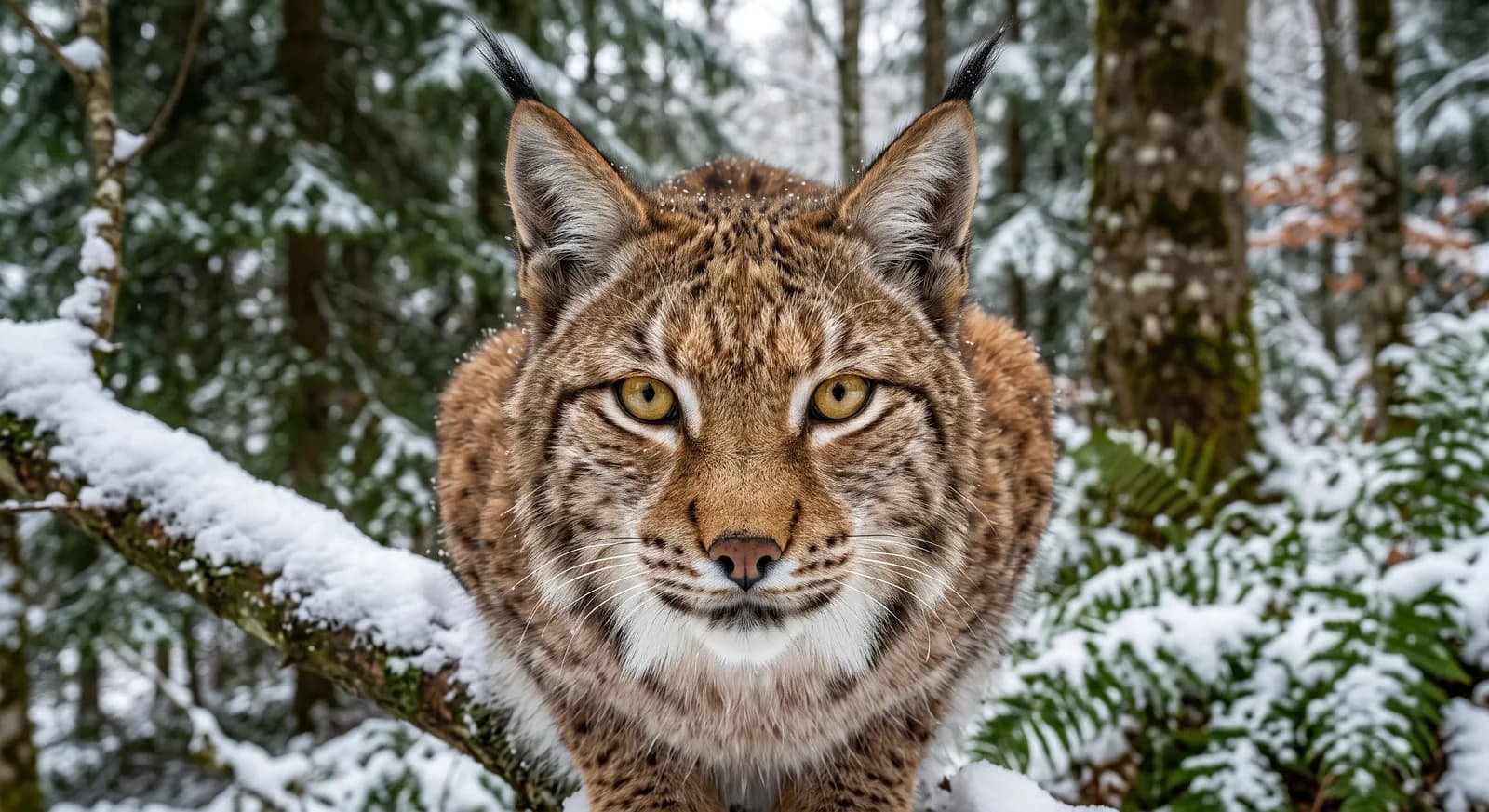
Eurasian Lynx
Lynx lynx
 Least Concern
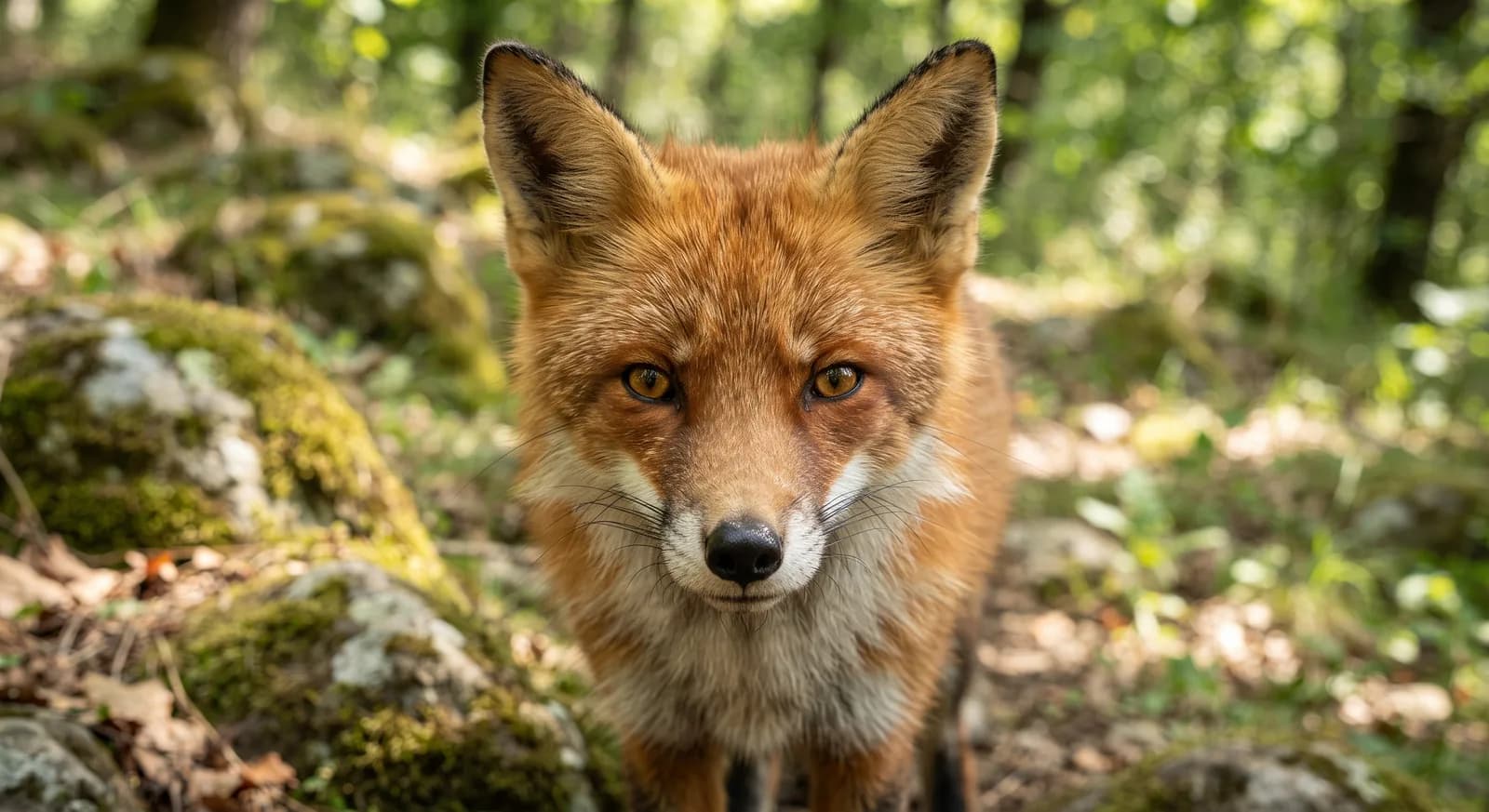
Red Fox
Vulpes vulpes
Keep exploring
Based on what we already know about fat dormouse.
Comments
Share an experience, a fun fact or a tip for seeing the fat dormouse.
Be the first to comment.