One of the 4 lynxes on WAnimals
Mammals · Carnivora · Felidae
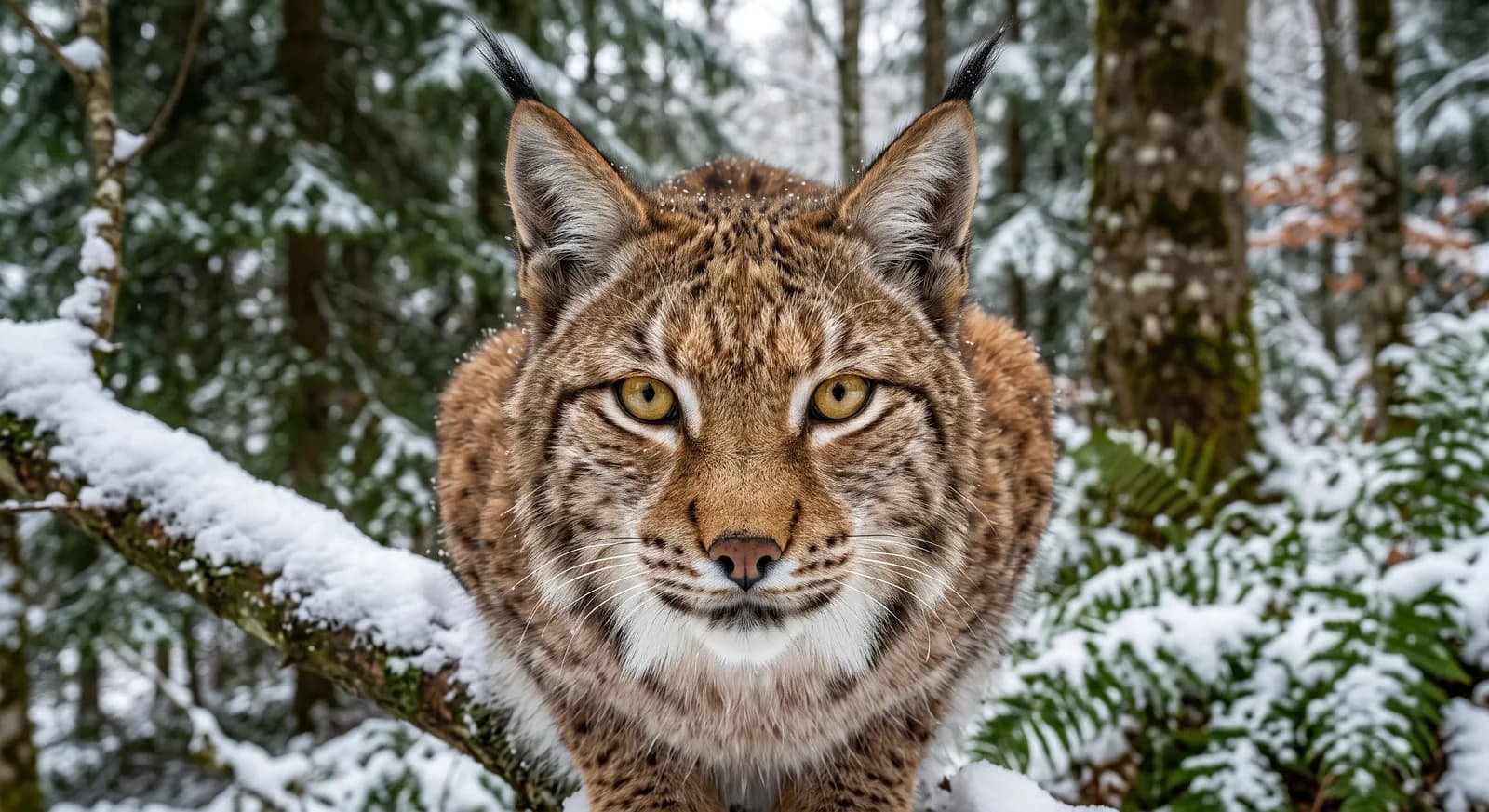
Eurasian Lynx
Lynx lynx
The species is abundant and widely distributed; it faces no significant short-term risk. See full glossary
Its huge paws work as natural snowshoes, growing larger and more thickly padded in winter to spread its weight across the snow.
Weight
14 kg – 30 kg
Size
80 cm – 1.3 m
Lifespan
12 years
Diet
Carnivore
Feeds mainly on other animals.
Activity
Nocturnal
Active mainly at night.
Social structure
Solitary
Lives and hunts alone, joining others only to breed.
Sighting difficulty
Easy
Fun facts
- It feeds mainly on small ungulates such as roe deer, along with hares, birds and rodents.
- It lives in the boreal and temperate forests of Europe, Siberia, Central Asia and East Asia.
- One individual reached a record of 24 to 25 years in captivity.
Life cycle & biology
- Skeleton type
- Vertebrate - internal bony skeleton (mammal)
- Habitat & environment
- Boreal and temperate forests of Europe, Siberia, Central Asia and East Asia
- Birth weight
- 240-350 g at birth, blind and with a spotted coat
- Size at birth
- 240-350 g at birth
- Sexual maturity
- Female: ~2 years | Male: ~2-3 years
- Gestation / incubation
- 67-74 days
- Litter / clutch size
- 1 to 4 young per litter (most commonly 2-3)
- Lifespan in captivity
- Documented record of up to 24-25 years
Sources consulted: Brightszoo; GBIF (Lynx lynx species account); Animal Diversity Web; A-Z Animals; ScienceDirect Topics; Animal Start; Britannica; Wiley (litter size study)
Where to find it
See its range on the interactive mapWhere to watch it
Parques y spots de buceo donde se ha documentado esta especie — se muestran 10 de 45 documentados.
Related species
Other species in the catalogue with the most in common with Eurasian Lynx — same habitat, park, country, tags or family.
 Least Concern
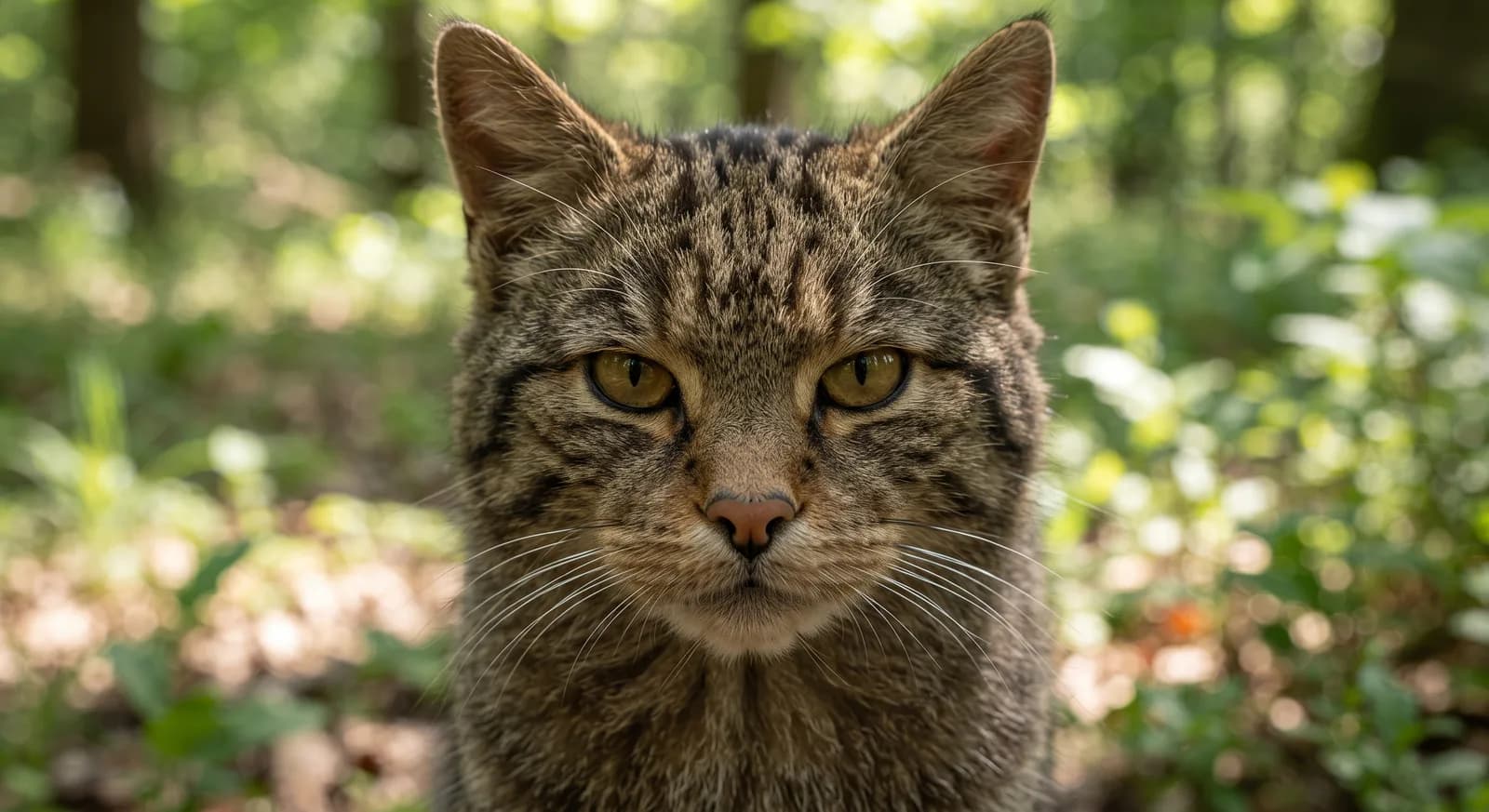
Wildcat
Felis silvestris
Pallas' Cat
Otocolobus manul
Amur Tiger
Panthera tigris altaica
 Vulnerable
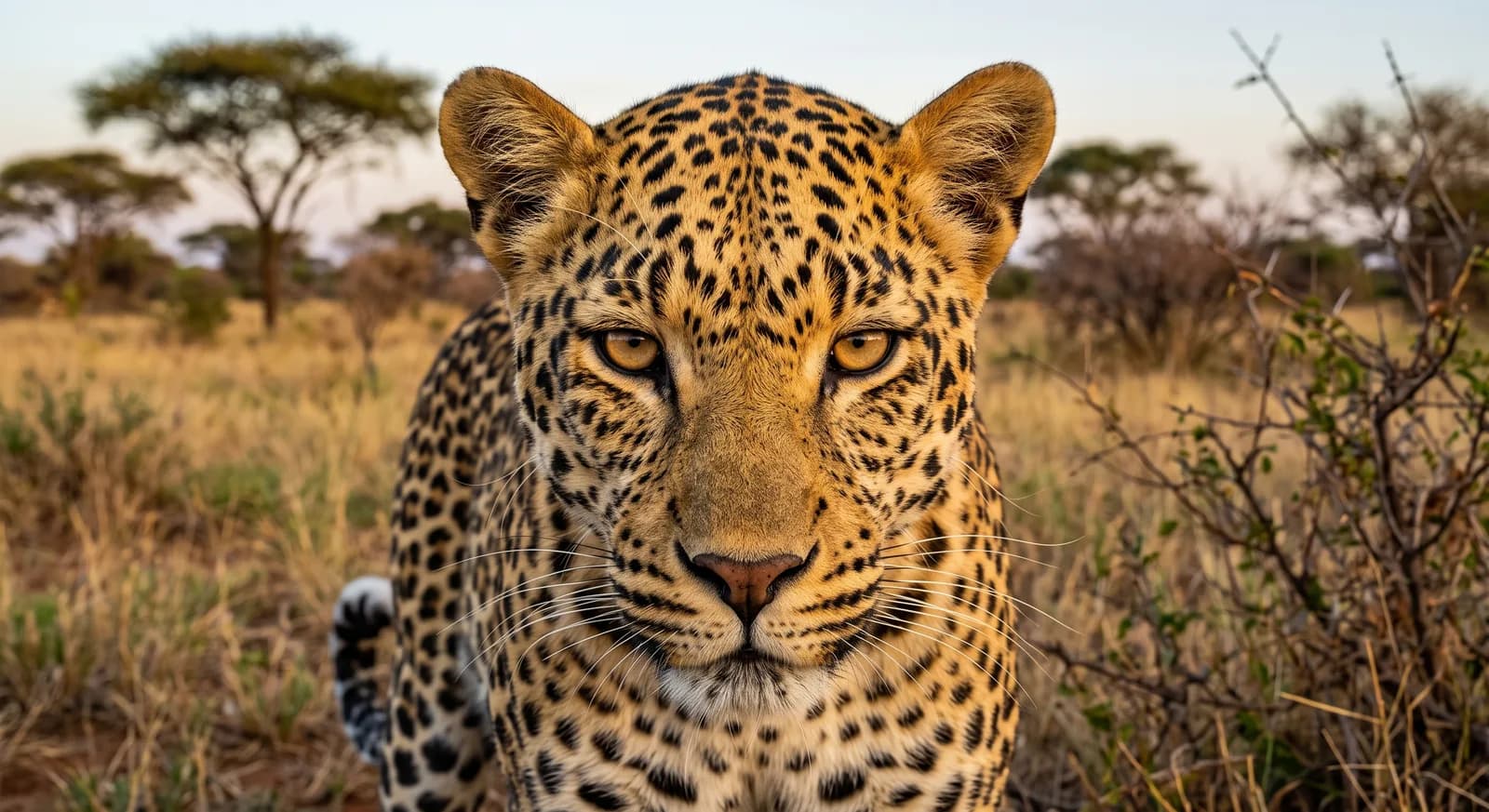
Leopard
Panthera pardus
 Vulnerable
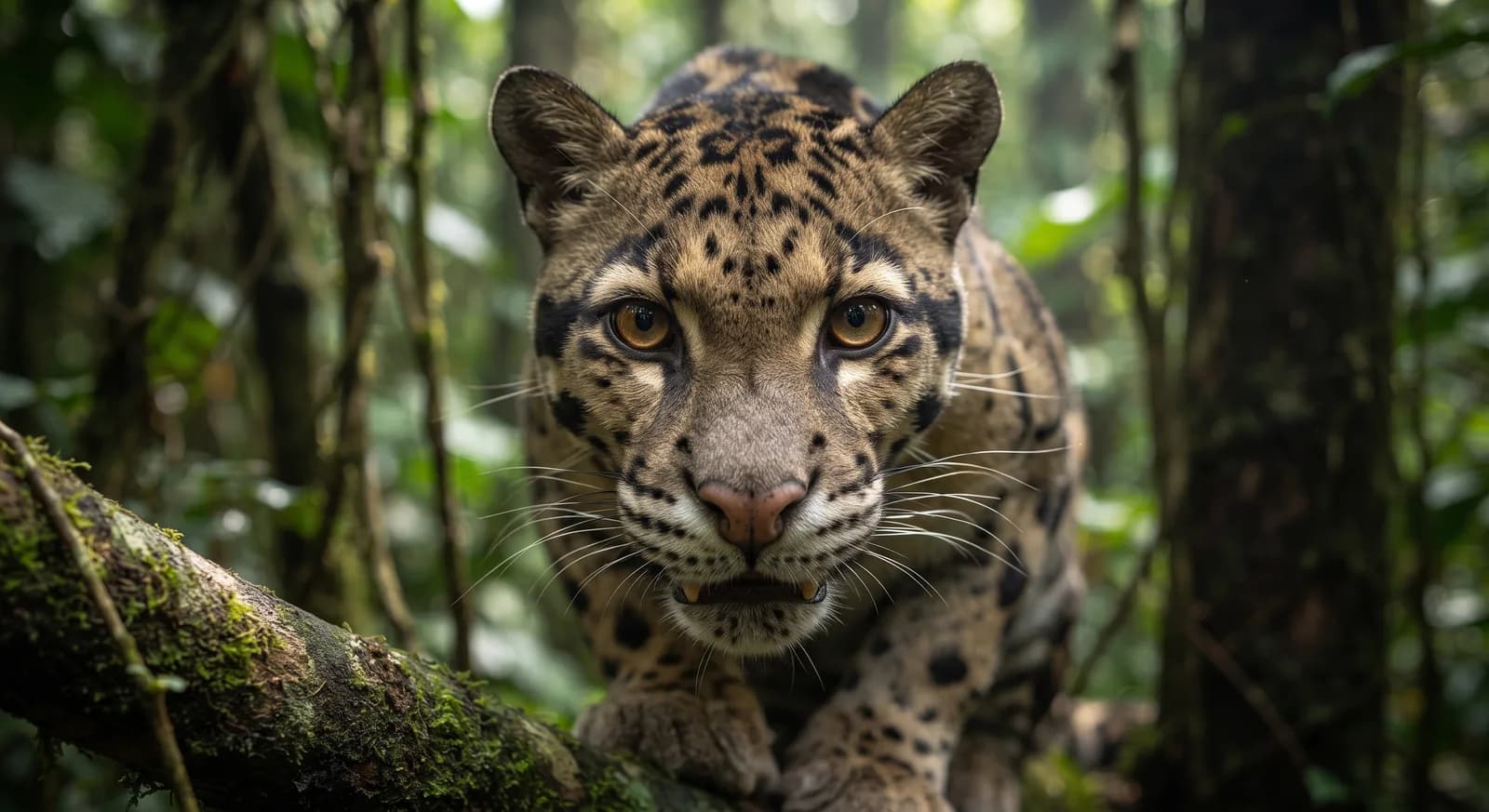
Clouded Leopard
Neofelis nebulosa
 Endangered
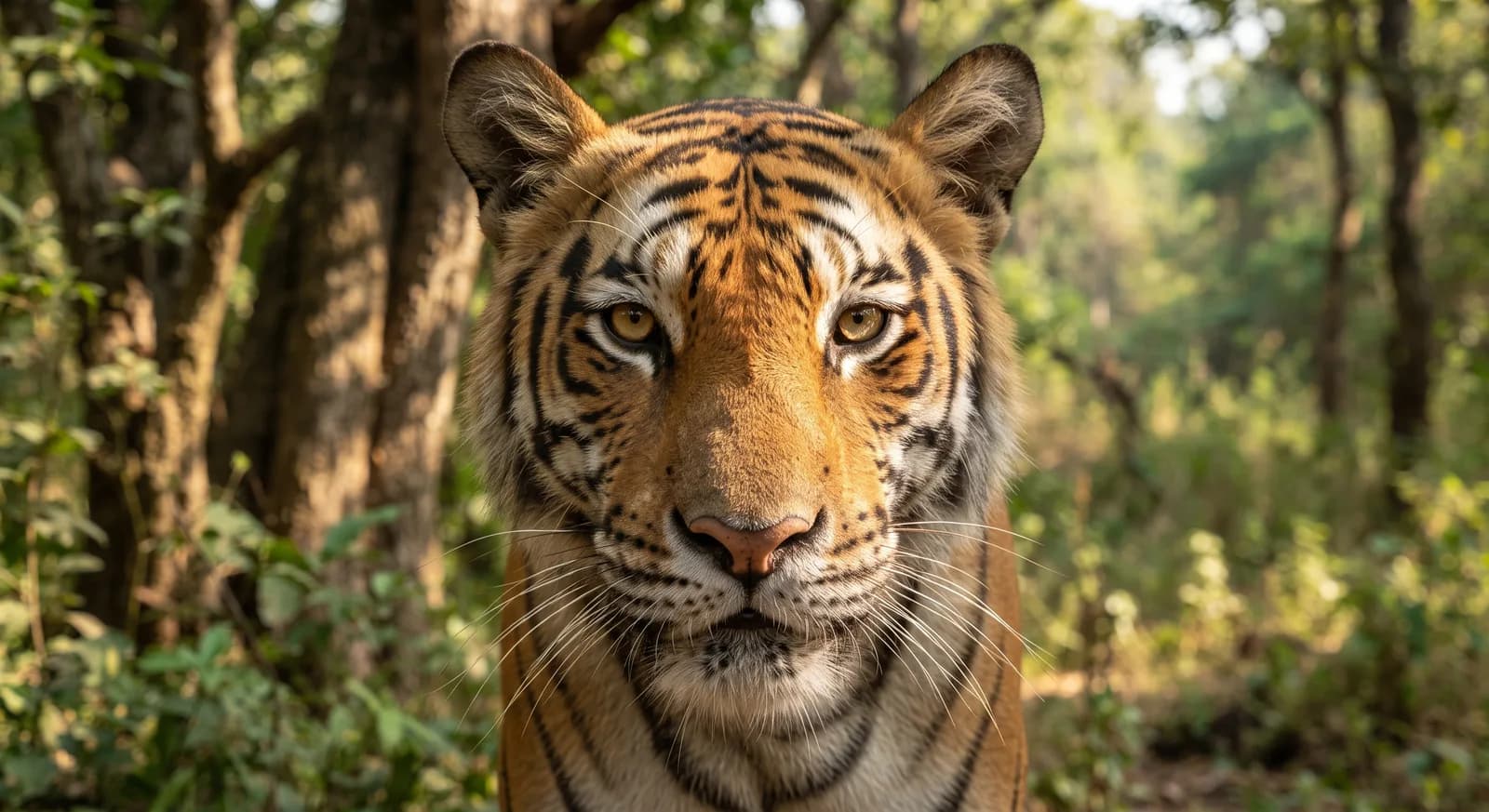
Tiger
Panthera tigris
Keep exploring
Based on what we already know about eurasian lynx.
Comments
Share an experience, a fun fact or a tip for seeing the eurasian lynx.
Be the first to comment.