Mammals · Carnivora · Felidae
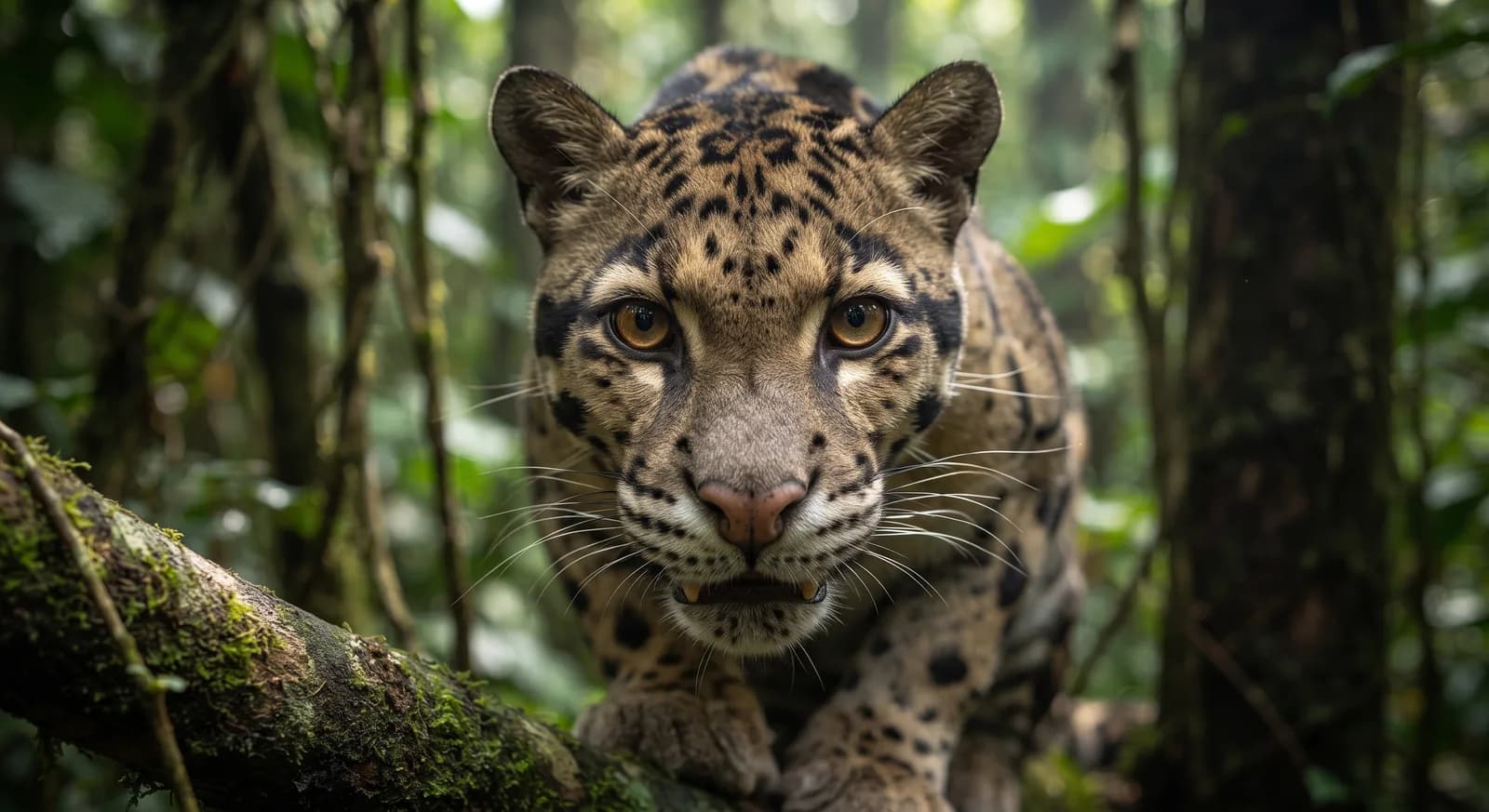
Clouded Leopard
Neofelis nebulosa
It faces a high risk of extinction in the wild over the medium term. See full glossary
It has the longest canines relative to skull size of any living cat, comparable to those of the extinct sabre-toothed cats. Its short, flexible legs make it one of the most arboreal cats in the world.
Weight
10 kg – 25 kg
Size
66 cm – 1 m
Lifespan
11 years
Diet
Carnivore
Feeds mainly on other animals.
Activity
Nocturnal
Active mainly at night.
Social structure
Solitary
Lives and hunts alone, joining others only to breed.
Sighting difficulty
Moderate
Fun facts
- anatomíaIt has the longest canines relative to skull size of any living cat, comparable to those of some extinct ones.
Life cycle & biology
- Skeleton type
- Vertebrate - internal bony skeleton (mammal)
- Habitat & environment
- Tropical and subtropical forest of the eastern Himalaya and South East Asia, up to 2,000 m
- Birth weight
- 140 - 280 grams
- Size at birth
- Blind and helpless at birth, its cloud markings wholly black and lightening with age
- Sexual maturity
- 20-30 months (average 23-24 months)
- Gestation / incubation
- 85-93 days
- Litter / clutch size
- 1 to 5 pups per litter (most commonly 2-3)
- Lifespan in captivity
- Documented record of up to 17-19.8 years in captivity
Sources consulted: Wild Cats Magazine; AnAge; Animal Diversity Web; Denver Zoo; Animalia.bio; PBS Nature; A-Z Animals; arXiv
Where to find it
See its range on the interactive mapWhere to watch it
Parques y spots de buceo donde se ha documentado esta especie — se muestran 10 de 25 documentados.
Related species
Other species in the catalogue with the most in common with Clouded Leopard — same habitat, park, country, tags or family.
 Vulnerable
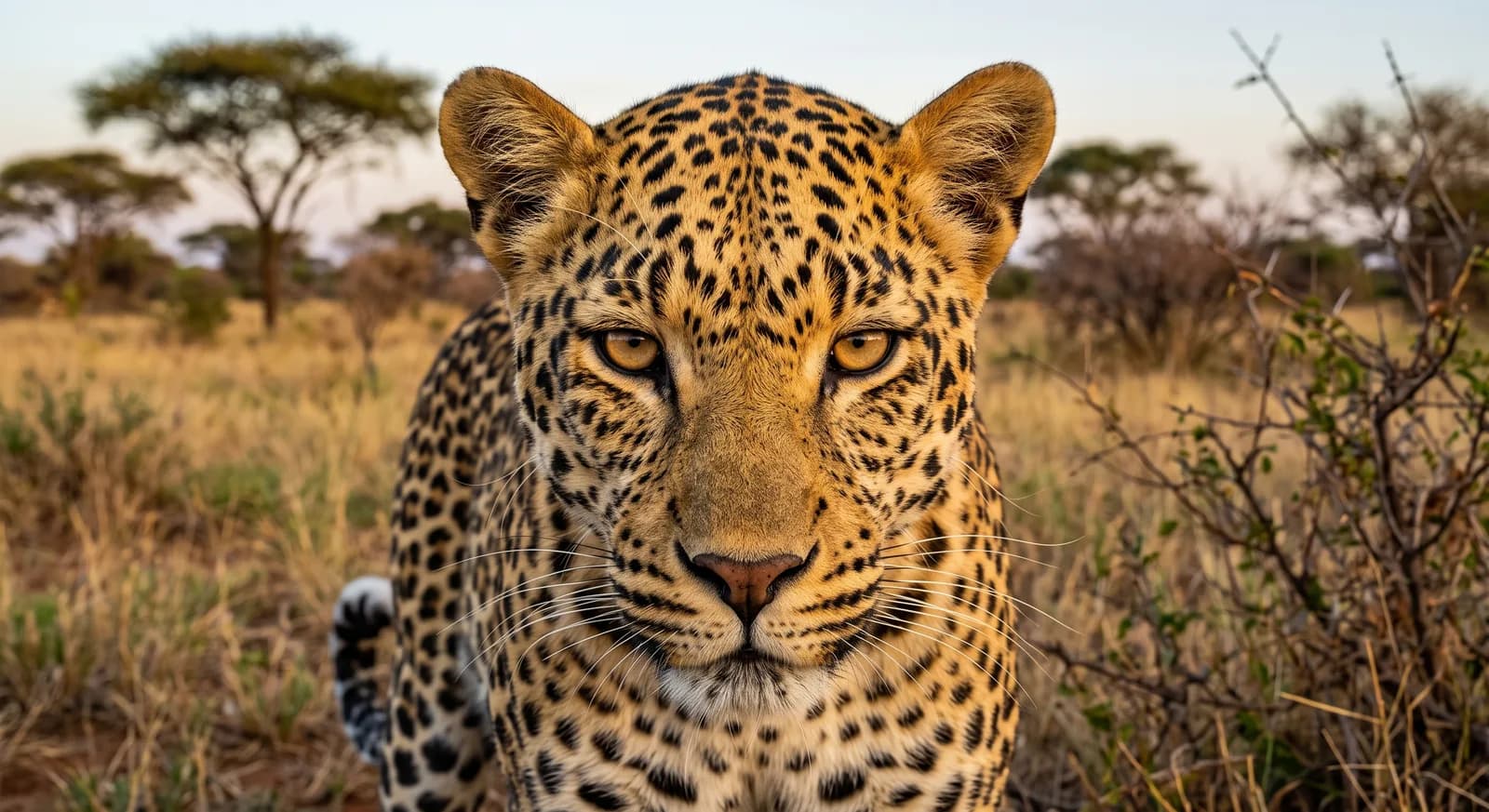
Leopard
Panthera pardus
Fishing Cat
Prionailurus viverrinus
 Vulnerable
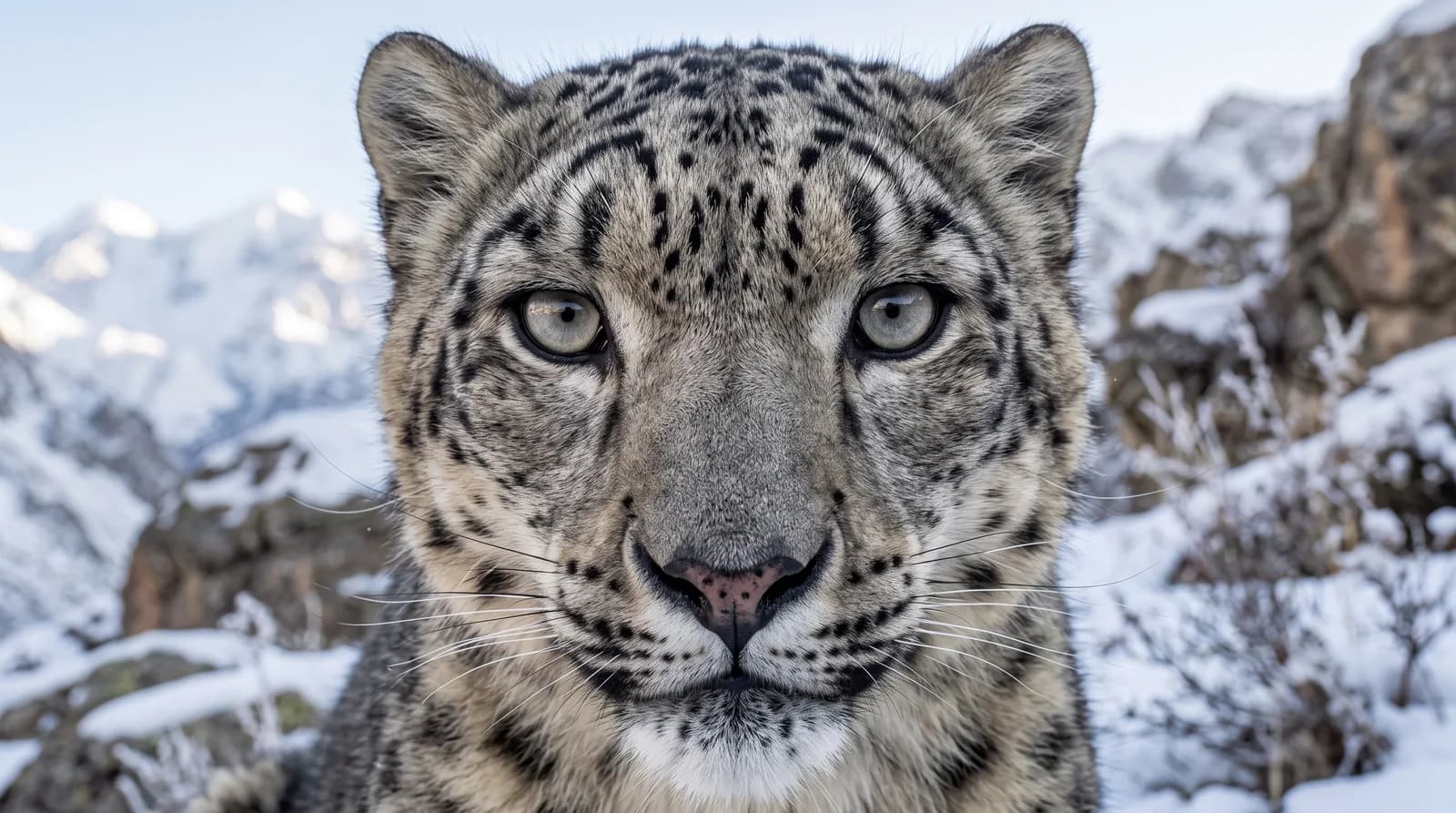
Snow Leopard
Panthera uncia
Asian Golden Cat
Catopuma temminckii
 Least Concern
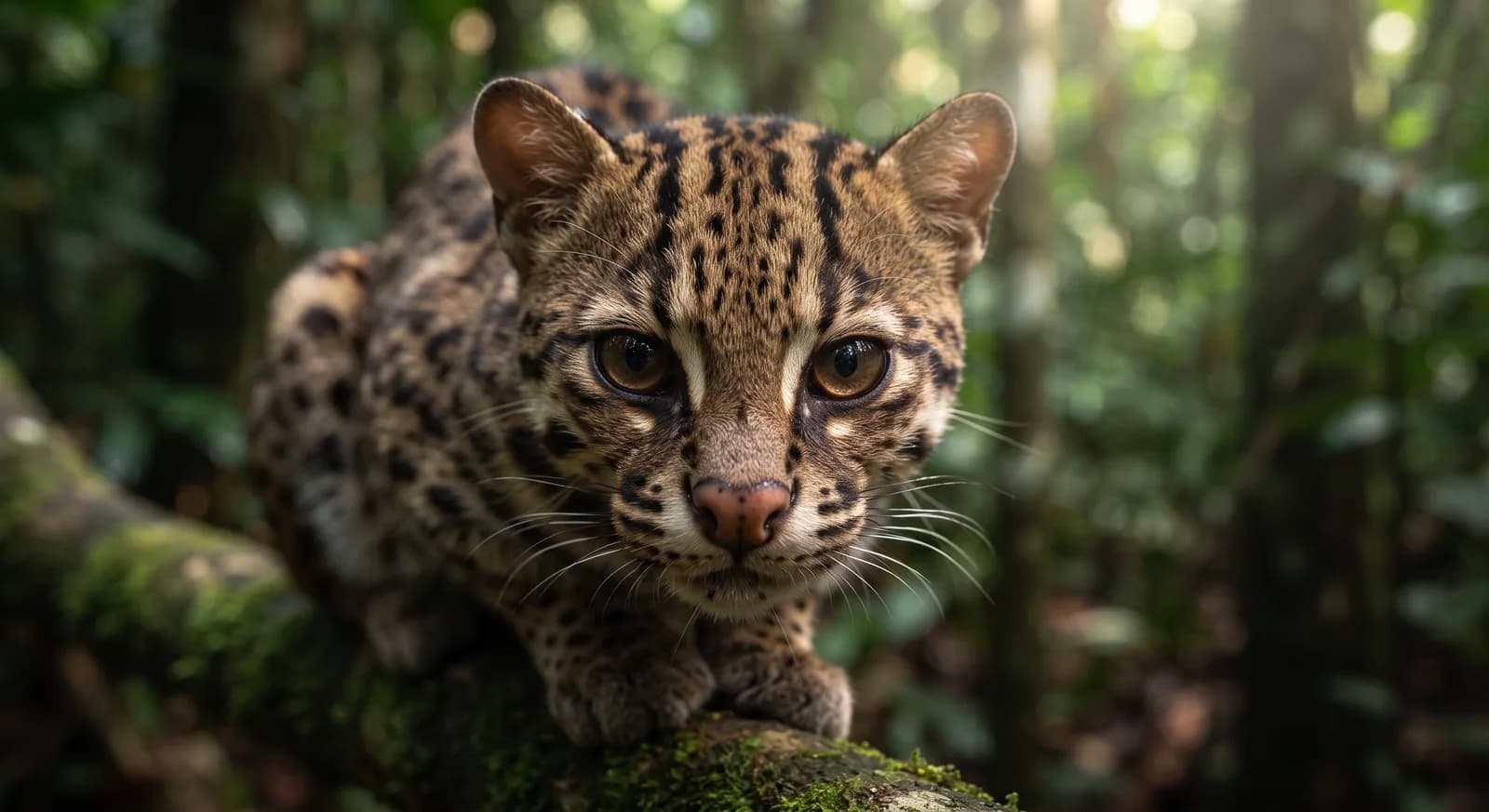
Mainland Leopard Cat
Prionailurus bengalensis
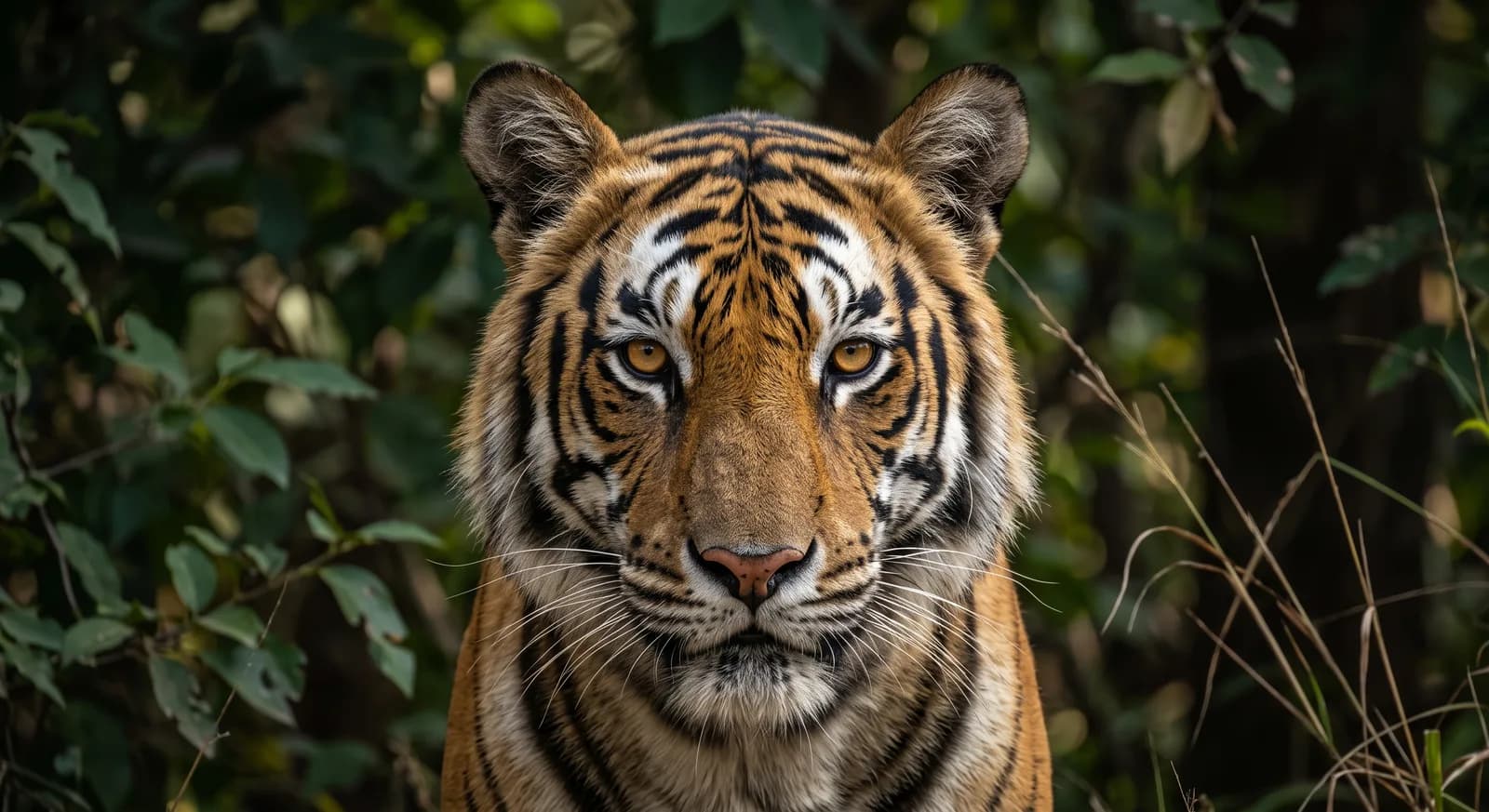 Endangered
Bengal Tiger
Panthera tigris tigris
How to help
The clouded leopard is classified as vulnerable. Organizations such as UICN, WWF y Wildlife Conservation Society work specifically on its conservation and that of its habitat; looking into their programs is a good starting point if you want to get involved.
It's documented in 9 real protected areas — part of why protecting these places matters for its conservation.
Keep exploring
Based on what we already know about clouded leopard.
Comments
Share an experience, a fun fact or a tip for seeing the clouded leopard.
Be the first to comment.