One of the 14 cats on WAnimals
Mammals · Carnivora · Felidae
Fishing Cat
Prionailurus viverrinus
It faces a high risk of extinction in the wild over the medium term. See full glossary
The fishing cat is a robust, short-legged cat with an olive-grey coat marked with rows of spots, specialised in hunting in water. It lives in the wetlands of South and South-East Asia, where it catches fish, crabs, molluscs, frogs and rodents. It swims well and dives, and has been seen tapping the surface with a paw to imitate the movement of an insect and draw fish in. Wetland drainage and the conversion of mangroves into fish farms have put it into retreat.
Weight
5.1 kg – 16 kg
Size
57 cm – 78 cm
Lifespan
12 years
Diet
Carnivore
Feeds mainly on other animals.
Activity
Nocturnal
Active mainly at night.
Social structure
Solitary
Lives and hunts alone, joining others only to breed.
Sighting difficulty
Moderate
Fun facts
- It has a two-layered coat: a short, very dense inner one that waterproofs and insulates, and an outer one of long hairs, a combination that lets it go into the water without getting cold.
- Its claws do not retract fully and its front paws are partly webbed, adaptations for hooking slippery fish that no other cat shares to the same degree.
Life cycle & biology
- Skeleton type
- Vertebrate - internal bony skeleton (mammal)
- Habitat & environment
- Mangroves, marshes, reedbeds, rice fields and floodplains of South and South-East Asia
- Sexual maturity
- 15 months
- Gestation / incubation
- 2.4 months
- Litter / clutch size
- 2
Sources consulted: https://es.wikipedia.org/wiki/Prionailurus_viverrinus
Where to find it
See its range on the interactive mapWhere to watch it
Parques y spots de buceo donde se ha documentado esta especie — se muestran 10 de 16 documentados.
Related species
Other species in the catalogue with the most in common with Fishing Cat — same habitat, park, country, tags or family.
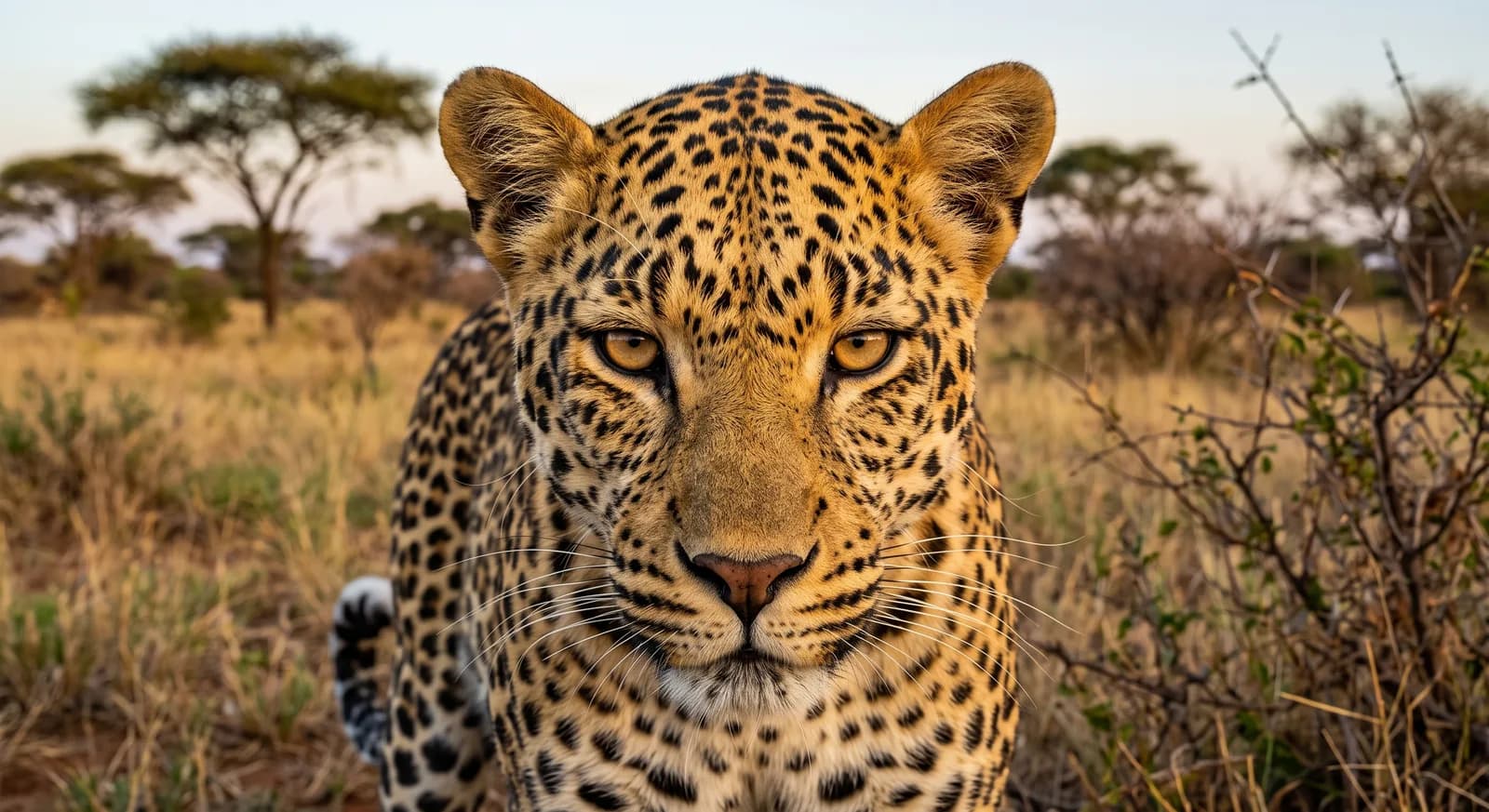 Vulnerable
Leopard
Panthera pardus
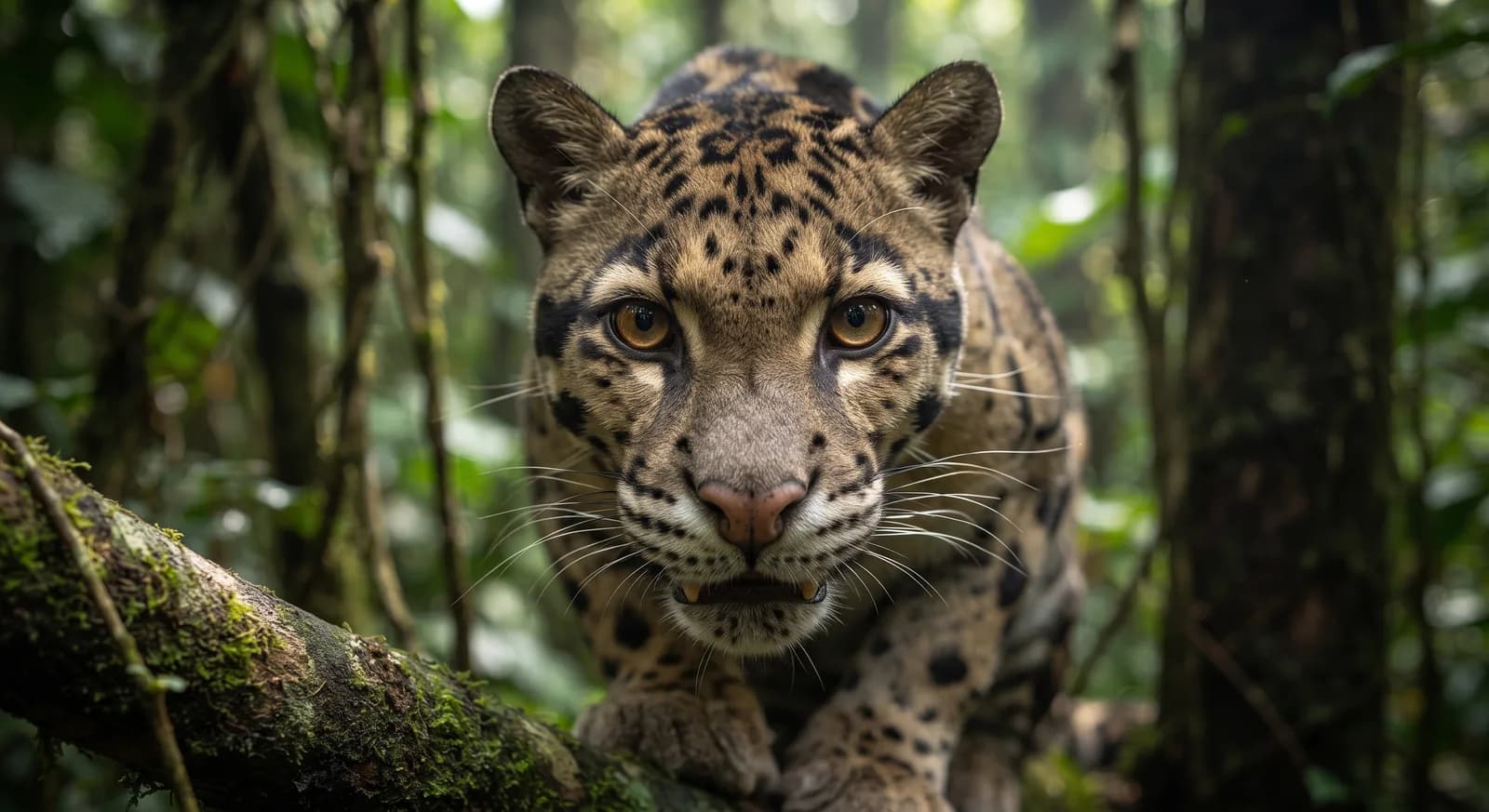 Vulnerable
Clouded Leopard
Neofelis nebulosa
Asian Golden Cat
Catopuma temminckii
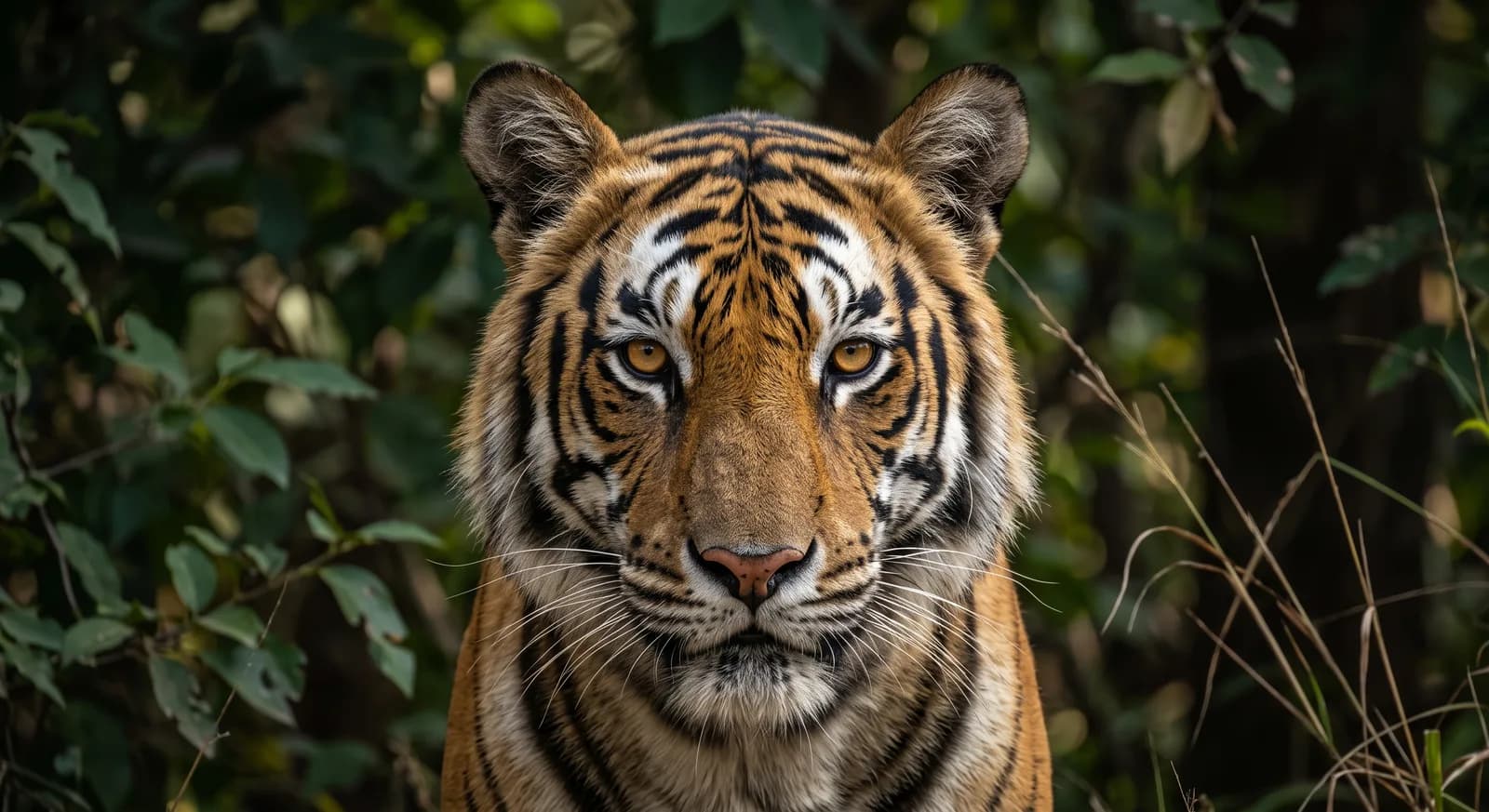 Endangered
Bengal Tiger
Panthera tigris tigris
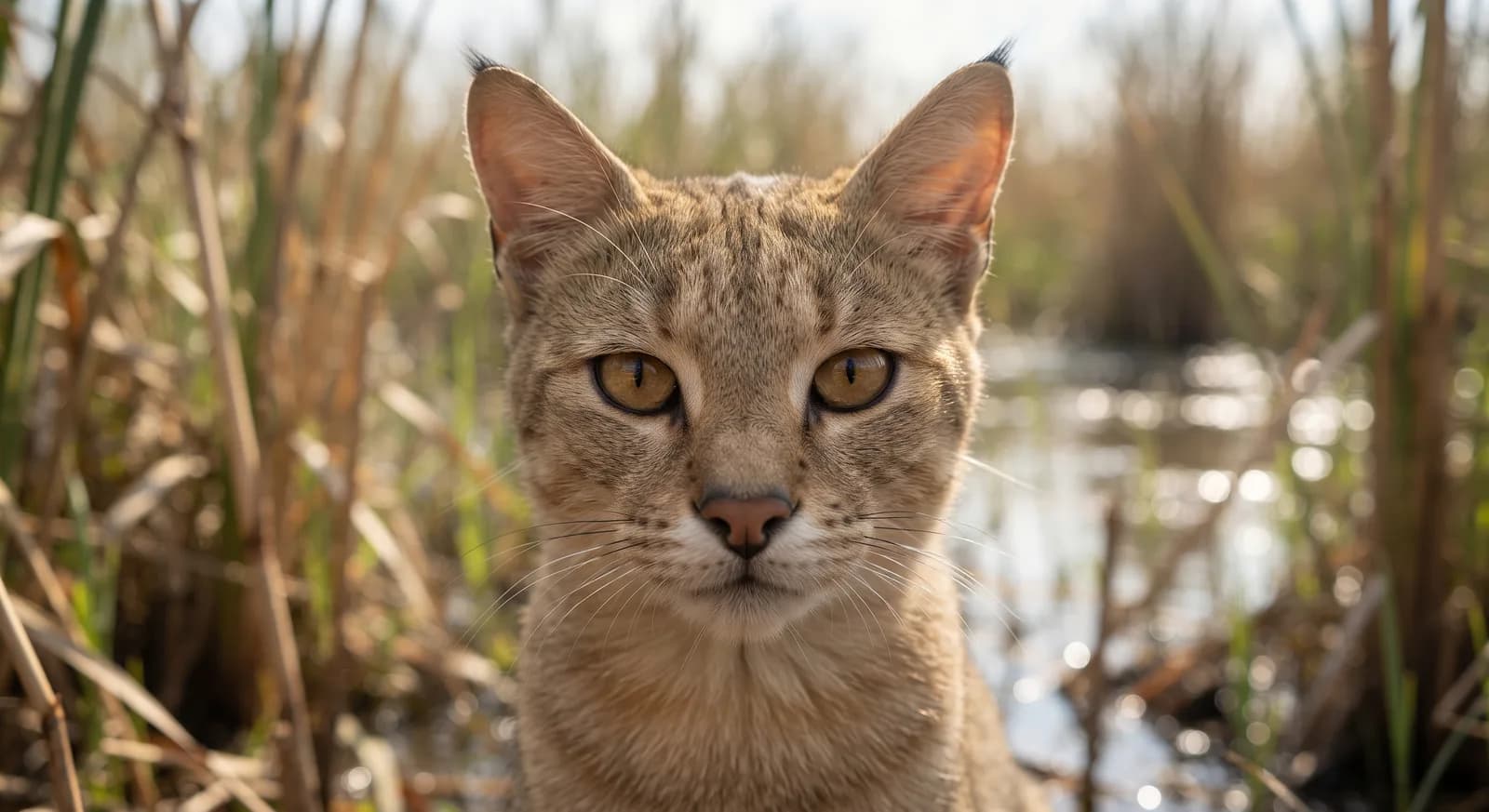 Least Concern
Jungle Cat
Felis chaus
Marbled Cat
Pardofelis marmorata
How to help
The fishing cat is classified as vulnerable. Organizations such as UICN, WWF y Wildlife Conservation Society work specifically on its conservation and that of its habitat; looking into their programs is a good starting point if you want to get involved.
It's documented in 10 real protected areas — part of why protecting these places matters for its conservation.
Keep exploring
Based on what we already know about fishing cat.
Comments
Share an experience, a fun fact or a tip for seeing the fishing cat.
Be the first to comment.