One of the 3 leopards on WAnimals
Mammals · Carnivora · Felidae
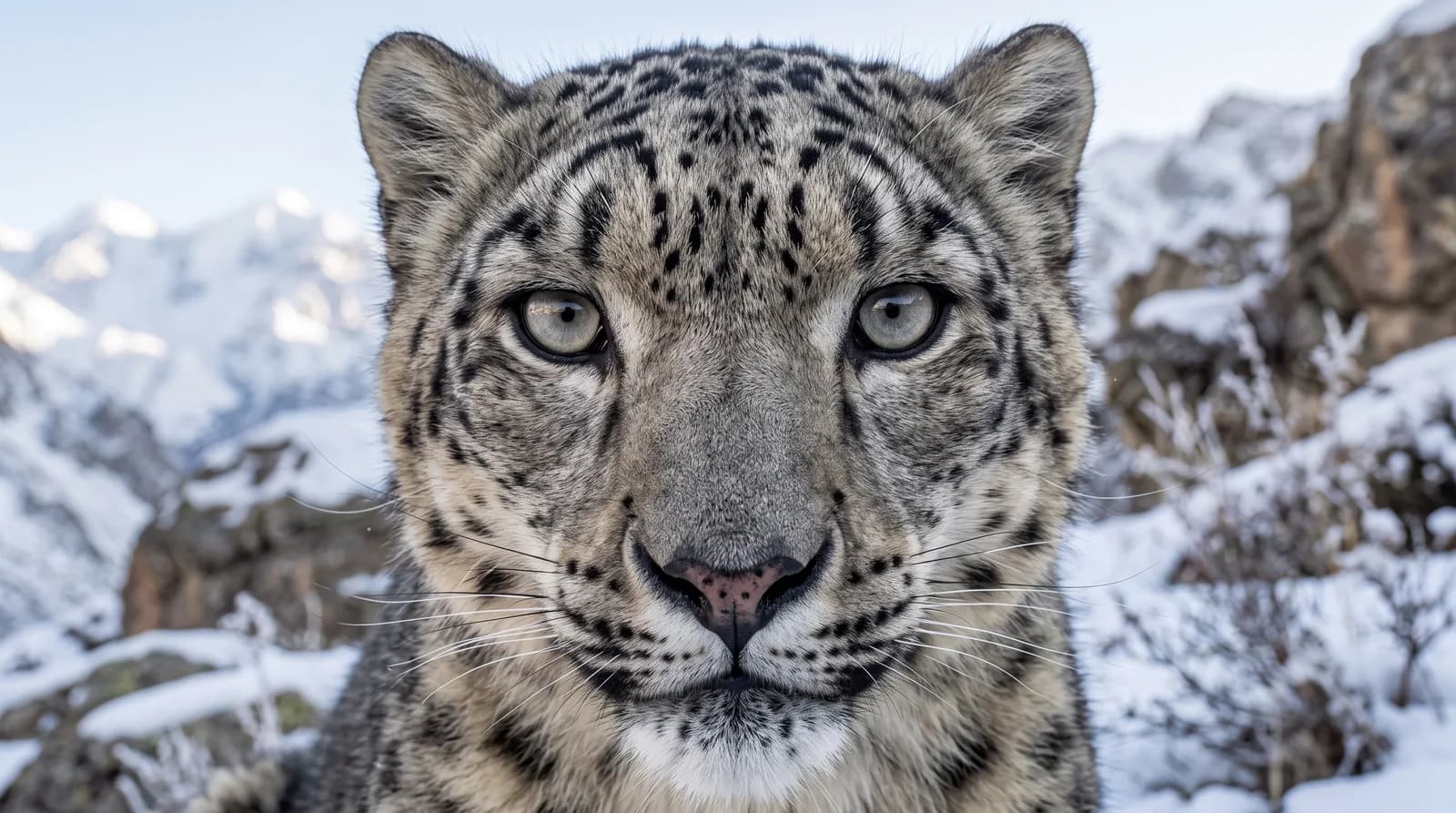
Snow Leopard
Panthera uncia
It faces a high risk of extinction in the wild over the medium term. See full glossary
Known as the 'ghost of the mountains', it lives in the rugged ranges of Central Asia and is extraordinarily elusive.
Weight
22 kg – 55 kg
Size
90 cm – 1.3 m
Lifespan
18 years
Diet
Carnivore
Feeds mainly on other animals.
Activity
Crepuscular
Active above all at dawn and dusk.
Social structure
Solitary
Lives and hunts alone, joining others only to breed.
Sighting difficulty
Moderate
Fun facts
- Its tail can be almost as long as its body and works as a counterbalance.
- It can leap up to 15 metres.
- It cannot roar like the other big cats.
Where to find it
See its range on the interactive mapBest time: June to September
Where to watch it
Parques y spots de buceo donde se ha documentado esta especie — se muestran 10 de 22 documentados.
Related species
Other species in the catalogue with the most in common with Snow Leopard — same habitat, park, country, tags or family.
 Vulnerable
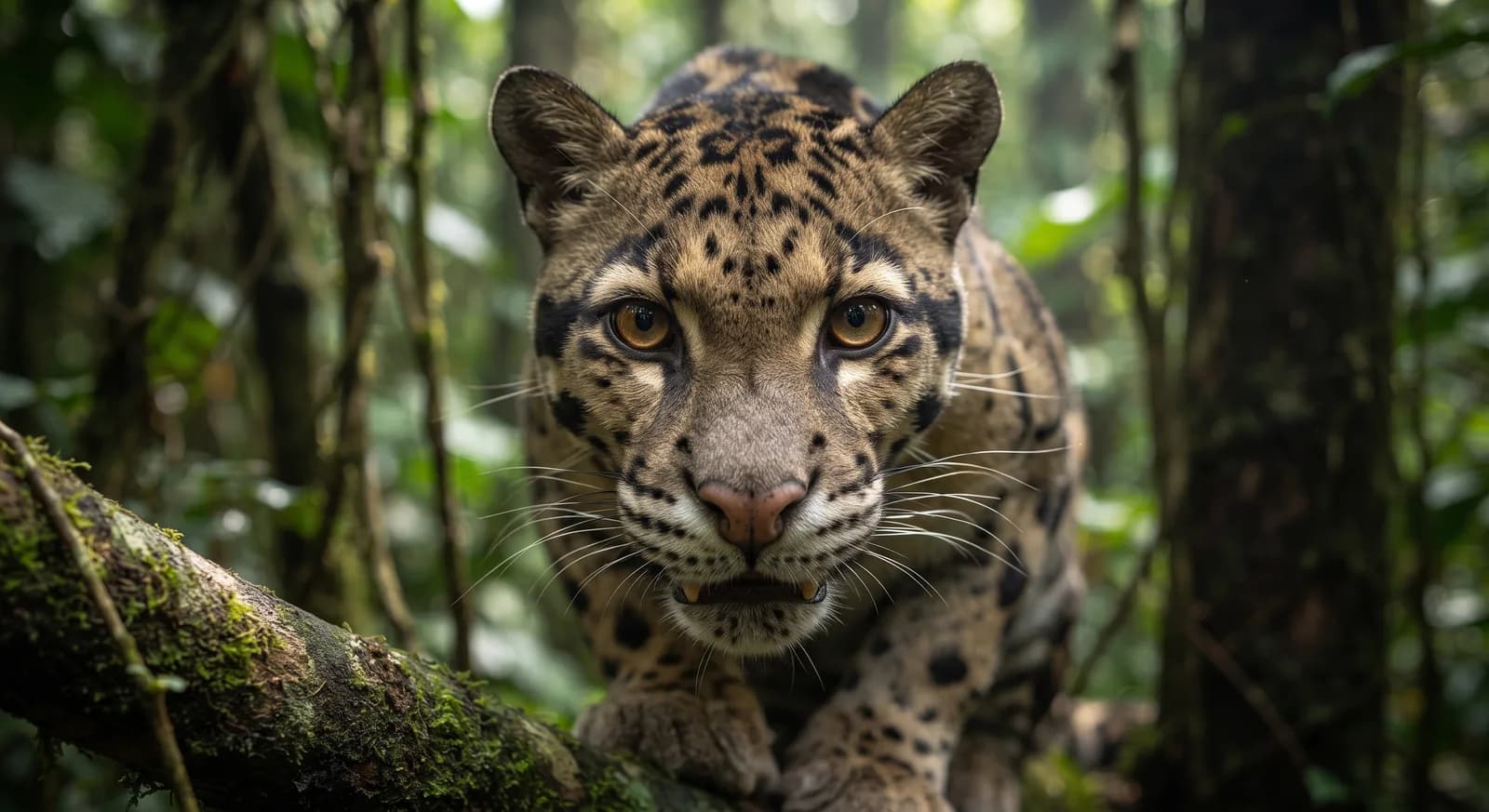
Clouded Leopard
Neofelis nebulosa
Pallas' Cat
Otocolobus manul
 Vulnerable
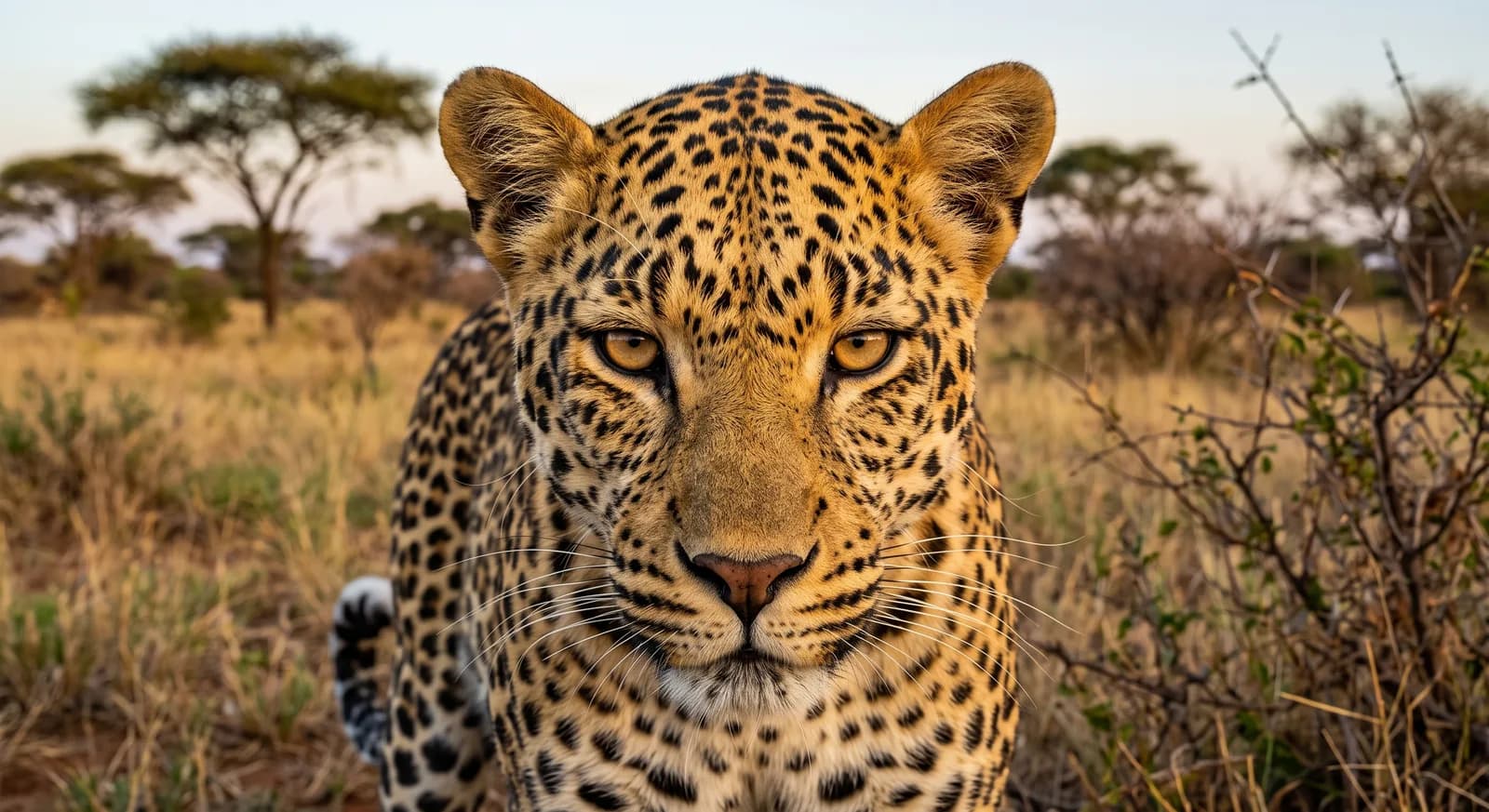
Leopard
Panthera pardus
 Endangered
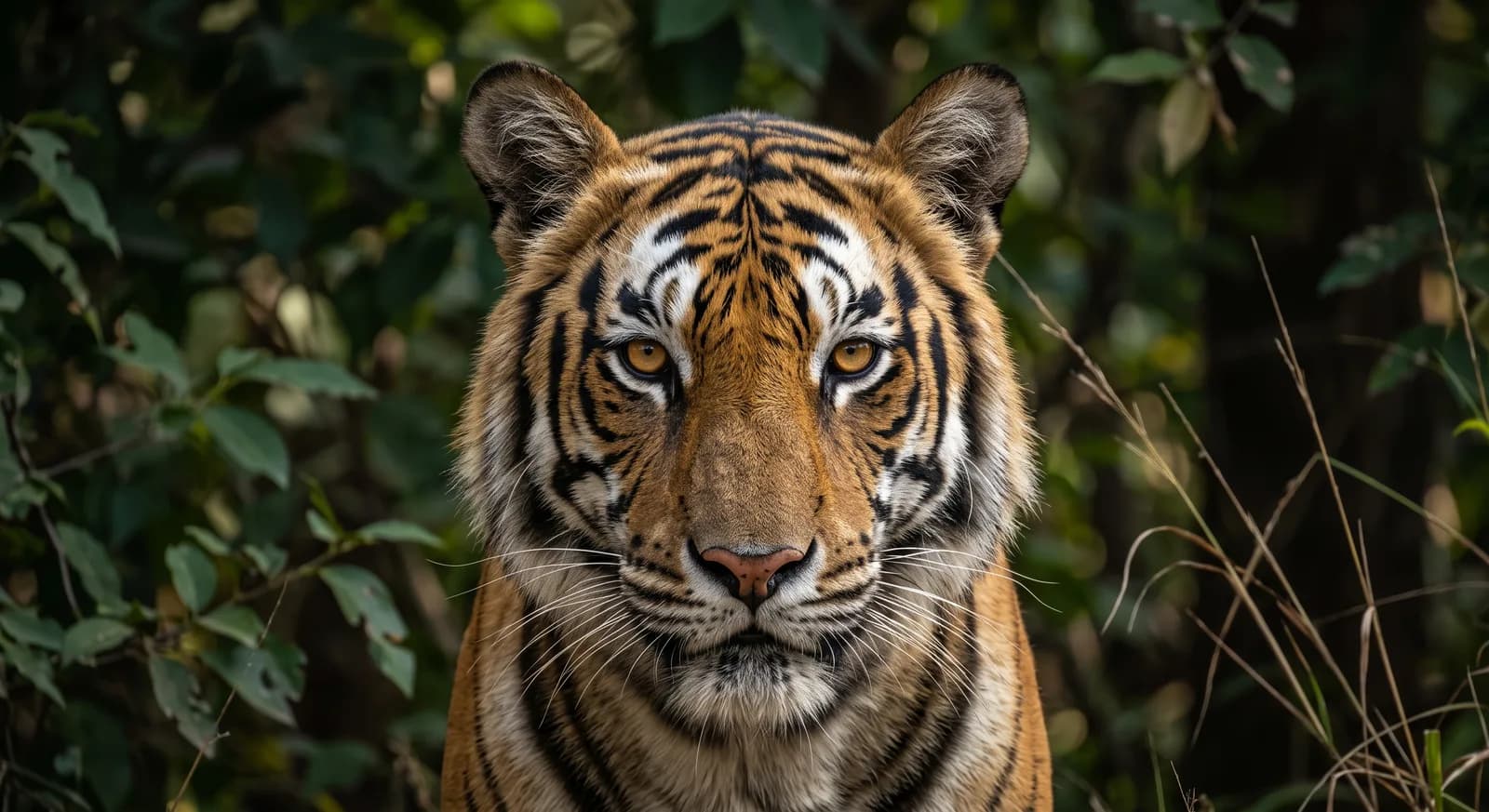
Bengal Tiger
Panthera tigris tigris
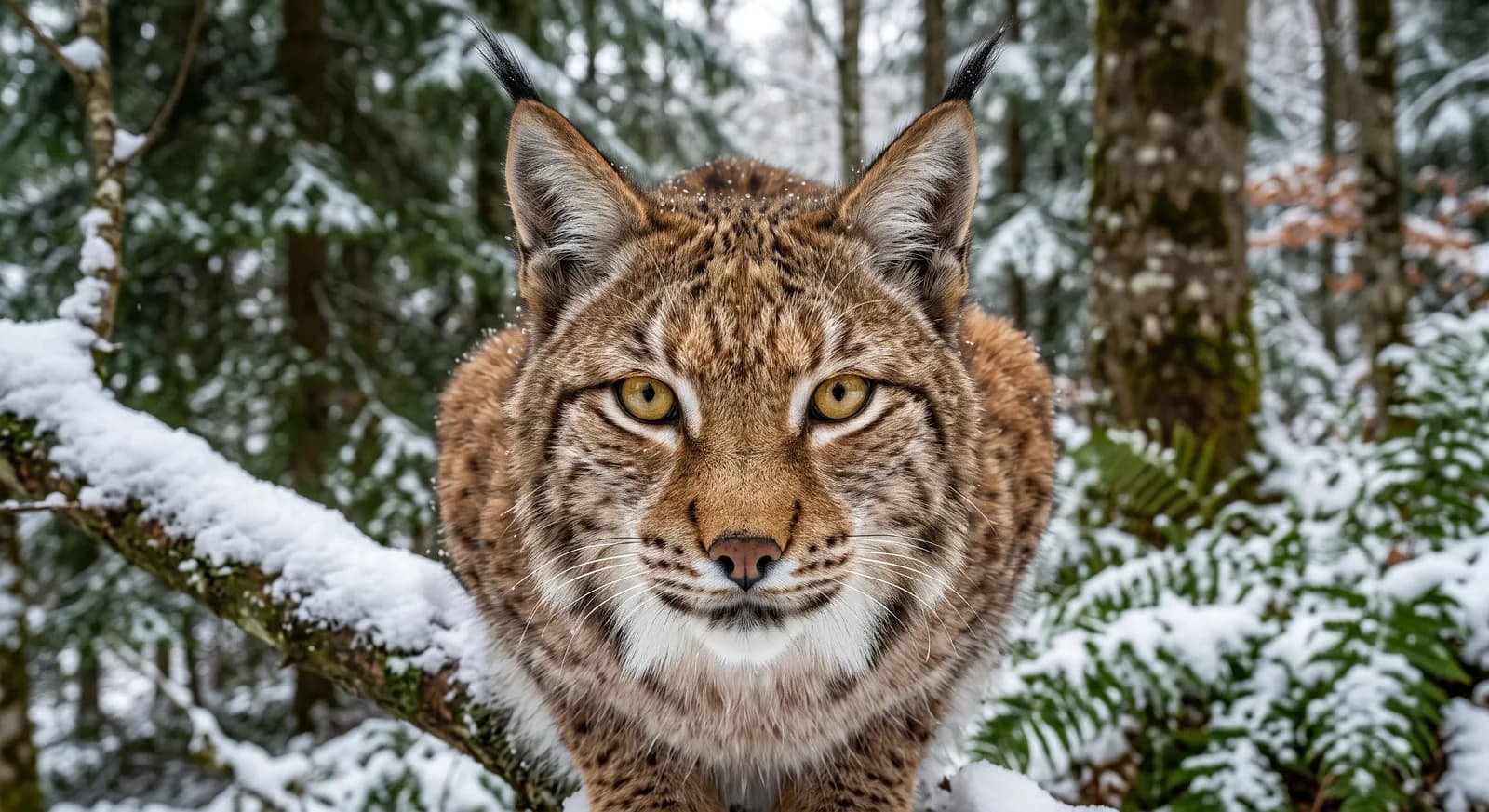 Least Concern
Eurasian Lynx
Lynx lynx
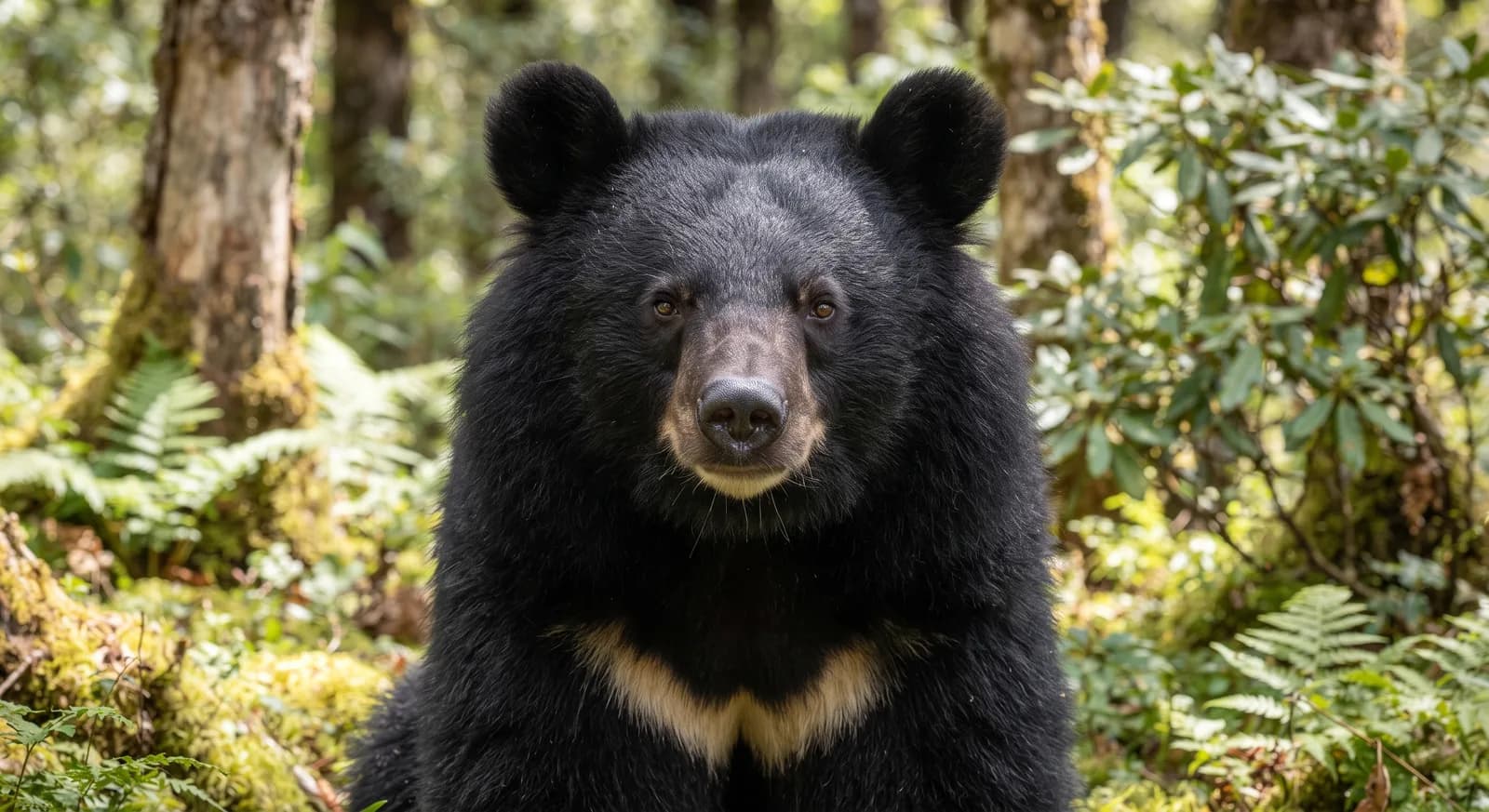 Vulnerable
Asiatic Black Bear
Ursus thibetanus
How to help
The snow leopard is classified as vulnerable. Organizations such as Snow Leopard Trust work specifically on its conservation and that of its habitat; looking into their programs is a good starting point if you want to get involved.
It's documented in 10 real protected areas — part of why protecting these places matters for its conservation.
Keep exploring
Based on what we already know about snow leopard.
Comments
Share an experience, a fun fact or a tip for seeing the snow leopard.
Be the first to comment.