Russia
Asia
Russia is the largest country in the world and holds a decisive share of the northern hemisphere's ecosystems: around a fifth of all the forests on the planet, the largest continuous expanse of taiga, immense Arctic tundra and peatlands such as those of western Siberia, the most extensive that exist. Lake Baikal, the deepest and oldest on Earth, holds close to a fifth of the planet's unfrozen liquid fresh water and a fauna that evolved in isolation for millions of years. Kamchatka concentrates active volcanoes, salmon rivers and one of the highest brown bear densities in the world, alongside the Steller's sea eagle. In the far southeast, the temperate taiga of Ussuri is the last refuge of the Siberian tiger and the Amur leopard. Wrangel Island, in the Arctic, is the greatest polar bear nursery in the world.
The nature of Russia
National animal: The brown bear is the de facto national animal; the double-headed eagle is the emblem of the state
Did you know?
The Baikal seal is the only seal on the planet that lives exclusively in fresh water. Its ancestors arrived from the Arctic some two million years ago, probably by working their way up rivers, and were left stranded more than three thousand kilometres from the nearest sea. It has adapted so completely to its lake that it can dive for more than twenty minutes and spends the winter under the ice, keeping breathing holes open by scraping them with its claws.
Biodiversity profile
Climate
- •Continental subartico (Dfc/Dfd) en la mayor parte de Siberia
- •Continental humedo (Dfb) en la Rusia europea
- •Tundra (ET) en el extremo norte artico
- •Clima subtropical humedo en pequeños enclaves del sur (Sochi, costa del Mar Negro)
Main biomes
- •Taiga siberiana (mayor bosque continuo del planeta, mas extenso que la selva amazonica)
- •Tundra artica (norte)
- •Estepa euroasiatica (sur de la Rusia europea y Siberia occidental)
- •Bosque mixto de la llanura europea (oeste)
- •Taiga boreal
- •Estepa continental
- •Lago antiguo
- •Volcán activo
- •Bosque templado de Ussuri
- •Banquisa polar
Marine and coastal ecosystems
- •Costas del Artico, el Pacifico, el Baltico, el Mar Negro y el Mar Caspio, con ecosistemas marinos de gran diversidad regional (colonias de aves en el Mar de Ojotsk, focas del Baltico y el Artico)
Flagship wildlife
- •Tigre de Amur (En Peligro, extremo oriente ruso)
- •Oso pardo (mayor poblacion del mundo)
- •Grulla siberiana (En Peligro Critico, taiga y tundra del noreste)
- •Rata almizclera del Amur y lemming
- •Tigre siberiano
- •Leopardo de Amur
- •Oso polar
- •Foca del Baikal
- •Pigargo gigante
- •Reno
- •Glotón
- •Morsa
- •Buey almizclero
Notable endemic species
- •Especies endemicas de la taiga siberiana noreste incluyen Draba majae, Magadania olaensis y Taraxacum kolymense, entre otras plantas de distribucion muy restringida
- •Lemming del Amur, endemico de la region del taiga de Ojotsk-Manchuria
- •Foca del Baikal
- •Golomianka del Baikal
- •Ganso de Ross del Ártico ruso
- •Antílope saiga de Kalmukia
Notable threatened species
- •Grulla siberiana (En Peligro Critico)
- •Tigre de Amur (En Peligro, poblacion en recuperacion parcial en el extremo oriente ruso)
- •Perdida de 640.000 km2 de cobertura arborea en las ultimas dos decadas (8,4% de reduccion), equivalente al 17% de la deforestacion global
Notable protected areas
- •Zapovedniks de reserva estricta (101 en total, la figura de proteccion mas rigurosa de Rusia)
- •Reservas del extremo oriente ruso (habitat del tigre de Amur)
- •Reserva del Lago Baikal
- •Parque Natural de los Volcanes de Kamchatka
- •Reserva de la Isla de Wrangel
- •Parque Nacional de la Tierra del Leopardo
- •Reserva de Sijoté-Alín
- •Reserva de Kronotsky
Main conservation threats
- •Deforestacion acelerada (17% de la perdida forestal global reciente ocurre en Rusia)
- •Contaminacion y tala ilegal
- •Recortes de financiamiento y sanciones internacionales tras la invasion de Ucrania, que han dificultado el progreso de los planes de conservacion segun evaluaciones recientes
Notable natural phenomena
- •Rusia alberga los mayores sistemas de humedales del mundo (1,8 millones de km2 de turberas y marismas) y una masa forestal (7,76 millones de km2) mayor que la selva amazonica completa
Conservation
The Amur leopard is one of the rarest big cats in the world and has gone from a few dozen animals to a little over a hundred thanks to the Land of the Leopard park. The saiga antelope, after a catastrophic crash, is recovering on the steppes of the southwest.
Where and when to watch wildlife
Kamchatka between July and September for brown bears fishing salmon. Baikal in winter for the transparent ice and in summer for seals on the islets. Ussuri in winter to track Siberian tiger.
Rusia es un pais transcontinental cuya porcion asiatica (Siberia) representa la mayor parte de su territorio y biodiversidad; esta ficha cubre el pais en su conjunto dado que fue procesado dentro del bloque de paises de Europa del Este del proyecto.
Sources: BioDB.com - Russia | One Earth - Northeast Siberian Taiga | One Earth - Scandinavian and Russian Taiga | Wikipedia - West Siberian taiga
Parks and reserves
Baikal (Baikalsky Nature Reserve)
It protects part of the oldest, deepest and largest lake on the planet, over 25 million years old
View parkNature ReserveBaikalsky
The southern slope of Lake Baikal over the Khamar-Daban range, a biosphere reserve since 1986.
View parkNature ReserveBarguzinsky
Russia's first protected area, created in 1916 to save the Barguzin sable from extinction.
View parkNature ReserveKavkazsky
The largest protected area in the western Caucasus, where the European bison was brought back after dying out locally.
View parkNature ReserveKronotsky
The volcanic heart of Kamchatka, with the Valley of Geysers and one of the most perfect volcanic cones in the world.
View parkNature ReserveSijoté-Alín
The Ussuri taiga of the Russian Far East, the world centre for Amur tiger monitoring.
View parkStrict Nature Reserve (Zapovednik)Sikhote-Alin
The last significant stronghold of the Amur or Siberian tiger, the largest cat in the world
View parkNature ReserveAltaisky
The eastern shore of Lake Teletskoye and the Altai mountains, one of Russia's oldest and largest zapovedniks.
View parkNature Park / World Heritage SiteColumnas de Lena
Limestone formations over 500 million years old along the River Lena; a key site for early Cambrian fauna
View parkNational ParkCurlandia (Rusia)
The Russian half of the Curonian Spit, a 98 km dune barrier inscribed as a cultural landscape, not a natural one.
View parkDiving and snorkelling
Cueva de Orda (Ordinskaya)
The largest underwater gypsum cave in the world and the longest cave in Russia: some 5.1 km of passage, of which about 4.8 km are flooded. It contains the longest sump in the former Soviet Union, at 935 m. Enormous chambers up to some 76 m wide alternate with extremely tight squeezes. The mineral ground filters the water so thoroughly that visibility exceeds 45 m.
View dive siteFreshwater lake under iceLake Baikal
The deepest and oldest lake in the world, with under-ice visibility of up to 40 m and unique endemic wildlife.
View dive siteEspecies documentadas en Russia
634 species found
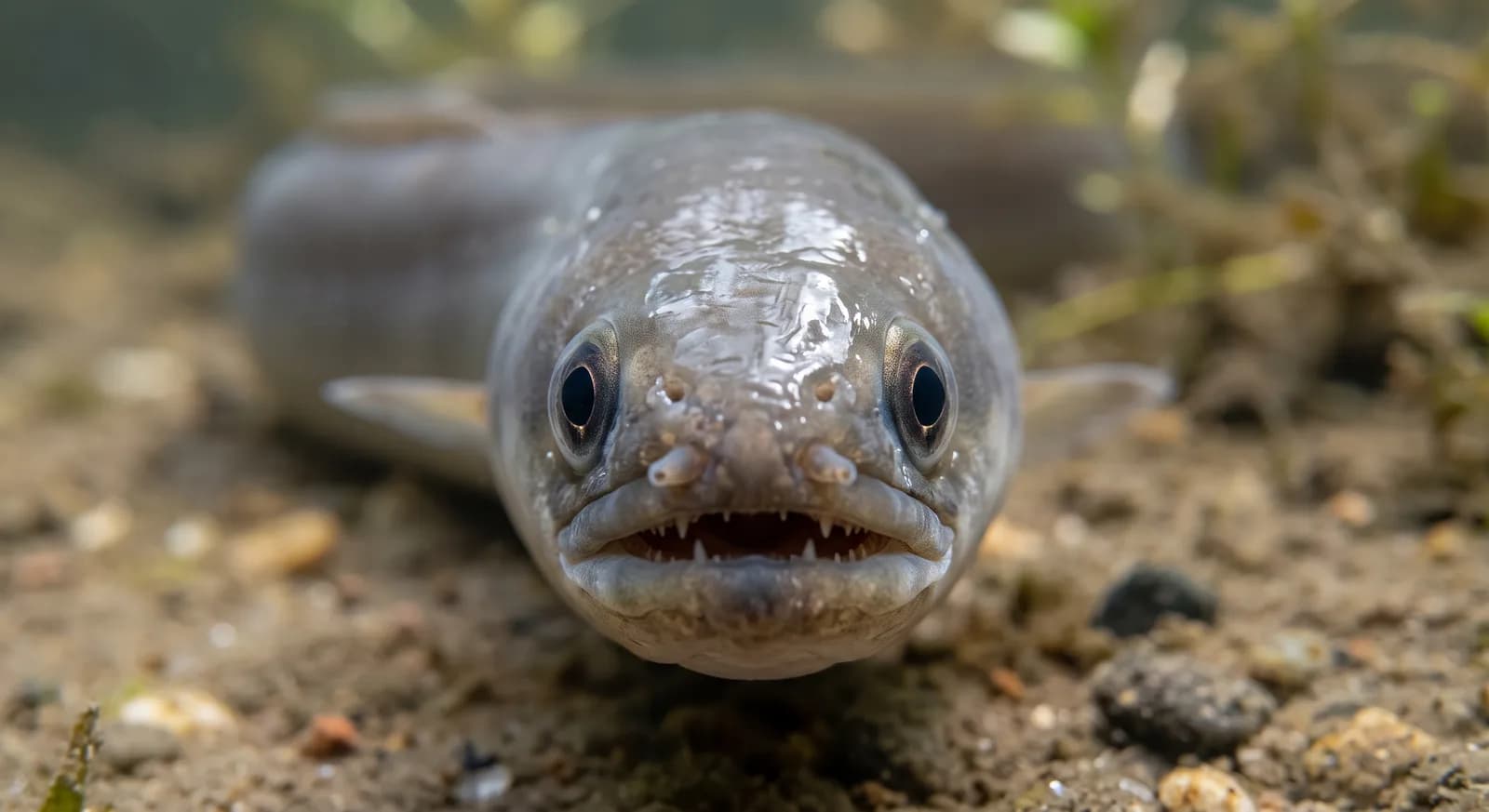 Critically Endangered
European Eel
Anguilla anguilla
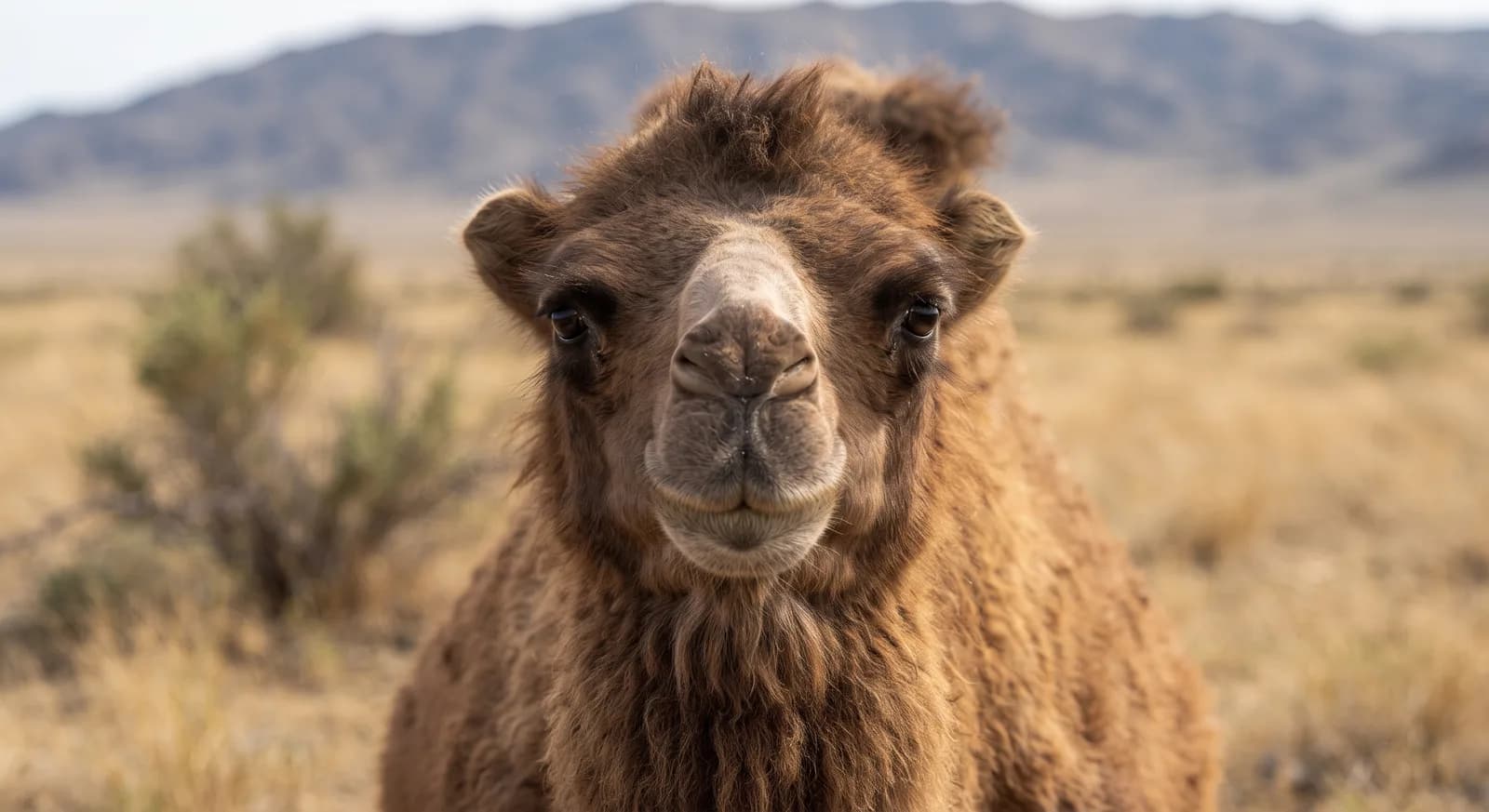 Critically Endangered
Bactrian Camel
Camelus bactrianus
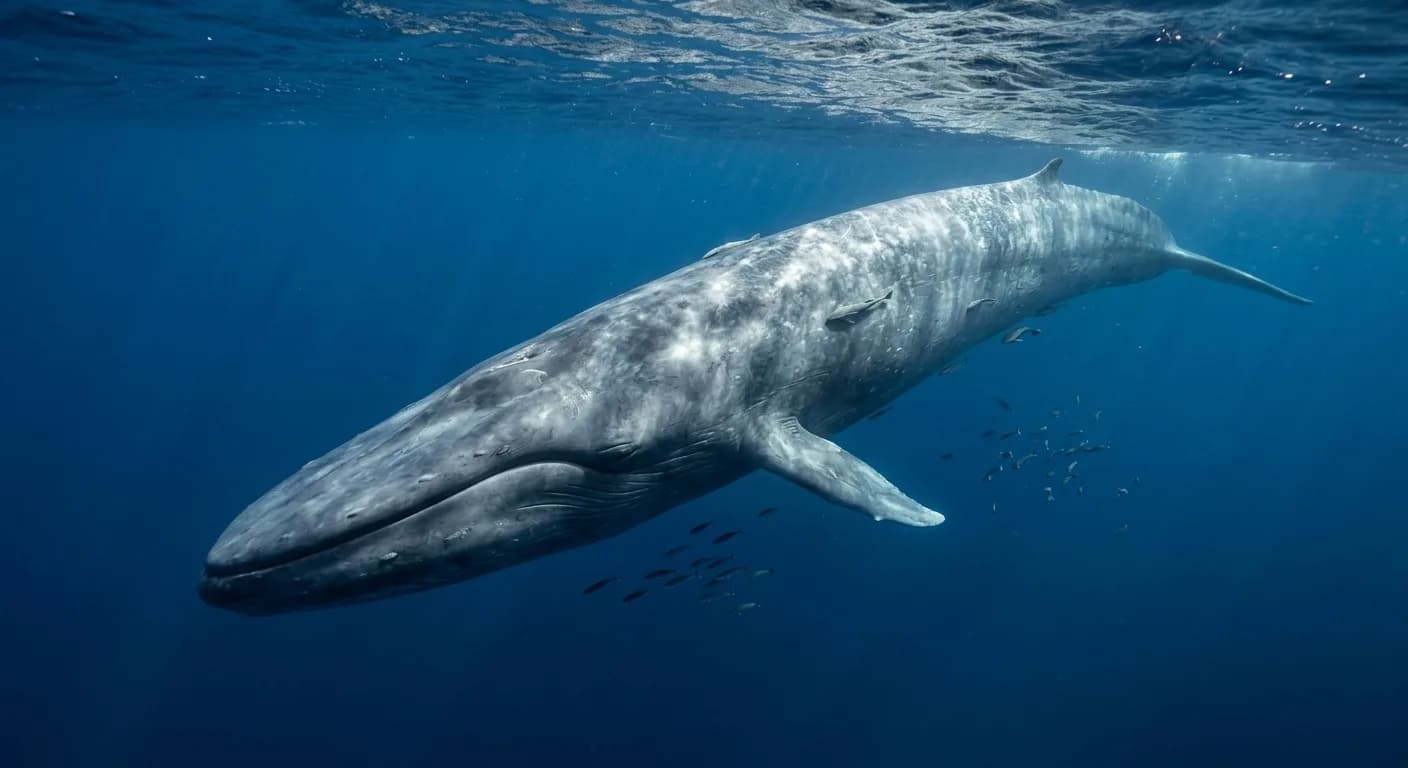 Endangered
Blue Whale
Balaenoptera musculus
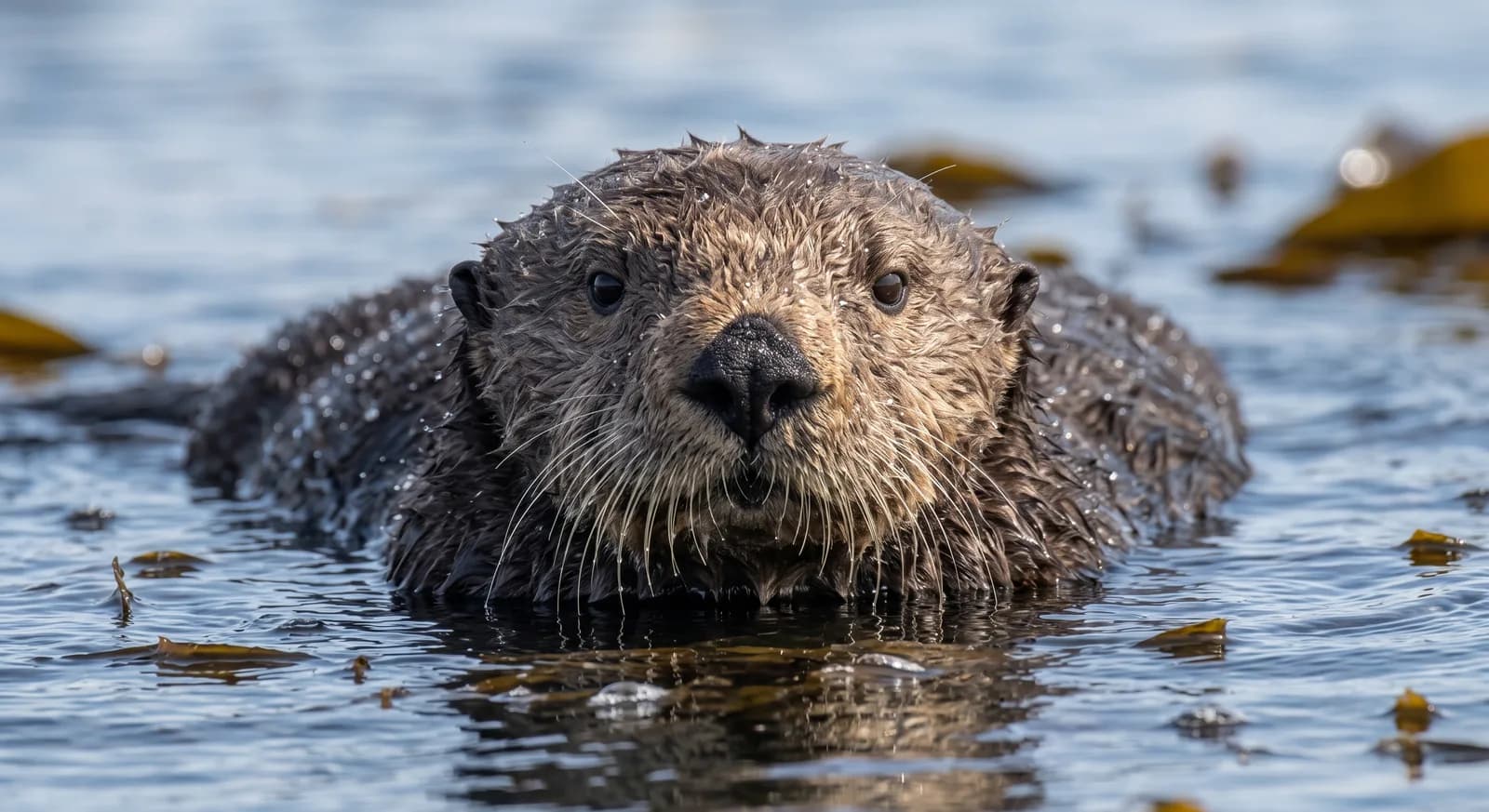 Endangered
Sea Otter
Enhydra lutris
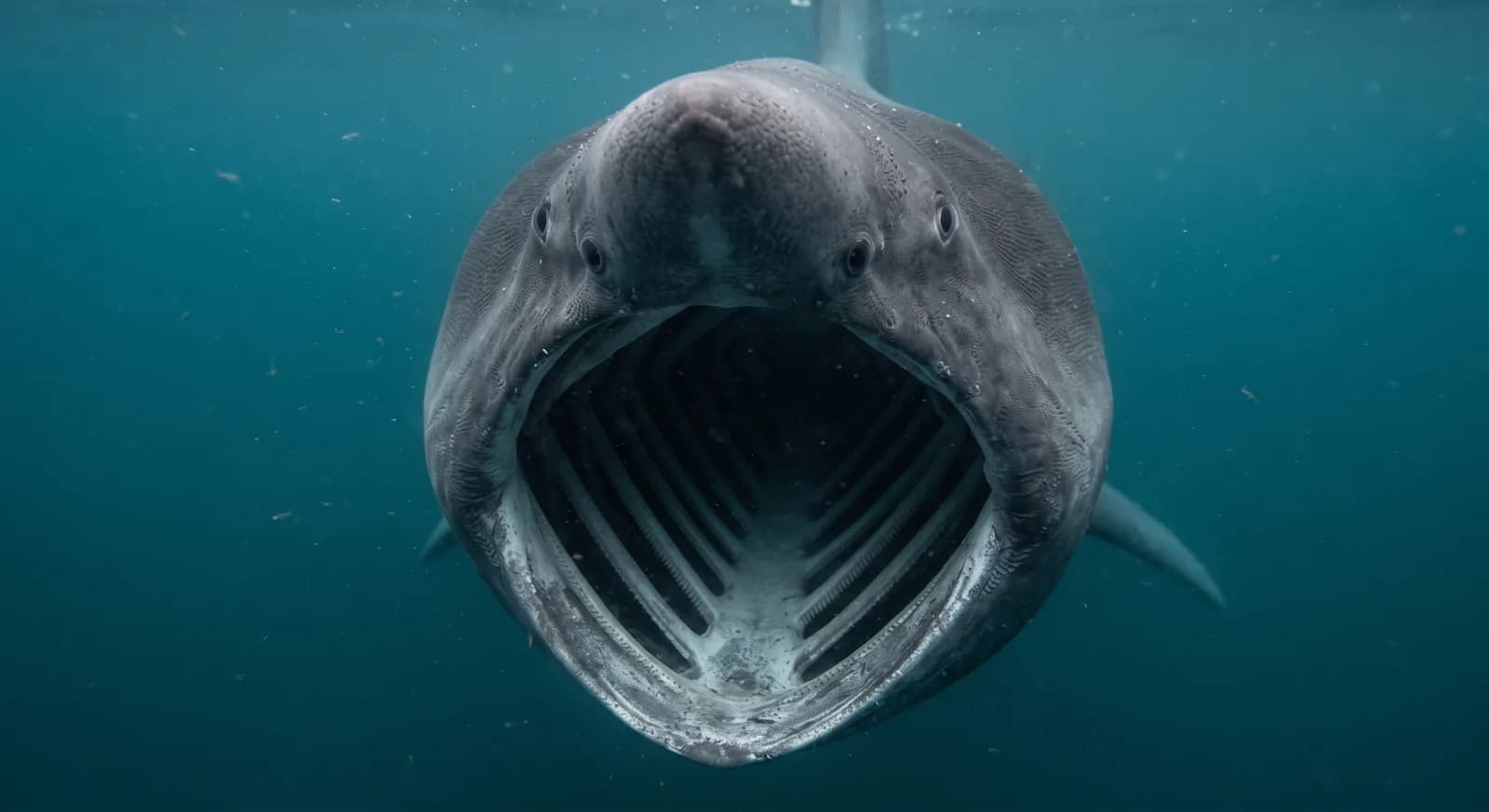 Endangered
Basking Shark
Cetorhinus maximus
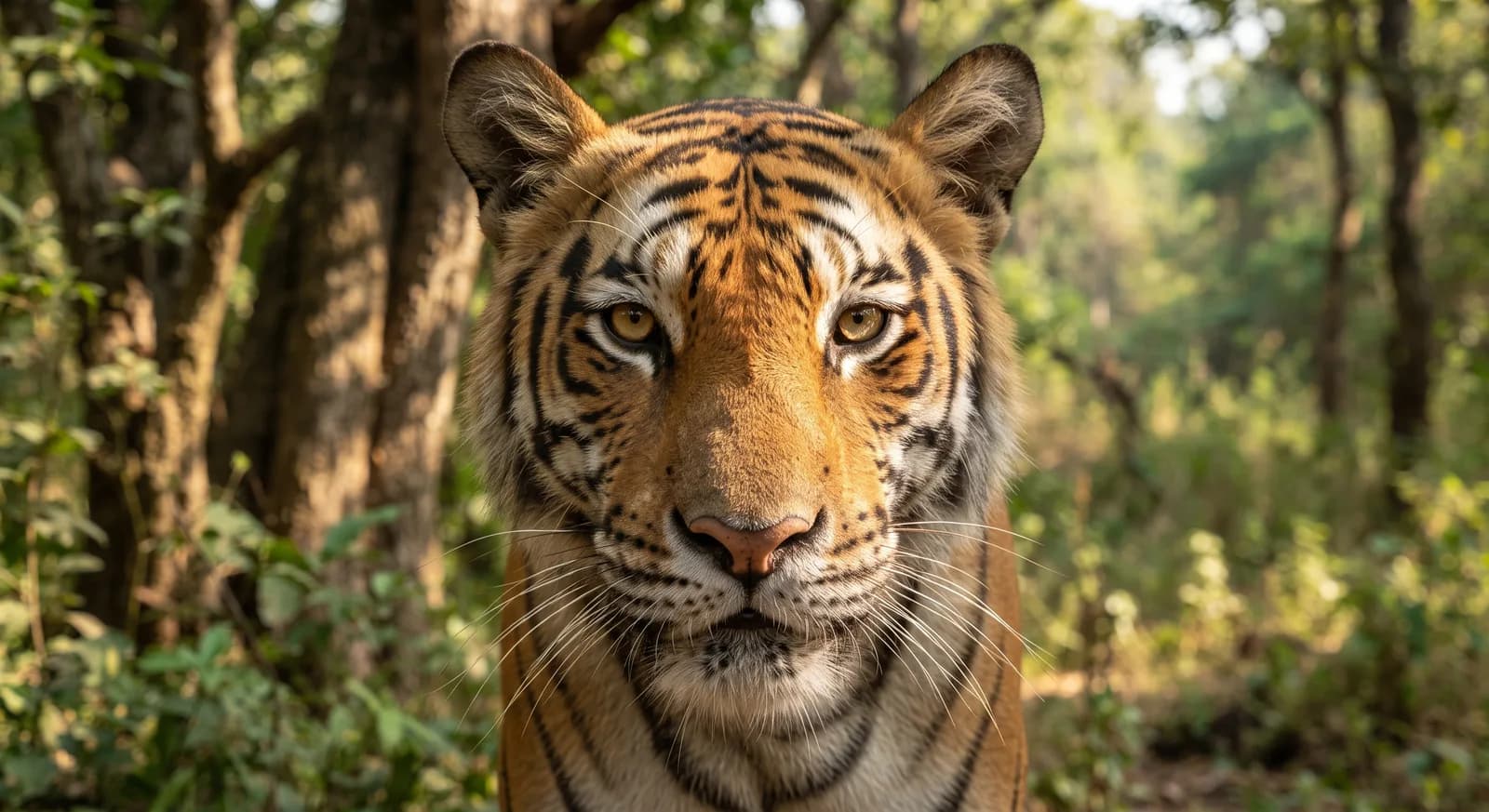 Endangered
Tiger
Panthera tigris
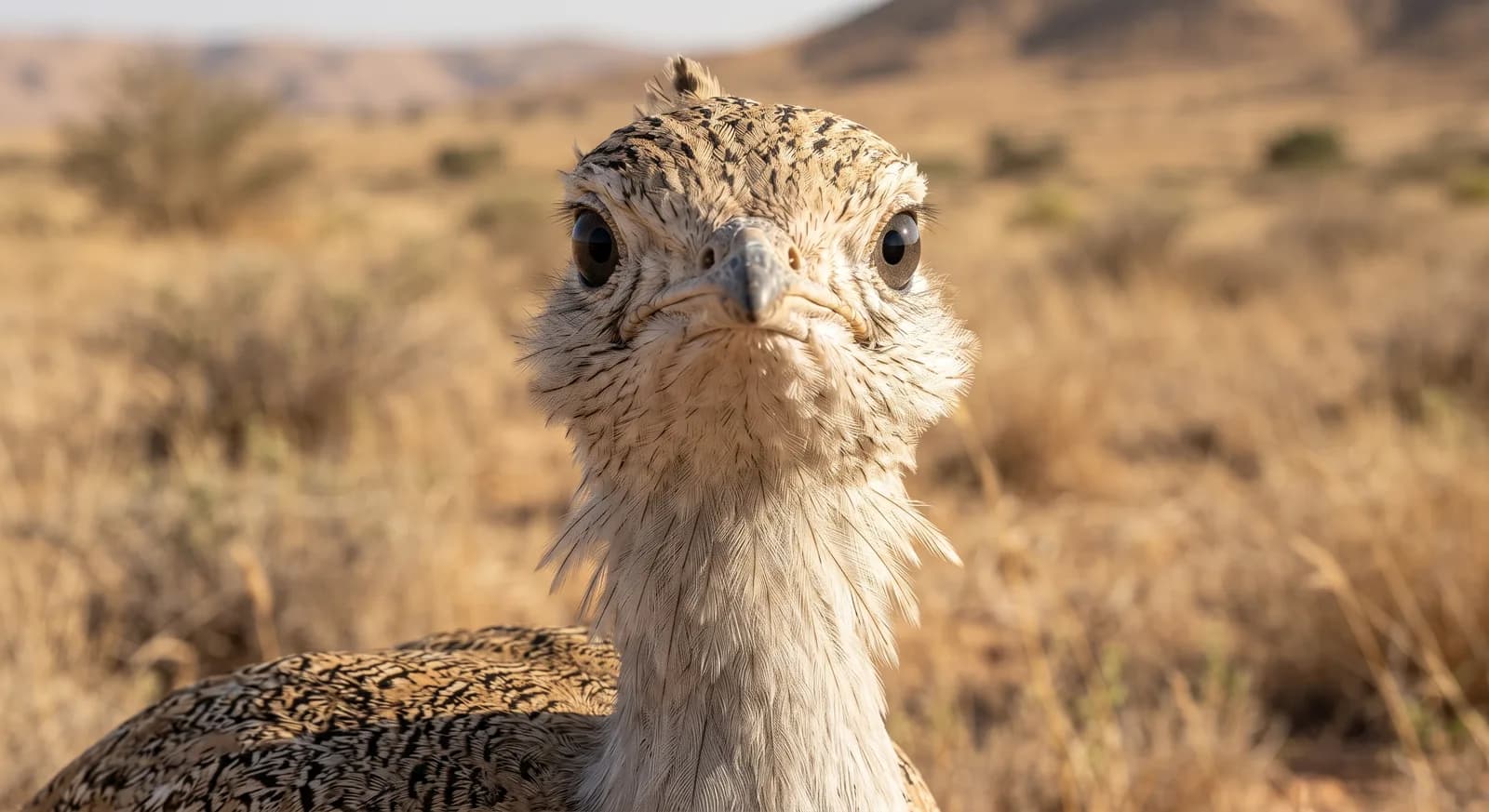 Vulnerable
Houbara Bustard
Chlamydotis undulata
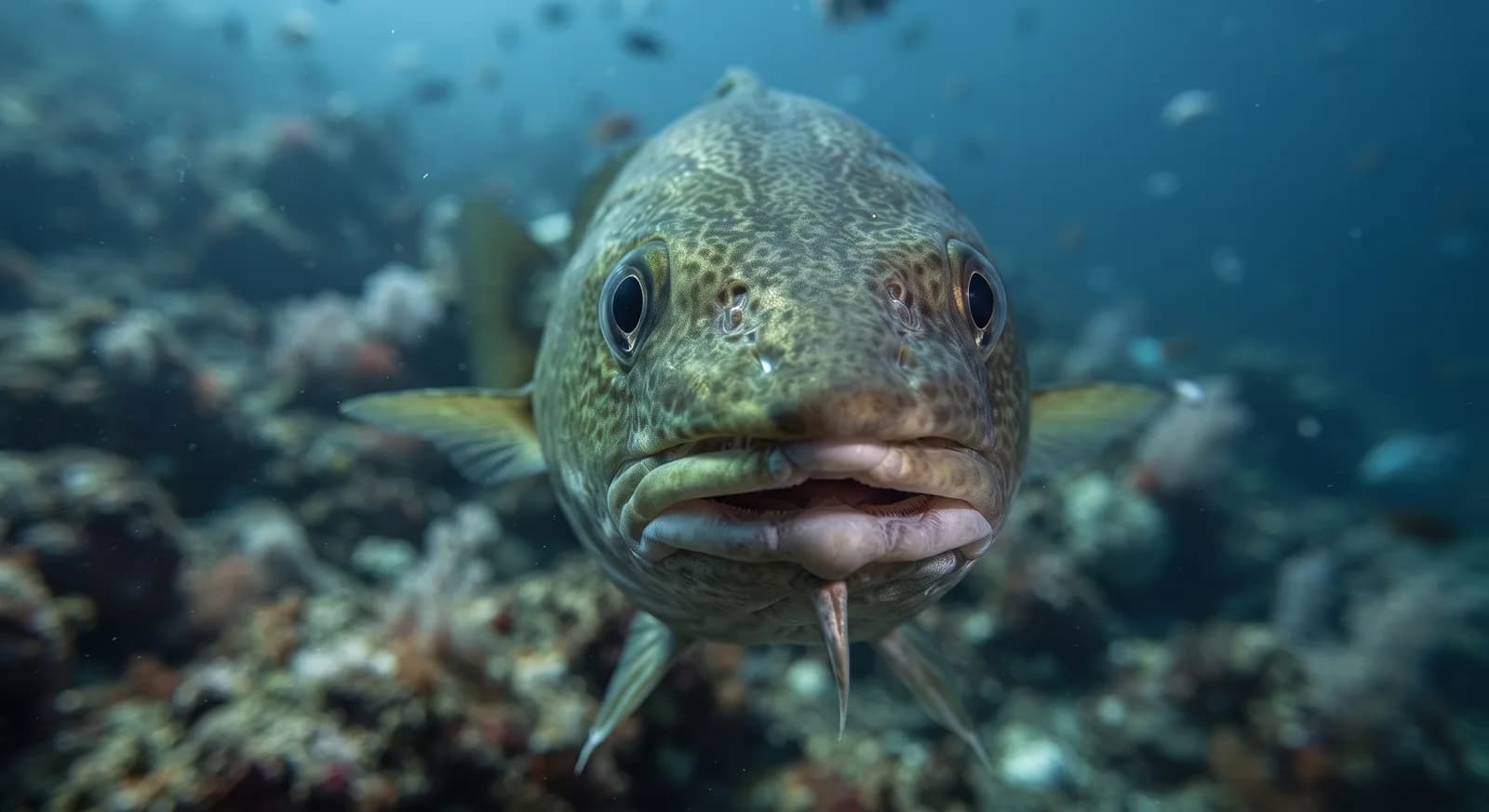 Vulnerable
Cod
Gadus morhua
 Vulnerable
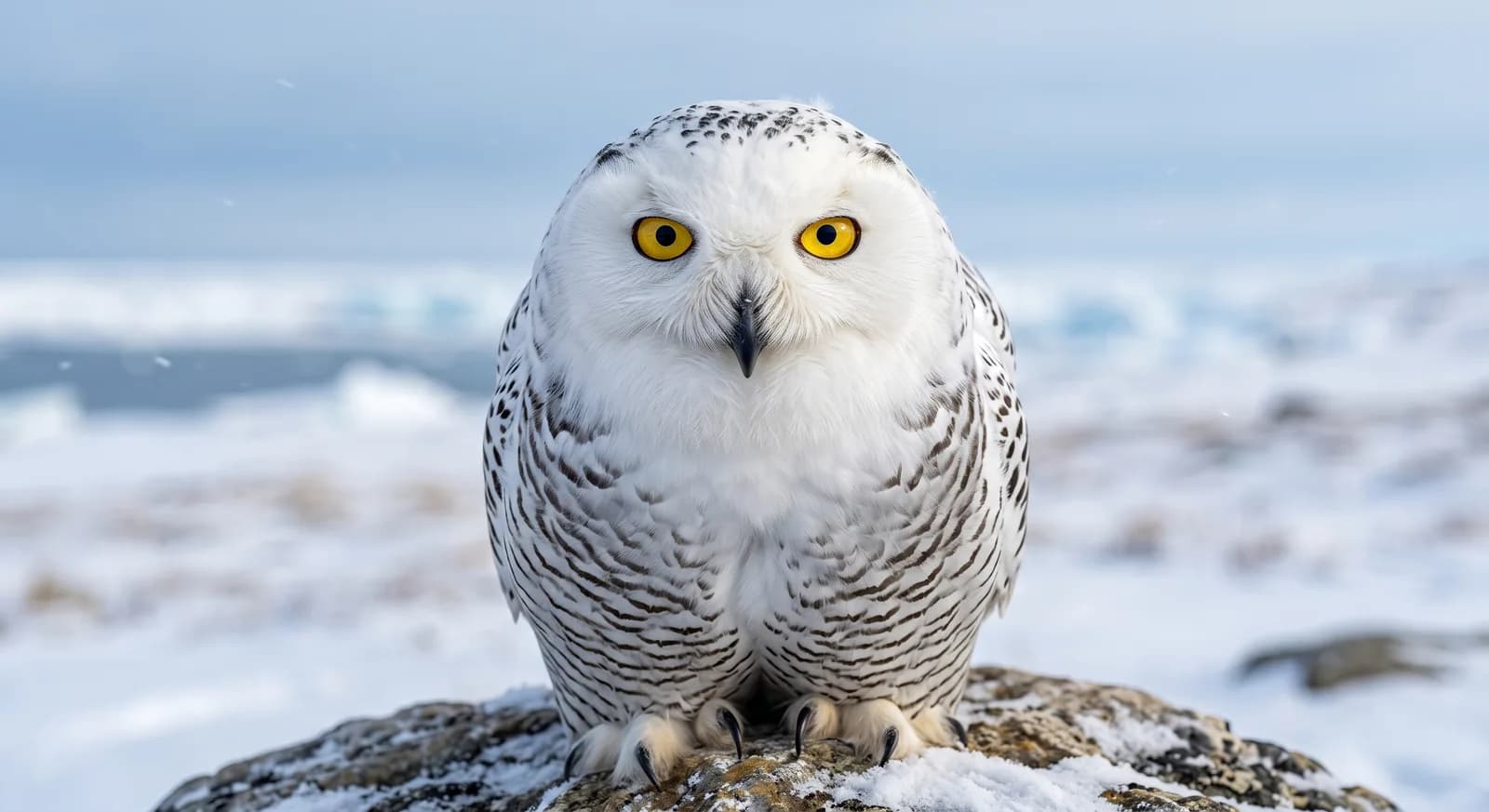
Snowy Owl
Bubo scandiacus
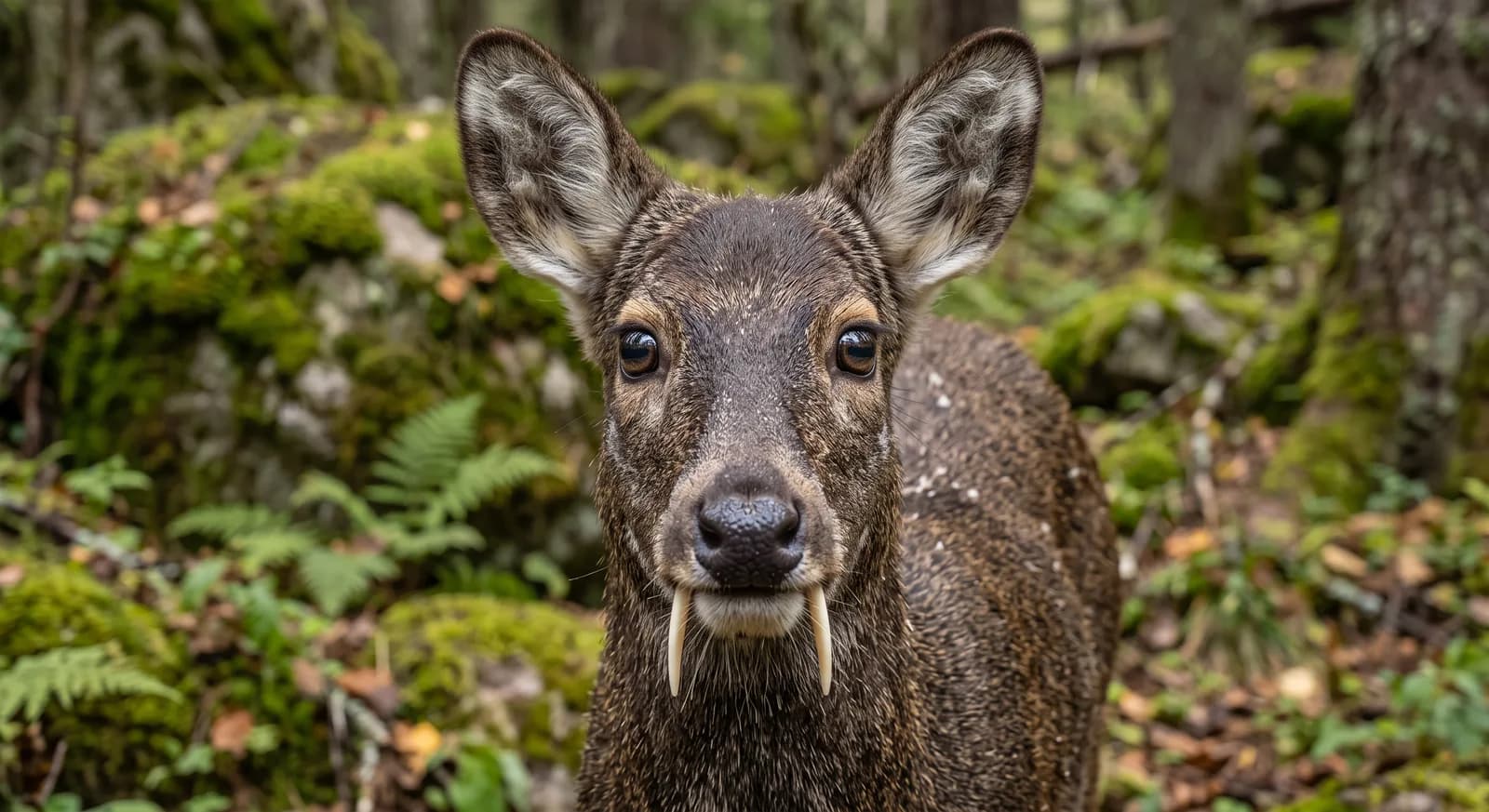 Vulnerable
Siberian Musk Deer
Moschus moschiferus
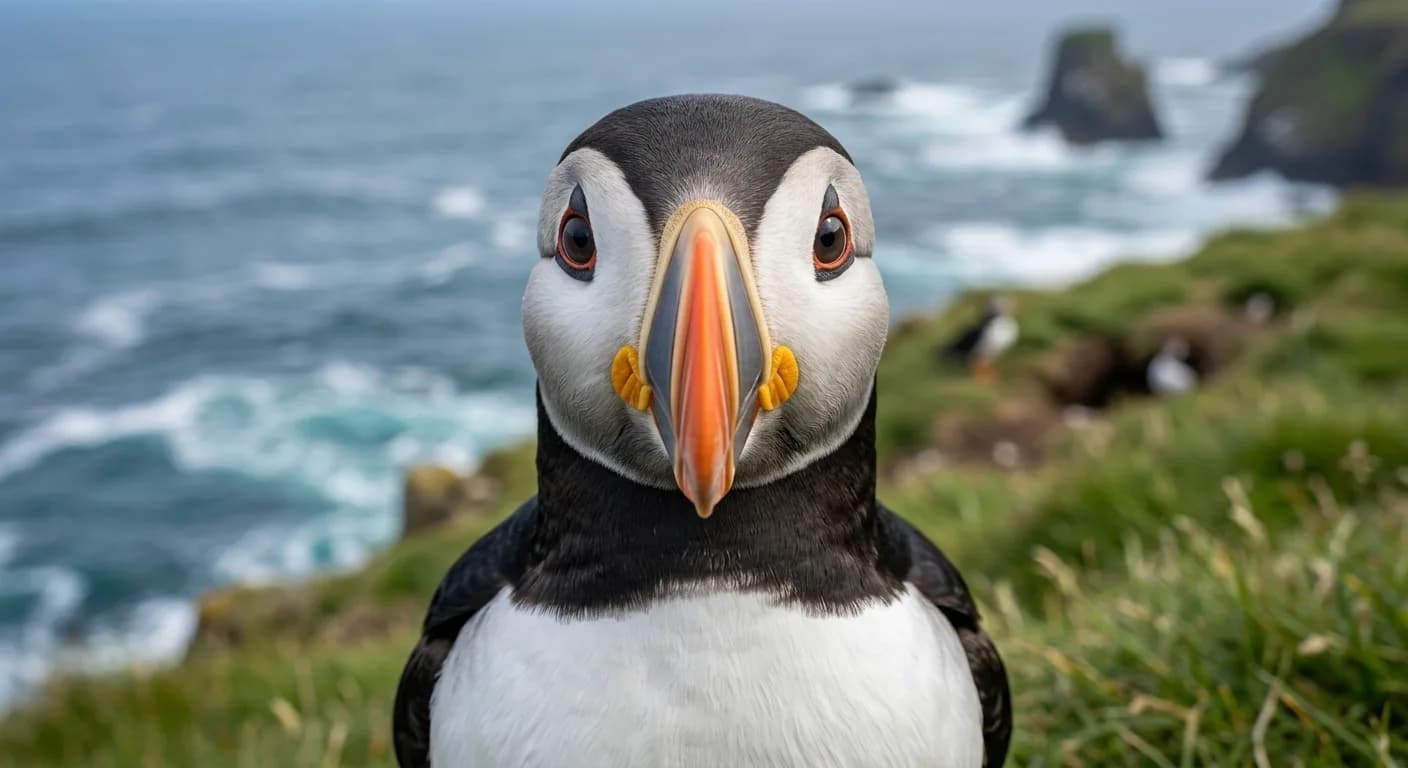 Vulnerable
Atlantic Puffin
Fratercula arctica
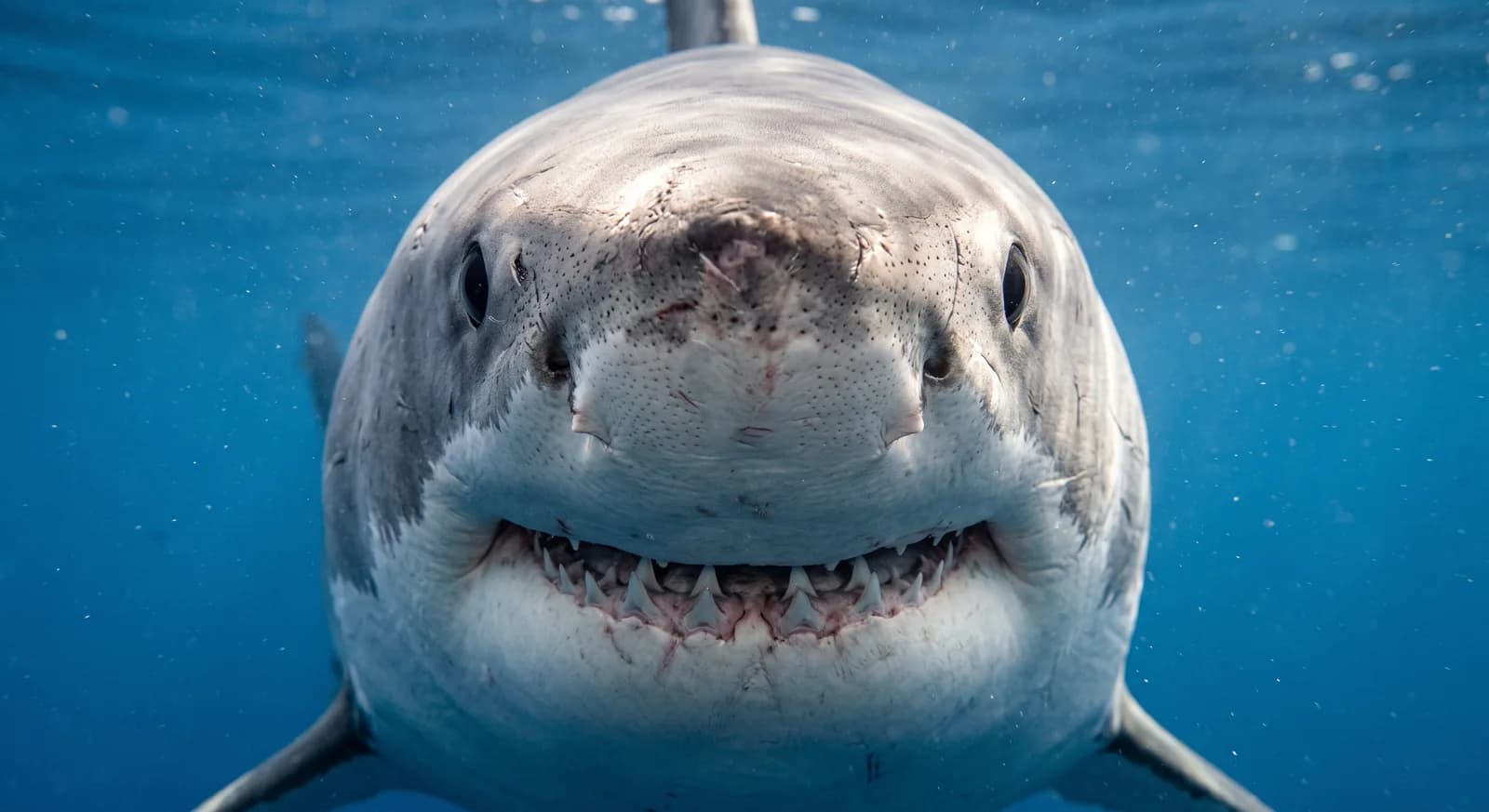 Vulnerable
Great White Shark
Carcharodon carcharias
Keep exploring
Based on what we already know about Russia.