Slovakia
Europa
Slovakia is the most mountainous country in central Europe: the Carpathians take up much of its territory and culminate in the High Tatras, the smallest alpine range in the world, with glacial cirques, high-altitude lakes and rock faces above 2,600 metres. Its forests, covering close to forty per cent of the country, include primeval beech woods recognised as World Heritage and support one of the highest brown bear densities in Europe, along with wolves, lynx and wildcats. To the east, the Slovak Paradise is a maze of limestone gorges crossed by walkways and waterfalls, and the Slovak karst, shared with Hungary, holds hundreds of caves, among them cavities with permanent ice formations. The Danube lowlands, in the southwest, add riverside woodland, side channels and a waterbird fauna quite unlike that of the mountains.
The nature of Slovakia
National animal: The brown bear is the national emblematic animal; the double cross is the state's heraldic symbol
Did you know?
The Tatra chamois is a subspecies left isolated in those mountains as the glaciers withdrew and exists nowhere else in the world. In the late 1990s its population crashed below two hundred animals through poaching and tourist pressure. Restrictions on access to the high ground and permanent surveillance have allowed it to pass a thousand animals today, split between Slovakia and Poland.
Biodiversity profile
Climate
- •Continental humedo (Dfb) en la mayor parte del pais
- •Clima de alta montaña en los Tatras (Gerlachovsky stit, 2.655 m, pico mas alto de los Carpatos)
- •Clima mas suave en las tierras bajas del sur (valle del Danubio)
Main biomes
- •Bosque de montaña de los Carpatos (bioma dominante, cubre gran parte del territorio montañoso)
- •Bosque caducifolio de tierras bajas (sur, valle del Danubio)
- •Alta montaña alpina
- •Hayedo primario
- •Garganta caliza
- •Cueva de hielo
- •Bosque de ribera danubiano
- •Pastizal de altitud
- •Turbera
Marine and coastal ecosystems
- •No aplica (pais sin litoral)
Flagship wildlife
- •Oso pardo (una de las poblaciones mas importantes de Europa Central en los Carpatos)
- •Lince euroasiatico
- •Lobo gris
- •Marmota de los Tatras (compartida con Polonia)
- •Lince boreal
- •Rebeco de los Tatras
- •Marmota alpina
- •Águila real
- •Urogallo
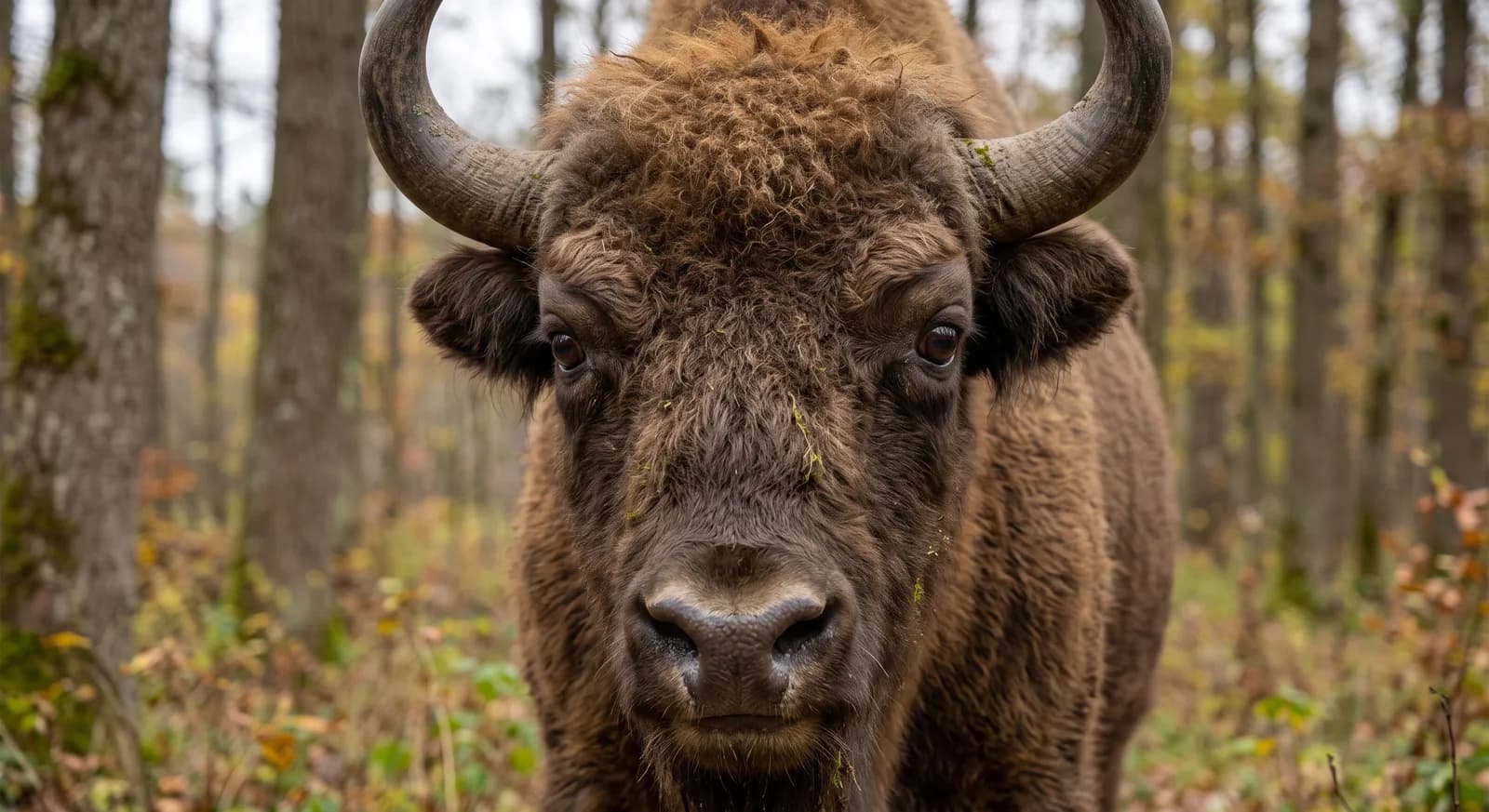
- •Bisonte europeo
- •Nutria paleártica
- •Cigüeña negra
Notable endemic species
- •Los Carpatos, que cubren gran parte de Eslovaquia, albergan aprox. 30% de la flora europea y las mayores poblaciones de oso pardo, lobo, lince y bisonte europeo del continente
- •Rebeco de los Tatras
- •Marmota de los Tatras
Notable threatened species
- •Aguila imperial (globalmente amenazada, presente en el paisaje carpatico)
- •Especies de montaña vulnerables al abandono de practicas agricolas tradicionales y a la fragmentacion de habitat
Notable protected areas
- •Parque Nacional de los Altos Tatras
- •Areas protegidas de los Carpatos, con aprox. 18% de cobertura regional total en toda la cordillera
- •Parque Nacional del Paraíso Eslovaco
- •Parque Nacional de Poloniny
- •Parque Nacional del Karst Eslovaco
- •Parque Nacional de Muránska planina
- •Parque Nacional Bajos Tatras
Main conservation threats
- •Abandono de tierras y conversion de habitat, fragmentacion, deforestacion insostenible y practicas agricolas no sostenibles en el conjunto de los Carpatos
- •Contaminacion, agravada por la ubicacion transfronteriza de muchos ecosistemas
Notable natural phenomena
- •Los Carpatos sirven de puente cultural y ecologico entre el norte y el suroeste de Europa, uniendo tres grandes cuencas hidrograficas: el Danubio, el Dniester y el Vistula
Conservation
The primeval beech forests of the Slovak Carpathians form part of the World Heritage property that groups the ancient beech woods of eighteen countries. Coexisting with a high brown bear population in tourist areas is the main management challenge.
Where and when to watch wildlife
The High Tatras between June and September for chamois and marmots. Poloniny in autumn for European bison and the deer rut. Mountain skies in spring for golden eagles displaying.
Sources: biodiversity.europa.eu - Slovakia country profile | Climate-ADAPT - Adaptation Carpathian Mountains | WorldAtlas - Biodiversity of the Carpathians
Parks and reserves
Poloniny
The tallest beeches in the world, in the first tripartite biosphere reserve on the planet.
View parkNational ParkSlovenský kras
Slovakia's first biosphere reserve, a temperate karst with more than 700 caves, 12 of them on the World Heritage List.
View parkNational ParkTatras (Eslovaquia)
Slovakia's first national park, on the northernmost alpine range in Europe.
View parkNational ParkMalá Fatra
Limestone ridges and gorges in north-western Slovakia, the country of the outlaw Jánošík.
View parkNational ParkMuránska planina
A karst plateau in central Slovakia with semi-wild Hucul horses and a flora of very high endemism.
View parkNational ParkNízke Tatry
Slovakia's largest national park, with the Demänovská ice cave and unbroken montane forests.
View parkNational ParkParaiso Eslovaco (Slovensky Raj)
Famous for its routes fitted with chains and metal ladders that climb quite literally up through its river gorges
View parkNational ParkPieniny (Eslovaquia)
The Slovak half of one of the first transboundary parks in the world, above the Dunajec gorge.
View parkNational ParkVeľká Fatra
The largest yew woodland in Europe, on a limestone massif in central Slovakia.
View parkEspecies documentadas en Slovakia
416 species found
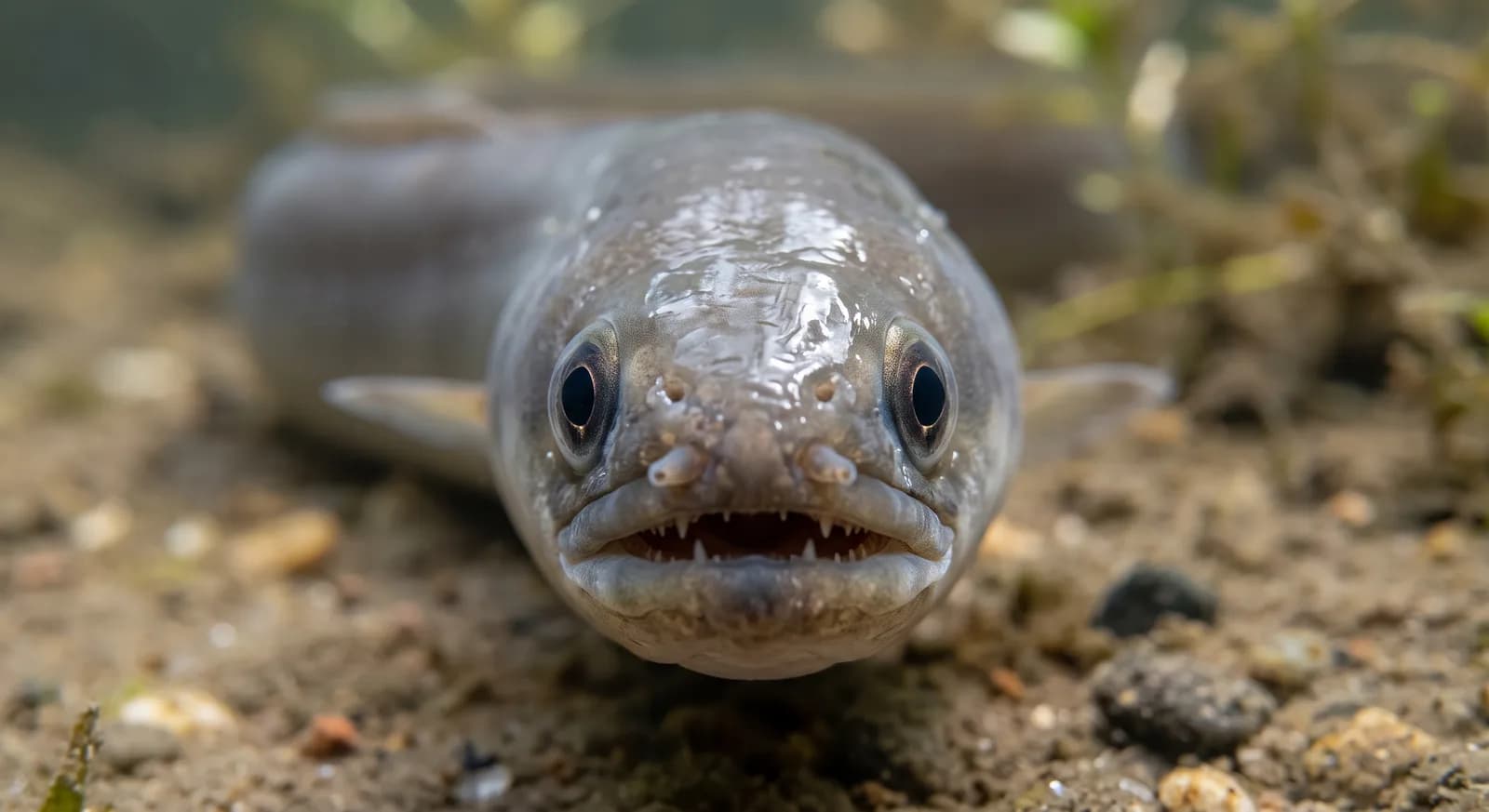 Critically Endangered
European Eel
Anguilla anguilla
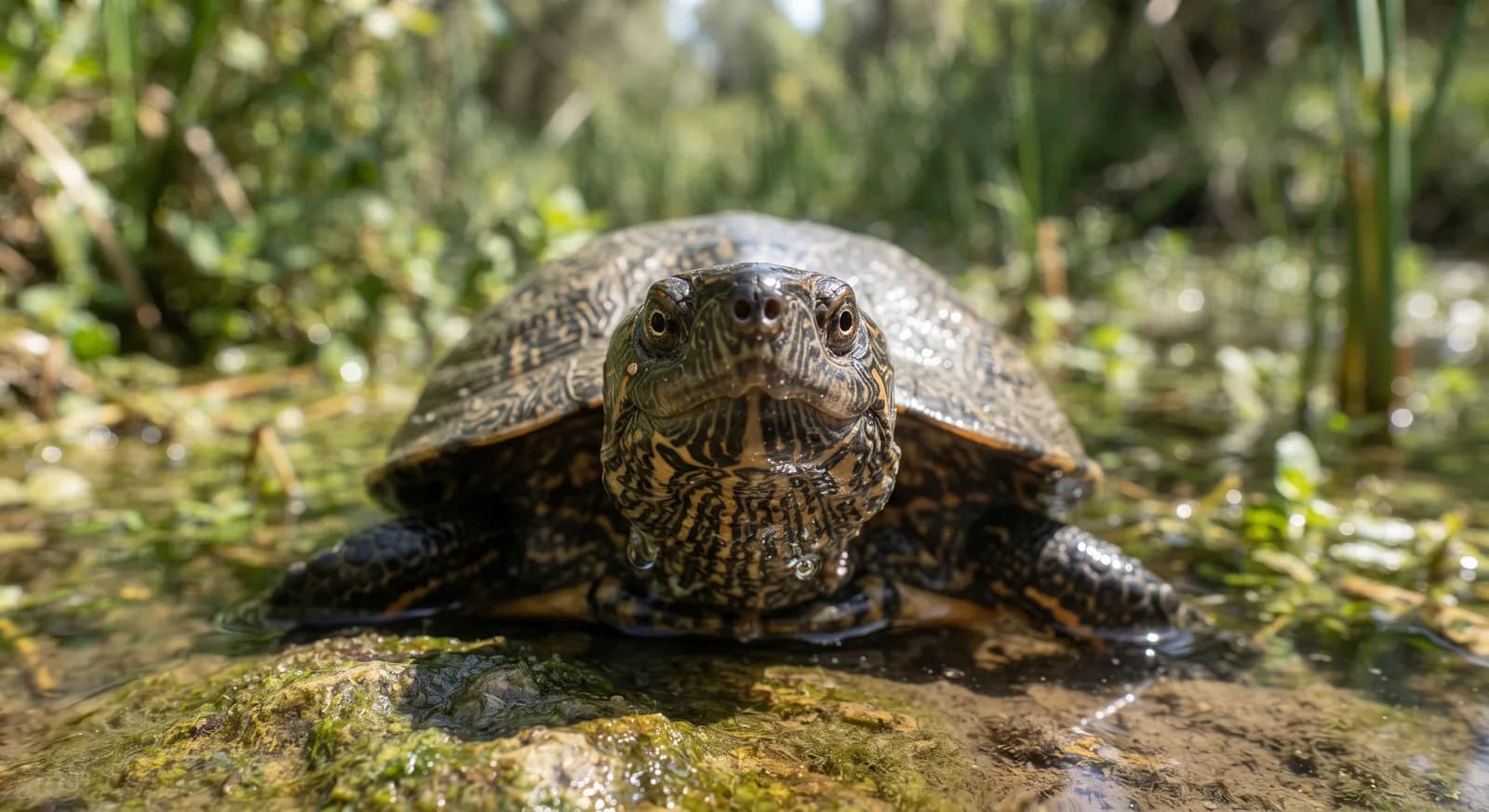 Vulnerable
Spanish Terrapin
Mauremys leprosa
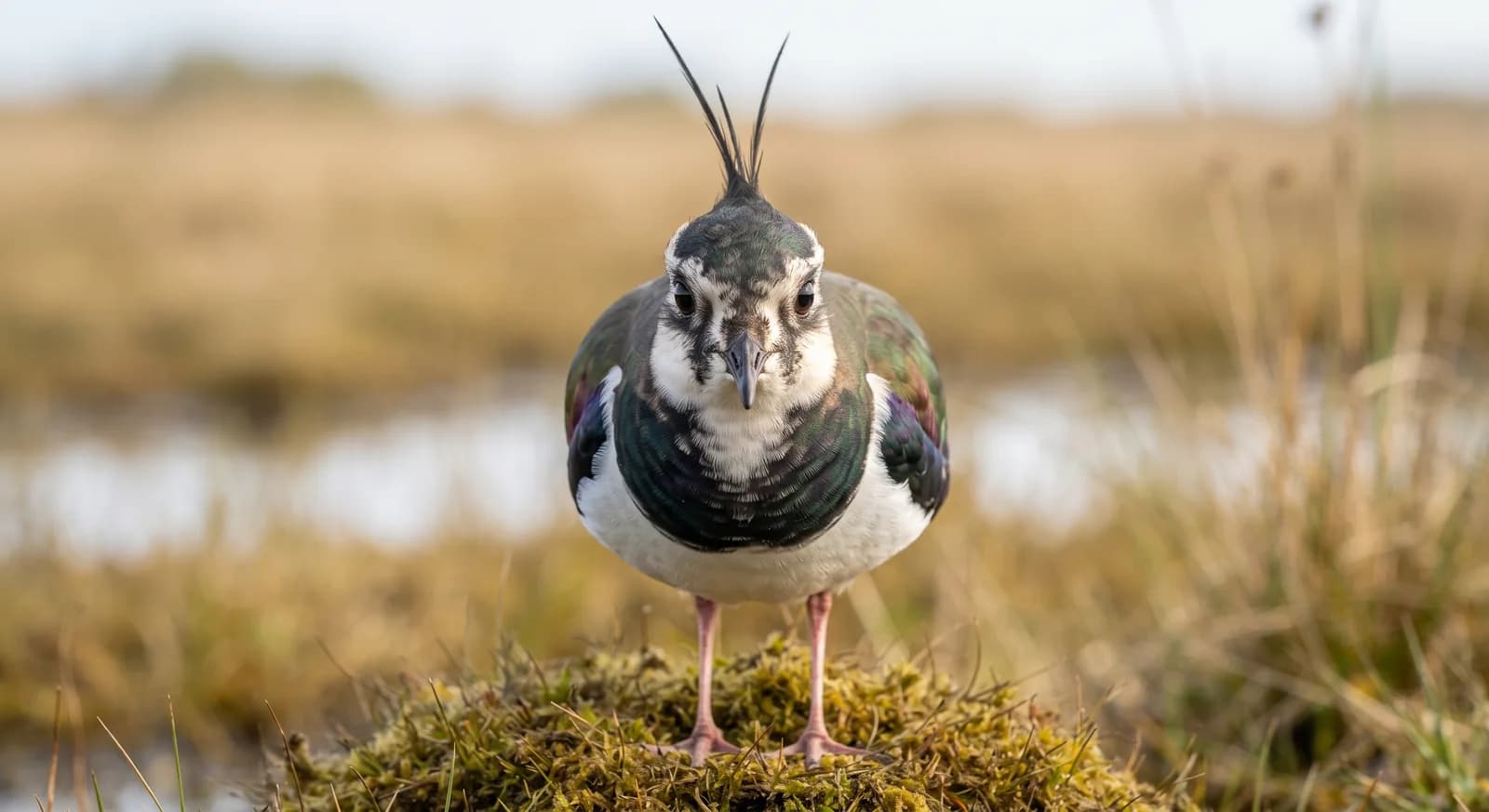 Near Threatened
Northern Lapwing
Vanellus vanellus
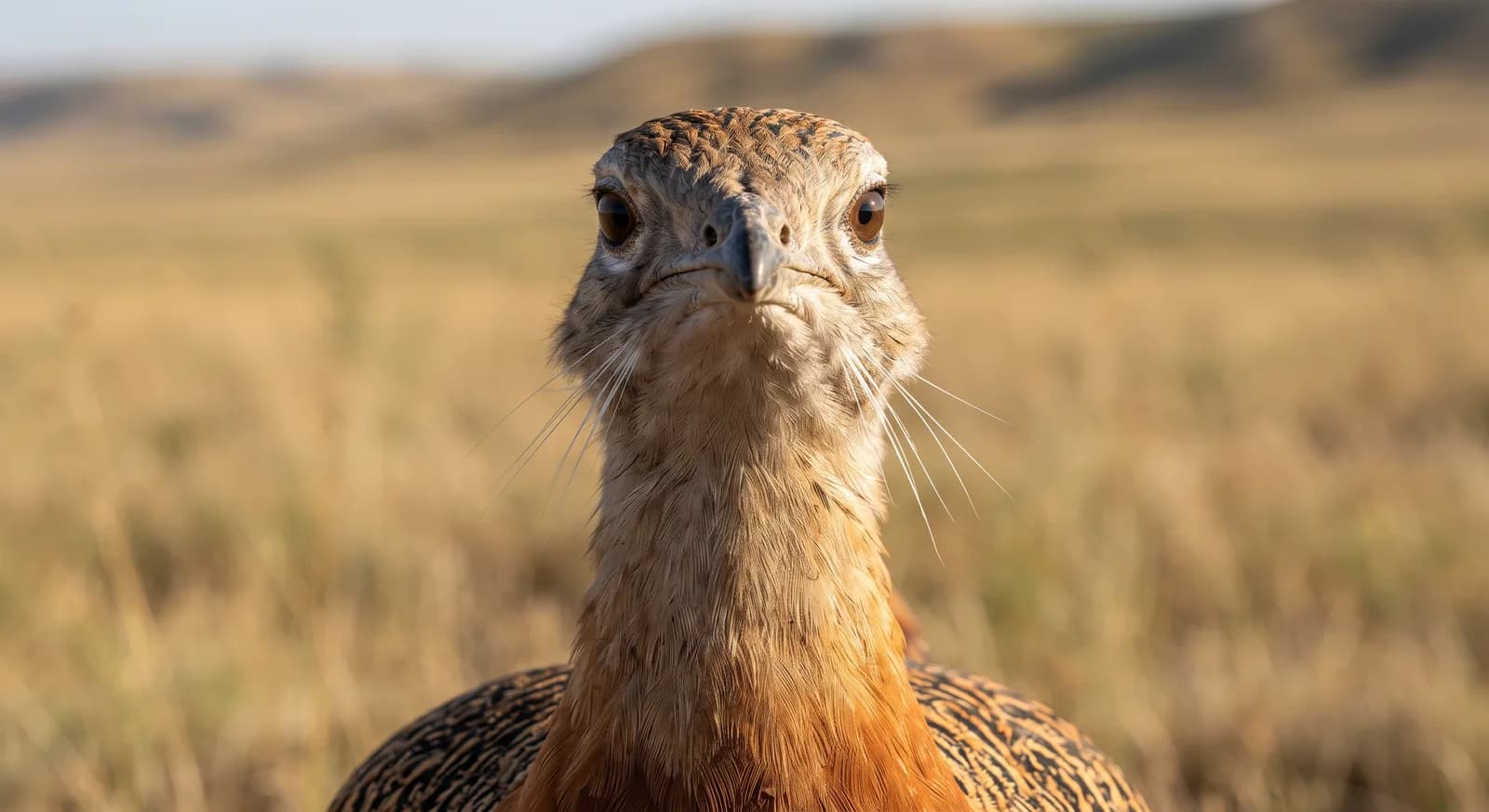 Near Threatened
Great Bustard
Otis tarda
 Near Threatened
European Bison
Bison bonasus
 Near Threatened
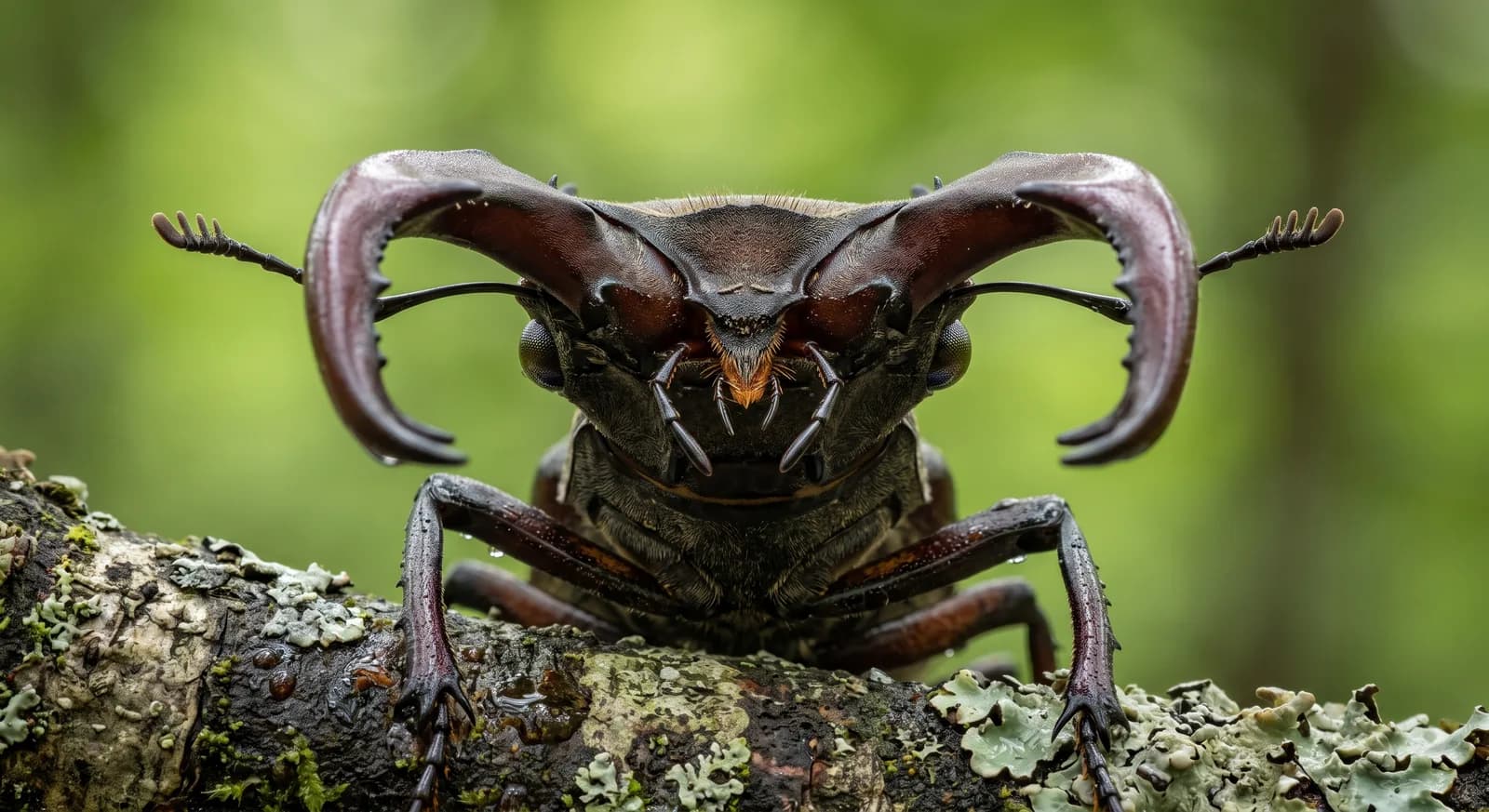
Stag Beetle
Lucanus cervus
 Near Threatened
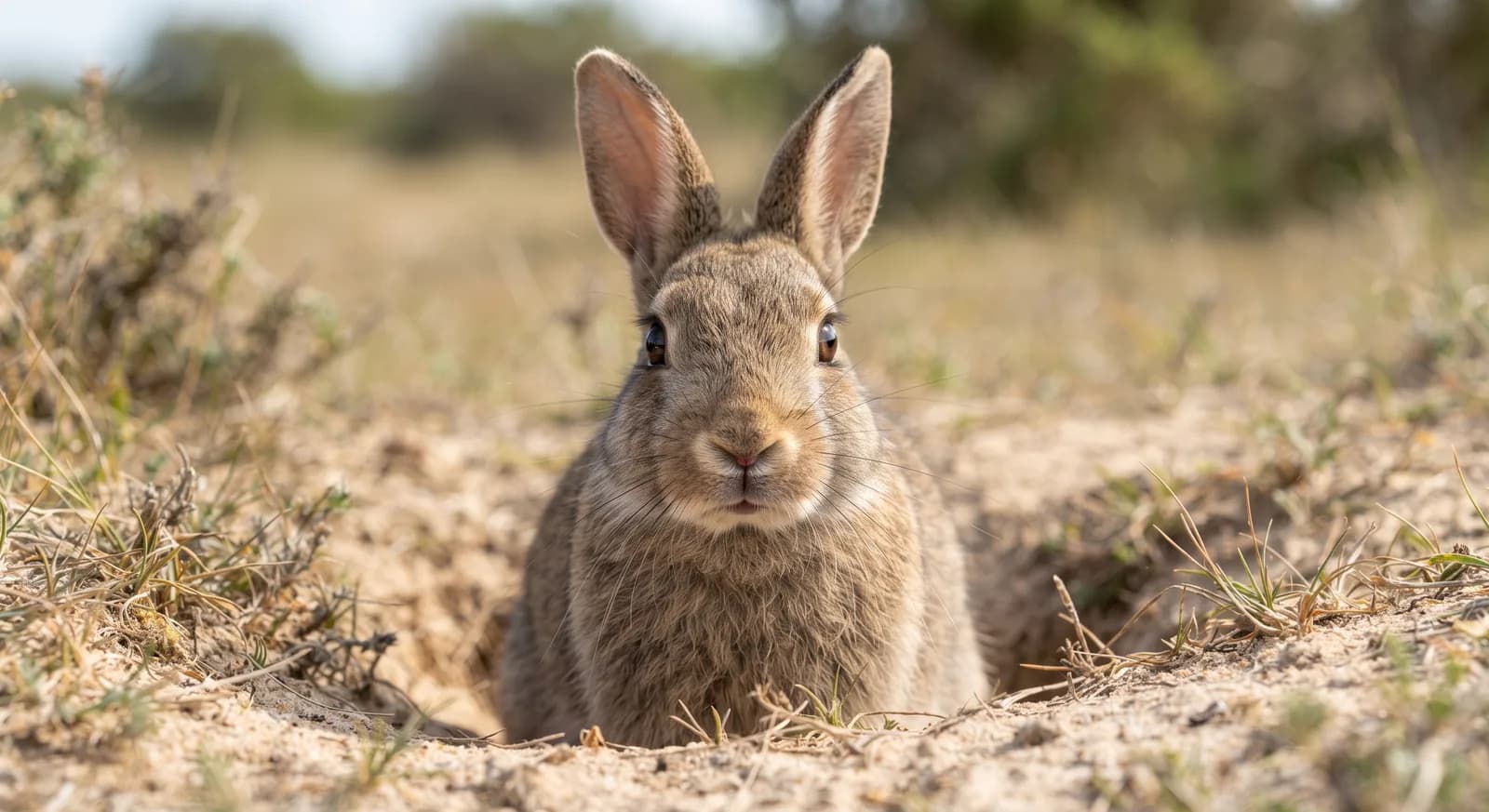
European Rabbit
Oryctolagus cuniculus
 Near Threatened
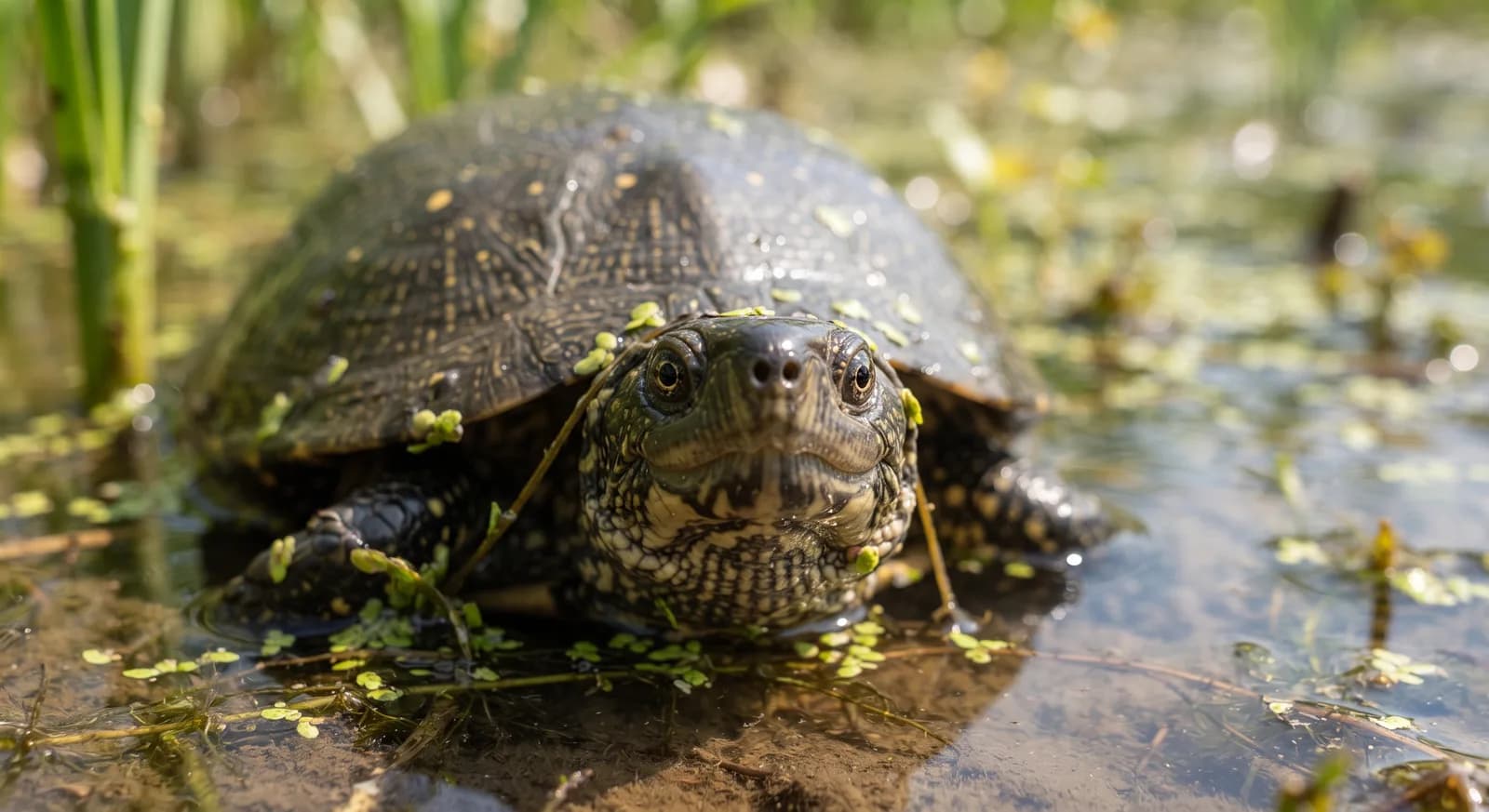
European Pond Turtle
Emys orbicularis
 Near Threatened
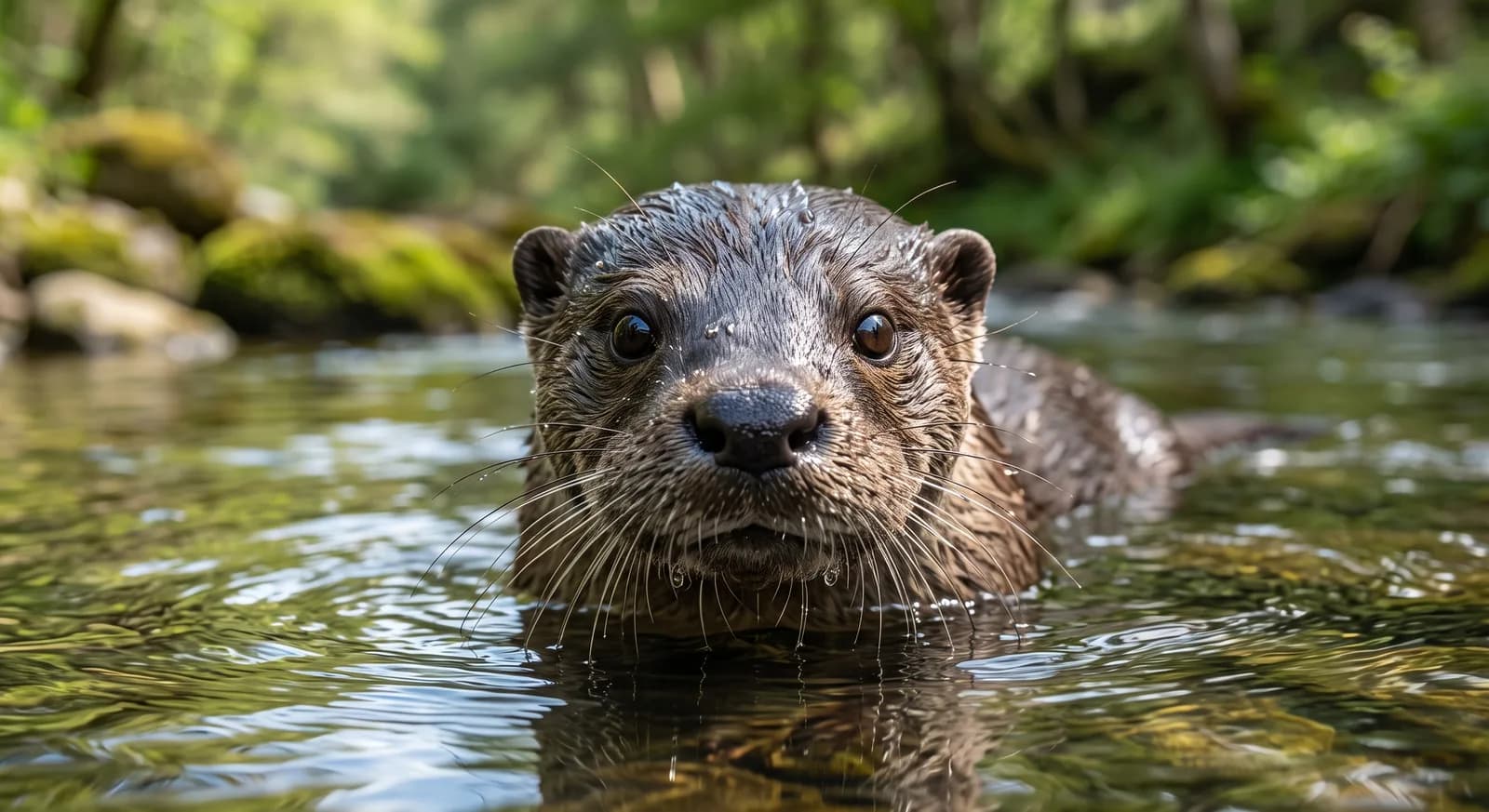
European Otter
Lutra lutra
 Near Threatened
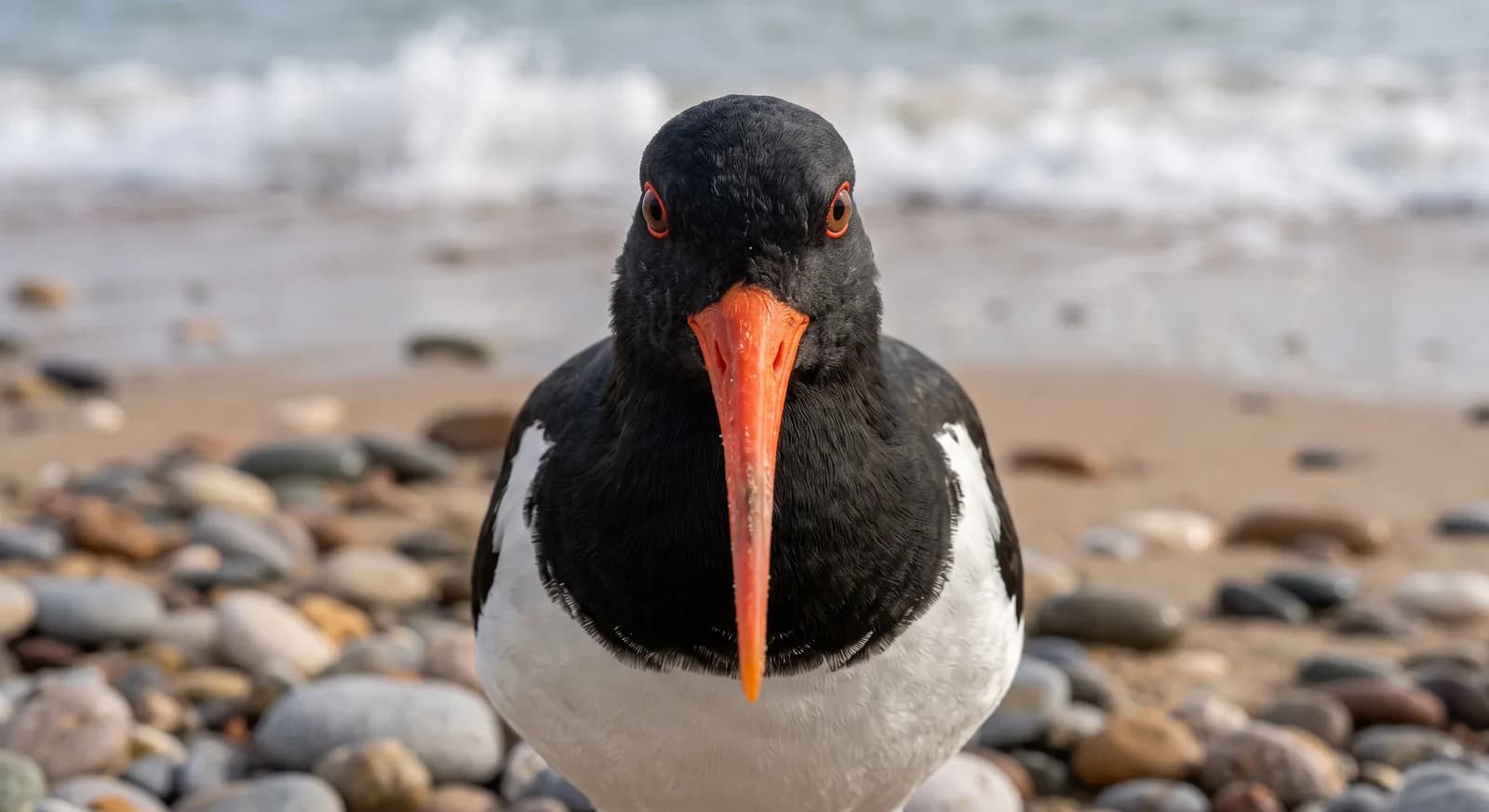
Eurasian Oystercatcher
Haematopus ostralegus
 Near Threatened
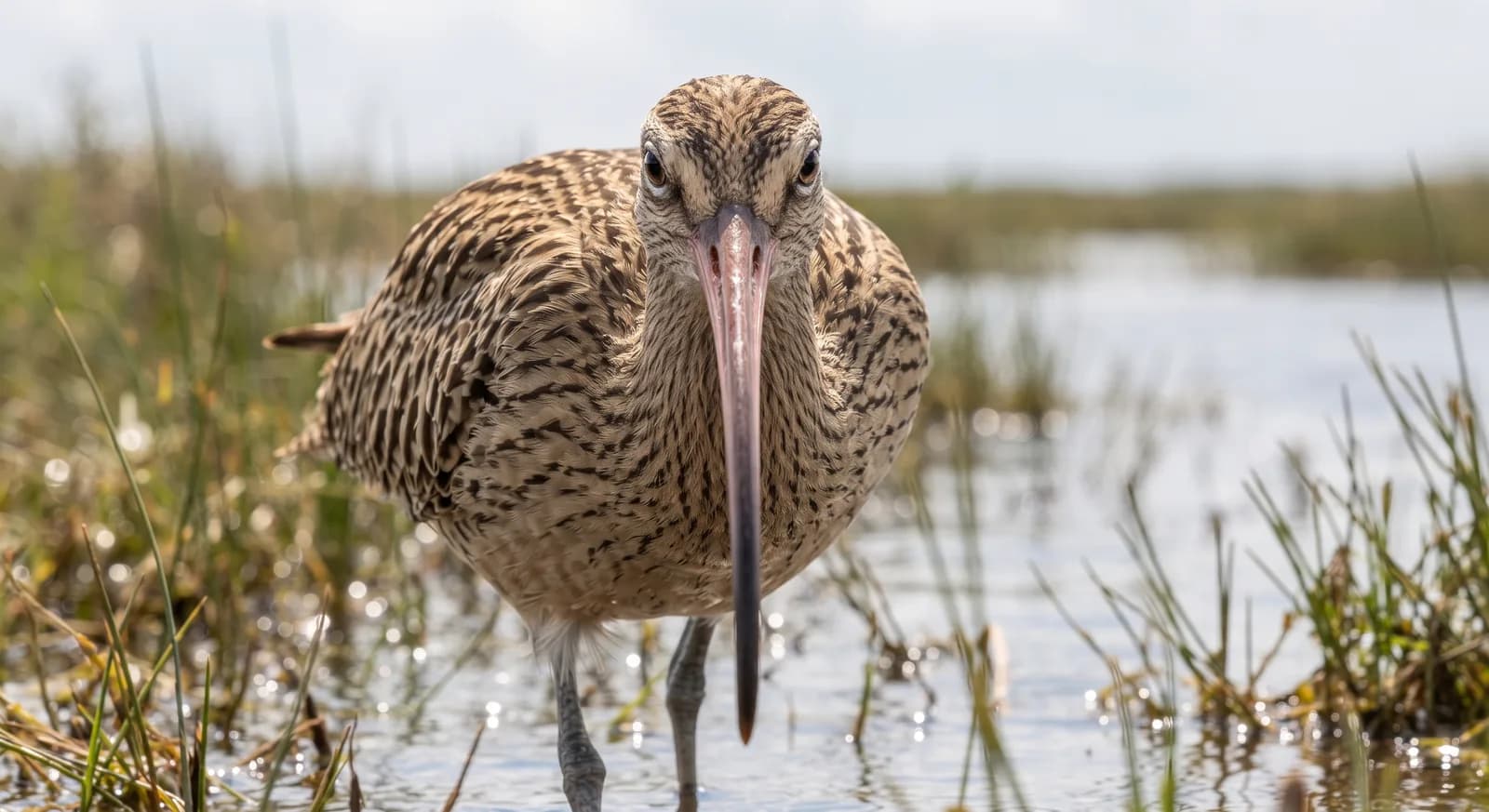
Eurasian Curlew
Numenius arquata
 Least Concern
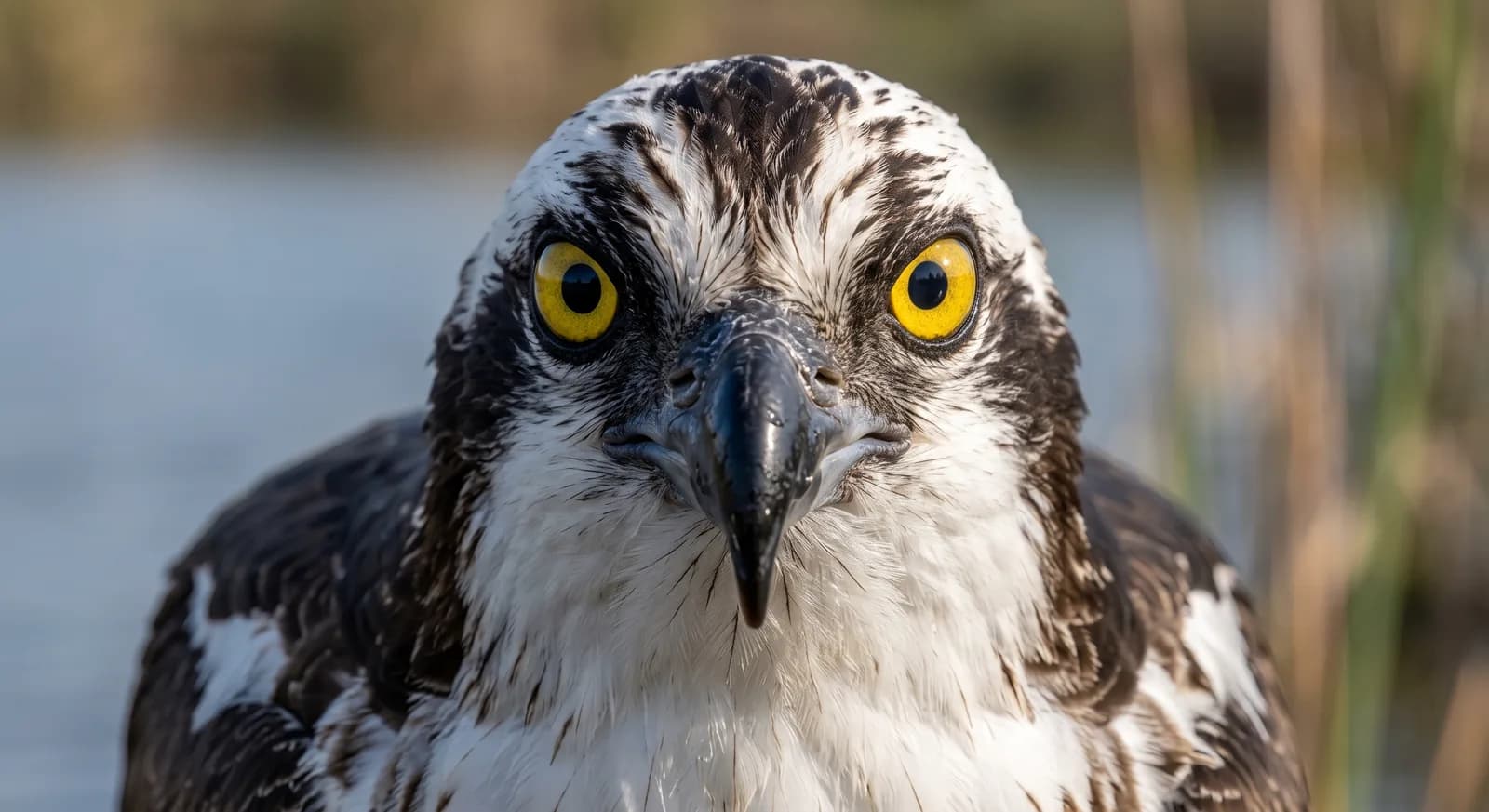
Osprey
Pandion haliaetus
Keep exploring
Based on what we already know about Slovakia.