Czechia
Europa
Czechia is a basin ringed by medium-altitude mountains that act as ecological islands. The Krkonoše, or Giant Mountains, keep patches of relict arctic-alpine tundra above the treeline, with plant and invertebrate species that have survived since the last glaciation and that elsewhere in Europe occur only in Scandinavia or the Alps. The Bohemian Forest, a continuation of the Bavarian Forest, forms with it the largest continuous woodland in central Europe and has seen the Eurasian lynx return. In the north, Bohemian Switzerland unfolds rock cities of sandstone with damp defiles and inverted microclimates, where mountain plants grow at the bottom of the gorges. The Moravian karst hides one of the country's largest cave systems, with vertical shafts and colonies of hibernating bats.
The nature of Czechia
National animal: The double-tailed lion, the state's heraldic emblem
Did you know?
At Milovice, a former Soviet army training ground abandoned after 1991, the trio of large herbivores that shaped Europe's steppes has been under reconstruction since 2015: hardy horses, primitive cattle bred to resemble the extinct aurochs, and European bison. Their grazing has brought back butterflies and rare plants that had vanished once the ground stopped being churned by tanks.
Biodiversity profile
Climate
- •Continental humedo (Dfb), con veranos templados e inviernos frios
Main biomes
- •Bosque mixto centroeuropeo (bioma dominante)
- •Bosque montano de coniferas en los Carpatos Occidentales (frontera con Eslovaquia y Polonia)
- •Bosque caducifolio de Europa Occidental (oeste del pais)
- •Tundra ártico-alpina relicta
- •Bosque de coníferas de montaña
- •Ciudad de roca de arenisca
- •Karst y cueva
- •Estanque artificial histórico
- •Turbera de altitud
- •Estepa continental
Marine and coastal ecosystems
- •No aplica (pais sin litoral)
Flagship wildlife
- •Lince euroasiatico
- •Ciervo rojo
- •Urogallo
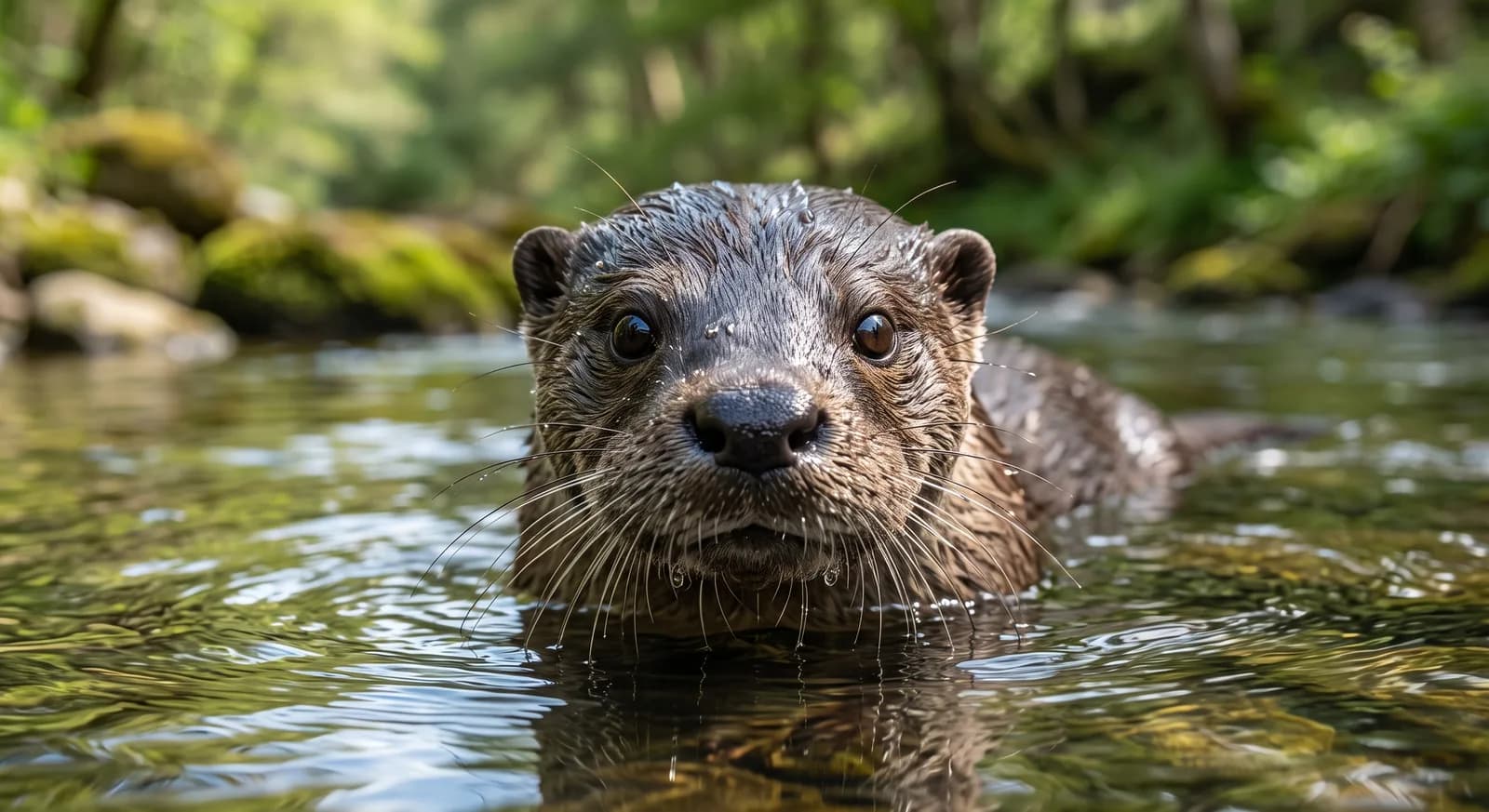
- •Nutria europea (rios y humedales)
- •Lince boreal
- •Bisonte europeo
- •Nutria paleártica
- •Castor europeo
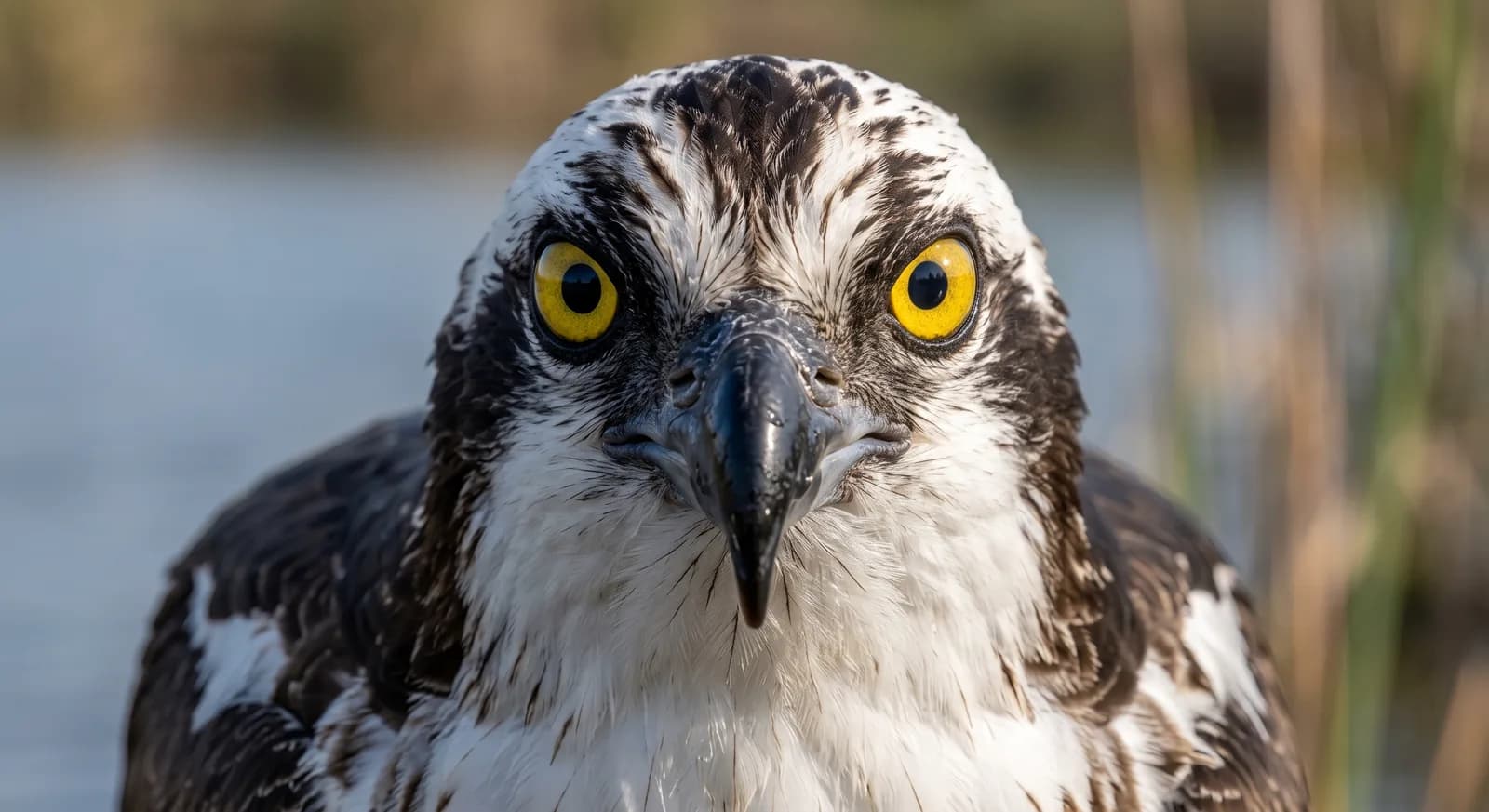
- •Águila pescadora
- •Cigüeña negra
- •Murciélago grande de herradura
- •Muflón
- •Lobo gris
Notable endemic species
- •Endemismo estricto limitado por la ausencia de vegetacion nativa continua en algunas zonas degradadas historicamente; el pais forma parte de 4 ecoregiones del WWF (bosques mixtos centroeuropeos, bosques mixtos panonicos, bosques de hoja ancha de Europa Occidental y bosques de coniferas montanos de los Carpatos)
- •Campanilla de los Krkonoše
Notable threatened species
- •Especies de bosque de montaña de los Carpatos Occidentales vulnerables a la fragmentacion por infraestructura turistica y estaciones de esqui
- •Solo aprox. 16% del ecosistema de los Carpatos Occidentales checos cuenta con proteccion formal
Notable protected areas
- •Parque Nacional Sumava (bosque de Bohemia, frontera con Alemania y Austria)
- •Zonas protegidas de los Carpatos Occidentales checos
- •Parque Nacional de Šumava
- •Parque Nacional de Krkonoše
- •Parque Nacional de la Suiza Bohemia
- •Parque Nacional de Podyjí
- •Karst Moravo
- •Estanques de Třeboň
Main conservation threats
- •Tala extensiva, incluida la tala rasa a gran escala, y uso inadecuado del suelo
- •Desarrollo de grandes estaciones de esqui que fragmentan habitats de montaña
- •Contaminacion del agua y el aire, con impacto historico sobre bosques centroeuropeos
Notable natural phenomena
- •Los Carpatos, que atraviesan el oeste de Chequia, se extienden hasta la "Puerta de Hierro" del Danubio entre Rumania y la antigua Yugoslavia
Conservation
Šumava maintains an open debate between non-intervention and the fight against the spruce bark beetle. The historic ponds of Třeboň, created in the sixteenth century to farm carp, are today Ramsar wetlands of the first order.
Where and when to watch wildlife
Šumava in winter for lynx and capercaillie tracks. Třeboň in spring and autumn for waterbirds. The Moravian karst in autumn for the bat swarming at the cave mouths.
Sources: WorldAtlas - Ecological Regions of the Czech Republic | ccibis.org - Protected Areas in the Carpathians
Parks and reserves
Krkonoše
The first Czech national park, on the southern side of the Giant Mountains, with relict arctic-alpine tundra.
View parkNational ParkŠumava (Bohemian Forest)
The largest national park in the Czech Republic, known as the green heart of Europe; a natural border with Germany and Austria
View parkNational ParkPodyjí
The Dyje valley on the former Iron Curtain border, preserved precisely because it was a military zone.
View parkNational ParkSuiza Bohemia
The Czech side of the Elbe sandstone mountains, with the largest natural arch in Europe.
View parkDiving and snorkelling
Especies documentadas en Czechia
421 species found
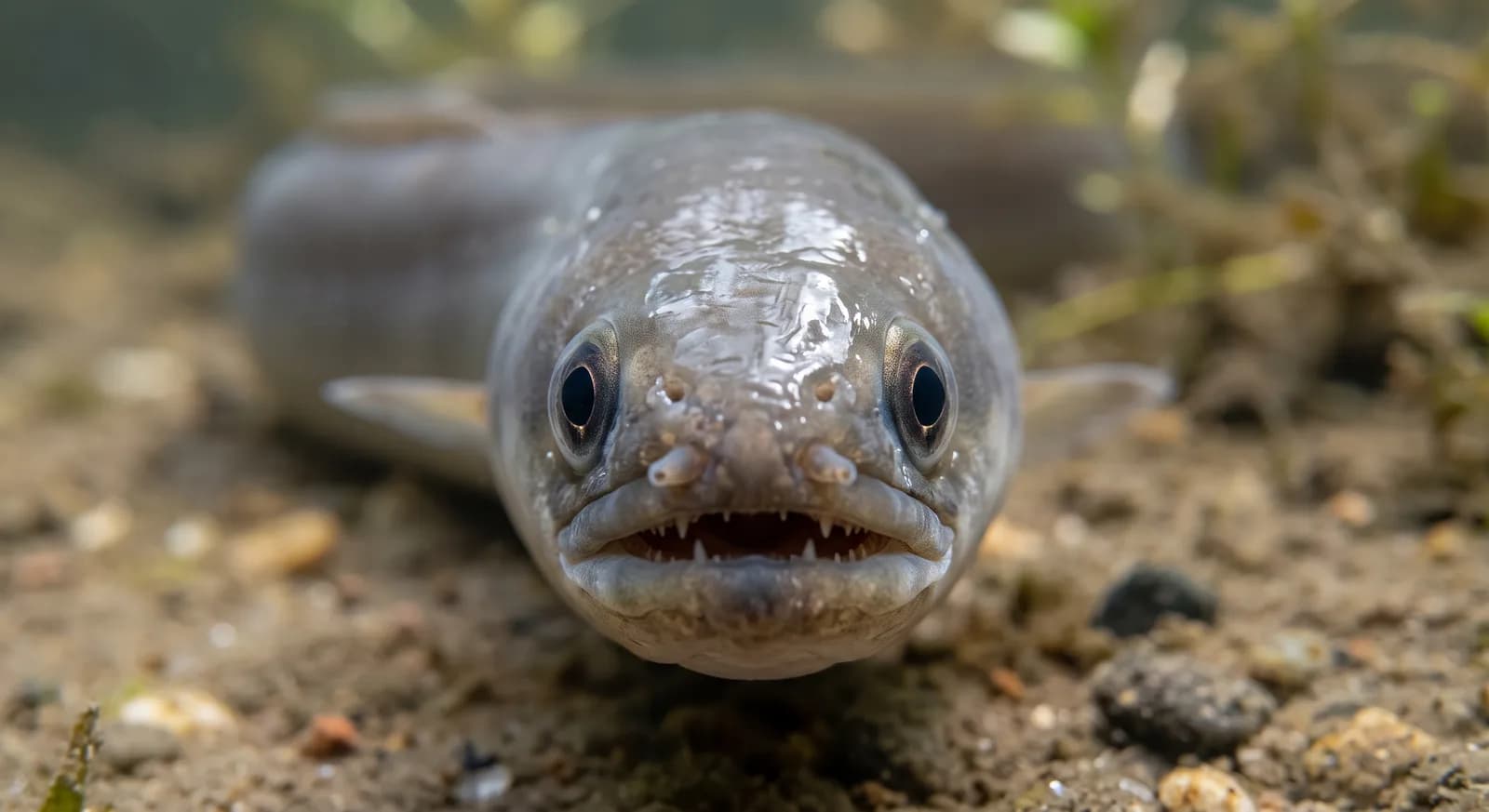 Critically Endangered
European Eel
Anguilla anguilla
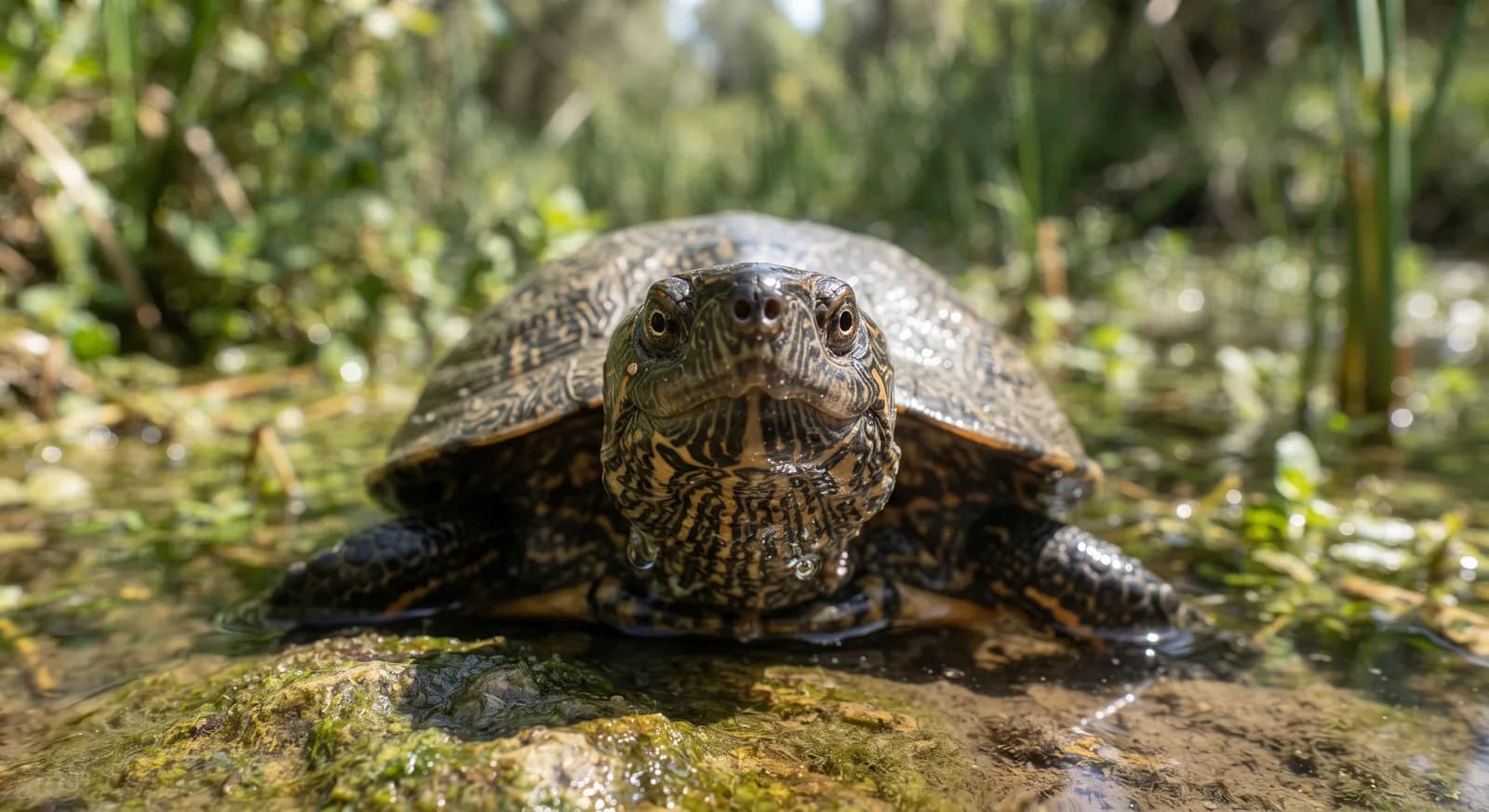 Vulnerable
Spanish Terrapin
Mauremys leprosa
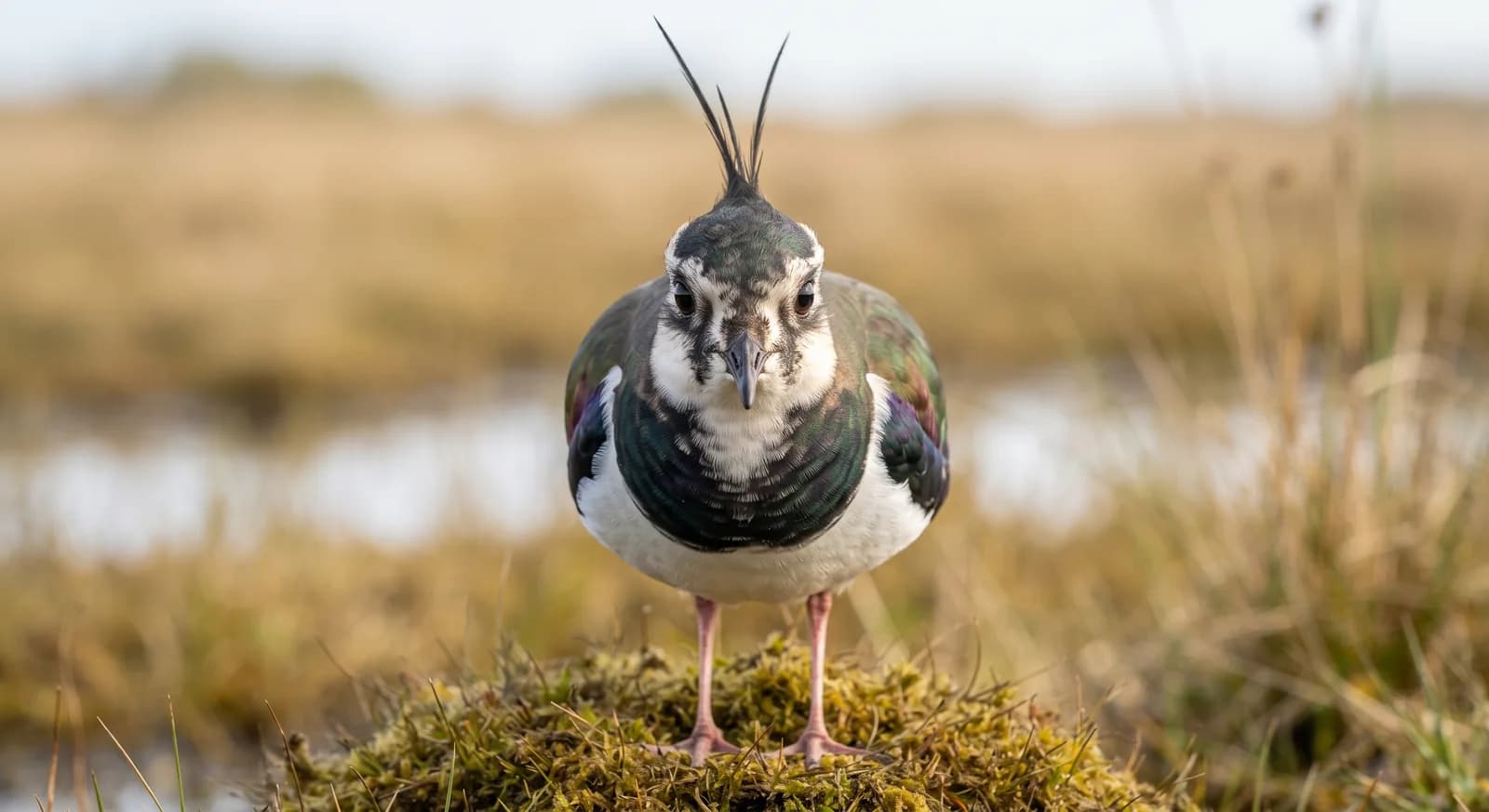 Near Threatened
Northern Lapwing
Vanellus vanellus
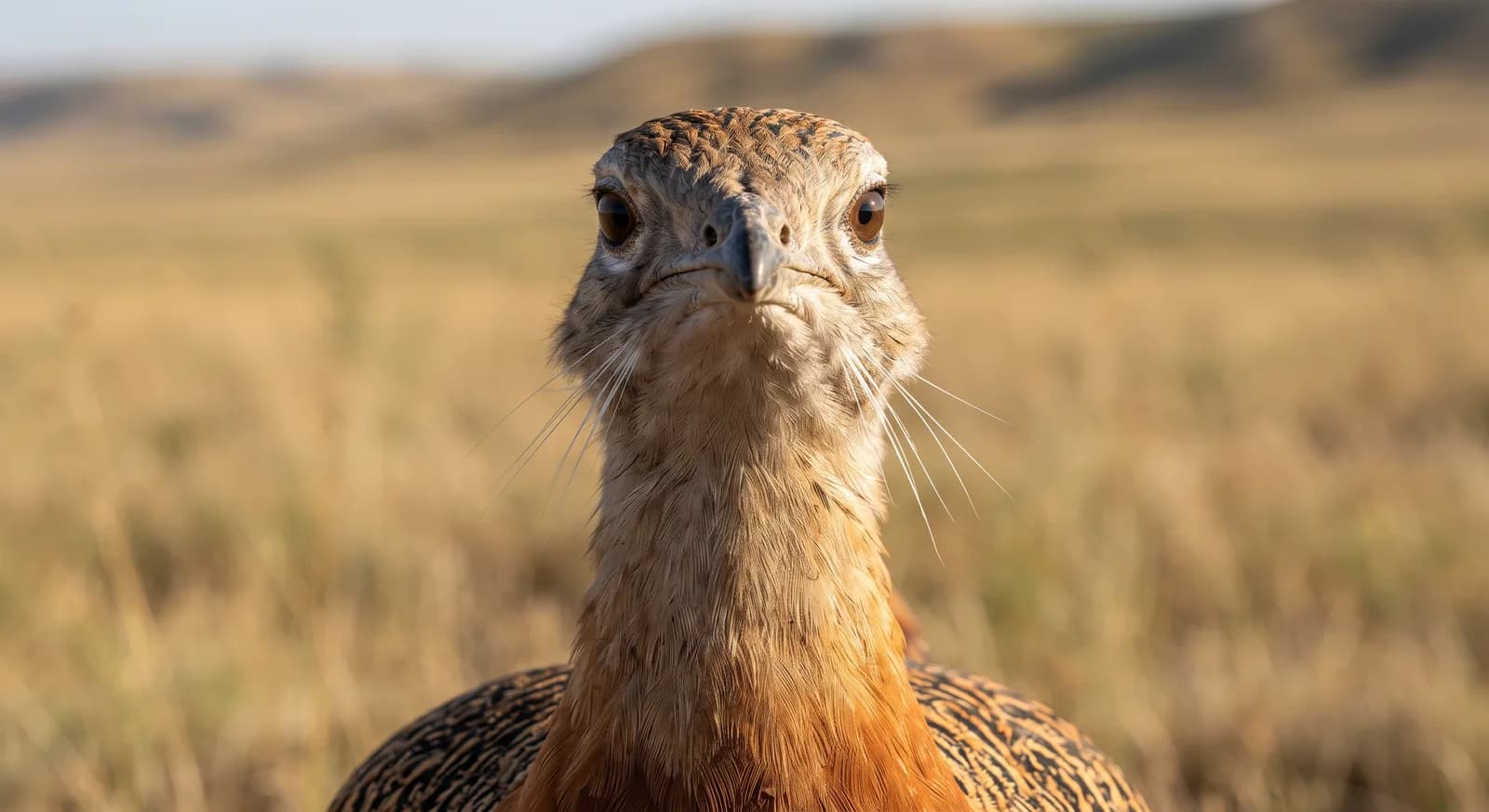 Near Threatened
Great Bustard
Otis tarda
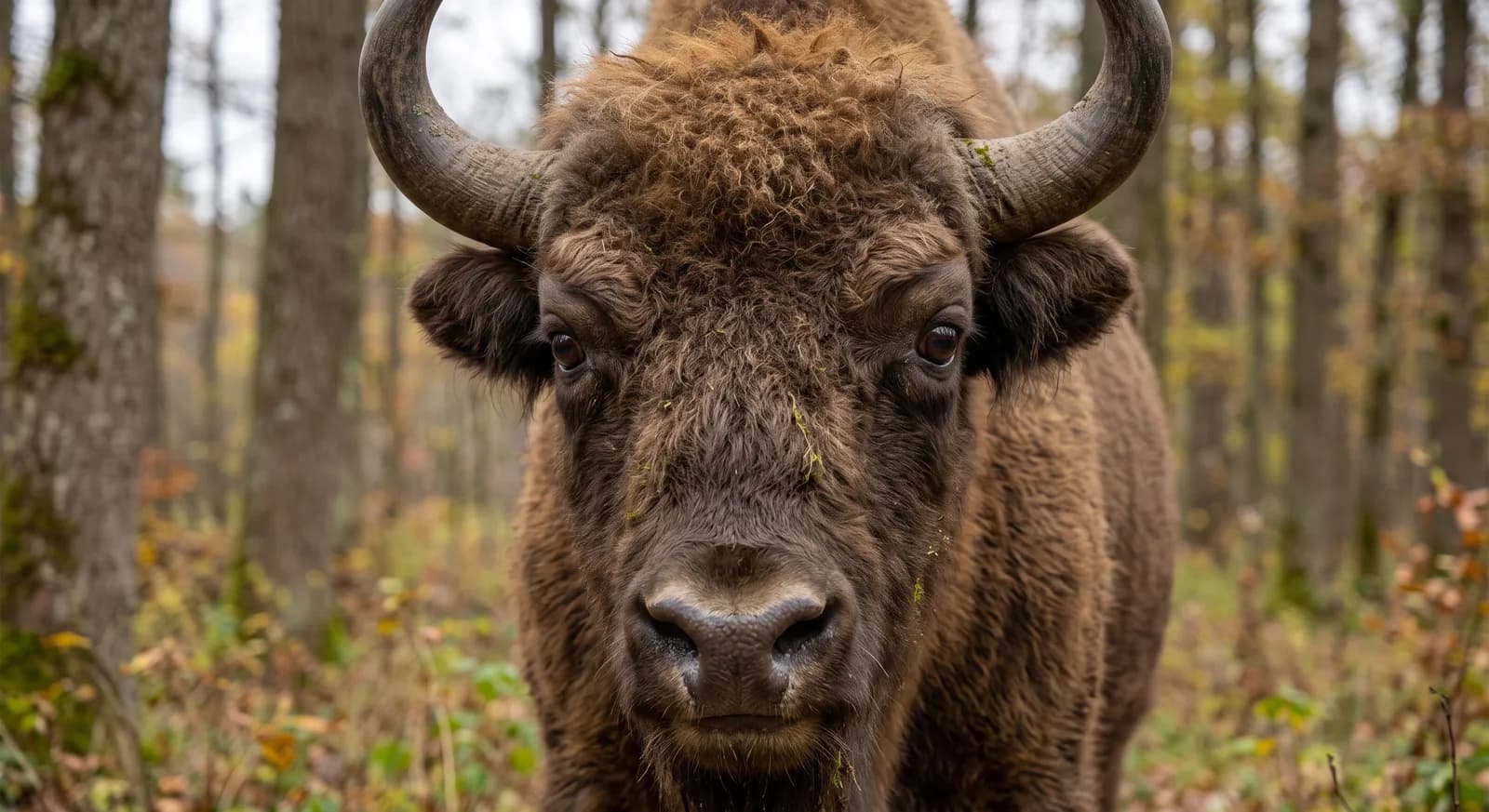 Near Threatened
European Bison
Bison bonasus
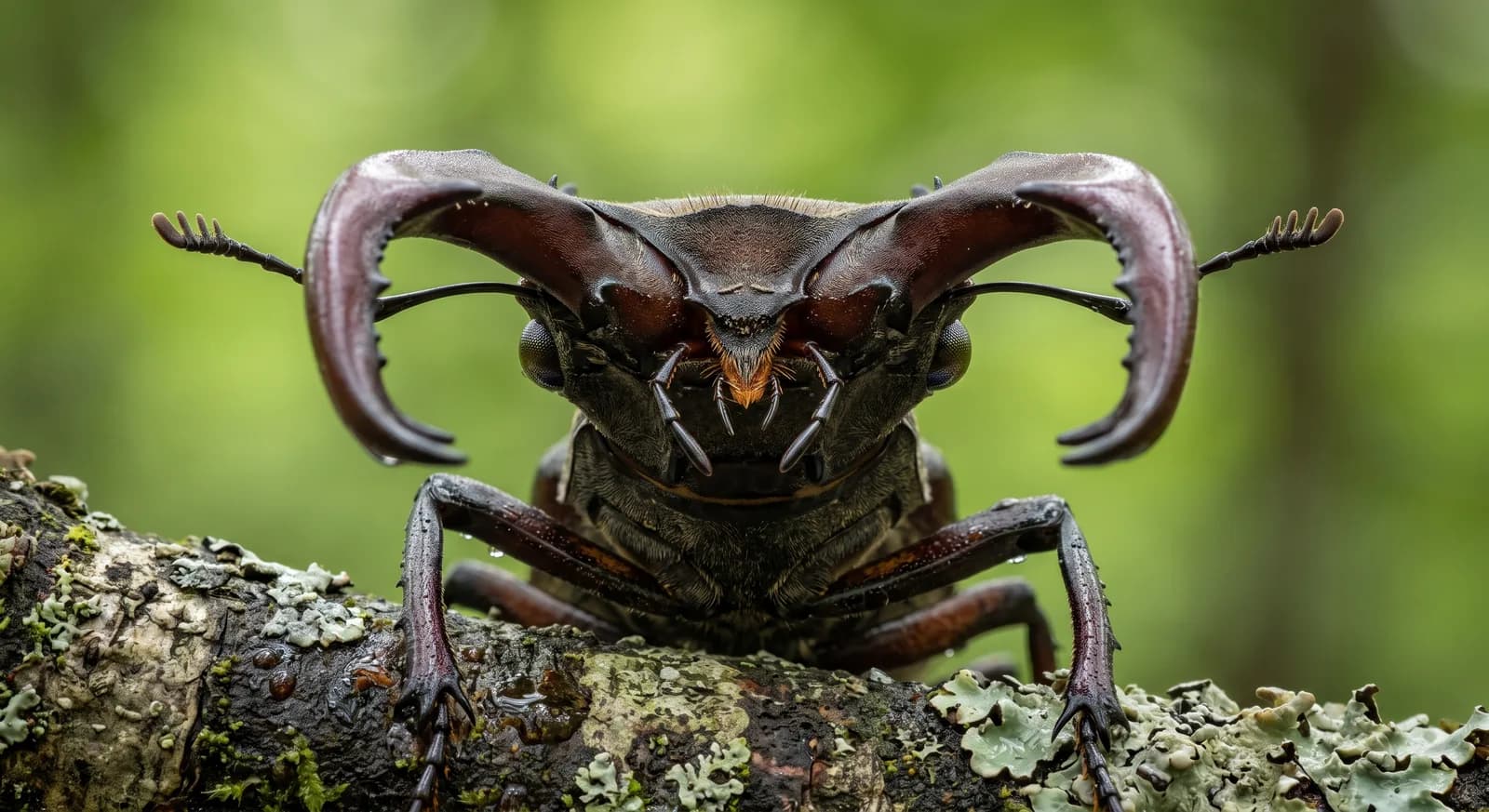 Near Threatened
Stag Beetle
Lucanus cervus
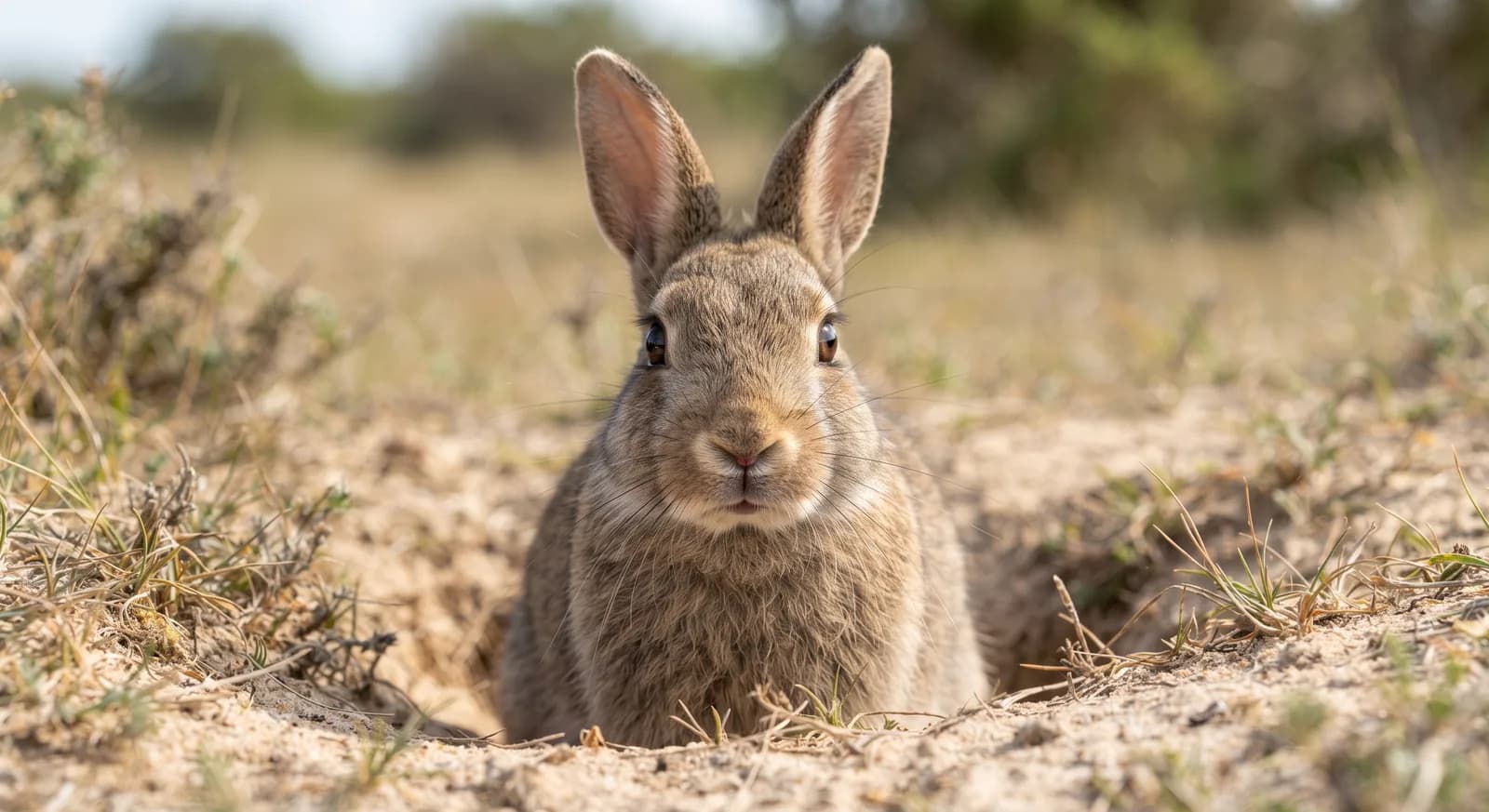 Near Threatened
European Rabbit
Oryctolagus cuniculus
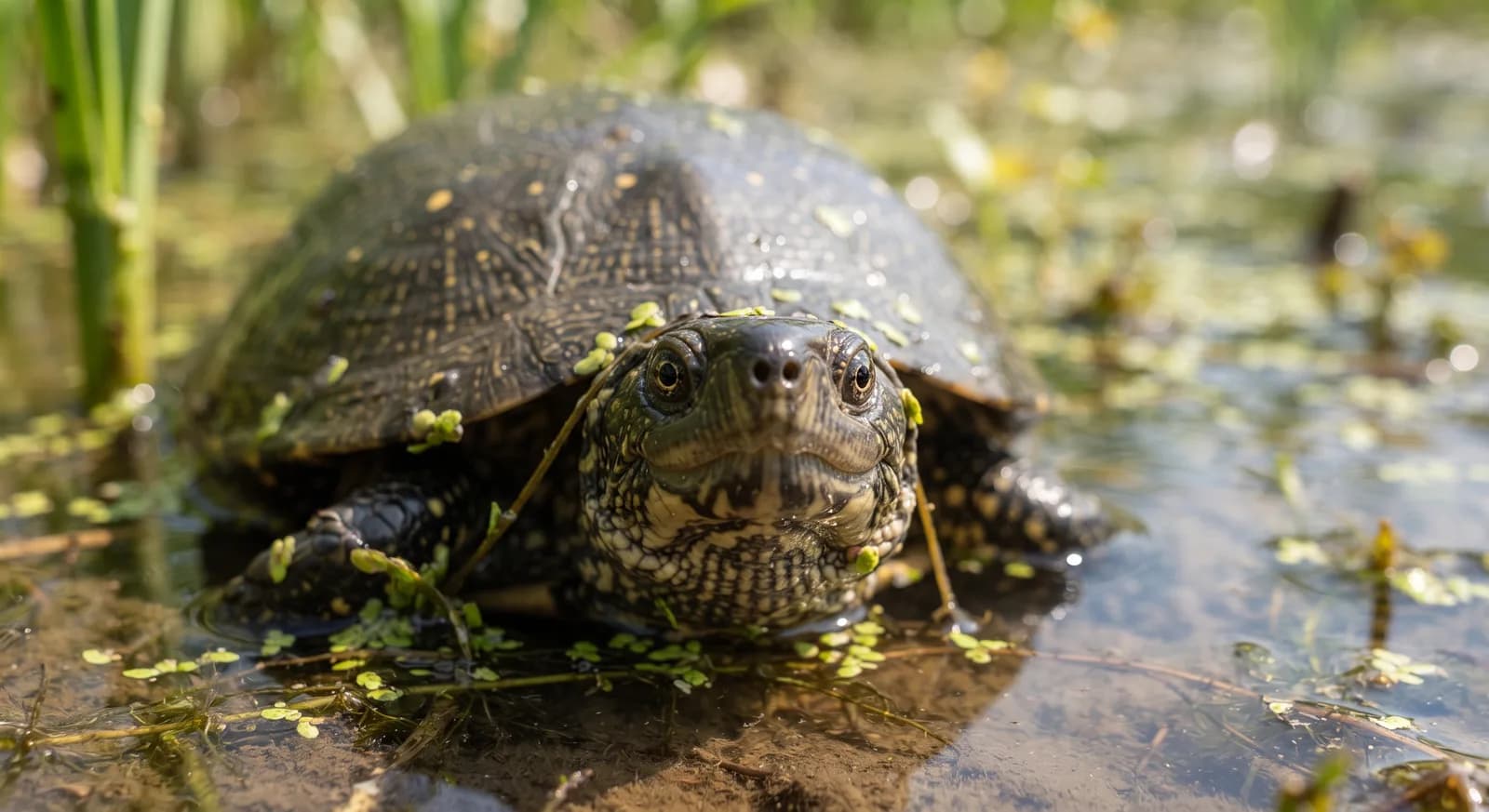 Near Threatened
European Pond Turtle
Emys orbicularis
 Near Threatened
European Otter
Lutra lutra
 Near Threatened
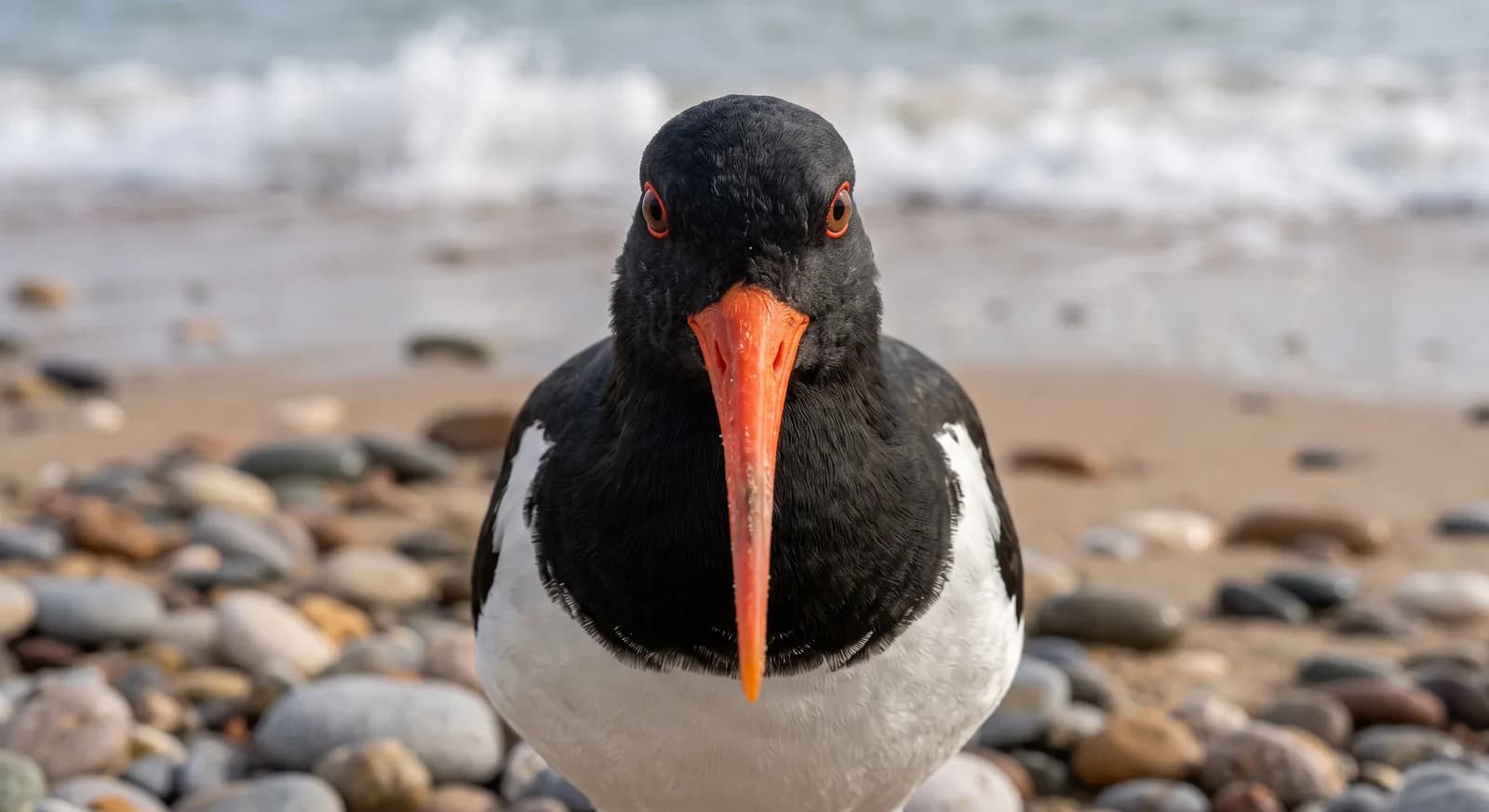
Eurasian Oystercatcher
Haematopus ostralegus
 Near Threatened
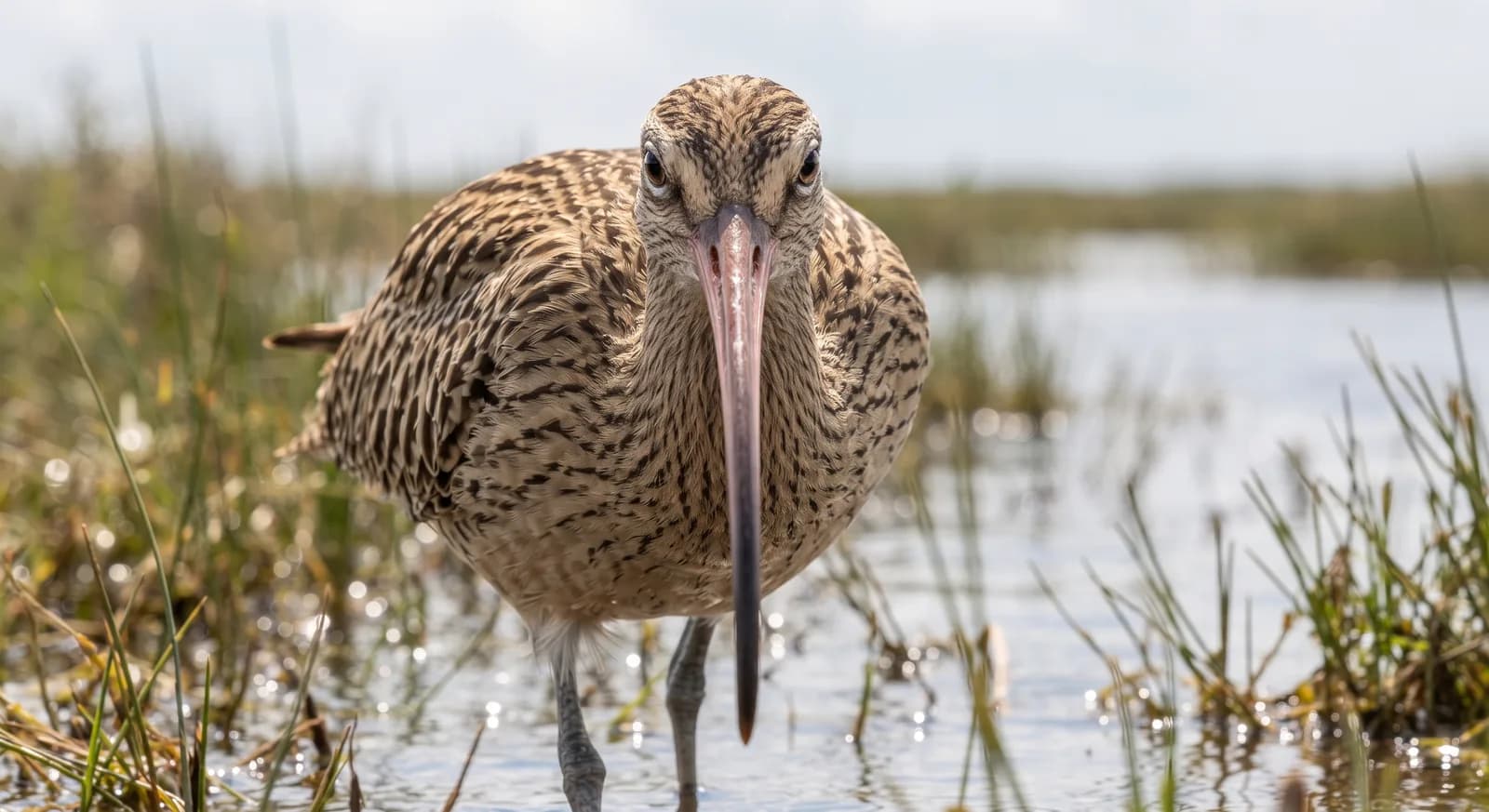
Eurasian Curlew
Numenius arquata
 Least Concern
Osprey
Pandion haliaetus
Keep exploring
Based on what we already know about Czechia.