One of the 2 mouflons on WAnimals
Mammals · Artiodactyla · Bovidae
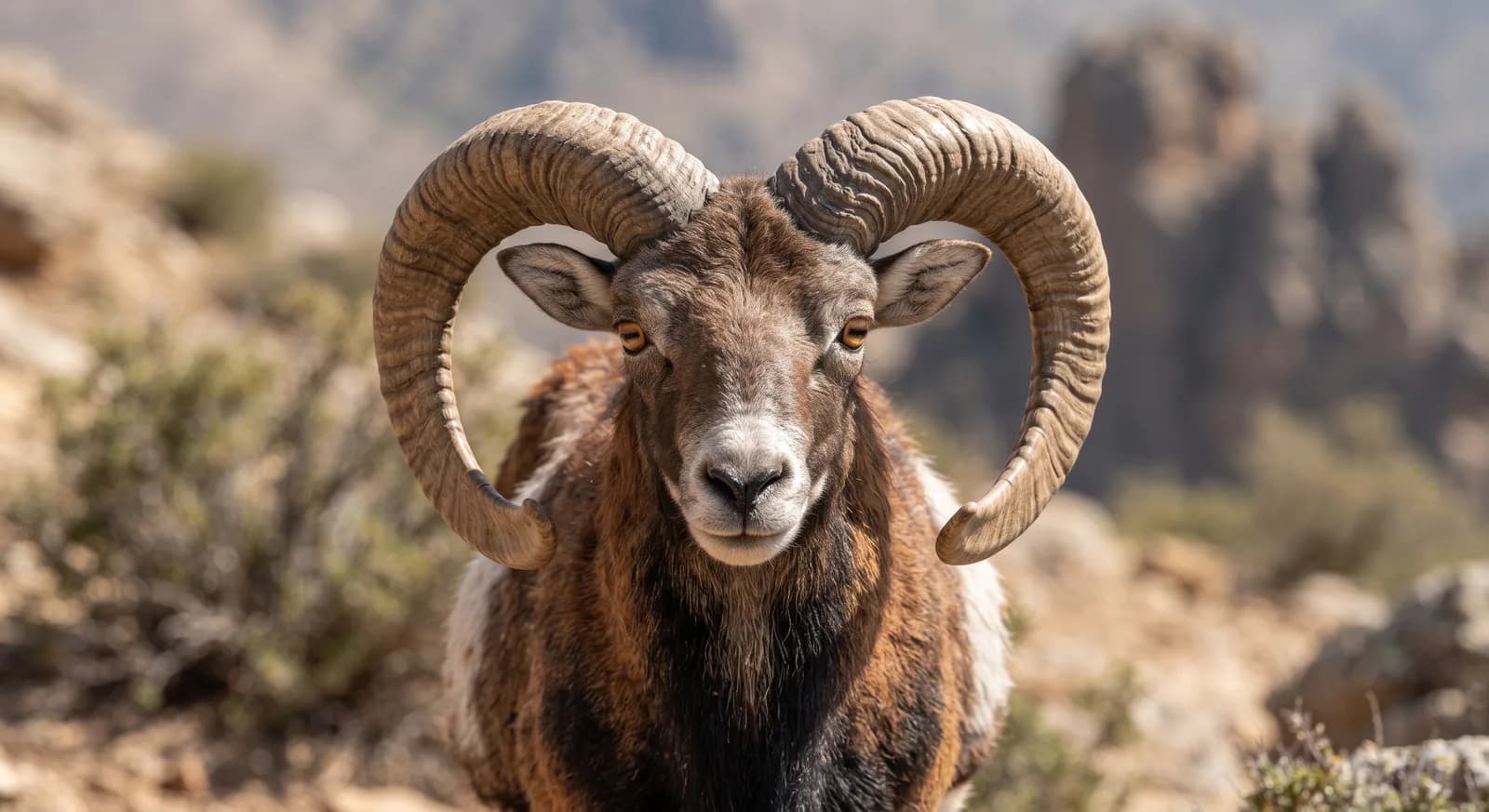
Mouflon
Ovis orientalis
The species is abundant and widely distributed; it faces no significant short-term risk. See full glossary
It is widely regarded as the wild ancestor of every domestic sheep breed in the world, a domestication that began between 7,000 and 11,000 years ago.
Weight
35 kg – 50 kg
Size
1.1 m – 1.5 m
Lifespan
11 years
Diet
Herbivore
Feeds mainly on plants.
Activity
Diurnal
Active mainly during the day.
Social structure
Herd
Lives in large groups as a strategy against predators.
Sighting difficulty
Easy
Fun facts
- It is regarded as the wild ancestor of every domestic sheep breed in the world.
- Its domestication began between 7,000 and 11,000 years ago in south-western Asia.
- Young males have to win social dominance before they can breed successfully.
Life cycle & biology
- Skeleton type
- Vertebrate - internal bony skeleton (mammal)
- Habitat & environment
- Mountains and temperate woodland of Asia Minor and the Caucasus; widely introduced across Europe
- Birth weight
- ~2.4 kg
- Size at birth
- Precocial, able to follow its mother soon after birth
- Sexual maturity
- Female: 1.5 years | Male: 2.5-4 years (though he rarely breeds until he gains social dominance)
- Gestation / incubation
- ~150 days (4 months and 26 days)
- Litter / clutch size
- 1 to 2 young per birth
- Lifespan in captivity
- Documented record of up to 22.8-23 years in captivity
Sources consulted: World Species; AnAge (genomics.senescence.info); AnimalSpot; PubMed (reproductive seasonality study); Animalia.bio; AnimalHub; World Life Expectancy
Where to find it
See its range on the interactive mapWhere to watch it
Parks and dive sites where this species has been documented.
Related species
Other species in the catalogue with the most in common with Mouflon — same habitat, park, country, tags or family.
Alpine Ibex
Capra ibex
 Not Evaluated
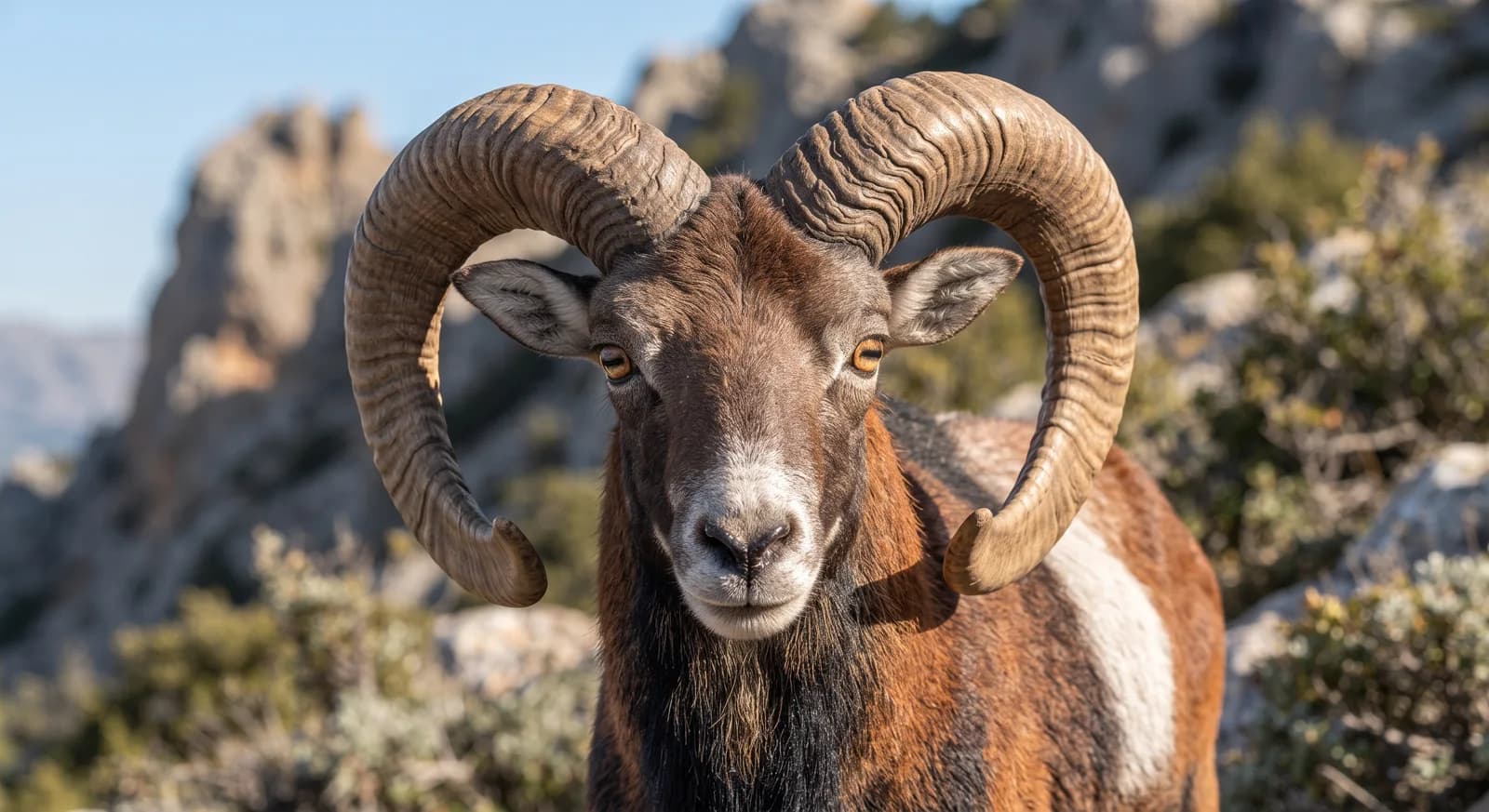
European Mouflon
Ovis aries musimon
Iberian Wild Goat
Capra pyrenaica
Northern Chamois
Rupicapra rupicapra
 Least Concern
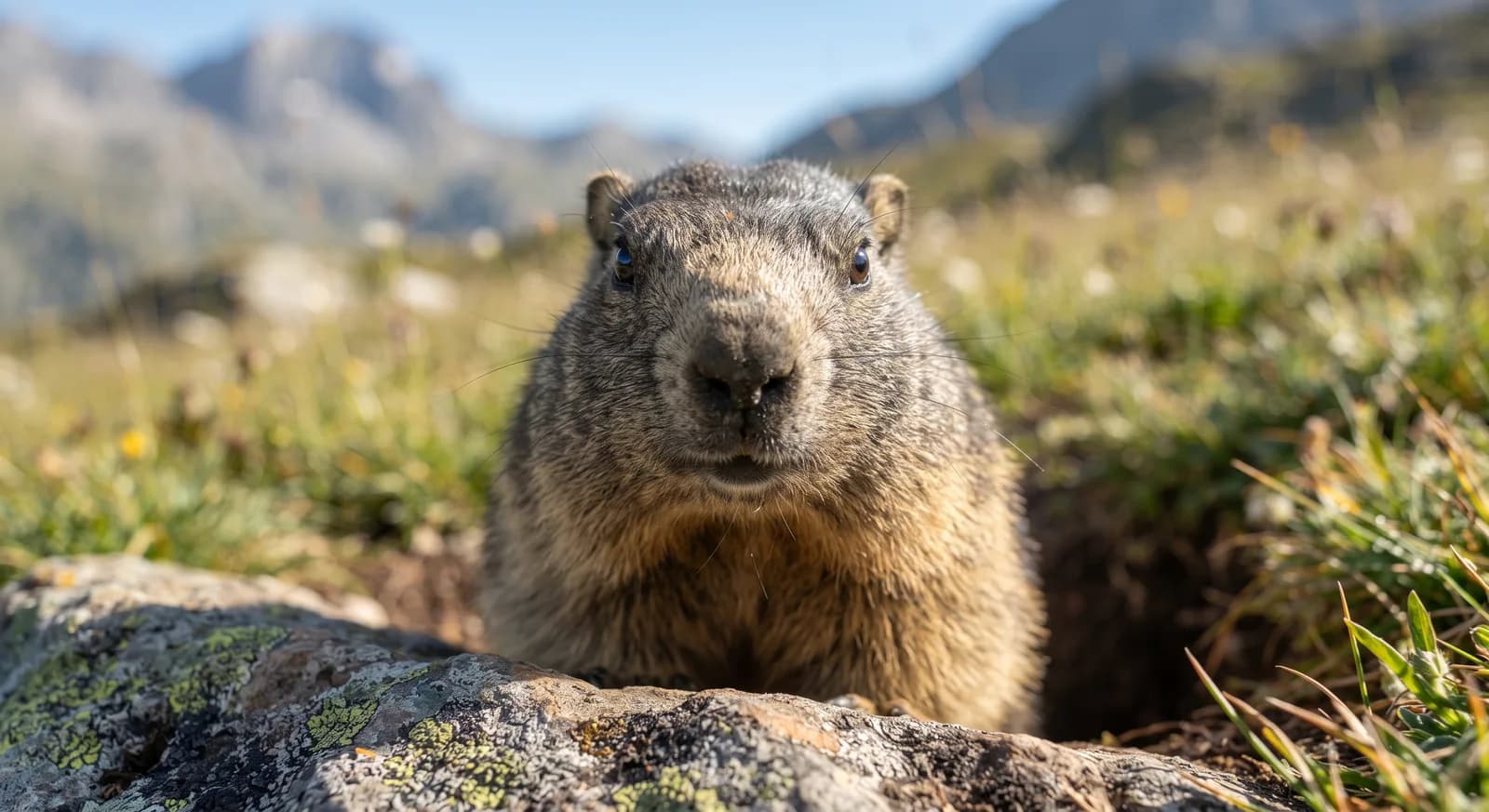
Alpine Marmot
Marmota marmota
 Least Concern
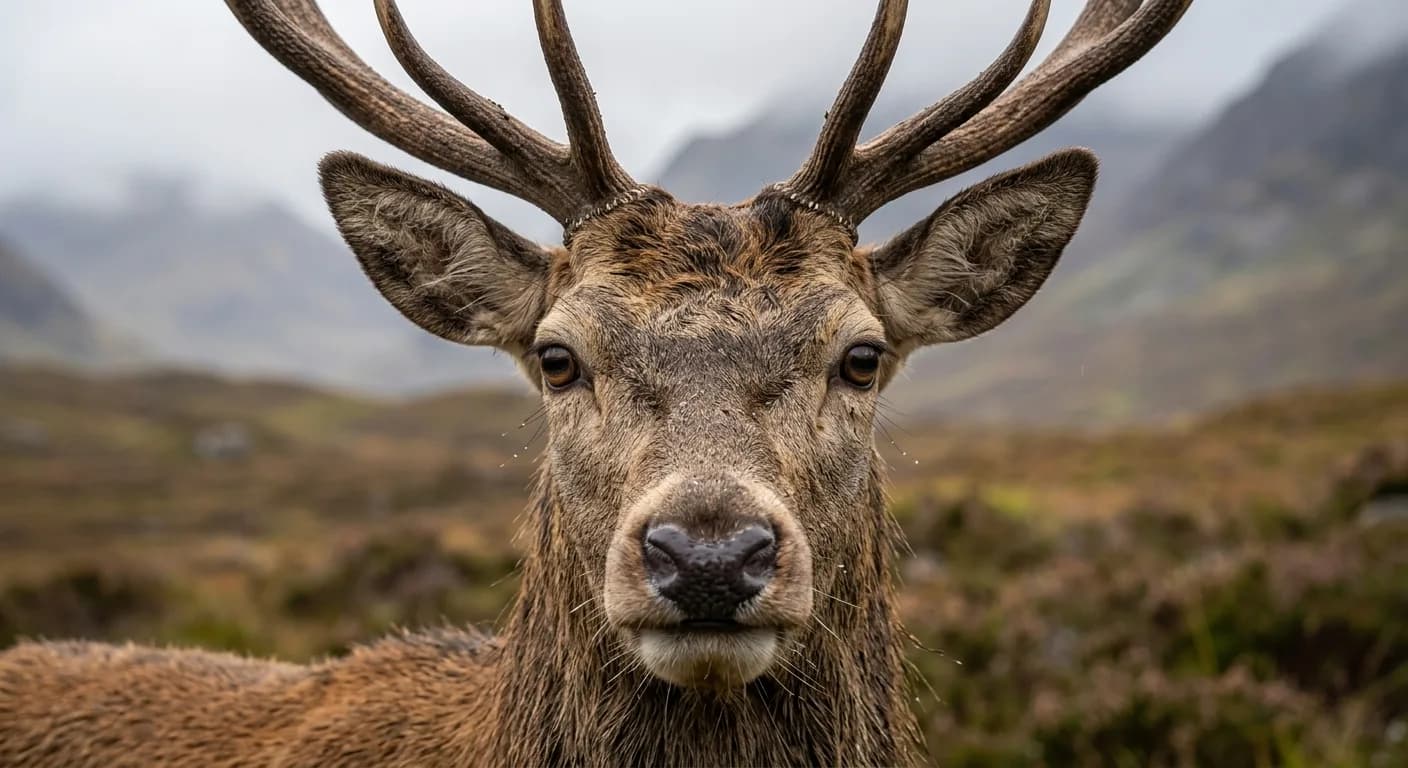
Red Deer
Cervus elaphus
Keep exploring
Based on what we already know about mouflon.
Comments
Share an experience, a fun fact or a tip for seeing the mouflon.
Be the first to comment.