One of the 8 marmots on WAnimals
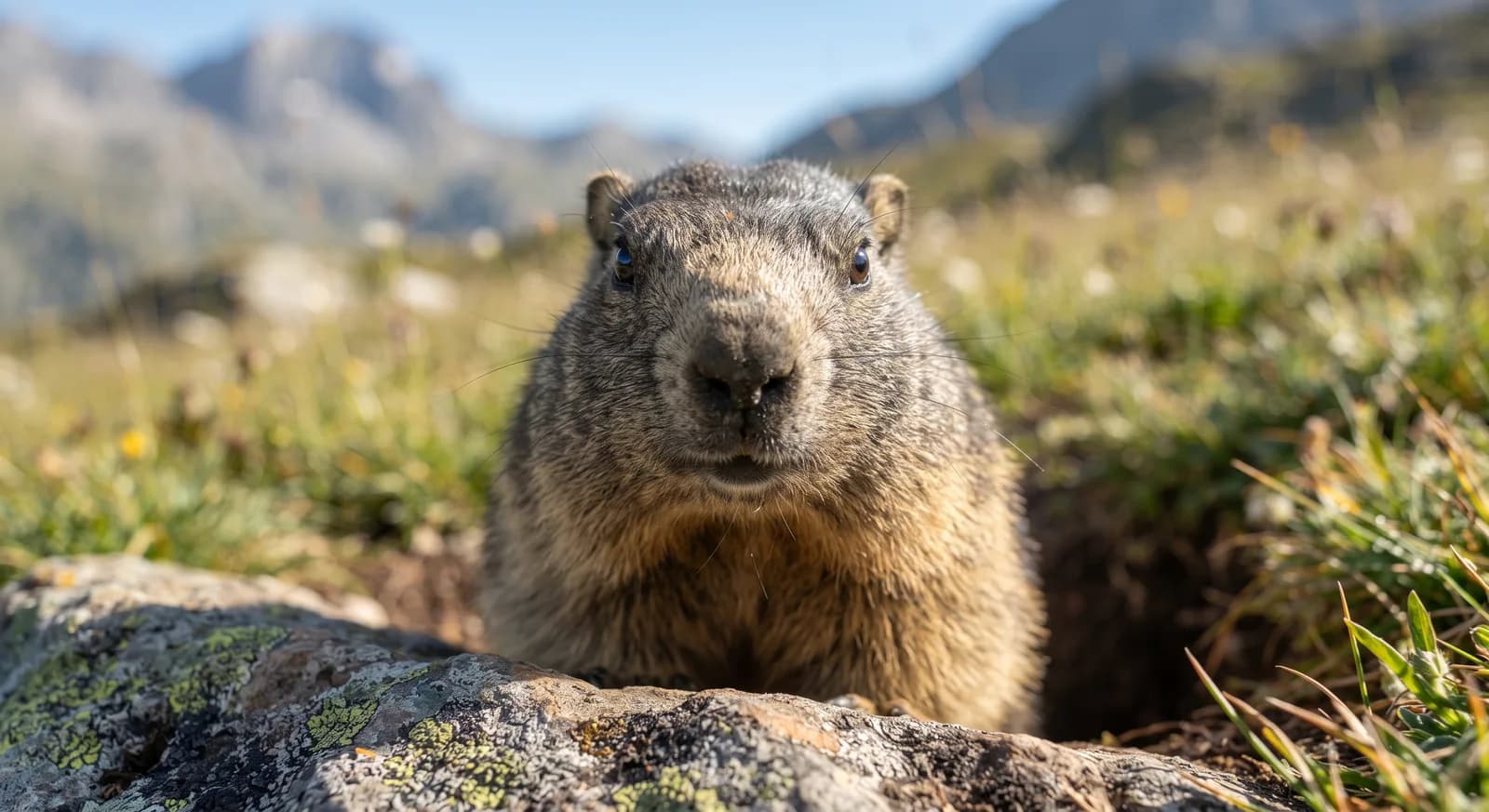
Mammals · Rodentia · Sciuridae
Alpine Marmot
Marmota marmota
The species is abundant and widely distributed; it faces no significant short-term risk. See full glossary
It lives in monogamous family groups of up to 20 in which only the dominant pair breeds, while another member stands sentry upright to raise the alarm with a whistle. It can hibernate for as much as 200 days a year.
Weight
2.2 kg – 6.5 kg
Size
45 cm – 68 cm
Lifespan
15 years
Diet
Herbivore
Feeds mainly on plants.
Activity
Diurnal
Active mainly during the day.
Social structure
Family group
Lives in small family groups with close bonds.
Sighting difficulty
Easy
Fun facts
- fisiologíaIt can hibernate for up to six months a year, dropping its body temperature and its heart rate to only a few beats a minute.
Life cycle & biology
- Skeleton type
- Vertebrate - internal bony skeleton (mammal)
- Habitat & environment
- High-mountain meadow and pasture of the Alps, Carpathians, Tatras, Pyrenees and northern Apennines, between 800 and 3,200 m
- Birth weight
- 29 - 30 grams
- Size at birth
- Blind and hairless at birth; the fur starts growing at 5 days and the eyes open around day 23
- Sexual maturity
- 2 years
- Gestation / incubation
- 33-35 days
- Litter / clutch size
- 1 to 7 young per litter (2-4 most often), not necessarily every year
- Lifespan in captivity
- Documented record of 17.4 years in captivity
Sources consulted: AnAge; Animal Diversity Web; The Alpine Marmot Project; Animalia.bio; Guide Dolomiti; Wildenatur; Alaska Dept. of Fish and Game
Where to find it
See its range on the interactive mapWhere to watch it
Parques y spots de buceo donde se ha documentado esta especie — se muestran 10 de 16 documentados.
Related species
Other species in the catalogue with the most in common with Alpine Marmot — same habitat, park, country, tags or family.
Red-bellied Squirrel
Sciurus aureogaster
Pallas's Squirrel
Callosciurus erythraeus
Barbary Ground Squirrel
Atlantoxerus getulus
Alpine Ibex
Capra ibex
Northern Chamois
Rupicapra rupicapra
 Least Concern
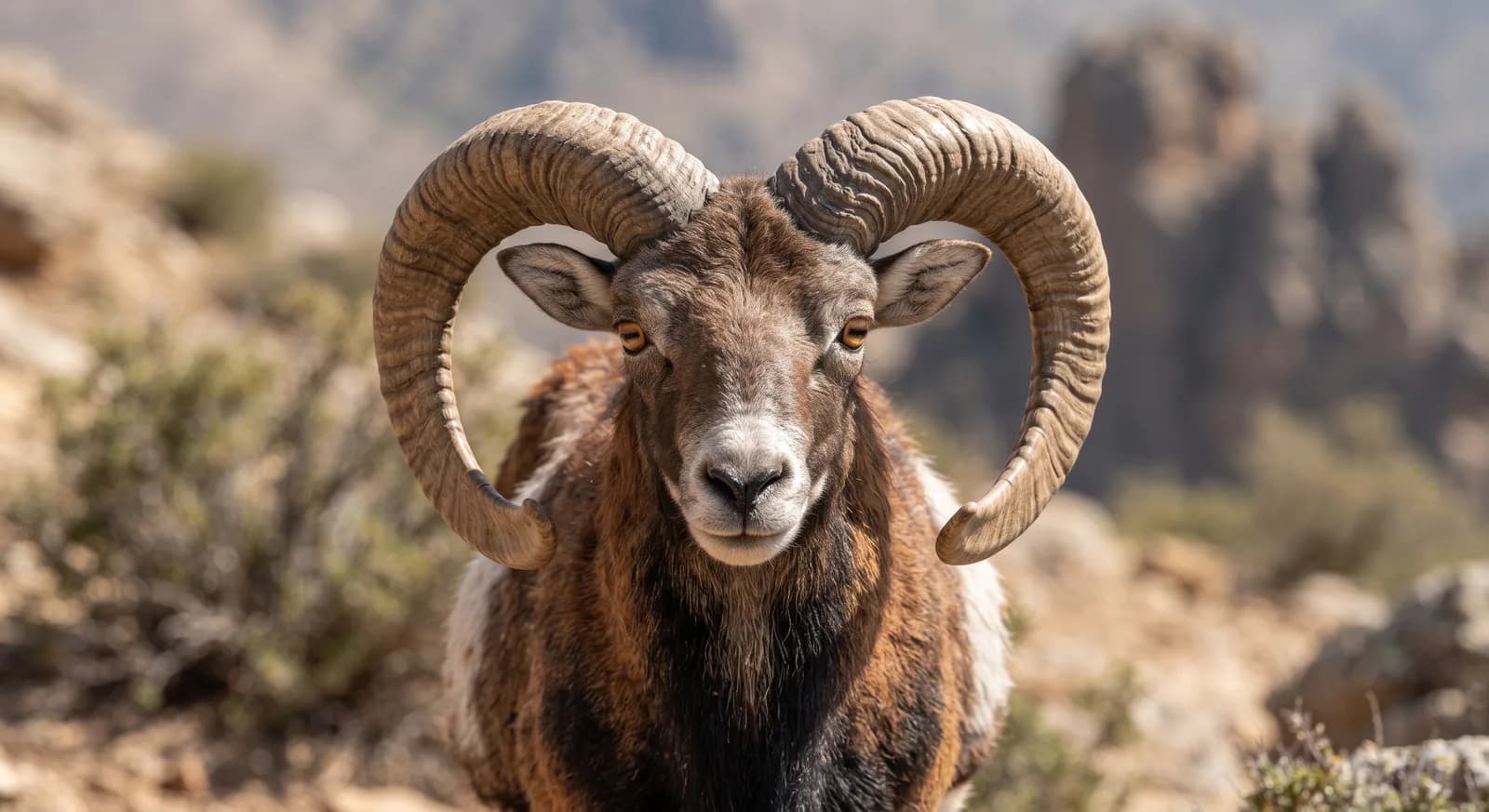
Mouflon
Ovis orientalis
Keep exploring
Based on what we already know about alpine marmot.
Comments
Share an experience, a fun fact or a tip for seeing the alpine marmot.
Be the first to comment.