Switzerland
Europa
Switzerland is a vertical country: the Alps take up almost two thirds of its surface and create a stepped range of environments from the temperate forests of the Mittelland to glaciers and rock faces above four thousand metres. Above the treeline live ibex, chamois, marmots, mountain hares and ptarmigan, with their characteristic seasonal moult of coat and plumage to winter white. The Swiss National Park, created in 1914 in the Engadine, was the first in the Alps and the oldest in central Europe, and runs on a rule of strict non-intervention: no felling, no hunting and no leaving the paths, which has made its valleys a scientific reference on how an alpine ecosystem develops without management. The large carnivores have returned in stages: the lynx by reintroduction in 1971 and the wolf by natural expansion from Italy in 1995.
The nature of Switzerland
National animal: No official national animal; the Alpine ibex and the St Bernard dog are the country's wildlife icons
Did you know?
The Alpine ibex had died out in Switzerland at the start of the nineteenth century, and its return began clandestinely: between 1906 and 1920 several kids were poached from the Italian royal reserve of Gran Paradiso and smuggled across the border. From those animals taken in secret came today's Swiss colonies, which number more than fifteen thousand.
Biodiversity profile
Climate
- •Oceanico templado (Cfb) en la meseta central
- •Clima de alta montaña y alpino en los Alpes
- •Clima mas continental en los valles orientales
Main biomes
- •Bosque de coniferas y mixto alpino
- •Praderas y matorral de alta montaña por encima del limite forestal
- •Glaciares y zonas nivales en las cumbres mas altas
- •Alta montaña alpina
- •Bosque de coníferas subalpino
- •Pastizal de altitud
- •Glaciar y morrena
- •Turbera de altitud
- •Lago alpino
- •Bosque templado caducifolio
Marine and coastal ecosystems
- •No aplica (pais sin litoral)
Flagship wildlife
- •Cabra montes de los Alpes
- •Marmota alpina
- •Lince euroasiatico (reintroducido)
- •Quebrantahuesos (reintroducido con exito en los Alpes suizos)
- •Íbice alpino
- •Rebeco
- •Lince boreal
- •Lobo gris
- •Águila real
- •Liebre variable
- •Perdiz nival
- •Ciervo rojo
Notable endemic species
- •Los Alpes en su conjunto albergan 4.485-4.500 especies de plantas vasculares, con hasta 400 especies endemicas exclusivas de la cordillera, concentradas en generos como Campanula, Draba, Primula y Saxifraga
Notable threatened species
- •Solo 2% del mosaico transnacional de areas estrictamente protegidas de los Alpes se ubica en Suiza, aunque el pais cuenta con numerosas areas protegidas bajo categorias menos estrictas (reservas cantonales, zonas de veda de caza, reservas forestales)
- •Especies alpinas de alta montaña vulnerables al desplazamiento altitudinal por cambio climatico
Notable protected areas
- •Parque Nacional Suizo (el mas antiguo de los Alpes)
- •Region del Jungfrau-Aletsch (Patrimonio Mundial)
- •Región Jungfrau-Aletsch
- •Parque Natural de Gruyère Pays-d'Enhaut
- •Reserva de Aletsch
- •Parque Natural de Ela
- •Reserva de las Grangettes
Main conservation threats
- •Desplazamiento altitudinal de especies alpinas y subnivales por calentamiento (hasta 4 m/decada en algunas especies pioneras)
- •Fragmentacion del mosaico de proteccion transfronteriza alpina, que requiere coordinacion entre paises para ser efectiva
- •Retroceso glaciar acelerado
Notable natural phenomena
- •Los Alpes retienen aprox. 20% de la flora vascular nativa de Europa en solo el 3% de la superficie del continente por encima del limite climatico del bosque
Conservation
The melting of the Alpine glaciers is pushing mountain wildlife upwards and shrinking its available habitat. The wolf's return sustains an intense public debate that has reached federal votes.
Where and when to watch wildlife
The Engadine and the Swiss National Park in September for the deer rut and groups of ibex. High mountains in June and July for marmots active after hibernation. Valais for the reintroduced bearded vulture.
Sources: WSL - Alpine plants climate change gaps protected areas | One Earth - Alps Conifer and Mixed Forests | BioDB.com - Switzerland | ClimateChangePost - Biodiversity Austria (referencia regional alpina)
Parks and reserves
Arena Tectónica Suiza Sardona
The place where thrust faulting was first understood: 250-million-year-old rocks lying on top of much younger ones.
View parkWorld Heritage SiteJungfrau-Aletsch
The largest glacier in the Alps and the most spectacular high-mountain landscape in central Europe.
View parkWorld Heritage Site (Natural)Monte San Giorgio
The world's finest fossil record of Middle Triassic marine life, on a mountain above Lake Lugano.
View parkNational Park (strict reserve)Swiss National Park
The oldest park in the Alps; no human intervention since it was created
View parkEspecies documentadas en Switzerland
436 species found
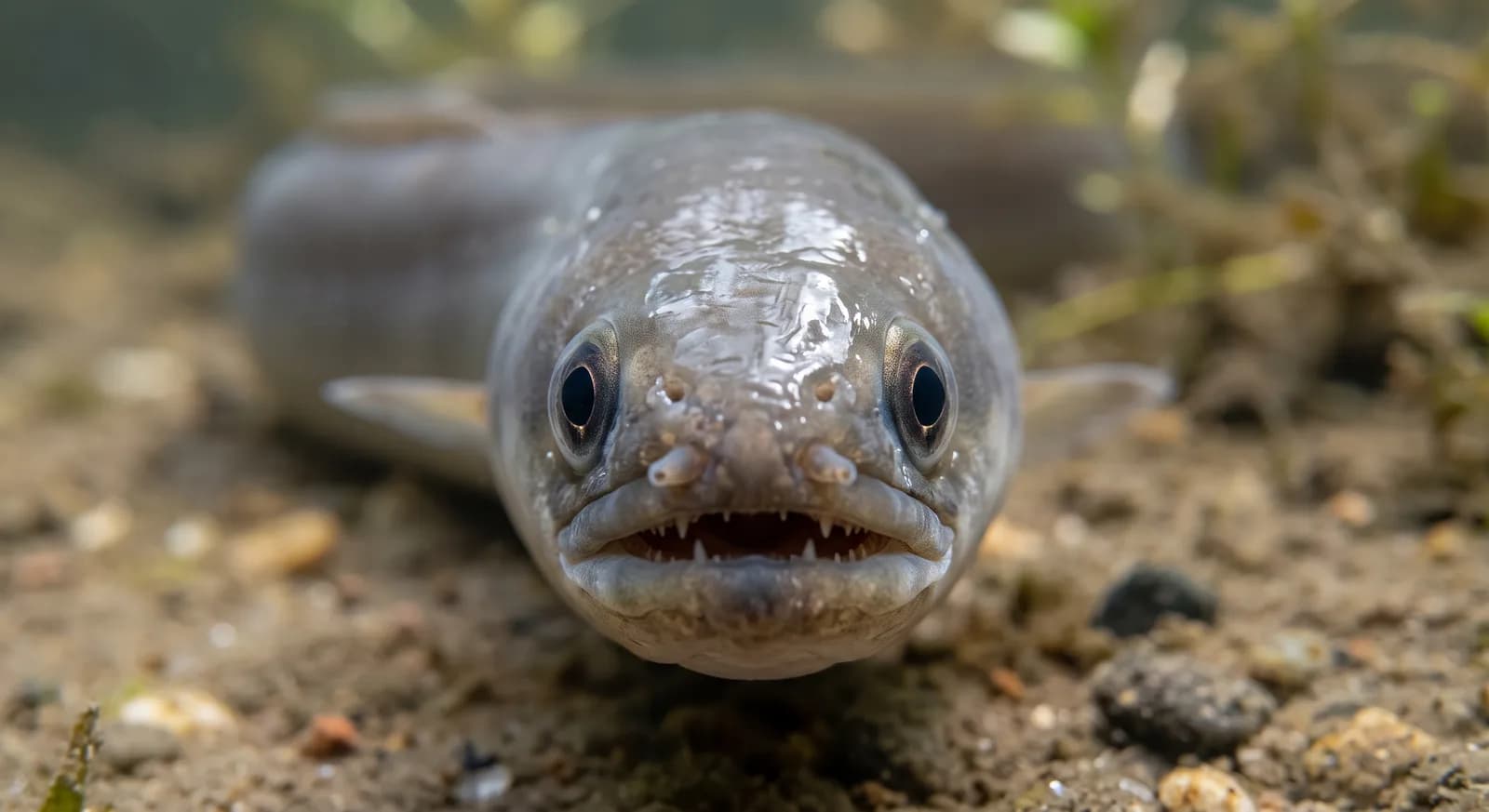 Critically Endangered
European Eel
Anguilla anguilla
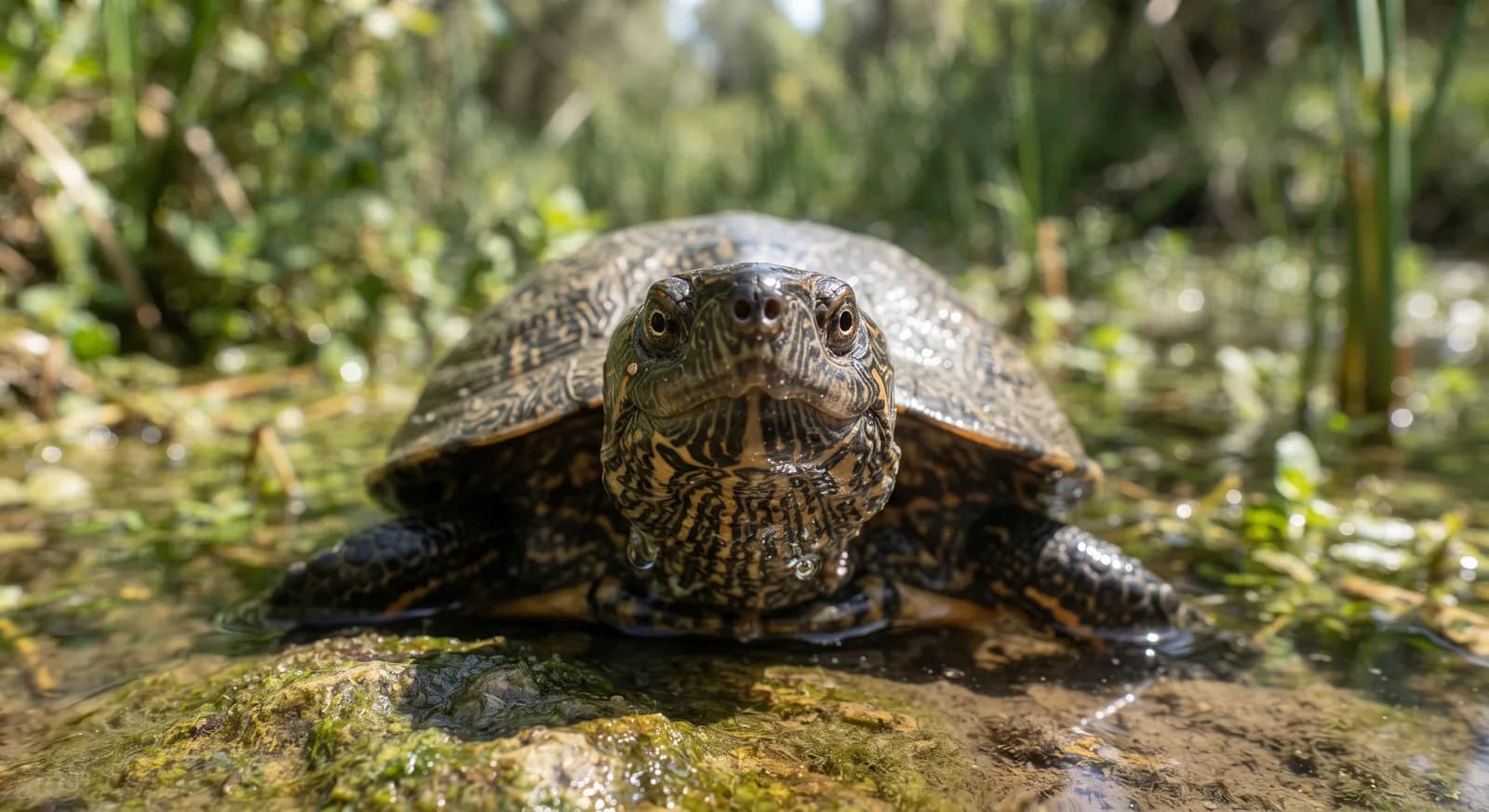 Vulnerable
Spanish Terrapin
Mauremys leprosa
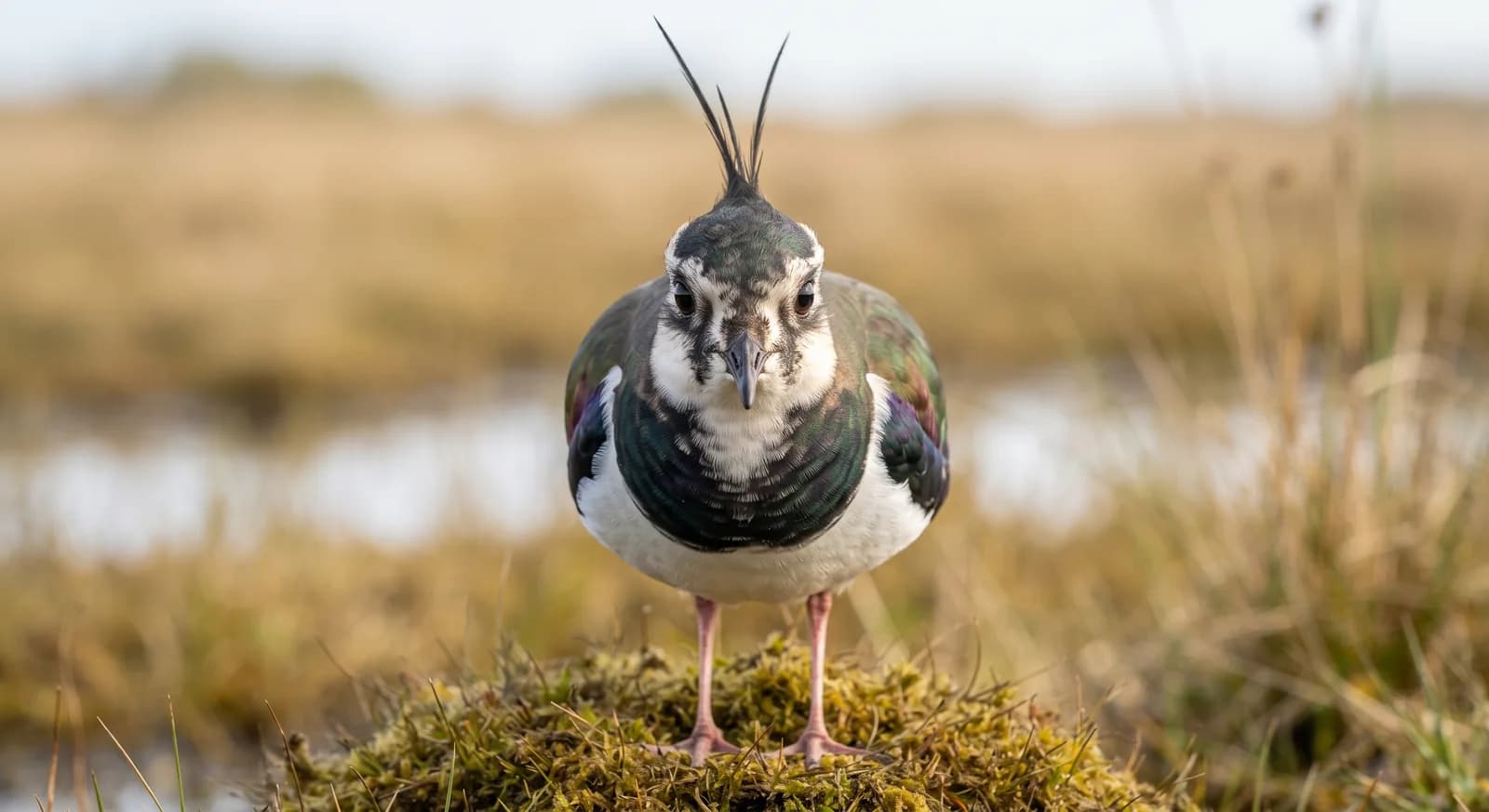 Near Threatened
Northern Lapwing
Vanellus vanellus
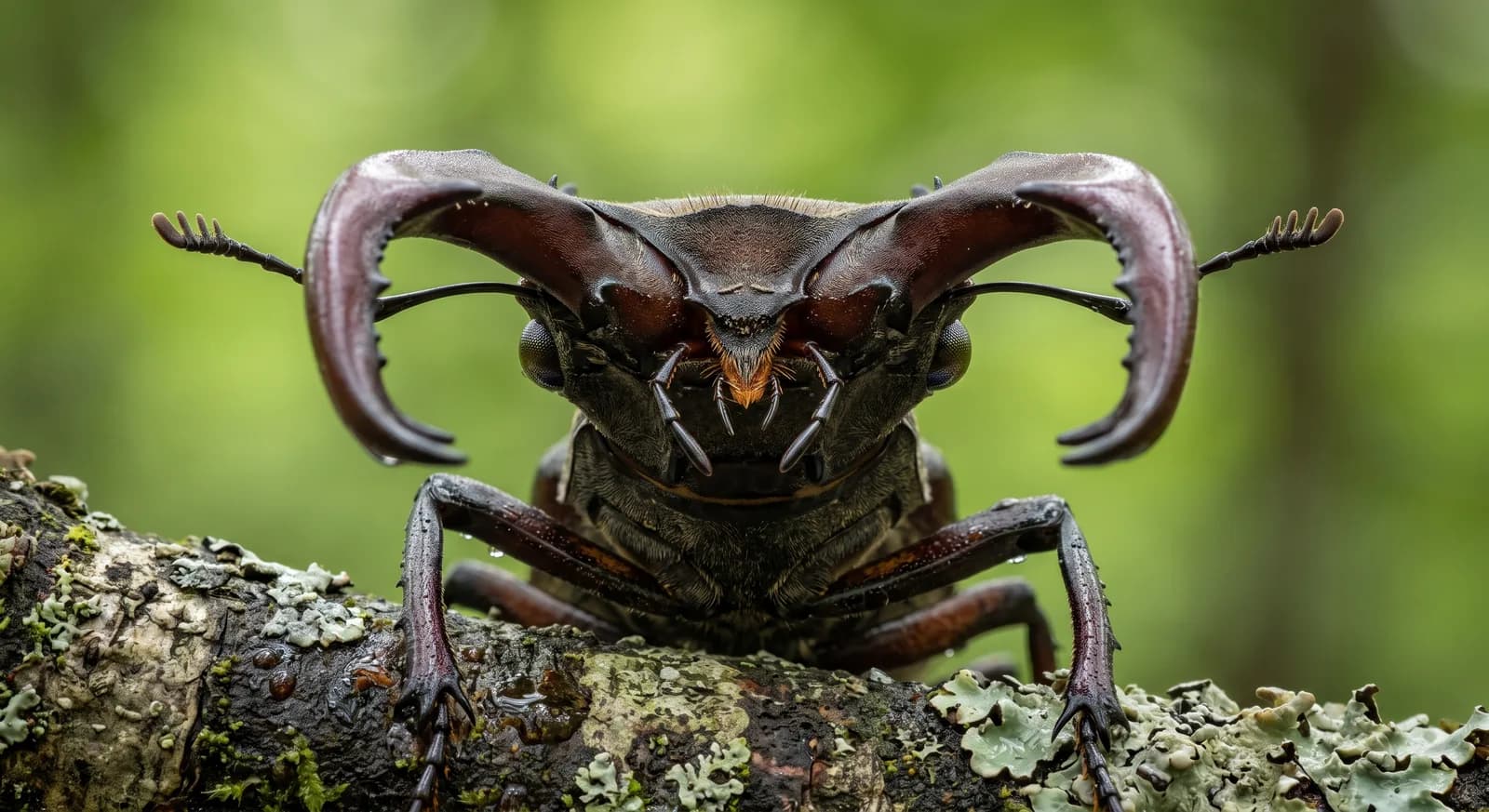 Near Threatened
Stag Beetle
Lucanus cervus
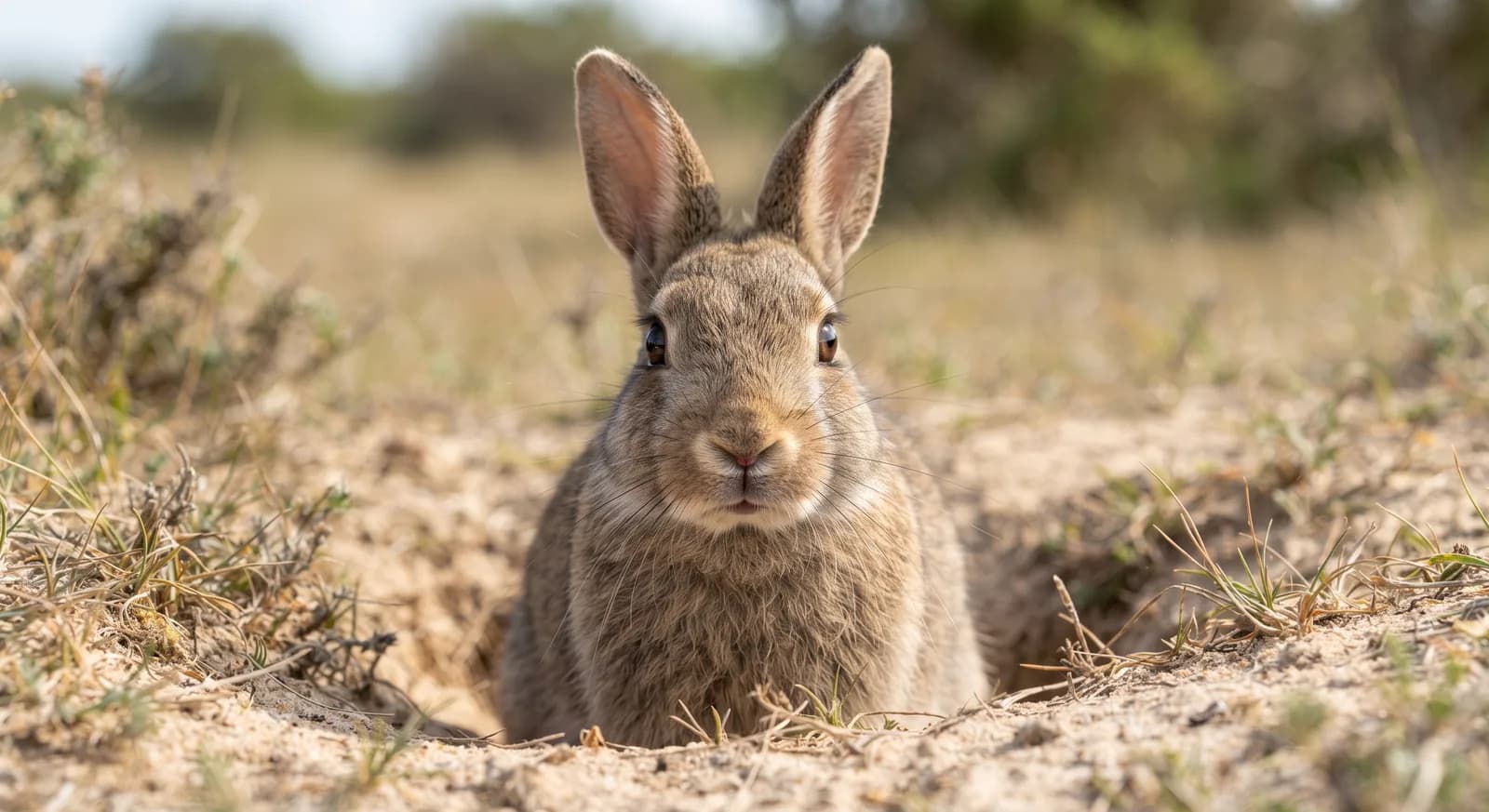 Near Threatened
European Rabbit
Oryctolagus cuniculus
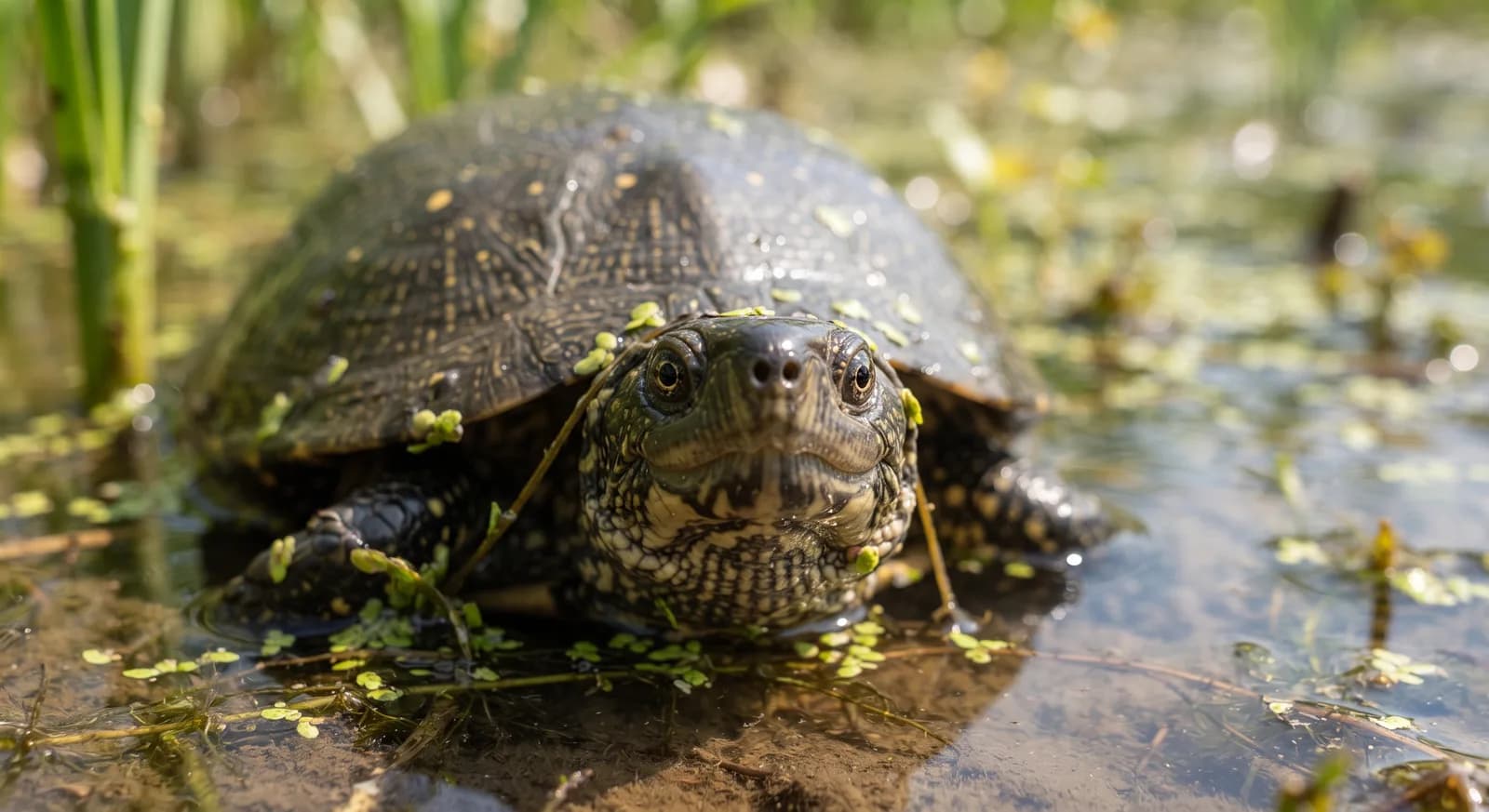 Near Threatened
European Pond Turtle
Emys orbicularis
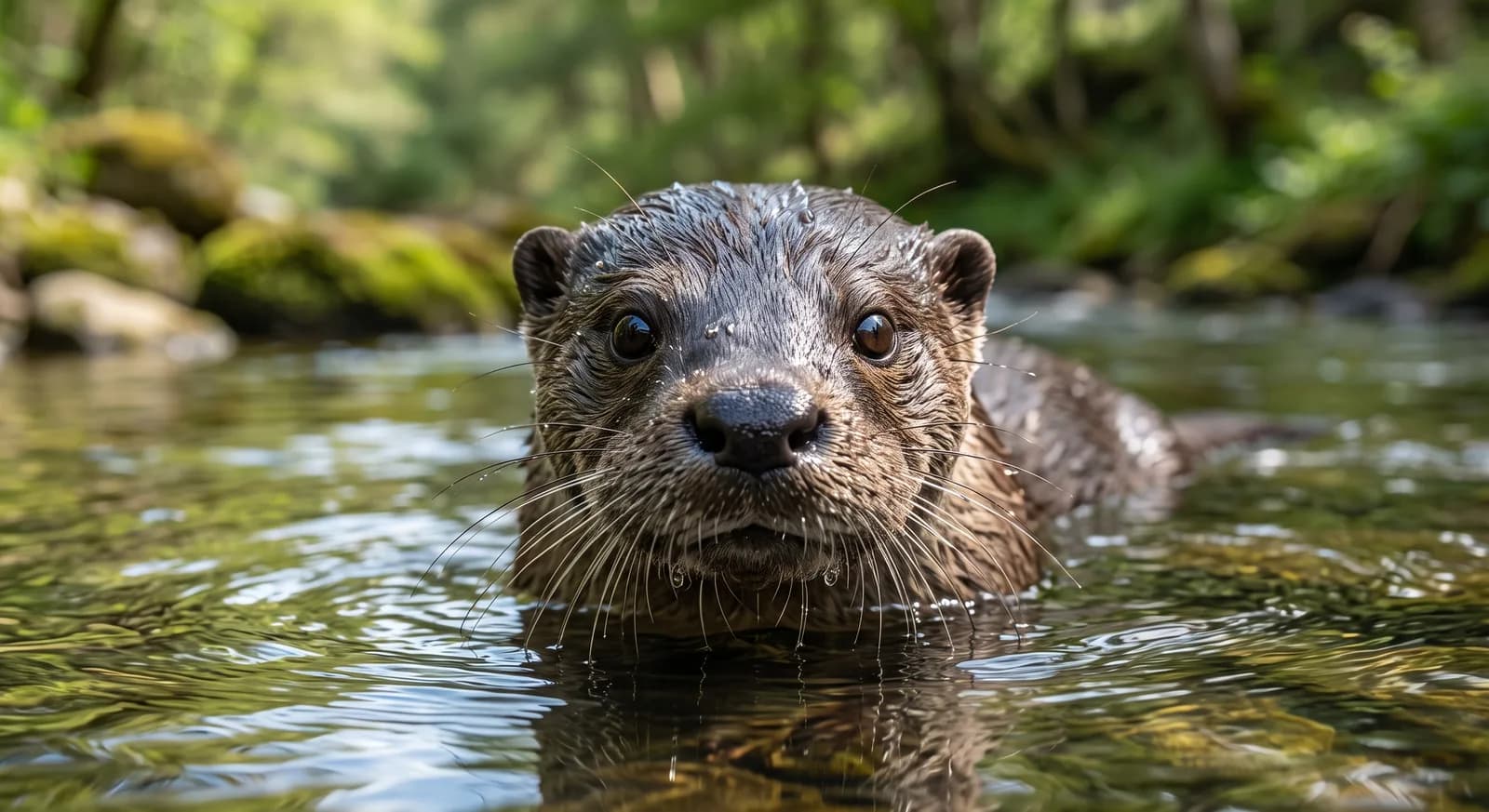 Near Threatened
European Otter
Lutra lutra
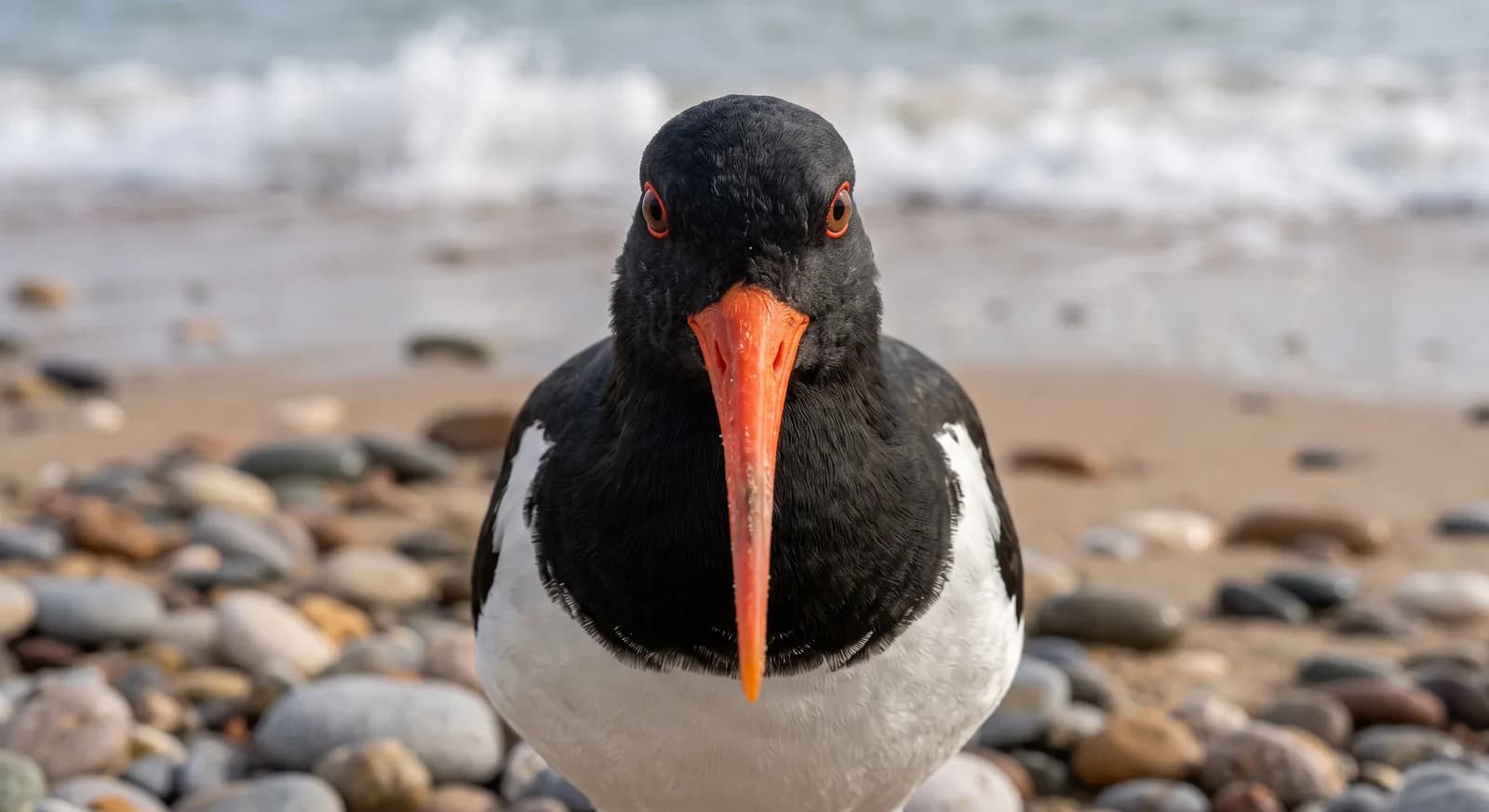 Near Threatened
Eurasian Oystercatcher
Haematopus ostralegus
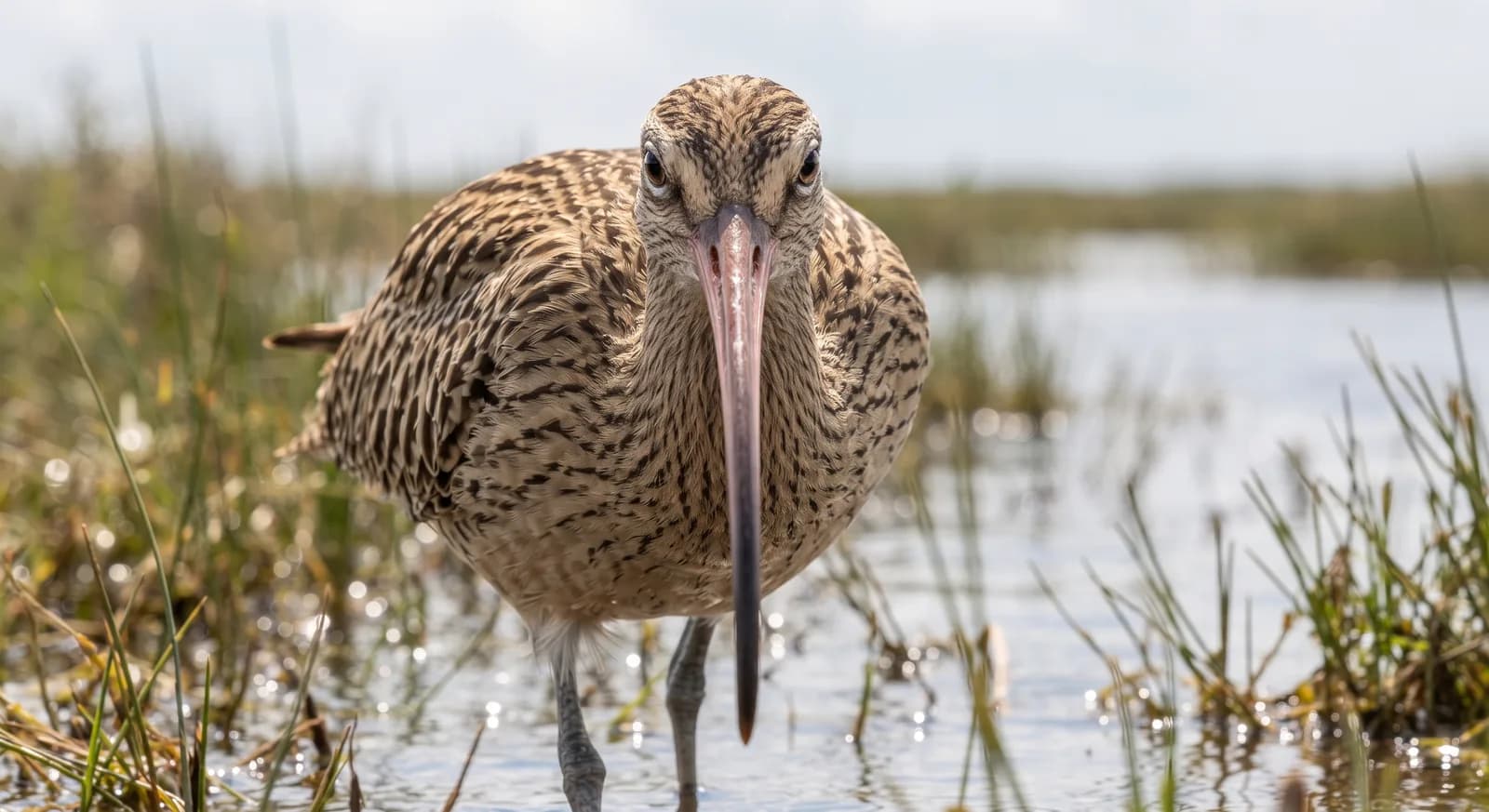 Near Threatened
Eurasian Curlew
Numenius arquata
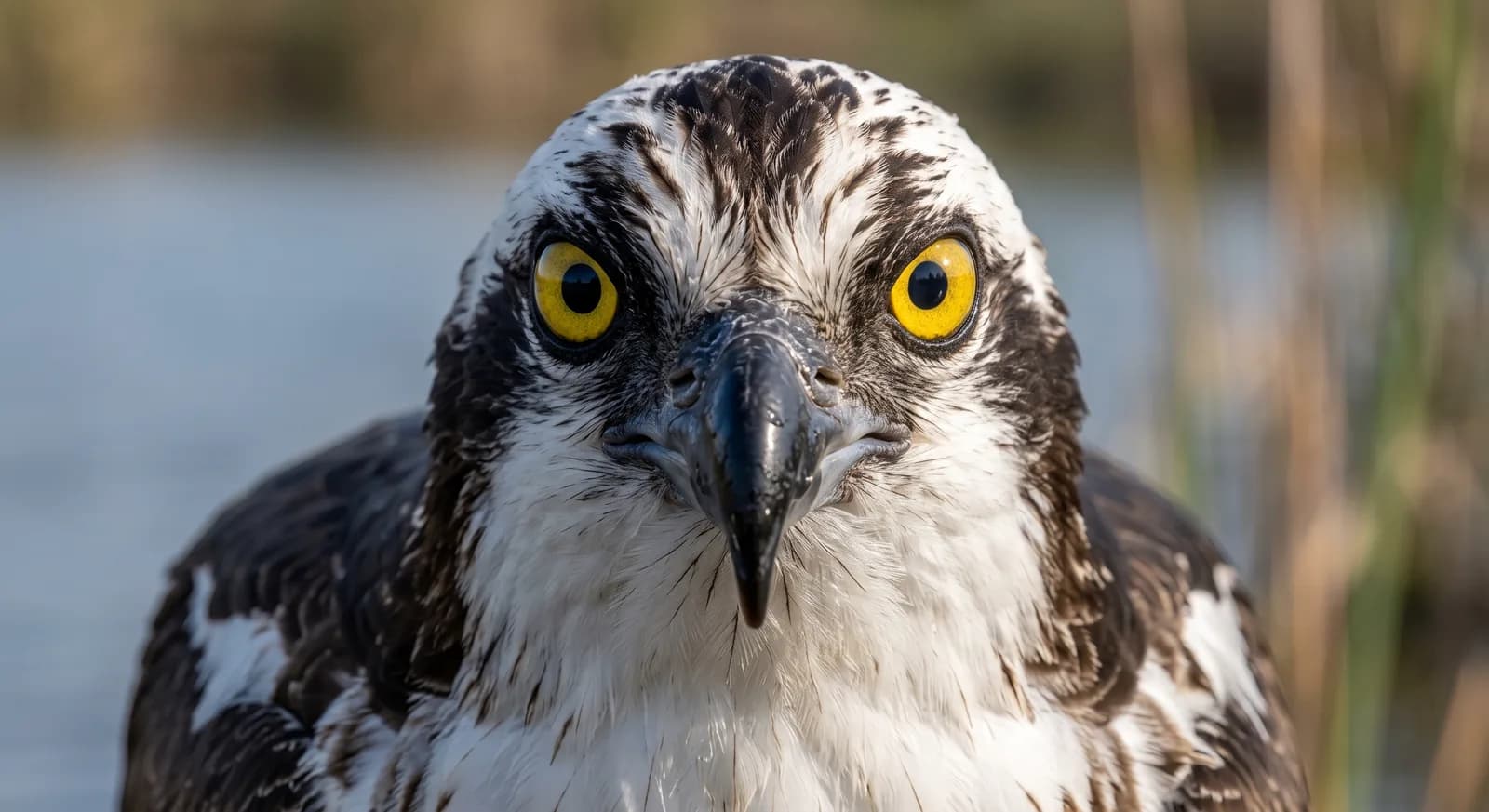 Least Concern
Osprey
Pandion haliaetus
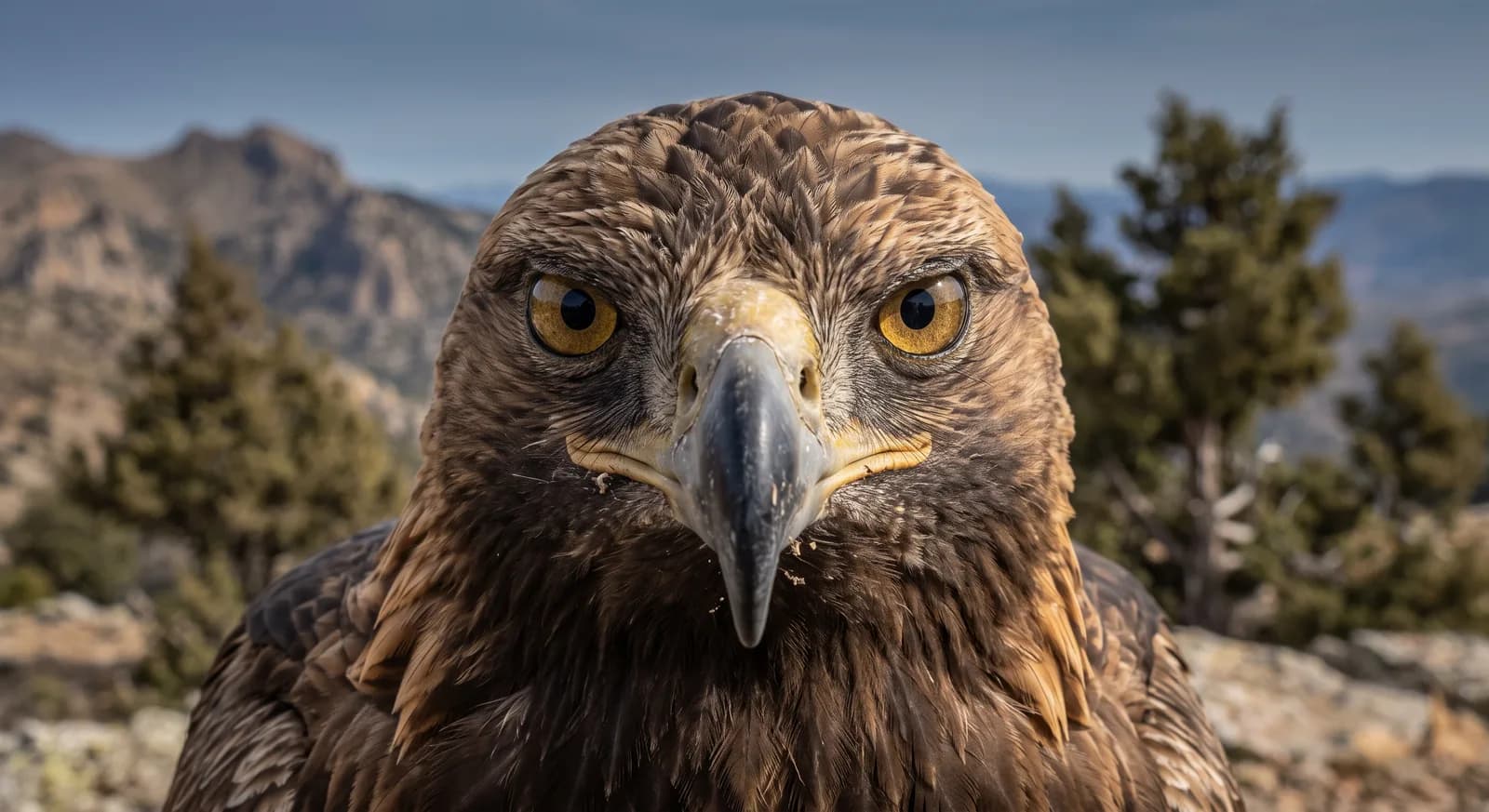 Least Concern
Golden Eagle
Aquila chrysaetos
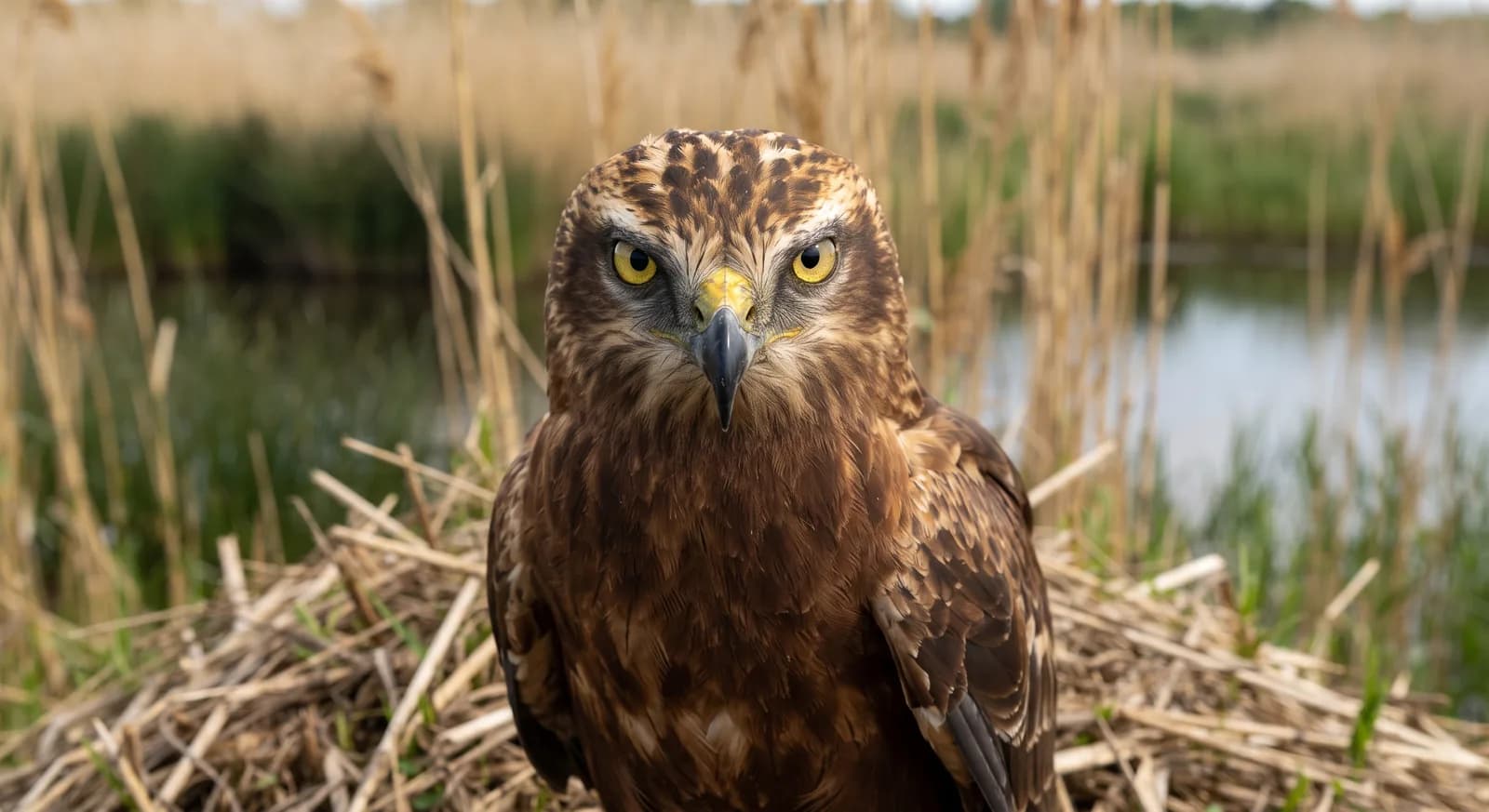 Least Concern
Western Marsh Harrier
Circus aeruginosus
Keep exploring
Based on what we already know about Switzerland.