One of the 8 hares on WAnimals
Mammals · Lagomorpha · Leporidae
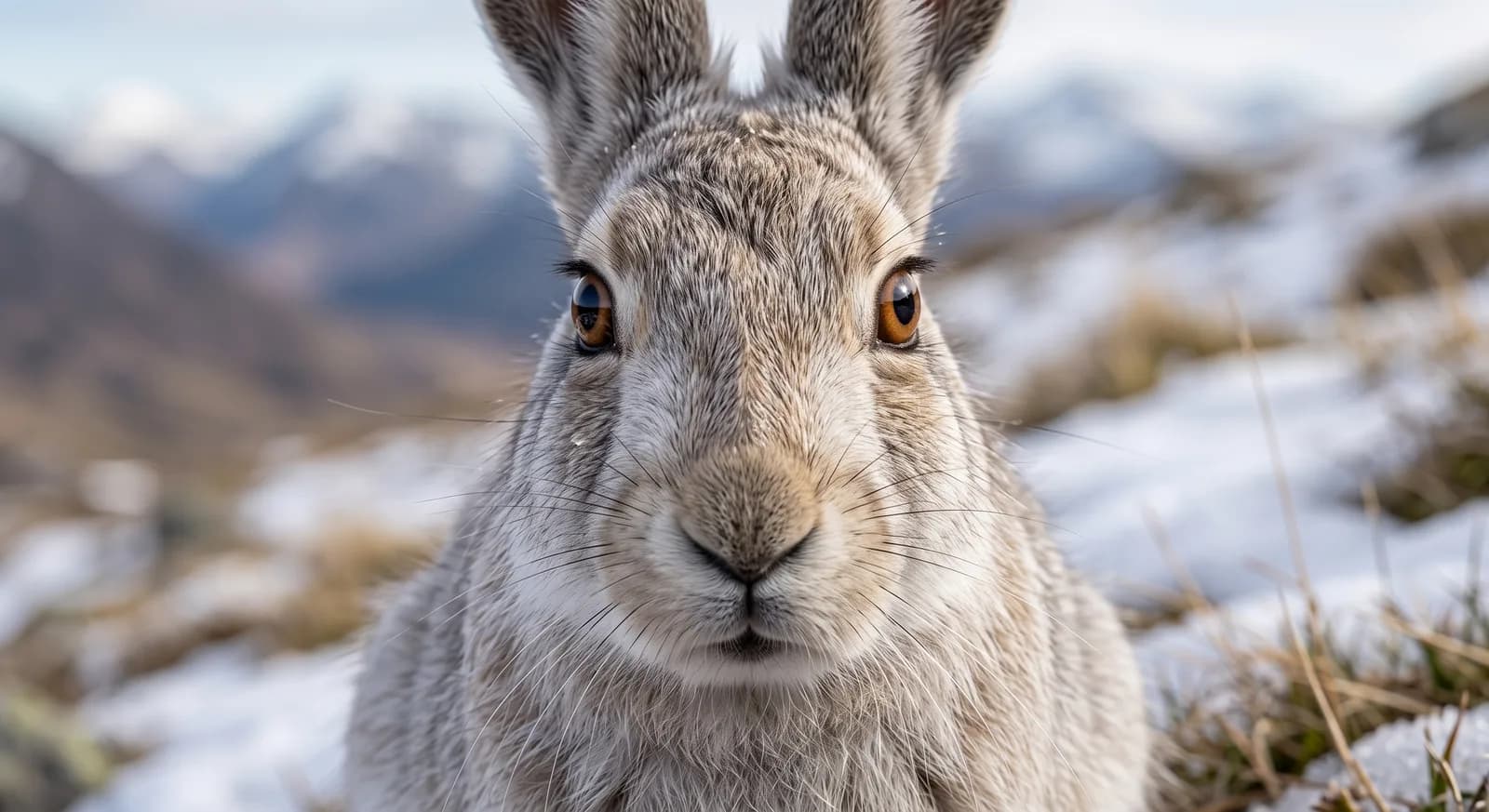
Mountain Hare
Lepus timidus
The species is abundant and widely distributed; it faces no significant short-term risk. See full glossary
The mountain hare owes its Spanish name to the seasonal change in its coat: greyish brown in summer and white in winter, except for the tips of the ears, which stay black. It ranges from Scandinavia and Siberia to relict populations in the Alps, Scotland and Ireland. Its very broad, hairy hind feet work as snowshoes. Climate change threatens it in a peculiar way: in winters without snow its white coat leaves it completely exposed.
Weight
2 kg – 5.8 kg
Size
45 cm – 65 cm
Lifespan
9 years
Diet
Herbivore
Feeds mainly on plants.
Activity
Nocturnal
Active mainly at night.
Social structure
Solitary
Lives and hunts alone, joining others only to breed.
Sighting difficulty
Easy
Fun facts
- GeneralIt turns white in winter to blend into the snow.
- It moults to white in response to day length, not to snow: in increasingly mild winters it turns completely white against brown ground, a mismatch that ecologists call camouflage mismatch and that sends its mortality soaring.
- The Alpine and Scottish populations are glacial relicts: they were left isolated on the summits when the ice retreated, and now have nowhere higher to go as the climate warms.
Life cycle & biology
- Skeleton type
- Vertebrate - internal bony skeleton (mammal)
- Habitat & environment
- Tundra, taiga, mountain heath and boreal forest of Eurasia; in the south, isolated summits
- Sexual maturity
- 8.7 months
- Gestation / incubation
- 50 days
- Litter / clutch size
- 2
Sources consulted: https://www.iucnredlist.org/ | https://animaldiversity.org/ | https://es.wikipedia.org/
Where to find it
See its range on the interactive mapWhere to watch it
Parks and dive sites where this species has been documented.
Related species
Other species in the catalogue with the most in common with Mountain Hare — same habitat, park, country, tags or family.
 Least Concern
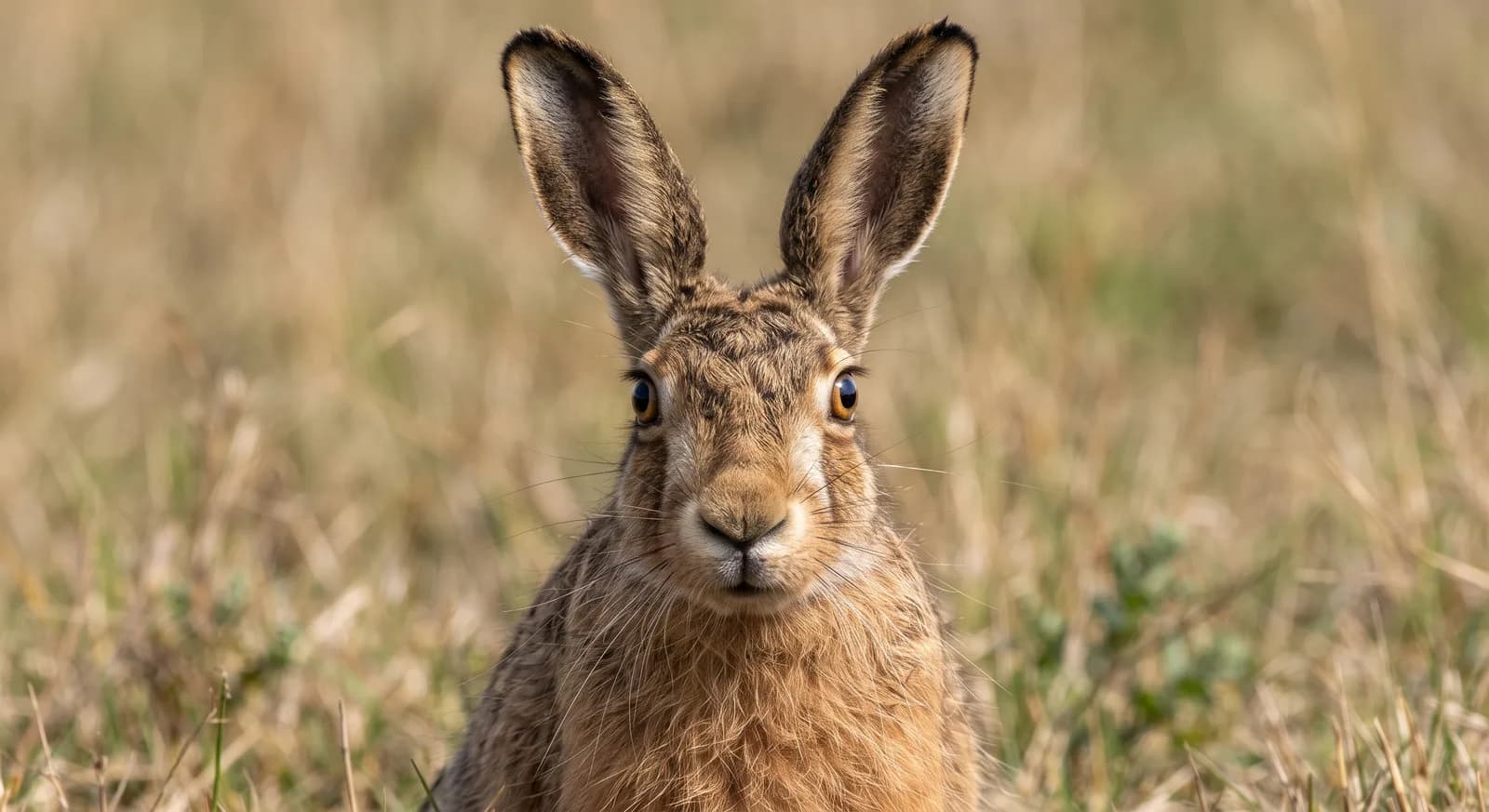
European Hare
Lepus europaeus
Arctic Hare
Lepus arcticus
 Near Threatened
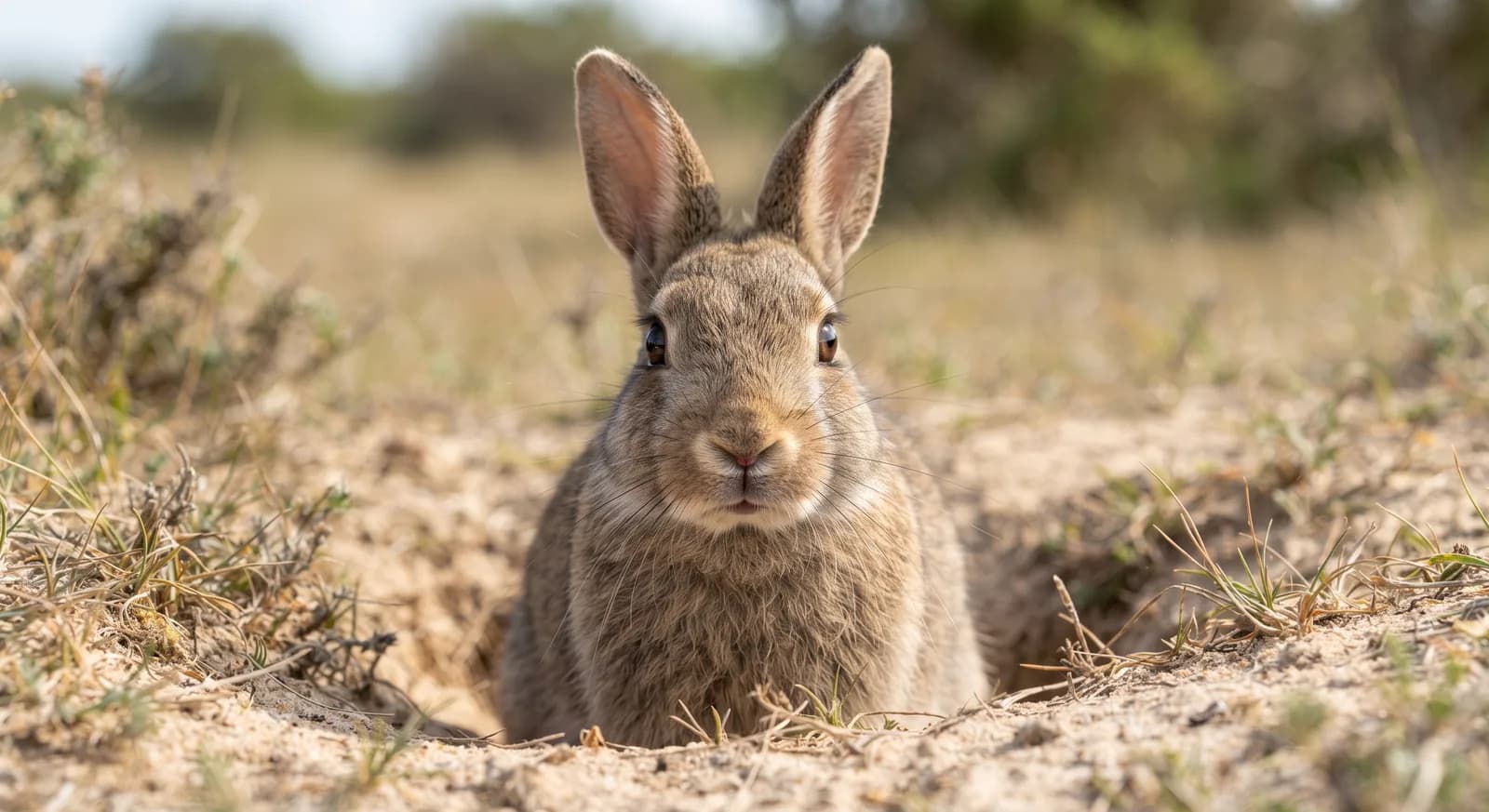
European Rabbit
Oryctolagus cuniculus
 Least Concern
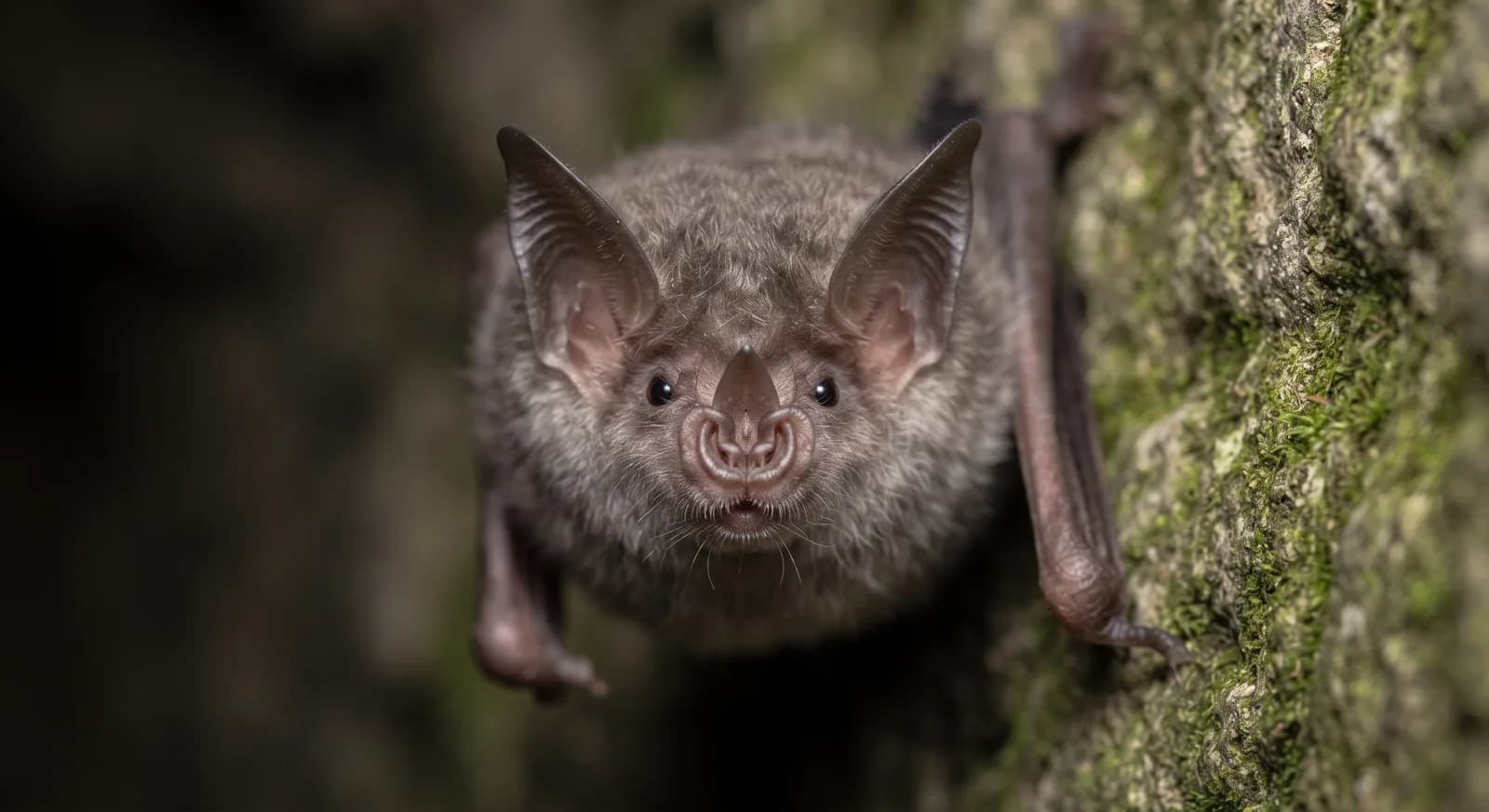
Greater Horseshoe Bat
Rhinolophus ferrumequinum
Fat Dormouse
Glis glis
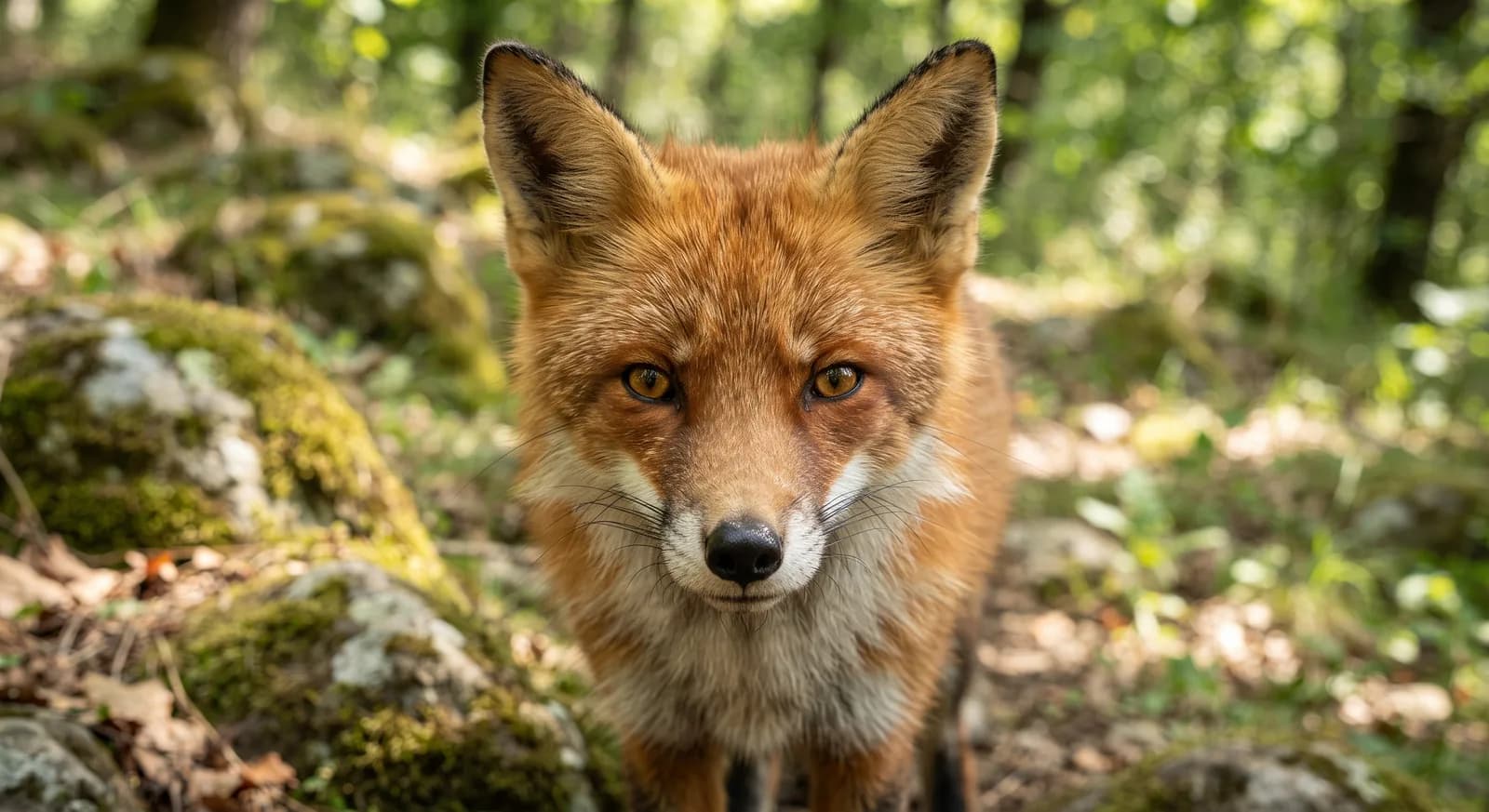 Least Concern
Red Fox
Vulpes vulpes
Keep exploring
Based on what we already know about mountain hare.
Comments
Share an experience, a fun fact or a tip for seeing the mountain hare.
Be the first to comment.