Japan
Asia
Japan extends over three thousand kilometres of latitude, from the drift ice that reaches the coasts of Hokkaido every winter to the subtropical coral reefs of Okinawa, which gives it a diversity of climates and species far greater than its area would suggest. It is a mountainous, volcanic country, two thirds covered by forest, with an island fauna full of unique forms. The Shiretoko peninsula, in the northeast, is a World Heritage Site thanks to the food chain that begins with sea ice and culminates in brown bears, Steller's sea eagles and salmon. In the south, the island of Yakushima keeps thousand-year-old cedars in a temperate rainforest, and the Ryukyu Islands hold relict mammals such as the Amami rabbit and the Iriomote cat.
The nature of Japan
National animal: The green pheasant, the country's national bird
Did you know?
The Japanese macaque is the non-human primate that lives furthest north on the planet and endures winters with metres of snow. In the Jigokudani valley, one group learned to get into the hot springs to fight the cold: the habit began in the 1960s when a female copied human bathers, and it spread from one individual to another until it became a cultural tradition of the group that has been kept up generation after generation.
Biodiversity profile
Climate
- •Subartico/boreal en Hokkaido (norte)
- •Templado humedo (Cfa) en Honshu central
- •Subtropical humedo en las islas Ryukyu y Okinawa (sur)
Main biomes
- •Bosque boreal de coniferas (Hokkaido)
- •Bosque templado caducifolio y mixto (Honshu)
- •Bosque subtropical humedo y arrecifes de coral (islas Ryukyu/Okinawa)
- •Ecosistemas de "satochi-satoyama" (mosaico rural tradicional de bosque y cultivo)
- •Bosque templado caducifolio
- •Bosque lluvioso templado de cedros
- •Hielo a la deriva costero
- •Arrecife de coral subtropical
- •Volcán activo
- •Humedal de turbera
- •Bosque subalpino
Marine and coastal ecosystems
- •Aguas de reproduccion invernal de ballenas jorobadas (islas Ogasawara)
- •Arrecifes de coral de Ishigaki y otras islas Ryukyu
- •50 de las 127 especies mundiales de mamiferos marinos presentes en aguas japonesas
Flagship wildlife
- •Macaco japones o "mono de nieve" (primate no humano que vive mas al norte del mundo)
- •Oso pardo de Hokkaido
- •Salamandra gigante japonesa
- •Grulla de corona roja
- •Gato salvaje de Iriomote (endemico y en peligro critico)
- •Macaco japonés
- •Grulla de coronilla roja
- •Águila de Steller
- •Gato de Iriomote
- •Conejo de Amami
- •Ibis crestado
- •Ciervo sika
- •Tortuga boba
Notable endemic species
- •Aprox. 40% de mamiferos terrestres y plantas vasculares, 60% de reptiles y 80% de anfibios son endemicos de Japon
- •Gato salvaje de Iriomote (endemico de la isla de Iriomote)
- •Musaraña de Ogasawara y geco de Yaku (endemismos insulares)
- •Islas Ogasawara conocidas como "laboratorio de la evolucion" por su radiacion evolutiva unica en caracoles terrestres y plantas
- •Macaco japonés
- •Gato de Iriomote
- •Conejo de Amami
- •Salamandra gigante japonesa
- •Serow japonés
Notable threatened species
- •Pajaro carpintero de Okinawa (En Peligro Critico)
- •Gato salvaje de Iriomote (En Peligro Critico)
- •Zorro volador de Bonin/Ogasawara (En Peligro Critico, unico mamifero terrestre nativo de las islas Ogasawara)
- •10 aves, 21 mamiferos y 19 anfibios endemicos amenazados en el hotspot japones segun Conservation International
Notable protected areas
- •Islas Ogasawara (Patrimonio Mundial, "Galapagos de Oriente")
- •Islas Ryukyu/Amami-Okinawa (Patrimonio Mundial)
- •Parque Nacional de Shiretoko (Hokkaido)
- •Isla de Yakushima
- •Parque Nacional de Kushiro-Shitsugen
- •Parque Nacional de Iriomote-Ishigaki
- •Parque Nacional de Daisetsuzan
Main conservation threats
- •Especies invasoras (mangosta gris india, comadreja siberiana, black bass) como principal amenaza para fauna insular endemica
- •Desarrollo urbano sobre habitats naturales
- •Aumento del numero de especies amenazadas a lo largo del tiempo pese a los esfuerzos de conservacion
Notable natural phenomena
- •Reproduccion invernal de ballenas jorobadas en las islas Ogasawara
- •Radiacion evolutiva activa y estudiada cientificamente en caracoles terrestres de Ogasawara
Conservation
The Japanese red-crowned crane was down to twenty or so birds at Kushiro in 1924 and recovered thanks to winter feeding by local farmers. The crested ibis became extinct in Japan and has been reintroduced with birds brought from China.
Where and when to watch wildlife
Jigokudani in winter for macaques in the hot springs. Kushiro between December and February for the cranes' dance. Shiretoko in February for drift ice and Steller's sea eagles.
Sources: constructive-voices.com - Japan Biodiversity | factsanddetails.com - Animals in Japan | TOKI - Biodiversity in Japan | japan.travel - Natural World Heritage Japan National Parks
Natural phenomena in Japan
- Floración de los cerezos (sakura) en Japón — Finales de marzo a principios de abril (varía según región)
- Macacos de nieve en las aguas termales de Jigokudani — Diciembre a marzo
Parks and reserves
Yakushima
Forests of Japanese cedar (yakusugi) up to 7,000 years old, among the oldest living trees on the planet
View parkNational ParkAmami Gunto
Subtropical islands between Kyushu and Okinawa, a refuge for the Amami rabbit and for a unique island laurel forest.
View parkNational ParkFuji-Hakone-Izu
Japan's most visited national park; it takes in Mount Fuji, the country's spiritual symbol
View parkNational Park / World Heritage SiteOgasawara Islands
Nicknamed the Galápagos of the Orient; reachable only after 24 hours by ferry, with no airport, which has preserved an exceptional endemism
View parkNational ParkNikko
It holds the mausoleum of Tokugawa Ieyasu, founder of the shogunate that would rule Japan for over 250 years
View parkNational ParkOgasawara
The "Galápagos of the East": oceanic islands a thousand kilometres from Tokyo, where more than 90 % of the land snails are endemic.
View parkWorld Heritage Site (Natural)Shirakami-Sanchi
The largest virgin beech forest left in East Asia, a roadless territory in the mountains of northern Honshu.
View parkNational ParkShiretoko
One of the highest densities of Hokkaido brown bear in the world; its Ainu name means the end of the earth
View parkNational ParkYambaru
Subtropical forest in northern Okinawa, the sole home of the Okinawa rail and the Okinawa woodpecker.
View parkNational ParkYoshino-Kumano
Mountains and coast of the Kii peninsula, crossed by the Kumano Kodo pilgrimage routes.
View parkDiving and snorkelling
Ogasawara Islands
Thirty islands covering some 8,000 hectares that were never joined to a continent. That isolation produced evolutionary processes of their own, which are the reason for the inscription. The water is exceptionally clear.
View dive siteCleaning stationIshigaki (Manta Scramble)
One of the most reliable manta ray cleaning stations in Asia, within the Yaeyama archipelago.
View dive siteCoral reefKerama Islands
A marine national park with some of the clearest water in Japan, known as Kerama blue.
View dive siteCave/ReefMiyako Island
An island known for its underwater limestone caves and exceptional visibility even by Japanese standards.
View dive siteMuck diving/CaveOsezaki
One of the finest macro photography diving destinations in Japan, reachable from Tokyo and famous among local divers.
View dive siteTemperate reef/MuckSagami Bay
A deep bay near Tokyo with a notable diversity of rare species thanks to its closeness to the Sagami Trough.
View dive siteRock formation/PelagicYonaguni Monument
A rock formation of some 100 by 60 m and about 25 m high, with terraces, vertical walls and right angles unusual on the seabed. It was discovered in 1986 by Kihachiro Aratake, of the Yonaguni tourism association, while he was looking for a good spot to watch hammerhead sharks.
View dive sitePaíses similares
¿A dónde más podría interesarme viajar?
Misma región: Asia Oriental
Misma región: Asia Oriental
Misma región: Asia Oriental
Misma región: Asia Oriental
Especies documentadas en Japan
323 species found
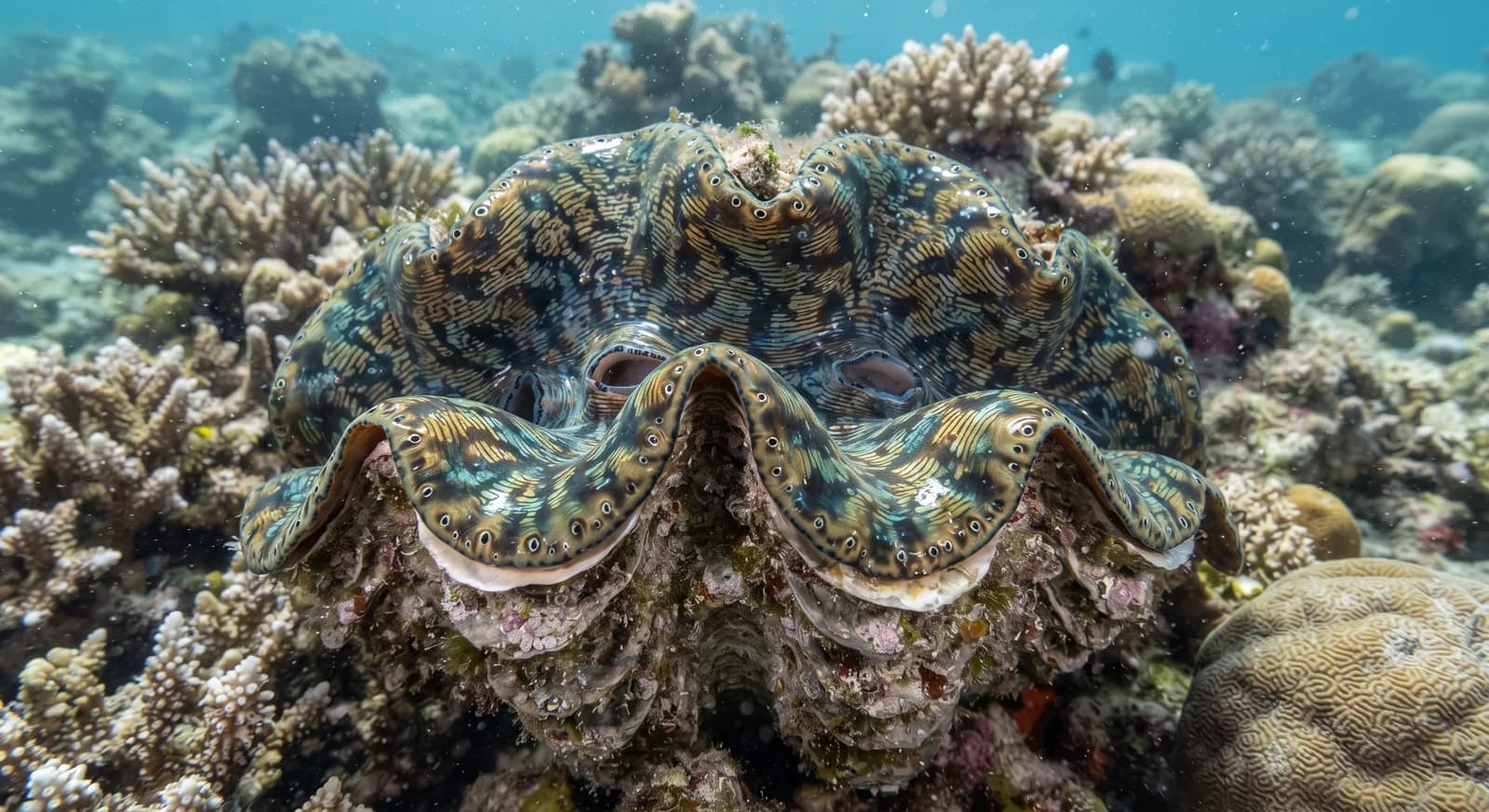 Critically Endangered
Giant Clam
Tridacna gigas
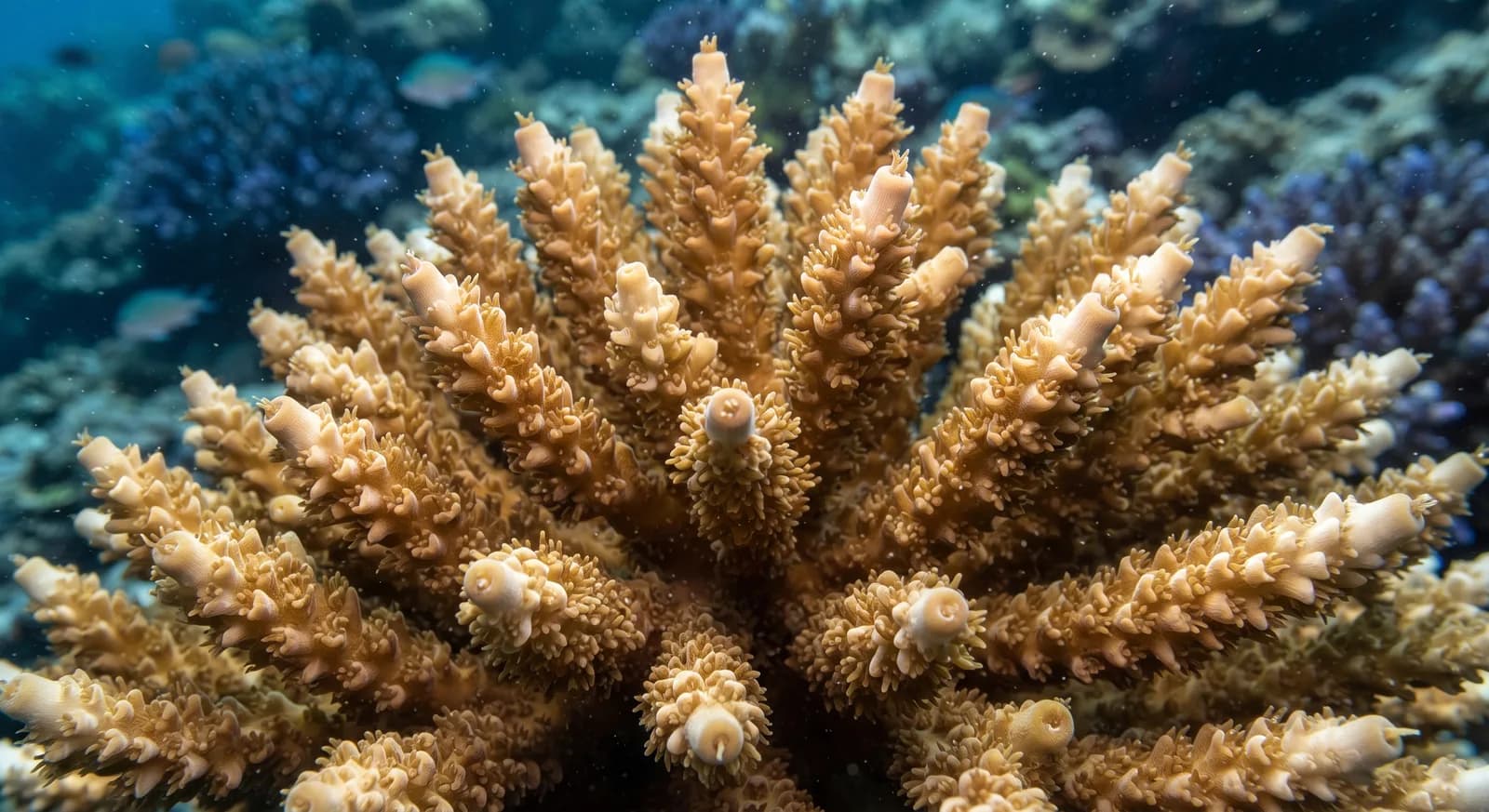 Critically Endangered
Staghorn Coral
Acropora cervicornis
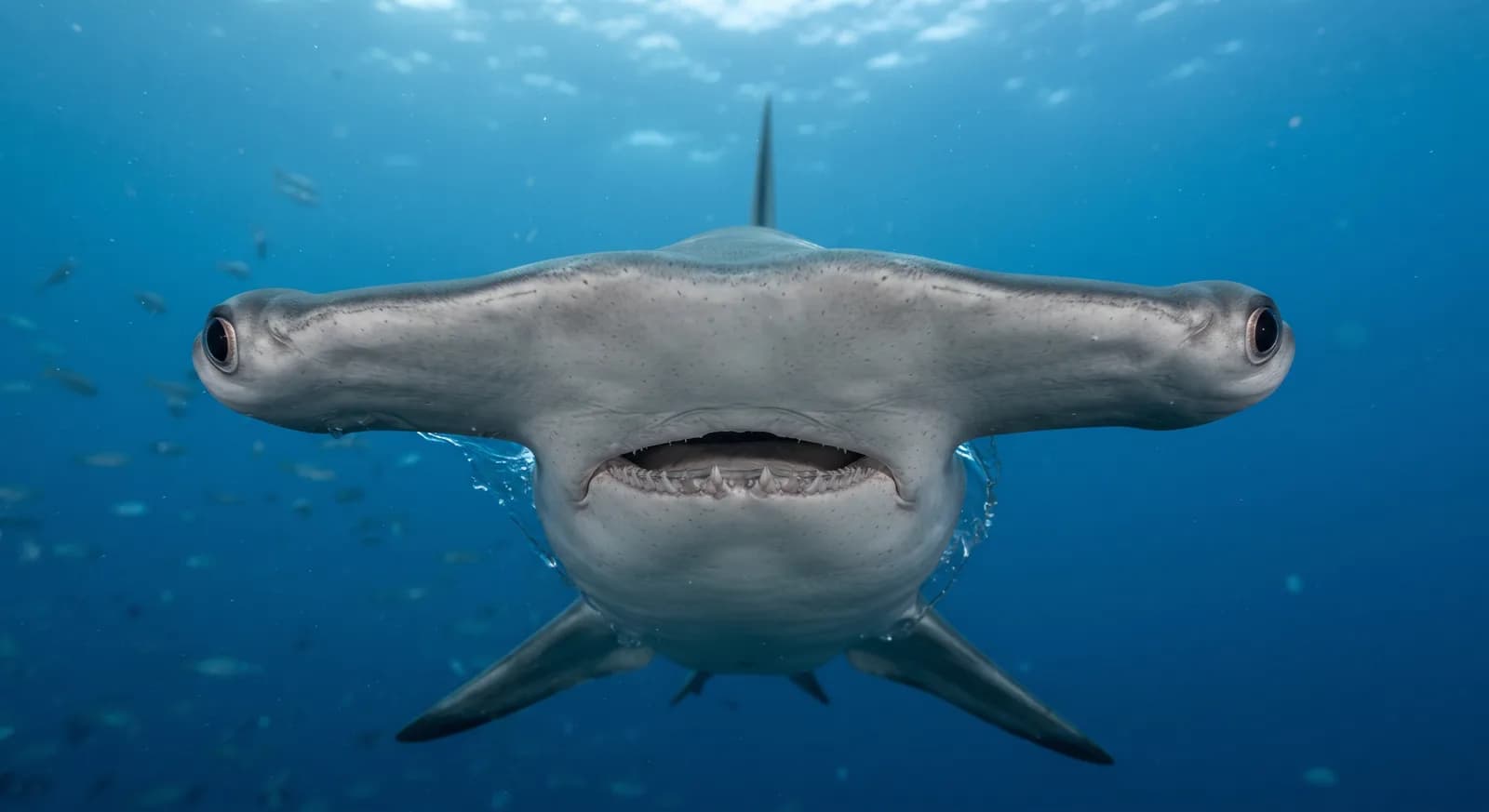 Critically Endangered
Great Hammerhead
Sphyrna mokarran
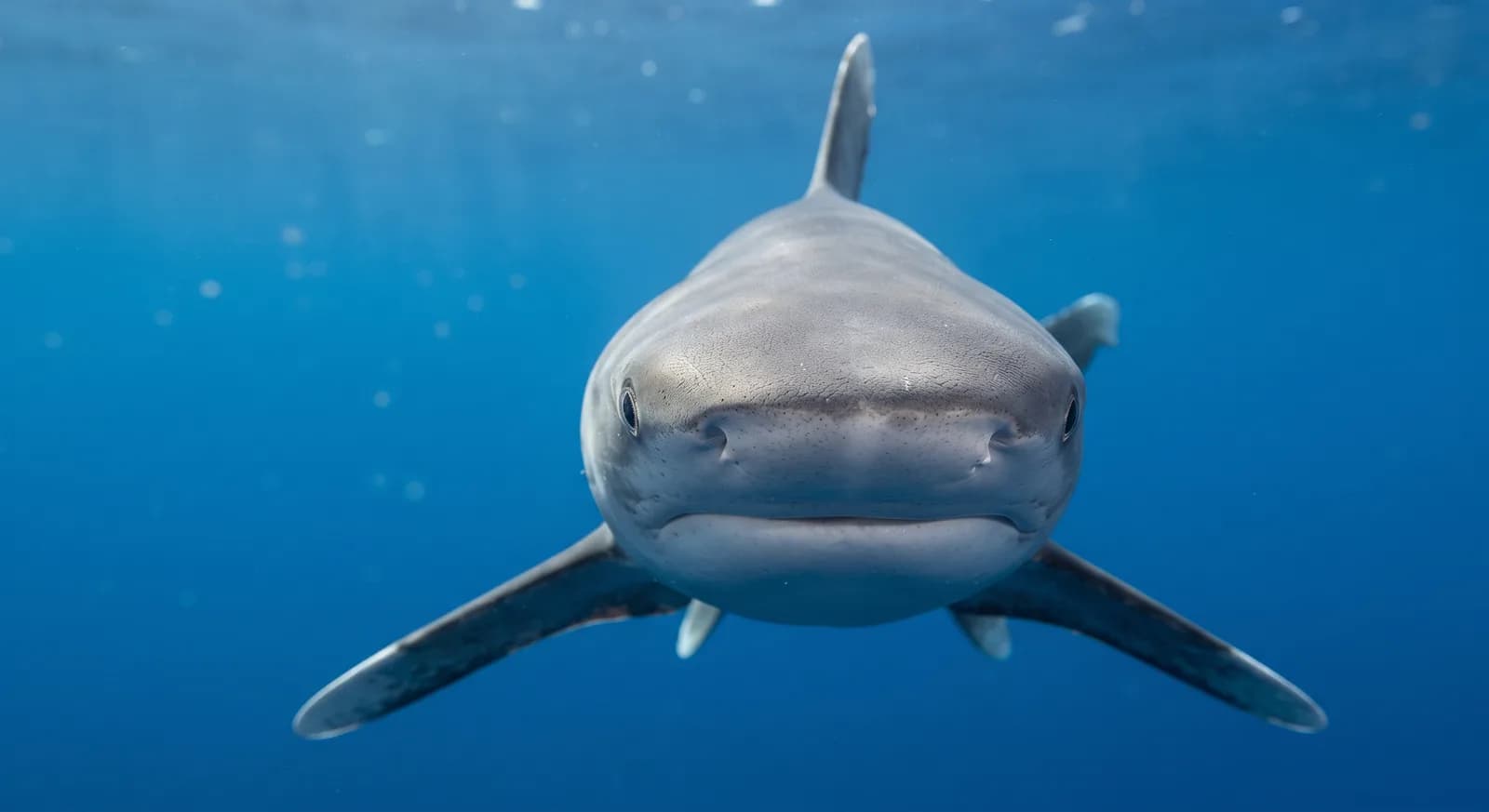 Critically Endangered
Oceanic Whitetip Shark
Carcharhinus longimanus
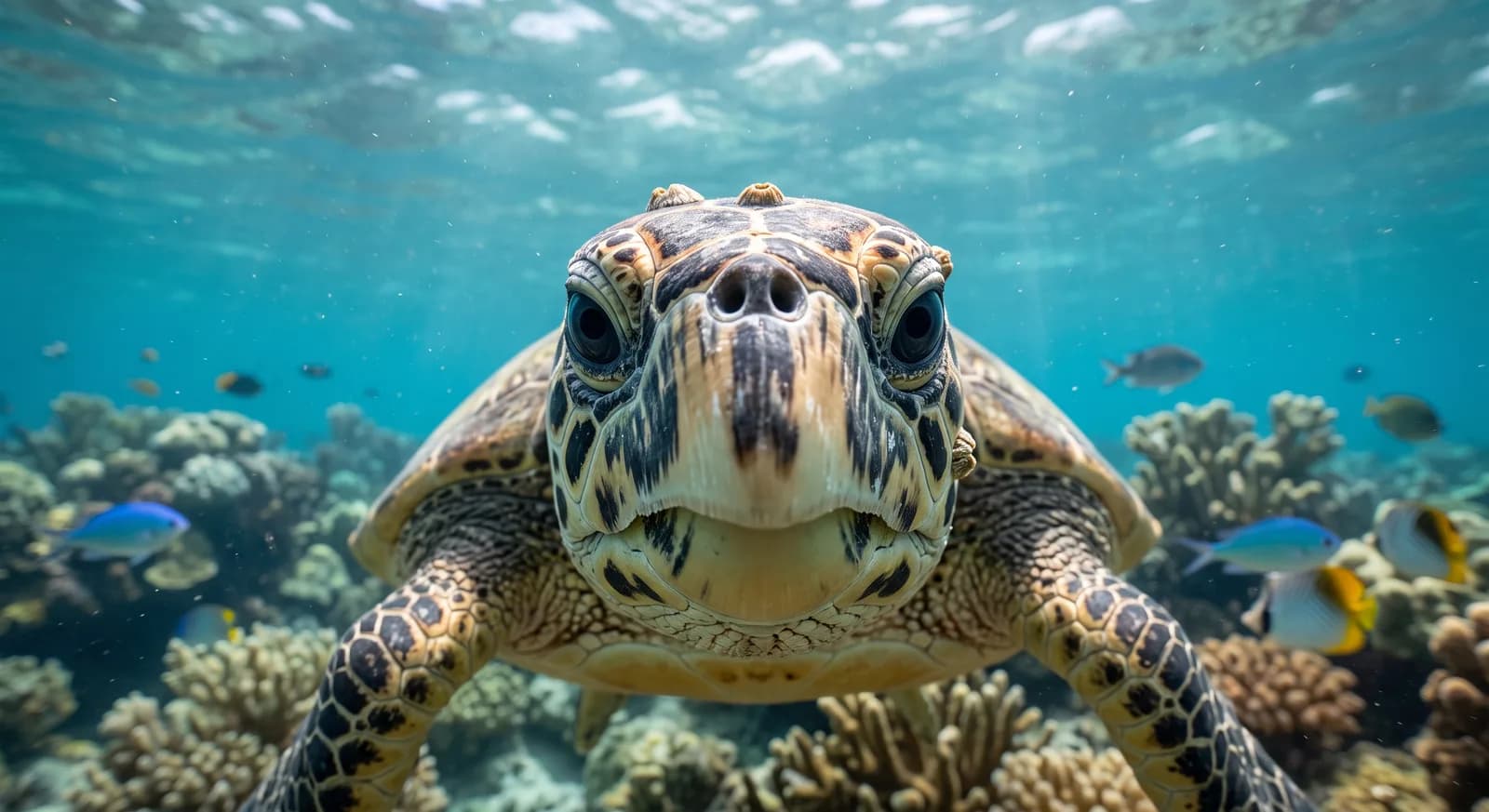 Critically Endangered
Hawksbill Turtle
Eretmochelys imbricata
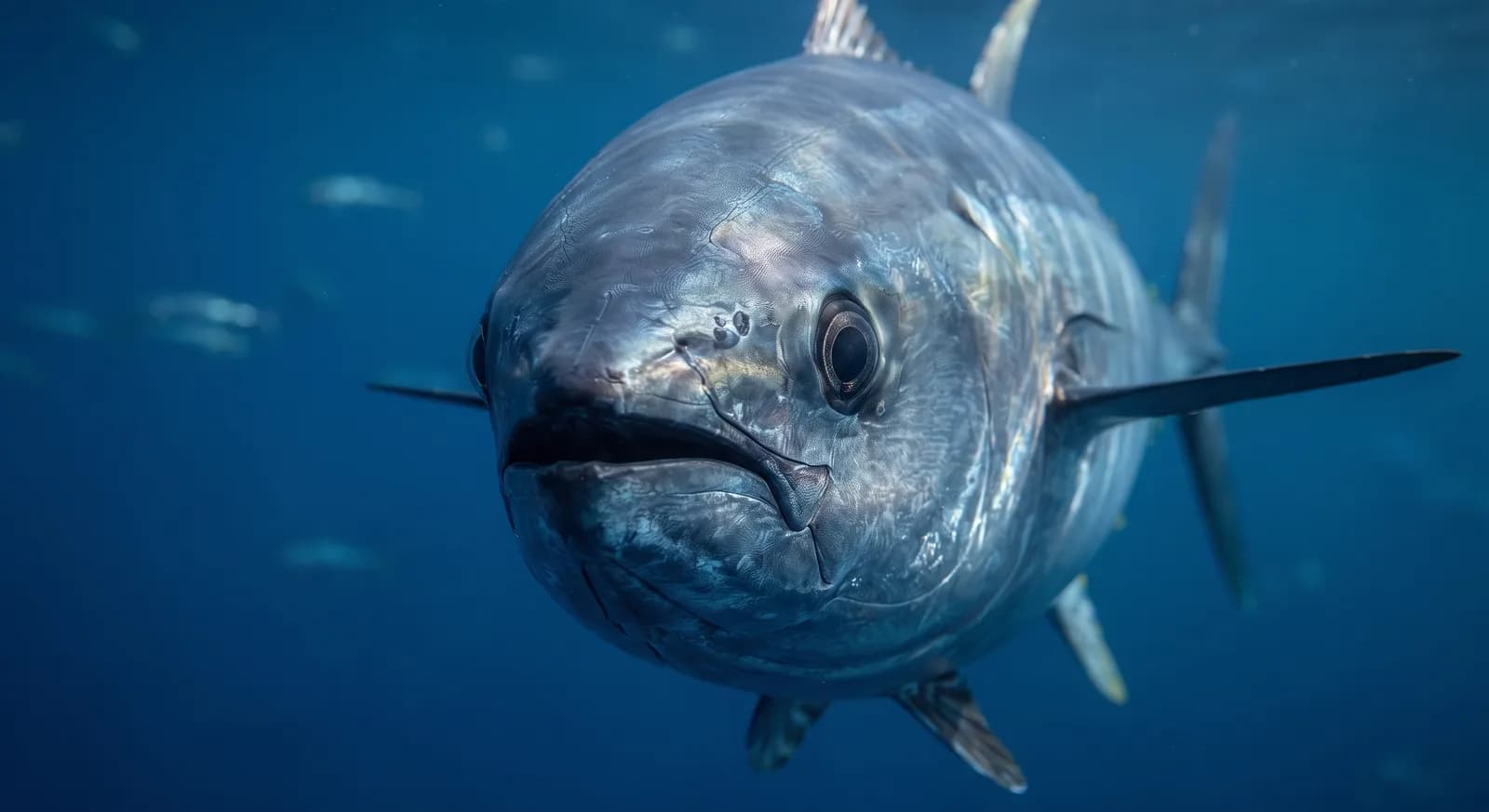 Endangered
Atlantic Bluefin Tuna
Thunnus thynnus
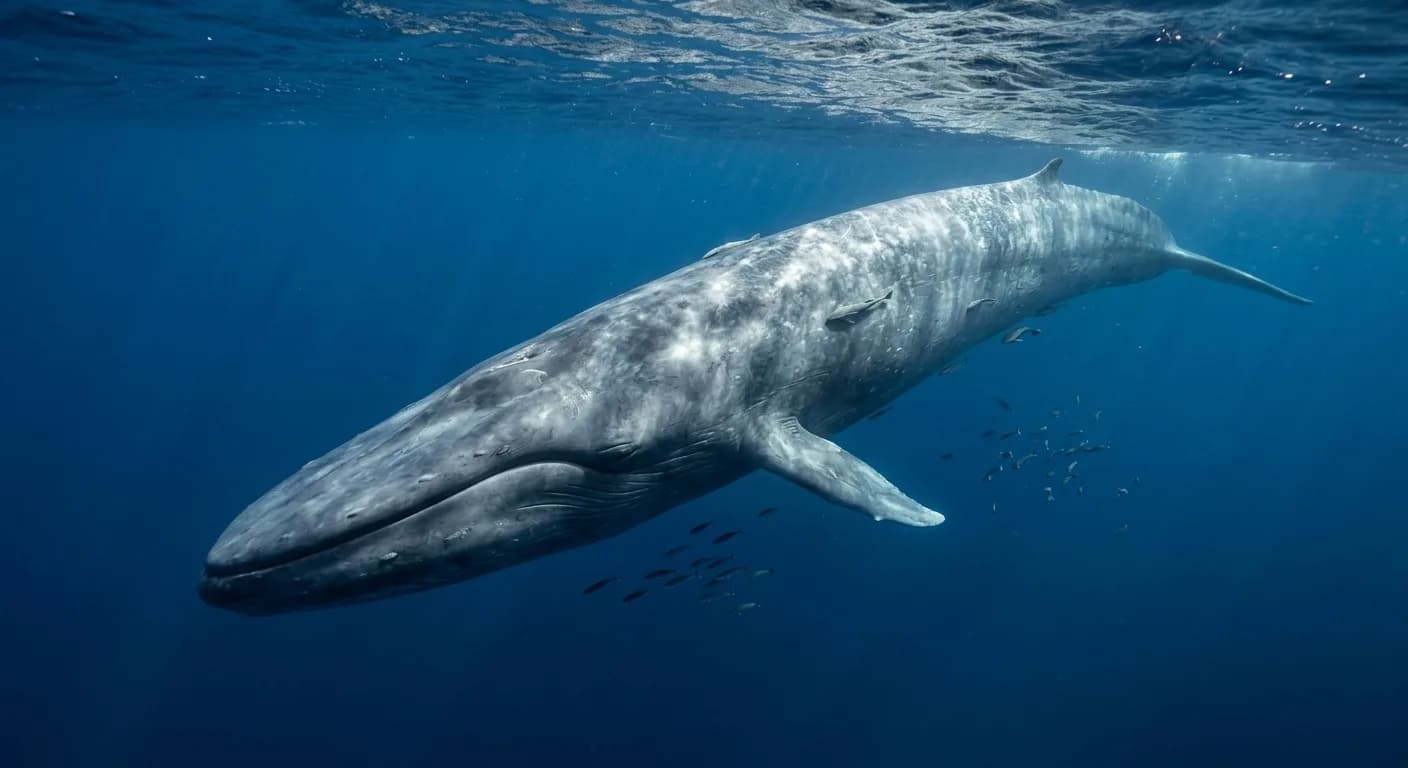 Endangered
Blue Whale
Balaenoptera musculus
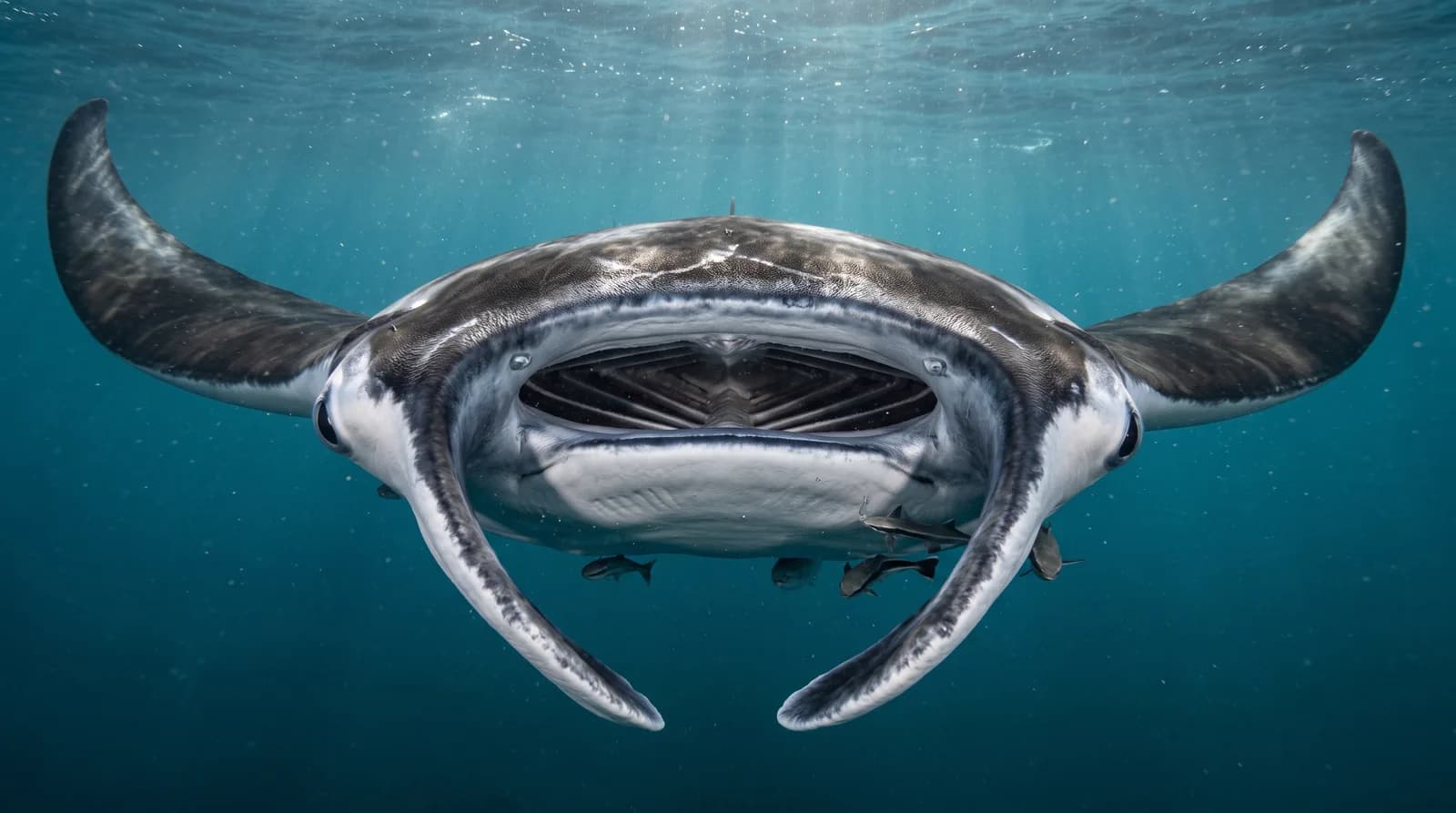 Endangered
Giant Manta
Mobula birostris
 Endangered
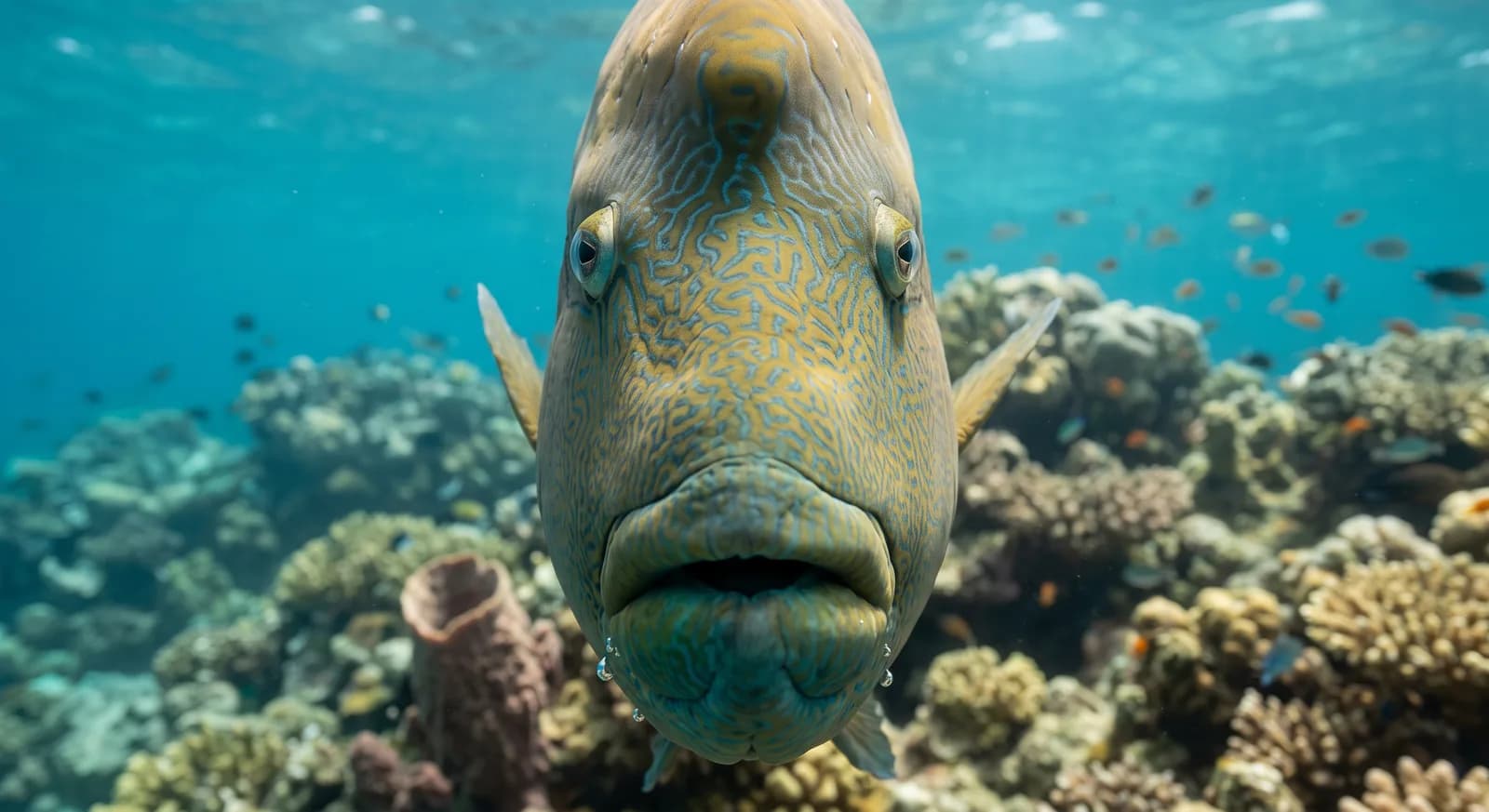
Humphead Wrasse
Cheilinus undulatus
 Endangered
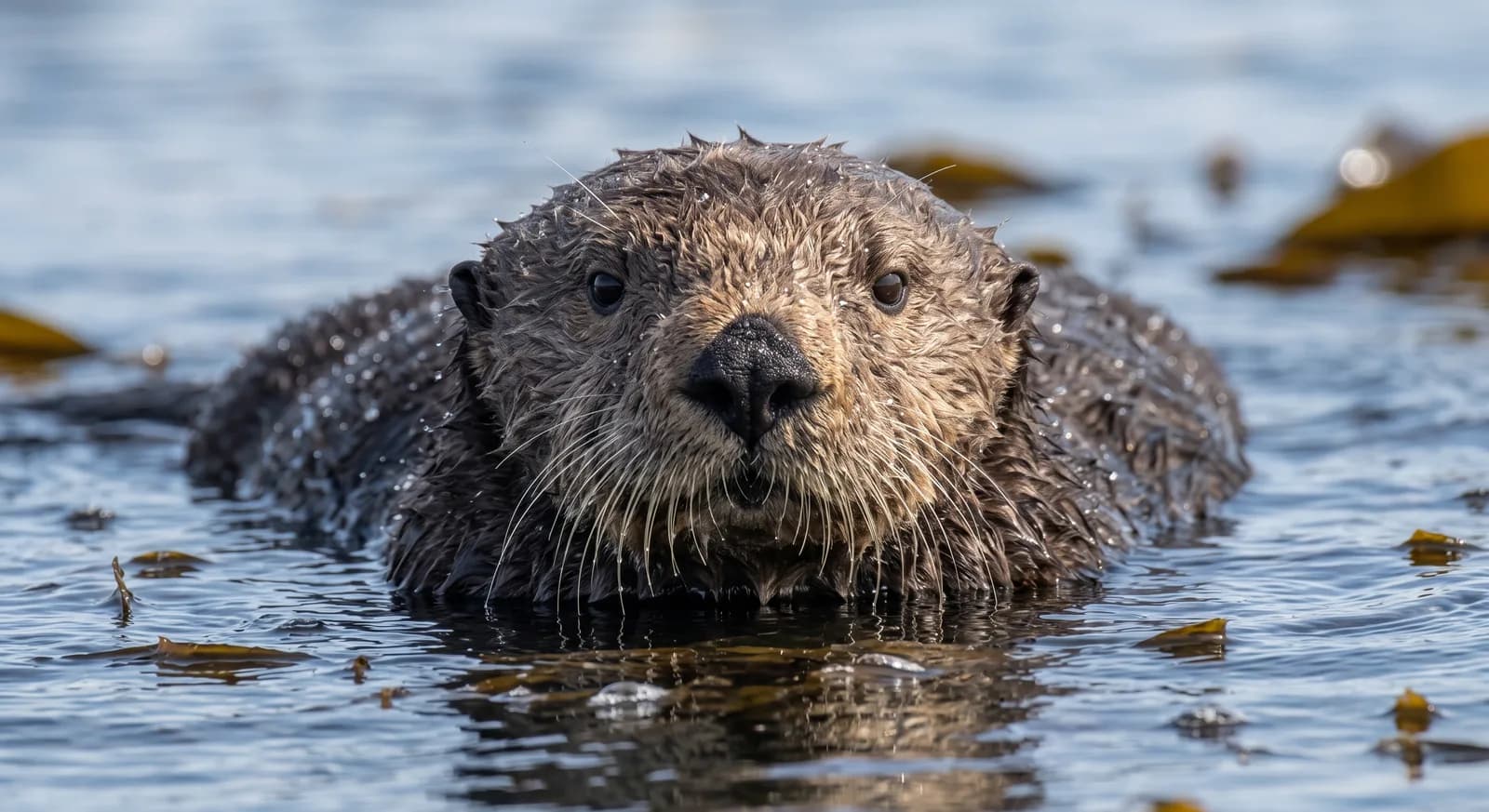
Sea Otter
Enhydra lutris
 Endangered
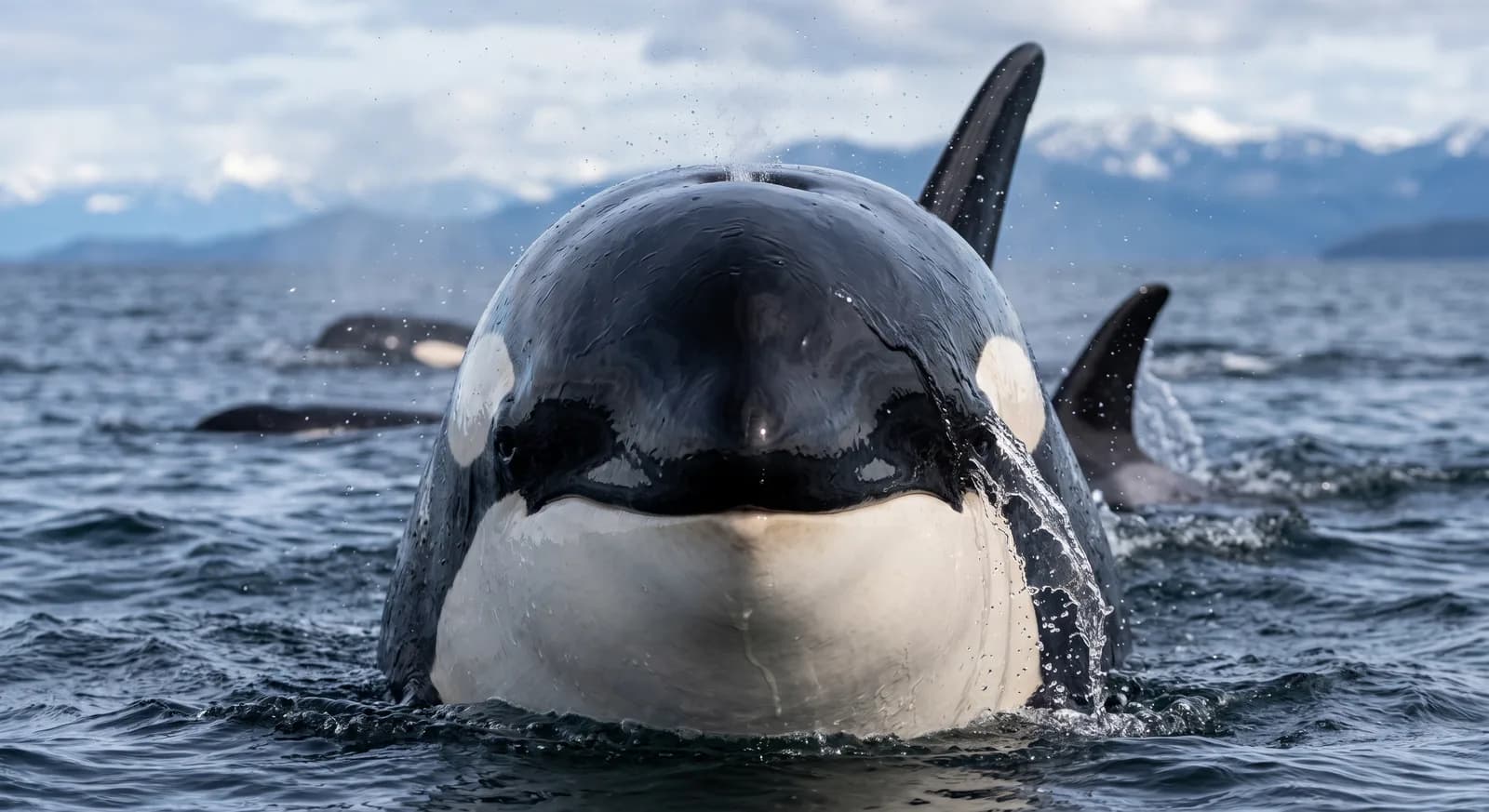
Killer Whale
Orcinus orca
 Endangered
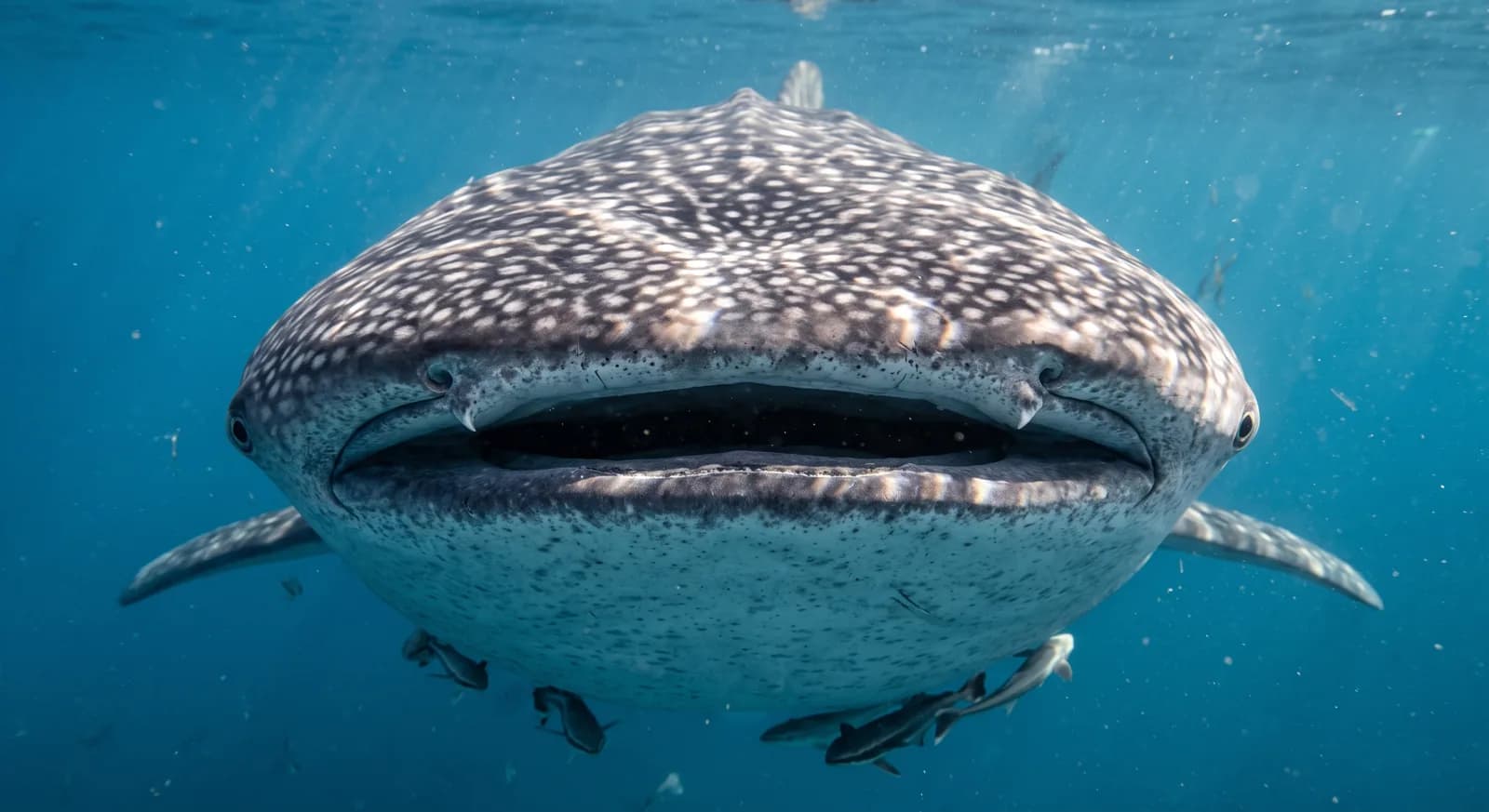
Whale Shark
Rhincodon typus
Keep exploring
Based on what we already know about Japan.